Family Cultural Exploration in Kyoto
Day 4: Through Vermilion Gates to Tranquil Gardens: A Day of Spiritual Discovery in Kyoto
Explore Kyoto's soul with a visit to Fushimi Inari Shrine and Tofuku-ji Temple, immersing yourself in vibrant traditions and serene landscapes.

Whispers of the Divine
Today, Kyoto unveiled itself in layers of vibrant spirituality and serene contemplation. It was a day of ascending through seemingly endless vermilion gates and wandering through meticulously crafted gardens, each step resonating with centuries of history and devotion. Klaus, Ama and I set out early, eager to embrace the cultural richness that awaited us.
Our day began with a hearty breakfast at Masayoshi Japanese Dining. I had read some recent reviews that indicated some negative experiences, but we found the food to be a satisfying start to our day. Fortified, we set off for our first destination: the mesmerizing Fushimi Inari Shrine (Thousand Torii Gates).

Explore the enchanting Fushimi Inari Shrine, home to thousands of vibrant torii gates, where tradition and breathtaking beauty await every visitor.
Journey Through a Thousand Torii Gates
The Fushimi Inari Shrine, with its thousands of vibrant red torii gates winding up the mountainside, was an absolutely breathtaking sight. As we approached, the air buzzed with a palpable sense of energy, a mix of reverence and excitement from the many visitors who had come to pay their respects. It was easy to see why Fushimi Inari Taisha is known worldwide as one of the most iconic sights in Kyoto and Japan.
The history of this shrine is as captivating as its landscape. Founded in 711 AD, it has been a pivotal site for worship, dedicated to Inari, the Shinto god of rice and agriculture. Over time, Inari worship expanded to include business prosperity, making the shrine a beacon for merchants and manufacturers seeking good fortune. As someone deeply interested in the intersection of culture and economics, I found this evolution particularly fascinating.
We began our ascent, passing under the first of the seemingly endless torii gates. Each gate has been donated by individuals or businesses, their names inscribed on the back, a testament to their devotion and hopes for prosperity. Ama was immediately captivated by the bright vermilion color, a hue believed to protect against evil. She ran her tiny hands along the wood, giggling as she echoed the sounds of the other children around us.
The journey through the torii gates is not just a walk, but a passage through time, a connection to the hopes and dreams of generations past.
As we climbed higher, the crowds began to thin, and a sense of tranquility settled around us. The sunlight filtered through the trees, casting dappled shadows on the path. We paused frequently, not just to catch our breath, but to absorb the beauty and serenity of our surroundings. Along the way, we encountered numerous fox statues, the kitsune, considered messengers of the gods. Each fox had a unique expression and held a symbolic item, such as a key, a scroll, or a ball, further deepening the mystique of the shrine. The color of the shrine and torii gates are also significant as the red-orange color referred to as vermillion is thought to be a protective color against evil forces. This is true of many shrines throughout Japan, but at Fushimi Inari Shrine, it is also considered a color that represents the bounty that the deity Inari Okami provides.
I found myself reflecting on the dedication and artistry that went into creating this sacred space. The craftsmanship of each gate, the meticulous placement of the statues, and the harmonious integration of the shrine with the natural landscape all spoke to a deep reverence for the divine. It reminded me of the importance of preserving cultural heritage and finding ways to honor tradition while embracing progress.
We didn't quite make it to the summit, as Ama's little legs began to tire, but we reached a point where we could look out over the city of Kyoto, a sprawling tapestry of rooftops and greenery. It was a moment of profound peace, a feeling of being connected to something larger than ourselves. Descending, we savored the experience, knowing that the memories of this vibrant, spiritual place would stay with us long after we left.
For lunch, we enjoyed a delightful meal at Hanasaki. The restaurant offered a wonderful introduction to the delicate flavors of Japanese kaiseki cuisine, striking a balance between affordability and quality. The freshness and quality of the ingredients were evident in every dish, making it a memorable culinary experience.
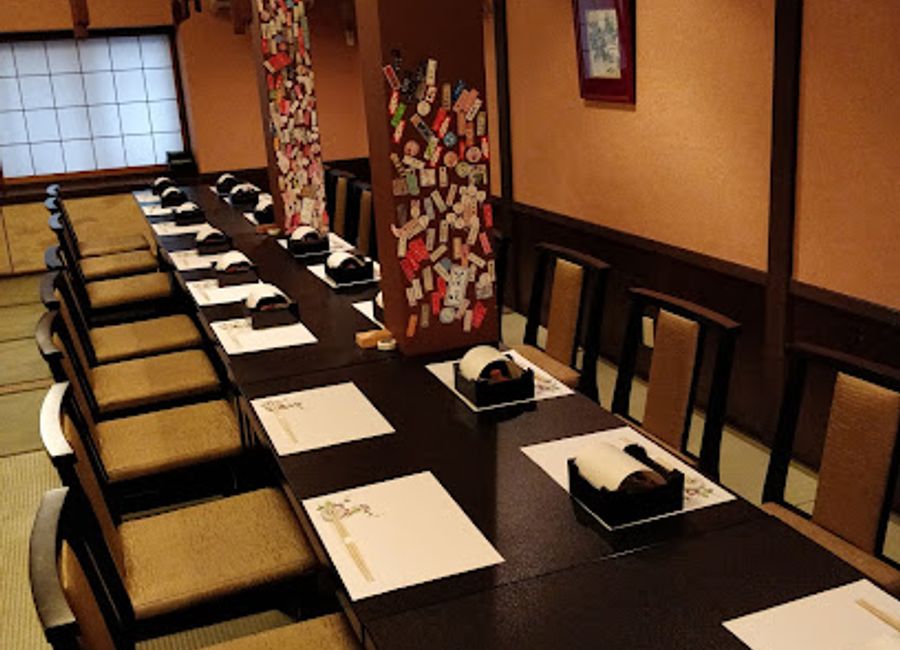
Experience authentic kaiseki cuisine at Hanasaki in Kyoto - where tradition meets artistry in every delicious dish.
Finding Zen at Tōfuku-ji Temple
In the afternoon, we sought a different kind of spiritual experience at Tōfuku-ji Temple, a large Zen temple known for its spectacular gardens and historic buildings. Founded in 1236, Tofuku-ji is one of Kyoto's Five Great Zen Temples, and it truly lived up to its reputation. The temple's name is a combination of the names of two great temples in Nara, Todaiji Temple and Kofukuji Temple.

Discover the serene beauty and historical significance of Tōfuku-ji Temple, a must-visit Buddhist landmark in Kyoto.
As we entered the temple grounds, the atmosphere shifted from the vibrant energy of Fushimi Inari to a sense of serene contemplation. The towering Sanmon Gate, the oldest Zen gate of its kind dating back to 1425, stood as a testament to the temple's rich history. Surrounding the main structures were several temple buildings from the early Muromachi Period, rare examples of surviving Zen architecture.
The Hojo Garden was a particular highlight, a unique space surrounding the head priest's former living quarters on all sides. Each garden had a distinct character, employing pebbles, rocks, moss, and trees in artful arrangements. I was especially drawn to the northern garden, with its checkerboard pattern of stones and moss, a striking example of modern Zen garden design.
Walking through these gardens, I felt a sense of calm wash over me. The meticulous care and attention to detail in every aspect of the design created a space that was both beautiful and deeply peaceful. It was a reminder of the importance of finding moments of stillness in our busy lives, of connecting with nature and allowing ourselves to simply be.
We also explored the Tsutenkyo Bridge, a covered walkway offering stunning views of the surrounding maple trees. While it's known as a prime spot for autumn colors, even in May, the lush greenery was breathtaking. It was easy to imagine the vibrant reds and golds that would soon transform this landscape, drawing visitors from all over Japan.
Before heading back to the hotel, we stopped by The Common One Bar Kyoto for a relaxing drink. The bar had a hideout-like atmosphere, offering a special experience with creative food offerings and attentive service. It was the perfect way to unwind and reflect on the day's adventures.

Experience the vibrant nightlife of Kyoto at The Common One Bar, where tradition meets innovation in every cocktail.
Tomorrow's Journey
Tomorrow, we plan to explore the enchanting district of Gion, known for its preserved wooden machiya houses and geishas. We'll also visit Yasaka Shrine, a vibrant cultural hub, and stroll through Maruyama Park, a beautiful green space perfect for a relaxing afternoon. I'm particularly excited about visiting Kyoto LOFT, a shop that I hope will yield some unique finds.
As I write this, I'm filled with gratitude for the experiences of today. Kyoto has a way of touching the soul, of reminding us of the beauty and complexity of human history and the enduring power of the spirit. I am also struck by the number of festivals and events that take place in Kyoto in May. I am hoping that we will be able to experience the Aoi Matsuri Festival on May 15.
“Travel is more than seeing the sights; it is a change that goes on, deep and permanent, in the ideas of living.” – Miriam Beard. Today was a testament to that sentiment, a day that has undoubtedly left an indelible mark on my perspective and my spirit.
Goodnight from Kyoto.

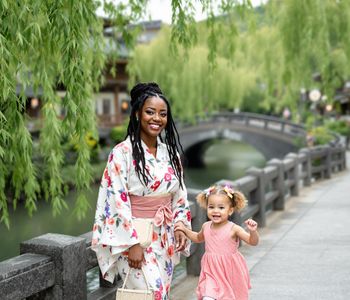
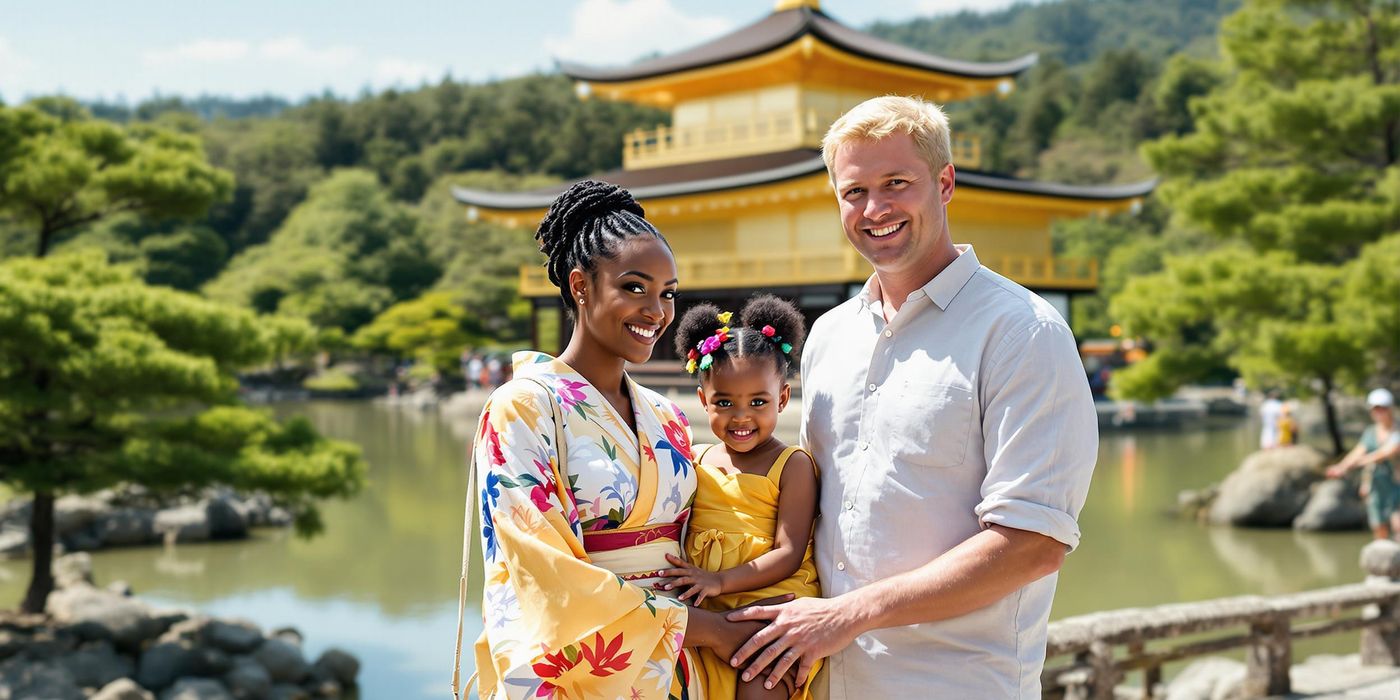
Experience a family-friendly journey through Kyoto's timeless beauty, exploring temples, gardens, and cultural treasures while enjoying modern comforts.
Meet this Featured Explorer

-
 Occupation:
Software Developer specializing in AI applications for sustainable agriculture.
Occupation:
Software Developer specializing in AI applications for sustainable agriculture.
-
 Country:
Germany
Country:
Germany
-
 Age:
27
Age:
27
Hello, fellow travelers! I'm Abena Mensah, a software developer from Ghana, currently living in Germany with my husband and daughter. My passion for sustainable living, combined with my love for exploring new cultures, has led me to create this blog. Here, I share my travel experiences, focusing on eco-conscious adventures, cultural immersion, and authentic connections with local communities. Join me as I navigate the world, one sustainable step at a time!
- Sustainable living
- African history and culture
- Technological innovation
- Global cuisine
- Photography
Find Similar Travel Diaries
Explore locations from this diary
-
Cross Hotel Kyoto
Discover the charm of Kyoto from Cross Hotel Kyoto, where comfort meets convenience just steps from the city's historic treasures.
-
Fushimi Inari Shrine (Thousand Torii Gates)
Explore the enchanting Fushimi Inari Shrine, home to thousands of vibrant torii gates, where tradition and breathtaking beauty await every visitor.
-
Tōfuku-ji Temple
Discover the serene beauty and historical significance of Tōfuku-ji Temple, a must-visit Buddhist landmark in Kyoto.
-
Masayoshi Japanese Dining
Experience authentic Japanese steakhouse dining at Masayoshi in Kyoto—where tradition meets culinary excellence.
-
Hanasaki
Experience authentic kaiseki cuisine at Hanasaki in Kyoto - where tradition meets artistry in every delicious dish.
-
Teppan Tavern Tenamonya
Experience authentic teppanyaki at Teppan Tavern Tenamonya, Kyoto's premier destination for Japanese cuisine in a lively izakaya setting.
-
The Common One Bar Kyoto
Experience the vibrant nightlife of Kyoto at The Common One Bar, where tradition meets innovation in every cocktail.