Exploring the Cultural Tapestry of Kyoto
Day 7: A Day of Serenity and Shoguns: Kyoto's Cultural Treasures
Immerse yourself in Kyoto's rich history with visits to majestic castles, serene temples, and vibrant shopping experiences. A day of cultural bliss!
Kyoto's Echoes of the Past
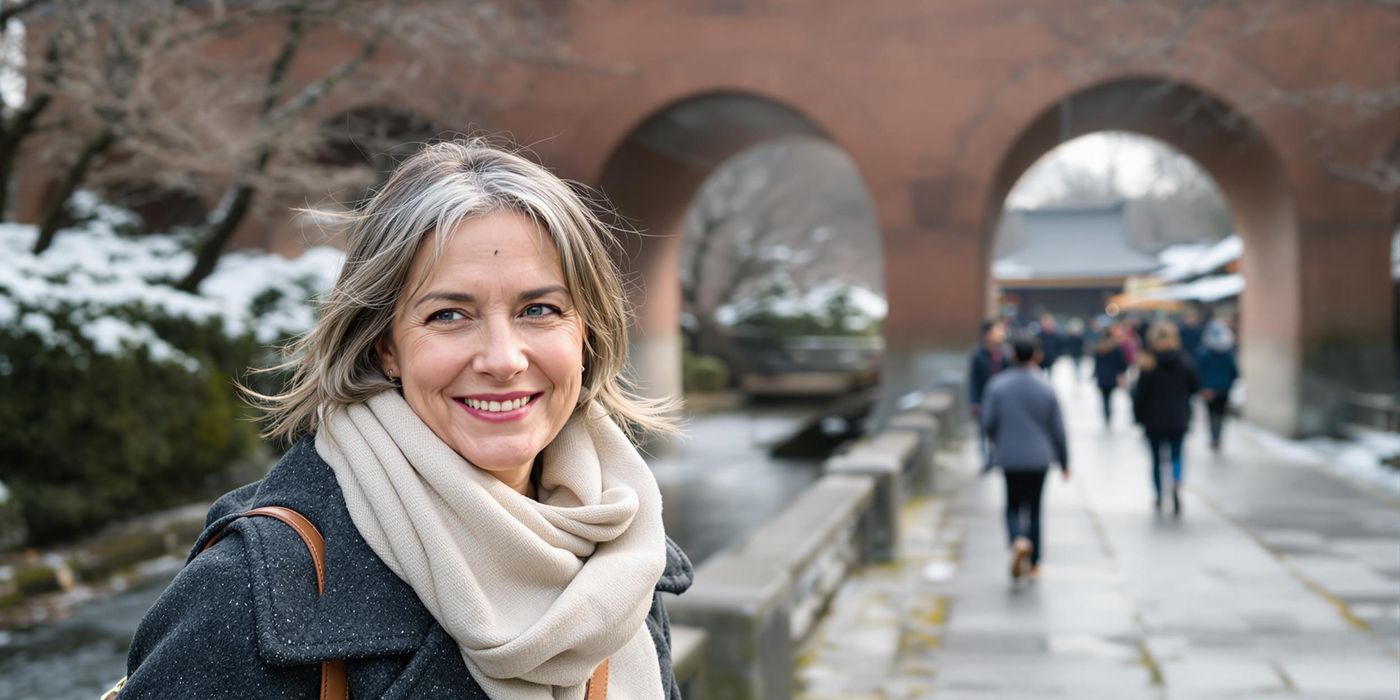
Today was a journey through time, a day where the echoes of shoguns and emperors resonated through the ancient streets of Kyoto. From the formidable Nijō Castle to the tranquil gardens of Nanzen-ji and the vibrant vermillion of Heian Shrine, each location offered a unique glimpse into Japan's rich history and spiritual heritage. It was a day of contrasts, from the imposing power of feudal lords to the serene beauty of Zen gardens, all woven together in the captivating tapestry of Kyoto.
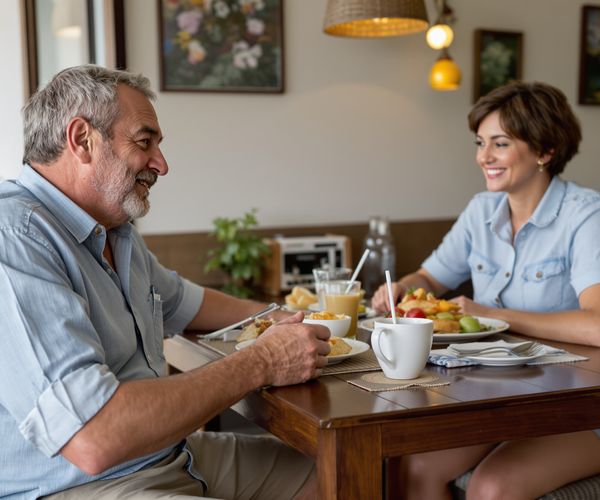
My day began with a hearty breakfast at Katsukura - Kyoto Porta. The tonkatsu was a delightful start, setting me up for a day of exploration. While not traditionally Kyoto cuisine, it was delicious and filling, providing the energy I needed for a busy day of sightseeing. I must remember to bring Hans-Peter here when we return; he would appreciate the quality of the ingredients and the reasonable prices.
First on the agenda was Nijō Castle. As an archivist, I am naturally drawn to places steeped in history, and Nijō Castle did not disappoint. Built in 1603 by Tokugawa Ieyasu, the first shogun of the Edo period, the castle served as his Kyoto residence. The sheer scale of the place is impressive, a testament to the power and authority of the shogunate. Wandering through the Ninomaru Palace, I was struck by the opulence of the interiors. The intricate wood carvings, the decorative panels, and the famous 'nightingale floors' all spoke of a bygone era. The squeaking of the floors, designed as a security measure against intruders, added an element of intrigue to the experience. It was fascinating to imagine the shogun receiving visitors in these very rooms, the highest-ranked allowed into the main audience room while bodyguards lurked behind hidden doors. The castle is divided into three areas: the Honmaru (main circle of defense), the Ninomaru (secondary circle of defense) and the gardens. The entire castle grounds and the Honmaru are surrounded by stone walls and moats, which gives the castle an imposing presence. The palace buildings are considered the best surviving examples of castle palace architecture of Japan's feudal era.
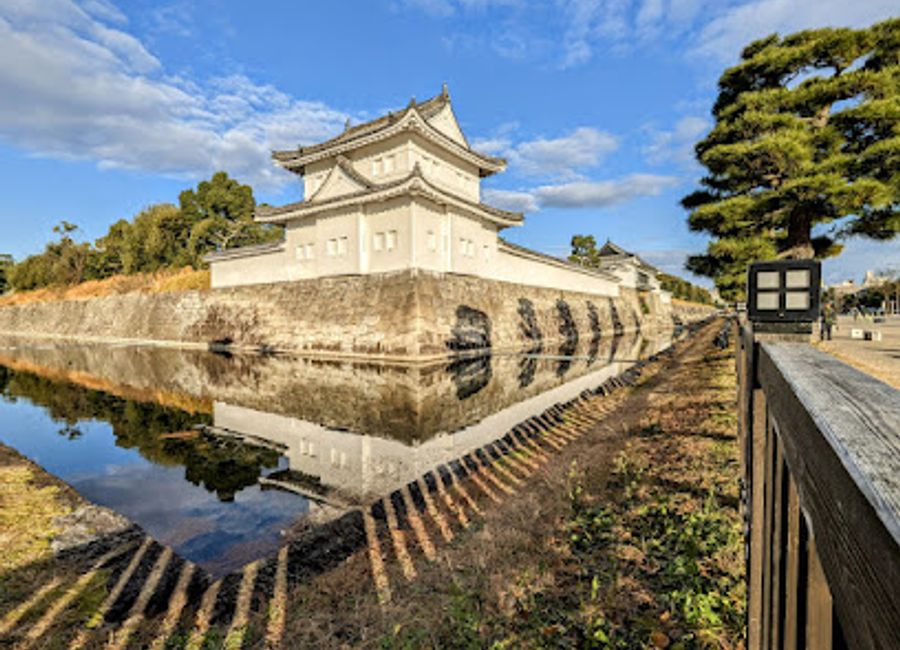
Explore the grandeur of Nijō Castle, a UNESCO World Heritage Site in Kyoto, showcasing the beauty of feudal Japan's architecture and gardens.
The past is never dead. It's not even past.
Leaving the castle, I made my way to Nanzen-ji Temple. Founded in 1291 by Emperor Kameyama, it was originally his retirement villa before being converted into a Zen Buddhist temple. The air here was noticeably different, filled with a sense of tranquility and contemplation. The temple grounds are expansive, featuring impressive structures such as the Sanmon gate and the Suirokaku aqueduct. I wandered through the Hōjō gardens, a nationally designated Place of Scenic Beauty, and found myself captivated by the carefully arranged stones and the serene atmosphere. The garden is considered one of the most significant examples of *karesansui* gardens. I paused for a moment, closed my eyes, and listened to the gentle rustling of the wind through the trees, feeling a sense of peace wash over me. It was easy to see why Emperor Kameyama chose this place for his retirement. The aqueduct, constructed in 1890 to carry irrigation water from Lake Biwa, was an unexpected sight. Its brick arches added a touch of European flair to the traditional Japanese setting. I also took some time to explore the sub-temples, each with its unique charm. I visited Nanzen-in, which has a spectacular garden that dates from the 14th century. It is said that the Nanzen-in garden is a true representation of Kamakura period style, and features a pond in the shape of a dragon called Sogen-ike Pond, believed to have been designed by retired Emperor Kameyama himself.
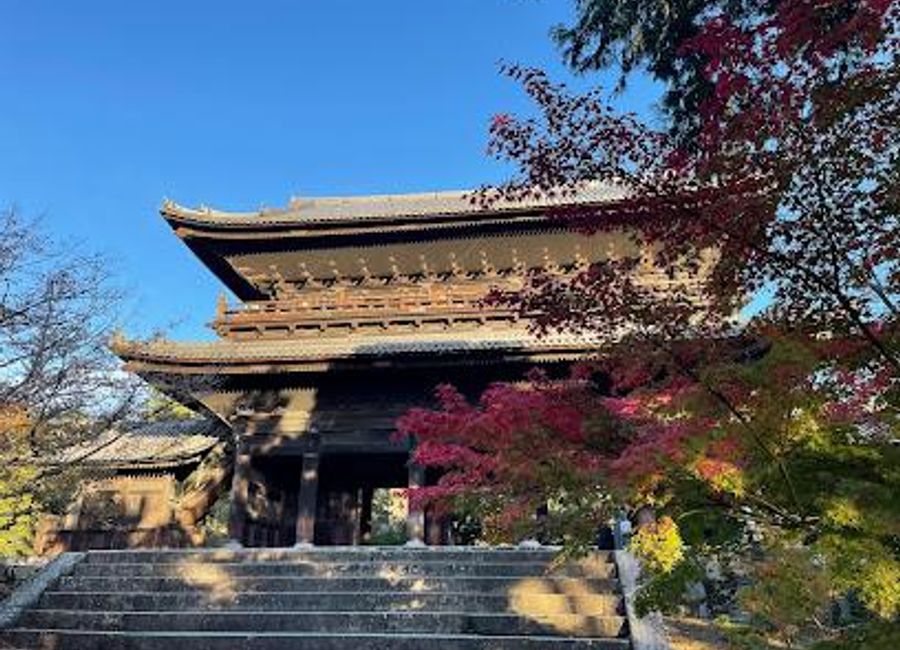
Discover the tranquility of Nanzen-ji, a historic Buddhist temple complex in Kyoto, where spirituality meets stunning natural beauty.
For lunch, I ventured to Masayoshi Japanese Dining. The restaurant was a delightful surprise, offering a modern take on traditional Japanese cuisine. The atmosphere was welcoming, and the food was exquisite. I savored each bite, appreciating the skill and artistry that went into every dish. After lunch, I headed to Heian Shrine, a more recent addition to Kyoto's historical landscape. Established in 1895 to commemorate the 1100th anniversary of the city's founding, the shrine is dedicated to Emperor Kanmu, the first emperor to reign from Kyoto, and Emperor Komei, the last emperor to reside in the city. The shrine's architecture is striking, a partial replica of the original Imperial Palace from the Heian Period. The vibrant vermillion buildings stood out against the clear blue sky, creating a visually stunning scene. The giant torii gate marking the approach to the shrine is one of the largest in Japan. I strolled through the spacious grounds, admiring the wide-open court and the traditional buildings. Behind the main buildings, I discovered an attractive garden with a variety of plants, ponds, and buildings. It was a peaceful oasis, a place to reflect on the history and culture of this remarkable city. The shrine's design was a reproduction of the Chōdōin in 5/8th scale, and the large red entrance gate is a reproduction of the Outenmon of the Chōdōin.

Explore Heian Shrine in Kyoto for a serene experience of stunning gardens, rich history, and traditional Japanese architecture.
Before returning to the Kyoto Watazen Ryokan, I decided to indulge in a little retail therapy at Kyoto LOFT. This multi-story emporium is a treasure trove of contemporary Japanese lifestyle products, from innovative home goods to trendy stationery. I browsed the aisles, admiring the unique and well-designed items on display. It was the perfect place to pick up a few souvenirs for friends and family back home in Berlin. Perhaps I'll find a nice calendar for Hans-Peter, or some traditional paper for my genealogy notes. Kyoto LOFT is a beloved general store that captures the essence of modern urban living. It offers an eclectic mix of stylish and practical items, from innovative home goods and trendy stationery to fashionable accessories and unique gifts. With its finger on the pulse of current design trends, Kyoto LOFT showcases both established brands and up-and-coming local artisans, providing visitors with a curated shopping experience that reflects Japan's renowned attention to detail and functionality.
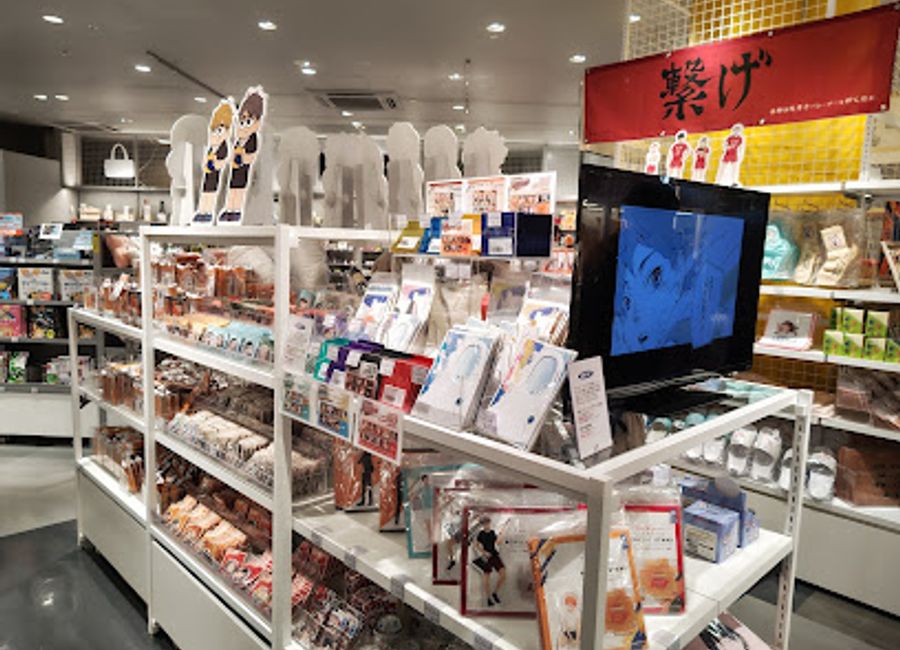
Explore Kyoto LOFT: A vibrant general store with cosmetics, home goods, and unique novelties in the heart of Kyoto.
Finally, for dinner, I treated myself to a meal at Yoshikawa. This restaurant is renowned for its tempura, and it did not disappoint. The atmosphere was elegant, and the service was impeccable. I savored each bite of the delicately battered and fried seafood and vegetables, appreciating the skill and precision of the chef. It was the perfect end to a perfect day. You can choose to sit and eat around a small counter seating only twelve persons and observe the chefs at work or have a private dinner in a tatami sunken room with lovely garden views. The tempura is light and surprisingly non-greasy, and the atmosphere is excellent. It is served in a beautiful old wooden building built around a sublime Japanese garden. It was a fitting end to a day steeped in history and culture. I chose the tempura menu, as I had heard that the Kaiseki cuisine is made in a more interesting and tasteful way at several other restaurants in Kyoto. I will have to try one of those before I leave.

Experience authentic Japanese cuisine at Yoshikawa, where tradition meets exceptional flavors in the heart of Kyoto.
As I reflect on the day, I am filled with a sense of gratitude for the opportunity to experience the beauty and history of Kyoto. Each location I visited today offered a unique perspective on Japan's rich cultural heritage. From the imposing power of the shogunate to the serene beauty of Zen gardens, Kyoto is a city that truly captivates the senses and nourishes the soul.
Tomorrow, I plan to explore the Philosopher's Path, Eikandō Temple, and Shōrenin Temple. I also intend to visit the Kyoto Star Bar. I am looking forward to another day of discovery and adventure in this remarkable city.
The journey continues, and I am eager to see what tomorrow holds.

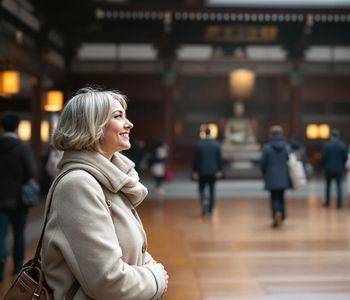
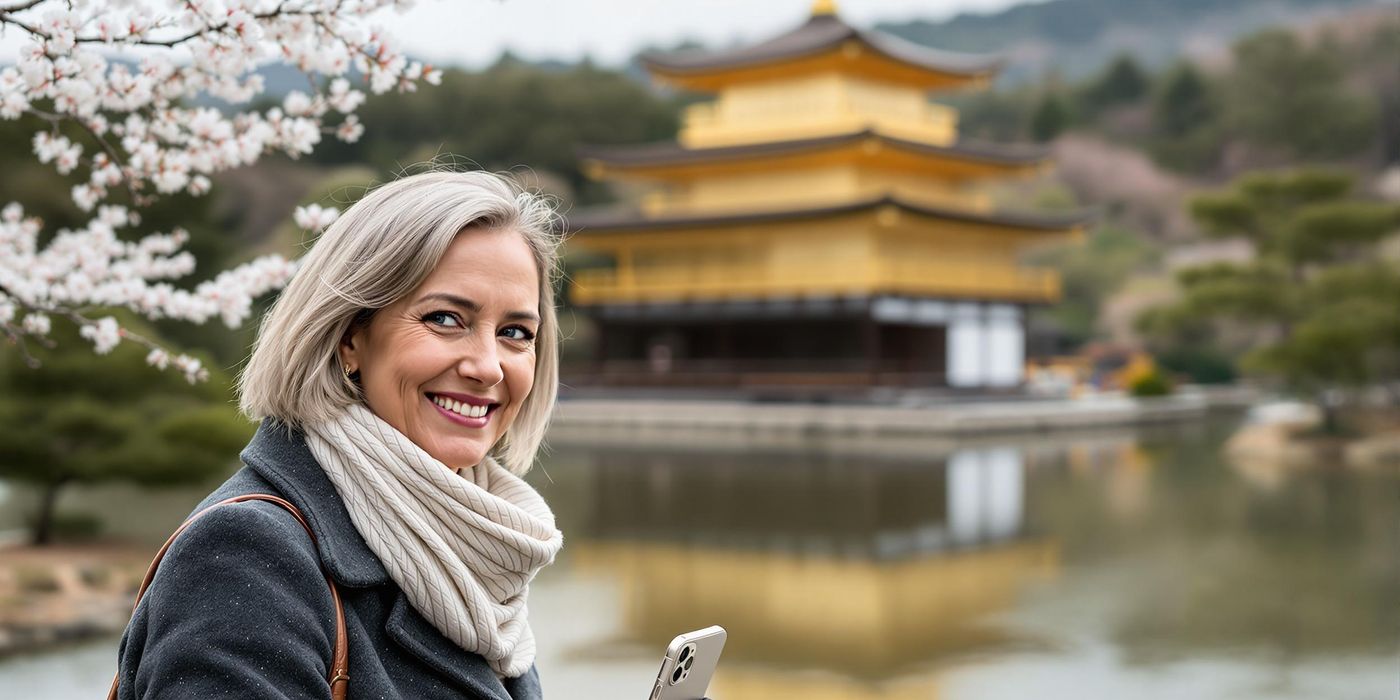
Discover Kyoto's captivating history and culture, exploring ancient temples and vibrant markets. An immersive solo adventure awaits in Japan's cultural heart.
Meet this Featured Explorer

-
 Occupation:
Archivist at the Deutsches Historisches Museum
Occupation:
Archivist at the Deutsches Historisches Museum
-
 Country:
Germany
Country:
Germany
-
 Age:
53
Age:
53
Es esmu Elza Bērziņa-Schmidt, a Latvian native living in Berlin, and an archivist with a passion for history and travel. Through my blog, I share my travel experiences, combining historical insights with personal anecdotes. Join me as I explore the world, uncovering hidden gems and immersing myself in different cultures. I hope to inspire you to embark on your own adventures, whether it's exploring ancient ruins or discovering the charm of a local market.
Find Similar Travel Diaries
Explore locations from this diary
-
Kyoto Watazen Ryokan
Discover the charm of Kyoto at Kyoto Watazen Ryokan, where traditional Japanese hospitality meets modern comforts in a prime location.
-
Nijō Castle
Explore the grandeur of Nijō Castle, a UNESCO World Heritage Site in Kyoto, showcasing the beauty of feudal Japan's architecture and gardens.
-
Nanzen-ji
Discover the tranquility of Nanzen-ji, a historic Buddhist temple complex in Kyoto, where spirituality meets stunning natural beauty.
-
Heian Shrine
Explore Heian Shrine in Kyoto for a serene experience of stunning gardens, rich history, and traditional Japanese architecture.
-
Katsukura - Kyoto Porta
Discover authentic Tonkatsu at Katsukura - a must-visit Japanese restaurant in Kyoto offering delightful flavors in a modern setting.
-
Masayoshi Japanese Dining
Experience authentic Japanese steakhouse dining at Masayoshi in Kyoto—where tradition meets culinary excellence.
-
Yoshikawa
Experience authentic Japanese cuisine at Yoshikawa, where tradition meets exceptional flavors in the heart of Kyoto.
-
Kyoto LOFT
Explore Kyoto LOFT: A vibrant general store with cosmetics, home goods, and unique novelties in the heart of Kyoto.