Cultural Journey through Ponte de Lima
Day 6: Whispers of the Past: Exploring Ancient Traditions in Soajo and Lindoso
Journey back in time as we explore the ancient granaries and imposing castle of Soajo and Lindoso, Portugal, with cultural insights and local flavors.

Echoes of History in Portugal's Northern Highlands
Today, Jan and I embarked on a journey that felt like stepping back in time, as we explored the ancient villages of Soajo and Lindoso. Nestled high in the mountains of northern Portugal, these historic sites offered a glimpse into the enduring traditions and resilient spirit of the Portuguese people. It was a day filled with breathtaking landscapes, fascinating architecture, and a deep appreciation for the cultural heritage that continues to thrive in this remote corner of the country.
Our day began with a hearty breakfast at Maria Rosa | Restaurante | Breakfast, Lunch & Brunch in Ponte de Lima. I savored the Shakshuka, while Jan enjoyed the Ovos Benedict. Fuelled up, we set off towards Soajo, eager to explore the famed Granaries.
Granaries of Soajo: Sentinels of Tradition
As we approached Soajo, the landscape transformed into a tapestry of rolling hills and verdant fields. The air was crisp and clean, carrying the scent of damp earth and distant woodsmoke. It was easy to imagine generations of farmers tending to their crops, their lives deeply intertwined with the rhythms of the land. October in Ponte de Lima brings daytime temperatures around 20°C, cooling to 11°C at night. We were lucky to have a partly cloudy day.
The Granaries of Soajo, or ‘Espigueiros’ as they are known locally, came into view, standing proudly atop a large granite outcrop. These ancient stone structures, dating back to the 18th century, are a testament to the ingenuity and resourcefulness of the local community. Built from granite, the most abundant rock in the region, they were designed to store corn and other cereals, protecting them from the elements and pests.
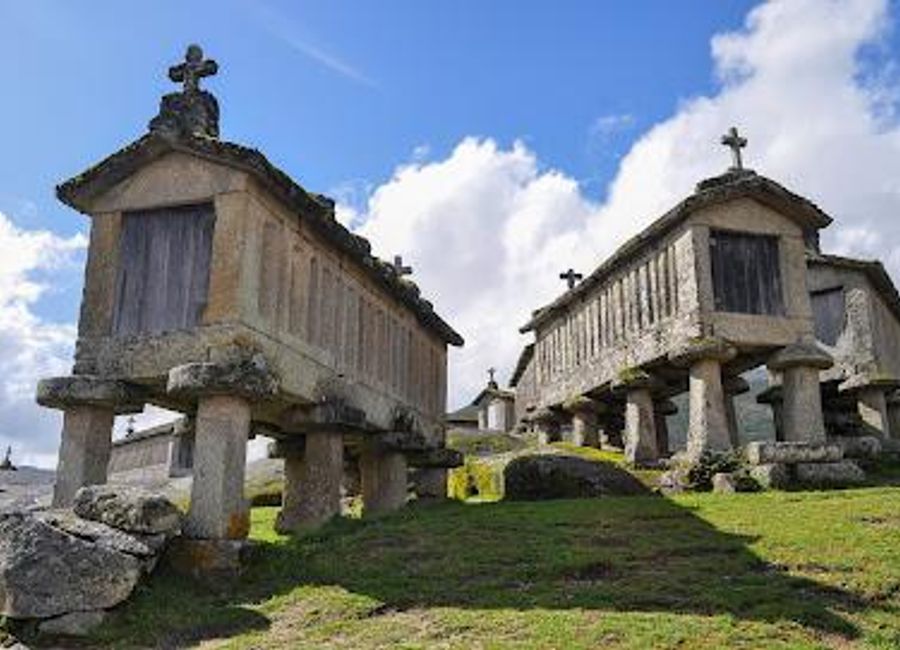
Discover the Granaries of Soajo, a historic treasure in Portugal surrounded by breathtaking landscapes and rich cultural heritage.
As we wandered among the granaries, I was struck by their unique architecture. Each one is elevated on granite pillars, creating an empty space underneath that allows for air circulation and prevents moisture from seeping in. The walls are made of narrow slits, allowing sunlight to dry the grains. Many of the granaries are adorned with a cross at the top, a symbol of divine protection for their precious contents.
Jan, ever the engineer, was fascinated by the structural design of the granaries. He pointed out the intricate details of the stonework, the way the pillars were carefully placed to distribute the weight, and the clever ventilation system that kept the grains dry. I, on the other hand, was captivated by the stories these granaries held. I imagined the farmers of Soajo, working together to harvest their crops, carrying the heavy sacks of grain up the stone steps, and entrusting their livelihoods to these sturdy structures.
Tradition is not the worship of ashes, but the preservation of fire.
It was easy to see that the granaries were more than just storage units; they were a symbol of community, resilience, and the enduring connection between the people of Soajo and their land. They served as meeting places where farmers shared knowledge, exchanged experiences, and strengthened community bonds. Even today, some of the granaries are still in use, a living testament to the traditions that have shaped this region for centuries.
Lunch at Restaurante Katekero: A Taste of Local Flavors
After immersing ourselves in the history of Soajo, we drove to Ponte da Barca for a delightful lunch at Restaurante Katekero. This charming restaurant, recommended by our homestay hosts, is known for its traditional Portuguese cuisine and warm, welcoming atmosphere.

Discover authentic Portuguese flavors at Restaurante Katekero in Ponte de Lima – where every dish celebrates local tradition.
We started with a plate of Bolinhos de Bacalhau (codfish cakes), a local delicacy that is crispy on the outside and fluffy on the inside. For our main courses, I chose the Francesinha, a hearty sandwich layered with different meats and covered in a rich, savory sauce. Jan opted for the Arroz de Sarrabulho, a flavorful rice dish cooked with pork and blood. Every dish was a testament to the rich culinary heritage of the Minho region.
As we savored our meal, we chatted with the friendly staff, who shared stories about the restaurant's history and the local ingredients they use. It was clear that Restaurante Katekero is more than just a place to eat; it's a gathering place for the community, a place where traditions are celebrated and flavors are savored.
Castle of Lindoso: A Fortress of History and Heritage
With our bellies full and our spirits high, we continued our journey to the Castle of Lindoso, a medieval fortress perched high on a hilltop overlooking the Peneda-Gerês National Park. As we drove up the winding road, the views became increasingly spectacular, with panoramic vistas of rolling hills, lush forests, and the serene Lima River winding through the valley below.
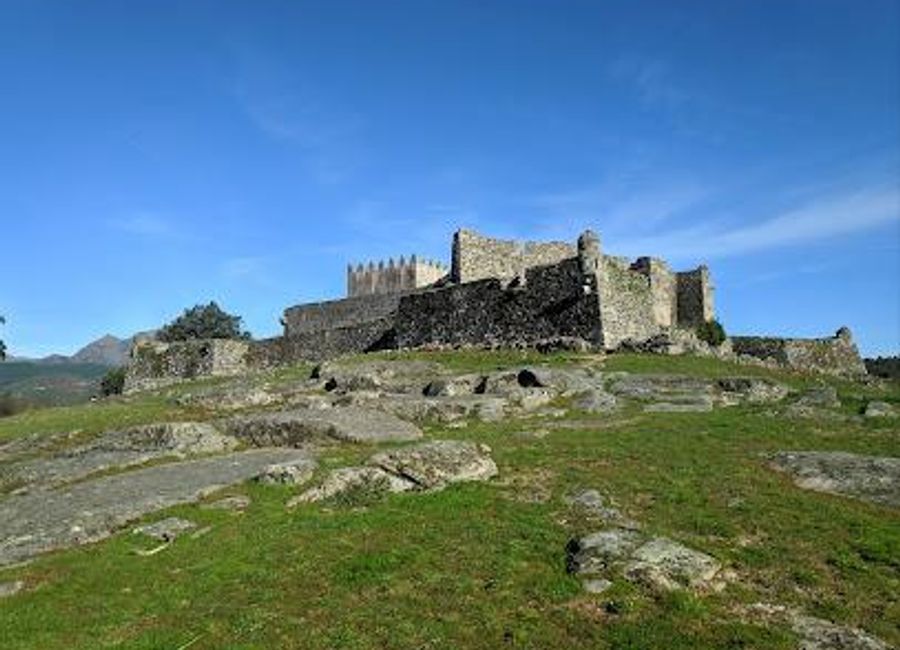
Explore the majestic Castle of Lindoso, a medieval fortress offering rich history and stunning views in the heart of Portugal.
The Castle of Lindoso, built in the 13th century during the reign of King Afonso III, was a strategic defense against Spanish invasions. During the War of Restoration (1640-1668), Portuguese forces stood their ground here, determined to keep their homeland free. The castle served as a symbol of power, a home to soldiers, and a silent witness to countless battles that shaped Portugal's destiny.
As we stepped through the castle gates, I could almost hear the echoes of the past. The clang of swords, the roar of war cries, and the determined footsteps of soldiers marching along the ramparts. The castle walls, though weathered by time, still stood strong, a testament to the resilience and determination of the Portuguese people.
We explored the castle's various features, including the keep, the chapel, and the ruins of the governor's residence. Jan was particularly interested in the castle's defensive architecture, pointing out the strategic placement of the towers, the narrow arrow slits, and the machicolations that allowed defenders to drop stones and boiling oil on attackers below. I was drawn to the chapel, a small, simple space that offered a moment of quiet contemplation amidst the turmoil of battle.
From the top of the keep, we gazed out at the breathtaking views of the surrounding landscape. The Peneda-Gerês National Park stretched out before us, a vast expanse of mountains, forests, and valleys that seemed to go on forever. It was easy to understand why this location was so strategically important; the castle commanded a sweeping view of the border region, allowing defenders to spot any approaching threats.
Just outside the castle walls, we discovered another set of granaries, similar to those we had seen in Soajo. These ‘espigueiros’ served the same purpose, protecting the local harvest from rodents and damp conditions. Their presence so close to the castle was a reminder of the close relationship between the military and the agricultural communities in this region. The people who defended the castle also depended on the land for their sustenance, and the granaries were a vital part of that equation.
As we left the Castle of Lindoso, I felt a sense of awe and respect for the people who had lived and fought here. They had faced countless challenges, but they had never given up on their land, their traditions, or their freedom. Their legacy lived on in the stones of the castle, the fields of the valley, and the hearts of the people who still called this place home.
A Relaxing Evening at Baggu's Wine Bar
To cap off our day of historical exploration, we decided to unwind at Baggu's Wine Bar in Ponte de Lima. This cozy establishment, recommended by several locals, is known for its extensive selection of Portuguese wines and its relaxed, welcoming atmosphere.
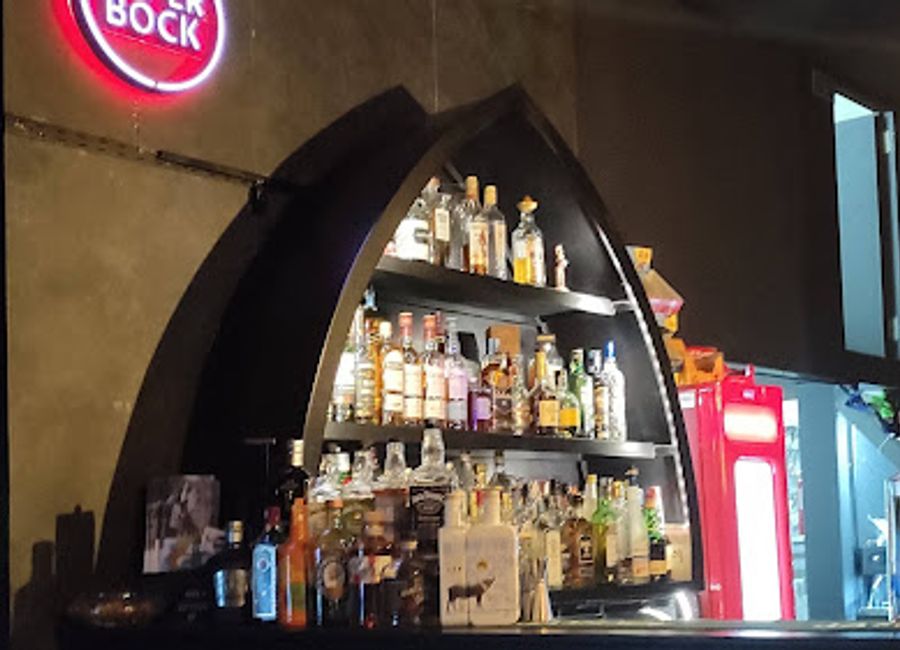
Experience the warmth and flavor of Ponte de Lima at Baggu's Wine Bar, where local wines and delightful ambiance come together.
As we settled into a comfortable corner, we ordered a bottle of Vinho Verde, a light, refreshing wine that is characteristic of the Minho region. The bartender, a friendly and knowledgeable fellow, recommended a local cheese platter to accompany our wine. The combination of the crisp wine and the creamy cheese was the perfect way to end our day.
We chatted with the other patrons, most of whom were locals, and learned more about the history and culture of Ponte de Lima. It was fascinating to hear their stories, their perspectives, and their love for this charming town. Baggu's Wine Bar was more than just a place to drink; it was a place to connect, to share, and to experience the true spirit of Portugal.
As we walked back to our homestay, under a canopy of stars, I reflected on the day's adventures. We had journeyed through time, explored ancient traditions, and connected with the heart and soul of Portugal. It was a day that I would cherish forever.
Tomorrow, we plan to continue our exploration of the region with a visit to Santuario de Nossa Senhora da Peneda, Tibo Lookout and Cascata da Portela do Homem [Santuario de Nossa Senhora da Peneda, Tibo Lookout and Cascata da Portela do Homem]. I am excited to see what other treasures await us in this beautiful corner of the world.
Before I end this blog, I must admit that I forgot to pack my Portuguese phrasebook and a raincoat! I will need to buy them tomorrow!
And Jan is already snoring next to me, so I will leave you here, dear reader!
Good night!



Explore the rich cultural heritage and serene landscapes of Ponte de Lima, Portugal with Farida and Jan on their immersive travel journey.
Meet this Featured Explorer

-
 Occupation:
Cultural Liaison for an International NGO
Occupation:
Cultural Liaison for an International NGO
-
 Country:
Netherlands
Country:
Netherlands
-
 Age:
55
Age:
55
Ahlan wa Sahlan! I'm Farida, a Saudi Arabian native living in the charming city of Delft, Netherlands. My journey has been one of cultural immersion, bridging traditions, and discovering the world's hidden gems. As a cultural liaison, I've developed a deep appreciation for the diverse tapestry of human experience, and through this blog, I share my adventures, insights, and reflections on travel, culture, and the beauty of our global community. Join me as I explore historical sites, savor local cuisines, and uncover the stories that connect us all.
- Cultural heritage preservation
- International relations
- Modern art and design
- Sustainable living
- Middle Eastern cuisine
Find Similar Travel Diaries
Explore locations from this diary
-
Granaries of Soajo
Discover the Granaries of Soajo, a historic treasure in Portugal surrounded by breathtaking landscapes and rich cultural heritage.
-
Castle of Lindoso
Explore the majestic Castle of Lindoso, a medieval fortress offering rich history and stunning views in the heart of Portugal.
-
Lindoso Granaries.
Explore the Lindoso Granaries, a historic site showcasing Portugal's rich agricultural heritage through stunning traditional architecture.
-
Maria Rosa | Restaurante | Breakfast, Lunch & Brunch
Experience delightful brunches at Maria Rosa in Ponte de Lima, where unique flavors meet a whimsical cosplay atmosphere.
-
Restaurante Katekero
Discover authentic Portuguese flavors at Restaurante Katekero in Ponte de Lima – where every dish celebrates local tradition.
-
Taberna DaVila
Discover the rich flavors of Portugal at Taberna DaVila in Ponte de Lima - where tradition meets taste in every dish.
-
baggu's wine bar
Experience the warmth and flavor of Ponte de Lima at Baggu's Wine Bar, where local wines and delightful ambiance come together.