Exploring the Cultural Wonders of Kyoto with Family
Day 8: Sacred Spaces and Railway Dreams: A Day of Cultural Immersion in Kyoto
Explore Kyoto's spiritual heart at Yasaka & Shimogamo Shrines, then journey through railway history. A day of culture, trains and tasty food!
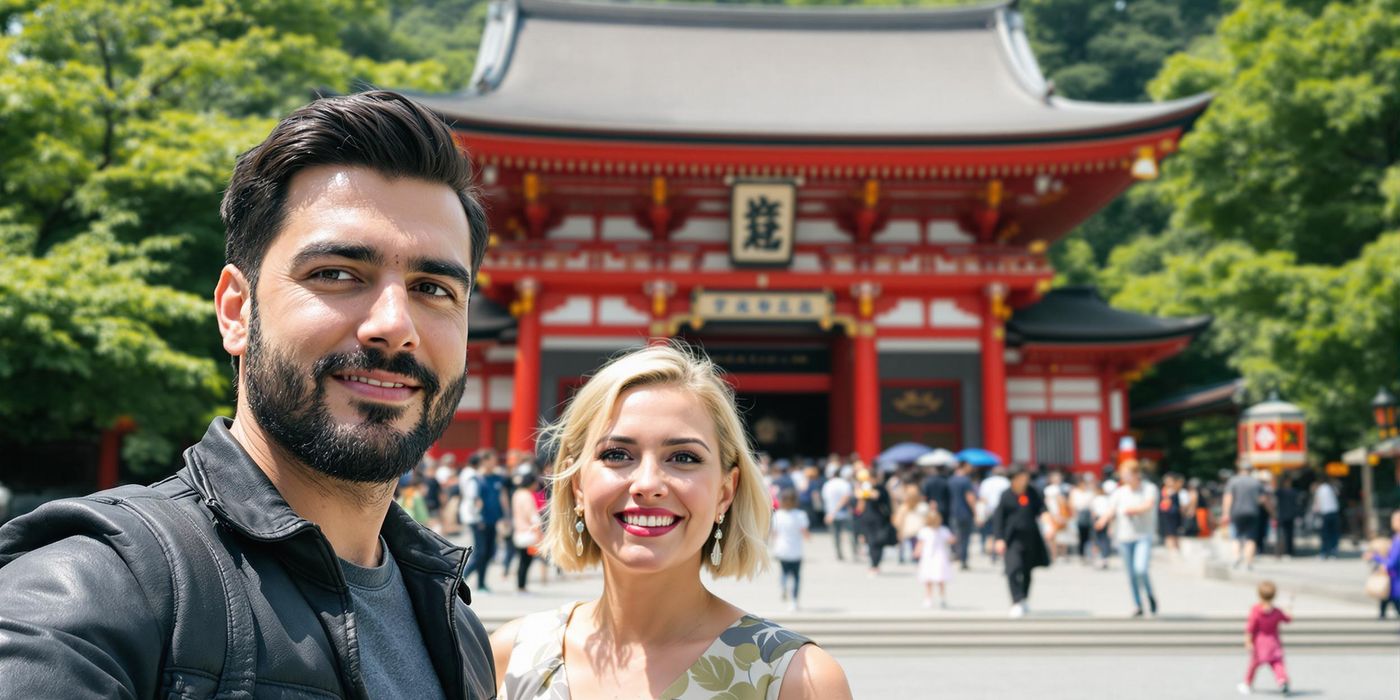
Kyoto's Charms: Shrines, Trains, and Culinary Delights
Today was a day of contrasts, blending the ancient serenity of Kyoto's shrines with the modern marvels of its railway history. It's amazing how this city manages to hold onto its traditions while embracing progress. Lena and I were both eager to explore, and the day certainly didn't disappoint.
Our morning began with a hearty breakfast at MUGHAL Indian Restaurant & Bar. It might seem odd to start a day in Kyoto with Indian food, but the reviews were too tempting to ignore, and I must say, it was a delightful change of pace. The flavors were rich and authentic, a comforting taste of home away from home. It reminded me of the times Lena and I tried to recreate Indian dishes in our Berlin apartment, often with mixed results. Fuelled up, we set off to explore the eastern side of Kyoto, starting with Yasaka Shrine.

Discover the serene beauty of Yasaka Shrine, a historical Shinto sanctuary in Kyoto, renowned for its stunning architecture and vibrant cultural festivals.
Yasaka Shrine: A Glimpse into Kyoto's Soul
Yasaka Shrine, also known as Gion Shrine, stands as a vibrant testament to Kyoto's cultural and spiritual heritage. Founded over 1350 years ago, this Shinto shrine is nestled between the bustling Gion district and the serene Higashiyama area. It's not just a religious site; it's a symbol of Japanese tradition, attracting visitors from around the world with its beauty and history.
The shrine was established in 656 CE by the Hata clan and is dedicated to Susanoo-no-Mikoto, his wife Kushiinadahime-no-Mikoto, and their eight children, the Yahashira no Mikogami. These deities are believed to ward off epidemics and bring prosperity. Walking through the vermilion-lacquered gates, I could feel the weight of centuries of prayers and celebrations. The air was thick with the scent of incense, and the gentle rustling of leaves in the surrounding trees created a peaceful atmosphere.
As we wandered through the grounds, Lena was captivated by the vibrant colors and intricate details of the shrine's architecture. The main hall, with its ornate carvings and sweeping rooflines, was particularly impressive. We watched as locals and tourists alike offered their prayers, bowing respectfully before the altar.
Yasaka Shrine is also deeply connected to the Gion Matsuri, one of Japan's most famous festivals. Originating in 869 to appease the gods during an epidemic, the festival is now a grand celebration held every July. The shrine serves as the focal point for the festival's processions and rituals, drawing millions of visitors each year. I made a mental note to try and attend the festival someday; it sounds like an incredible experience.
The soul of Kyoto resides in its ability to seamlessly blend the ancient with the modern, offering a journey through time with every step.
Shimogamo Shrine: Ancient Sanctuary in a Verdant Forest
From the lively atmosphere of Yasaka Shrine, we journeyed north to Shimogamo Shrine, a UNESCO World Heritage site that offered a completely different experience. Shimogamo Shrine, formally known as Kamo-mioya Shrine, is one of the oldest Shinto sanctuaries in Japan, dating back to the 6th century. It's nestled in the Shimogamo district, surrounded by the Tadasu no Mori forest. The shrine and its forest provide a tranquil escape from the city's hustle and bustle.
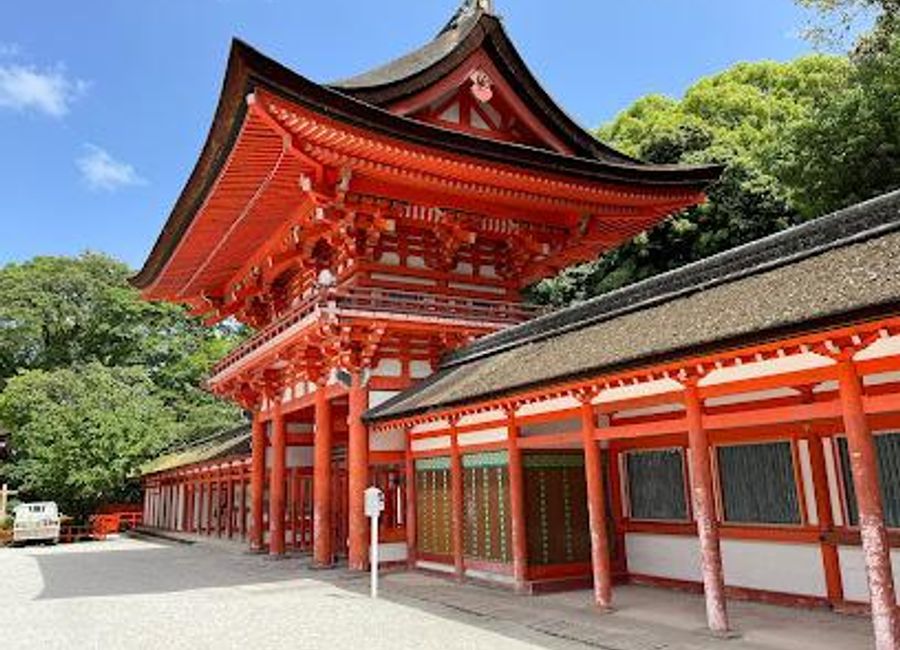
Explore the serene beauty and rich cultural heritage of Shimogamo Shrine, a UNESCO World Heritage Site in Kyoto, Japan.
As we approached the shrine, the air grew cooler, and the sounds of the city faded away. The Tadasu no Mori forest, with its ancient trees and winding streams, felt like stepping into another world. The forest is believed to be a sacred area where lies are exposed, adding a mystical quality to the atmosphere. Lena and I strolled along the paths, marveling at the towering trees, some of which are over 600 years old.
Shimogamo Shrine is dedicated to Tamayori-hime, the spirit-inviting maiden, and her father, Kamo Taketsunomi. According to legend, Kamo Taketsunomi guided Emperor Jinmu to the plains of Yamato, founding the kingdom that became modern Japan. The shrine's buildings showcase classic Shinto architecture, with white walls and vermilion accents. The two-storied gate and the arched taikobashi bridge are particularly striking features.
One of the highlights of Shimogamo Shrine is the Mitarashi-sha subsidiary shrine, located over a fresh underground spring. The spring is believed to have purifying powers, and visitors can often be seen washing their hands and faces in the cool water. We took our turn, feeling refreshed and invigorated by the experience. The shrine is also the starting point for the Aoi Matsuri parade, a tradition that dates back centuries.
As we explored the shrine, I couldn't help but feel a sense of connection to the past. The ancient trees, the flowing streams, and the weathered stones all spoke of a history that stretched back centuries. It was a reminder of the enduring power of tradition and the importance of preserving our cultural heritage.
Kyoto Railway Museum: A Journey Through Time
After immersing ourselves in the spiritual ambiance of Kyoto's shrines, we shifted gears and headed to the Kyoto Railway Museum. This modern museum, opened in 2016, celebrates Japan's rich railway history. It's home to over 50 retired trains, from steam locomotives to Shinkansen bullet trains.

Discover the rich history of railways at the Kyoto Railway Museum, a family-friendly attraction in the heart of Kyoto showcasing trains and interactive exhibits.
As a software developer with an appreciation for technology, I was excited to see the evolution of Japan's railway system. The museum is located on the former site of the Umekoji Train and Locomotive Museum, about a twenty-minute walk west of Kyoto Station. It’s one of Japan's three great railway museums, alongside those in Saitama and Nagoya.
We started our tour in the Promenade area, where a variety of trains were on display, including the C62 steam locomotive, the Shonan 80 series train, and the 0 series Shinkansen. It was fascinating to see these iconic trains up close and learn about their history. Lena, who isn't as much of a train enthusiast as I am, was still impressed by the sheer size and engineering of these machines.
Inside the Main Building, we explored a collection of historically significant carriages, including the class 230 steam engine and the 500 series Shinkansen. The museum also features interactive exhibits where visitors can perform the duties of a train conductor or drive a train simulator. I had a go at the train simulator, and it was surprisingly challenging! It gave me a newfound respect for the skills of train drivers.
One of the highlights of the museum is the roundhouse with a turntable from 1914. This structure showcases Japan's largest collection of well-preserved steam locomotives. We watched as a maintenance crew worked on one of the locomotives, a fascinating glimpse into the inner workings of these machines. For a small fee, visitors can also take a short ride on a steam-powered train.
The Kyoto Railway Museum is not just a place for train enthusiasts; it's a celebration of innovation and progress. It tells the story of how the railway system helped to modernize Japan and connect its people. It was a fitting way to end our day of contrasts, blending the ancient with the modern in a way that only Kyoto can.
Before heading back to the hotel, we grabbed dinner at Premium Pound Gion. The restaurant is known for its high-quality Japanese beef teppanyaki, and it didn't disappoint. The chef was skilled and entertaining, and the Kobe beef was simply divine. It was the perfect way to end a day of cultural immersion and technological exploration.

Experience culinary artistry at Premium Pound Gion – where French cuisine meets Japanese teppanyaki in the heart of Kyoto's historic Gion district.
After dinner, we decided to check out Turquoise Bar for a nightcap. The bar had a cozy and inviting atmosphere, with a wide selection of cocktails. It was a great place to unwind and reflect on the day's adventures. As we sipped our drinks, Lena and I talked about our favorite moments from the day. We both agreed that Kyoto had exceeded our expectations. Its ability to seamlessly blend the ancient with the modern is truly remarkable.
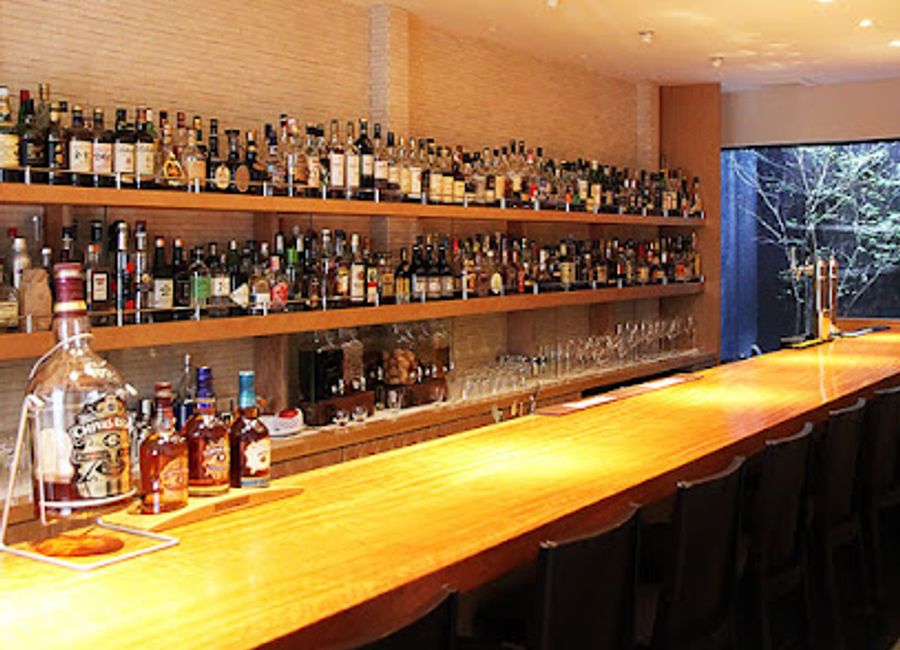
Discover the vibrant nightlife of Kyoto at Turquoise Bar, where expertly crafted cocktails meet a stylish and inviting atmosphere.
Tomorrow, we're planning to visit Shorenin Temple, Kodaiji Temple, and Maruyama Park. I'm looking forward to exploring more of Kyoto's temples and gardens.
I think I'll remember this day fondly, the blend of history, spirituality, and technological marvels painting a vivid picture of Kyoto's soul. It's experiences like these that remind me why I love to travel, to explore, and to share these moments with Lena and all of you.



Discover the cultural wonders of Kyoto with family, exploring historic temples, tea houses, and hidden gems in a 10-day Japanese adventure.
Meet this Featured Explorer

-
 Occupation:
Freelance Software Developer
Occupation:
Freelance Software Developer
-
 Country:
Germany
Country:
Germany
-
 Age:
35
Age:
35
Ah, Evendo – welcome to my corner of the internet! I'm Giorgos, a software developer by trade, but a traveler and photographer at heart. Born and raised in Cyprus, I've always been drawn to history and culture. Now based in Berlin with my amazing wife, Lena, I spend my free time exploring the world, one click and snapshot at a time. This blog is where I share my adventures, offering tips, stories, and photos to inspire your own journeys. From ancient ruins to hidden gems, I'm all about authentic experiences and off-the-beaten-path destinations. Join me as I uncover the world's wonders!
- History
- Archaeology
- Technology
- Cypriot Culture
- Mediterranean Cuisine
Find Similar Travel Diaries
Explore locations from this diary
-
Hotel Rings Kyoto
Discover comfort and convenience at Hotel Rings Kyoto, your ideal base for exploring the enchanting city of Kyoto with free Wi-Fi and on-site dining!
-
Yasaka Shrine
Discover the serene beauty of Yasaka Shrine, a historical Shinto sanctuary in Kyoto, renowned for its stunning architecture and vibrant cultural festivals.
-
Shimogamo Shrine
Explore the serene beauty and rich cultural heritage of Shimogamo Shrine, a UNESCO World Heritage Site in Kyoto, Japan.
-
Kyoto Railway Museum
Discover the rich history of railways at the Kyoto Railway Museum, a family-friendly attraction in the heart of Kyoto showcasing trains and interactive exhibits.
-
MUGHAL Indian Restaurant & Bar
Experience the vibrant flavors of India at Mughal Indian Restaurant & Bar in Kyoto – a haven for food lovers seeking authentic South Asian cuisine.
-
Khaos Spice Diner
Discover authentic Japanese curry at Khaos Spice Diner in Kyoto – a flavorful experience awaits you!
-
Premium Pound Gion
Experience culinary artistry at Premium Pound Gion – where French cuisine meets Japanese teppanyaki in the heart of Kyoto's historic Gion district.
-
Turquoise Bar
Discover the vibrant nightlife of Kyoto at Turquoise Bar, where expertly crafted cocktails meet a stylish and inviting atmosphere.