Solo Pilgrimage Along the Sacred Trails of Kumano Kodo
Day 13: Ancient Echoes and Modern Delights Along the Kumano Kodo
Discover the serene beauty of Kumano Kodo with a giant gingko tree, Nakahechi trail, local flavors, and vibrant market experiences.

Whispers of the Past, Tastes of the Present
Today was a blend of natural wonders, spiritual paths, and culinary discoveries. It's amazing how each day on the Kumano Kodo brings a new perspective, a fresh appreciation for the journey, and a deeper connection to the land and its people. As my pilgrimage nears its end, I find myself reflecting on the experiences, and looking forward to the final days.
The day began with a hearty breakfast at KUMANOYASAI CAFE. It’s a charming spot along the trail, known for its fresh, local ingredients. I opted for their traditional Japanese breakfast set, which included grilled fish, miso soup, rice, and some local pickles. It was the perfect fuel for the day’s adventures. The cafe itself had a cozy atmosphere, with rustic decor and friendly staff who were happy to share tips about the area. It’s these little encounters that make traveling so special.

Discover tranquility at Kumonoyasai Cafe - where authentic flavors meet stunning nature along the Kumano Kodo pilgrimage trail.
With a full stomach and a sense of anticipation, I set off to visit the Fukusada-no-Oicho Large Gingko Tree. This ancient tree is located near Hosen-ji Temple in Tanabe, and it’s estimated to be around 400 years old. As I approached, I was immediately struck by its size and presence. The tree stands at 22 meters tall, with a girth of 5.3 meters. Though it's not at its most magnificent until late October to mid-November when its leaves turn a vibrant gold, it was still a sight to behold. The sheer scale of the tree made me feel incredibly small, a humbling reminder of nature's enduring power. I spent some time simply sitting beneath its branches, soaking in the peaceful atmosphere and contemplating the centuries of history it had witnessed.
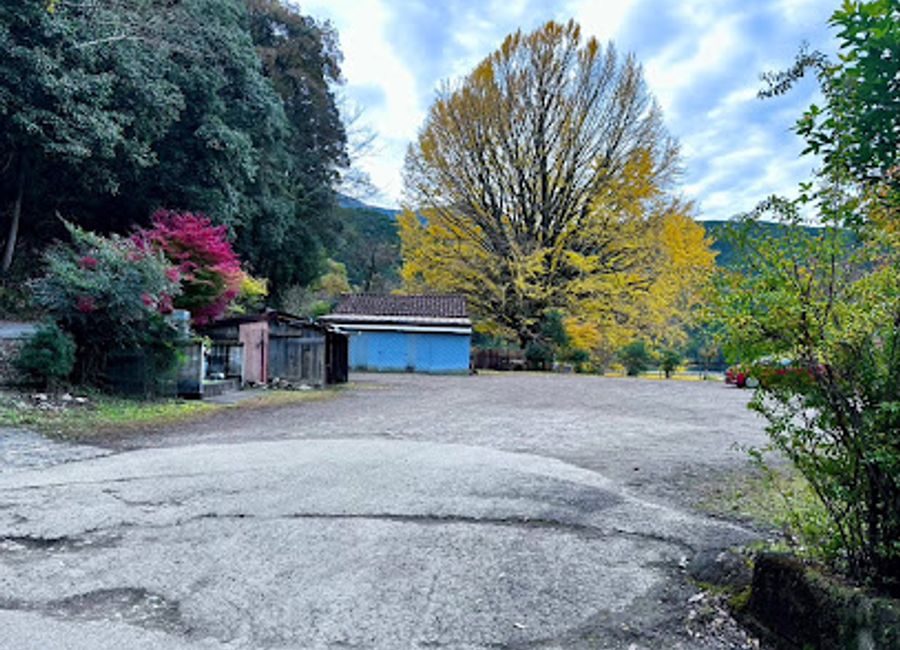
Explore the ancient beauty of the Fukusada-no-Oicho Large Ginkgo Tree, a symbol of resilience and tranquility in Wakayama's lush landscapes.
The journey is the destination, and every step along the Kumano Kodo is a step deeper into the heart of Japan.
Afterward, I was eager to experience a portion of the Kumano-Kodo Nakahechi Pilgrimage Route. Known as the Imperial Route, it was once traversed by emperors and nobles. I only hiked a small section of it, but it was enough to get a sense of the spiritual significance and natural beauty of the trail. The path wound through dense forests, alongside clear streams, and past ancient stone markers. The air was thick with the scent of cedar and moss, and the only sounds were the rustling of leaves and the occasional birdsong. It was easy to imagine the countless pilgrims who had walked this path before me, seeking enlightenment and connection to something greater than themselves. The Nakahechi route has warm and humid weather in August, with highs around 28-29°C and lows around 25-26°C. It rains often, and sunny days are less common.

Explore the Kumano-Kodo Nakahechi Pilgrimage Route, a UNESCO World Heritage site, for a blend of breathtaking nature and rich cultural heritage in Wakayama, Japan.
By lunchtime, I had worked up quite an appetite, so I headed to Takehara for a tuna cuisine. This restaurant is known for its fresh tuna dishes, and it didn't disappoint. I ordered the Maguro Teishoku (Tuna Set), which included a plate of raw tuna, cooked tuna with onions, miso soup, and rice. The tuna was incredibly fresh, and each dish was prepared with care and attention to detail. It was a true culinary delight, and a perfect way to refuel after my hike.

Experience authentic Japanese seafood in Takehara – where fresh ingredients meet exquisite culinary craftsmanship.
In the afternoon, I decided to visit Toretore Market. This massive fish market is operated by the local Katata Fishers Cooperative and is the largest seafood market in western Japan. It’s a bustling and vibrant place, with vendors selling everything from fresh fish and shellfish to local produce and souvenirs. I wandered through the stalls, taking in the sights, sounds, and smells of the market. There was a wide variety of seafood. I sampled some local delicacies, including sea bream and Mochi-Gatsuo. It was an assault on the senses, but in the best possible way. I even caught a glimpse of the tuna-cutting show, where a skilled fish butcher expertly carves up a massive tuna. It was quite a spectacle, and the freshly cut tuna was available for sale afterward. I opted for a seafood rice bowl at Tore Tore Yokocho.
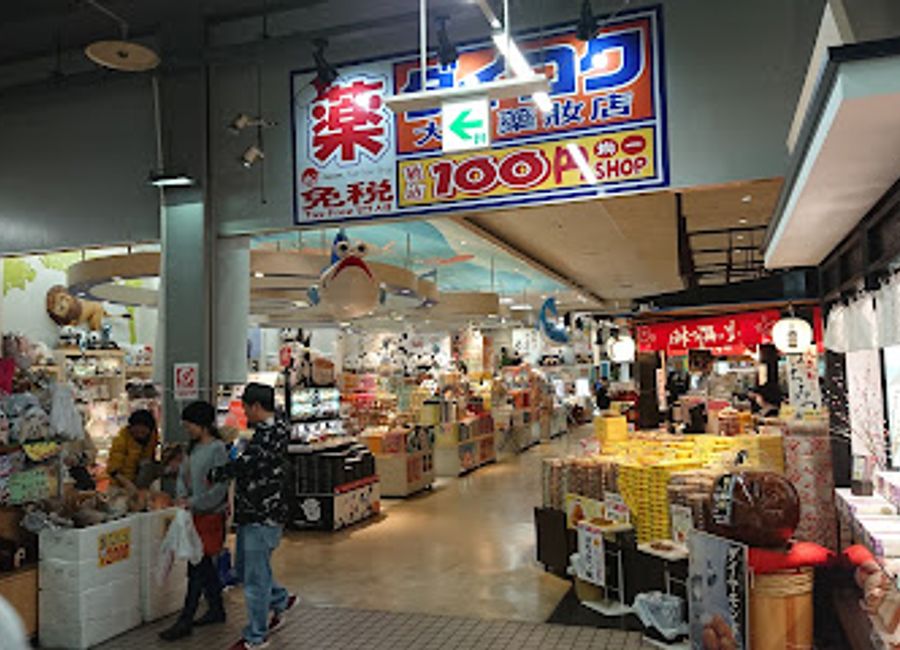
Experience the vibrant Toretore Market in Shirahama, where local crafts, fresh seafood, and authentic Japanese souvenirs await every traveler.
For dinner, I chose Akihei, a restaurant founded in 1870. This traditional Japanese restaurant offers a serene atmosphere and a variety of authentic dishes. I decided on a set meal that included tempura, sushi, and sashimi. The food was delicious, and the service was impeccable. The owner’s wife, who is fluent in English and Chinese, made me feel especially welcome. It was a perfect way to end a day filled with exploration and discovery.
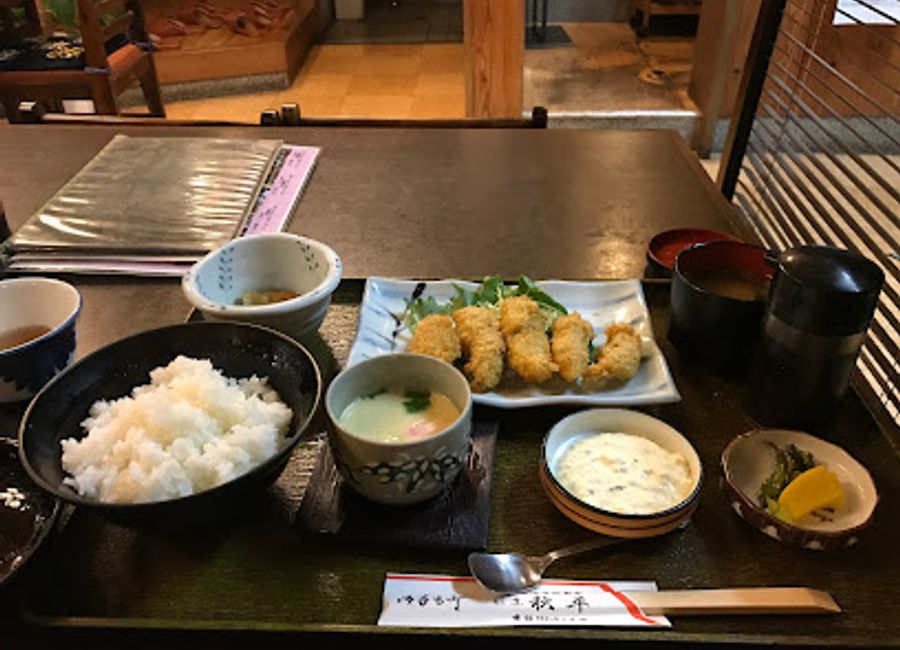
Discover the essence of Japanese culinary art at Akihei in Tanabe - where tradition meets flavor in every exquisite dish.
As I reflect on today's experiences, I am struck by the incredible diversity of the Kumano Kodo region. From the ancient gingko tree to the bustling fish market, every stop offered a unique glimpse into the area's rich history, culture, and natural beauty. The Kumano Kodo Nakahechi Pilgrimage Route stands out as a highlight, offering a tangible connection to the spiritual heritage of Japan. The route, also known as the Imperial Route, was used by emperors and nobles from the 10th century onwards.
Tomorrow, I plan to experience the Kumano Boat River Cruise and visit the Daimon Gate. I’ll start my day with breakfast at Watarase onsen cafe and anticipate ending it with dinner at Hinoki Steak House, perhaps with a glass of wine at Wine Kumano.
The August weather in Kumano Kodo is warm and humid, with average high temperatures ranging from 28°C to 32°C (82°F to 90°F) and nighttime lows between 20°C and 24°C (68°F to 75°F). Rainfall is common, so it’s essential to be prepared for wet conditions. Despite the heat and humidity, the lush greenery and serene atmosphere make it a worthwhile experience.



Explore the spiritual heart of Japan solo on the ancient trails of Kumano Kodo, immersing in nature and culture with a stay at the peaceful Jokiin.
Meet this Featured Explorer

-
 Occupation:
Freelance Software Developer
Occupation:
Freelance Software Developer
-
 Country:
Germany
Country:
Germany
-
 Age:
35
Age:
35
Ah, Evendo – welcome to my corner of the internet! I'm Giorgos, a software developer by trade, but a traveler and photographer at heart. Born and raised in Cyprus, I've always been drawn to history and culture. Now based in Berlin with my amazing wife, Lena, I spend my free time exploring the world, one click and snapshot at a time. This blog is where I share my adventures, offering tips, stories, and photos to inspire your own journeys. From ancient ruins to hidden gems, I'm all about authentic experiences and off-the-beaten-path destinations. Join me as I uncover the world's wonders!
- History
- Archaeology
- Technology
- Cypriot Culture
- Mediterranean Cuisine
Find Similar Travel Diaries
Explore locations from this diary
-
Jokiin
Discover Koya's serene charm at Jokiin, a welcoming guest house perfect for exploring the city's historic landmarks and natural beauty.
-
Fukusada-no-Oicho Large Gingko Tree
Explore the ancient beauty of the Fukusada-no-Oicho Large Ginkgo Tree, a symbol of resilience and tranquility in Wakayama's lush landscapes.
-
Kumano-Kodo Nakahechi Pilgrimage Route
Explore the Kumano-Kodo Nakahechi Pilgrimage Route, a UNESCO World Heritage site, for a blend of breathtaking nature and rich cultural heritage in Wakayama, Japan.
-
KUMANOYASAI CAFE
Discover tranquility at Kumonoyasai Cafe - where authentic flavors meet stunning nature along the Kumano Kodo pilgrimage trail.
-
Takehara
Experience authentic Japanese seafood in Takehara – where fresh ingredients meet exquisite culinary craftsmanship.
-
Akihei
Discover the essence of Japanese culinary art at Akihei in Tanabe - where tradition meets flavor in every exquisite dish.
-
Toretore Market
Experience the vibrant Toretore Market in Shirahama, where local crafts, fresh seafood, and authentic Japanese souvenirs await every traveler.