Solo Journey Through Montenegro's Durmitor National Park
Day 8: A Day of Serene Beauty: Exploring Biogradska Gora and Piva Monastery
Immerse yourself in Montenegro's serene beauty with a visit to Biogradska Gora and the historic Piva Monastery. A journey of nature and history.
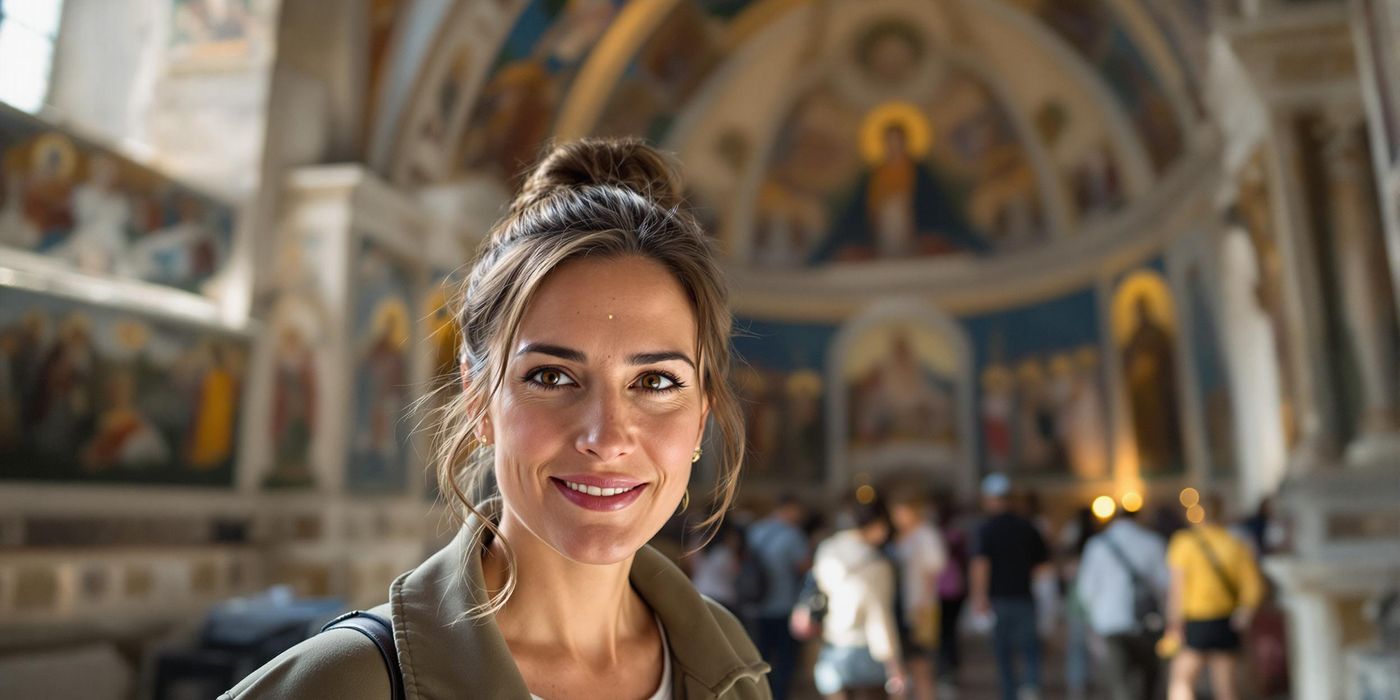
Nature's Embrace and Monastic Echoes
Today was a day of contrasts, yet both experiences resonated deeply with my soul. From the ancient forests of Biogradska Gora to the spiritual aura of Piva Monastery, Montenegro continues to reveal its multifaceted beauty. It was a journey that stirred my Montenegrin heart and reminded me of the enduring strength of our heritage.
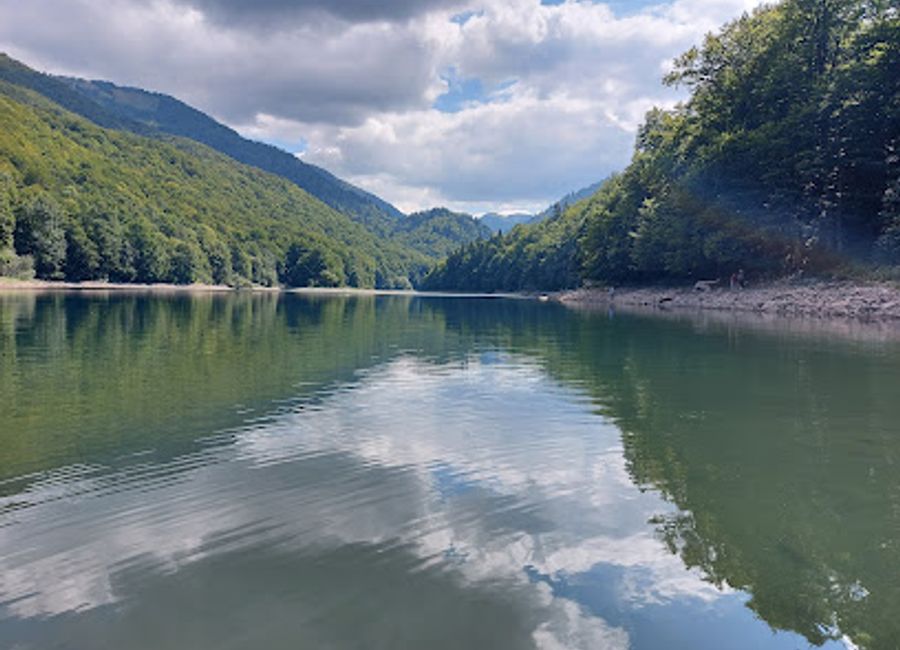
Discover the breathtaking beauty of Biogradska Gora National Park, Montenegro's natural treasure filled with lush woods, serene lakes, and rich biodiversity.
My day began with an early breakfast at Zlatni Papagaj in Kolašin. The weather was crisp, the air clean. The forecast predicted a mix of sunshine and clouds, typical for May in the mountains. I enjoyed a hearty breakfast of kačamak, a traditional Montenegrin polenta, which fortified me for the day’s adventures. It reminded me of my childhood in Kolašin, where my grandmother would make the same dish on chilly mornings. It's funny how a simple meal can transport you back in time.
With a full stomach and a spirit ready for exploration, I set off towards Biogradska Gora, one of Europe's last primeval forests. It's a relatively short drive from Kolašin, and the anticipation built as the landscape transformed from rolling hills to dense woodland. The park itself is nestled between the Tara and Lim rivers, a jewel of pristine nature that has been protected for centuries. The weather was mild, around 6°C, with clear skies. Perfect for a hike.
Stepping into Biogradska Gora felt like entering another world. The towering trees, some over 500 years old, formed a cathedral of green, sunlight dappling through the canopy. The air was thick with the scent of pine and damp earth. I followed one of the many hiking trails, my boots crunching on fallen leaves. It was a solitary walk, allowing me to fully immerse myself in the tranquility of the forest. I paused by Lake Biograd, its surface mirroring the surrounding trees and sky. The water was so clear, I could see the fish swimming below.
Sometimes, the greatest journeys are not about reaching a destination, but about discovering the peace within ourselves.
I spent several hours exploring the park, losing myself in its ancient embrace. It’s incredible to think that this forest has remained largely untouched for centuries, a testament to the importance of conservation. I made a mental note to remind Klaus to visit this park when we are in Montenegro next time. He would love the serenity and the sheer age of the trees. I can already imagine him, sketching away in his notebook, capturing the essence of this primeval landscape. I'm glad I remembered to pack my hiking boots, but I did curse myself for forgetting the sunscreen. The sun, even through the canopy, was stronger than I anticipated.
Leaving Biogradska Gora, I embarked on the next leg of my journey: the Piva Monastery. The drive from Kolašin to Piva is a scenic one, winding through mountains and valleys. The monastery is near the source of the Piva River in northern Montenegro. The sky was clear, but the temperature remained cool, requiring a jacket. The Piva region itself has a rich history, dating back centuries. The monastery was originally built in the 16th century, between 1573 and 1586, but it was relocated in 1982 due to the construction of a hydroelectric power plant. The entire structure was moved stone by stone to its current location, a testament to the dedication of those who sought to preserve this cultural treasure.
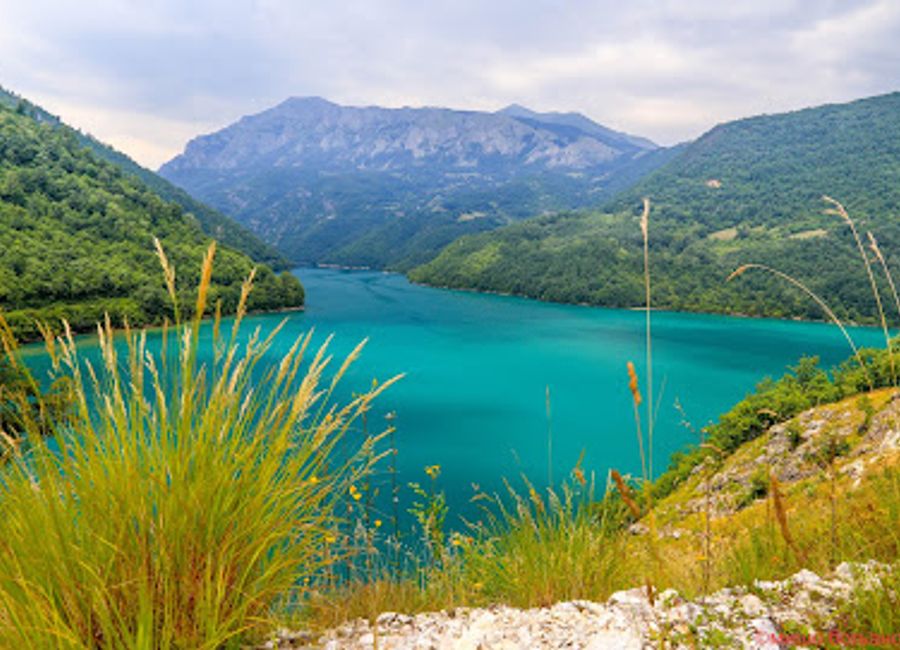
Explore the breathtaking Piva Monastery in Stolac, Montenegro - a serene landscape rich in history, spirituality, and stunning architecture.
Arriving at the Piva Monastery, I was immediately struck by its imposing presence. The stone walls, the intricate architecture, and the serene setting all contributed to a sense of reverence. The monastery is dedicated to the Dormition of the Theotokos, and it stands as the largest Serbian Orthodox church constructed during the Ottoman occupation. Inside, the walls are covered in frescoes, painted between 1604 and 1626. These frescoes are considered some of the most significant examples of post-Byzantine art.
I spent a long time wandering through the monastery, admiring the frescoes and soaking in the atmosphere. The sheer scale of the artwork is astounding, with over 1260 square meters of painted surfaces. The details are incredible, each scene telling a story from the Bible. The monastery also houses a museum, which displays ritual objects, rare liturgical books, and other treasures. I found myself particularly drawn to a psalm from the Crnojevići printing press, the first in the Balkans. It was a tangible connection to the history of this region.
The monastery was unusually large, with the church reaching 23 meters in length and 15 meters in width. The dome, soaring to a height of 13 meters, created a sense of vastness inside. I learned that the monastery was founded by Savatije Sokolović, the Metropolitan Bishop of Herzegovina, with help from his brother, the Grand Vizier Mehmed Sokolović. The construction was a three-stage process, with the masonry completed between 1573 and 1586, and the frescoes painted in the subsequent decades. The interior walls were adorned by Greek painters and a local artist, Strahinja of Budimlje.
As I sat in the courtyard, reflecting on the day’s experiences, I felt a deep sense of gratitude. To be able to connect with both nature and history in such a profound way was truly special. It reinforced my love for Montenegro and my desire to share its beauty with others.
For dinner, I returned to Žabljak and dined at Restoran Durmitor. It was a satisfying end to a long day. I treated myself to a hearty meal of grilled meat and local cheese, savoring the flavors of the region. The restaurant was cozy and welcoming, the perfect place to unwind after a day of exploration. I even considered stopping by Caffe Bar Ledena Pecina for a nightcap, but decided to head back to my lodgings and get a good night’s sleep. Tomorrow, I plan to visit Ledena Pecina - Ice Cave and Tara Springs Park, and I want to be well-rested.
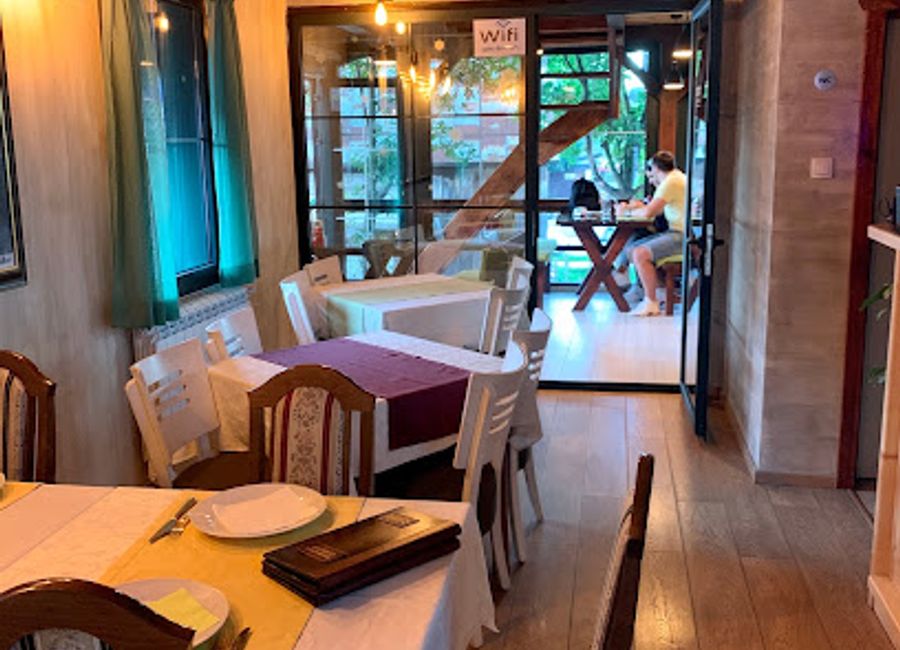
Experience authentic Montenegrin cuisine at Restoran Durmitor in Žabljak – a perfect blend of tradition and stunning mountain views.
As I prepare for tomorrow's adventures, I'm excited to explore the Ice Cave and Tara Springs Park. I also plan to visit Pijaca to pick up some local goods. I'm particularly looking forward to seeing the Ice Cave, a natural wonder that I've heard so much about. It's a reminder of the hidden treasures that await us when we venture off the beaten path. Good night from Durmitor National Park!
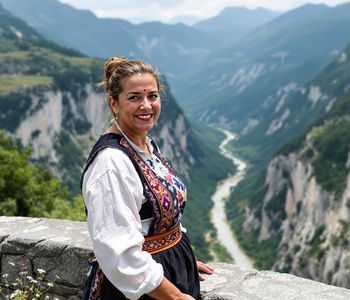

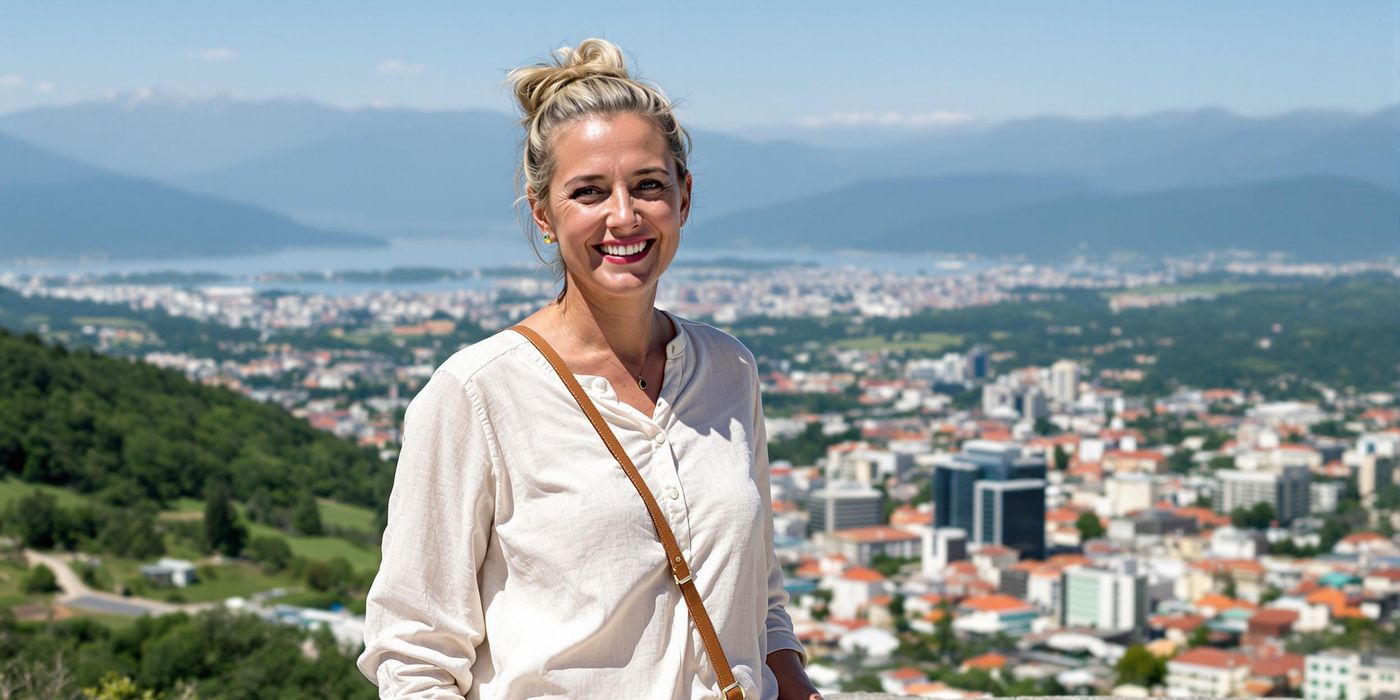
Explore the breathtaking landscapes of Durmitor National Park on a solo journey reconnecting with Montenegrin roots and sharing its wonders.
Meet this Featured Explorer
-
 Occupation:
Librarian specializing in Balkan history and folklore at the Heidelberg University Library.
Occupation:
Librarian specializing in Balkan history and folklore at the Heidelberg University Library.
-
 Country:
Germany
Country:
Germany
-
 Age:
55
Age:
55
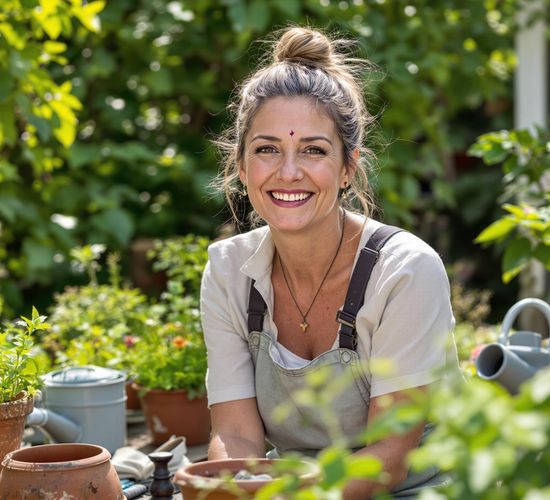
Dobar dan! I'm Jelena Popović, a librarian by day and a passionate traveler by night (and weekends!). Originally from the beautiful Montenegro, I now call Heidelberg, Germany, home. My love for stories extends beyond the pages of books to the vibrant cultures and histories of the places I visit. Through this blog, I share my travel experiences, focusing on cultural immersion, historical insights, and the joy of connecting with people from all walks of life. Join me as I explore the Balkans and beyond, one captivating story at a time.
- Balkan history and folklore
- Genealogy
- Comparative literature
- European cinema
- Sustainable living
Find Similar Travel Diaries
Explore locations from this diary
-
Biogradska Gora
Discover the breathtaking beauty of Biogradska Gora National Park, Montenegro's natural treasure filled with lush woods, serene lakes, and rich biodiversity.
-
Piva Monastery
Explore the breathtaking Piva Monastery in Stolac, Montenegro - a serene landscape rich in history, spirituality, and stunning architecture.
-
Zlatni Papagaj
Discover the flavors of Montenegro at Zlatni Papagaj - a cozy restaurant offering traditional cuisine amidst breathtaking mountain views.
-
Restoran Durmitor
Experience authentic Montenegrin cuisine at Restoran Durmitor in Žabljak – a perfect blend of tradition and stunning mountain views.
-
Durmitor
Experience the enchanting blend of nature and gastronomy in Durmitor, Montenegro's premier destination for food lovers.
-
Caffe Bar Ledena Pecina
Discover the charm of Caffe Bar Ledena Pecina, a cozy bar in Žabljak, perfect for enjoying local drinks and connecting with fellow travelers amidst stunning natural beauty.