A Solo Pilgrimage: Exploring the Sacred Trails of Kumano Kodo
Day 9: Spiritual Echoes and Culinary Delights on the Kumano Kodo
Delve into the heart of Kumano Kodo: ancient trails, serene temples, and exquisite local flavors create an unforgettable pilgrimage.
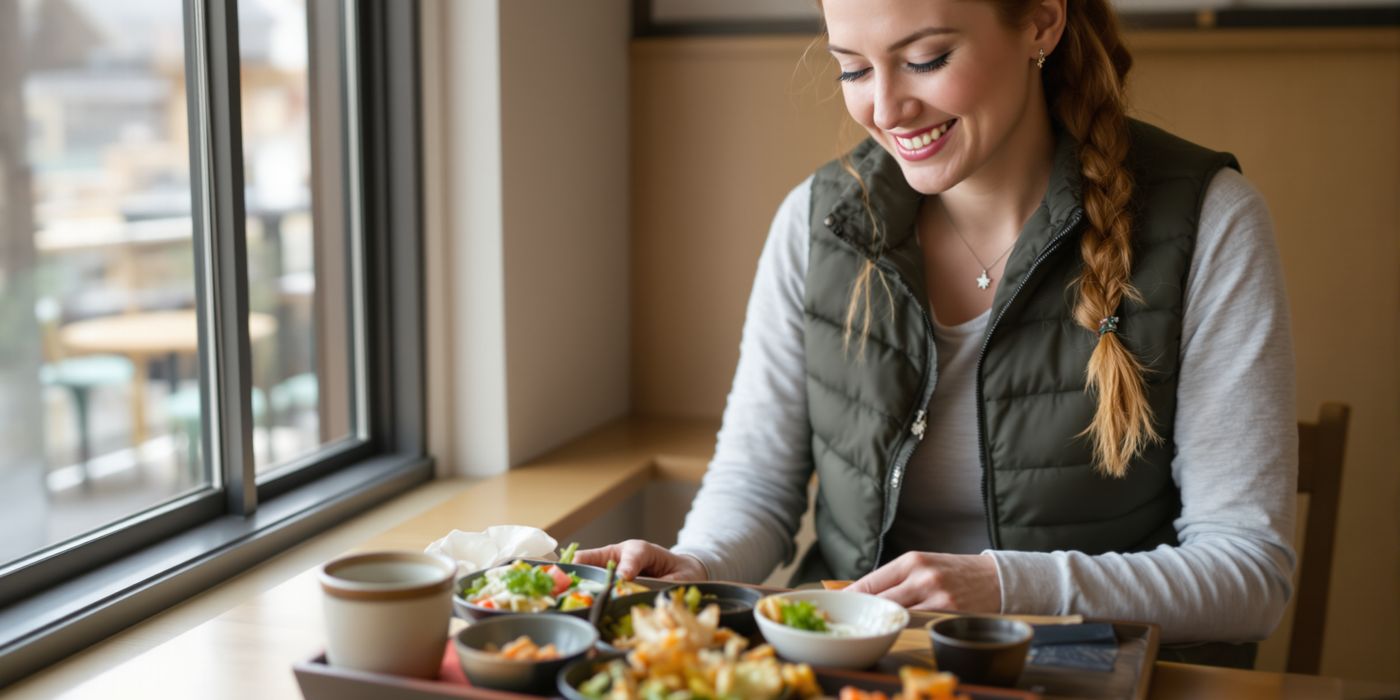
Whispers of the Past, Tastes of the Present
Today was a day of deep reflection and sensory indulgence. The ancient stones of the Kumano Kodo seemed to hum with stories, and the flavors of the region danced on my palate. It was a day where the past and present intertwined, leaving me with a profound sense of peace and connection.
My day began with an early start, eager to embrace the Kumano-Kodo Nakahechi Pilgrimage Route. After a restful night, I was ready to continue my journey along the Kumano Kodo Nakahechi route. Before setting off on the trail, I enjoyed a hearty breakfast at Sansaro Cafe. Ms. Uzawa, the owner, is such a welcoming person, and the cafe has a cool vibe. I enjoyed a simple but satisfying meal, knowing I needed the energy for the day's hike. I made sure to specify my departure time when checking in, because it is important to get an early start. The mountain-side stay is in Kumano-gawa village, a short bus ride from Koguchi. They even prepared a bento box for those departing early in the morning.

Hike the ancient Kumano Kodo Nakahechi: a spiritual journey through the heart of Japan's Kii Peninsula, a UNESCO World Heritage site.
The air was crisp and cool, carrying the scent of cedar and damp earth. As I walked, I could almost hear the echoes of countless pilgrims who had trod this path before me. The trail wound its way through dense forests, sunlight filtering through the canopy in dappled patterns. Every half kilometer, there are trail markers signaling where you are on the trail. These trails weave through the mountains, taking hikers through forests of towering cedar trees, and past small shrines meant to protect pilgrims. I passed small Jizo statues, their serene faces offering silent blessings to travelers. I couldn't help but think of Markus and Aino back in Helsinki, wondering what they were doing and wishing they could experience this tranquility with me. I made a mental note to bring them here someday, to share the magic of Kumano Kodo with my family. I think Aino would especially love the forests and the little statues.
My destination for the morning was Fudarakusan-ji, a temple with a fascinating history. It's a Tendai temple located on the coast in Nachi. Recent urban development has obscured the view, but the temple retains its position in Kumano's spiritual landscape as a link between the mountains and the sea. The temple is said to have been founded by Ragyo, an ascetic who arrived in Kumano from India in the fourth century. The temple shares the same history of Buddhist-Shinto syncretism as the three grand shrine-and-temple complexes that lie at higher altitudes.
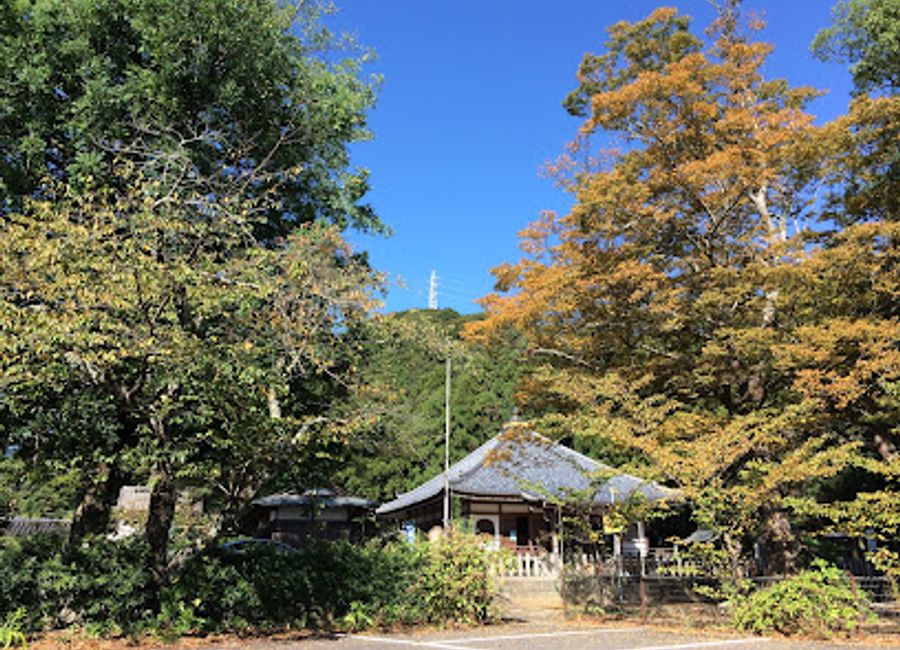
Experience serenity and spirituality at Fudarakusan-ji Temple, a hidden gem in Wakayama, Japan, perfect for cultural exploration and reflection.
Fudarakusan-ji is renowned for the practice of Fudaraku-tokai, a ritual of self-martyrdom where monks would set sail alone with limited supplies, hoping to reach Fudaraku, the Pure Land of Kannon. Monks would be sealed in rudderless and oarless boats and set adrift with food and water for 30 days on their journey to reach paradise. It was believed Mount Potalaka was an actual island near the coast of Japan. The boats were designed to be miniature shrines and coffins. It was a journey to deliver prayers in behalf of mankind.
The temple houses a wooden statue of Thousand-Armed Kannon. The statue was sculpted during the Heian period. The statue has three faces and twenty arms on each side. Each arm is said to render aid to beings in twenty-five different worlds, for a total of one thousand. Standing on the grounds of the shrine is a stone pillar called the Furiwake-ishi (Parting Stone) that marks the junction of the three main Kumano Kodo pilgrimage routes.
I spent a long time at Fudarakusan-ji, absorbing the atmosphere and reflecting on the monks' incredible devotion. The temple exuded a sense of peace that seeped into my soul. I lit a stick of incense and offered a silent prayer for my family's well-being and for continued strength on my journey.
The Kumano Kodo is more than just a trail; it's a journey into the heart of oneself, a place where the whispers of the past guide you toward a deeper understanding of the present.
As lunchtime approached, I made my way to Kumano Kodo Omotenashi-Kan, a restaurant known for its hospitality and local cuisine. The restaurant offers a variety of local fare, and I was eager to try some regional specialties. I opted for a set meal featuring *meharizushi* (pickled mustard leaf sushi) and *kakinoha-zushi* (persimmon leaf sushi), both local delicacies. The flavors were subtle yet complex, a testament to the region's culinary traditions. The *meharizushi* had a tangy, slightly spicy flavor, while the *kakinoha-zushi* was sweet and savory. It was the perfect fuel for the afternoon's hike, and I was grateful for the chance to experience another aspect of Kumano Kodo's rich culture. I always enjoy trying the local foods when I travel, it is always a highlight of the trip and gives you a better understanding of the region.
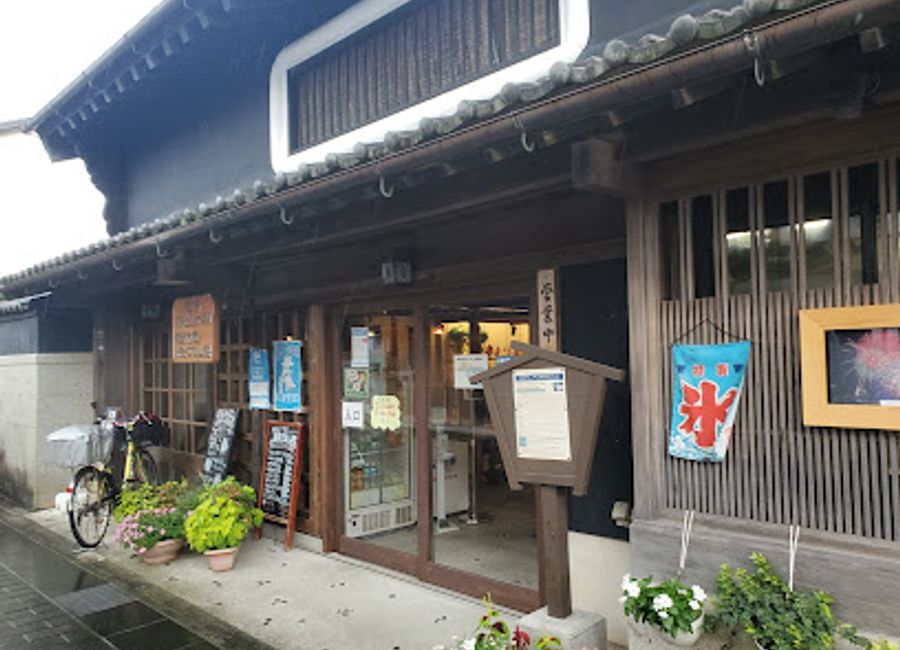
Discover Kumano Kodo Omotenashi-Kan: A charming cafe offering delicious coffee and local cuisine along Japan's historic pilgrimage route.
The afternoon's walk was equally rewarding, though a bit more challenging. The trail climbed steadily uphill, offering panoramic views of the surrounding mountains. The forests were alive with the sounds of nature – birdsong, rustling leaves, and the gentle murmur of streams. I passed several other pilgrims along the way, exchanging smiles and nods of encouragement. There were also some vending machines along the way, if you needed a quick drink. Each step brought me closer to nature and further away from the stresses of everyday life.
As evening approached, I made my way to Akihei for dinner, a restaurant founded in 1870. The restaurant has a serene, traditional Japanese-style interior. The fifth-generation owner prepares a variety of authentic Japanese dishes. I decided to try the *kaiseki* dinner, a multi-course meal featuring seasonal ingredients and exquisite presentation. The owner's wife handles customer service and is fluent in English and Chinese. The meal was a culinary masterpiece, each dish a work of art. From the delicate sashimi to the flavorful tempura and the savory grilled fish, every bite was a delight. The set meals are also reasonably priced and popular. Akihei caters to various dietary preferences, offering vegan, vegetarian, and pescatarian options. The staff was attentive and welcoming, making me feel like a valued guest. It was the perfect way to end a day of spiritual exploration and physical exertion.
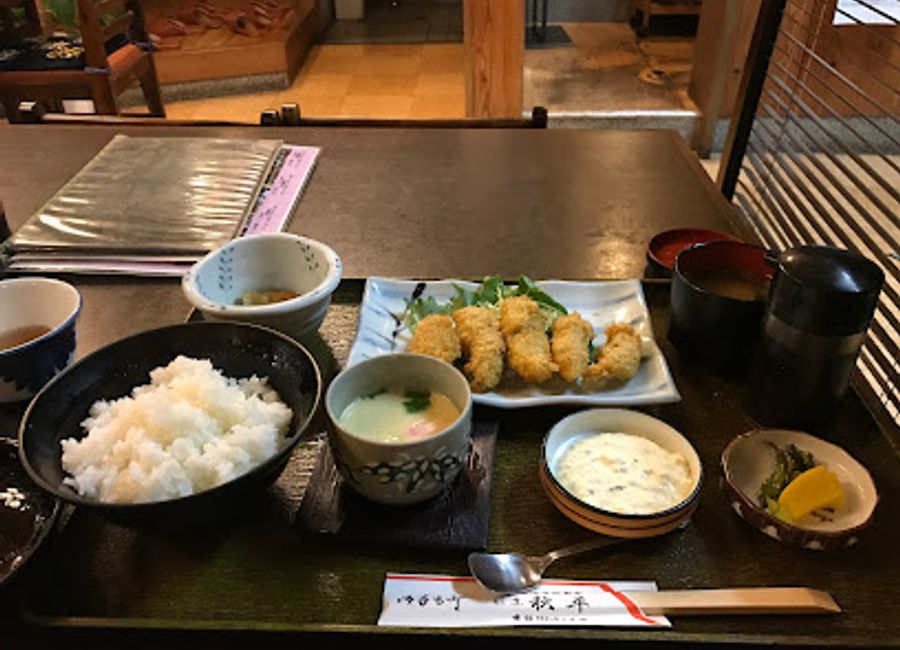
Discover the essence of Japanese culinary art at Akihei in Tanabe - where tradition meets flavor in every exquisite dish.
To cap off the evening, I decided to visit Kumano Winery Guest House /Dal Chef’s Table for a nightcap. Nestled in the mountains, the guesthouse offers a serene retreat. I sampled some of the local wine, enjoying the peaceful atmosphere and the company of fellow travelers. The guesthouse provides complimentary Wi-Fi, a picnic area, and barbecue grills. Guests can savor delicious food and wine prepared by an Italian chef. It was a relaxing end to a fulfilling day, and I drifted off to sleep with a sense of contentment and gratitude. The guest house has easy access to nearby attractions. Giovanni Dal Bosco grows his own food, runs a local winery project, and operates Kumano Winery Guest House. He also tends several goats and chickens.

Discover the perfect blend of relaxation, Italian cuisine, and fine wines at Kumano Winery Guest House in Wakayama.
As I reflect on today's experiences, I realize that the Kumano Kodo is more than just a trail; it's a journey into the heart of oneself. It's a place where the whispers of the past guide you toward a deeper understanding of the present, and where the flavors of the region nourish both body and soul. I am reminded of a quote by the great Japanese writer, Haruki Murakami:
Tomorrow, I plan to visit Tsubo-yu and Asuka Shrine [see tomorrow's itinerary]. I'm looking forward to more walking and experiencing more of the local culture. I've heard that Tsubo-yu is a unique onsen experience, and I'm eager to soak in its healing waters. Asuka Shrine is another sacred site, and I'm excited to learn more about its history and significance. I'll be sure to share my experiences with you all tomorrow. Until then, *oyasumi nasai* (good night) from Kumano Kodo. I am grateful for this journey and excited for what tomorrow will bring.


Embark on a solo journey through Japan's ancient Kumano Kodo trails, uncovering the spiritual and natural wonders of this UNESCO World Heritage site.
Meet this Featured Explorer

-
 Occupation:
Librarian specializing in Arctic and Nordic literature
Occupation:
Librarian specializing in Arctic and Nordic literature
-
 Country:
Finland
Country:
Finland
-
 Age:
46
Age:
46
Hei! I'm Jennifer, an Alaskan-born librarian currently living in the enchanting city of Helsinki. My journey has taken me from the rugged wilderness of Alaska to the vibrant landscapes of Finland, and I'm passionate about sharing my travel experiences with you. As a librarian, I've always been drawn to stories – both those found in books and those waiting to be discovered in the world around us. Join me as I explore eco-conscious travel, delve into Nordic culture, and uncover the hidden gems that make our planet so extraordinary. With my family by my side, I seek authentic cultural experiences and outdoor adventures, and I hope to inspire you to do the same!
- Nordic mythology
- Sustainable living
- Folklore
- Hiking
- Photography
Find Similar Travel Diaries
Explore locations from this diary
-
Jokiin
Discover Koya's serene charm at Jokiin, a welcoming guest house perfect for exploring the city's historic landmarks and natural beauty.
-
Kumano-Kodo Nakahechi Pilgrimage Route
Hike the ancient Kumano Kodo Nakahechi: a spiritual journey through the heart of Japan's Kii Peninsula, a UNESCO World Heritage site.
-
Fudarakusan-ji
Experience serenity and spirituality at Fudarakusan-ji Temple, a hidden gem in Wakayama, Japan, perfect for cultural exploration and reflection.
-
Sansaro Cafe
Experience warm hospitality at Sansaro Cafe in Shingu – your cozy retreat with delightful coffee and local charm along the Kumano Kodo.
-
Kumano Kodo Omotenashi-Kan
Discover Kumano Kodo Omotenashi-Kan: A charming cafe offering delicious coffee and local cuisine along Japan's historic pilgrimage route.
-
Akihei
Discover the essence of Japanese culinary art at Akihei in Tanabe - where tradition meets flavor in every exquisite dish.
-
Kumano Winery Guest House /Dal Chef’s Table
Discover the perfect blend of relaxation, Italian cuisine, and fine wines at Kumano Winery Guest House in Wakayama.