Family Adventure in Kyoto: Exploring Japan's Cultural Heart
Day 3: Through Vermilion Gates: Spiritual Awakening in Kyoto
Embark on a soul-stirring journey through Kyoto's sacred temples, savoring exquisite flavors and embracing the city's enchanting spirit.
Kyoto's Sacred Echoes
Today was a day of deep dives into Kyoto's spiritual heart, a journey that resonated with the soul and left me in awe of the city's rich tapestry of tradition and beauty. From the vibrant pathways of Fushimi Inari Taisha to the serene halls of Tōfuku-ji Temple and Sanjūsangendō Temple, every step was a lesson in history, art, and the enduring power of faith. It’s days like these that remind me why I traded the familiar shores of Hilo for the ever-surprising landscapes of the world.
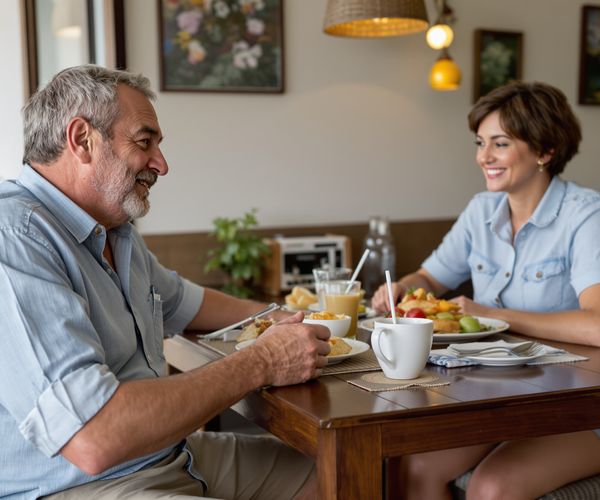
Our day began early, fueled by a delicious breakfast at Gion Nanba. The restaurant was tucked away in a quiet corner of Gion, not far from Yasaka Shrine, down a narrow alley. The setting was intimate, only 20 seats, and the food exquisite. I started with Sakizuke, which included Minazuki-tofu, Yuba, and Sea urchin from Hokkaido, covered with okra source. It was amazing! I was also struck by the chef's commitment to seasonality, a concept that deeply resonates with my own values of sustainability and respect for nature. I remember back home in Hilo, my tutu (grandmother) always said that the best meals are those made with ingredients that are in season, fresh, and full of life. *That's when the flavors sing, Kai-Boy*, she'd say, pinching my cheek. I felt her presence with me today.
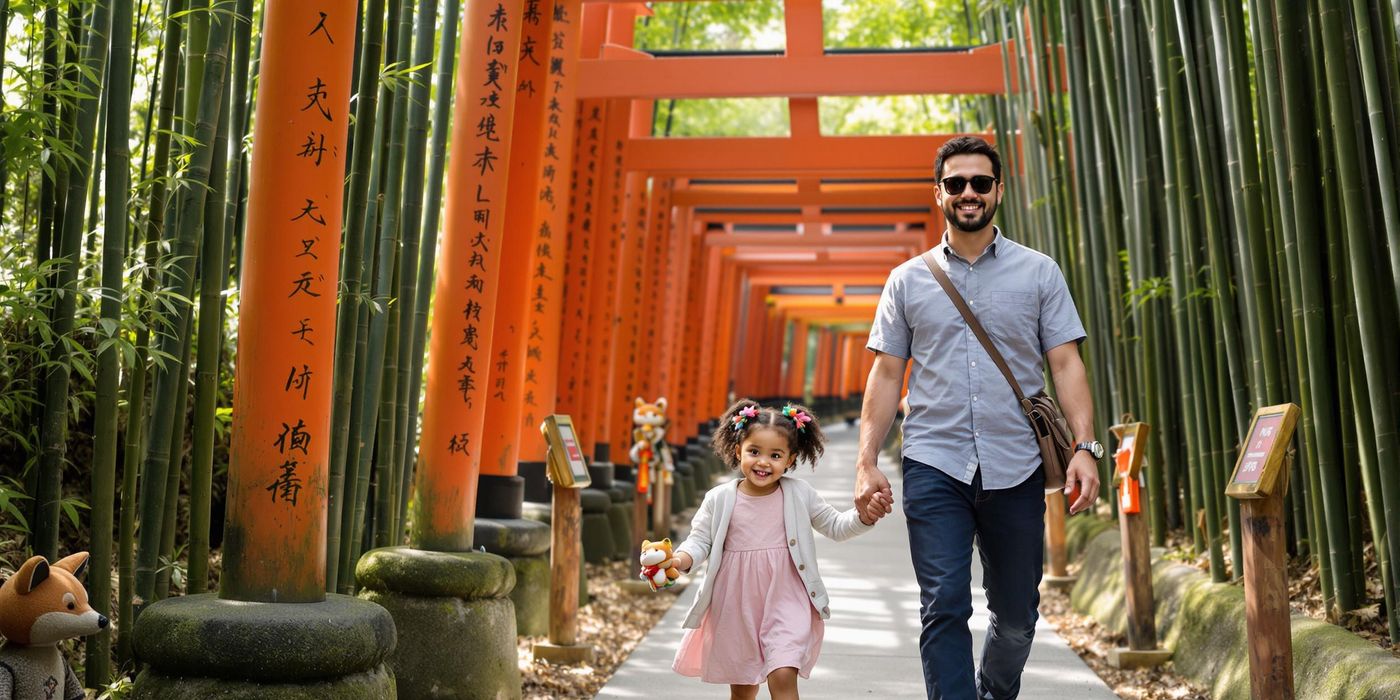
With our bellies full and spirits high, we ventured towards the iconic Fushimi Inari Taisha. As we approached, the sight of thousands of vermilion torii gates snaking up the mountainside was simply breathtaking. Greta, Leila and I walked beneath the seemingly endless tunnel of vibrant red, each gate a donation by individuals and businesses hoping for prosperity. It felt like walking through a portal into another world, a world where the boundary between the sacred and the mundane blurred into insignificance. I learned that Fushimi Inari Shrine was built in 711, even before Kyoto was the capital. The shrine is dedicated to Inari Okami, the god of rice-harvest or the god of success and fertility. I tried to imagine the countless prayers and hopes that had been whispered within these gates over the centuries. The energy of the place was palpable, a tangible sense of reverence and aspiration.

Explore the enchanting Fushimi Inari Taisha, Kyoto's iconic Shinto shrine famous for its thousands of vibrant torii gates and breathtaking mountain trails.
The beauty of a culture lies not just in its grand monuments, but in the quiet whispers of its traditions, carried on the wind through centuries.
The climb to the top of Mount Inari was a rewarding challenge. As we ascended, the crowds thinned, and we found ourselves immersed in a serene bamboo forest. It was a welcome respite from the bustling city, a chance to reconnect with nature and find a sense of inner peace. Leila, ever the curious explorer, was fascinated by the small fox statues that adorned the shrines along the way. I explained to her that foxes are considered messengers of Inari, symbols of intelligence and cunning. She giggled, pretending to be a fox, scampering ahead with boundless energy.
Next on our itinerary was Tōfuku-ji Temple, a Zen temple founded in 1236. As we entered the temple grounds, I was immediately struck by the sense of tranquility that permeated the air. The temple was founded by the powerful Fujiwara clan, and its name is a combination of the names of two great temples in Nara: Todaiji Temple and Kofukuji Temple. We strolled through the Hojo Garden, a unique rock garden that surrounds the head priest's former living quarters on all sides. Each garden had a different character, employing pebbles, large rocks, moss, trees, and checkered patterns. It was amazing!

Discover the serene beauty and historical significance of Tōfuku-ji Temple, a must-visit Buddhist landmark in Kyoto.
Finally, we arrived at Sanjūsangendō Temple, famed for its 1,001 statues of Kannon, the goddess of mercy. The temple was founded in 1164 by Taira no Kiyomori for the cloistered Emperor Go-Shirakawa. Stepping into the hall, I was overwhelmed by the sheer scale of the spectacle. Rows upon rows of golden statues stretched into the distance, each with a serene expression and a thousand arms reaching out to offer solace. It was a truly awe-inspiring sight, a testament to the power of faith and the boundless capacity for human compassion. I learned that each statue is made from Japanese cypress and exudes individuality. The temple’s long wooden hall stretches over 120 meters, and is the longest of its kind in Japan.
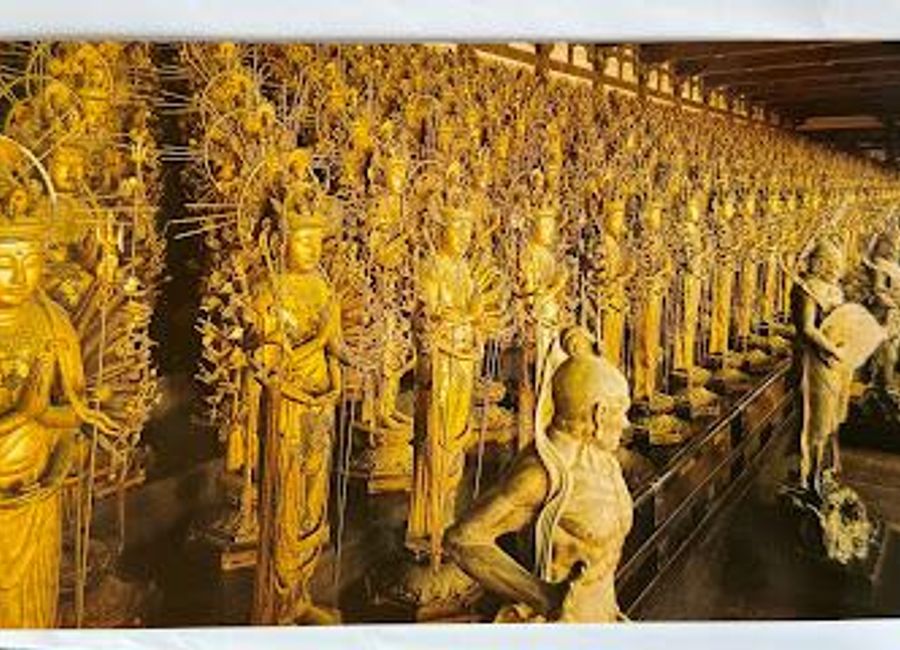
Explore the serene Sanjūsangendō Temple, home to 1001 captivating Kannon statues and a peaceful retreat in the heart of Kyoto.
For lunch, we indulged in a delightful tempura meal at Komefuku. The restaurant offered a wide variety of tempura, seafood, and sushi, all at reasonable prices. I chose tempura as it is fried in 100% rice oil, which offered a crispy and light texture. The restaurant was located northeast of the Shijo-Karasuma intersection, and was a popular destination for both businessmen and tourists alike. With 48 seats, the restaurant offered a spacious environment, with a enthusiastic and friendly staff.

Experience authentic Japanese cuisine at Komefuku in Kyoto, renowned for its fresh seafood and exquisite tempura dishes.
As the sun began to set, we made our way to Yasakadori Enraku for dinner. The restaurant is located on Yasaka-dori Street near Kenninji Temple, and is a magnificent store that was once used as a kimono shop. Tonight, we had the pleasure of experiencing a Maiko Ozashiki Experience Plan. A Maiko arrived at our room, and performed a dance, and played drinking games with us. The interpreter guide explained everything to us. The dinner course was amazing. What a way to experience the Kyoto culture!
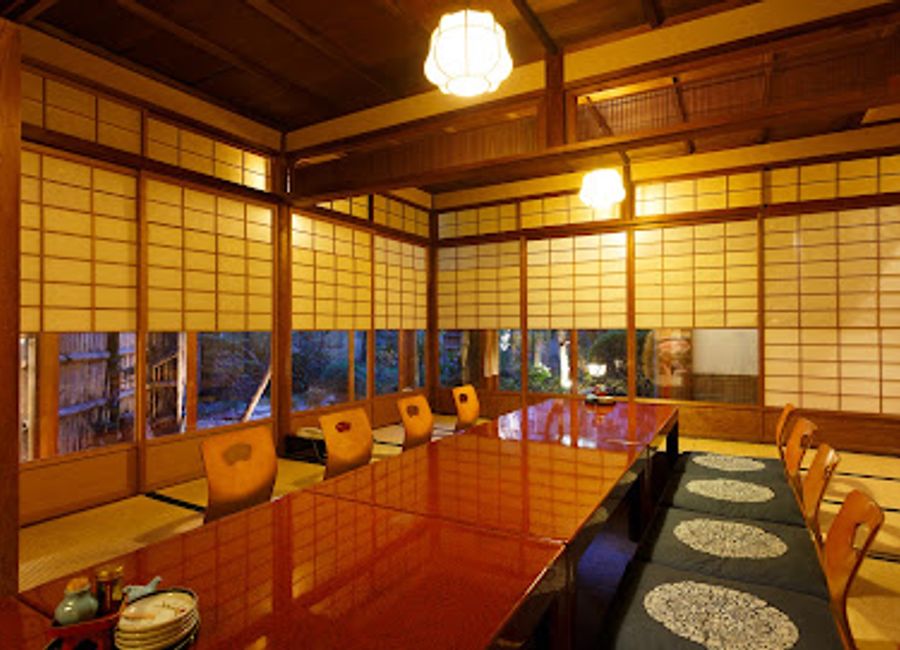
Experience the artistry of Kaiseki dining at Yasakadori Enraku in Kyoto – where tradition meets culinary excellence.
To cap off the evening, I decided to explore Kyoto's nightlife with a visit to L'Escamoteur, a bar known for its unique cocktails and magical atmosphere. The bartender was French, and prepared cocktails while performing. The bar had a unique atmosphere and was filled with foreigners.

Discover L'Escamoteur, Kyoto's enchanting cocktail bar where artistry meets mixology in a whimsical atmosphere. Unforgettable drinks await!
Reflecting on the day, I realized that Kyoto had worked its magic on me. The city's blend of ancient traditions and modern sensibilities had stirred something within me, a sense of connection to the past and a renewed appreciation for the present. As we prepare for tomorrow's adventures, which include exploring Kiyomizu-dera Temple and the charming streets of Ninenzaka and Sannenzaka, I am filled with excitement for what lies ahead. I can't wait to share more of our journey with you all. Until then, aloha from Kyoto!
I am looking forward to tomorrow's adventures, including exploring Kiyomizu-dera Temple and the charming streets of Ninenzaka and Sannenzaka.
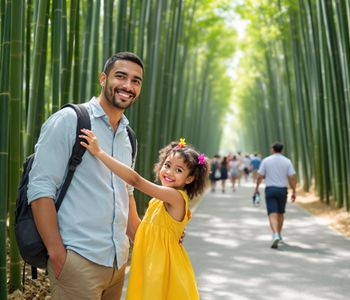
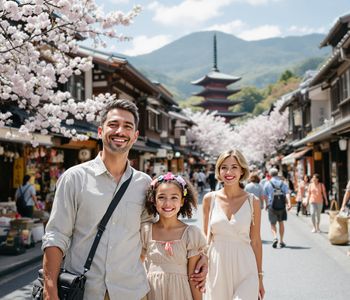
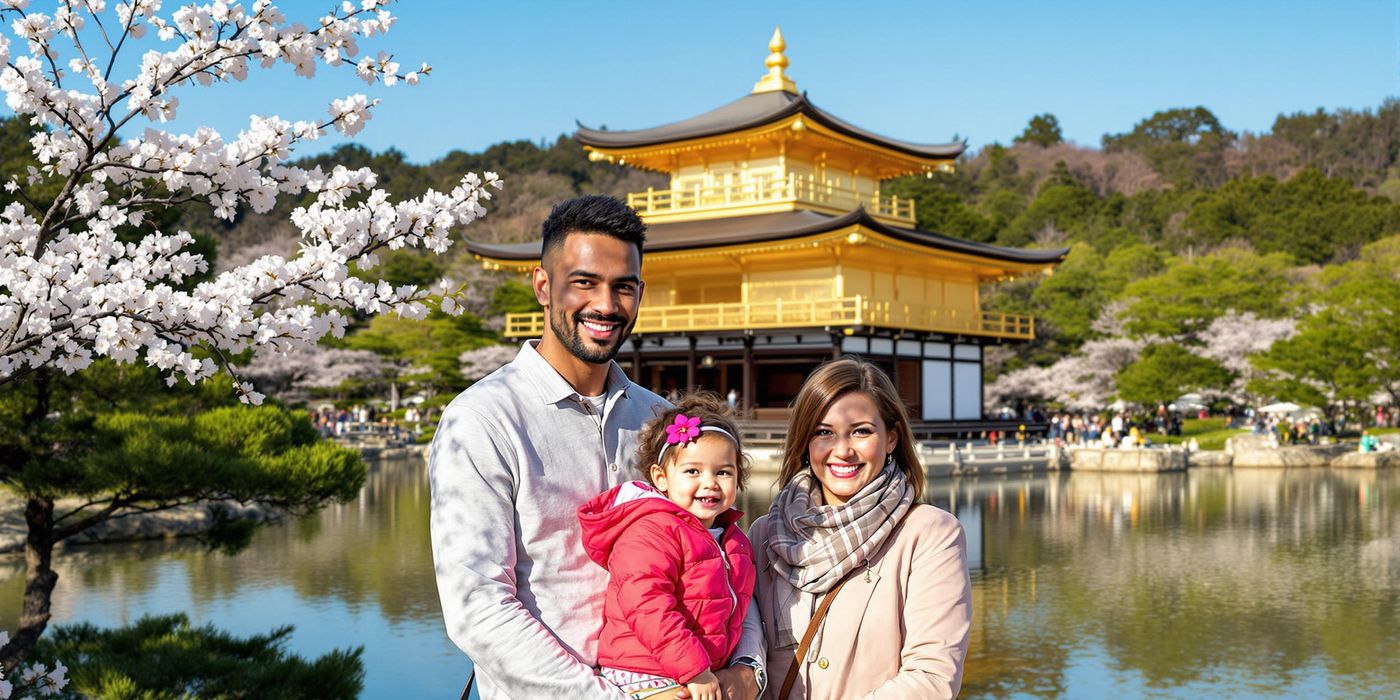
Discover Kyoto's rich culture and natural beauty with a 15-day family adventure, blending tradition with modernity in Japan's historic heart.
Meet this Featured Explorer

-
 Occupation:
Freelance Marketing Consultant
Occupation:
Freelance Marketing Consultant
-
 Country:
Germany
Country:
Germany
-
 Age:
38
Age:
38
Aloha, world! I'm Kai Lee, a 38-year-old travel blogger originally from Hilo, Hawaii, now based in Berlin with my amazing wife, Greta, and our daughter, Leila. After years of soaking up the island vibes, I traded my surfboard for a laptop and embarked on a journey to explore the globe. As a freelance marketing consultant, I have the flexibility to blend work with my passion for travel, documenting our family's adventures on my blog, Evendo. I'm all about sustainable tourism, cultural exchange, and creating meaningful experiences while leaving a positive impact on the planet. Join us as we discover hidden gems, share travel tips, and celebrate the beauty of our diverse world.
- Sustainability
- Cultural exchange
- History
- Ocean conservation
- Photography
Find Similar Travel Diaries
Explore locations from this diary
-
Kyoto Watazen Ryokan
Discover the charm of Kyoto at Kyoto Watazen Ryokan, where traditional Japanese hospitality meets modern comforts in a prime location.
-
Fushimi Inari Taisha
Explore the enchanting Fushimi Inari Taisha, Kyoto's iconic Shinto shrine famous for its thousands of vibrant torii gates and breathtaking mountain trails.
-
Tōfuku-ji Temple
Discover the serene beauty and historical significance of Tōfuku-ji Temple, a must-visit Buddhist landmark in Kyoto.
-
Sanjūsangendō Temple
Explore the serene Sanjūsangendō Temple, home to 1001 captivating Kannon statues and a peaceful retreat in the heart of Kyoto.
-
Gion Nanba
Discover authentic kaiseki cuisine at Gion Nanba, where tradition meets taste in Kyoto's historic Gion district.
-
Komefuku
Experience authentic Japanese cuisine at Komefuku in Kyoto, renowned for its fresh seafood and exquisite tempura dishes.
-
Yasakadori Enraku
Experience the artistry of Kaiseki dining at Yasakadori Enraku in Kyoto – where tradition meets culinary excellence.
-
L'Escamoteur
Discover L'Escamoteur, Kyoto's enchanting cocktail bar where artistry meets mixology in a whimsical atmosphere. Unforgettable drinks await!