Exploring the Untouched Beauty of Masoala National Park
Day 1: First Impressions of Masoala: A Rainforest Awakening
Embark on our journey through Masoala National Park, where Madagascar's untouched beauty and vibrant wildlife greet us at every turn.
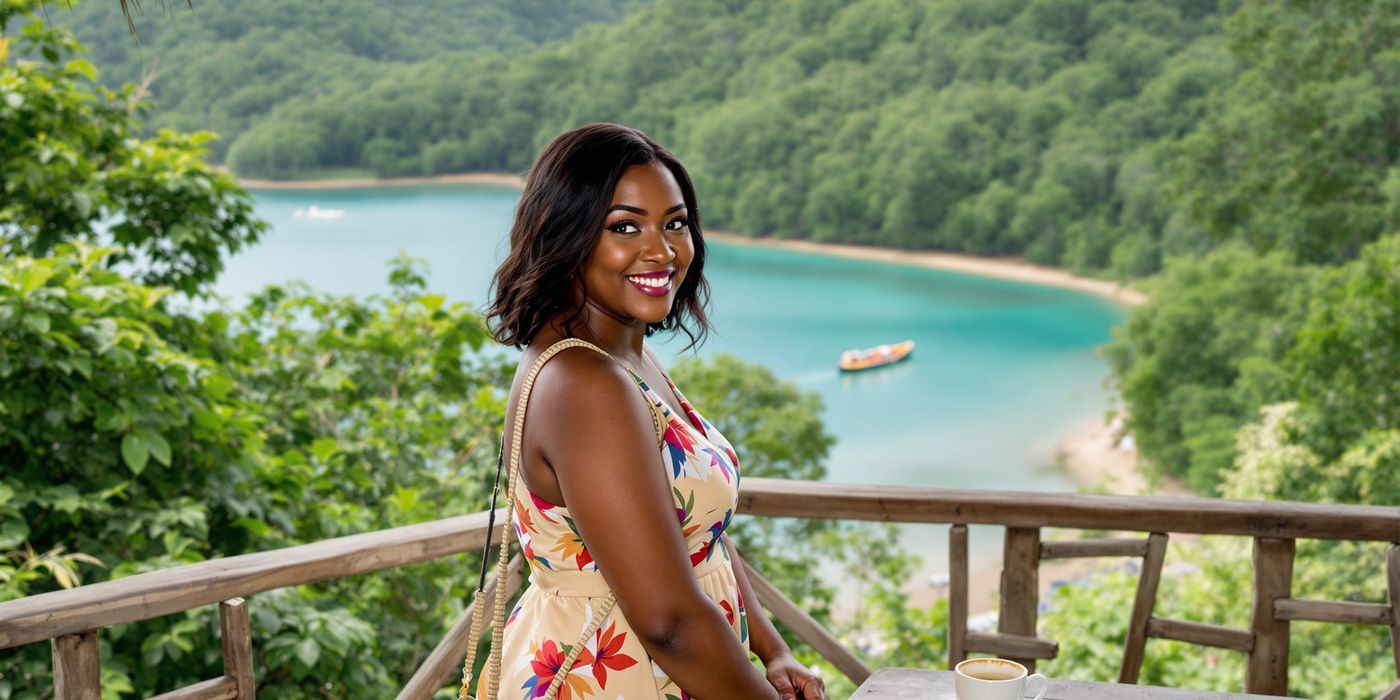
A Dream Realized
After years of dreaming, Jean-Pierre and I finally set foot in Masoala National Park, a jewel in Madagascar's crown. As a travel blogger with roots in this beautiful island, returning to explore its untouched corners feels like coming home. This journey into the heart of Masoala is more than just a trip; it's a personal pilgrimage to reconnect with my heritage and share the wonders of this unique ecosystem with you all. The adventure begins!
The journey here was an adventure in itself. We flew from Montreal to Antananarivo, a familiar route that always fills me with anticipation. Then, a smaller domestic flight took us to Maroantsetra, a bustling coastal town that serves as the gateway to Masoala. From there, a boat ride across Antongil Bay brought us closer to our destination. The bay is known as the cradle of whales, and while we didn't spot any today, the thought of these gentle giants frequenting these waters added an extra layer of excitement.
As the boat approached the shore, the dense, green rainforest of the Masoala Peninsula rose before us, a sight that took my breath away. This park, established in 1997, protects over 2,300 square kilometers of rainforest and 100 square kilometers of marine parks. It's one of the largest protected areas in Madagascar, and I could already feel the immense biodiversity it holds.
Our first stop was the Masoala Forest Lodge, nestled in a sheltered cove. The lodge is only accessible by boat or foot, making it a true escape from the modern world. The lodge is so well hidden in the coastal forest that it is barely visible from the sea. The open-air design of the communal areas allowed us to soak in the sights and sounds of the rainforest from the moment we arrived. We were welcomed ashore by the lodge manager and settled into camp.

Discover unparalleled natural beauty and luxury at Masoala Forest Lodge in Madagascar's breathtaking rainforest.
After settling in, we enjoyed a delicious breakfast at the Masoala Forest Lodge. The lodge uses local ingredients, giving us a taste of Madagascar's culinary delights. It was a wonderful way to start our exploration of the park.
With our energy levels restored, Jean-Pierre and I embarked on our first hike into the rainforest. The air was thick with humidity, and the sounds of the forest were overwhelming – a symphony of birds, insects, and rustling leaves. Our guide, whose expertise was invaluable, pointed out various plant species, explaining their medicinal uses and cultural significance. I was particularly fascinated by the Traveler's Tree, with its fan-shaped leaves that collect rainwater, providing a vital resource for wildlife.
We were hoping to spot the iconic red-ruffed lemur, native to the Masoala Peninsula. While we didn't see any on our initial hike, we did encounter several other fascinating creatures. Chameleons of all sizes clung to branches, their eyes swiveling independently. We also spotted a leaf-tailed gecko, its camouflage so perfect it was nearly invisible against the bark of a tree.
For lunch, we enjoyed a meal at Albert et Lily. The Swiss-Malagasy cuisine was a delightful fusion of flavors, and the setting was idyllic, surrounded by lush greenery. It was the perfect place to relax and refuel before our afternoon adventure.
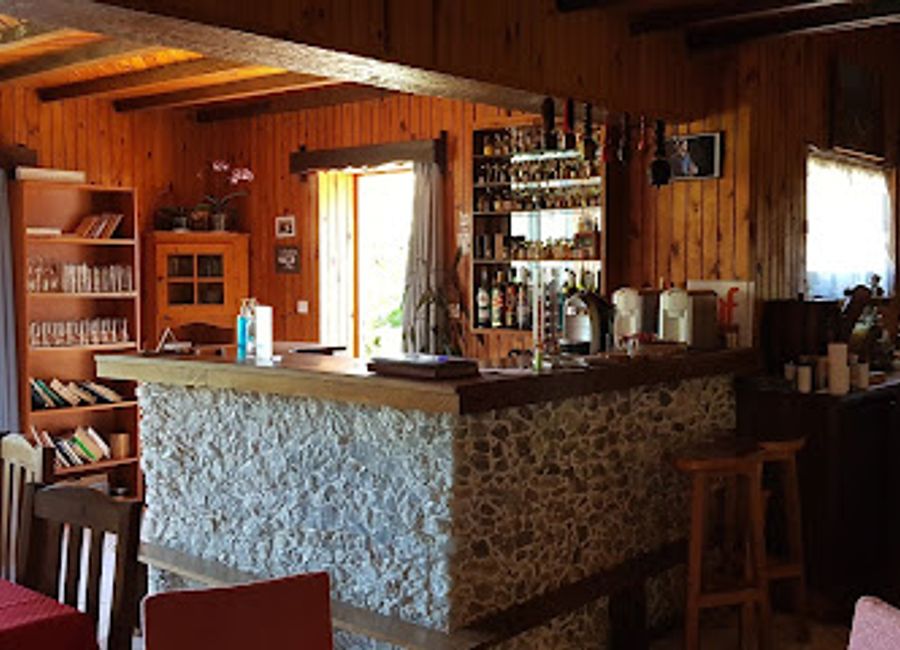
Discover exquisite Swiss-Malagasy cuisine at Albert et Lily, where culinary artistry meets stunning natural landscapes in Mantasoa.
In the afternoon, we explored the beaches and coastal forest in the lodge area and enjoyed a swim in the sea. The clear, warm waters were inviting, and we snorkeled along the coral reefs, marveling at the colorful fish and marine life. Masoala's marine parks protect a section of Madagascar's rich marine biodiversity, including coral reefs teeming with life, making it an ideal spot for snorkeling and diving.
As the sun began to set, we made our way to L'ORION RESTAURANT for dinner. The restaurant offered authentic Malagasy cuisine, and we savored the flavors of the island. The meal was a perfect end to a day filled with exploration and discovery.
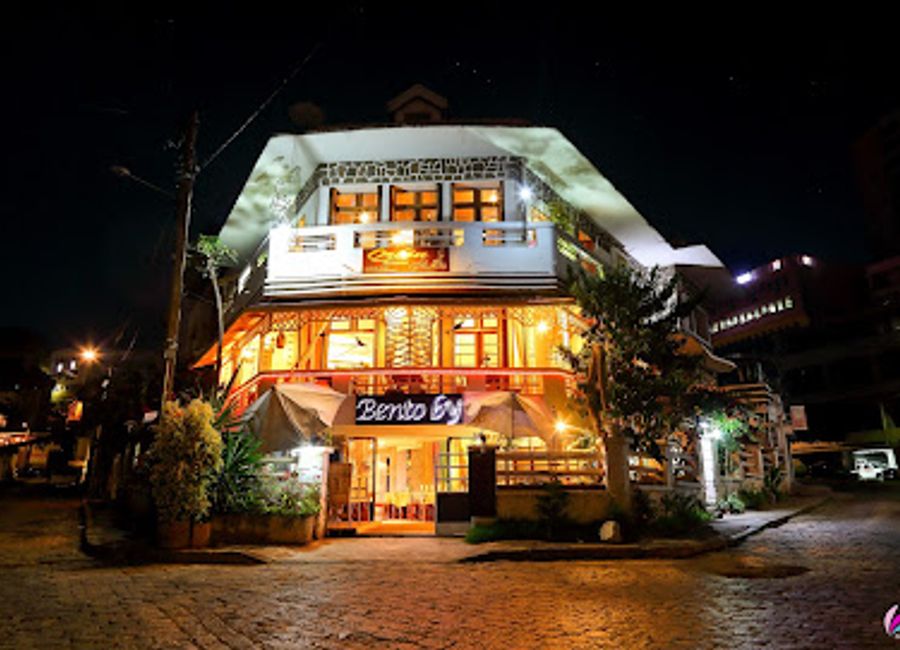
Experience authentic Malagasy cuisine at L'ORION RESTAURANT in Antananarivo - where flavor meets tradition.
After dinner, we joined other guests at the Masoala Forest Lodge bar, where we shared stories and experiences around a bonfire. The sense of community was heartwarming, and it was wonderful to connect with fellow travelers who share a passion for nature and adventure.
Masoala is more than just a destination; it's an immersive experience that awakens the senses and nourishes the soul.
Before heading to bed, I took a moment to reflect on the day. Masoala National Park is a place of incredible beauty and biodiversity, a true treasure that deserves our protection. I am grateful for the opportunity to explore this unique ecosystem and share my experiences with you all.
August in Masoala brings pleasant afternoons with temperatures around 24°C/75°F, but evenings and early mornings are cooler with temperatures of around 15°C/59°F. We found the weather to be quite comfortable for hiking and exploring, though waterproof clothing is essential throughout the year.
Masoala National Park is home to a wide variety of plant and animal species, including lemurs, chameleons, and various species of birds. The rainforest within the park is also known for its diverse plant life, including many rare and endemic species.
The park also supports sustainable livelihoods for local communities through eco-tourism, which includes guided rainforest hikes, kayaking trips along the coast, and cultural experiences. Masoala National Park offers an unparalleled opportunity to experience the raw beauty and extraordinary biodiversity of Madagascar, highlighting the importance of conservation and sustainable development in one of the world's most important biodiversity hotspots.
Masoala National Park protects the rich ecological diversity of the rainforest, coastal forests, and other tropical habitats along with the diversity of wildlife that includes over 15 species of lemurs as well as other reptilian and amphibian species that thrive is this ecosystem. The park also protects the aye-aye which is a threatened species in the park.
Masoala harbors many other species, such as the Madagascar day gecko, leaf-tailed gecko, chameleons of all sizes, spectacular birds such as the helmet vanga, and rare species such as the red owl and tomato frog. Masoala is also home to the day-flying sunset moth, Chrysiridia rhipheus.
The park's terrestrial landscapes are characterized by rugged terrain, with mountains that plunge into the Indian Ocean, creating a stunning backdrop for the lush, verdant rainforest that covers much of Masoala. This rainforest is home to a plethora of species, including the endangered red-ruffed lemur, the Aye-aye, and various species of chameleons and birds that cannot be found anywhere else in the world.
Masoala National Park offers an array of activities for every type of adventurer. Snorkelers can explore three vibrant marine sites where they'll encounter a colorful world of tropical fish and thriving coral reefs.
Tomorrow, we plan to explore the lagon de Masoala and visit the Red ruffed lemur sanctuary. I'm particularly excited about the prospect of seeing these vibrant creatures in their natural habitat. We will also visit the Digue Market.
As I drifted off to sleep, I couldn't help but feel a sense of gratitude for this incredible opportunity. Masoala National Park is a place that will stay with me forever, a reminder of the importance of conservation and the beauty of our planet. I am already looking forward to tomorrow's adventures and the opportunity to share more of this magical place with you all.
This trip is especially meaningful to me, as it allows me to reconnect with my Malagasy roots. Growing up in Miarinarivo, I always felt a deep connection to the natural world, and returning to Madagascar to explore its biodiversity is a dream come true. I hope that my experiences here will inspire others to travel responsibly and appreciate the unique cultures and ecosystems of our planet.
The Masoala National Park was created on the 2nd March 1997 and the Nosy Mangabe Special Reserve on the 14th December 1965. Masoala National Park is one of six national parks on the east coast of Madagascar, all of which were declared a World Heritage in Danger by UNESCO under the combined name Rainforests of the Atsinanana in 2010.
Masoala National Park faces myriad threats. The local population is heavily dependent on agriculture, and many of these surrounding communities hunt wildlife, including lemurs, because of food insecurity and high malnutrition. Given the critical situation of the lemurs, habitat, and local human population, this region is in desperate need of strong conservation actions.
The park is open from 8:00 am to 4:00 pm daily, with the last entry at 2:00 pm. It is closed on certain holidays, so it is recommended to check the official website for updated information.
The forests of Masoala suffered significant damage during Cyclone Hudah which struck on April 2, 2000. According to NASA, Hudah was one of the most powerful storms ever recorded in the Indian Ocean with winds over 230 km/hr and gusts exceeding 380 km/hr.
The entry fee for Masoala National Park is $20 for adults and $10 for children under 12 years old. There is no charge for children under 5 years old.
The Masoala Peninsula contains the largest and wildest track of rainforest remaining on the island, and the largest number of species, including the rare red ruffed lemur.

Join us as we venture into Madagascar’s Masoala National Park, discovering its rich biodiversity and pristine landscapes over a 14-day journey.
Meet this Featured Explorer

-
 Occupation:
Freelance Translator and Travel Blogger
Occupation:
Freelance Translator and Travel Blogger
-
 Country:
Canada
Country:
Canada
-
 Age:
29
Age:
29
Bonjour and Salama! I'm Marie, a freelance translator and travel blogger originally from the beautiful island of Madagascar, now living in Montreal with my wonderful husband, Jean-Pierre. My blog, Evendo, is my passion project where I share my adventures and insights from around the world. I focus on sustainable travel, cultural immersion, and discovering those hidden gems that offer an authentic travel experience. I believe travel is more than just ticking off destinations; it's about connecting with people, respecting cultures, and leaving a positive impact on the places we visit. Join me as I explore the world, one meaningful journey at a time!
- Linguistics
- Cultural anthropology
- Sustainable tourism
- Wildlife conservation
- Culinary arts
Find Similar Travel Diaries
Explore locations from this diary
-
Masoala National Park
Explore the untouched wilderness of Masoala National Park, Madagascar’s largest national park, rich in biodiversity and breathtaking scenery.
-
Masoala Forest Lodge
Discover unparalleled natural beauty and luxury at Masoala Forest Lodge in Madagascar's breathtaking rainforest.
-
Albert et Lily
Discover exquisite Swiss-Malagasy cuisine at Albert et Lily, where culinary artistry meets stunning natural landscapes in Mantasoa.
-
L'ORION RESTAURANT
Experience authentic Malagasy cuisine at L'ORION RESTAURANT in Antananarivo - where flavor meets tradition.
-
Masoala Forest Lodge
Discover the tranquility and adventure awaiting at Masoala Forest Lodge, an eco-friendly haven in Madagascar's pristine wilderness.