Cultural Winter Retreat in Kyoto with Family
Day 6: Kyoto's Imperial Echoes: Tracing History Through Shrines and Palaces
Discover the serene beauty of Kyoto's Heian Shrine and Imperial Palace, a journey through history, culture, and exquisite winter dining.

A Day Immersed in Kyoto's Imperial Grandeur
Today, Kyoto unfolded like a meticulously painted scroll, each landmark revealing another layer of its captivating history. David and Emily joined me as we navigated through the city's cultural heart, from the vibrant Heian Shrine to the solemn Kyoto Imperial Palace. It was a day of quiet reflection, punctuated by the delightful discoveries of Kyoto's culinary scene.
Our morning began at the Heian Shrine, a dazzling spectacle of vermilion architecture against the crisp winter sky. It felt a world away from our home in Stratford, where the pace of life is considerably more gentle. The shrine was built to commemorate Emperor Kanmu, who moved the capital to Kyoto in 794, and Emperor Komei. As we approached, the grandeur of the Otenmon Gate immediately struck me; it was a vivid reminder of the Heian period’s artistic and architectural prowess. Though the NAKED Garden of Light event had ended a couple of days prior, the shrine still held a serene beauty, and I could imagine how the illuminated Kyoto umbrellas and lanterns must have looked.

Explore Heian Shrine in Kyoto for a serene experience of stunning gardens, rich history, and traditional Japanese architecture.
The expansive courtyard invited contemplation. We strolled through the gardens, admiring the meticulously arranged landscapes and the tranquil pond. The crisp air was invigorating, and the relative quiet—a welcome change from the bustling city—allowed us to fully appreciate the shrine's spiritual ambiance. Emily, ever the curious one, was fascinated by the historical context, while David, the history teacher, shared anecdotes about the emperors and the significance of the shrine in Kyoto’s history. The shrine's torii gate is one of the largest in Japan.
In the heart of Kyoto, history whispers through the stones of ancient shrines and palaces, inviting us to listen and learn.
Leaving Heian Shrine, we made our way to the Kyoto Imperial Palace, the former residence of Japan's Imperial Family until 1868. The palace is located within the Kyoto Imperial Park, also encompassing the Sento Imperial Palace. The stark contrast between the vibrant shrine and the more austere palace was striking. Here, the atmosphere was one of solemnity and quiet dignity. The architecture, rebuilt in 1855 after a fire, exuded a sense of timelessness, and I couldn't help but feel a connection to the emperors who once walked these grounds.

Explore the historical elegance and natural beauty of Kyoto Imperial Palace, a cultural landmark reflecting Japan's royal history.
We explored the various gates, halls, and gardens, each with its own unique story to tell. Although we couldn't enter the buildings, simply walking through the grounds offered a glimpse into the lives of the imperial family and the workings of the court. David pointed out the significance of the different architectural styles, explaining how they reflected the changing political and social landscape of Japan. The winter sky added a touch of drama to the scene, casting long shadows across the gravel paths and highlighting the intricate details of the buildings.
The Kyoto Imperial Palace is open to the public, allowing visitors to explore the grounds without guided tours, which I appreciated. While wandering the gardens, I found myself reflecting on the Koromogae tradition, the changing of the interior furnishings to match the season, a practice that continues to this day. It's these small details that make Kyoto so special, a city where ancient customs are still honored and preserved.
For lunch, we ventured to Hanasaki, recommended by a local friend for its authentic Kyoto cuisine. The restaurant was a cozy haven, and we were greeted with warm hospitality. We indulged in a traditional Japanese breakfast, featuring tofu, yuba, and local vegetables, each dish a delicate balance of flavors and textures. It was a delightful culinary experience, and I felt a sense of gratitude for the opportunity to savor such exquisite food.
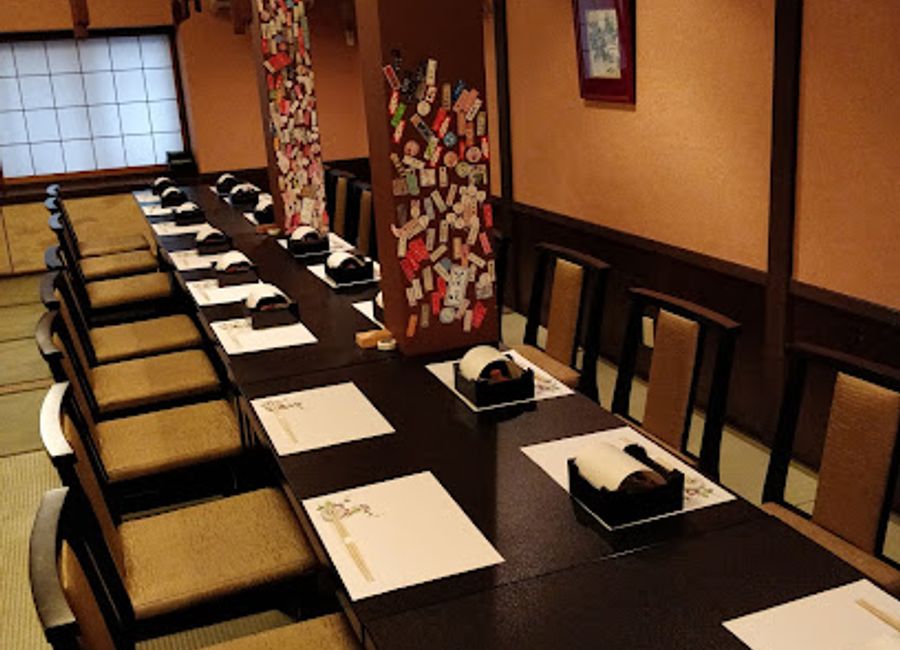
Experience authentic kaiseki cuisine at Hanasaki in Kyoto - where tradition meets artistry in every delicious dish.
In the afternoon, we enjoyed a 'Tourism Experience Course' lunch at Ryu no Hige, which offers a fusion of Kyoto and French cuisine. Each course was a work of art, inspired by famous Kyoto landmarks. The presentation was as impressive as the taste, with dishes served on Shigaraki pottery. This innovative approach to dining was a highlight of our day, and it perfectly captured the spirit of Kyoto—a blend of tradition and modernity.
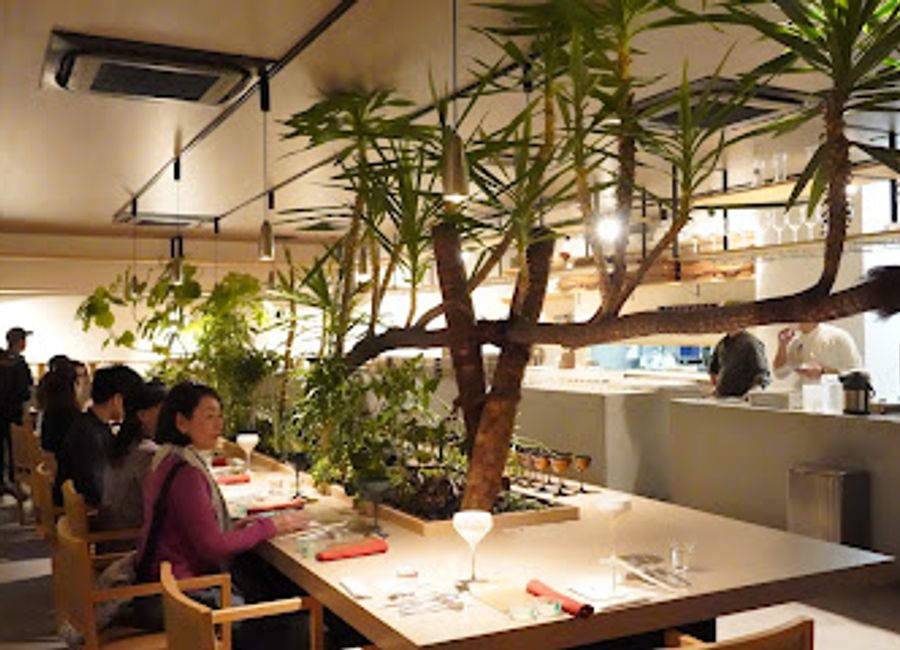
Discover the art of fusion dining at Ryu no Hige in Kyoto - where French elegance meets Japanese creativity.
As evening approached, we found ourselves at Jiki Miyazawa for dinner, a Michelin-starred restaurant known for its progressive Kaiseki cuisine. The restaurant's Zen-style decor created a calming atmosphere, and we were fortunate to secure counter seats with a view of the chefs at work. The meal was an exquisite journey through seasonal flavors, each dish meticulously crafted and beautifully presented. Chef Takatomo Izumi-san's creations were a testament to his skill and passion, and I felt privileged to experience such culinary artistry. The restaurant has been awarded Michelin stars since 2009.

Indulge in an authentic Kaiseki dining experience at Jiki Miyazawa, where seasonal flavors meet exquisite presentation in the heart of Kyoto.
To cap off the evening, we sought refuge at Bar K6, a sophisticated establishment known for its master bartenders and unique cocktails. The bar exuded an old American film vibe, with slick servers and a cozy atmosphere. David and I enjoyed a couple of expertly crafted cocktails, while Emily opted for a non-alcoholic concoction. It was the perfect end to a day of cultural immersion and culinary delights. The welcoming staff and refined atmosphere made it a memorable experience, and I can understand why Bar K6 is a favorite among bar enthusiasts.

Discover the vibrant nightlife of Kyoto at Bar K6, where traditional Japanese drinks meet modern bar culture in a cozy setting.
As I reflect on today's adventures, I'm filled with a sense of gratitude for the opportunity to explore Kyoto's rich history and vibrant culture. From the grandeur of Heian Shrine to the solemnity of the Imperial Palace, each landmark offered a unique perspective on Japan's imperial past. And the culinary experiences—from the traditional breakfast to the innovative Kaiseki dinner—were a testament to Kyoto's status as a gastronomic capital. Tomorrow, we plan to explore the Kyoto Botanical Gardens and walk the Philosopher's Path, continuing our journey through this captivating city. I'm particularly looking forward to the gardens, as I've heard they offer a tranquil escape from the urban bustle. And of course, I'm eager to discover more of Kyoto's culinary treasures, with breakfast at Komefuku and lunch at Khaos Spice Diner on the agenda. It promises to be another day of exploration, discovery, and cultural immersion.
For now, though, I'll savor the memories of today and drift off to sleep, dreaming of vermilion shrines, ancient palaces, and the exquisite flavors of Kyoto.
I am so glad that I brought warm clothing, even though I forgot my portable phone charger. Kyoto in January is beautiful, but it is also cold. I made sure to pack my camera with extra batteries, and it has come in handy for all of the beautiful sights we have seen. I am also very grateful for my comfortable walking shoes. We have done a lot of walking on this trip, and my feet would be killing me if I didn't have the right shoes. I also brought a travel guidebook, which has been very helpful for navigating the city and learning about the different landmarks. I also brought reusable water bottles, which has been great for staying hydrated while we are out and about.
I do wish I had remembered to bring my Japanese phrasebook, as it would have been helpful for communicating with the locals. Overall, I am very happy with how prepared I was for this trip.
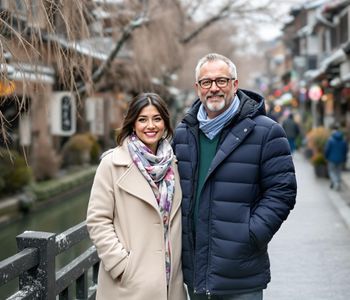


Experience the rich heritage and serene winter beauty of Kyoto with family, while enjoying cultural landmarks and comfortable accommodations.
Meet this Featured Explorer
-
 Occupation:
Freelance Cantonese Translator and Travel Blogger
Occupation:
Freelance Cantonese Translator and Travel Blogger
-
 Country:
Canada
Country:
Canada
-
 Age:
50
Age:
50
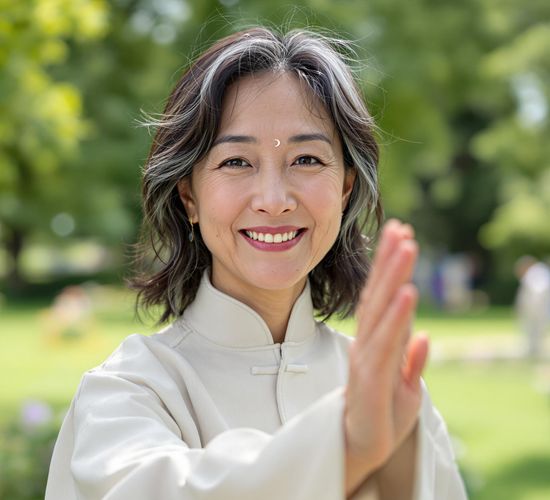
你好 (Nǐ hǎo)! I'm Mei Wong, a translator by trade and a traveler at heart. Born in Hong Kong and now living in Canada, I've spent the last 25 years exploring the world, one culture at a time. My blog is a space where I share my adventures, offering insights into the places I visit, the people I meet, and the delicious food I discover along the way. I hope to inspire you to step outside your comfort zone, embrace new experiences, and see the world with fresh eyes. Join me as I uncover the beauty and diversity of our planet!
- Cultural Anthropology
- Linguistics
- Sustainable Tourism
- Photography
- Cantonese Opera
Find Similar Travel Diaries
Explore locations from this diary
-
Tomoya Residence Hotel Kyoto Nijo Takakura
Experience comfort and convenience at Tomoya Residence Hotel Kyoto Nijo Takakura, ideally located near Kyoto's top attractions and cultural sites.
-
Heian Shrine
Explore Heian Shrine in Kyoto for a serene experience of stunning gardens, rich history, and traditional Japanese architecture.
-
Kyoto Imperial Palace
Explore the historical elegance and natural beauty of Kyoto Imperial Palace, a cultural landmark reflecting Japan's royal history.
-
Hanasaki
Experience authentic kaiseki cuisine at Hanasaki in Kyoto - where tradition meets artistry in every delicious dish.
-
ryu no hige
Discover the art of fusion dining at Ryu no Hige in Kyoto - where French elegance meets Japanese creativity.
-
Jiki Miyazawa
Indulge in an authentic Kaiseki dining experience at Jiki Miyazawa, where seasonal flavors meet exquisite presentation in the heart of Kyoto.
-
Bar K6
Discover the vibrant nightlife of Kyoto at Bar K6, where traditional Japanese drinks meet modern bar culture in a cozy setting.