Nathalie's Solo Cultural Exploration in Kyoto
Day 4: A Day of Vermilion Gates and Zen Gardens: Discovering Kyoto's Spiritual Heart
Immerse yourself in Kyoto's spiritual essence with vibrant shrines and tranquil temples, a journey of cultural discovery and reflection.
Kyoto's Sacred Spaces
Today was a deep dive into the spiritual heart of Kyoto, a journey that resonated with my soul. From the vibrant pathways of Fushimi Inari to the serene gardens of Tōfuku-ji, every step felt like a page torn from a history book, a testament to centuries of devotion and artistic expression. It was a day of contrasts, of bustling energy and quiet contemplation, leaving me with a profound sense of peace and a deeper understanding of Japan's rich cultural tapestry.

Explore the enchanting Fushimi Inari Shrine, home to thousands of vibrant torii gates, where tradition and breathtaking beauty await every visitor.
My day started early, eager to witness the famed Fushimi Inari Taisha in the soft morning light. As I stepped off the train, the air was crisp, carrying a hint of pine from the surrounding forests. The entrance to the shrine was already bustling with activity, a mix of locals and tourists all drawn to this iconic landmark.
The vermilion gates, or *torii*, snaked up the mountainside, creating a mesmerizing tunnel that seemed to stretch endlessly into the heavens. Each gate, donated by individuals and businesses, was inscribed with their names, a testament to their faith and prosperity. The sheer number of gates was astounding, a vibrant river of color flowing through the green landscape. I began my ascent, the path winding gently upwards, each step revealing new vistas and hidden shrines. Foxes, the messengers of Inari, were everywhere, their stone forms guarding the pathways and adding to the mystical atmosphere.
The journey through Fushimi Inari's gates is not just a walk, but a pilgrimage through faith, history, and the enduring spirit of Japan.
As I climbed higher, the crowds thinned, and a sense of tranquility enveloped me. The forest became denser, the air cooler, and the sounds of the city faded into a distant hum. I paused at a small clearing, taking in the panoramic view of Kyoto spread out below. The city, nestled amidst the mountains, seemed both ancient and modern, a testament to its enduring spirit. I continued my climb, eventually reaching the summit, a journey that took a little over two hours. The sense of accomplishment was immense, a feeling of having conquered not just a mountain, but also a small part of myself.
After descending, I was ready for a nourishing breakfast. I headed to Masayoshi Japanese Dining, where I enjoyed a traditional Japanese breakfast set. The delicate flavors of the miso soup, the perfectly cooked rice, and the savory grilled fish were a delightful start to the day. It was a simple meal, yet it spoke volumes about the Japanese appreciation for fresh, seasonal ingredients.
Next on my itinerary was Tōfuku-ji Temple, a Zen temple known for its stunning gardens and impressive architecture. As I approached the temple, the grandeur of the Sanmon Gate, a designated national treasure, was immediately apparent. The gate, dating back to 1425, is the oldest and largest Zen temple gate in Japan, a testament to the temple's rich history and importance.

Discover the serene beauty and historical significance of Tōfuku-ji Temple, a must-visit Buddhist landmark in Kyoto.
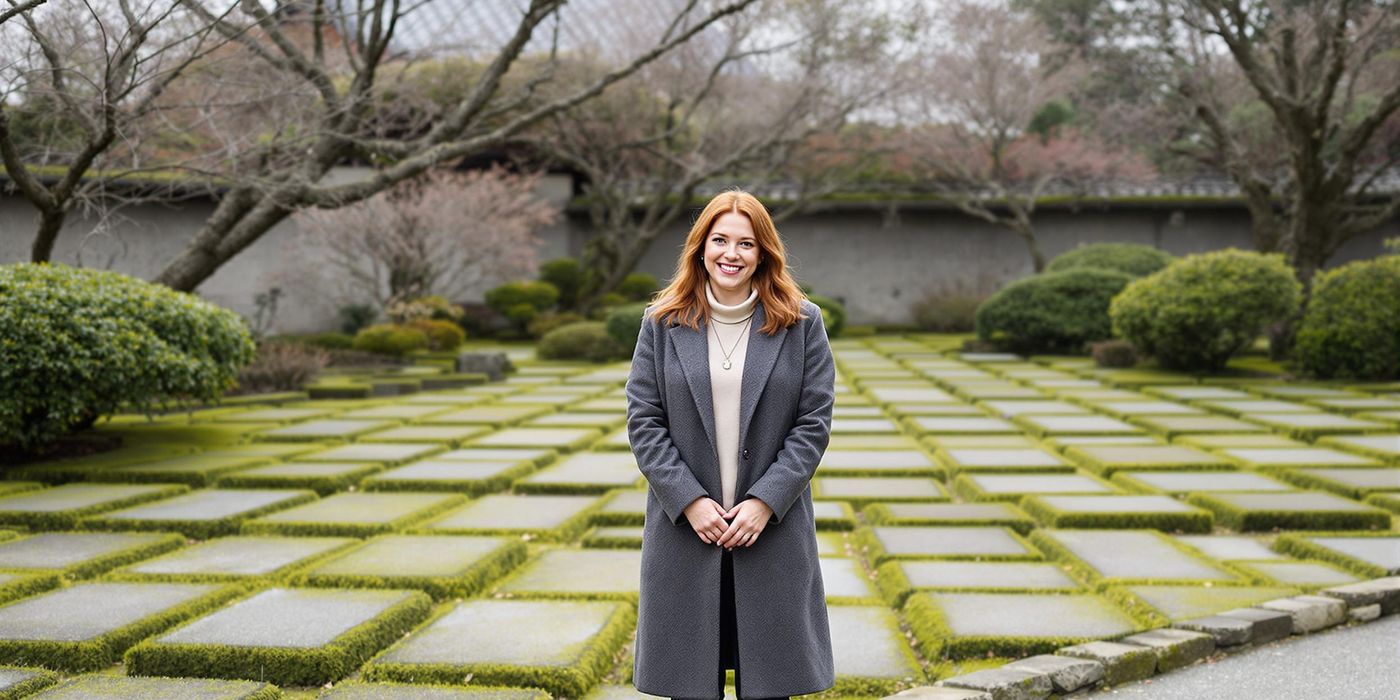
The gardens of Tōfuku-ji were a revelation. Designed by the renowned landscape architect Mirei Shigemori in the 1930s, the gardens are a masterpiece of modern Zen design. Each garden is unique, reflecting a different aspect of Zen philosophy. The North Garden, with its checkerboard pattern of moss and stones, was particularly striking, a minimalist landscape that invited contemplation and reflection. The South Garden, with its towering rock formations representing the mythical Mount Penglai, was equally impressive, a bold and dramatic statement of Zen aesthetics.
As I wandered through the gardens, I felt a sense of peace wash over me. The carefully raked gravel, the meticulously placed stones, and the vibrant green moss created a harmonious landscape that calmed the mind and soothed the soul. I spent a long time simply sitting on a bench, gazing at the gardens, letting the beauty and tranquility of the surroundings seep into my being. It was a moment of pure Zen, a feeling of being completely present in the moment, detached from the worries and anxieties of everyday life.
For lunch, I ventured to Komefuku, a local restaurant known for its tempura. The restaurant was small and unassuming, but the food was exceptional. The tempura was light and crispy, the seafood fresh and flavorful. It was a delightful culinary experience, a testament to the Japanese mastery of simple ingredients and precise cooking techniques.

Experience authentic Japanese cuisine at Komefuku in Kyoto, renowned for its fresh seafood and exquisite tempura dishes.
In the evening, I decided to treat myself to a special dinner at Yasakadori Enraku. The restaurant, located in the heart of Gion, is known for its traditional Kyoto cuisine and its elegant atmosphere. I opted for the Kaiseki dinner, a multi-course meal that showcased the best of Kyoto's culinary heritage. Each dish was a work of art, a delicate balance of flavors and textures that delighted the senses. The meal was a journey through Kyoto's culinary history, a testament to the city's rich cultural traditions. The restaurant also offers an Enchanted Time with Maiko, but unfortunately, I did not get to experience it. Perhaps next time!
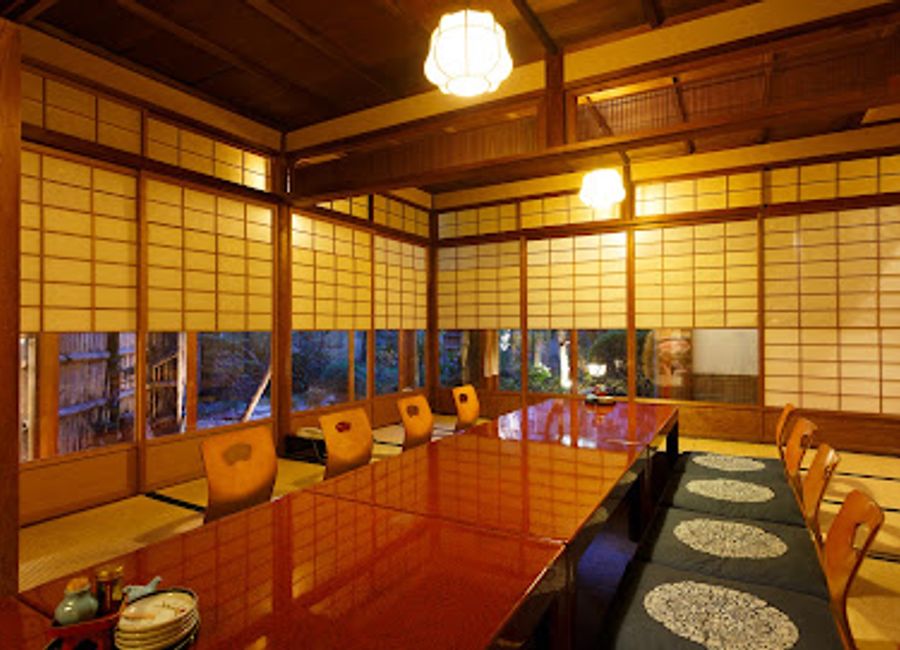
Experience the artistry of Kaiseki dining at Yasakadori Enraku in Kyoto – where tradition meets culinary excellence.
After dinner, I sought out The Common One Bar Kyoto, a hidden gem known for its sophisticated ambiance and expertly crafted cocktails. Finding the entrance was a bit of an adventure, tucked away in a quiet alley, but it was well worth the effort. The bar's interior was a blend of traditional Japanese design and modern elegance, with tatami mats, a tea room, and a sleek, contemporary bar. The bartender was a master mixologist, creating unique and flavorful cocktails tailored to my preferences. It was the perfect end to a perfect day, a moment of quiet contemplation and refined indulgence.

Experience the vibrant nightlife of Kyoto at The Common One Bar, where tradition meets innovation in every cocktail.
As I reflect on the day, I am struck by the profound sense of peace and connection I felt throughout my explorations. Kyoto's spiritual heart beats strongly, inviting visitors to delve into its rich history, embrace its artistic traditions, and discover the tranquility that lies within its sacred spaces. I am already looking forward to tomorrow, where I plan to explore the Gion district, visit Yasaka Shrine, and wander along Hanamikoji Street. It promises to be another day of cultural immersion and personal discovery, a continuation of this incredible journey through the heart of Japan. I might also check out the Daimaru Kyoto Store for some local crafts.
Before heading back to the hotel, I took a moment to reflect on my forgotten travel adapter and umbrella. While I managed without them today, I will definitely need to purchase them tomorrow. It's a small reminder that even the most meticulously planned trips can have their hiccups, but it's all part of the adventure. Good night from Kyoto!
Tomorrow, I will explore the enchanting Gion district, visit the serene Yasaka Shrine, and stroll along the historic Hanamikoji Street. I will start my day with breakfast at Kyoto cuisine Hanasaki Nishikiten, followed by lunch at Goichi Pizza, and end with dinner at Teppan Tavern Tenamonya. I also plan to visit the Daimaru Kyoto Store for some local crafts.
Hans and Sophie, I miss you both dearly and can't wait to share all these stories with you when I return to Sarnen. I'm sure Sophie would love the vibrant colors of Fushimi Inari, and Hans would appreciate the craftsmanship of the Sanmon Gate at Tōfuku-ji. Until then, I'll continue to explore and share my adventures with you through my blog.


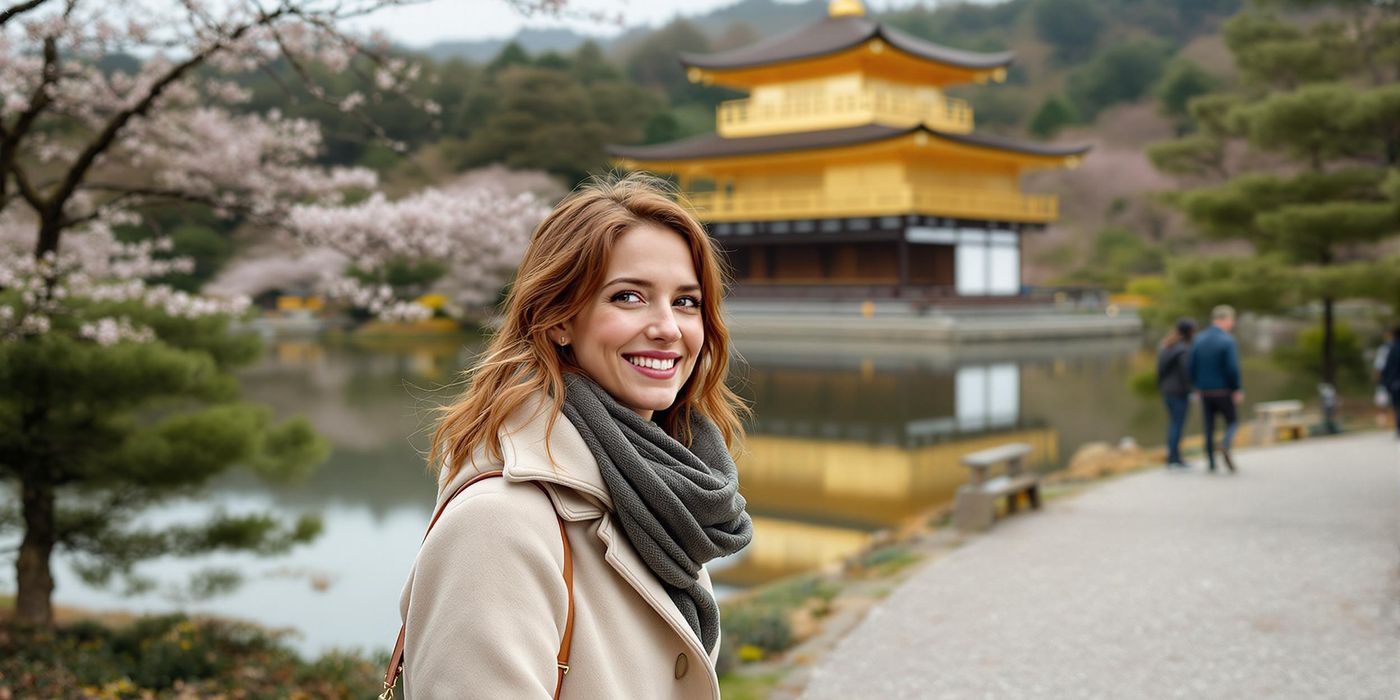
Explore Kyoto's cultural and historical gems on a solo adventure, embracing the beauty of Japan's ancient traditions and serene landscapes.
Meet this Featured Explorer

-
 Occupation:
Librarian specializing in historical archives
Occupation:
Librarian specializing in historical archives
-
 Country:
Switzerland
Country:
Switzerland
-
 Age:
47
Age:
47
Bonjour, fellow travelers! I'm Nathalie, a librarian from France with a passion for history and a love for exploring the world. My blog is a place where I share my travel experiences, blending historical facts with personal anecdotes to create narratives that are both educational and entertaining. Join me as I uncover hidden gems, delve into local traditions, and seek out unique and authentic destinations. I hope to inspire you to embark on your own journeys of discovery!
Find Similar Travel Diaries
Explore locations from this diary
-
Solaria Nishitetsu Hotel Kyoto Premier
Experience Kyoto's charm at Solaria Nishitetsu Hotel Premier – a serene riverside retreat with modern comforts and easy access to attractions.
-
Fushimi Inari Shrine (Thousand Torii Gates)
Explore the enchanting Fushimi Inari Shrine, home to thousands of vibrant torii gates, where tradition and breathtaking beauty await every visitor.
-
Tōfuku-ji Temple
Discover the serene beauty and historical significance of Tōfuku-ji Temple, a must-visit Buddhist landmark in Kyoto.
-
Masayoshi Japanese Dining
Experience authentic Japanese steakhouse dining at Masayoshi in Kyoto—where tradition meets culinary excellence.
-
Komefuku
Experience authentic Japanese cuisine at Komefuku in Kyoto, renowned for its fresh seafood and exquisite tempura dishes.
-
Yasakadori Enraku
Experience the artistry of Kaiseki dining at Yasakadori Enraku in Kyoto – where tradition meets culinary excellence.
-
The Common One Bar Kyoto
Experience the vibrant nightlife of Kyoto at The Common One Bar, where tradition meets innovation in every cocktail.