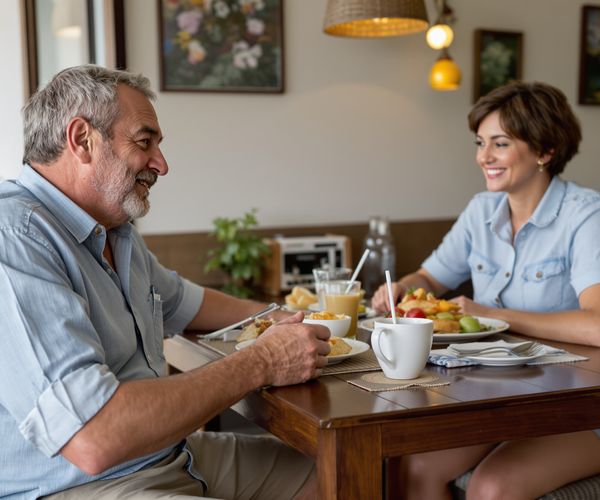
Nathalie's Solo Cultural Exploration in Kyoto
Day 6: Echoes of Shoguns and Manga Dreams: A Day of Kyoto's Contrasts
Delve into Kyoto's past at Nijo Castle and embrace modern art at the Manga Museum, savoring local flavors and hidden bars.

Kyoto's Historical Tapestry and Modern Tales
Today was a day of contrasts, a journey through time and art that only Kyoto could offer. From the imposing presence of Nijō Castle, echoing with the footsteps of shoguns, to the vibrant, contemporary world of the Kyoto International Manga Museum, it was a day filled with discovery and reflection. It's amazing how a single city can hold such diverse narratives, each whispering its own story.

Experience the grandeur of Nijō Castle, a UNESCO World Heritage Site, where history, architecture, and nature intertwine in Kyoto's cultural heart.
My day began with an early start, driven by the anticipation of stepping back in time at Nijō Castle. The winter air was crisp, carrying the scent of pine from the surrounding gardens. As I approached the castle gates, the sheer scale of the structure was immediately striking. It was easy to imagine the power and authority that once resided within those walls.
Nijō Castle, built in 1603 by Tokugawa Ieyasu, the first shogun of the Edo period, served as his Kyoto residence and a symbol of his power. Walking through the castle grounds, I was struck by the imposing stone walls and the serene moats that encircled the main structures. The castle is divided into three main areas: the Honmaru (main circle of defense), the Ninomaru (secondary circle of defense), and the gardens that surround them. Though I knew that the castle keep was destroyed by fire in the 18th century and never rebuilt, it didn't diminish the grandeur of the place.
Entering through the large gate in the east, I rented an English audio guide, eager to delve into the castle's rich history. The first stop was the Karamon Gate, a stunning example of Chinese-style architecture that led to the Ninomaru Palace. This palace, a designated National Treasure, served as the residence and office of the shogun during his visits to Kyoto. The intricate details of the palace's architecture were breathtaking, a testament to the skill and artistry of the Edo period craftsmen. I was particularly fascinated by the 'nightingale floors,' designed to chirp underfoot to prevent surprise attacks – a clever and somewhat unnerving security measure!
History is not a burden on the memory but an illumination of the soul.
Exploring the Ninomaru Palace, I wandered through its many rooms, each adorned with remarkable screen paintings by artists of the Kanō school. These paintings, along with the intricate woodwork, offered a glimpse into the opulent lifestyle of the shogunate. I learned that the palace was not only a residence but also a place for administrative affairs, with offices and meeting rooms that reflected the political power of the Tokugawa shogunate. It was here, in 1867, that the 15th shogun, Tokugawa Yoshinobu, officially returned political power to Emperor Meiji, marking the end of the shogunate rule and the beginning of Japan's modernization.
Outside the palace, I strolled through the Ninomaru Garden, a traditional Japanese landscape garden with a large pond, ornamental stones, and meticulously manicured pine trees. The garden offered a moment of tranquility, a chance to reflect on the history and significance of the castle. I took a moment to appreciate the plum grove in the southwestern part of the castle, where around 100 trees were just beginning to bloom, hinting at the spring to come.
Before leaving Nijō Castle, I made sure to visit the Honmaru area, where the Honmaru Palace stands. This palace, moved from the Kyoto Imperial Palace after the fall of the shogunate, provided a glimpse into the living quarters of the Imperial Family. Although part of it was closed for renovation, I was still able to appreciate the unique design and historical significance of this Important Cultural Property.
After immersing myself in history, it was time for a change of pace. I headed to the Kyoto International Manga Museum, housed in a former elementary school. The contrast between the solemnity of the castle and the vibrant energy of the museum was striking, yet both offered unique insights into Japanese culture.

Explore the rich world of Japanese comics at Kyoto International Manga Museum, a cultural gem in Kyoto offering extensive manga collections and engaging exhibitions.
The Manga Museum is a celebration of the art form, with a collection of approximately 300,000 items, including 50,000 volumes of manga that visitors can freely read. As a librarian, I was immediately drawn to the sheer volume of the collection, a testament to the popularity and cultural significance of manga. The museum is divided into several public zones, including gallery, research, and archive areas. I started my exploration in the Gallery Zone, where permanent and temporary exhibitions showcased the history and development of manga.
One of the most fascinating exhibits was the 'What is Manga?' exhibition, which explored the history of manga in Japan, the structure of the industry, and the expressive techniques used by manga artists. I learned about the origins of manga, tracing its roots back to Edo period woodblock prints and satirical art. It was fascinating to see how this art form had evolved over centuries, reflecting the changing social and cultural landscape of Japan.
I was also captivated by the room of plaster casts of the hands of manga and anime artists who had visited the museum. It was a tangible connection to the creators behind these beloved works, a reminder of the human element in this art form. Of course, I couldn't miss the large sculpture of the Hi no Tori (Phoenix) by Osamu Tezuka, a masterpiece created using traditional Buddhist statue engraving techniques.
As I wandered through the museum, I was struck by the diversity of the collection. There were manga from every genre and era, from classic works to contemporary hits. I even discovered a growing international section, with manga translated into English and other languages. It was heartening to see the global appeal of this art form, a testament to its power to transcend cultural boundaries.
I spent hours browsing the shelves, discovering new artists and revisiting old favorites. The museum's relaxed atmosphere encouraged visitors to sit and read, creating a sense of community among manga enthusiasts. I even ventured into the children's library, where I watched a performance of kamishibai, a traditional Japanese storytelling format that combines narration with hand-drawn paper cards. It was a charming and engaging experience, a reminder of the power of storytelling to captivate audiences of all ages.
For lunch, I decided to try Katsukura Tonkatsu Sanjo Main Store, recommended by a local I met at the hotel. Tucked away in a small alley, the restaurant was a bit hard to find, but the delicious aroma of fried pork cutlets led me in the right direction. The restaurant was bustling with activity, filled with both locals and tourists eager to sample their famous tonkatsu. I ordered their signature dish, a perfectly crispy and juicy pork cutlet served with rice, miso soup, and a variety of pickles. It was a comforting and satisfying meal, a taste of authentic Kyoto cuisine.
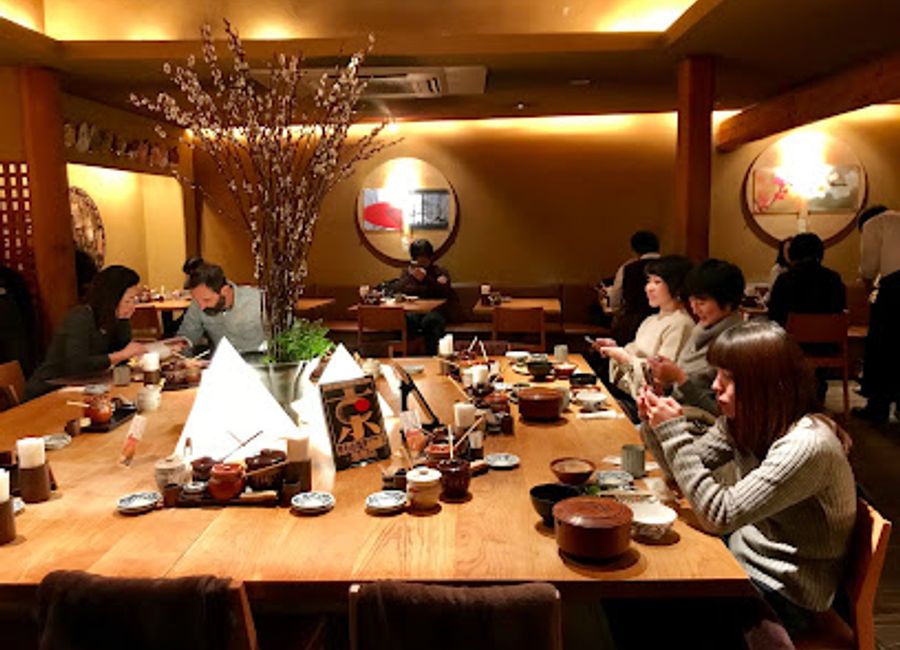
Savor the best tonkatsu in Kyoto at Katsukura Tonkatsu Sanjo Main Store—where tradition meets flavor.
In the evening, I ventured into the Gion district for dinner at Gion Mikaku, a long-established wagyu specialty restaurant located along the Shirakawa River. The restaurant was elegant and refined, with a calm and traditional Japanese atmosphere. I opted for a teppanyaki experience, watching as skilled chefs prepared the wagyu beef on a hot plate right before my eyes. The beef was incredibly tender and flavorful, enhanced by their special sauces and condiments. The seasonal views of the Shirakawa River added to the ambiance, making it a truly memorable dining experience.

Discover Gion Mikaku, where exceptional steak meets authentic Japanese culture in Kyoto's enchanting Gion district.
To cap off the evening, I decided to visit Bar K6, a renowned bar in Kyoto known for its master bartenders and exquisite cocktails. The bar had a sophisticated atmosphere, with a wide selection of whiskeys and innovative fruit cocktails. I ordered a Kyoto dry gin gin and tonic, expertly crafted by the bartender. It was the perfect ending to a day of contrasts, a chance to relax and reflect on the experiences of the day.

Discover the vibrant nightlife of Kyoto at Bar K6, where traditional Japanese drinks meet modern bar culture in a cozy setting.
As I walked back to the Solaria Nishitetsu Hotel Kyoto Premier, the city was quiet and peaceful. The day's journey through time and art had left me with a deeper appreciation for Kyoto's rich cultural heritage. It was a reminder that history and modernity can coexist, each enriching the other in unexpected ways.
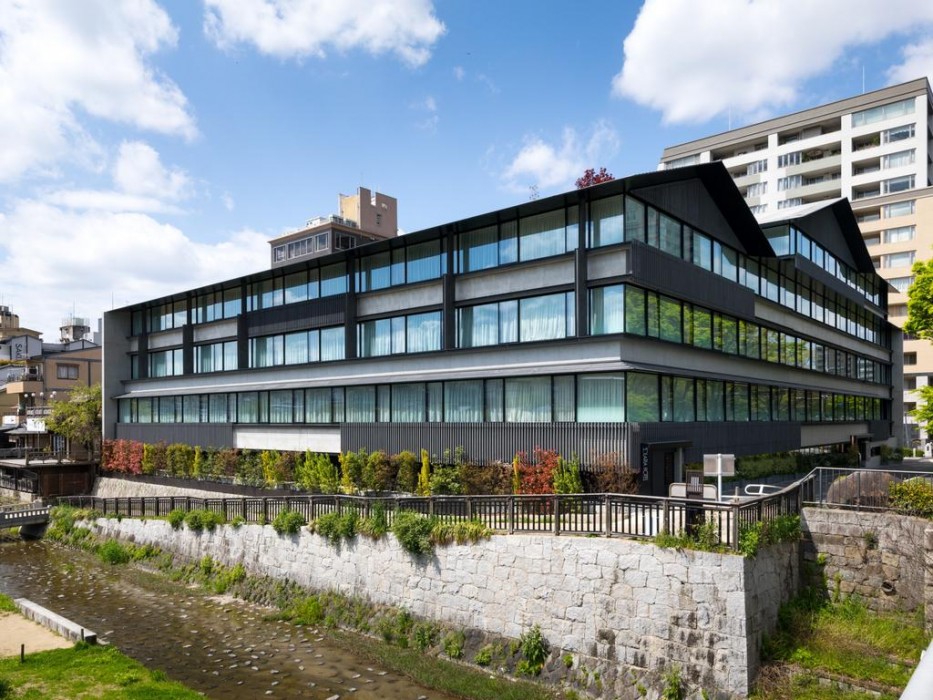
Experience Kyoto's charm at Solaria Nishitetsu Hotel Premier – a serene riverside retreat with modern comforts and easy access to attractions.
Tomorrow, I plan to explore the Philosopher's Path and Nanzen-ji Temple, seeking out more of Kyoto's serene beauty. I'm also hoping to do some shopping at Kyoto LOFT, searching for unique souvenirs to bring back home to Hans and Sophie. Until then, I'll cherish the memories of today, the echoes of shoguns and the dreams of manga, all woven into the fabric of this extraordinary city.

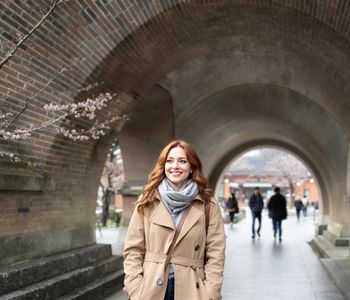
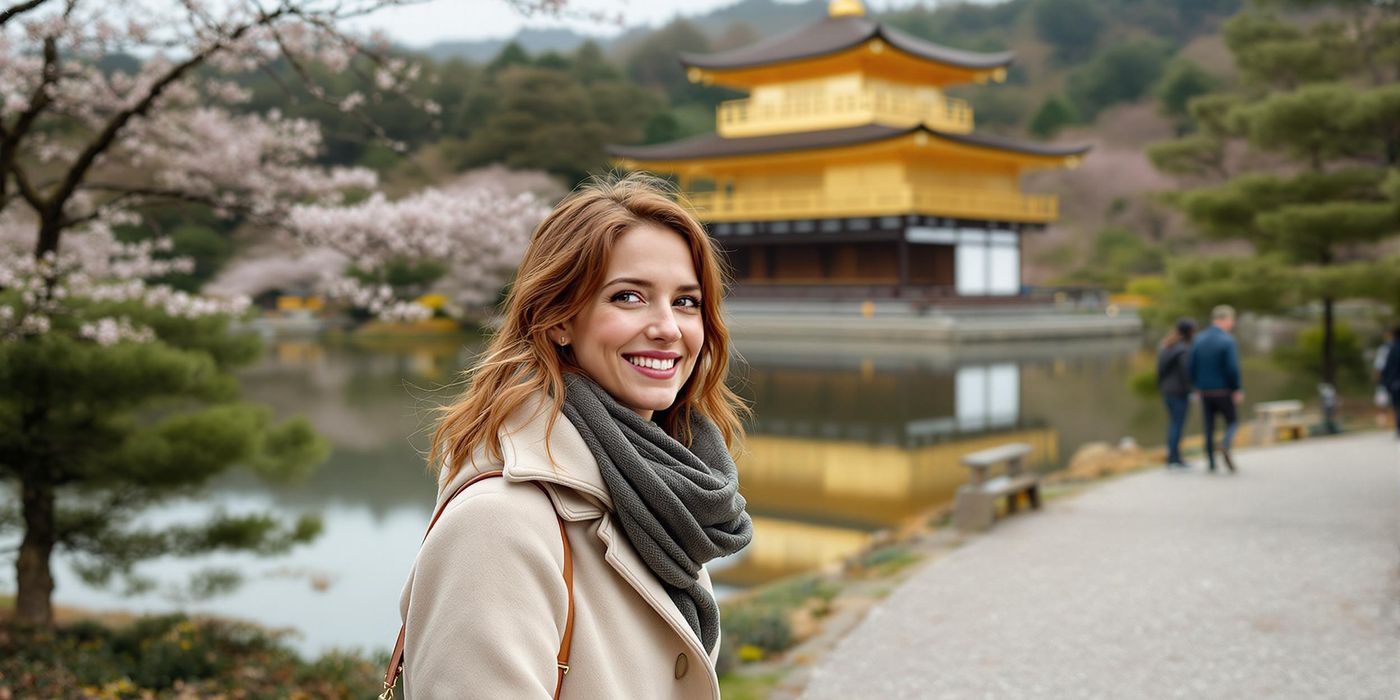
Explore Kyoto's cultural and historical gems on a solo adventure, embracing the beauty of Japan's ancient traditions and serene landscapes.
Meet this Featured Explorer

-
 Occupation:
Librarian specializing in historical archives
Occupation:
Librarian specializing in historical archives
-
 Country:
Switzerland
Country:
Switzerland
-
 Age:
47
Age:
47
Bonjour, fellow travelers! I'm Nathalie, a librarian from France with a passion for history and a love for exploring the world. My blog is a place where I share my travel experiences, blending historical facts with personal anecdotes to create narratives that are both educational and entertaining. Join me as I uncover hidden gems, delve into local traditions, and seek out unique and authentic destinations. I hope to inspire you to embark on your own journeys of discovery!
Find Similar Travel Diaries
Explore locations from this diary
-
Solaria Nishitetsu Hotel Kyoto Premier
Experience Kyoto's charm at Solaria Nishitetsu Hotel Premier – a serene riverside retreat with modern comforts and easy access to attractions.
-
Nijō Castle
Experience the grandeur of Nijō Castle, a UNESCO World Heritage Site, where history, architecture, and nature intertwine in Kyoto's cultural heart.
-
Kyoto International Manga Museum
Explore the rich world of Japanese comics at Kyoto International Manga Museum, a cultural gem in Kyoto offering extensive manga collections and engaging exhibitions.
-
Katsukura Tonkatsu Sanjo Main Store
Savor the best tonkatsu in Kyoto at Katsukura Tonkatsu Sanjo Main Store—where tradition meets flavor.
-
Jiki Miyazawa
Indulge in an authentic Kaiseki dining experience at Jiki Miyazawa, where seasonal flavors meet exquisite presentation in the heart of Kyoto.
-
Gion Mikaku
Discover Gion Mikaku, where exceptional steak meets authentic Japanese culture in Kyoto's enchanting Gion district.
-
Bar K6
Discover the vibrant nightlife of Kyoto at Bar K6, where traditional Japanese drinks meet modern bar culture in a cozy setting.