Solo Cultural and Culinary Exploration in Kyoto
Day 10: A Day of Tranquility and Tea in Uji: Discovering Kyoto's Hidden Gems
Explore Uji's serene temples, lush parks, and the world of Uji tea. A perfect day trip from Kyoto filled with culture and culinary delights.

Uji: A Journey Through Time and Tea
Today, on the tenth day of my culinary and cultural exploration of Kyoto, I ventured beyond the city limits to the charming town of Uji. Renowned for its exquisite green tea and historical landmarks, Uji promised a day of tranquility and discovery. As a chef, I was particularly eager to delve into the world of Uji tea, hoping to uncover new flavors and traditions to bring back to my kitchen in Leipzig.
My day began with a hearty breakfast at ryu no hige back in Kyoto. I was excited to try their cuisine that combined Kyoto cuisine with a French twist. The restaurant was conveniently located in my hotel, The Royal Park Hotel Iconic Kyoto, which made it easy to start my day early. After a satisfying meal, I hopped on a train to Uji, a journey that offered glimpses of the serene Japanese countryside.

Experience the perfect blend of modern comfort and traditional charm at The Royal Park Hotel Iconic Kyoto, your ideal base for exploring this historic city.
My first stop in Uji was the magnificent Byodoin Temple. As I approached the temple grounds, the iconic Phoenix Hall came into view, its reflection shimmering in the tranquil pond. The hall, with its graceful lines and intricate details, seemed to float on the water, creating a scene of ethereal beauty. It’s no wonder this temple is featured on the Japanese ten-yen coin! The Phoenix Hall was originally built in 1053 and is the only original building remaining. Additional buildings making up the compound were burnt down during a civil war in 1336. The temple was originally built in 998 in the Heian period as a rural villa of high-ranking courtier Minamoto no Shigenobu, Minister of the Left. After he died, Fujiwara no Michinaga, purchased the property from the courtier's widow. The villa was made into a Buddhist temple by his son Fujiwara no Yorimichi in 1052. Being one of the World Heritage sites of Japan, the Byodoin Temple buildings and Buddha statues have a long history of about 1000 years. Large scale renovation on the garden, the canopy of Amida Buddha statue and the overall outlook of the Phoenix Hall continues in the Heisei Period (1989–2019) until today. Inside, I marveled at the Amida Buddha statue, a masterpiece of Heian-era sculpture. The surrounding gardens, designed in the Jodo (Pure Land) style, were a serene oasis of manicured lawns, ancient trees, and meticulously placed stones.
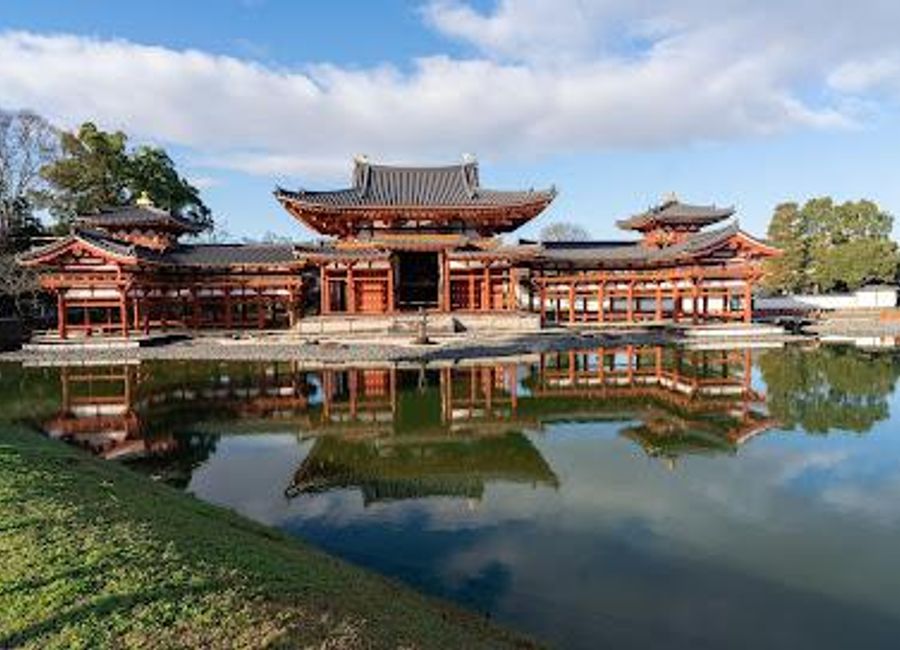
Explore Byodoin Temple in Uji, Kyoto - a UNESCO World Heritage site with stunning architecture, serene gardens, and rich cultural heritage.
In every walk with nature, one receives far more than he seeks.
Leaving Byodoin, I strolled through Uji Park, a verdant expanse along the Uji River. The park was alive with locals enjoying the mild weather, families picnicking under the trees, and couples strolling hand-in-hand. I found a quiet spot by the riverbank and simply soaked in the peaceful atmosphere, watching the water flow gently downstream. The Uji River is known for its gentle flow and vibrant greenery. The park is close to several temples and shrines that reflect the rich cultural heritage of the region. During the spring months, the cherry blossom trees create a breathtaking spectacle. Uji Park is an ideal spot for picnics, family outings, or simply unwinding in a tranquil setting.
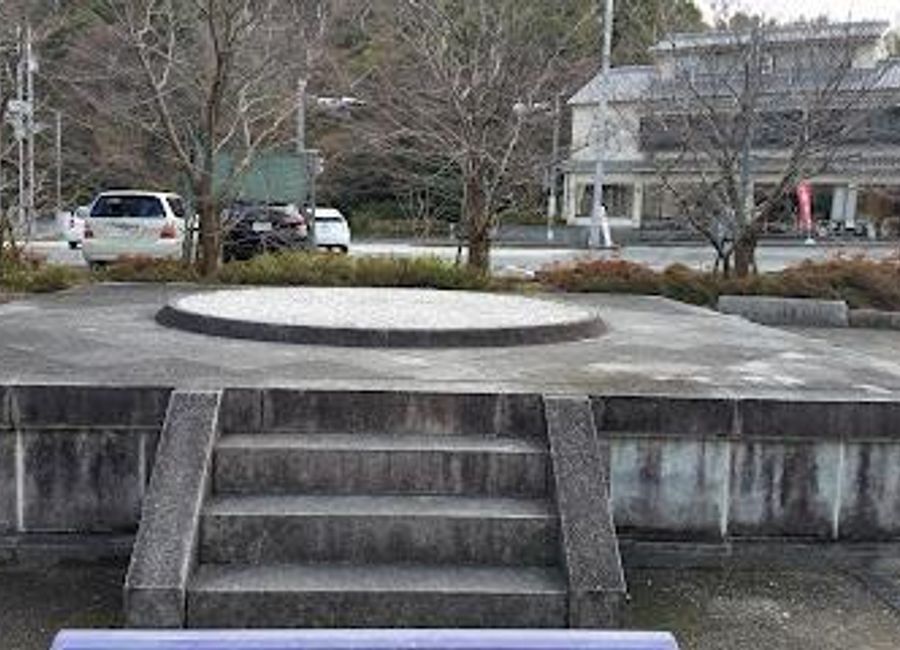
Explore the serene beauty of Uji Park, a tranquil escape in Kyoto with lush greenery, scenic views, and rich cultural heritage.
Next on my itinerary was Ujigami Jinja, a Shinto shrine nestled in the hills behind Byodoin. This shrine, believed to be one of the oldest in Japan, exuded a sense of ancient tranquility. As I walked through the quiet grounds, I admired the simple yet elegant architecture of the main hall, which dates back to the Heian period. The shrine's serene atmosphere was a welcome contrast to the bustling crowds at Byodoin. Ujigami Shrine is dedicated to Emperor Ōjin and his sons, the imperial princes Uji no Wakiiratsuko and Emperor Nintoku. Uji no Wakiiratsuko committed suicide to solve a dispute over the imperial succession, and the shrine was built in his honor. The shrine was built as a guardian shrine for the nearby Byōdō-in, and is adjacent to the Uji Shrine. The Ujigami Shrine is dedicated to the Emperor Ōjin and his sons, the imperial princes Uji no Wakiiratsuko and Emperor Nintoku. Digital dendrochronology found that the shrine was built in approximately 1060, which closely matches the written account of the founding of the shrine. Until the Meiji Period (1868 – 1912) the Uji and Ujigami shrines were collectively known as the Rikyukamisha. The annual festival of the Ujigami Shrine is held on May 5.

Discover the serene beauty and rich heritage of Ujigami Jinja, a UNESCO World Heritage site nestled in the heart of Uji, Kyoto.
After immersing myself in Uji's cultural treasures, it was time to indulge in its culinary delights. For lunch, I chose Fujiya, a local restaurant known for its traditional Uji cuisine. I savored a delectable meal of matcha soba noodles, tempura, and, of course, a cup of freshly brewed Uji green tea. The subtle bitterness of the tea perfectly complemented the savory dishes, creating a harmonious blend of flavors. They handle Uji matcha, which is very popular in Kyoto, and items carefully selected by the owner. Loved by regulars and tourists alike, they deliver deliciousness not only to Japan but also to people around the world. They sell tea leaves such as Uji Matcha and Hojicha near Kiyomizu Temple in Kyoto. Many customers find that the products they offer are not only for home use but also for presenting. Only selected teas are sold in stores or online so that customers can purchase products that are correct. They sell mainly tea produced in Uji, Kyoto, which is very popular in Japan's tea production area, and they introduce various flavors of tea.
Discover the exquisite flavors of traditional kaiseki cuisine at Fujiya in Kyoto - where every meal is a masterpiece.
The afternoon was dedicated to exploring the world of Uji tea. I visited a local tea farm, where I learned about the cultivation and production of this prized beverage. I discovered that Uji tea is not just one type of tea, but rather a category of green tea produced in the Uji region, encompassing varieties like matcha, sencha, and gyokuro. I watched as skilled tea farmers carefully harvested the leaves, their hands moving with practiced precision. The air was filled with the fresh, grassy aroma of green tea, a scent that I knew I would never forget. The cultivation of tea in Uji is said to have its origins at the beginning of the 13th century, during the Kamakura Period. In the 15th century, Uji became as big a tea producer as the famed Toganoo in Kyoto. From the last days of the Tokugawa Shogunate to the beginning of the Meiji Period (around the early 19th century), Uji tea became a major part of Japan's export industry, and work began on a supply of high quality tea specifically for trade. Uji green tea was grown in areas that now make up Kyoto, Shiga, Nara and Mie Prefectures, and processed in the Yamashiro region (Kyoto), from where the processed tea was distributed nationwide.
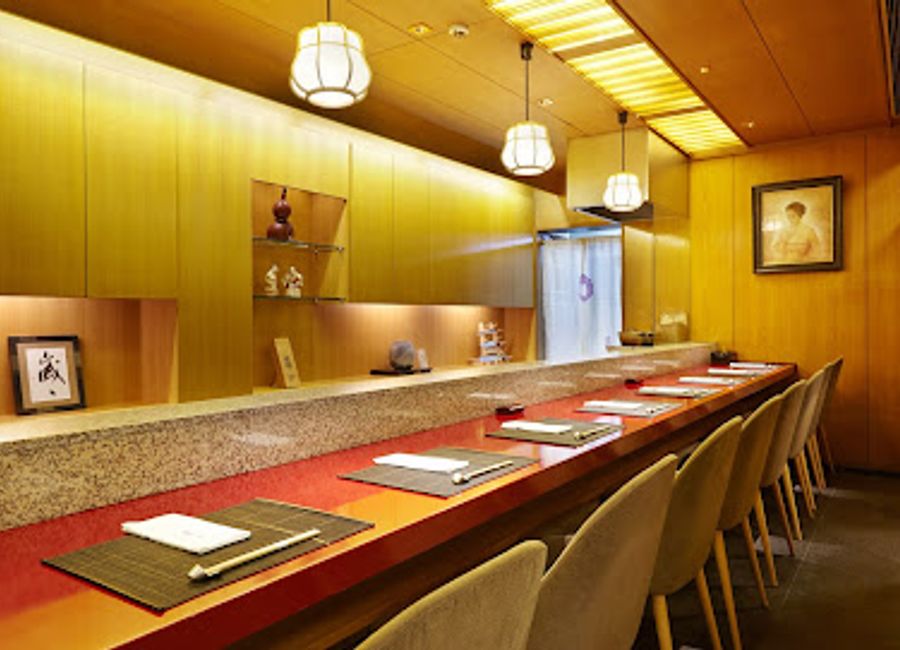
In the evening, I returned to Kyoto for dinner at Chihana, a renowned restaurant that has been awarded three stars by the world-renowned gourmet guide for nine consecutive years since 2010. The restaurant is in a small alley on Shijo-dori Street near Yasaka-jinja Shrine. I indulged in their omakase menu, a culinary journey that showcased the finest seasonal ingredients and traditional Japanese techniques. The meal was a symphony of flavors and textures, each dish a work of art in its own right. The combination of classic Japanese cuisine and sophisticated urban cuisine creates an extraordinary feeling. Wine is mainly from France, and Japanese sake includes local sake from Kyoto and products from Niigata, Ishikawa and beyond, all which go well with the cuisine. The dinnerware is notable, too: a rare collection of precious pieces such as Koimari, Arita-ware and Rosanjin Kitaoji. The famous CHIHANA appetizer is a combination of seasonal fruits, such as strawberries and mango with seafood; it is a favorite, as you can enjoy both the seasonal flavors and the refreshing sourness of the fruits. The soup dish, which includes raw yuba, represents the four seasons of Japan. The white fish course is limited to those fish sourced from Setouchi, while the other options are brought in as needed from Nishiki Market, where they have long been traded.

Experience authentic kaiseki cuisine at Chihana in Kyoto's enchanting Gion district - where tradition meets culinary artistry.
Before heading back to the hotel, I decided to check out Bar Dram. The bartender was very accommodating with massive selection of whiskies. He spoke a little bit of broken English but was very knowledgeable and enthusiastic about talking Japanese Whiskey. The wife and I enjoyed his hospitality so we bought him a drink and in turn gifted us one back!
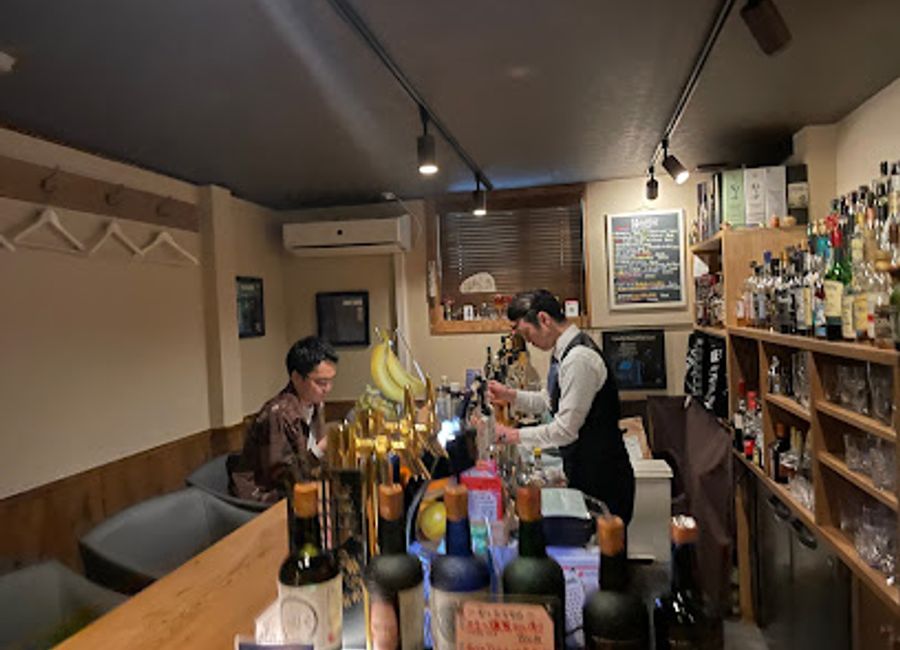
Discover the essence of fine drinking at Bar Dram in Kyoto, where premium spirits and a cozy atmosphere await.
As I reflect on my day in Uji, I am filled with a sense of gratitude for the opportunity to experience this hidden gem of Kyoto. The town's serene temples, lush parks, and exquisite tea have left an indelible mark on my soul. I can't wait to incorporate the flavors and traditions of Uji tea into my own cooking, sharing a taste of Kyoto with my customers back in Leipzig.
Tomorrow, I plan to explore more of Kyoto's cultural treasures, including Heian Shrine, Kyoto Gyoen National Garden, and Hanamikoji Street. I am particularly excited to visit Heian Shrine, known for its stunning architecture and beautiful gardens. I also intend to visit Takashimaya Kyoto S.C. for some shopping.
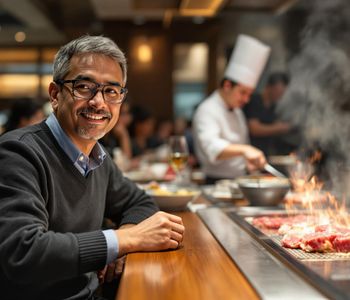

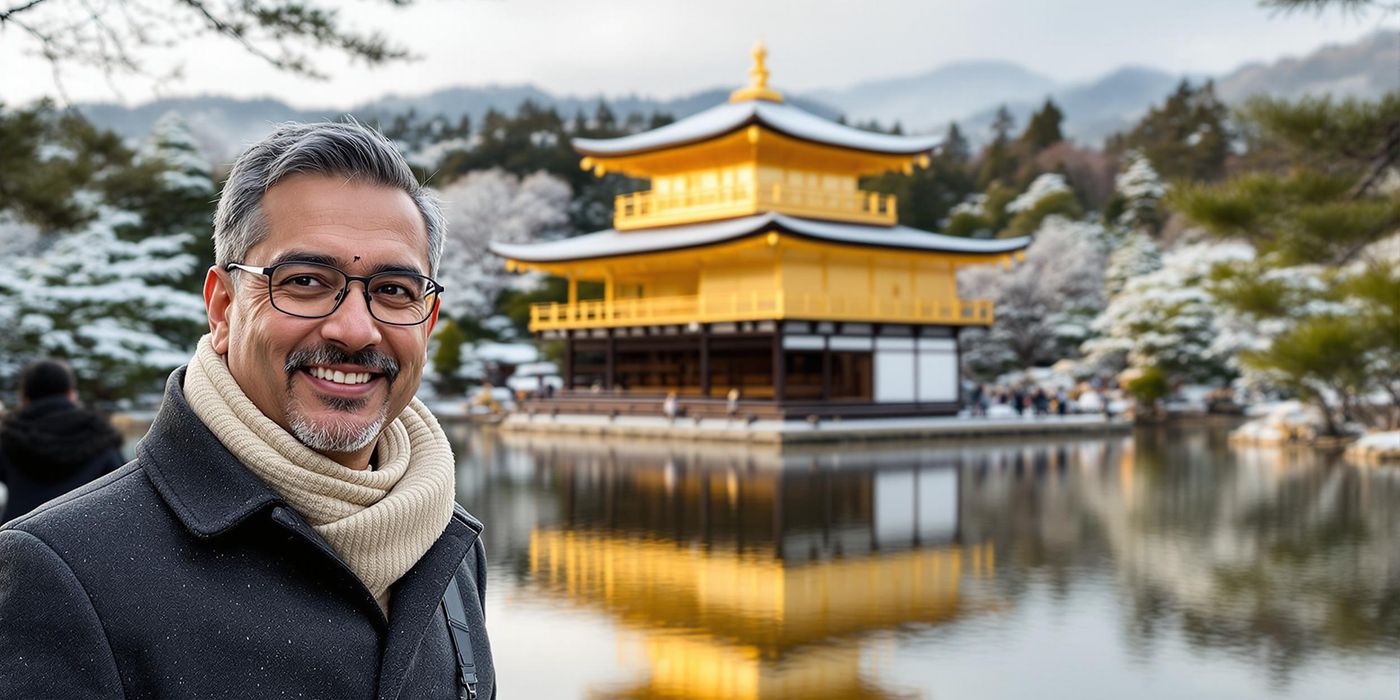
Embark on a solo journey to Kyoto, exploring its rich history, stunning temples, and enticing cuisine while staying in the heart of the city.
Meet this Featured Explorer

-
 Occupation:
Chef specializing in Nepali cuisine at a local restaurant
Occupation:
Chef specializing in Nepali cuisine at a local restaurant
-
 Country:
Germany
Country:
Germany
-
 Age:
52
Age:
52
Namaste! I'm Rama Thapa, a Nepali chef living in Leipzig, Germany. I've called Germany my home for over 25 years, but my heart remains in the Himalayas. Through my blog, I share my passion for travel, food, and Nepali culture. Join me as I explore the world, one delicious dish and breathtaking view at a time. Whether you're planning a trip to Nepal, seeking authentic Nepali flavors in Germany, or simply love to travel, I hope my stories inspire you to embark on your own adventures.
- Nepali history and culture
- International cuisine
- Photography
- Hiking in the Alps
- Learning new languages
Find Similar Travel Diaries
Explore locations from this diary
-
The Royal Park Hotel Iconic Kyoto
Experience the perfect blend of modern comfort and traditional charm at The Royal Park Hotel Iconic Kyoto, your ideal base for exploring this historic city.
-
Byodoin
Explore Byodoin Temple in Uji, Kyoto - a UNESCO World Heritage site with stunning architecture, serene gardens, and rich cultural heritage.
-
Uji Park
Explore the serene beauty of Uji Park, a tranquil escape in Kyoto with lush greenery, scenic views, and rich cultural heritage.
-
Ujigami Jinja
Discover the serene beauty and rich heritage of Ujigami Jinja, a UNESCO World Heritage site nestled in the heart of Uji, Kyoto.
-
ryu no hige
Discover the art of fusion dining at Ryu no Hige in Kyoto - where French elegance meets Japanese creativity.
-
Fujiya
Discover the exquisite flavors of traditional kaiseki cuisine at Fujiya in Kyoto - where every meal is a masterpiece.
-
Chihana
Experience authentic kaiseki cuisine at Chihana in Kyoto's enchanting Gion district - where tradition meets culinary artistry.
-
Bar Dram
Discover the essence of fine drinking at Bar Dram in Kyoto, where premium spirits and a cozy atmosphere await.