Solo Cultural and Culinary Exploration in Kyoto
Day 3: A Day of Serenity and History in Kyoto's Ancient Shrines
Explore Kyoto's spiritual heart with visits to Fushimi Inari, Tōfuku-ji, and Nijō Castle, blending natural beauty with rich history.

Whispers of the Past
Today was a deep dive into the heart of Kyoto, a day filled with the echoes of history and the tranquility of ancient traditions. From the vibrant pathways of Fushimi Inari to the stoic presence of Nijō Castle, each stop was a unique chapter in Japan's captivating story. It's days like these that remind me why I embarked on this solo culinary and cultural journey in the first place.
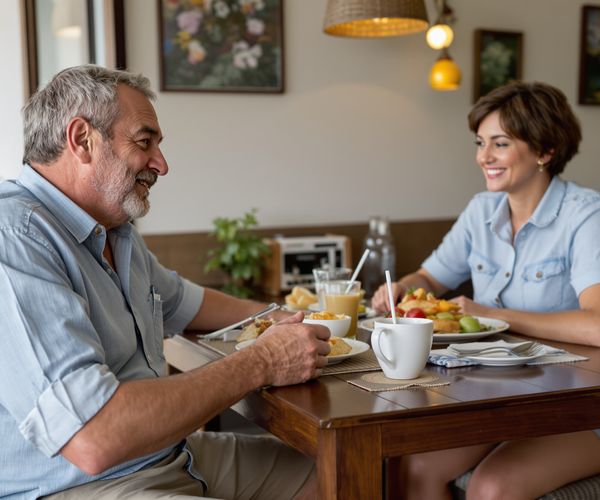
My day began with an early breakfast at Khaos Spice Diner. I opted for a hearty plate of their famous curry rice. It was the perfect way to fuel up before heading out to explore the famed Fushimi Inari Shrine. The diner's laid-back atmosphere, complete with reggae music and film posters, was a fun and unexpected start to a day steeped in tradition.
Journey Through a Thousand Gates: Fushimi Inari Shrine
Arriving at Fushimi Inari Shrine, I was immediately struck by the sheer magnitude of the vermillion torii gates winding up the mountainside. The crisp morning air was filled with a sense of anticipation as I joined the procession of fellow travelers eager to experience this iconic landmark. The shrine, dedicated to Inari, the god of rice, prosperity, and business success, is a mesmerizing blend of natural beauty and spiritual significance.

Explore the enchanting Fushimi Inari Shrine, home to thousands of vibrant torii gates, where tradition and breathtaking beauty await every visitor.
Walking through the seemingly endless tunnel of torii gates was an almost meditative experience. Each gate, donated by individuals and businesses, is inscribed with the donor's name and the date of the donation. The sunlight filtering through the gaps created a dance of light and shadow, adding to the mystical ambiance. I paused frequently to take in the views, catching glimpses of Kyoto sprawling in the distance.
The path to understanding a culture is often paved with the stones of its history and the vibrant colors of its traditions.
I made my way up the mountain, passing smaller shrines and rest stops along the way. The higher I climbed, the fewer people I encountered, allowing me to fully immerse myself in the serenity of the surroundings. The air grew cooler, and the sounds of the city faded, replaced by the rustling of leaves and the chirping of birds. It was a welcome escape from the hustle and bustle of urban life.
I learned that February hosts the Hatsuuma Festival at Fushimi Inari Shrine. While my visit didn't coincide with the festival on February 6th, knowing about this traditional event adds another layer to the shrine's rich history.
Zen and Serenity at Tōfuku-ji Temple
After descending from Mount Inari, I made my way to Tōfuku-ji Temple, a sprawling Zen temple complex known for its stunning gardens and impressive architecture. Founded in 1236 by the powerful Fujiwara clan, Tōfuku-ji has long been one of Kyoto's most important Zen temples. Although it is famous for the autumn colors, the winter landscape had its own unique charm.

Discover the serene beauty and historical significance of Tōfuku-ji Temple, a must-visit Buddhist landmark in Kyoto.
I wandered through the temple grounds, admiring the massive Sanmon gate, the oldest Zen gate of its kind in Japan. The Hondo (main hall), a more recent reconstruction, was equally impressive in its scale. I explored the Hojo Garden, a unique rock garden that surrounds the head priest's former living quarters on all sides. Each garden had a distinct character, employing pebbles, rocks, moss, and trees to create a harmonious and contemplative space.
The gardens, designed in the late 1930s, offered a modern take on traditional Zen gardens, blending natural elements with abstract patterns. I found myself drawn to the checkerboard pattern of stones and moss in the northern garden, a testament to the temple's innovative spirit. The tranquility of Tōfuku-ji was a balm for the soul, a place to reflect and find inner peace. I learned that Tōfuku-ji is close to Fushimi-Inari Taisha, and although many tourists overlook it, it is a beautiful place to visit throughout the year. The green maples are just as beautiful as the autumn foliage.
A Glimpse into Shogunate Power: Nijō Castle
My final stop of the day was Nijō Castle, a UNESCO World Heritage site that served as the Kyoto residence of the Tokugawa shoguns during the Edo period. Built in 1603 by Tokugawa Ieyasu, the first shogun of the Edo period, Nijō Castle is a powerful symbol of shogunate authority.

Experience the grandeur of Nijō Castle, a UNESCO World Heritage Site, where history, architecture, and nature intertwine in Kyoto's cultural heart.
Before heading to Nijō Castle, I stopped for lunch at Hafuu, a renowned restaurant specializing in exquisite meat dishes. Opting for their highly recommended lunch special, I savored a perfectly cooked steak that was both tender and flavorful. The restaurant's serene atmosphere, tucked away in a quiet residential area, provided a welcome respite before delving into the castle's rich history.
Entering the castle grounds through the massive gate, I was transported back in time to the era of samurai and shoguns. The Ninomaru Palace, the main attraction of the castle, is a stunning example of castle palace architecture. As I walked through the palace's many rooms, I couldn't help but imagine the shogun holding court, receiving visitors, and conducting affairs of state.
The so-called nightingale floors, designed to squeak when stepped upon, were a clever security measure against intruders. The beautifully painted sliding doors (fusuma) and decorated ceilings added to the palace's opulent atmosphere. I learned that the Ninomaru Palace is where Tokugawa Yoshinobu announced the end of Tokugawa rule in 1867, marking a turning point in Japanese history.
The Honmaru (main circle of defense), once the site of a second palace complex and a five-story castle keep, was destroyed by fires in the 18th century. Today, it houses an imperial residence moved from the Kyoto Imperial Palace after the fall of the shogunate.
As I strolled through the castle gardens, I admired the meticulously manicured landscapes and ornamental stones. The plum orchard, with its late February blooms, added a touch of color to the winter scenery. It was easy to imagine the shoguns and their entourages enjoying the tranquility of these gardens centuries ago.
Culinary Curtain Call: THE SODOH HIGASHIYAMA KYOTO
For dinner, I chose THE SODOH HIGASHIYAMA KYOTO, an Italian restaurant housed in the former residence of Takeuchi Seiho, a pioneer of modern Japanese-style painting. The restaurant's location in the heart of Higashiyama, with its traditional Kyoto atmosphere, was the perfect setting for a memorable meal.

Discover the perfect blend of Italian culinary artistry and traditional Japanese ambiance at The Sodoh Higashiyama Kyoto.
I savored a creative Italian course featuring seasonal ingredients from Kyoto and Japan. The appetizer, a carpaccio of tuna from Nagasaki Prefecture, was a delightful blend of flavors and textures. The elegant decor of the restaurant, with its blend of modern design and traditional Japanese influences, added to the overall experience. I took a moment to appreciate the lush greenery of the Japanese garden, a tranquil backdrop to my culinary journey.
After dinner, I decided to visit Kyoto Crafts Store to pick up some gifts for Anjali and Arjun. I was hoping to find some Kyo Zogan pieces, since it is a traditional craft with a history of over 1,200 years.

Explore the essence of Kyoto's artistry at the Kyoto Crafts Store, where traditional handicrafts meet contemporary charm.
Tomorrow, I plan to explore Nishiki Market, the Kyoto International Manga Museum, and the geisha district of Gion. I might even venture into The Common One Bar Kyoto for a nightcap.
Today was a reminder of the power of travel to transport us to different times and places. As I reflect on my experiences, I am filled with a sense of gratitude for the opportunity to explore the beauty and history of Kyoto. It is a journey that I will cherish for a lifetime.

Embark on a solo journey to Kyoto, exploring its rich history, stunning temples, and enticing cuisine while staying in the heart of the city.
Meet this Featured Explorer

-
 Occupation:
Chef specializing in Nepali cuisine at a local restaurant
Occupation:
Chef specializing in Nepali cuisine at a local restaurant
-
 Country:
Germany
Country:
Germany
-
 Age:
52
Age:
52
Namaste! I'm Rama Thapa, a Nepali chef living in Leipzig, Germany. I've called Germany my home for over 25 years, but my heart remains in the Himalayas. Through my blog, I share my passion for travel, food, and Nepali culture. Join me as I explore the world, one delicious dish and breathtaking view at a time. Whether you're planning a trip to Nepal, seeking authentic Nepali flavors in Germany, or simply love to travel, I hope my stories inspire you to embark on your own adventures.
- Nepali history and culture
- International cuisine
- Photography
- Hiking in the Alps
- Learning new languages
Find Similar Travel Diaries
Explore locations from this diary
-
The Royal Park Hotel Iconic Kyoto
Experience the perfect blend of modern comfort and traditional charm at The Royal Park Hotel Iconic Kyoto, your ideal base for exploring this historic city.
-
Fushimi Inari Shrine (Thousand Torii Gates)
Explore the enchanting Fushimi Inari Shrine, home to thousands of vibrant torii gates, where tradition and breathtaking beauty await every visitor.
-
Tōfuku-ji Temple
Discover the serene beauty and historical significance of Tōfuku-ji Temple, a must-visit Buddhist landmark in Kyoto.
-
Nijō Castle
Experience the grandeur of Nijō Castle, a UNESCO World Heritage Site, where history, architecture, and nature intertwine in Kyoto's cultural heart.
-
Khaos Spice Diner
Discover authentic Japanese curry at Khaos Spice Diner in Kyoto – a flavorful experience awaits you!
-
Hafuu
Discover Hafuu in Kyoto: where premium Japanese beef meets culinary excellence in an elegant setting.
-
THE SODOH HIGASHIYAMA KYOTO|Restaurant
Discover the perfect blend of Italian culinary artistry and traditional Japanese ambiance at The Sodoh Higashiyama Kyoto.
-
Kyoto Crafts Store
Explore the essence of Kyoto's artistry at the Kyoto Crafts Store, where traditional handicrafts meet contemporary charm.