Cultural Immersion and Family Adventures in Kyoto
Day 7: Kyoto's Modern Marvels: Trains, Towers, and Textiles
Exploring Kyoto's contemporary side with a railway museum, soaring tower views, and a deep dive into Nishijin textiles.

Kyoto's Unexpected Charms
Today was all about experiencing a different side of Kyoto, one that blends seamlessly with its rich historical tapestry. It was a day of modern marvels and cultural immersion, filled with trains, towers, and textiles. Liam and I, along with the family, set out to explore aspects of Kyoto that offer a unique perspective on this ancient city.
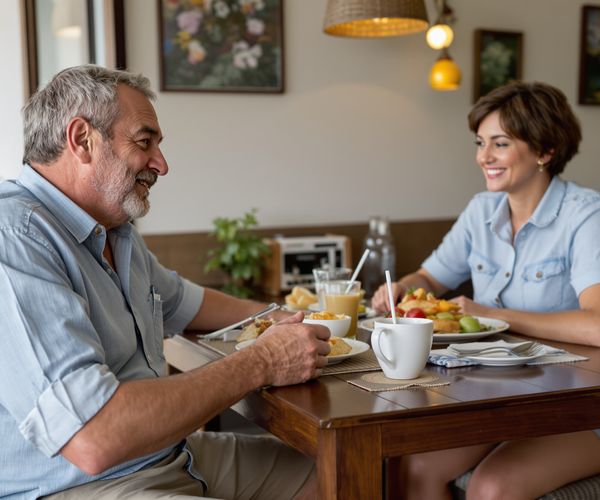
Our day began with a hearty breakfast at MUGHAL Indian Restaurant & Bar. It might seem odd to start a day in Japan with Indian food, but we were all craving something different, and MUGHAL came highly recommended. The aroma of spices filled the air as we stepped inside, a welcome change from the more traditional Japanese breakfasts we'd been having. I opted for a classic masala dosa, while Liam went for a spicy curry. It was a delightful start to the day, and the kids enjoyed their naan bread with mango chutney.
Fuelled up and ready to go, our first stop was the Kyoto Railway Museum. I'll admit, I wasn't sure what to expect, but as soon as we walked through the doors, I was captivated. It's not just a place for train enthusiasts; it's a journey through Japan's modernization and technological progress. The sheer scale of the museum is impressive, with a vast collection of trains, from steam locomotives to the iconic Shinkansen bullet trains. As a freelance graphic designer, I found the design and engineering of these machines absolutely fascinating. Liam, being a software developer, was equally intrigued by the technology that powered these iron horses. The kids, of course, were thrilled to climb aboard and explore the carriages.
The Kyoto Railway Museum is not just a celebration of trains; it's a reflection of Japan's journey through time, innovation, and cultural identity.
We spent hours wandering through the exhibits, learning about the history of Japan's railway network and the impact it had on the country's development. I was particularly impressed by the Sky Terrace, which offered a fantastic view of the active tracks leading into Kyoto Station. Watching the Shinkansen trains speed by was a mesmerizing experience.
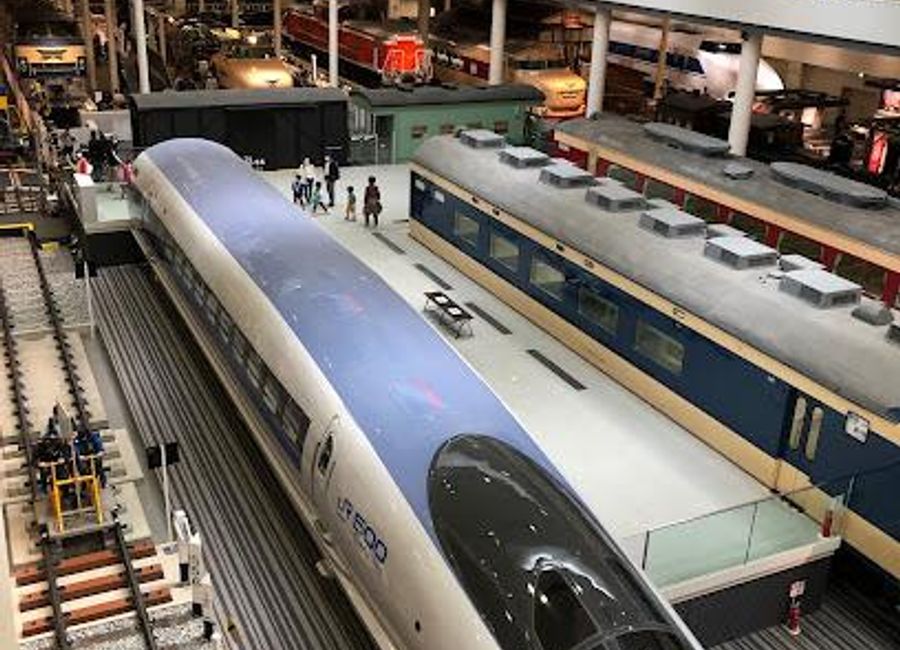
Discover the rich history of railways at the Kyoto Railway Museum, a family-friendly attraction in the heart of Kyoto showcasing trains and interactive exhibits.
After the Railway Museum, we headed to Kyoto Tower, a modern landmark that stands in stark contrast to the city's traditional temples and shrines. Rising 131 meters above the city, it's the tallest structure in Kyoto, offering panoramic views from its observation deck. Some find it a bit of an eyesore, but I think it adds a unique dimension to Kyoto's skyline. The tower was built in 1964, the same year as the Tokyo Olympics, symbolizing Kyoto's progress and modernity. I read that its design was inspired by a lighthouse, representing Kyoto as a guiding light for Japan's cultural heritage.
The elevator ride to the top was swift, and as we stepped out onto the observation deck, we were greeted by a breathtaking 360-degree view of Kyoto. The city stretched out before us, a tapestry of temples, gardens, and traditional wooden houses. Even though it was February, the air was crisp and clear, allowing us to see as far as Osaka in the distance. We used the telescopes to zoom in on some of Kyoto's famous landmarks, including Kiyomizu-dera Temple and To-ji Temple. The kids were fascinated by the height, pointing out tiny cars and buildings below. It was a perfect way to appreciate the layout of the city and gain a new perspective on its beauty.

Discover breathtaking views and unique souvenirs at Nidec Kyoto Tower, the iconic landmark that embodies Kyoto's rich cultural heritage.
For lunch, we opted for something casual and delicious: Anzukko, a gyoza bar tucked away in a small alley near Sanjo Station. This place came highly recommended, and it didn't disappoint. Anzukko specializes in tetsunabe gyoza, which are cooked and served in a cast iron pot, creating a crispy, lacy crust. The gyoza were incredible, with a moist and flavorful filling and a satisfying crunch. We tried several varieties, including the signature Anzukko Gyoza, seafood boiled dumplings, and even a Camembert cheese gyoza. Liam particularly enjoyed the seafood dumplings, while I was a big fan of the Camembert cheese gyoza. The kids devoured the classic pork gyoza, and we all agreed that it was one of the best meals we'd had in Kyoto so far. The atmosphere was cozy and intimate, and the staff were incredibly friendly, making us feel right at home.

Discover authentic Japanese flavors at Anzukko in Kyoto - renowned for exquisite gyoza and vibrant izakaya atmosphere.
Our final destination for the day was the Nishijin Textile Center, a fascinating place dedicated to the art of Nishijin-ori, a traditional weaving technique with a history spanning over a thousand years. As a graphic designer, I have a deep appreciation for the artistry and craftsmanship involved in creating textiles. The center offers a comprehensive journey through the world of Nishijin-ori, from the history and techniques to the finished products.
We arrived just in time for the kimono show, a dazzling display of colors, patterns, and textures. Models showcased a variety of kimono, each a masterpiece of weaving artistry. I was mesmerized by the intricate designs and the luxurious fabrics. After the show, we explored the exhibits, learning about the history of Nishijin-ori and the techniques used to create these exquisite textiles. We watched a demonstration of silk reeling, where silk threads are extracted from cocoons, and another demonstration of hand weaving. The skill and precision of the artisans were truly remarkable.
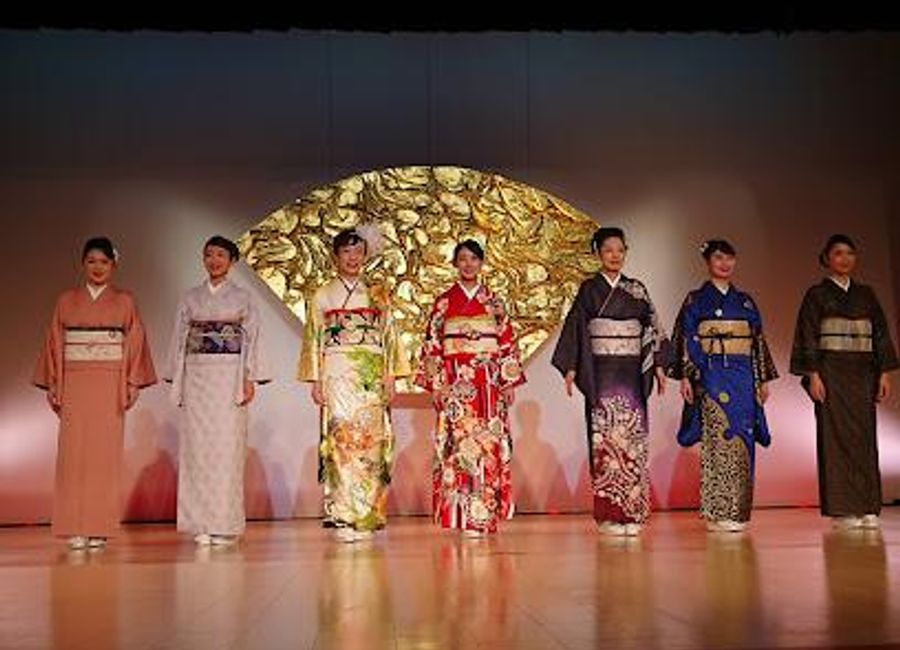
Explore the rich tradition of Nishijin weaving at the Nishijin Textile Center in Kyoto, where art, culture, and shopping unite.
I was intrigued to learn that sericulture (silkworm breeding) and skills in silk weaving arrived in Uzumasa, Kyoto, Japan with the Hata clan in about the 5th or 6th century from Korea. Over time, top-quality silk robes became popular with the nobles in the Imperial Court. During the Onin War (1467–1477) of the Muromachi period, the craftsmen sought refuge in Sakai, Yamaguchi, and other places. Once peace was restored, they returned to the area where the west (nishi) army had been encamped in Kyoto, hence the textile became known as Nishijin-ori, or west camp weave.
Before leaving, we couldn't resist browsing the gift shop, where we found a beautiful silk scarf for my mother and a small woven tapestry for our home. It was a perfect way to commemorate our visit to the Nishijin Textile Center and to take a piece of Kyoto's textile heritage back with us.
Before heading back to the hotel, Liam and I decided to sneak in a nightcap at The Common One Bar Kyoto. Finding the entrance was a bit of an adventure, as it's tucked away and not easily visible from the street. But once inside, we were transported to a serene and stylish space that blended traditional Japanese elements with modern design. The bar is known for its expertly crafted cocktails, and the bartenders are true artists. There's no menu; instead, you tell the bartender what you like, and they create a custom drink just for you. Liam opted for a whiskey-based cocktail, while I went for a gin-based one. Both were delicious and beautifully presented. It was the perfect way to end a day of exploring Kyoto's modern marvels.

Experience the vibrant nightlife of Kyoto at The Common One Bar, where tradition meets innovation in every cocktail.
For dinner, we indulged in a traditional Kaiseki experience at Kikunoi Roan. It was a culinary journey, with each dish meticulously prepared and beautifully presented. The flavors were subtle and refined, showcasing the best of Kyoto's seasonal ingredients. The English skills of the staff were excellent, making it a great destination for us. Liam and I agreed that the bolder flavors were more suited to our Western palates than some of the more subtle dishes we've had. We started with an intriguing selection of bite-sized appetizers, almost too beautiful to eat. The staff gave us a menu written in English, which was a nice touch. The menu reflected the seasonality and highlighted Kyoto's wonderful produce. It was an unforgettable dining experience, and a perfect way to celebrate our last night in Kyoto.

Experience the art of kaiseki dining at Kikunoi Roan in Kyoto - where seasonal flavors meet exquisite presentation.
Tomorrow, we're planning to visit Sanjūsangendō Temple, Kodaiji Temple, and Yasaka Shrine, immersing ourselves in the spiritual and historical heart of Kyoto. I'm also hoping to find some time to do some shopping at Bento&co Kyoto, a shop specializing in bento boxes and accessories. It's hard to believe that our trip is coming to an end, but I'm determined to make the most of our last few days in this captivating city.
As I reflect on today's adventures, I'm struck by the diversity of experiences that Kyoto has to offer. It's a city that seamlessly blends tradition and modernity, offering something for everyone. From the technological marvels of the Railway Museum to the panoramic views from Kyoto Tower and the artistic beauty of the Nishijin Textile Center, today was a celebration of Kyoto's unexpected charms.

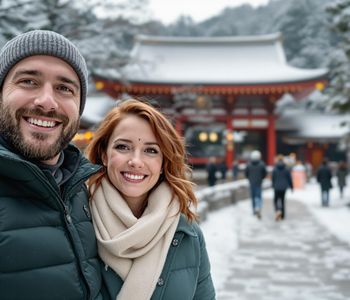

Join us on a family journey to Kyoto, exploring historic temples, enjoying Japanese cuisine, and embracing local culture in Japan's ancient capital.
Meet this Featured Explorer

-
 Occupation:
Freelance Graphic Designer
Occupation:
Freelance Graphic Designer
-
 Country:
Canada
Country:
Canada
-
 Age:
33
Age:
33
Kia ora! I'm Sophie, a Kiwi graphic designer turned travel blogger based in Kelowna, Canada. Together with my husband, Liam, I'm on a mission to explore the world in a sustainable and meaningful way. I share my adventures, tips, and insights on Evendo, hoping to inspire you to travel responsibly and create unforgettable memories while respecting our planet and its diverse cultures. Join me as I uncover hidden gems, savor local flavors, and promote eco-conscious travel practices.
- Sustainable living
- Cultural Anthropology
- Food Photography
- Wildlife Conservation
- Yoga and Meditation
Find Similar Travel Diaries
Explore locations from this diary
-
SHIZUTETSU HOTEL PREZIO Kyoto Karasumaoike
Discover the charm of Kyoto at SHIZUTETSU HOTEL PREZIO, a cozy retreat near key attractions like Nijo Castle and Kyoto International Manga Museum.
-
Kyoto Railway Museum
Discover the rich history of railways at the Kyoto Railway Museum, a family-friendly attraction in the heart of Kyoto showcasing trains and interactive exhibits.
-
Nidec Kyoto Tower
Discover breathtaking views and unique souvenirs at Nidec Kyoto Tower, the iconic landmark that embodies Kyoto's rich cultural heritage.
-
Nishijin Textile Center
Explore the rich tradition of Nishijin weaving at the Nishijin Textile Center in Kyoto, where art, culture, and shopping unite.
-
MUGHAL Indian Restaurant & Bar
Experience the vibrant flavors of India at Mughal Indian Restaurant & Bar in Kyoto – a haven for food lovers seeking authentic South Asian cuisine.
-
Anzukko
Discover authentic Japanese flavors at Anzukko in Kyoto - renowned for exquisite gyoza and vibrant izakaya atmosphere.
-
Kikunoi Roan
Experience the art of kaiseki dining at Kikunoi Roan in Kyoto - where seasonal flavors meet exquisite presentation.
-
The Common One Bar Kyoto
Experience the vibrant nightlife of Kyoto at The Common One Bar, where tradition meets innovation in every cocktail.