Cultural Immersion in Kyoto: A Family Adventure
Day 1: A Shogun's Residence and Manga Magic: Day 1 in Kyoto
Discover Kyoto's historical and modern treasures: Nijō Castle's shogun history and the International Manga Museum's vibrant art.

Kyoto: Where History Meets Manga
Today marked the beginning of our family adventure in Kyoto, and what a start it was! From stepping back in time at Nijō Castle to diving into the colorful world of manga, Kyoto has already captivated us with its seamless blend of history and modern culture. It’s a city that manages to surprise you at every corner, and I can already tell that these 10 days will be filled with unforgettable experiences.
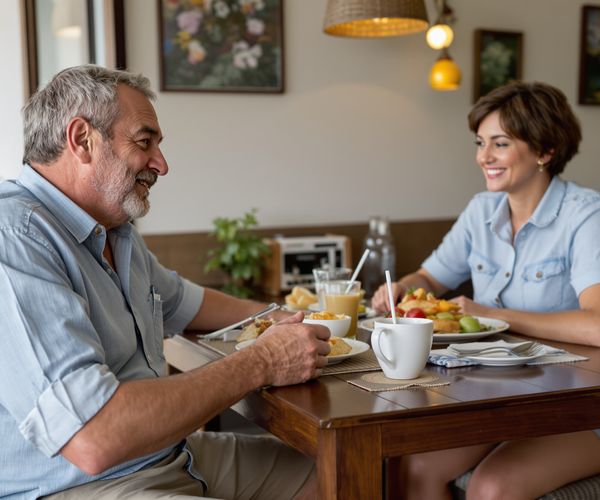
Our journey began bright and early, fueled by excitement and a traditional Japanese breakfast at Komefuku. I've always believed that food is the best way to immerse yourself in a new culture, and Komefuku didn't disappoint. The delicate flavors and artful presentation were a perfect introduction to Kyoto's culinary scene.
Stepping into the Shogun's World: Nijō Castle
Our first official stop was Nijō Castle. As a history enthusiast, I was particularly excited about this one, and it certainly lived up to expectations. Built in 1603 as the Kyoto residence of Tokugawa Ieyasu, the first shogun of the Edo Period, the castle is a stark representation of the power the shogunate held over the emperor. The sheer scale of the place is impressive, with its imposing stone walls, wide moats, and elaborately decorated gates. Even in the winter chill, the castle exuded an aura of strength and authority.

Experience the grandeur of Nijō Castle, a UNESCO World Heritage Site, where history, architecture, and nature intertwine in Kyoto's cultural heart.
We rented English audio guides just inside the main gate, which proved invaluable as we explored the vast grounds. The kids were immediately fascinated by the Karamon Gate, with its intricate carvings and Chinese-style architecture. The real highlight, however, was the Ninomaru Palace. This palace served as the residence and office of the shogun during his visits to Kyoto, and it has been remarkably preserved. Walking through the corridors with their famous 'nightingale floors' that squeak underfoot to prevent intruders, was an experience in itself. Maya was especially intrigued by the squeaking floors and tried to make them sing at every step!
Each room in the Ninomaru Palace is adorned with tatami mats, decorated ceilings, and beautifully painted sliding doors (fusuma). It felt like stepping back in time, imagining the shogun and his high-ranking visitors conducting important affairs of state. The audio guide explained the significance of each room, pointing out the hidden bodyguards and the elevated floor where the shogun would sit.
History isn't just about dates and names; it's about understanding the lives and experiences of those who came before us.
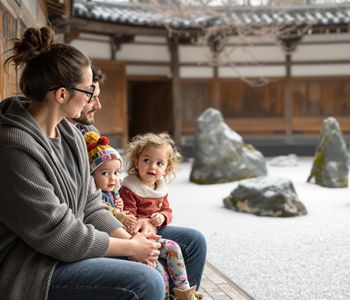
Outside the palace, we wandered through the Ninomaru Garden, a traditional Japanese landscape garden with a large pond, ornamental stones, and meticulously manicured pine trees. Even in January, the garden had a serene beauty, and I could only imagine how stunning it must look in spring when the cherry blossoms are in bloom. I learned that Nijo Castle has hundreds of cherry trees of different varieties, making the blooming season last throughout April. Something to keep in mind for a return trip!
We also ventured to the Honmaru (main circle of defense), where we saw the Honmaru Palace, which was moved from the Kyoto Imperial Palace after the fall of the shogunate. While much of the original structure was destroyed by fires, it was still a sight to behold. It reopened to the public in September of last year, and it was really interesting to walk through the space and imagine what life was like when it was an imperial residence.
Before leaving, we took a stroll along the tree-lined walking paths surrounding the Honmaru and Ninomaru. Although the plum orchard wasn't in bloom yet, I read that it typically blooms from late February to early March, adding another reason to visit Kyoto during a different season. Nijo Castle really gave us a great introduction to the history of Kyoto, and was a great way to start our trip.
For lunch, we headed to Hafuu, known for its exquisite beef dishes. Being a family that appreciates good food, we were excited to try it out. Liam and I shared a sirloin steak, while Maya opted for the hamburger steak. Each dish was cooked to perfection, showcasing the high-quality meat that Hafuu is known for. It was a satisfying meal that gave us the energy we needed for our next adventure.

Discover Hafuu in Kyoto: where premium Japanese beef meets culinary excellence in an elegant setting.
Diving into Manga Culture: Kyoto International Manga Museum
After lunch, we dived headfirst into the vibrant world of Japanese pop culture at the Kyoto International Manga Museum. Housed in a former elementary school, the museum is a treasure trove for manga enthusiasts, with a collection of around 300,000 items. As someone interested in cultural anthropology, I was intrigued by how manga has become such a significant part of Japanese identity.

Explore the rich world of Japanese comics at Kyoto International Manga Museum, a cultural gem in Kyoto offering extensive manga collections and engaging exhibitions.
The museum combines the functions of a museum and a library. It features permanent and special exhibitions that introduce the history and industry of manga, based on research insights. Additionally, it offers a library-like function where visitors can freely access and read manga.
The first thing that struck me was the sheer scale of the collection. Walls lined with bookshelves stretched from floor to ceiling, filled with manga of every genre and style imaginable. Maya was in her element, excitedly pointing out her favorite characters and flipping through the pages of colorful volumes. Although most of the manga were in Japanese, there was a growing international section with manga in English and other languages.
We explored the permanent exhibitions, which provided a fascinating overview of the history of manga in Japan, the structure of the industry, and the expressive techniques used by manga artists. Maya was particularly impressed by the huge sculpture of the Hi no Tori (Phoenix) by Osamu Tezuka, created using traditional Buddhist statue engraving techniques.
The museum also had a special children's library, where Maya spent a good chunk of time engrossed in kamishibai, a Japanese art form that combines storytelling with large illustrations. It was heartwarming to see her so engaged with a different culture, and it reminded me why we decided to embark on this family adventure in the first place.
Before leaving, we grabbed a quick snack at Maeda Coffee, the museum's adjoining café. The illustrations drawn directly on the walls by popular manga artists added a unique touch to the café, making it feel like an extension of the museum itself.
After the Manga Museum, we did some shopping at the Kyoto Crafts Store. I wanted to find a unique souvenir that reflected Kyoto's artistic heritage. The store had a wide array of traditional crafts, from lacquerware to bamboo items to Kiyomizu yaki pottery. I finally settled on a beautiful silk scarf with a delicate floral pattern, a perfect reminder of our time in Kyoto.

Explore the essence of Kyoto's artistry at the Kyoto Crafts Store, where traditional handicrafts meet contemporary charm.
For dinner, we indulged in a traditional Kaiseki experience at Gion Nanba. This Michelin-starred restaurant is tucked away in a narrow alley in Gion, and offers a multi-course menu of creative and beautifully presented Japanese dishes. The food was lovely, all fresh and beautifully presented making this an excellent introduction to kaiseki cuisine. The only slight downside was that some items made re-appearances throughout the meal, i.e. sea bream was in 3 of the courses. Service was friendly, our green tea was kept topped up and our server did an entertaining job at translating into English!

Discover authentic kaiseki cuisine at Gion Nanba, where tradition meets taste in Kyoto's historic Gion district.
As the day drew to a close, I reflected on our first day in Kyoto. From the historical grandeur of Nijō Castle to the modern vibrancy of the Manga Museum, Kyoto had already exceeded my expectations. It's a city that respects its past while embracing the future, and I can't wait to see what tomorrow brings. Tomorrow, we plan to visit Kinkaku-ji (the Golden Pavilion), Ryoan-ji (famous for its rock garden), and the Kyoto Botanical Gardens. I'm especially excited about the Golden Pavilion; I've seen so many pictures of it, and I can't wait to see it in person. We'll also be doing some shopping at the Daimaru Kyoto Store, so that should be fun. I'm also looking forward to trying AIN SOPH. Journey KYOTO for breakfast, Katsukura - Kyoto Porta for lunch, and Kikunoi Roan for dinner. It's going to be another busy day, but I'm sure it will be just as rewarding as today was.
As I write this, Liam and Maya are already fast asleep, dreaming of samurai and manga characters. I, too, am ready for a good night's rest, knowing that tomorrow will bring new adventures and discoveries in this enchanting city.
This trip is already shaping up to be an incredible cultural immersion for our family. I feel so grateful to be able to share these experiences with Liam and Maya, creating memories that will last a lifetime. I am also glad I remembered to bring my camera, but I definitely forgot my portable charger, and I wish I would have brought an umbrella, as the weather forecast predicts some rain tomorrow.
Until tomorrow, sayonara from Kyoto!
Embark on a 10-day family journey in Kyoto, exploring rich history, vibrant culture, and traditional hospitality at Matsui Bekkan Hanakanzashi.
Meet this Featured Explorer

-
 Occupation:
Freelance UX Designer
Occupation:
Freelance UX Designer
-
 Country:
Canada
Country:
Canada
-
 Age:
39
Age:
39
Shalom! I'm Yael, a UX designer by trade and a passionate traveler at heart. Born in Tiberias, Israel, and now living in beautiful Kelowna, Canada, I've always been drawn to exploring new cultures, savoring delicious food, and uncovering hidden gems around the world. Join me as I share my travel stories, cultural insights, and family-friendly adventures. I hope to inspire you to embark on your own journeys and create unforgettable memories.
- History
- Cultural Anthropology
- Sustainable Living
- Food and Wine
- Photography
Find Similar Travel Diaries
Explore locations from this diary
-
Matsui Bekkan Hanakanzashi
Experience the charm of Kyoto at Matsui Bekkan Hanakanzashi, a guest house offering comfort, relaxation, and local culture just steps from key attractions.
-
Nijō Castle
Experience the grandeur of Nijō Castle, a UNESCO World Heritage Site, where history, architecture, and nature intertwine in Kyoto's cultural heart.
-
Kyoto International Manga Museum
Explore the rich world of Japanese comics at Kyoto International Manga Museum, a cultural gem in Kyoto offering extensive manga collections and engaging exhibitions.
-
Komefuku
Experience authentic Japanese cuisine at Komefuku in Kyoto, renowned for its fresh seafood and exquisite tempura dishes.
-
Hafuu
Discover Hafuu in Kyoto: where premium Japanese beef meets culinary excellence in an elegant setting.
-
Gion Nanba
Discover authentic kaiseki cuisine at Gion Nanba, where tradition meets taste in Kyoto's historic Gion district.
-
Kyoto Crafts Store
Explore the essence of Kyoto's artistry at the Kyoto Crafts Store, where traditional handicrafts meet contemporary charm.