Cahaba River National Wildlife Refuge: Alabama's Aquatic Gem
Discover Alabama's Cahaba River National Wildlife Refuge: A biodiversity hotspot with stunning Cahaba lilies and scenic hiking trails.
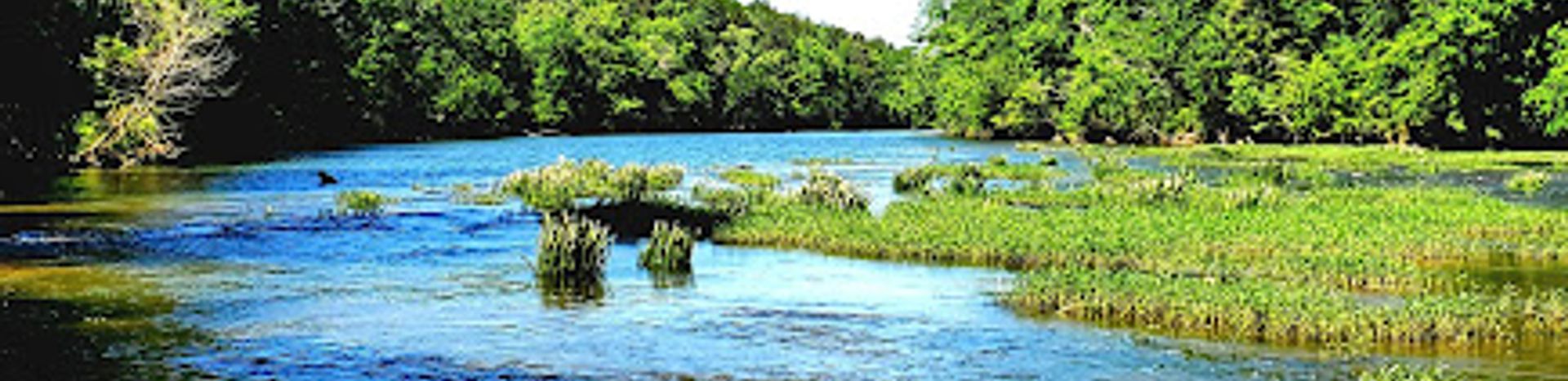
The Cahaba River National Wildlife Refuge, established in 2002, protects a unique stretch of Alabama's Cahaba River, renowned for its exceptional biodiversity and the stunning Cahaba lilies. Visitors can explore hiking trails, observe wildlife, and witness the breathtaking blooms of the Cahaba lily in season.
A brief summary to Cahaba River National Wildlife Refuge
- 3WXQ+6MJ, West Blocton, Alabama, US
- +1256-848-6833
- Visit website
- Monday 12 am-12 am
- Tuesday 12 am-12 am
- Wednesday 12 am-12 am
- Thursday 12 am-12 am
- Friday 12 am-12 am
- Saturday 12 am-12 am
- Sunday 12 am-12 am
Local tips
- Visit during May or June to witness the spectacular bloom of the endangered Cahaba lilies in the river [16].
- Check the weather and water levels before visiting, as the river can become swift and treacherous after rains [4].
- Bring binoculars for optimal birdwatching, especially during spring and fall migrations [16].
- Be careful driving on the narrow gravel road that traverses the refuge [7].

Getting There
-
Driving
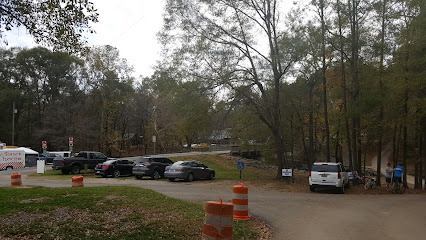
From I-20/59, take Exit 97. Then, take Hwy 11 south for 3 miles to Hwy 5 at the traffic light [4]. Turn left onto Hwy 5 south and follow it for approximately 9 miles to County Road 24 [4]. Turn left onto CR 24 and continue for about 6 miles [4]. River access is provided by a gravel road on the south (right) side of Bibb County Road 24, approximately 250 yards past the refuge entrance sign [3, 4]. There are a few pull-outs and parking spots available along the gravel road [7]. Parking is limited and can be difficult on peak visitation days [13]. There are no fees to enter the refuge [19].
Discover more about Cahaba River National Wildlife Refuge
Iconic landmarks you can’t miss

Tannehill Ironworks Historical State Park
16.4 km
Experience the intersection of history and nature at Tannehill Ironworks Historical State Park, where Alabama's industrial past meets stunning outdoor recreation.
Tannehill Grist Mill
17.8 km
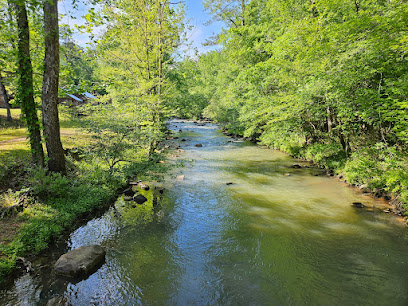
Experience Alabama's past at the Tannehill Grist Mill, a living history exhibit within a 1,500-acre historical state park. Explore rural life and industrial heritage.
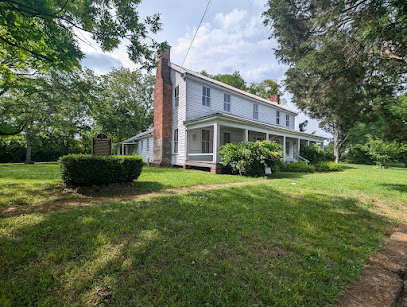
Owen Plantation House
28.7 km
Discover 19th-century Alabama at the Owen Plantation House, a beautifully preserved historical landmark in Bessemer.
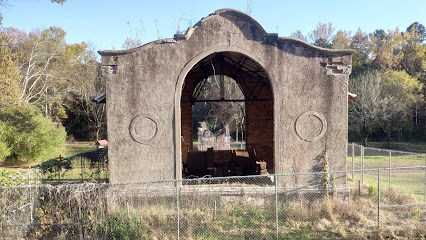
Sloss Mines Hoist House
36.3 km
Explore Birmingham's industrial heritage at the Sloss Mines Hoist House, a window into the region's iron ore mining past on Red Mountain.
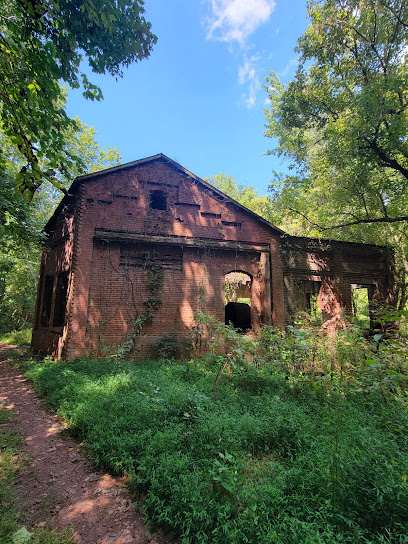
Hoist House at Redding Shaft Mine
41.7 km
Explore Birmingham's mining history at the Hoist House, a preserved landmark in Red Mountain Park offering a glimpse into the past.
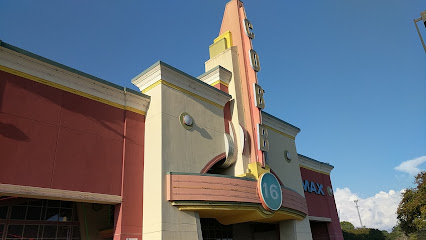
CMX Hollywood 16 & IMAX
46.0 km
Experience the ultimate in cinema at CMX Hollywood 16 & IMAX: stadium seating, cutting-edge technology, and a wide selection of movies!
Paul W. Bryant Museum
46.2 km
Relive the glory days of Alabama football at this Tuscaloosa museum dedicated to the legendary Paul "Bear" Bryant and the Crimson Tide legacy.
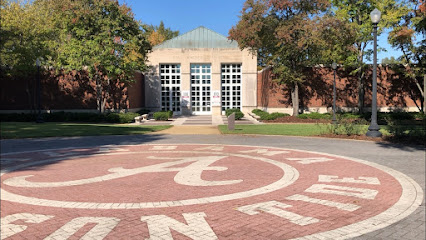
The University of Alabama
46.4 km
Explore The University of Alabama: A blend of historic charm and vibrant student life in Tuscaloosa, Alabama.
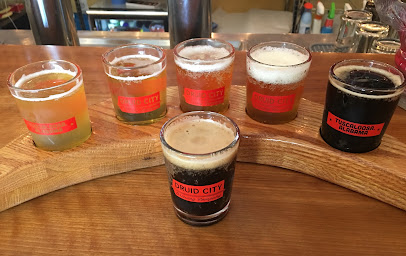
Druid City Brewing Company Taproom & Ell's Kitchen
46.5 km
Discover the vibrant flavors of Tuscaloosa at Druid City Brewing Company, where craft beer meets delicious cuisine in a lively atmosphere.
Alabama Museum of Natural History
46.7 km
Explore Alabama's natural history from dinosaurs to meteorites at the state's oldest museum, located on the University of Alabama campus.
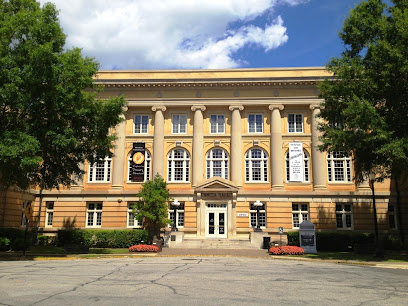
Smith Hall
46.7 km
Explore Alabama's natural history from dinosaurs to meteorites at the Alabama Museum of Natural History in historic Smith Hall.
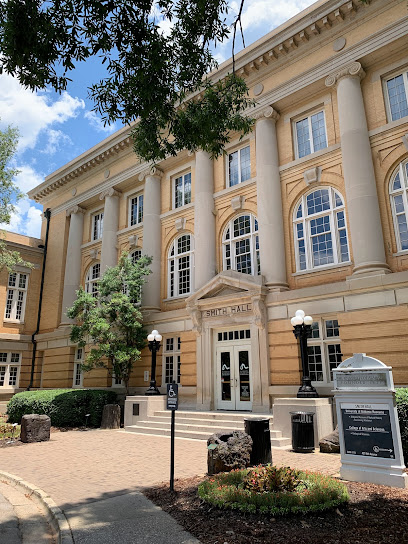
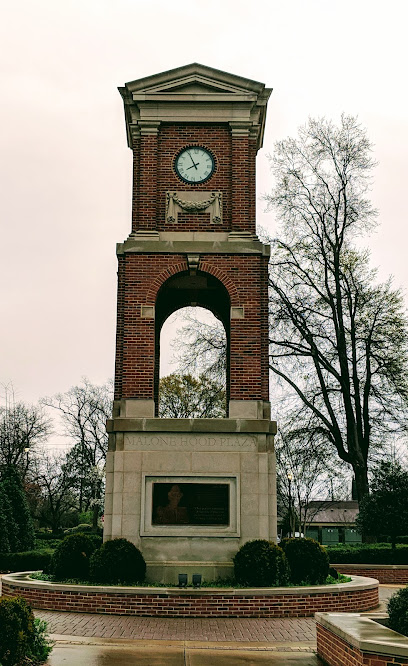
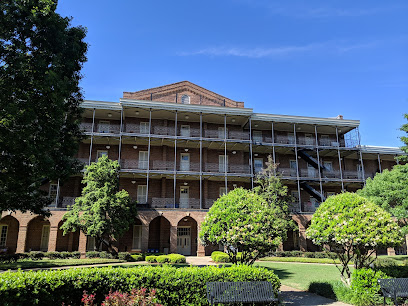
Woods Quad
46.9 km
Discover art and history at Woods Quad, the University of Alabama's central green space and sculpture garden in Tuscaloosa.
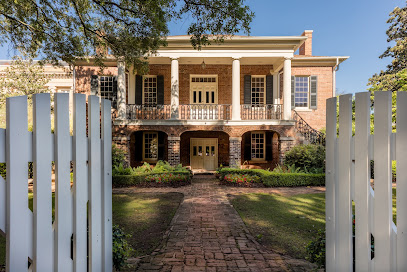
Gorgas House Museum
47.1 km
Discover the rich history of Alabama at Gorgas House Museum, a beautiful and educational landmark showcasing the legacy of Josiah Gorgas.
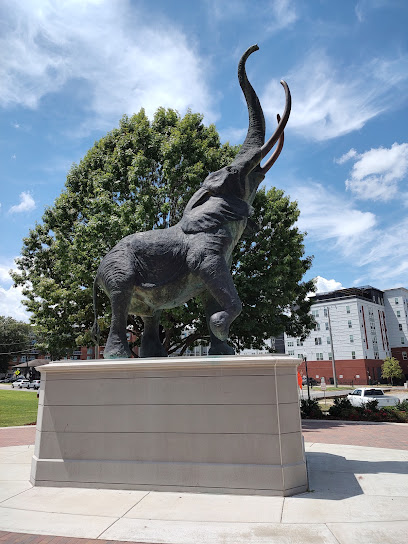
Bryant-Denny Stadium
47.2 km
Visit Bryant-Denny Stadium in Tuscaloosa, Alabama, where college football traditions come alive amidst a sea of passionate fans and thrilling game day experiences.
Vestavia Temple of Sibyl
47.2 km
Explore the Vestavia Temple of Sibyl, a stunning historical landmark in Alabama, offering a glimpse into the past with serene surroundings.
Unmissable attractions to see

Cahaba River Trace
0.1 km
Discover scenic trails, diverse wildlife, and the tranquil Cahaba River at this natural Alabama escape near West Blocton.
Pratt's Ferry Cahaba River Preserve
9.0 km
Explore the Cahaba River's natural beauty at Pratt's Ferry Preserve: canoeing, wildflowers, and unique Alabama flora await!
William R. Ireland, Sr. - Cahaba River Wildlife Management Area
10.2 km
Explore Alabama's natural beauty: hike scenic trails, fish in pristine waters, and observe diverse wildlife in this protected Cahaba River haven.
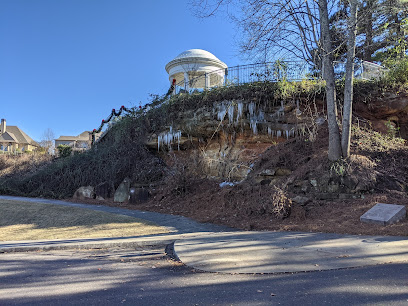
Pavilion at Cahaba River Park
11.5 km
Escape to nature at the Pavilion in Cahaba River Park: trails, river access, and picnic spots await in beautiful Helena, Alabama.
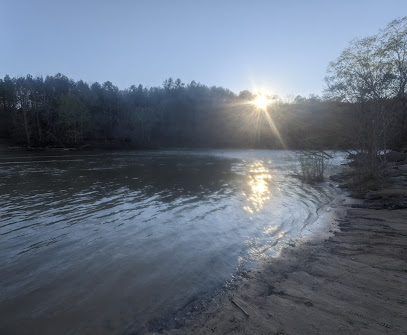
Cahaba River Park
12.1 km
Explore Alabama's natural beauty at Cahaba River Park: hiking, biking, canoeing, and scenic trails await!
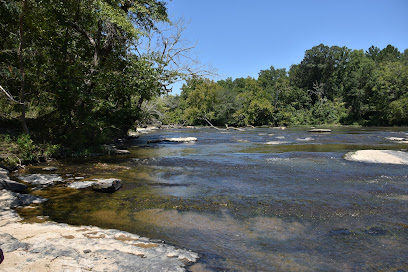
Brierfield Iron Works Park
12.3 km
Explore Alabama's industrial heritage at Brierfield Ironworks Historical State Park: a unique blend of Civil War history and natural beauty.
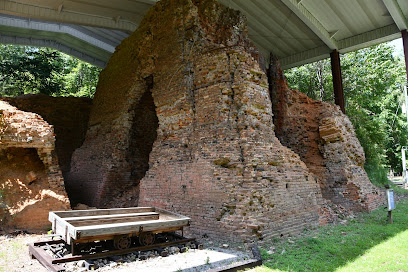
Adventure Shoals
16.0 km
Float down the Cahaba River with Adventure Shoals for a refreshing tubing experience surrounded by Alabama's natural beauty and diverse wildlife.
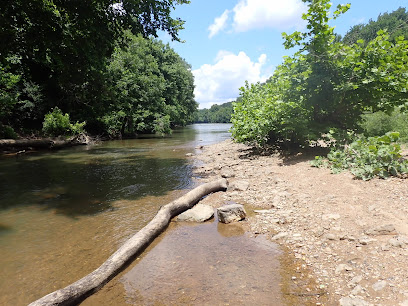
Falling Rock Falls Trail Head
16.8 km
Discover a hidden waterfall near Montevallo, Alabama, with a short hike to a stunning 90-foot cascade and explore the cavern behind the falls.
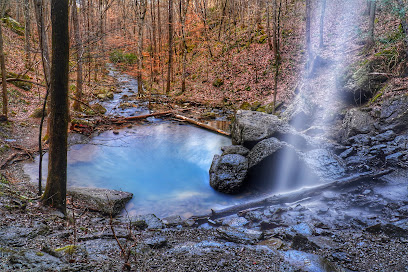
Cahaba Riverwalk and Canoe launch
18.5 km
Explore the Cahaba River's beauty: Paddle, walk, and discover nature at Centreville's accessible riverfront park and canoe launch.
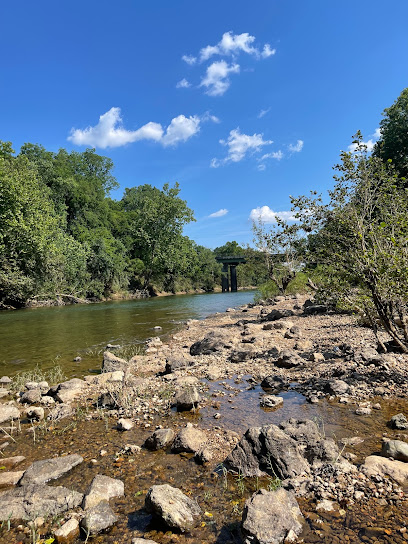
The American Village
22.1 km
Step back in time at this unique living history museum and experience the American Revolution in Montevallo, Alabama.
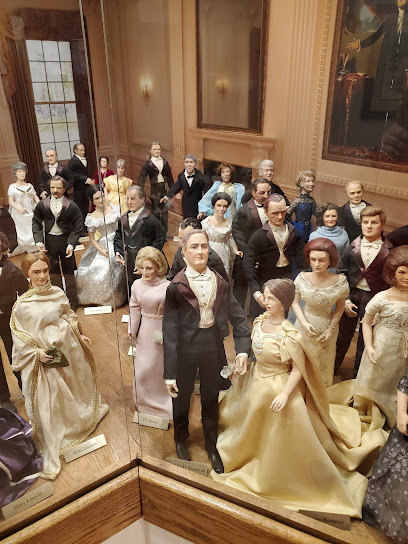
American Village Citizenship Trust
22.2 km
Experience American history come to life at the American Village Citizenship Trust in Montevallo, Alabama. An engaging and educational destination.
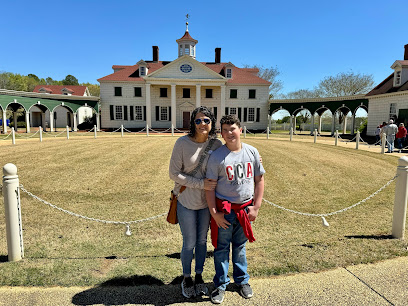
Buck Creek Park
26.9 km
Escape to nature in Alabaster at Buck Creek Park, offering trails, sports, playgrounds, and community events for outdoor fun.
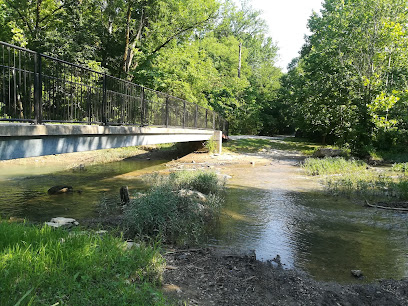
Cahaba Lily Park
27.9 km
A charming Helena park with picnic areas, playgrounds, and walking trails, perfect for a family outing in a serene suburban setting.
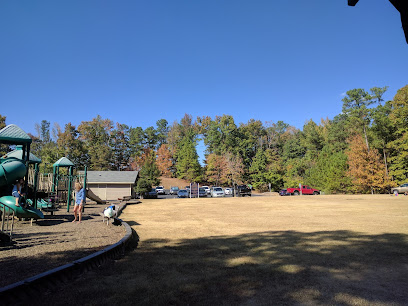
Heart of Dixie Railroad Museum
29.0 km
Explore Alabama's railroad history at the Heart of Dixie Railroad Museum in Calera: vintage trains, scenic rides, and family-friendly events!
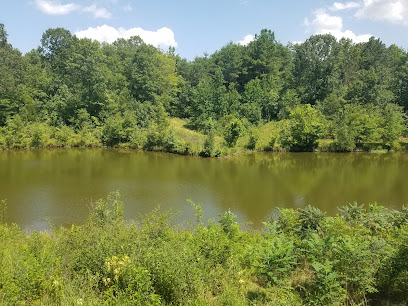
Joe Tucker Park
29.0 km
A scenic park in Helena, AL, offering walking trails, sports, playgrounds, and a glimpse into local history.
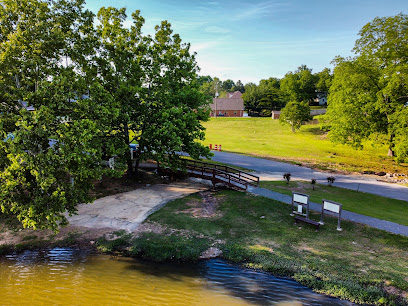
Essential places to dine

Tre Luna Bar and Kitchen
33.9 km
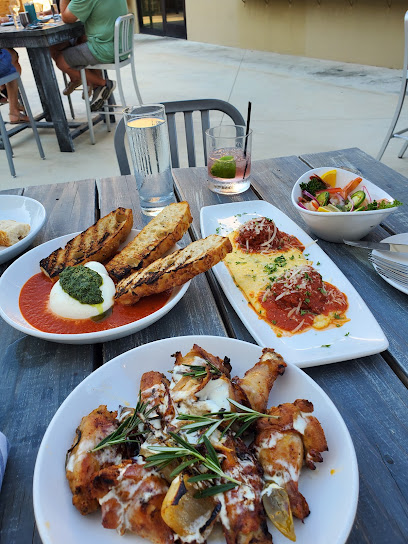
Experience the fusion of Southern comfort food and Italian cuisine at Tre Luna Bar and Kitchen in Hoover—where every meal is a celebration.
Walk-On's Sports Bistreaux - Stadium Trace Restaurant
34.5 km
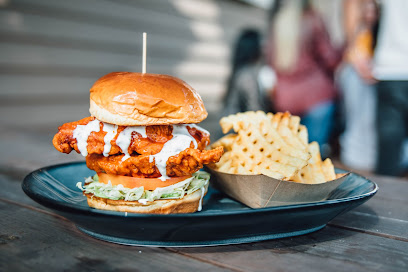
Dive into delicious Southern flavors at Walk-On's Sports Bistreaux in Hoover—a sports lover's paradise with an inviting atmosphere.
Margarita Grill
36.2 km
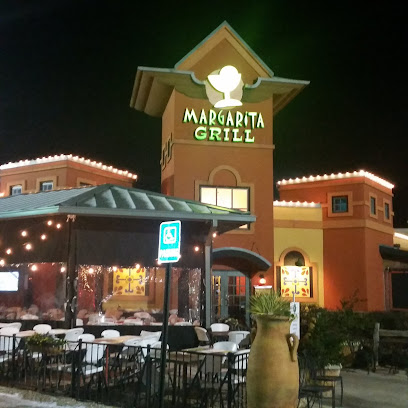
Discover flavorful Tex-Mex cuisine at Margarita Grill in Pelham – where vibrant dishes meet refreshing cocktails in a lively atmosphere.
Chick-fil-A
36.6 km
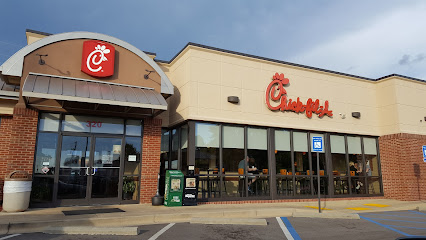
Discover Chick-fil-A in Pelham: where delicious chicken meets family-friendly dining in a vibrant atmosphere.
Creekside BBQ
37.0 km
Experience authentic Southern barbecue at Creekside BBQ in Pelham - where every bite tells a story of tradition and flavor.
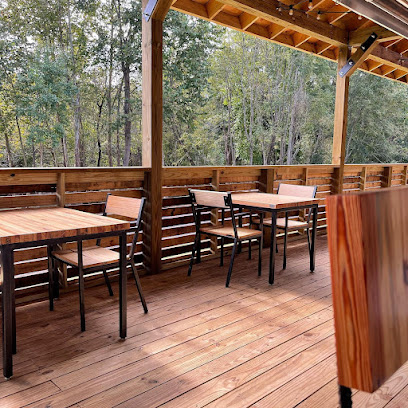
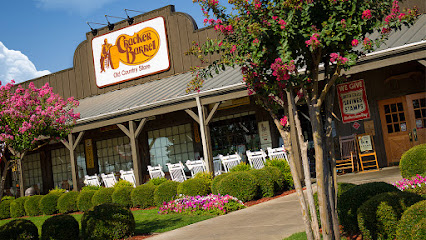
Cracker Barrel Old Country Store
37.1 km
Savor the taste of traditional American cuisine at Cracker Barrel Old Country Store in Pelham—where Southern charm meets delicious comfort food.
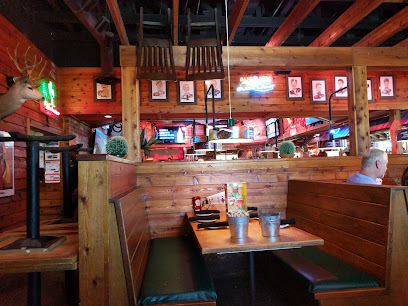
Texas Roadhouse
37.4 km
Discover the best of American cuisine at Texas Roadhouse in Pelham - where flavorful steaks meet warm hospitality.
The Grille
38.3 km
Experience culinary excellence at The Grille in Pelham - where local flavors meet exceptional dining.
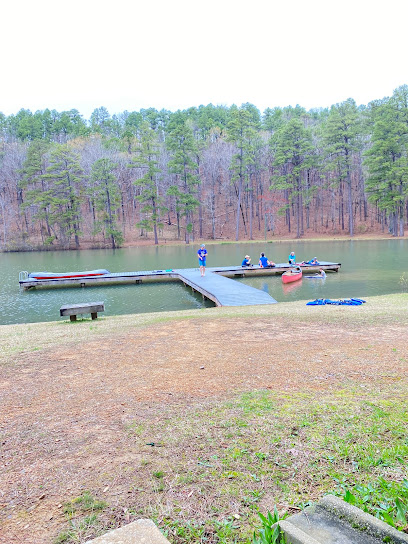
First Watch
38.6 km
Experience delightful breakfasts and healthy brunch options at First Watch in Hoover - perfect for families and food lovers alike.
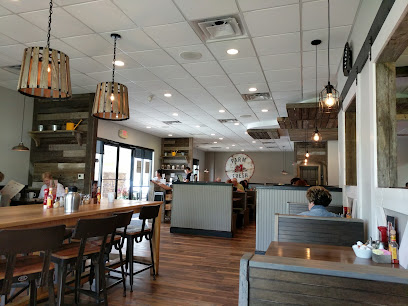
J. Alexander's Restaurant
38.9 km
Discover exquisite American cuisine at J. Alexander's Restaurant in Hoover - where tradition meets taste in every bite.
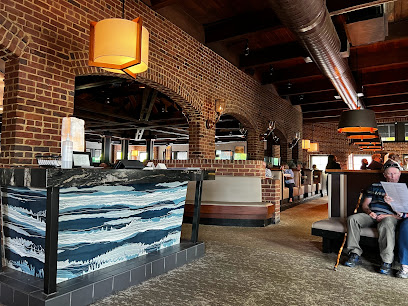
Jim 'N Nick's Bar-B-Q
39.0 km
Experience the best of Southern barbecue at Jim 'N Nick's Bar-B-Q in Hoover—where every bite tells a story of tradition and flavor.
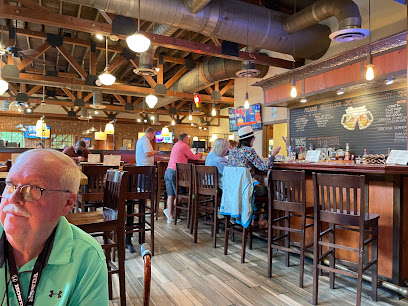
Wright's Restaurant
41.5 km
Discover delicious American and Armenian dishes at Wright's Restaurant in Tuscaloosa - where flavors meet affordability.
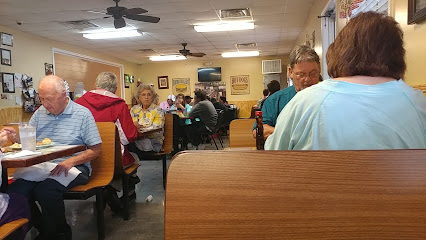
Flavaz Seafood & Soulfood Restaurant
44.4 km
Experience authentic Southern cuisine at Flavaz Seafood & Soulfood Restaurant in Tuscaloosa—where seafood meets soul food for an unforgettable meal.
Olive Garden Italian Restaurant
44.6 km
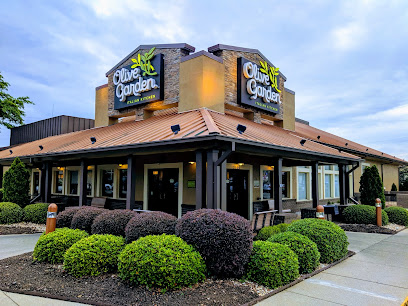
Discover authentic Italian cuisine at Olive Garden in Tuscaloosa – perfect for family gatherings and memorable meals.
Metro Diner
44.7 km
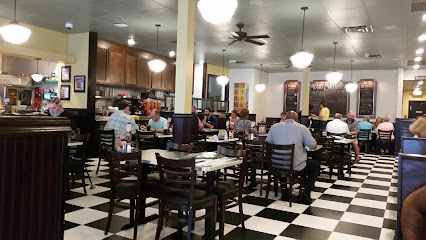
Experience authentic Southern hospitality at Metro Diner - your go-to spot for breakfast and brunch in Tuscaloosa.
Markets, malls and hidden boutiques

Square 1 Boutique
18.4 km
Explore Square 1 Boutique, your go-to destination in Brent, Alabama, for unique gifts, stylish women's clothing, and adorable children's apparel.

All Things Fun and Vintage
19.2 km
Explore a charming gift shop brimming with vintage treasures, unique souvenirs, and handmade crafts at All Things Fun and Vintage.
BamaBoujeeBoutique
23.5 km
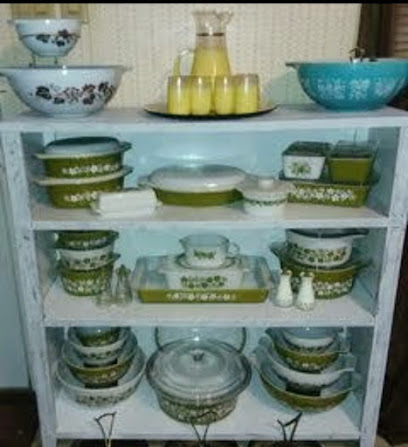
Explore BamaBoujeeBoutique for trendy clothing and accessories in Montevallo, Alabama, where fashion meets affordability and style.
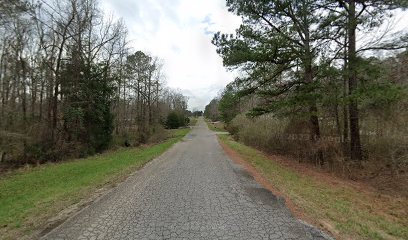
Talladega National Forest
25.2 km
Explore the breathtaking beauty and diverse ecosystems of Talladega National Forest, Alabama's natural wonderland for adventure and relaxation.
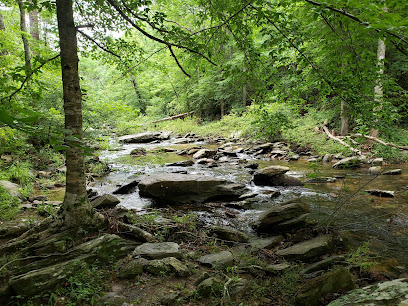
The Marketplace by Hatching Hope
27.7 km
Explore The Marketplace by Hatching Hope in Alabaster, AL, where unique gifts and local artistry come together for an unforgettable shopping experience.
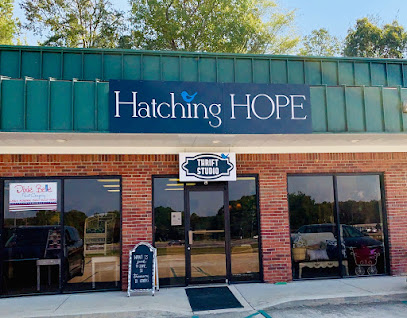
Cal ES
28.0 km
Explore Cal ES in Calera, Alabama - a charming gift shop filled with unique souvenirs and local crafts that capture the spirit of the South.

Nostalgia
32.4 km
Discover the joy of childhood at Nostalgia, Pelham's beloved toy store filled with classic and contemporary toys for every age.
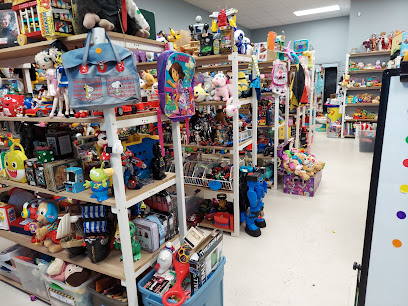
Vintage Interiors
33.0 km
Explore Vintage Interiors in Pelham for a unique collection of antique furniture and decor that tells a story, perfect for home styling or memorable souvenirs.
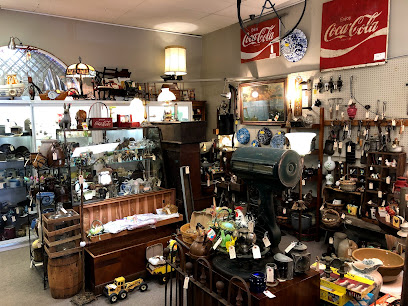
Encore Home
33.3 km
Explore Encore Home in Pelham, Alabama: A unique gift shop offering antique furniture, art, and home goods for the discerning traveler.
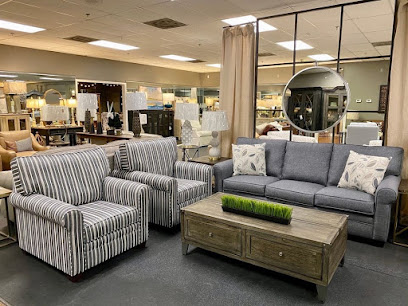
Myrtle Jane's South
34.1 km
Explore Myrtle Jane's South, an antique store in Pelham, Alabama, featuring unique vintage finds and charming home decor that tells a story.
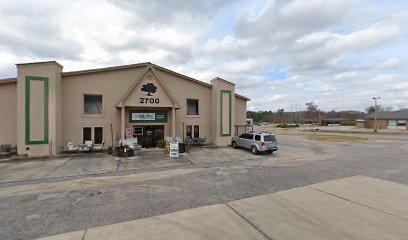
El Viejo Este LLC
34.3 km
Explore the essence of the Wild West at El Viejo Este LLC, Pelham's premier Western apparel store, offering cowboy hats, boots, and Southern charm.
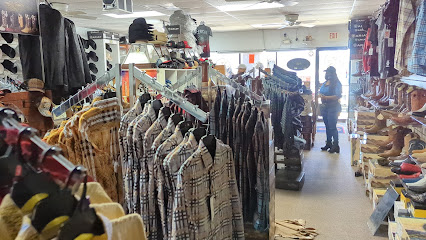
Gifted
34.6 km
Discover unique handcrafted gifts and stylish women's clothing at Gifted, Pelham's charming boutique that celebrates local artisans and creativity.
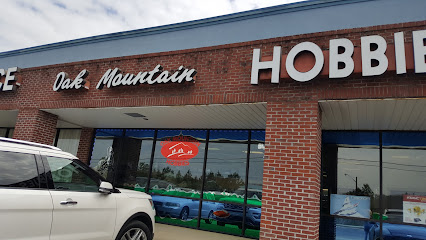
Oak Mountain Hobbies & Toys - Drones, RC Cars, Trains, Parts & Service Shop
34.6 km
Discover a world of creativity and fun at Oak Mountain Hobbies & Toys, your ultimate destination for drones, RC cars, and model trains in Pelham, Alabama.
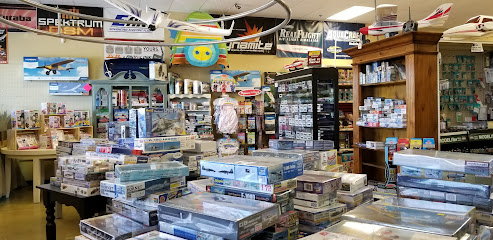
The Beveled Edge
36.8 km
Explore The Beveled Edge in Birmingham, AL – a unique picture frame shop filled with collectibles and artistic treasures for art lovers.
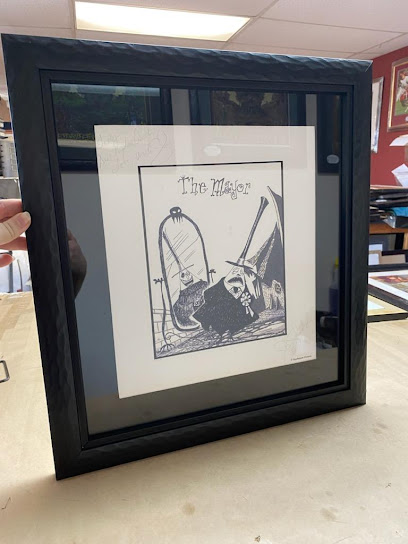
Academy Sports + Outdoors
37.0 km
Explore the outdoors with Academy Sports + Outdoors—your ultimate destination for sporting goods in Hoover, Alabama.
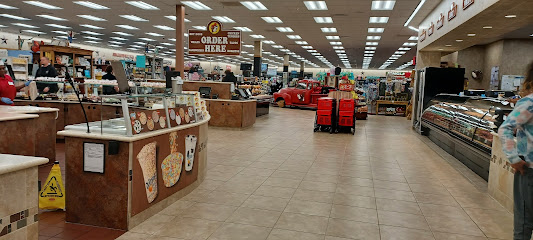
Essential bars & hidden hideouts

Rio's Bar & Grill
28.5 km
Experience the vibrant flavors and inviting atmosphere at Rio's Bar & Grill, a must-visit grill destination in Helena, Alabama.
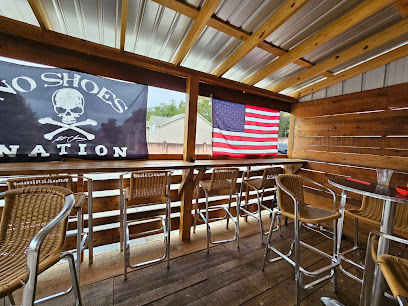
Goodfellas Social Club
29.9 km
Discover the vibrant atmosphere and great drinks at Goodfellas Social Club in Helena, Alabama – a perfect spot for nightlife and entertainment.
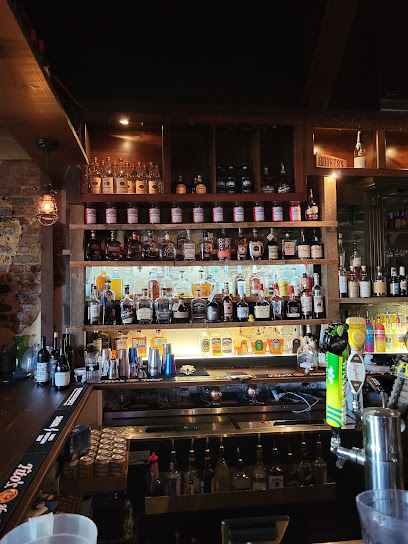
El Santuario
30.3 km
Discover El Santuario in Pelham, Alabama - the perfect bar for vibrant nightlife, delicious drinks, and unforgettable dance parties.
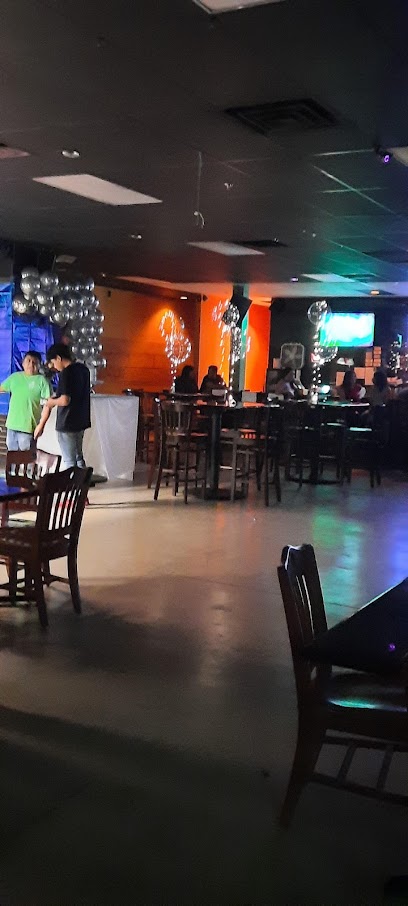
The Wine Bunker - Whiskey & Wine Bar
30.5 km
Discover The Wine Bunker, the perfect spot in Alabaster, Alabama, for whiskey and wine lovers seeking a cozy atmosphere and exceptional selections.
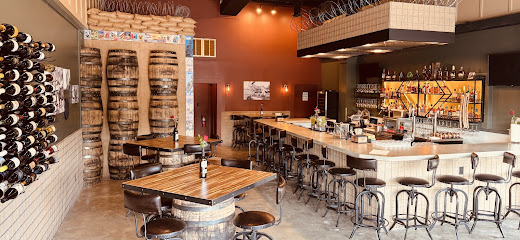
Lil Bits Tavern
31.0 km
Discover the charm of Lil Bits Tavern, Pelham's favorite bar for local drinks and delicious bites in a cozy atmosphere.
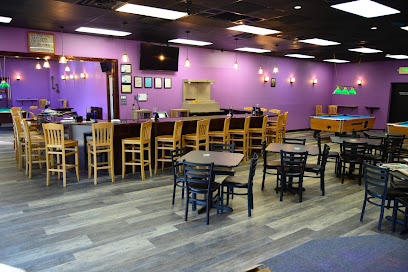
bar
35.3 km
Experience the lively bar culture in Hoover, Alabama, where great drinks and friendly faces come together for unforgettable nights.
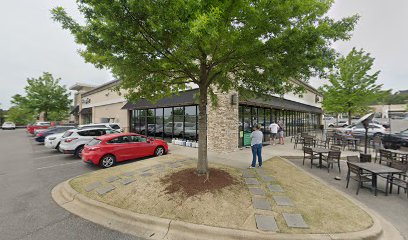
The Beer Hog
35.3 km
Explore craft beer culture at The Beer Hog in Pelham, Alabama, where a lively atmosphere meets an exceptional selection of brews.
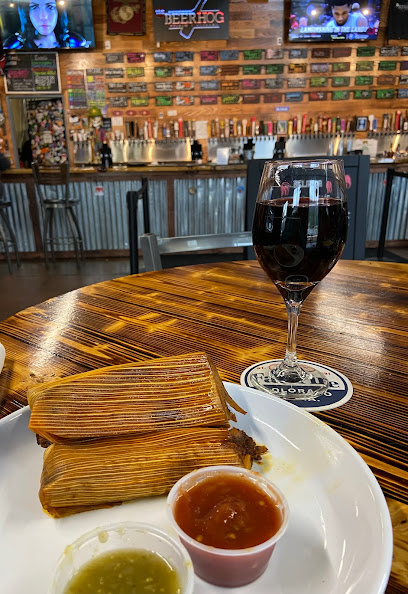
The Chandelier Lounge
36.2 km
Discover the elegance of The Chandelier Lounge in Pelham, Alabama, where exquisite cocktails and stunning ambiance create unforgettable evenings.
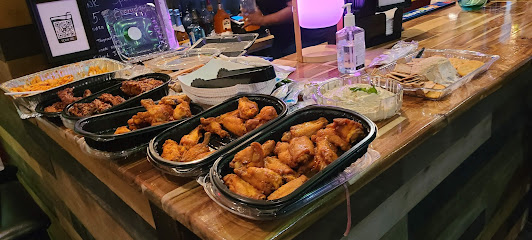
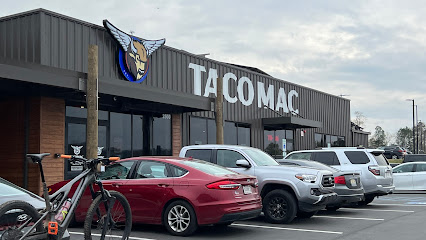
Taco Mac Pelham
36.2 km
Discover the vibrant atmosphere and mouth-watering American cuisine at Taco Mac Pelham, your go-to sports bar in Alabama for wings and fun.
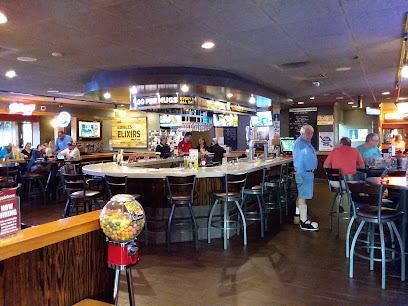
Applebee's Grill + Bar
36.7 km
Savor the authentic flavors of American cuisine at Applebee's Grill + Bar in Pelham, Alabama, where great food meets a friendly atmosphere.
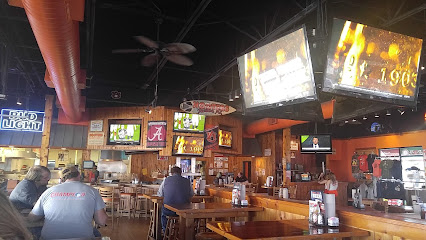
Hooters
36.7 km
Experience the thrill of sports and savor delicious American cuisine at Hooters in Pelham, Alabama, a must-visit sports bar for all food lovers.
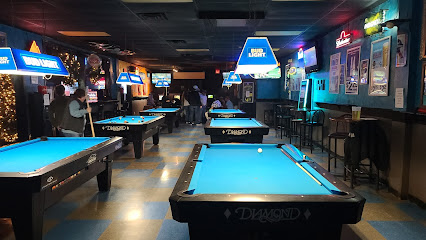
Pub 261
36.7 km
Discover the vibrant atmosphere of Pub 261 in Birmingham, where delicious food and refreshing drinks create the perfect local experience.
Blue's Bourbon & Brews
36.8 km
Discover the vibrant nightlife and Southern charm of Blue's Bourbon & Brews in Pelham, Alabama, where great bourbon and live music await you.
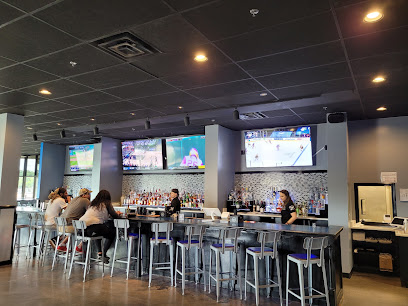
Ragtime Cafe
37.9 km
Experience the vibrant flavors of American cuisine at Ragtime Cafe, Birmingham's lively bar and restaurant perfect for casual dining and social gatherings.
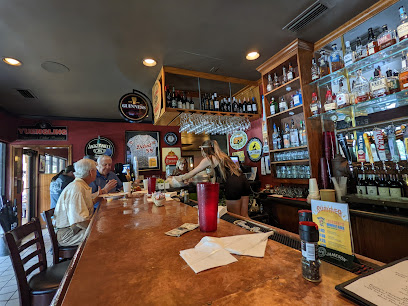
Twin Peaks
38.5 km
Experience the excitement of live sports and delicious American cuisine at Twin Peaks, Hoover's ultimate sports bar destination.