Crane Petroglyph Heritage Site: Ancient Rock Art of the Verde Valley
Explore ancient rock art at the Crane Petroglyph Heritage Site, the largest and best-preserved petroglyph site in Arizona's Verde Valley.
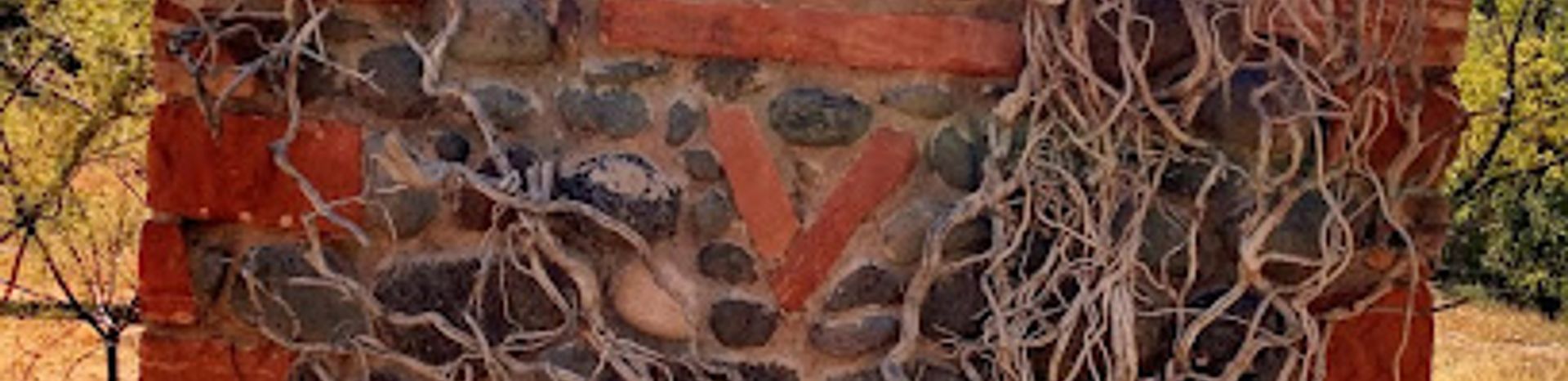
The Crane Petroglyph Heritage Site, formerly known as V Bar V Heritage Site, is the largest known petroglyph site in the Verde Valley of central Arizona, featuring over 1,000 ancient carvings. These petroglyphs, created by the Southern Sinagua people between 1150 and 1400 AD, offer a glimpse into their lives, beliefs, and practices.
A brief summary to Crane Petroglyph Heritage Site
- 6750 Forest Service Rd 618, Rimrock, Rimrock, Arizona, 86335, US
- +1928-592-0998
- Visit website
Local tips
- Check the USDA Forest Service website or call (928) 592-0998 for current hours of operation, as they vary seasonally and the site may close when temperatures exceed 100°F.
- A Red Rock Pass or America the Beautiful Pass is required for all vehicles parked at the site. A pass can be purchased from the self-serve vending machine at the site.
- Guided tours are highly recommended for a deeper understanding of the petroglyphs and the Sinagua culture. Contact the site to ensure a ranger will be available during your visit.
- Bring your own water, as potable water is not available at the site. Bottled water may be purchased at the visitor center.
- Combine your visit with a trip to nearby Montezuma Castle National Monument or Montezuma Well National Monument to explore more of the area's ancient heritage.

Getting There
-
Driving
From the junction of I-17 and SR 179, drive 2.8 miles east on Forest Road (FR) 618. The entrance to the Crane Petroglyph Heritage Site will be on your right, less than one-half mile past the Beaver Creek Day-Use Picnic Area. FR 618 can be unpaved, so a vehicle with good clearance is recommended. A Red Rock Pass or America the Beautiful Pass is required for parking. These passes can be purchased for $10 per day at the self-serve vending machine on site.
-
Public Transportation
While public transportation options are limited, you can take a Greyhound bus from Flagstaff or Phoenix to Cottonwood. From Cottonwood, arrange for a taxi or ride-share service to the Crane Petroglyph Heritage Site. The taxi ride will take approximately 30 minutes and may cost around $30-$50. Be sure to check bus schedules in advance, as services may not be frequent.
Discover more about Crane Petroglyph Heritage Site
Iconic landmarks you can’t miss

Montezuma Castle Visitor Center
12.8 km
Explore the rich history and breathtaking landscapes at Montezuma Castle Visitor Center, your gateway to Arizona’s ancient cliff dwellings.
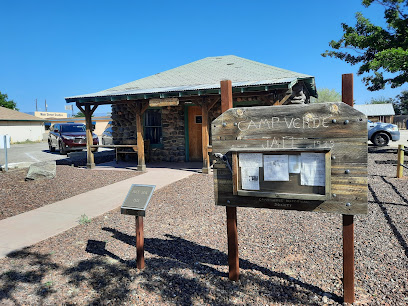
Camp Verde Jail
16.9 km
Explore the rich history of Camp Verde Jail, a fascinating landmark that reveals the stories of Arizona's past and its law enforcement legacy.
Sedona Verde Valley
17.0 km
Explore the breathtaking landscapes and rich cultural heritage of Sedona Verde Valley, a premier destination for nature lovers and adventure seekers.
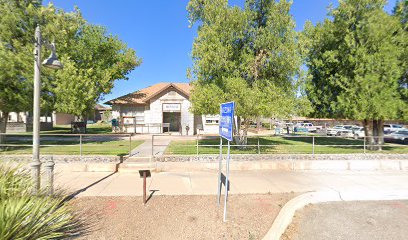
Camp Verde Historical Society
17.0 km
Explore the captivating history of Camp Verde at the Historical Society – an essential stop for history lovers and curious travelers alike.
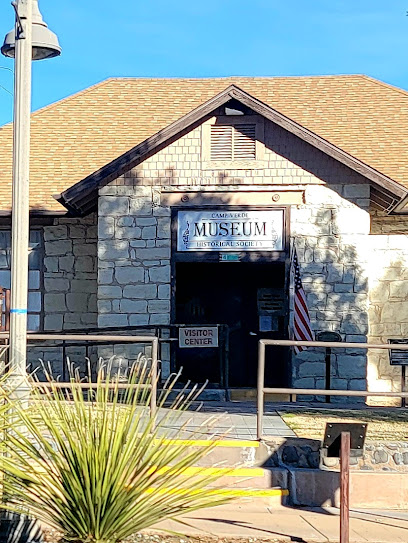
Verde Valley Ancestral Garden
17.8 km
Discover the Verde Valley Ancestral Garden, a serene park in Camp Verde, Arizona, where nature and cultural heritage blend beautifully.
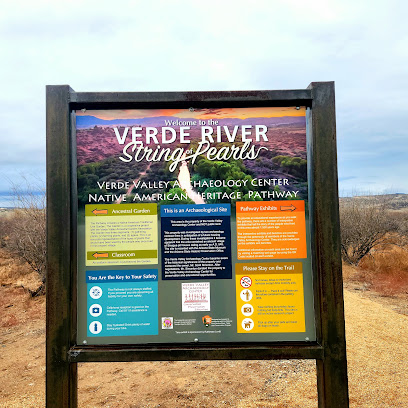
Verde Valley Archaeology Center Native American Heritage Pathway Parking Lot
17.8 km
Discover the rich Native American heritage of Arizona at Verde Valley Archaeology Center, where history meets breathtaking landscapes.
Verde Ranch RV Resort
18.0 km
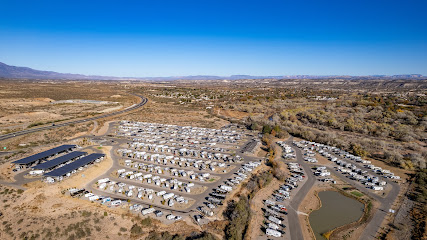
Discover Verde Ranch RV Resort, your serene escape in Camp Verde, Arizona, where nature meets comfort in the heart of stunning landscapes.
Chicken Point Overlook
18.5 km
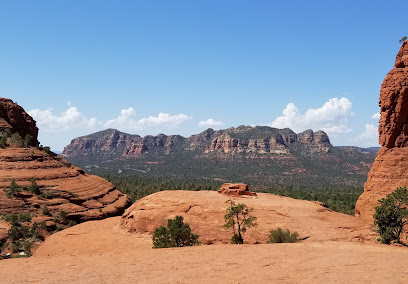
Discover the stunning landscapes of Sedona at Chicken Point Overlook, a premier hiking destination with breathtaking views and serene nature experiences.
Cathedral Rock Trailhead
18.9 km
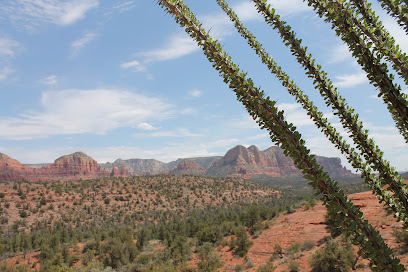
Hike to stunning red rock views & experience Sedona's vortex energy at Cathedral Rock Trailhead. A must-do for outdoor enthusiasts!
Historic Water Mill
19.5 km
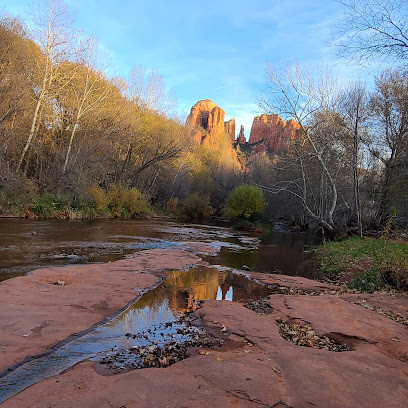
Explore Sedona's Historic Water Mill, a serene landmark that showcases rich history and breathtaking natural beauty in the heart of Arizona's red rock country.
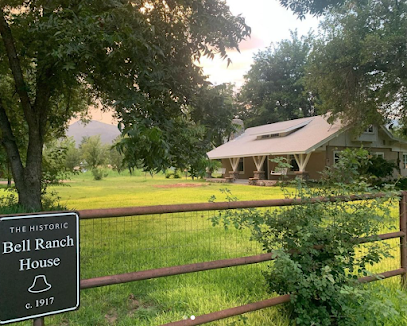
Don Bell House
19.5 km
Discover the historic Don Bell House in Camp Verde, Arizona, where rich stories and stunning architecture await every curious traveler.
Thousand Trails Verde Valley
20.5 km
Discover the serene beauty of Thousand Trails Verde Valley, a premier RV park in Arizona's breathtaking landscapes, perfect for outdoor adventures and family fun.

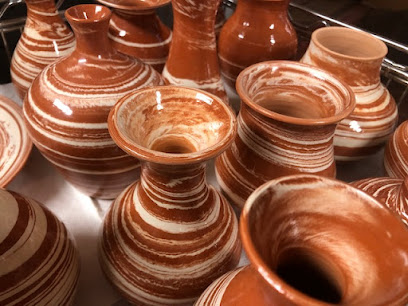
Sedona Swirl
22.0 km
Explore Sedona Swirl, where local artistry meets handcrafted pottery in the heart of Sedona, Arizona. Discover unique treasures and creative experiences.
Garland's Navajo Rugs
22.2 km
Explore the vibrant artistry of Navajo rugs at Garland's, a top destination in Sedona for art lovers and cultural enthusiasts.
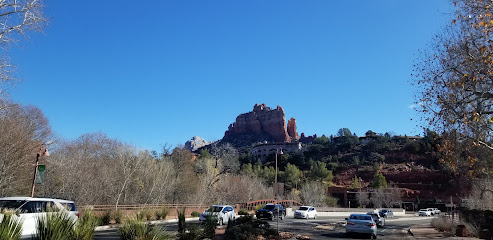
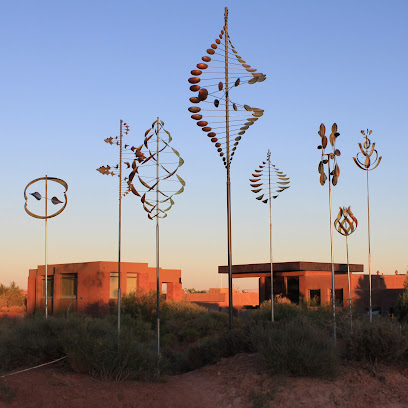
Vue Gallery
22.2 km
Discover the artistic heart of Sedona at Vue Gallery, where contemporary art meets the beauty of nature in a tranquil setting.
Unmissable attractions to see

Montezuma Well
4.0 km
Discover the captivating beauty and historical significance of Montezuma Well, a unique geological marvel in Arizona's high desert.
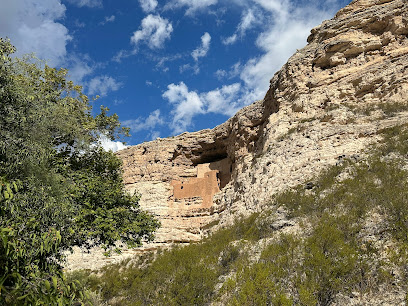
Red Rock Visitor Center and Ranger Station
11.0 km
Discover Sedona's breathtaking landscapes at the Red Rock Visitor Center, your gateway to outdoor adventures and natural beauty.
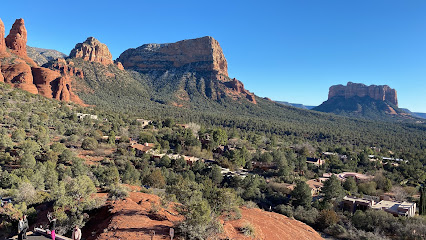
Red Rock Ranger District Visitor Center
11.1 km
Discover the breathtaking beauty and adventure opportunities at the Red Rock Ranger District Visitor Center in Sedona, Arizona.
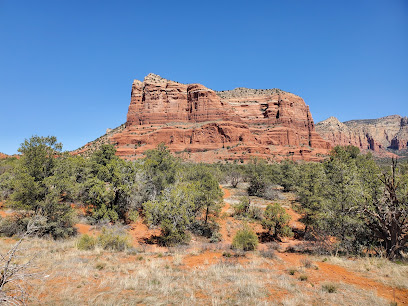
Montezuma Castle National Monument
12.4 km
Experience the ancient cliff dwellings of the Sinagua people at Montezuma Castle National Monument, a must-visit historical site in Arizona.
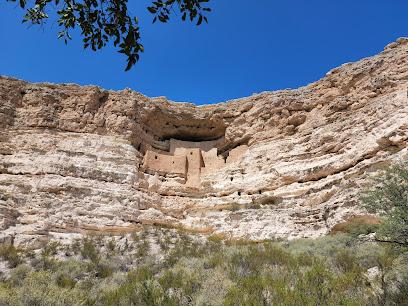
Decanter Tasting Room
12.9 km
Discover a world of exquisite wines and breathtaking views at the Decanter Tasting Room in Sedona, Arizona.
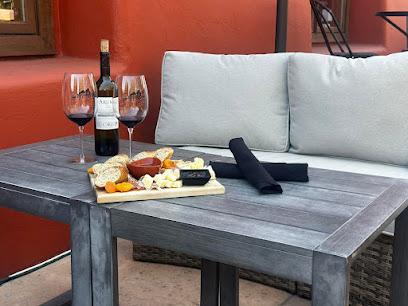
Bell Rock Trailhead
16.2 km
Explore the stunning landscapes and rich heritage of Bell Rock Trailhead in Sedona, Arizona, perfect for hiking enthusiasts and nature lovers.
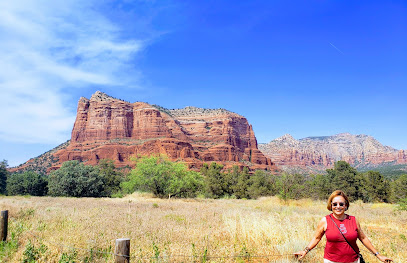
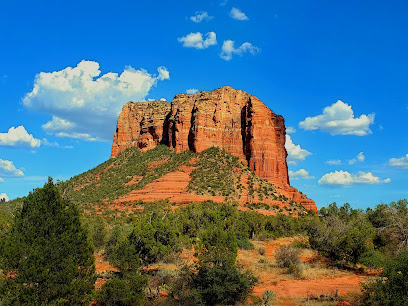
Courthouse Vista
16.2 km
Experience the breathtaking beauty of Courthouse Vista, Sedona's iconic scenic spot, where stunning red rock formations await your discovery.
Fort Verde State Historic Park
16.8 km
Immerse yourself in Arizona's military history and natural beauty at Fort Verde State Historic Park, a must-visit destination for history enthusiasts and nature lovers alike.
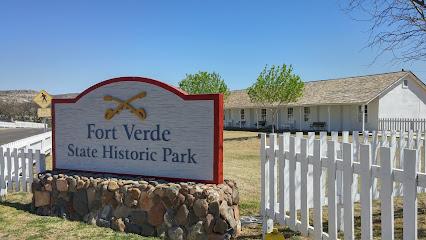
Camp Verde Visitor Center
17.0 km
Explore Camp Verde's rich heritage and vibrant culture at the Visitor Center - your gateway to unforgettable adventures in Arizona's stunning landscapes.
Ghost Town Tours Camp Verde Arizona
17.1 km
Explore the haunted history of Camp Verde with immersive tours through Arizona's enchanting ghost towns, perfect for adventurers and history lovers.
Verde Valley Archaeology Center and Museum
17.4 km
Uncover Arizona's ancient past at Verde Valley Archaeology Center and Museum, where history comes alive through fascinating exhibits and engaging programs.
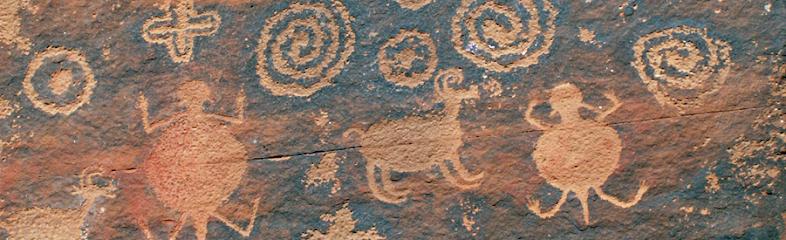
Bell Rock Trail
17.5 km
Experience the unforgettable beauty of Bell Rock Trail in Arizona, a scenic haven for hikers and nature lovers alike amidst stunning red rock formations.

Cove Mesa Vineyard Winery Tasting Room
18.0 km
Discover exquisite wines at Cove Mesa Vineyard Winery Tasting Room in Cornville, Arizona, where breathtaking views and rich flavors await.
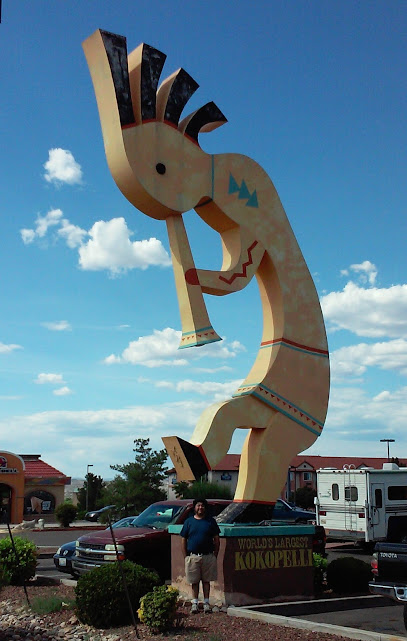
World's Largest Kokopelli
18.2 km
Experience the charm of the World's Largest Kokopelli in Camp Verde, Arizona – a monumental tribute to the culture and spirit of the Southwest.
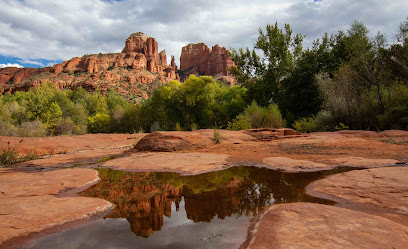
Cathedral Rock
18.2 km
Experience the breathtaking views and natural beauty of Cathedral Rock, a must-visit landmark in Sedona, Arizona, perfect for hiking and photography.
Essential places to dine

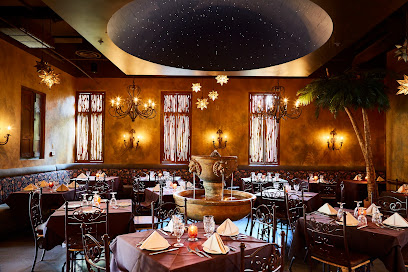
Cucina Rustica
12.9 km
Experience authentic Italian cuisine at Cucina Rustica in Sedona - where fine dining meets breathtaking views.
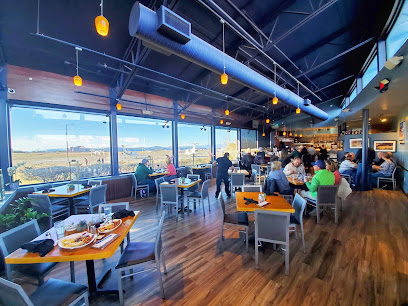
Mesa Grill Sedona
21.5 km
Discover Mesa Grill Sedona: A charming American restaurant offering exquisite Southwestern flavors against breathtaking red rock vistas.
Molé Sedona
21.6 km
Experience authentic Mexican flavors at Molé Sedona – where culinary tradition meets breathtaking views in Arizona's stunning landscape.
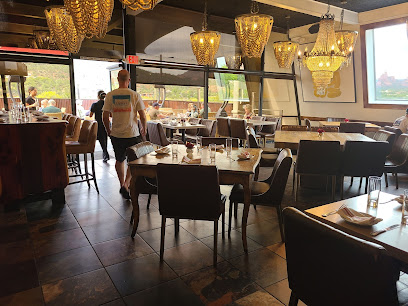
The Hudson
21.8 km
Experience exquisite American cuisine with stunning views at The Hudson in Sedona – where every meal is a feast for the senses.
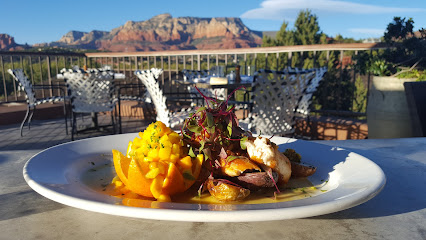
Javelina Cantina
21.9 km
Experience the vibrant flavors of Mexico at Javelina Cantina, where delicious dishes meet stunning Sedona views.
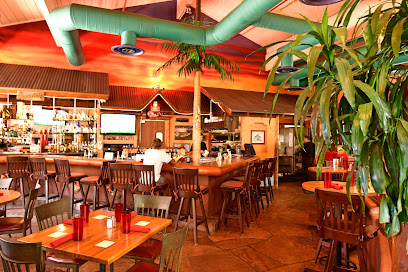
Rene At Tlaquepaque
22.2 km
Discover culinary excellence at Rene At Tlaquepaque in Sedona - where French and Mediterranean cuisine meet artistic elegance.
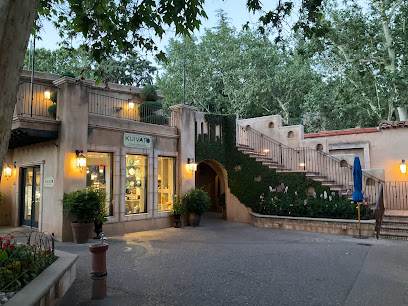
The Secret Garden Café
22.3 km
Discover a culinary oasis at The Secret Garden Café in Sedona—offering organic, gluten-free, and vegan delights in a stunning garden setting.
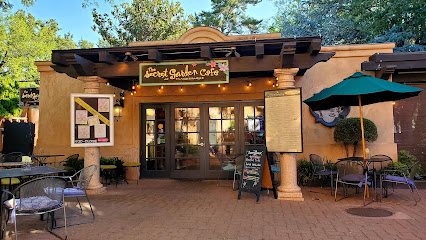
Pump House Station Urban Eatery and Market
22.3 km
Experience the best of New American cuisine at Pump House Station Urban Eatery & Market in Sedona's enchanting Tlaquepaque arts district.
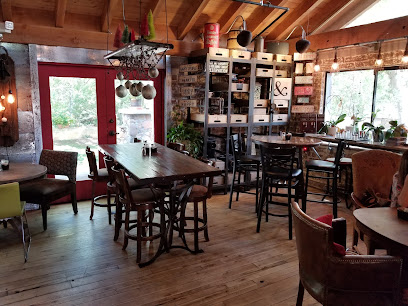
Creekside American Bistro
22.4 km
Discover culinary excellence at Creekside American Bistro in Sedona – where New American flavors meet stunning views.
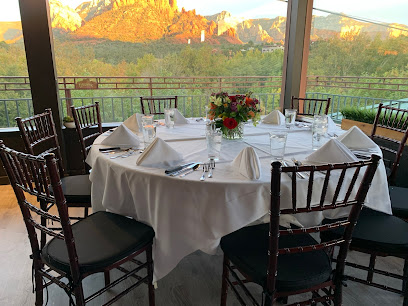
Hideaway House
22.5 km
Discover authentic Italian cuisine at Hideaway House in Sedona - where delicious pizza meets stunning red rock views.
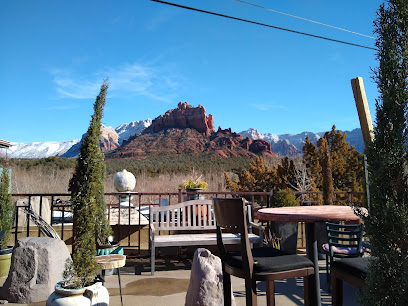
Shorebird Sedona
22.6 km
Experience exquisite dining with stunning views at Shorebird Sedona - where local flavors meet breathtaking landscapes.
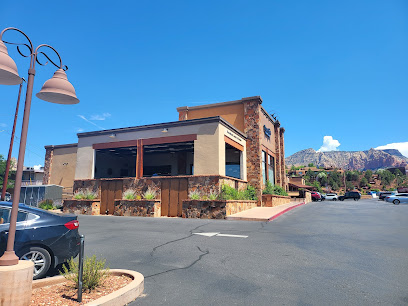
Tamaliza
22.6 km
Discover authentic Mexican flavors at Tamaliza in Sedona - where every bite tells a story!
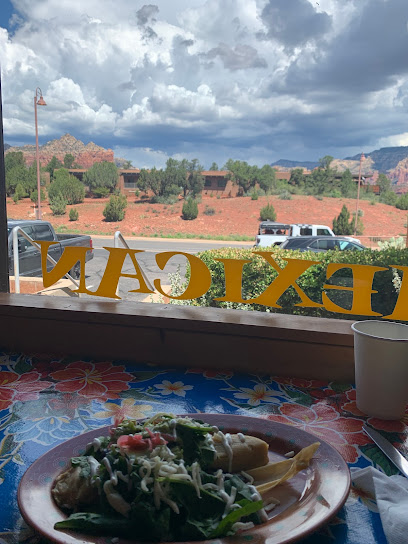
Stagecoach
22.7 km
Savor delicious southwestern cuisine amidst Sedona's stunning landscapes at Stagecoach – where rustic charm meets culinary excellence.
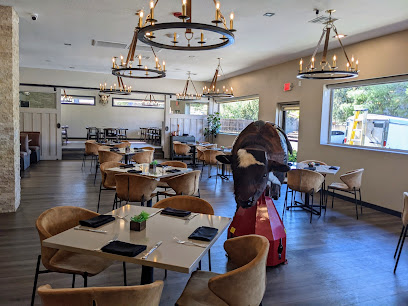
Sound Bites Grill, Sedona AZ
22.7 km
Experience exquisite American cuisine with organic options and live music at Sound Bites Grill in Sedona – a feast for all senses.
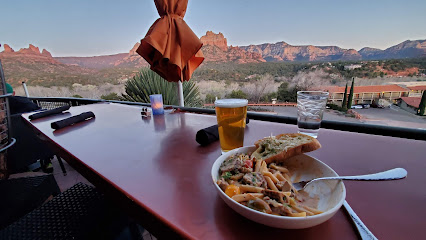
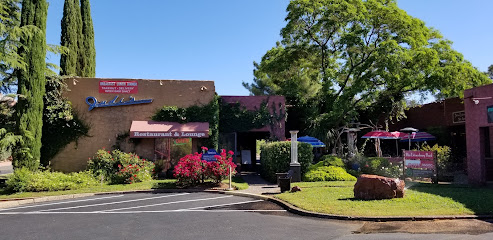
Judi's Restaurant & Lounge
22.8 km
Experience unique flavors and breathtaking views at Judi's Restaurant & Lounge in Sedona – where every meal is a celebration.
Markets, malls and hidden boutiques

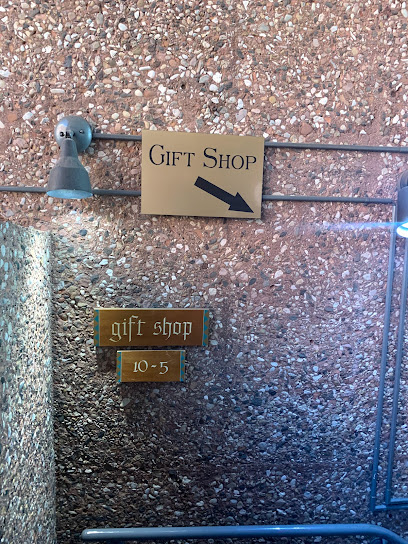
Gift shop in Chapel of Holy cross
19.0 km
Explore the Gift Shop at the Chapel of the Holy Cross in Sedona for unique souvenirs and local treasures amidst breathtaking landscapes.
Blue Lotus
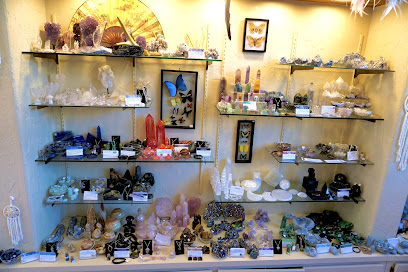
21.8 km
Explore Blue Lotus, the enchanting boutique in Sedona, Arizona, featuring unique jewelry and artistic treasures reflecting the beauty of the red rocks.
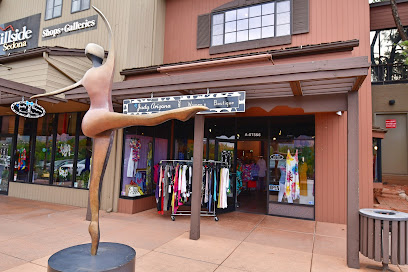
Hillside Sedona Shopping Center
21.9 km
Discover the charm of Hillside Sedona Shopping Center, a unique blend of art, shopping, and dining nestled in Sedona’s breathtaking landscape.
Appaloosa Trading Co
22.0 km
Explore the essence of the American West at Appaloosa Trading Co, where authentic leather goods and unique antiques await in the heart of Sedona.
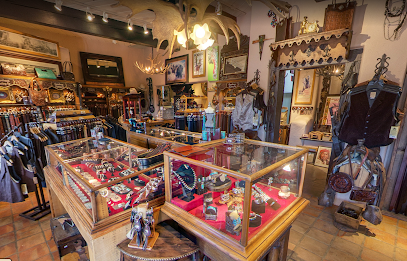
Good Juju Lifestyle Boutique
22.1 km
Explore Good Juju Lifestyle Boutique in Sedona for unique gifts and local artisan treasures that capture the essence of this vibrant artistic community.
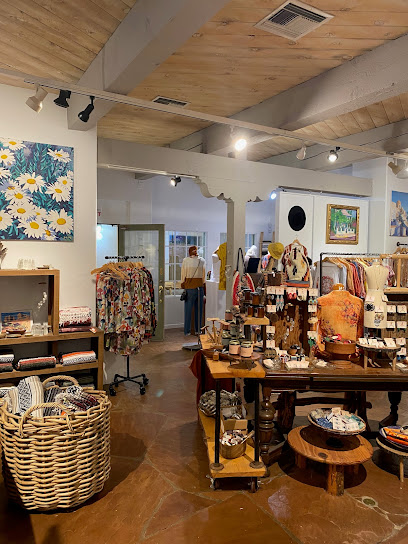
El Picaflor
22.2 km
Discover the charm of Sedona at El Picaflor, a gift shop filled with unique, handmade treasures that celebrate local artistry and culture.
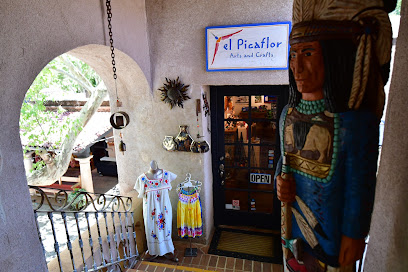
Adorn Collection
22.2 km
Discover Sedona's artistic spirit at Adorn Collection, where unique gifts, handmade jewelry, and local wines await every visitor.
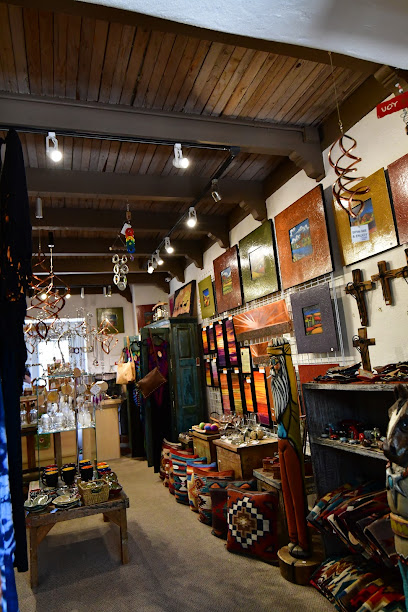
Bella Fine Goods - Sedona
22.2 km
Explore the enchanting world of handcrafted furniture, art, and jewelry at Bella Fine Goods, Sedona's premier shopping destination.
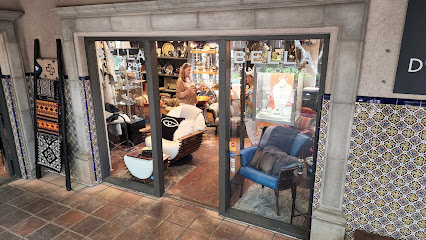
Natural Wonders
22.2 km
Discover the charm of Sedona at Natural Wonders Gift Shop, where unique gifts and local artistry reflect the beauty of the red rock landscape.
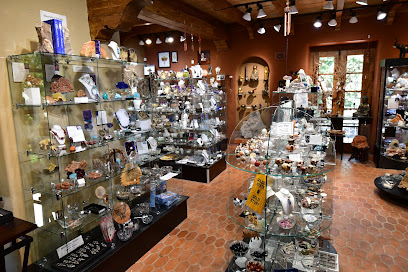
Hummingbird House
22.5 km
Explore Hummingbird House in Sedona for unique, handcrafted gifts and local art that capture the spirit of Arizona's stunning landscapes.
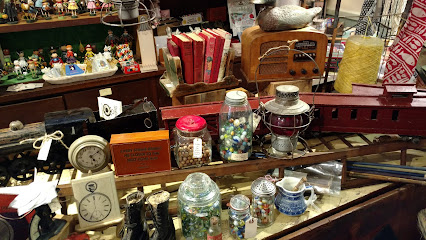
Mi Amoré Sedona
22.5 km
Discover unique artisan gifts and souvenirs that embody the spirit of Sedona at Mi Amoré Sedona, your perfect shopping destination.
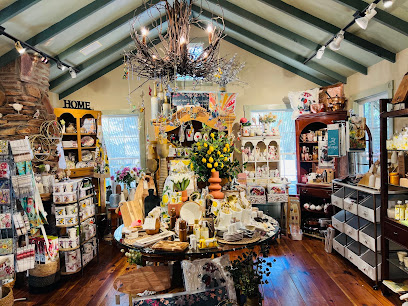
The Shops At Pinon Pointe
22.8 km
Discover unique shops and breathtaking views at The Shops At Pinon Pointe in Sedona, a perfect blend of culture, art, and nature.
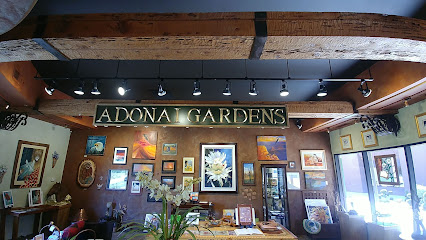
Zivney Collection
22.8 km
Explore the Zivney Collection in Sedona for unique gifts and local art reflecting the beauty and culture of Arizona.
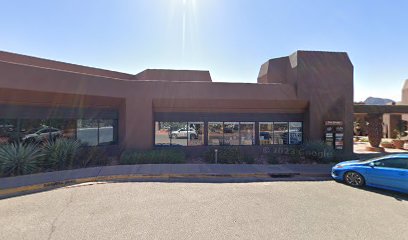
Wisdom Arts Gifts and Decor
22.8 km
Explore unique gifts and local artistry at Wisdom Arts Gifts and Decor in Sedona, a must-visit destination for unforgettable souvenirs.
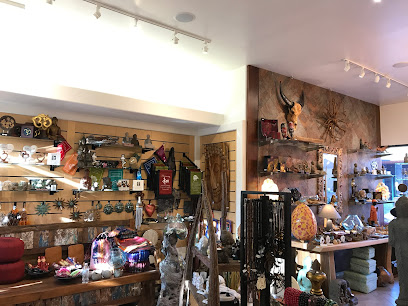
Music Inspired Collections Sedona
22.8 km
Explore Music Inspired Collections in Sedona for unique gifts, stylish clothing, and authentic souvenirs that celebrate local artistry and culture.
Essential bars & hidden hideouts

Full Moon Saloon
13.0 km
Discover the lively Full Moon Saloon in Sedona, a cocktail bar offering DJ music, pool tables, and a welcoming atmosphere for all.
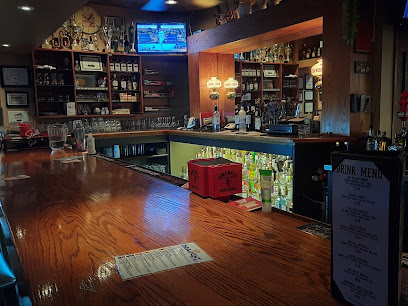
Willows Kitchen & Wine Bar
20.5 km
Experience the best of Sedona's culinary scene at Willows Kitchen & Wine Bar, where exquisite flavors meet stunning views.
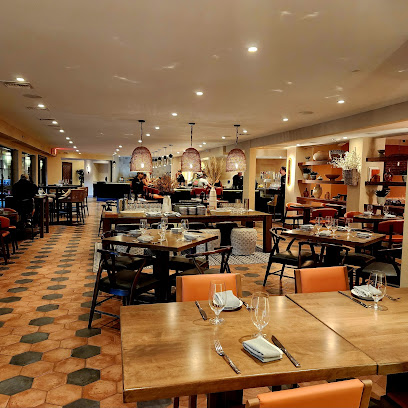
Mooney's Irish Pub & Burger Bar - Sedona
21.8 km
Experience authentic Irish hospitality and delicious American burgers at Mooney's Irish Pub & Burger Bar, a must-visit stop in Sedona, Arizona.
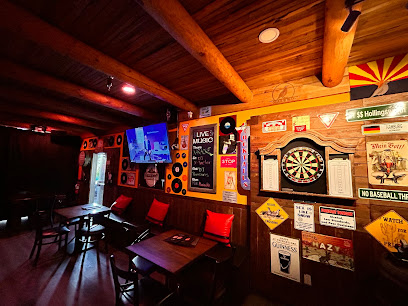
Redwall Lounge
22.2 km
Experience the serene ambiance and stunning views at Redwall Lounge in Sedona, where relaxation meets vibrant live music and delicious drinks.
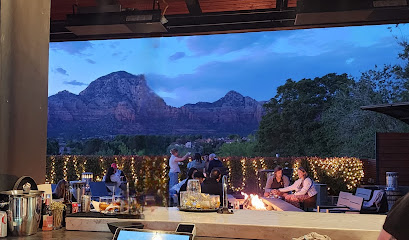
Oak Creek Brewery and Grill
22.3 km
Discover Oak Creek Brewery and Grill in Sedona, where craft beer meets delicious American cuisine amidst breathtaking red rock scenery.
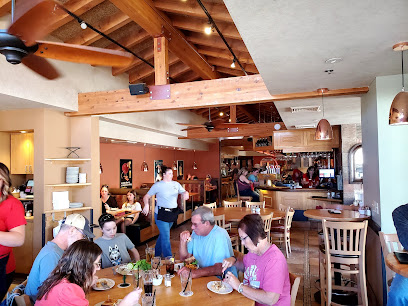
The Art of Wine
22.8 km
Discover a delightful wine bar in Sedona offering a curated selection of wines, local gifts, and breathtaking views of red rock formations.
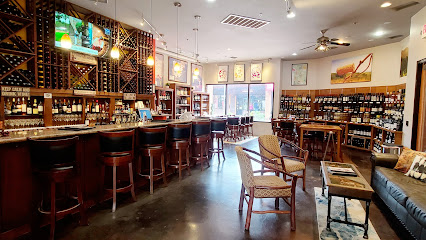
Bar 1902
22.8 km
Experience Sedona's vibrant nightlife at Bar 1902, where local craft beers meet a cozy atmosphere and stunning views.
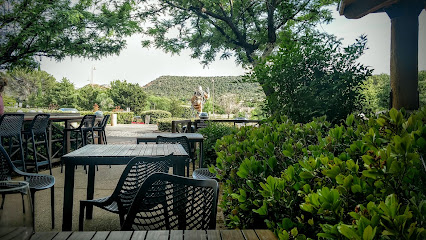
Vino Di Sedona
23.3 km
Discover Vino Di Sedona, where exquisite wines and stunning views meet in a serene atmosphere, perfect for relaxation and socializing.
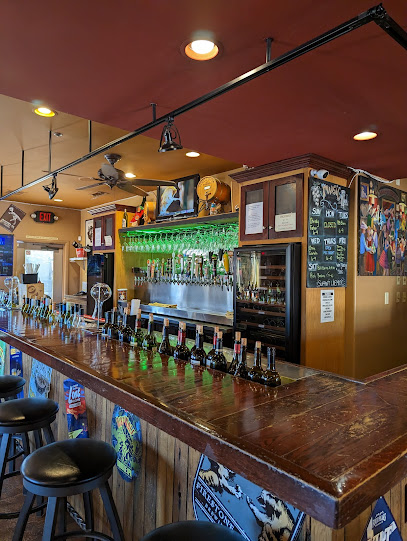
Oak Creek Brewery
23.4 km
Discover the charm of Oak Creek Brewery - a haven for craft beer lovers amidst Sedona's stunning landscapes.
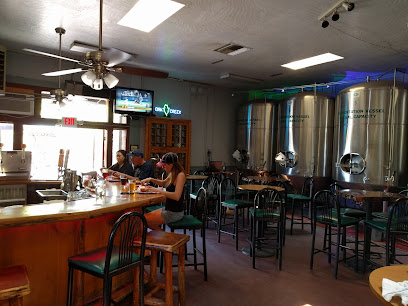
Sedona Beer Company
23.4 km
Discover Sedona Beer Company, where craft brews meet delicious American cuisine against a backdrop of stunning red rock formations.
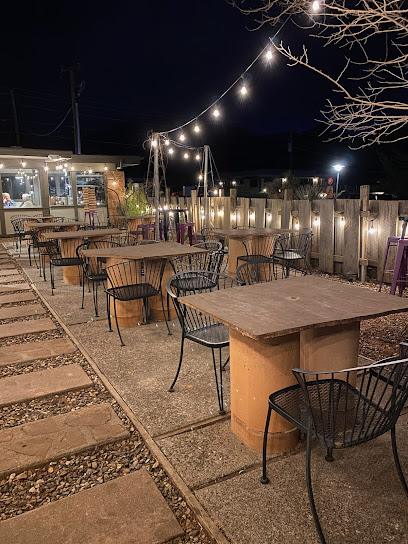
Sundowner
23.6 km
Experience the vibrant flavors of Sedona at Sundowner, a top-rated grill and bar known for its delicious food and lively atmosphere.
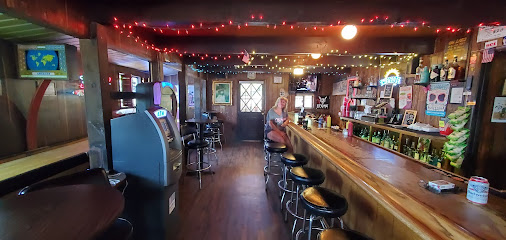
Basecamp - Sedona Beer Company
23.7 km
Discover the perfect blend of craft beer and stunning views at Basecamp - Sedona Beer Company, a top brewery and beer garden in Sedona, Arizona.
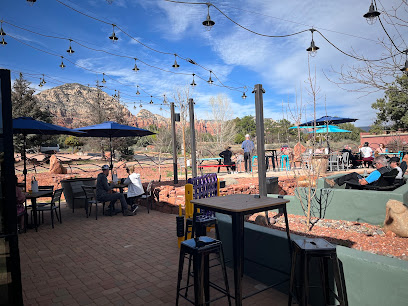
Pinewood Bar & Grill
31.1 km
Experience the comforting taste of American cuisine at Pinewood Bar & Grill, a family-friendly restaurant nestled in the scenic Munds Park of Arizona.
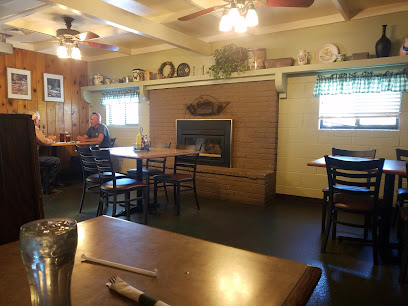
Borracho Saloon
31.2 km
Discover the lively Borracho Saloon in Munds Park, a bar where rustic charm meets vibrant entertainment and delicious drinks.
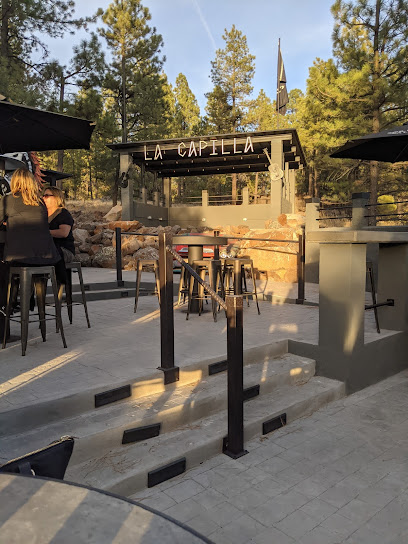
The Table at Junipine Resort
33.4 km
Experience exceptional dining at The Table at Junipine Resort, where local flavors meet breathtaking views in the heart of Sedona.