Nea Paphos: A Journey Through Time
Explore the remarkably preserved ruins of Nea Paphos, a UNESCO World Heritage site, and step back in time to discover the rich history and cultural heritage of ancient Cyprus.
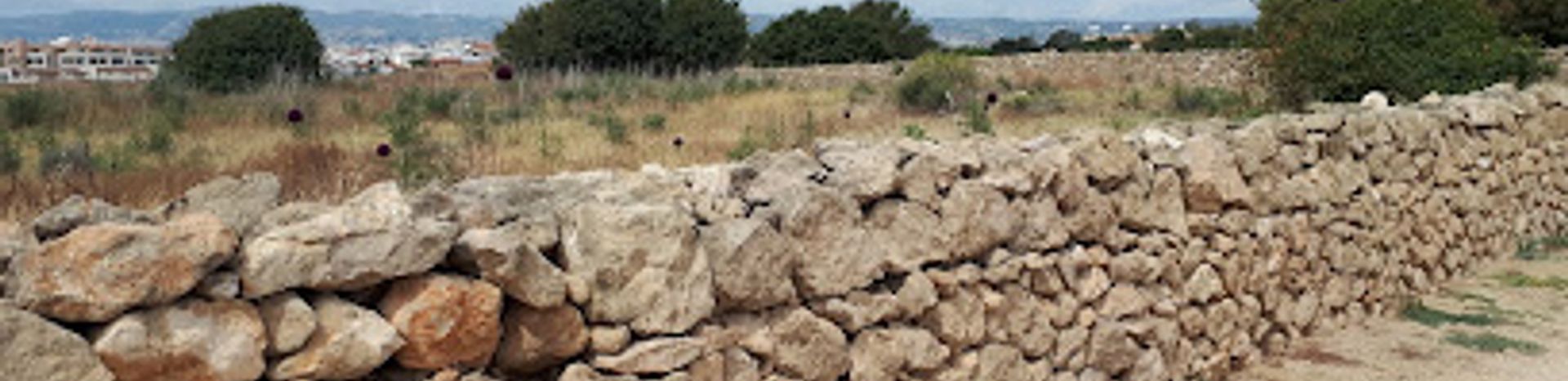
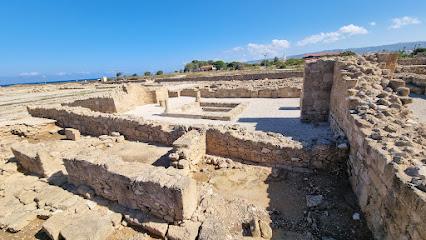
The Archaeological Site of Nea Paphos, a UNESCO World Heritage site, invites visitors to step back in time and explore the remarkably preserved ruins of an ancient city. Located near Paphos Harbour, this sprawling site showcases impressive Roman villas adorned with intricate mosaic floors, an ancient amphitheater, and the remains of early Christian basilicas. Wander through the remnants of a once-thriving metropolis, imagining life in this important port city during the Hellenistic and Roman periods. The site offers a fascinating glimpse into the rich history and cultural heritage of Cyprus, making it a must-see destination for history enthusiasts and anyone seeking to connect with the island's ancient past. Allow at least a half-day to fully appreciate the scale and detail of this captivating archaeological treasure, and be sure to wear comfortable shoes for exploring the extensive grounds.
A brief summary to Archaeological Site of Nea Paphos
- QC45+C99, Paphos, CY
- +35726306217
- Monday 8:30 am-7:30 pm
- Tuesday 8:30 am-7:30 pm
- Wednesday 8:30 am-7:30 pm
- Thursday 8:30 am-7:30 pm
- Friday 8:30 am-7:30 pm
- Saturday 8:30 am-7:30 pm
- Sunday 8:30 am-7:30 pm
Local tips
- Visit early in the morning or late in the afternoon to avoid the midday heat, especially during the summer months.
- Wear comfortable shoes as the site is extensive and involves a lot of walking on uneven ground.
- Bring water and sunscreen, as there is limited shade available.
- Consider hiring a local guide to gain a deeper understanding of the site's history and significance.
- Don't miss the House of Dionysos to see the best-preserved mosaics.

Getting There
-
Walking
From Paphos Harbour, the Archaeological Site of Nea Paphos is easily accessible on foot. Follow the coastal path heading north, passing the Paphos Archaeological Museum. The entrance to the site is approximately a 15-20 minute walk. The path is well-maintained and offers scenic views of the Mediterranean Sea. No costs are associated with walking.
-
Public Transport
Local buses frequently run from various points in Paphos to the vicinity of the Archaeological Site. Look for buses heading towards the Paphos Harbour or Tombs of the Kings area. Alight at a stop near the Paphos Archaeological Museum or the Harbour. From there, it's a short walk (5-10 minutes) to the entrance of the site, following the coastal path north. A single bus fare within Paphos typically costs €1.50.
-
Taxi/Ride-Share
Taxis and ride-sharing services are readily available throughout Paphos. A taxi ride from the Paphos Harbour area to the entrance of the Archaeological Site will cost approximately €8-€12, depending on traffic and the specific starting point. Ensure the driver is aware of your destination (Archaeological Site of Nea Paphos) to avoid any confusion.
-
Driving
If driving, follow signs towards Paphos Harbour. From the Harbour area, continue north along the coastal road. Limited free parking is available near the entrance to the Archaeological Site. However, during peak season, parking can be challenging. Paid parking is available in the Paphos Harbour area, a short walk from the site entrance. Expect to pay around €2-€3 per hour for parking in the Harbour area.
Discover more about Archaeological Site of Nea Paphos
Iconic landmarks you can’t miss

Pafos Archeological Park, Visitor Center
0.1 km
Explore the ancient wonders of Pafos Archaeological Park, a UNESCO World Heritage Site featuring stunning mosaics and rich historical significance.
Tom's meeting point
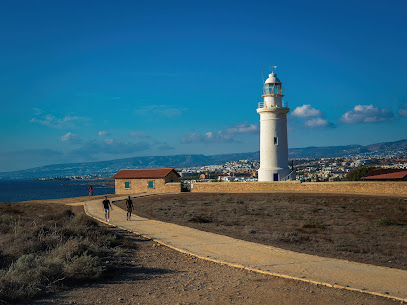
0.1 km
Experience the heart of Paphos at Tom's Meeting Point, a must-visit tourist attraction that embodies the warmth and charm of Cyprus.
Early Christian House
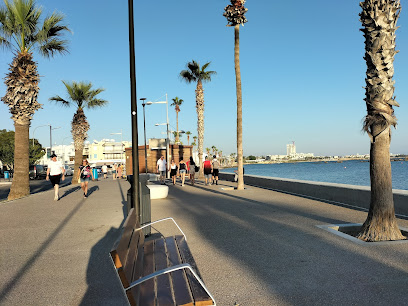
0.2 km
Explore the Early Christian House in Paphos, Cyprus, a historical landmark that reveals the rich tapestry of early Christian heritage and architecture.
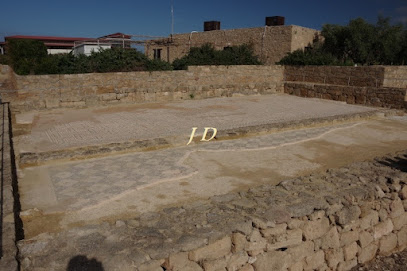
Ruins of Old Fort
0.3 km
Uncover the captivating history and stunning views at the Ruins of Old Fort, a must-see historical landmark in Paphos, Cyprus.
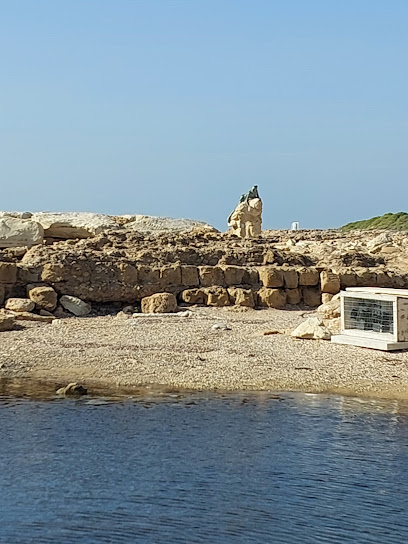
Παραλιακή λεωφόρος κάτω παφος
0.3 km
Explore the scenic Paphos Promenade in Cyprus for stunning sea views, vibrant local culture, and delightful dining experiences along the coast.
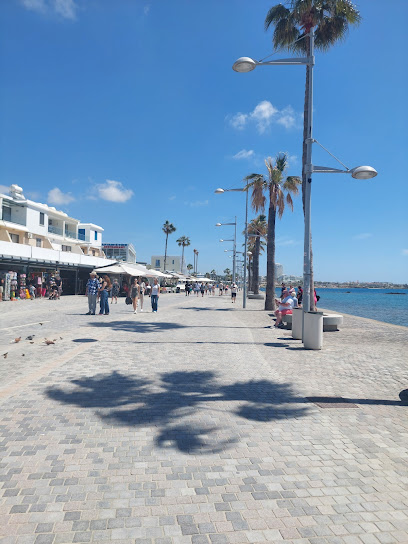
Early Roman House
0.4 km
Explore the Early Roman House in Paphos, a stunning historical landmark showcasing ancient Roman architecture and vibrant mosaics in Cyprus.
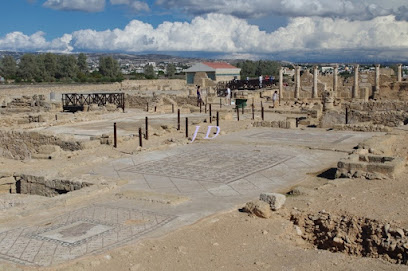
Unmissable attractions to see

Kato Pafos Archaeological Park
0.0 km
Explore Kato Pafos Archaeological Park, a UNESCO World Heritage site in Cyprus, showcasing exquisite mosaics and ancient ruins that tell the story of civilizations.
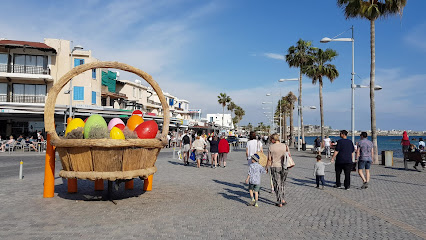
Paphos Promenade
0.1 km
Experience the allure of Paphos Promenade: a captivating coastal destination blending history, culture, and stunning Mediterranean views for an unforgettable Cypriot escape.
Wave Dancer Cruises & Events
0.1 km
Experience the beauty of Paphos Harbour with Wave Dancer Cruises – a perfect blend of adventure and relaxation on the Mediterranean Sea.

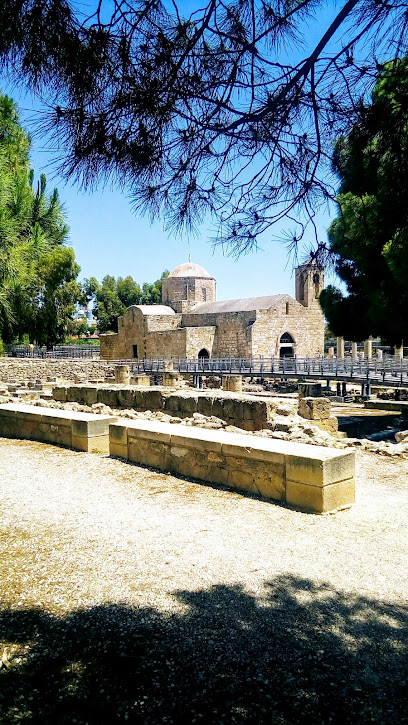
Basilica of Panagia Limeniotissa
0.1 km
Discover the Basilica of Panagia Limeniotissa in Paphos: a ruined 5th-century basilica with stunning mosaics and a rich, turbulent history.
The Pahos Super Jumbo Real Glass Bottom Boat
0.1 km
Discover Paphos's underwater world aboard the Super Jumbo St. Raphael, the largest glass-bottom boat, for a unique marine adventure!
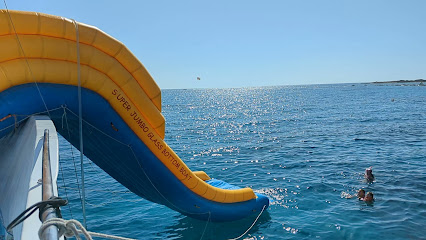
The Paphos Super Jumbo Real Glass Bottom Boat
0.1 km
Discover Paphos's underwater world aboard the Super Jumbo St. Raphael: shipwrecks, marine life, and crystal-clear views await!
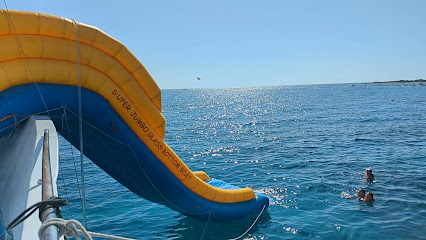
Λιμανάκι Πάφου
0.2 km
Discover Paphos Harbour: Where ancient history meets modern charm on the sun-kissed shores of Cyprus, offering a blend of culture, cuisine, and coastal beauty.
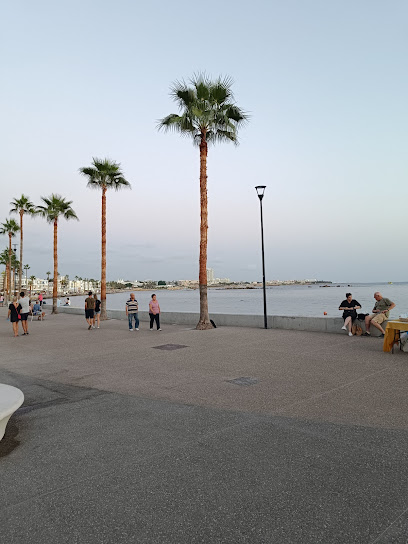
Forty Columns Fortress
0.2 km
Explore the ruins of Saranta Kolones, a medieval fortress in Paphos Archaeological Park, and step back in time to discover Cyprus's rich Byzantine and Lusignan history.
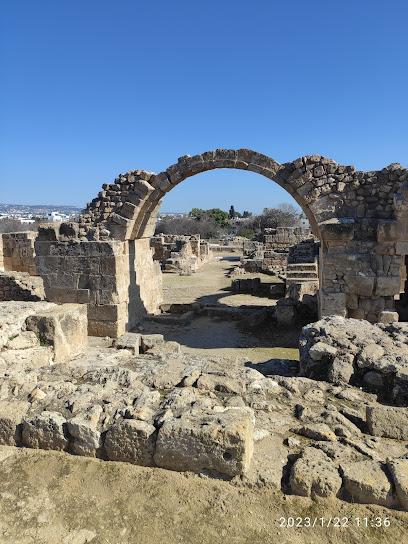
En Plo, Gallery
0.2 km
Explore contemporary art at En Plo Gallery in Paphos, Cyprus, and immerse yourself in the island's vibrant cultural scene.
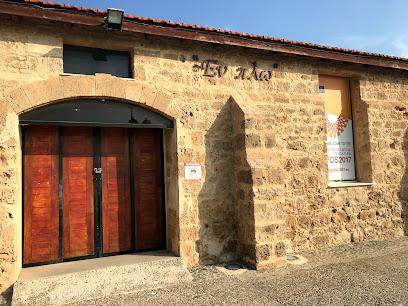
Paphos Mosaics
0.3 km
Discover exquisite Roman mosaics in Paphos, Cyprus, a UNESCO World Heritage Site showcasing ancient artistry and mythology, offering a glimpse into a vibrant past.
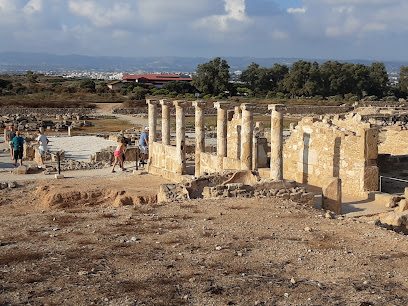
Kepuneia
0.3 km
Discover Kepuneia in Paphos: A serene coastal escape offering stunning Mediterranean views, local culture, and historical charm along the picturesque Coastal Broadwalk, Cyprus.
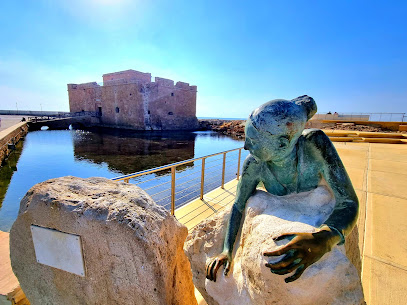
House of Aion
0.3 km
Discover the mesmerizing mosaics of the House of Aion in Paphos Archaeological Park, a window into the opulent world of Roman Cyprus and its captivating mythology.
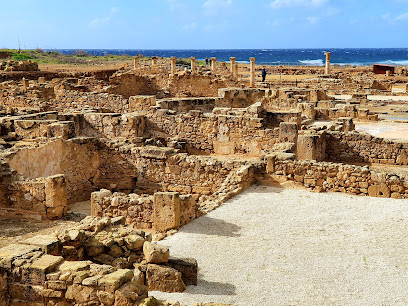
View point
0.3 km
Discover breathtaking panoramic views of the Mediterranean coastline at Paphos View Point, a tranquil escape offering stunning natural beauty and unforgettable sunsets in Cyprus.
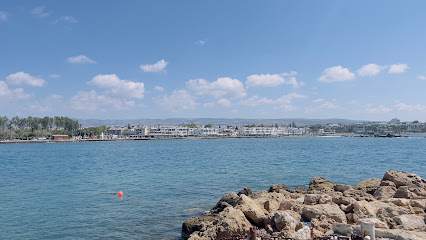
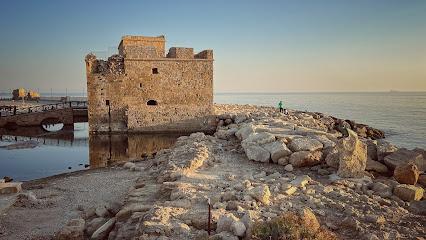
Paphos Castle
0.3 km
Explore the majestic Paphos Castle, a historical landmark in Cyprus, offering stunning coastal views and a journey through the island's rich past.
House of Dionysus
0.3 km
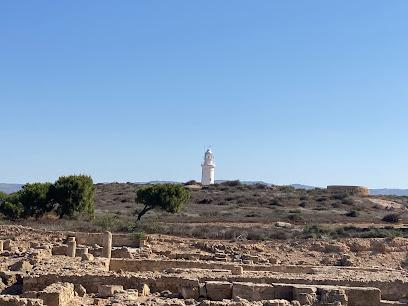
Discover the stunning mosaics and rich history of the House of Dionysus, a must-visit archaeological gem in Paphos, Cyprus.
Essential places to dine

Theo's Restaurant
0.1 km
Discover exquisite seafood delights at Theo's Restaurant in Paphos, where Mediterranean flavors meet warm Cypriot hospitality.
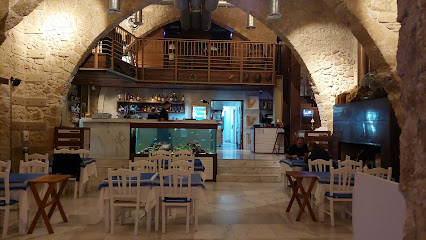
Kings Restaurant
0.1 km
Experience exquisite seafood and Mediterranean cuisine at Kings Restaurant in Paphos - where every meal is a celebration of flavor.
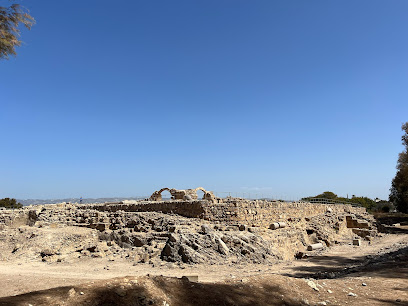
Pelican Restaurant
0.1 km
Experience exquisite seafood dining at Pelican Restaurant in Paphos Harbour with stunning views and delightful local flavors.
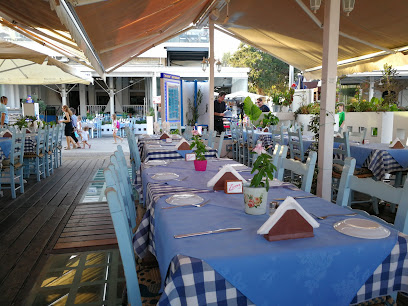
Sail At Castle
0.1 km
Experience exquisite modern European cuisine with Mediterranean flair at Sail At Castle in Paphos Harbour.
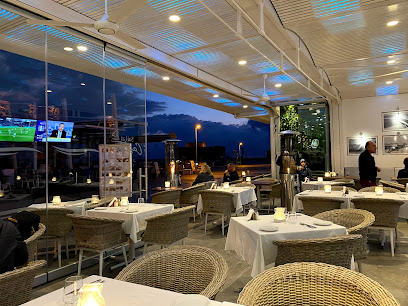
The Harbour
0.3 km
Experience authentic Cypriot cuisine with stunning Mediterranean views at The Harbour in Paphos.
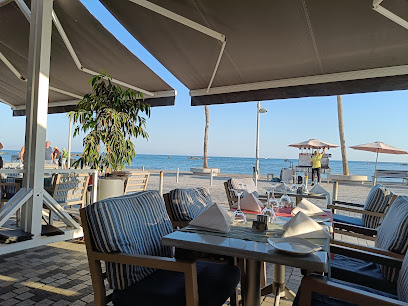
Solemio
0.3 km
Experience authentic Italian flavors at Solemio in Paphos - where every dish tells a story of tradition and taste.
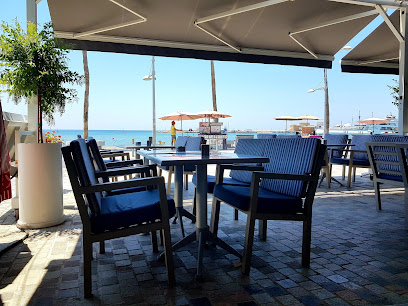
The Moorings Cafe restaurant
0.3 km
Discover the flavors of Cyprus at The Moorings Cafe - where every meal is accompanied by stunning sea views and exceptional service.
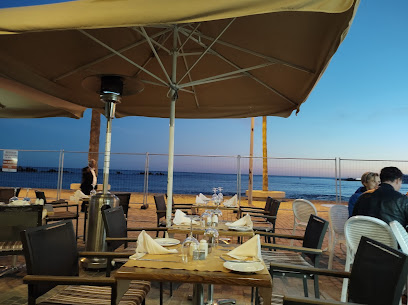
Captain's Bistro
0.3 km
Experience authentic Cypriot cuisine with stunning Mediterranean views at Captain's Bistro in Paphos.
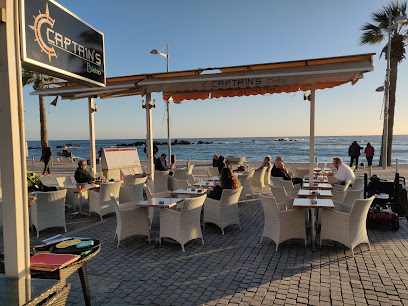
Captain’s View
0.3 km
Discover culinary delights at Captain's View in Paphos - where Mediterranean flavors meet breathtaking sea views.
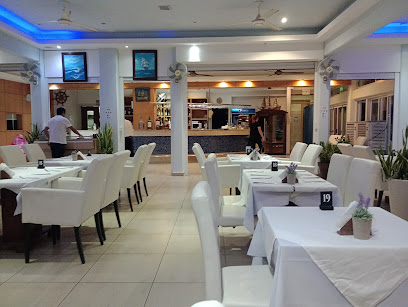
Hondros - The oldest traditional tavern
0.4 km
Discover authentic Greek flavors at Hondros - the oldest traditional tavern in Paphos, where every dish tells a story.
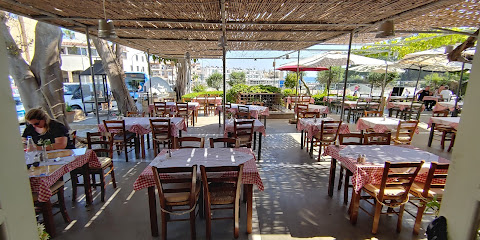
Mar Bianco
0.4 km
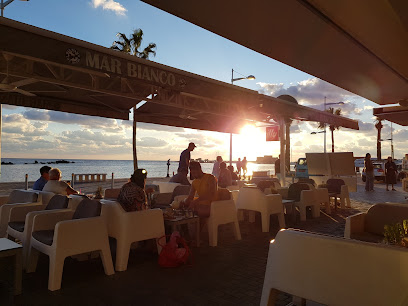
Experience exquisite Mediterranean cuisine with breathtaking views at Mar Bianco in Paphos, Cyprus.
Mother's Restaurant
0.4 km
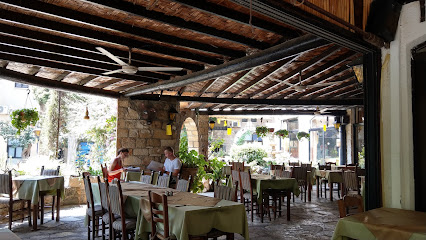
Experience authentic Greek cuisine at Mother's Restaurant in Paphos—where tradition meets taste amidst the beauty of Cyprus.
Saigon Vietnamese Food
0.4 km
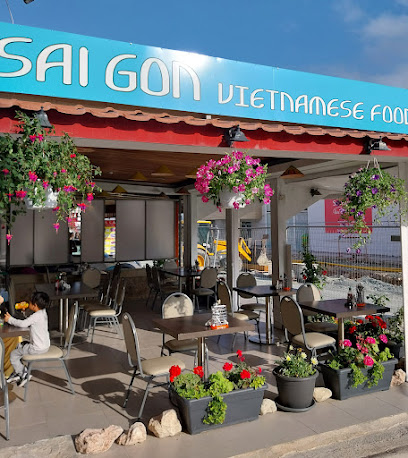
Discover authentic Vietnamese cuisine at Saigon in Paphos - where every dish tells a story of flavor and tradition.
Bacchus Restaurant Cafe
0.5 km
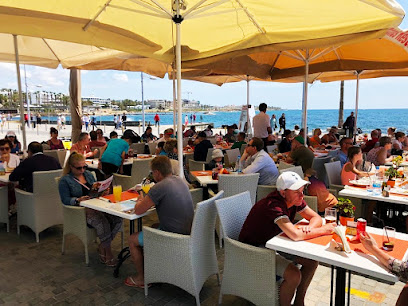
Experience exquisite flavors at Bacchus Restaurant Cafe in Paphos - where local charm meets culinary excellence.
Minas tavern
0.5 km
Discover Minas Tavern in Paphos for an authentic taste of Cyprus with traditional dishes served in a warm and inviting atmosphere.
Markets, malls and hidden boutiques

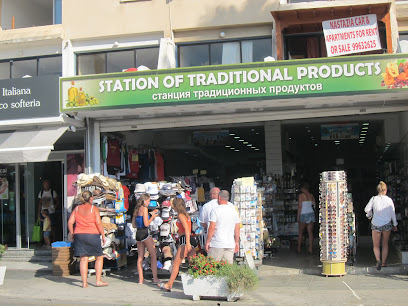
Station of Traditional Products & Gifts.
0.3 km
Explore a charming gift shop in Paphos, offering unique traditional products, souvenirs, hats, sunglasses, and swimwear for every traveler.
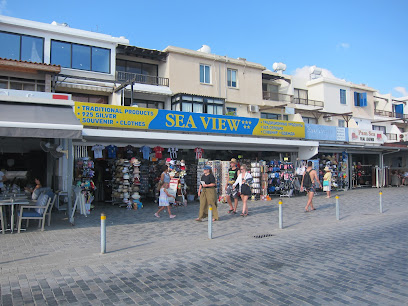
Sea View Souvenir & Gift Shop.
0.3 km
Explore the Sea View Souvenir & Gift Shop in Paphos for unique gifts, local crafts, and beach essentials while enjoying stunning coastal views.
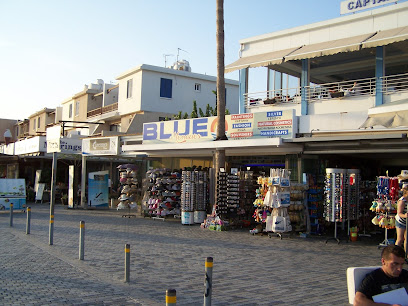
BLUE Memories
0.3 km
Explore BLUE Memories in Paphos for unique souvenirs and authentic Cypriot treasures that capture the spirit of your travels.
BorsaBella
0.4 km
Discover BorsaBella in Paphos, a chic boutique offering stylish clothing, handbags, and accessories for the fashion-savvy traveler.
April Shop
0.4 km
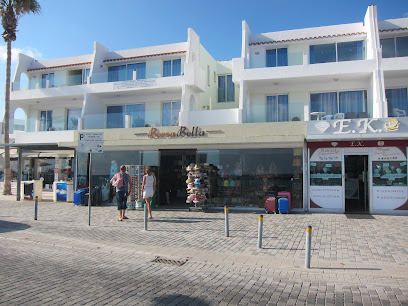
Explore April Shop in Paphos for stylish beachwear, chic accessories, and unique finds that embody the spirit of Mediterranean fashion.
Neldi Art Gallery
0.4 km
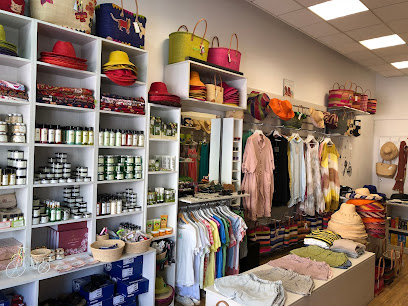
Explore Neldi Art Gallery in Paphos, Cyprus – a treasure trove of unique handicrafts and wedding souvenirs showcasing local artistry and culture.
Have A Look Souvenir & Gift Shop.
0.4 km
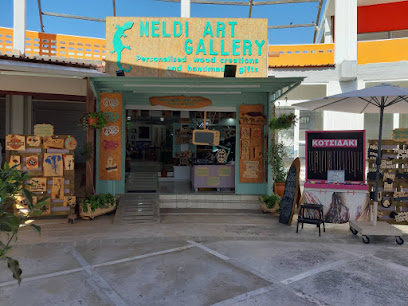
Explore Have A Look Souvenir & Gift Shop in Paphos for unique gifts, clothing, and swimwear that capture the spirit of Cyprus.
Papantoniou Supermarket Kato Paphos
0.4 km
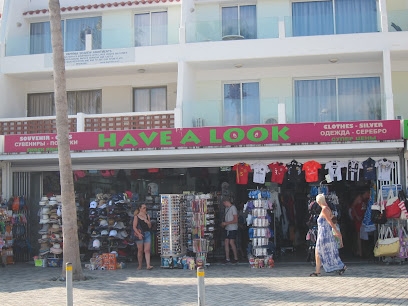
Discover the flavors of Cyprus at Papantoniou Supermarket, your one-stop destination for fresh produce, local treats, and a vibrant shopping experience.
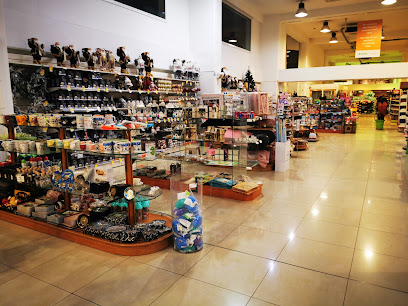
More4Less
0.4 km
Explore More4Less in Paphos for unique souvenirs and local treasures that capture the spirit of Cyprus.
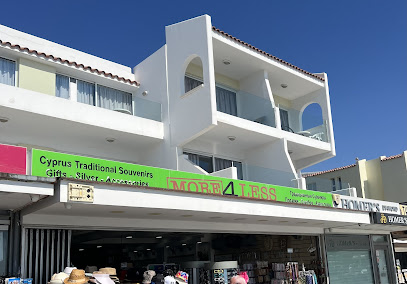
Aphrodite's Secret
0.5 km
Discover the rich flavors of Cyprus at Aphrodite's Secret, a delightful nut store in Paphos offering a wide selection of high-quality nuts and snacks.
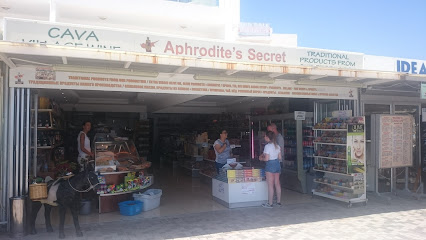
Antoniou & Kyriacou
0.5 km
Explore Antoniou & Kyriacou in Paphos for unique gifts and local crafts that capture the essence of Cyprus.
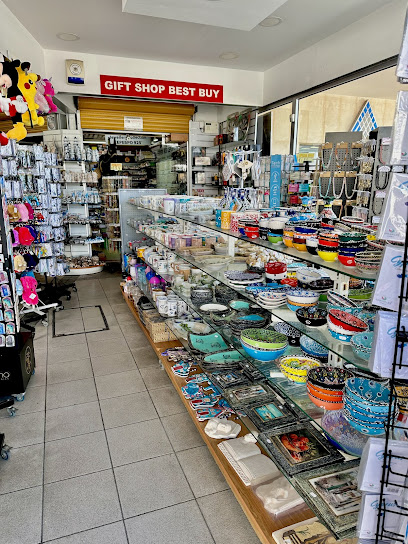
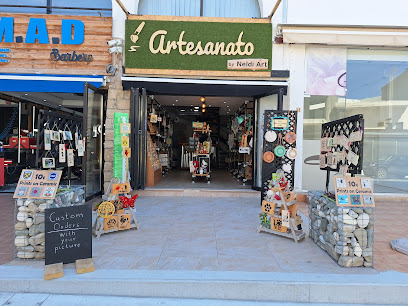
Artesanato
0.5 km
Explore Artesanato in Paphos for unique handicrafts and authentic wedding souvenirs that capture the essence of Cyprus.
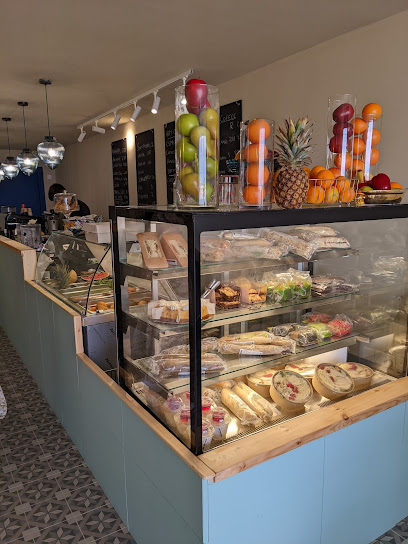
Natural Choice Cyprus
0.6 km
Explore the charm of Kato Paphos at Natural Choice Cyprus, your destination for unique gifts and local treasures that capture the essence of Cyprus.

The Coffee Alchemist
0.6 km
Discover exceptional coffee and unique souvenirs at The Coffee Alchemist in Paphos, where local artistry meets delightful flavors.
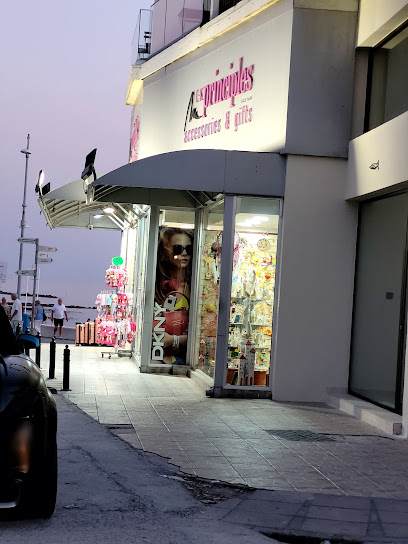
L&K Principles Accessories & Gifts
0.6 km
Explore L&K Principles Accessories & Gifts in Paphos for unique souvenirs and local craftsmanship that captures the spirit of Cyprus.
Essential bars & hidden hideouts

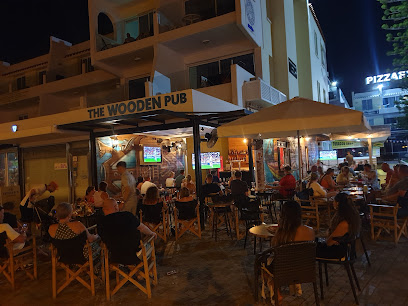
The Wooden Pub
0.5 km
Experience the charm of The Wooden Pub in Paphos, where refreshing drinks meet a cozy atmosphere and local culture thrives.
The Rose Pub
0.6 km
Discover the vibrant atmosphere of The Rose Pub in Paphos, where delicious food and local culture come together for an unforgettable experience.
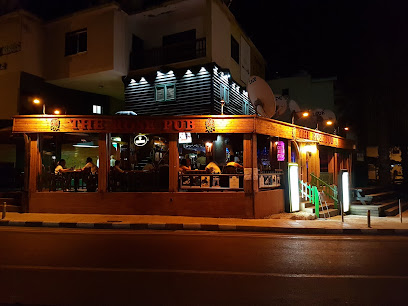
The Bottle Bank Pub Cafe
0.6 km
Discover the vibrant nightlife at The Bottle Bank Pub Cafe in Paphos, a local favorite for drinks, live music, and a friendly atmosphere.
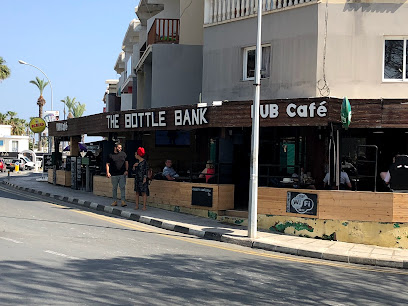
Buzz Bar
0.7 km
Discover Buzz Bar in Paphos, Cyprus - the lively cocktail bar where unforgettable nights and creative drinks await you.
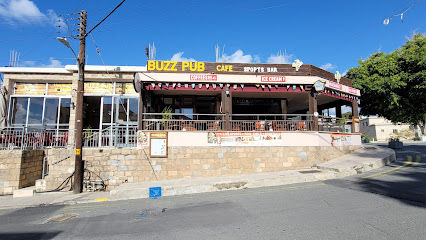
Alea Allday Lifestyle
0.7 km
Experience Paphos at Alea Allday Lifestyle – a cocktail haven blending relaxation, nightlife, and Mediterranean charm.
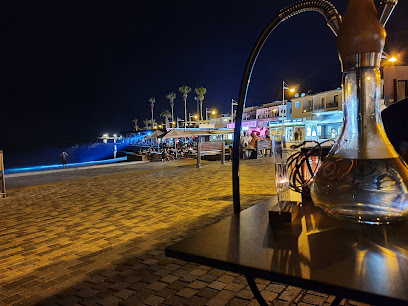
Aces Bar
0.7 km
Experience the thrill of sports at Aces Bar in Paphos, a premier destination for fans and food lovers alike with a vibrant atmosphere and great food.
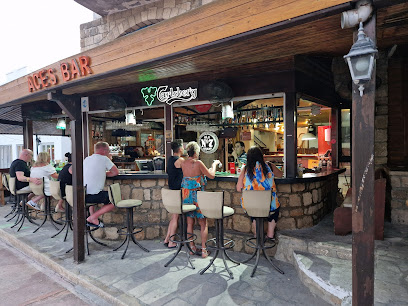
Waterhole Bar
0.7 km
Discover the lively Waterhole Bar in Paphos, where refreshing drinks and a vibrant atmosphere create unforgettable memories in Cyprus.
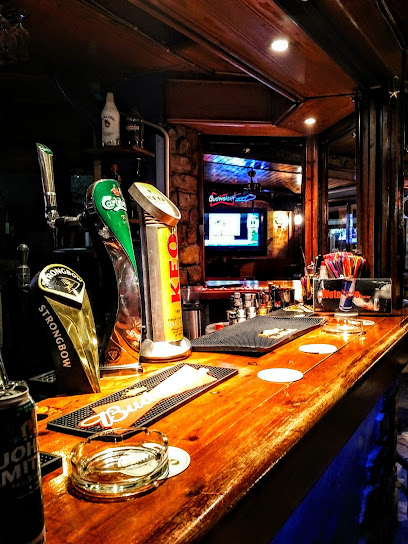
Different Bar
0.7 km
Discover the vibrant nightlife at Different Bar in Paphos—a welcoming gay bar with affordable drinks and lively entertainment.
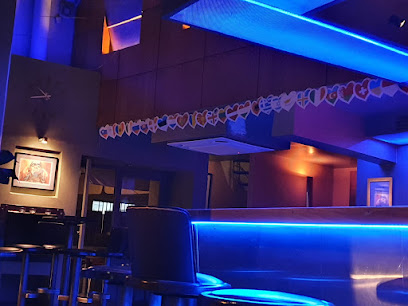
Flintstones
0.7 km
Flintstones Bar in Paphos: A unique nightlife experience with friendly service and a vibrant atmosphere inspired by your favorite cartoon.
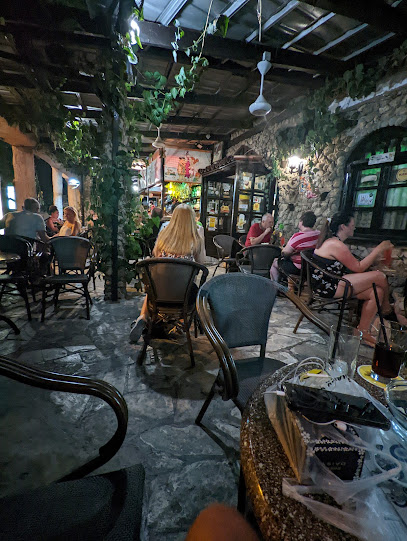
Baywatch
0.8 km
Experience the vibrant nightlife at Baywatch, Paphos' favorite bar for cocktails, music, and good times in a lively atmosphere.
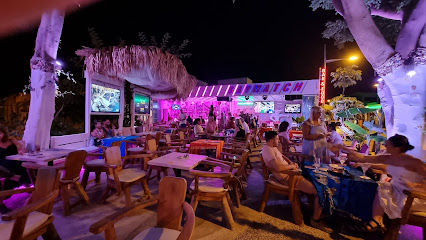
Friends Resto Bar
0.8 km
Discover the vibrant atmosphere and delicious menu at Friends Resto Bar in Paphos, Cyprus—where culinary delights meet local nightlife.
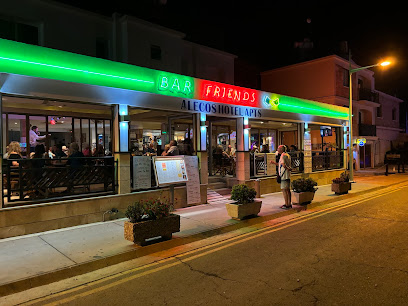
Robin Hood Pub Paphos
0.8 km
Discover the lively atmosphere of Robin Hood Pub in Paphos, where local culture meets vibrant nightlife and delicious drinks await.
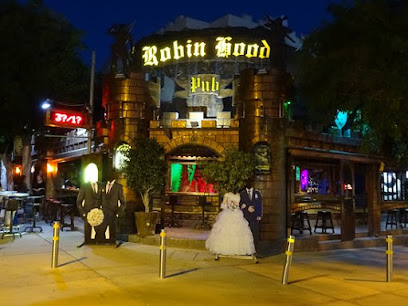
Red Lion Bar
0.8 km
Discover the lively ambiance of Red Lion Bar in Paphos, Cyprus – a perfect spot for drinks, entertainment, and making new friends.
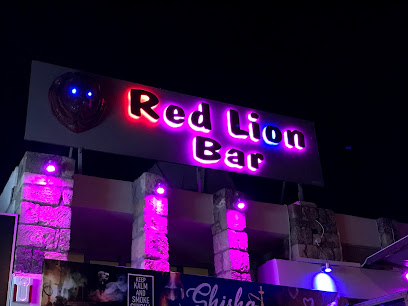
The Meeting Pub
0.8 km
Experience the friendly ambiance and local flavors at The Meeting Pub in Paphos, where every visit feels like coming home.
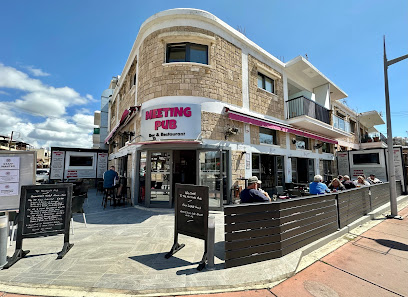
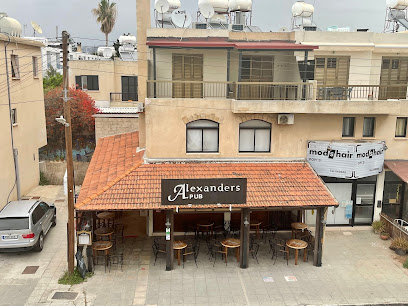
Alexanders Sports Bar
0.9 km
Discover Alexanders Sports Bar in Paphos: a lively destination for sports fans and food lovers, offering great atmosphere and local cuisine.