
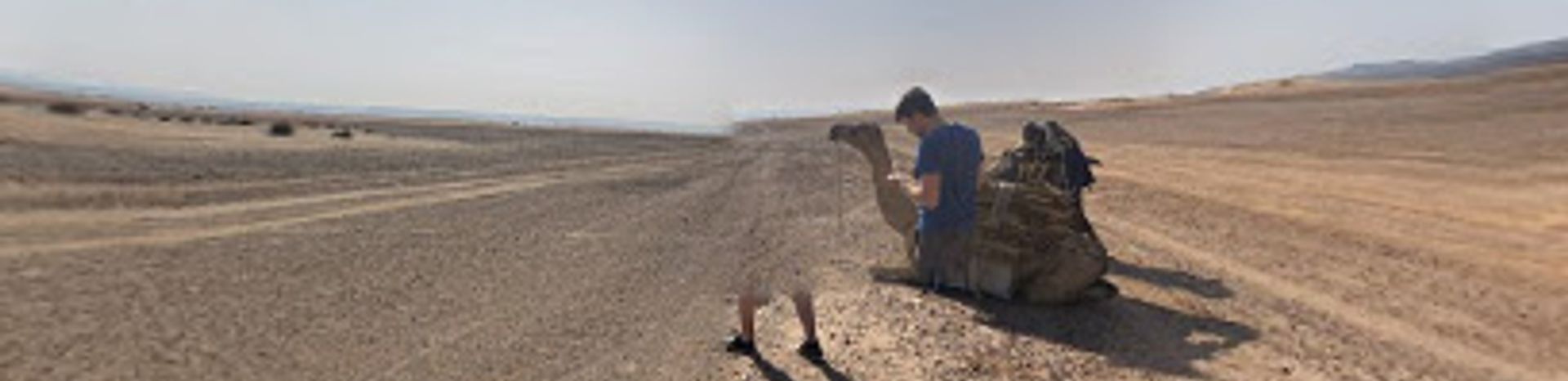
Asa Koma: Echoes of Neolithic Life
Unearth Neolithic secrets at Asa Koma, Djibouti, revealing early pastoral life and cultural connections in the Horn of Africa near Lake Abbe.
Explore Asa Koma, an archaeological site in Djibouti's Dikhil region, revealing insights into Neolithic pastoral life dating back to the 2nd millennium BC. Discover ancient pottery, evidence of early herding practices, and the importance of fishing in this unique cultural landscape near Lake Abbe.
A brief summary to Asa Koma
- 336F+2G5, دخيل, DJ
Local tips
- Visit early in the morning or late afternoon to avoid the heat and enjoy the best lighting for photography.
- Engage a local guide in Dikhil for a richer understanding of the site's history and significance.
- Bring plenty of water and snacks, as there are limited facilities nearby.
- Wear sturdy shoes suitable for walking on uneven terrain, as the site is located on a hillside.

Getting There
-
Public Transport
From Djibouti City, take a shared taxi or minibus to Dikhil for approximately 750 DJF. Upon arrival in Dikhil, negotiate a fare with a local taxi driver for the final leg to Asa Koma, roughly 5km away. Expect to pay around 500-1000 DJF for a round trip, depending on your bargaining skills. Confirm that the driver knows the exact location of the archaeological site.
-
Walking
If you are already in Dikhil and prefer to walk, Asa Koma is approximately a 20-30 minute walk from the central area of the town. Head southeast towards the coordinates 11.0600194, 42.0738517 and follow any local paths that lead to the site. Ask locals for directions if needed.
Discover more about Asa Koma
Iconic landmarks you can’t miss

Asa Koma
0.0 km
Explore Asa Koma, an archaeological gem in Dikhil, Djibouti, rich in Neolithic history and surrounded by breathtaking landscapes, offering a unique glimpse into early human settlements.
Handoga
19.4 km
Explore Handoga, a historical landmark in Dikhil, Djibouti, where rich heritage meets stunning architecture in a tranquil setting.
Boutique Adam Ebraahim
30.0 km
Experience a cozy coffee retreat at Boutique Adam Ebraahim in Dikhil, Djibouti, offering delightful brews and a welcoming atmosphere for travelers.
Place de Dikhil
32.7 km
Discover the captivating landscapes and rich culture of Dikhil with guided tours from Place de Dikhil, your gateway to Djibouti's hidden gems.

Dikhil
32.8 km
Discover Dikhil, Djibouti: a cultural hub and gateway to dramatic landscapes, from Lake Abbe to ancient rock art.
Djibouti dikhil
32.9 km
Explore Dikhil, Djibouti: A vibrant town offering beauty services and travel convenience, perfect for travelers seeking relaxation and adventure.
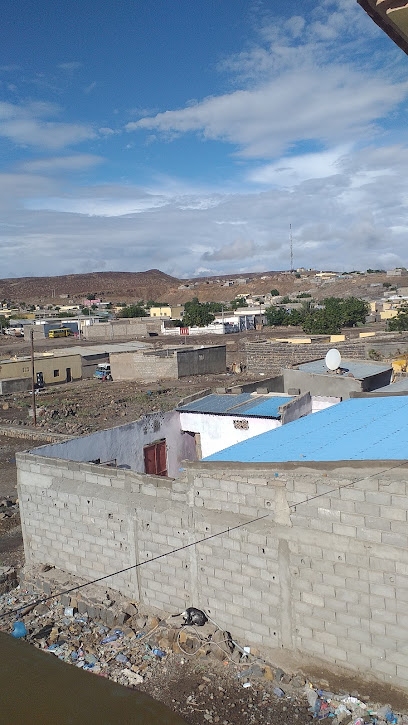
Lycee De Dikhil
33.5 km
Discover the educational legacy of Djibouti at Lycee De Dikhil, a cultural gem that reflects the region's commitment to learning and growth.
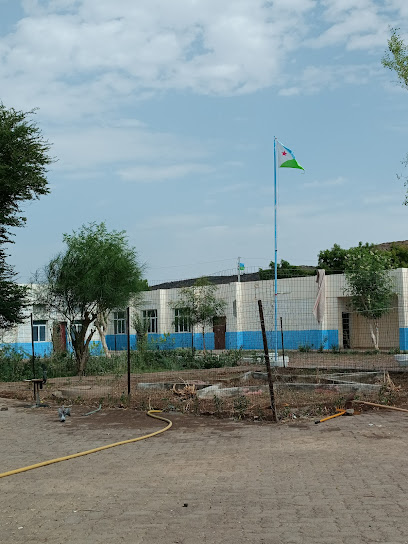
Godas
66.9 km
Discover the dramatic beauty of Godas Ravine in Djibouti's Goda Mountains: a hidden oasis of biodiversity, hiking trails, and tranquil escape from the arid landscape.
Hospital Dr. Absieh D'ali-Sabieh Al Qubaisi
68.6 km
Explore healthcare excellence at Hospital Dr. Absieh D'ali-Sabieh Al Qubaisi, a symbol of community wellness in Ali Sabieh, Djibouti.
Ali Sabieh Old Stadium
69.9 km
Discover the vibrant spirit of local culture at Ali Sabieh Old Stadium, where community and sports unite in a historic venue.
Buggud essie afar hero
70.1 km
Experience the serene beauty of Buggud essie afar hero, a tranquil recreation center in Sabieh perfect for relaxation and outdoor activities.
Cimetière d'Ali sabieh
70.4 km
Explore the tranquil Cimetiere d'Ali Sabieh in Djibouti, a cemetery rich in history and cultural significance, perfect for reflection and understanding.
Ali Sabieh Bus Station
70.5 km
Experience the vibrant atmosphere of Ali Sabieh Bus Station, the gateway to exploring the stunning landscapes and rich culture of Djibouti.
Buurta Calanka — Montagne de l'Emblème
70.7 km
Explore Buurta Calanka — Montagne de l'Emblème, a historical landmark in Djibouti offering breathtaking views and rich cultural heritage.
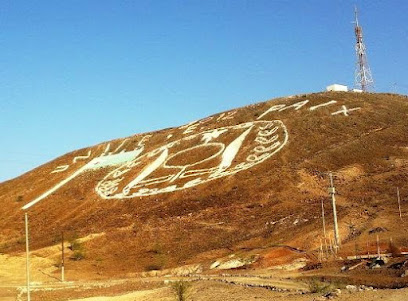
Ali-Sabieh Airport
70.9 km
Experience the charm of Ali-Sabieh Airport, your entry point to the breathtaking landscapes and rich culture of Djibouti.
Unmissable attractions to see

Grand Bara
61.6 km
Experience the tranquility of Grand Bara, Djibouti's stunning desert landscape with breathtaking views and unique flora and fauna.
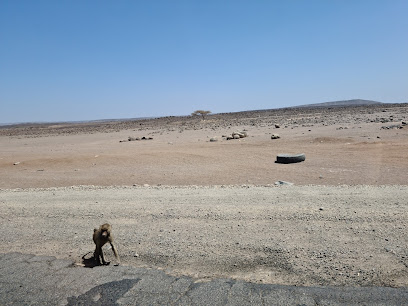
Cheick Farah Matan
67.6 km
Explore the captivating beauty and rich culture of Cheick Farah Matan, a must-see tourist attraction in Dewele, Ethiopia.
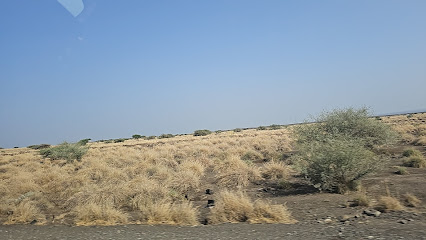
Belvedere sul canyon
68.8 km
Explore the breathtaking vistas of Belvedere sul Canyon, a natural marvel in Djibouti offering unforgettable views and unique geological wonders.
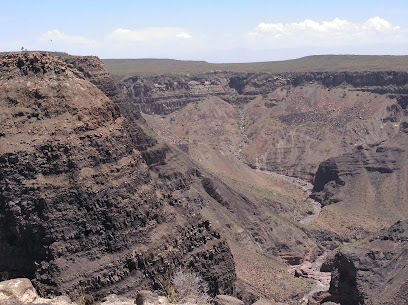
Ali Sabieh Mountain
70.7 km
Discover the breathtaking beauty of Ali Sabieh Mountain, a natural wonder in Djibouti that offers stunning views and rich biodiversity.
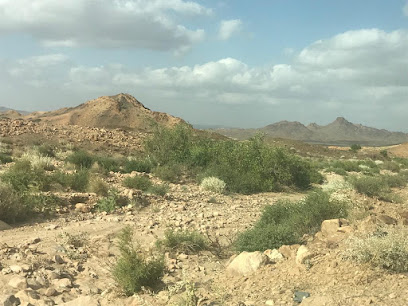
Shark Pit
75.3 km
Experience the thrill of diving with sharks in the stunning Shark Pit at Lac du Goubet, a natural wonder for adventure seekers and marine life enthusiasts.
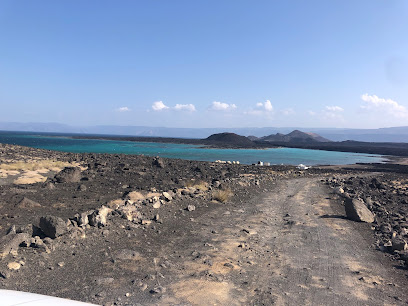
Lac 'Assal
76.4 km
Explore Lac 'Assal: Africa's lowest point, a stunning salt lake surrounded by breathtaking volcanic landscapes and unique wildlife.
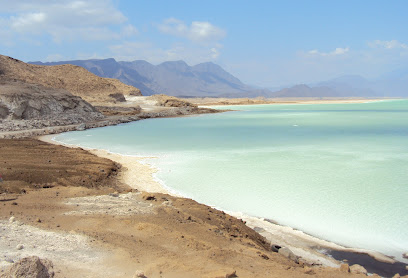
The memorial of two Japanese, Arta, Djibouti
77.0 km
Explore the Memorial of Two Japanese in Arta, Djibouti—a serene tribute to peace and friendship among nations.
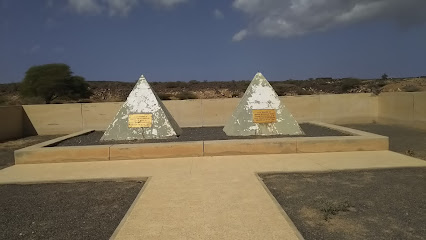
Ghoubbet-el-Kharab
77.6 km
Explore the breathtaking beauty of Ghoubbet-el-Kharab, a serene lagoon in Djibouti, perfect for diving, snorkeling, and tranquil beach days.
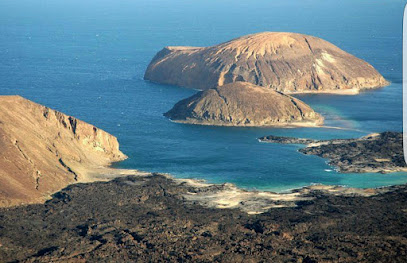
Vélo Rails d'Ali LIAQUAT
81.9 km
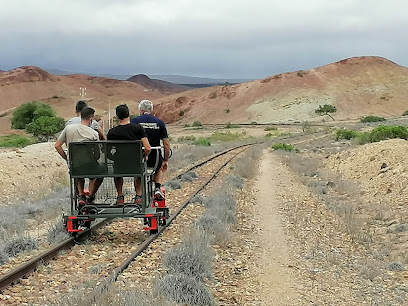
Explore the stunning landscapes of Dasbyio at Vélos Rails d'Ali LIAQUAT, a unique pedal-powered railway adventure perfect for all ages.
Danakil Desert
92.3 km
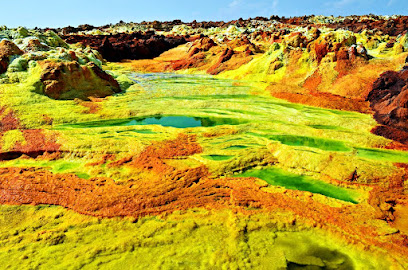
Discover the extraordinary landscapes and unique geothermal wonders of the Danakil Desert, one of Earth's most extreme and beautiful destinations.
Great Rift Valley
94.8 km
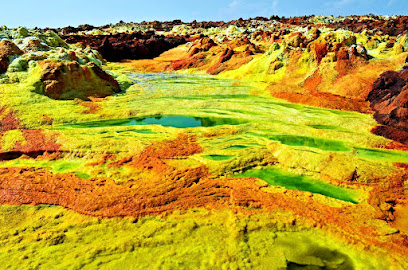
Discover the breathtaking landscapes, rich wildlife, and vibrant cultures of the Great Rift Valley, a natural wonder spanning East Africa.
Kaleidoscope Culvert
96.2 km
Experience the vibrant beauty of Kaleidoscope Culvert, a mesmerizing tourist attraction in Sagallo that combines art and nature for a captivating adventure.
Parc Ou Est Mon Camarade
99.0 km
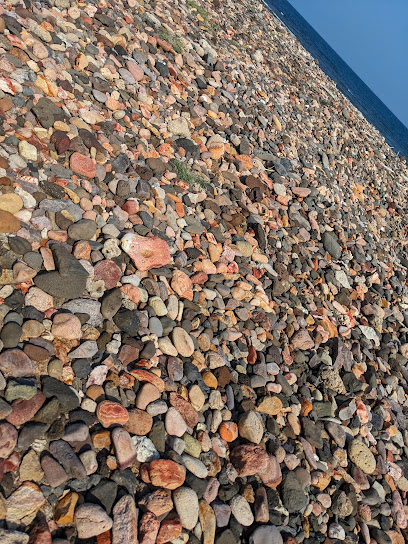
Explore the serene landscapes and unique wildlife at Parc Ou Est Mon Camarade, a must-visit ecological park in Arta, Djibouti.
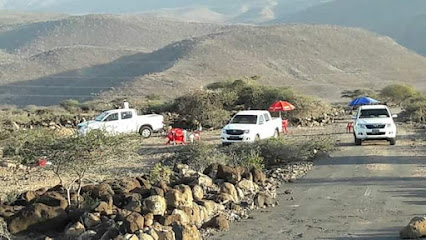
Essential places to dine

Lucy Restaurant
31.1 km
Experience exquisite dining at Lucy Restaurant in Dikhil, where local flavors and global cuisine come together in perfect harmony.
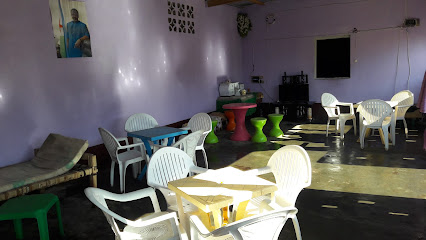
Boutique okar abdillahi Saïd
32.7 km
Experience authentic Djiboutian cuisine with a modern twist at Boutique Okar Abdillahi Saïd in Dikhil.
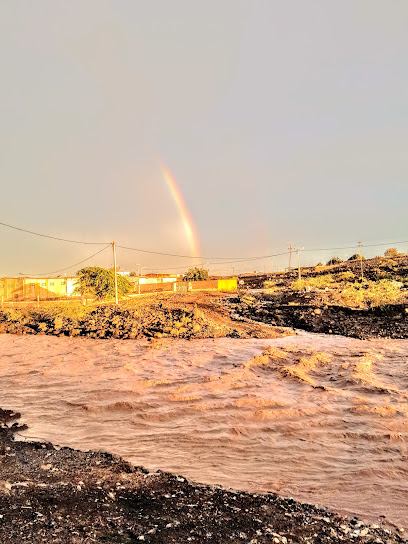
Okareh Boys Band Ethio Fast Food
32.8 km
Savor the essence of Ethiopia at Okareh Boys Band Ethio Fast Food in Dikhil - where every dish tells a story.
Restaurant Fatouma Moussa
69.2 km
Experience authentic Djiboutian flavors at Restaurant Fatouma Moussa – a must-visit culinary destination for tourists in Djibouti.
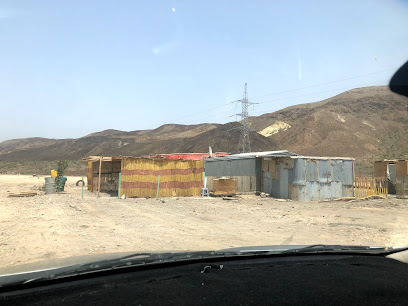
Cheer Kadra
69.9 km
Discover Cheer Kadra: A Steamed Bun Shop in Ali Sabieh Offering Authentic Flavors and Local Culture.
Restaurant
98.9 km
Experience authentic flavors and warm hospitality at this must-visit restaurant in We'a.
Prive
99.0 km
Discover the vibrant flavors of vegetarian cuisine at Prive in Arta – where health meets deliciousness.
Markets, malls and hidden boutiques

Boutique TP-OKAR
31.7 km
Boutique TP-OKAR: Experience the heart of Dikhil through unique crafts and authentic local products.
Quarter tp
31.9 km
Explore Dikhil's premier hardware store, Quarter tp, where quality tools and local craftsmanship meet for all your DIY needs.
Abdillahi Saïd boutique
32.4 km
Experience the vibrant art scene of Djibouti at Abdillahi Saïd Boutique, where local culture comes alive through stunning posters.
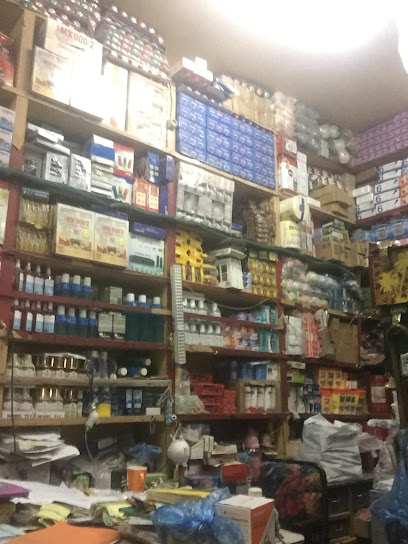
Giga-depot
32.7 km
Discover the vibrant Giga-depot in Dikhil for an unforgettable shopping experience filled with local culture and delicious cuisine.
Samosamata
32.8 km
Explore the unique custom confiscated goods at Samosamata in Dikhil, where each item tells a story of adventure and culture.
Med carni
32.8 km
Explore Med Carni in Dikhil for the latest in technology and expert computer services, a must-visit for tech enthusiasts and casual users alike.
Boutique Ado
32.8 km
Shop at Boutique Ado in Dikhil for unique clothing that reflects Djibouti's vibrant culture and style.
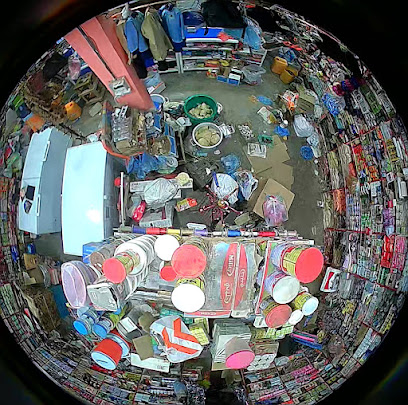
Charmarkeh Houssein Liban
32.8 km
Explore the unique gun culture at Charmarkeh Houssein Liban in Dikhil, offering a range of firearms and cultural insights for enthusiasts and tourists alike.
Boutique de cheikh Osman
32.8 km
Discover unique posters at Boutique de cheikh Osman, a treasure trove reflecting Djibouti's vibrant culture and artistry, perfect for souvenirs.
Parking de karni
32.8 km
Discover the vibrant local culture at Parking de Karni, a unique store in Dikhil offering handcrafted souvenirs and local delicacies.
Magasin de med karni loubak
32.8 km
Discover the charm of local craftsmanship at Magasin de med karni loubak in Dikhil, where every item reflects the culture and beauty of Djibouti.
Boutique Ibrahim Moussa
32.8 km
Explore the charm of Boutique Ibrahim Moussa in Dikhil, showcasing authentic Djiboutian crafts and unique souvenirs for every traveler.
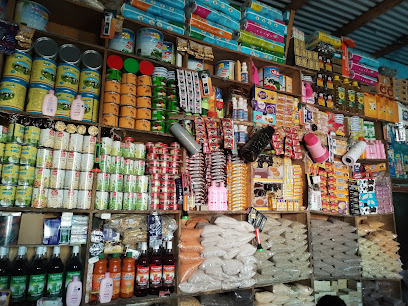
Cher OSMAN
32.8 km
Discover unique posters at Cher OSMAN in Dikhil, showcasing the vibrant culture and art of Djibouti. A must-visit for art lovers!
Centre ville de dikhil
32.9 km
Explore the lively Centre Ville de Dikhil, where shopping, local cuisine, and vibrant culture blend seamlessly in the heart of the city.
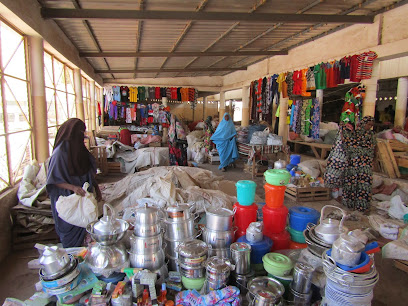
boutique Hassan miin
32.9 km
Explore Boutique Hassan Miin in Dikhil, a vibrant shopping mall blending local culture with modern retail and dining experiences.
Essential bars & hidden hideouts

Bar Cafetería Neñoland
70.3 km
Experience the warmth of Ali Sabieh at Bar Cafetería Neñoland, your cozy retreat for drinks and relaxation in Djibouti.
ሙሉ ሽሮ ቤት
89.5 km
Discover the vibrant atmosphere and rich Ethiopian culture at ሙሉ ሽሮ ቤት, where every drink tells a story.
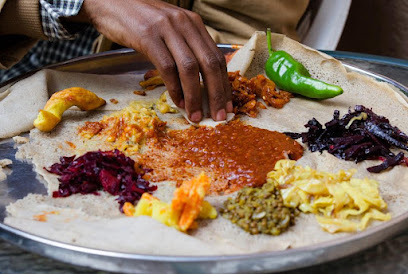
Beauty Bar djibouti
99.0 km
Explore the best beauty supplies in Arta, Djibouti at Beauty Bar – Your gateway to local and international beauty products.


