Temple of Apollo Epicurius: A Masterpiece in the Arcadian Mountains
Discover the Temple of Apollo Epicurius, a remarkably preserved ancient Greek marvel in the mountains of the Peloponnese.
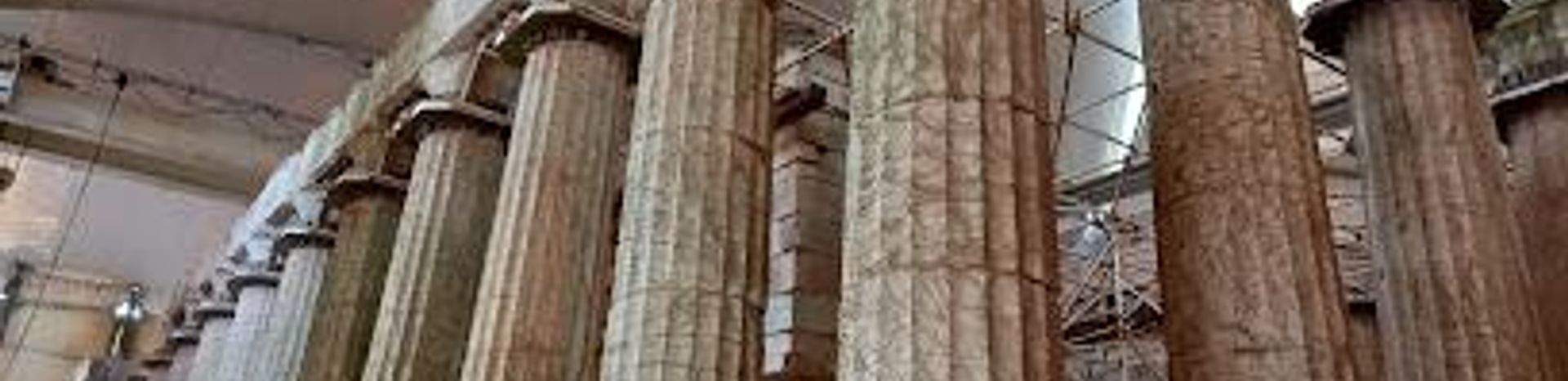
The Temple of Apollo Epicurius, located near Bassae, is a remarkably well-preserved ancient Greek temple dating back to the 5th century BC. Dedicated to Apollo the helper, it stands high in the Arcadian Mountains and is celebrated for its unique architectural features, including a blend of Doric, Ionic, and Corinthian styles.
A brief summary to Temple of Apollo Epicurius at Bassae of Phigaleia
- Figaleia, 270 61, GR
- +302626022275
- Visit website
Local tips
- Wear comfortable shoes as there is some walking involved on uneven ground.
- Bring water and snacks, as there are no food or drink services available at the site.
- Visit early in the morning or late in the afternoon to avoid crowds and experience a more serene atmosphere.
- Check the weather forecast before your visit, as the mountain location can be cooler and subject to changing conditions.

Getting There
-
Driving
The Temple of Apollo Epicurius is most easily reached by car. From Athens, the drive is approximately 3 hours. From Olympia or Kalamata, the drive is around 1.5 hours. The site is located off the road EO Andritsenas Epikouriou Apollona, 13 kilometers (8 miles) south of Andritsaina village. There is a spacious parking area available free of charge.
Discover more about Temple of Apollo Epicurius at Bassae of Phigaleia
Iconic landmarks you can’t miss

South Stoa
33.1 km
Explore the rich history and stunning architecture of South Stoa in Archaia Olympia, a must-visit historical landmark in Greece.
Altar of Zeus
33.2 km
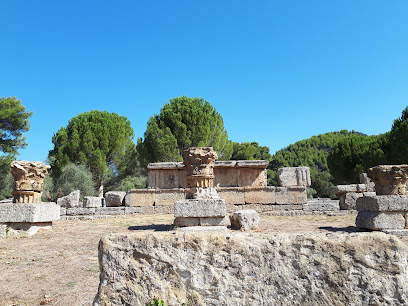
Discover the Altar of Zeus, a historical landmark in Ancient Olympia that showcases the grandeur of ancient Greek culture and the origins of the Olympic Games.
Metroon
33.2 km
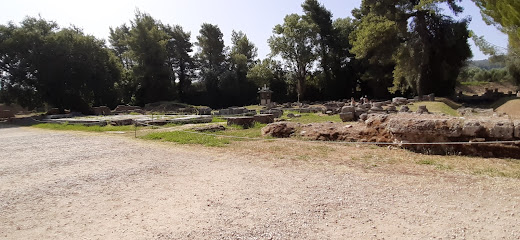
Unveil the ancient wonders of Metroon in Archaia Olympia, a historical landmark that captures the essence of Greece's rich cultural heritage.
Treasures of Olympia
33.2 km
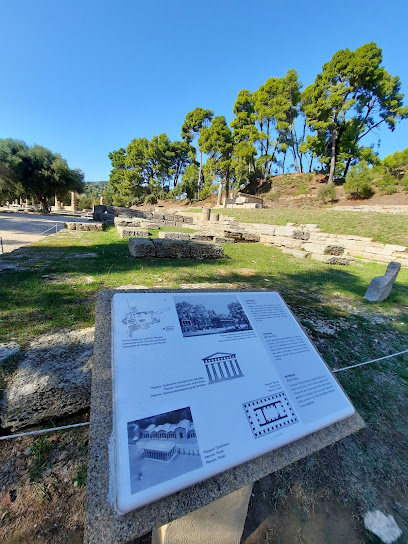
Explore the Treasures of Olympia, the birthplace of the Olympic Games, where history, culture, and ancient traditions come alive in Greece.
Sikyonian Treasury
33.2 km
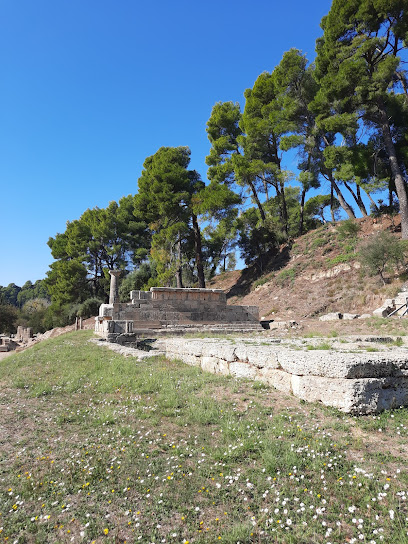
Discover the Sikyonian Treasury, a historical gem in Archaia Olympia showcasing ancient Greek artistry and architectural brilliance.
Altar of Hera
33.2 km
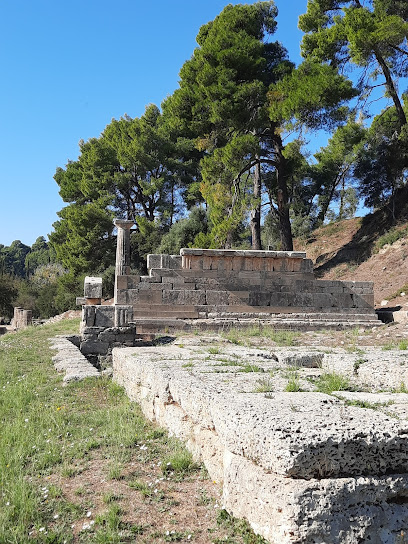
Discover the Altar of Hera in Olympia, Greece – a monumental site where history and mythology converge, celebrating the birthplace of the Olympic spirit.
Ancient Olympia Parking Lot
33.8 km
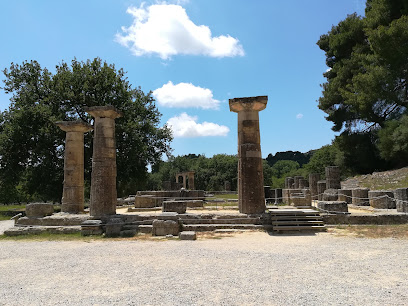
Discover the historic heart of Greece at Ancient Olympia Parking Lot, your gateway to the birthplace of the Olympic Games.
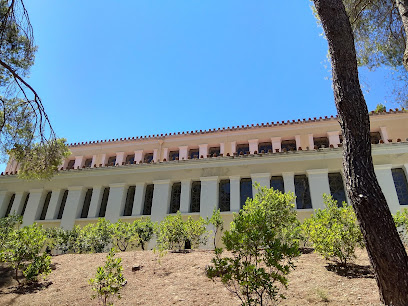
Statue of Zeus at Olympia
34.0 km
Explore the awe-inspiring Statue of Zeus at Olympia, a masterpiece of ancient Greek art and a UNESCO World Heritage Site, steeped in history and mythology.
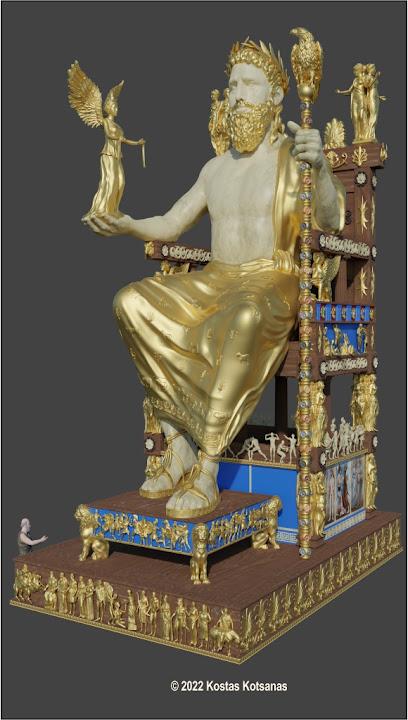
Ιερό της Λιμνάτιδος Αρτέμιδος(Βόλυμνος)
42.8 km
Discover the Ancient Artaemon Fortress in Kalamata, a historical landmark that offers stunning views and a glimpse into Greece's rich heritage.
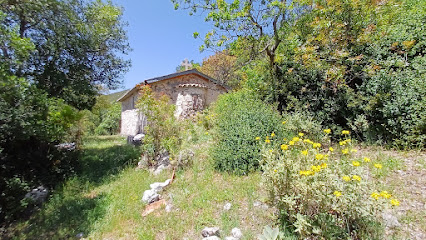
Historical and Folklore Museum of Kalamata
46.9 km
Explore Kalamata's heritage: Discover artifacts, traditions, and stories at the Historical and Folklore Museum.
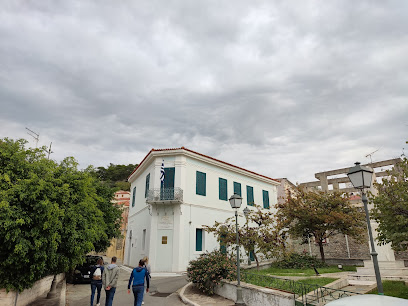
Kalamata's Castle
46.9 km
Explore Kalamata's medieval castle: a historic fortress offering panoramic views and a glimpse into the city's rich past.
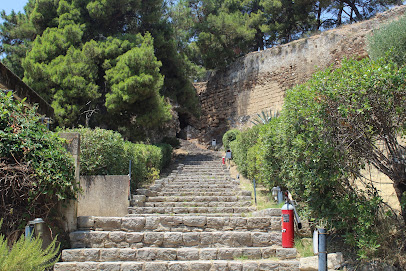
Πλατεία Αγίων Αποστόλων
46.9 km
Discover Kalamata's historic heart at Agioi Apostoloi Square, where the Greek Revolution was declared and Byzantine architecture captivates.
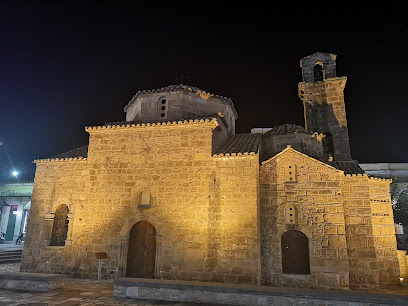
Archaeological Museum of Messinia
46.9 km
Discover Messenia's ancient past at the Archaeological Museum of Messinia, showcasing artifacts from the Bronze Age to the Byzantine era in Kalamata.
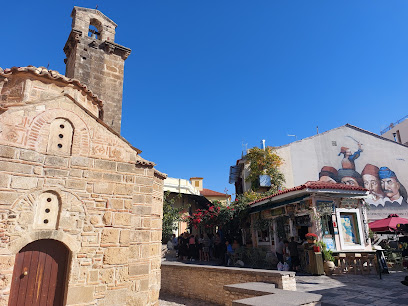
The Metropolitan church of Ypapanti- Kalamata
46.9 km
Discover the Metropolitan Church of Ypapanti in Kalamata: A stunning cathedral with Byzantine architecture, rich history, and spiritual significance.
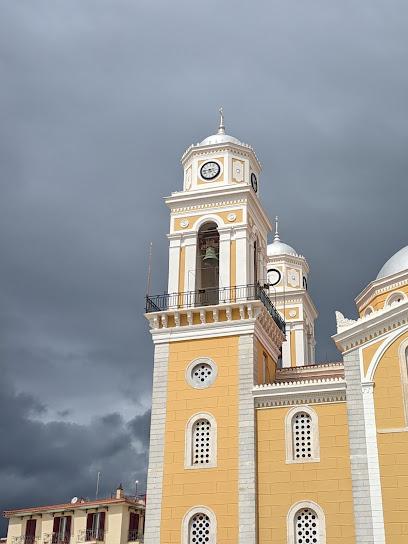
Pl. Ipapantis
47.0 km
Experience the vibrant heart of Kalamata at Pl. Ipapantis, where history, culture, and modern life converge in a bustling town square.

Unmissable attractions to see

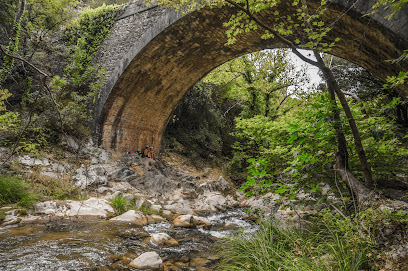
Stone Bridge of Neda River
4.7 km
Discover the enchanting Stone Bridge of Neda River in Greece, where history meets nature in a breathtaking landscape.
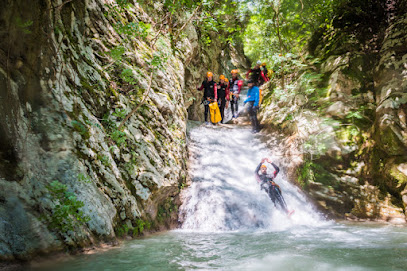
Explore Messinia - Canyoning Neda waterfalls
7.7 km
Explore the breathtaking Neda Waterfalls in Messinia for an unforgettable outdoor adventure filled with canyoning, stunning scenery, and natural beauty.
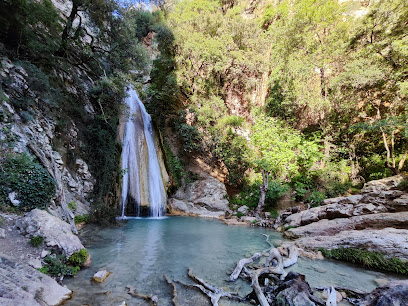
Neda Waterfalls
7.9 km
Discover the enchanting beauty of Neda Waterfalls in Phigalia, Greece, where nature meets tranquility in a stunning landscape.
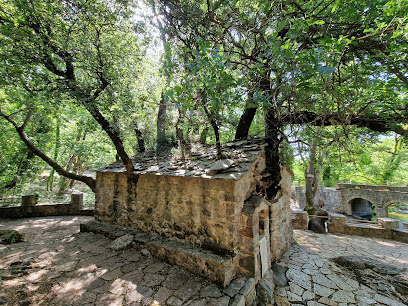
Church of Agia Theodora
11.0 km
Discover the beauty and tranquility of the Church of Agia Theodora, a stunning Greek Orthodox gem in the heart of Dasochori.
Aulṓnas
11.2 km
Explore the serene beauty and cultural richness of Aulónas, a hidden gem in Messinia, Greece, perfect for a tranquil getaway.
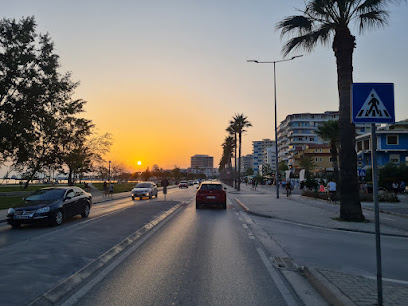
Trekking Hellas Rafting Base
14.6 km
Discover the thrill of white-water rafting at Trekking Hellas Rafting Base, where adventure meets stunning natural beauty in Greece.

Ancient Gortys
17.7 km
Uncover the ancient wonders of Gortys, a captivating open-air museum steeped in history and natural beauty in Crete, Greece.
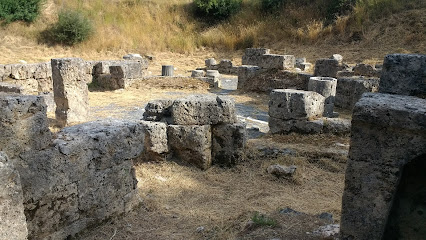
Lousios Gorge Hiking
17.8 km
Discover the breathtaking beauty and rich history of Lousios Gorge, a premier hiking destination in Gortynia Municipality, Greece.
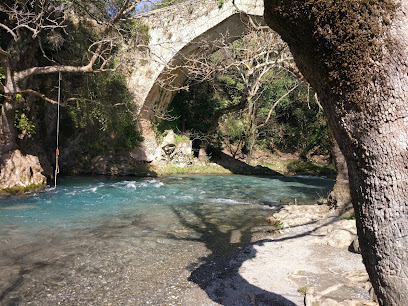
Moni Timiou Prodromou / Monastery of St John the Baptist
18.9 km
Discover the serene beauty and rich history of Moni Timiou Prodromou, a must-visit monastery in Tripoli, Greece, perfect for spiritual seekers and culture enthusiasts.
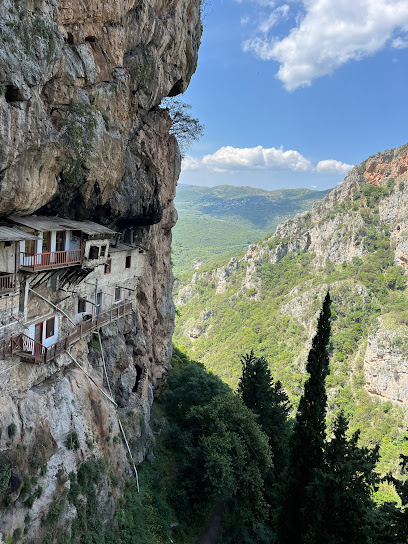
Holy Monastery of Saint John the Forerunner
18.9 km
Explore the Holy Monastery of Saint John the Forerunner in Tripoli, a tranquil retreat blending spirituality with beautiful architecture.
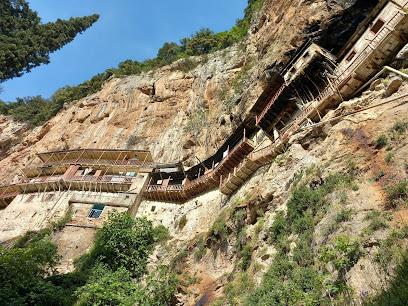
Archaeological Site of Megalopolis
20.1 km
Explore the Archaeological Site of Megalopolis, a historical landmark showcasing the rich heritage of ancient Greece amidst serene landscapes.
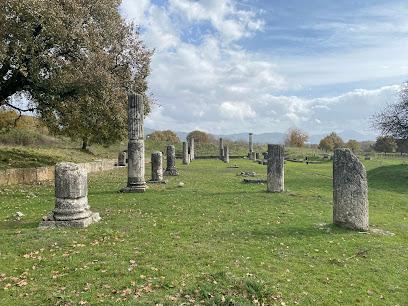
Ancient Theater of Megalopolis
20.2 km
Explore the Ancient Theater of Megalopolis, one of Greece's largest theaters, steeped in history and located in breathtaking Peloponnese landscapes.
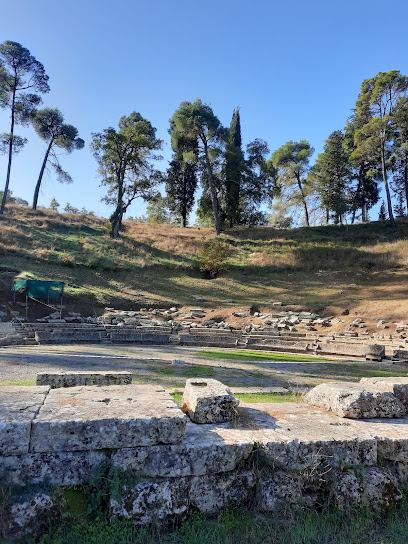
Lousios paths
20.3 km
Discover the breathtaking beauty and rich history of the Lousios Paths in Dimitsana, Greece, a hiker's paradise for nature lovers.
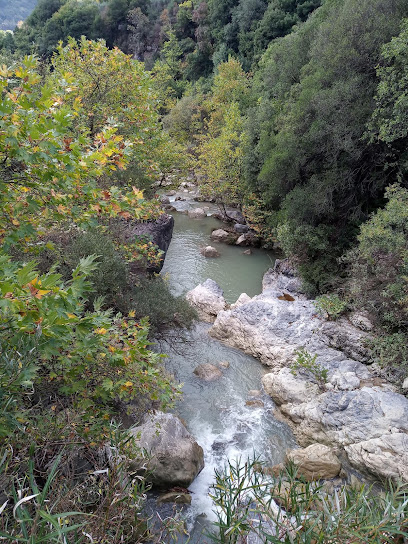
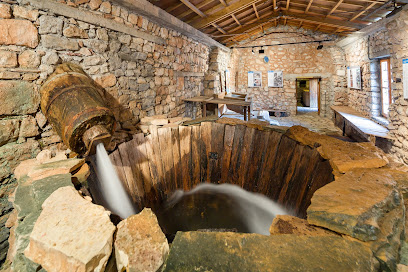
Open air Hydrokinesis (water power) Museum
21.4 km
Discover the fascinating world of water power at the Open Air Hydrokinesis Museum in Dimitsana, Greece—a unique heritage museum perfect for all ages.
Peristerias Archaeological Site
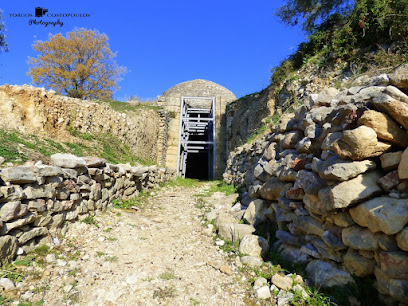
22.2 km
Explore the Peristerias Archaeological Site: A captivating journey through Greece's rich history and archaeological wonders.
Essential places to dine

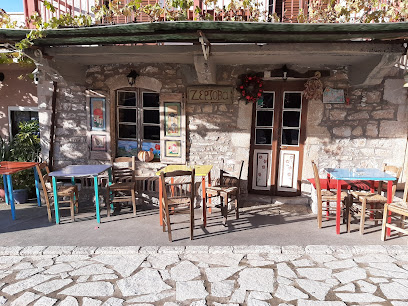
Zérzoba
18.7 km
Experience authentic Greek cuisine at Zérzoba in Gortynia – a culinary delight blending tradition with modern flair.
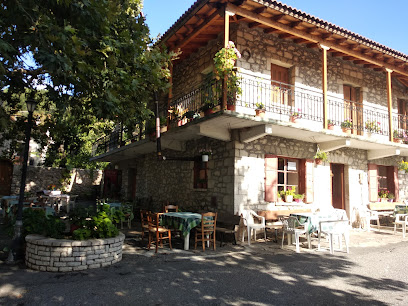
Zigovistino Steki
23.0 km
Experience the heart of Greek cuisine at Zigovistino Steki in Zygovisti - where every meal is a celebration of flavor and tradition.
Βάκχος Ταβέρνα -Bacchus tavern
32.4 km
Experience authentic Greek cuisine at Bacchus Tavern in Ancient Pisa - where history meets flavor.
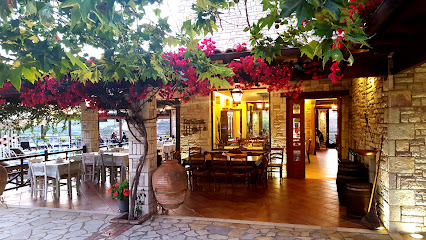
Αμβροσία - Ambrosia Garden
33.9 km
Experience authentic Greek cuisine amidst lush gardens in Ancient Olympia at Ambrosia Garden - where history meets culinary delight.
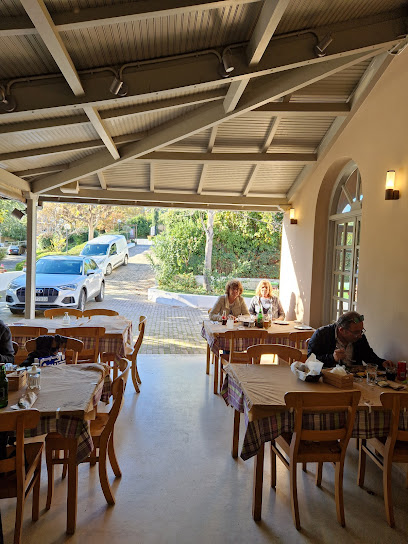
ΘΕΪΚΟΝ Cook bar
33.9 km
Discover the culinary delights at ΘΕΪΚΟΝ Cook Bar in Archaia Olympia—where delicious barbecue meets friendly service.
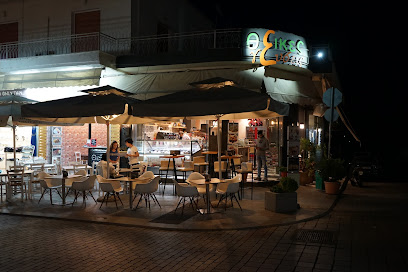
Mythos, Family Grill Tavern
33.9 km
Experience authentic Greek flavors at Mythos Family Grill Tavern in Archea Olympia – where tradition meets taste.
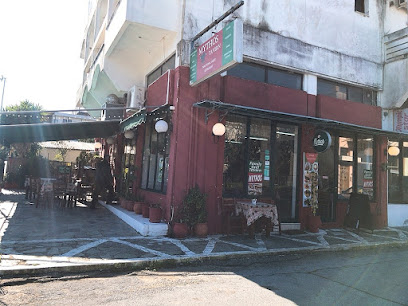
Symposio tavern
33.9 km
Experience authentic Greek cuisine at Symposio Tavern in Ancient Olympia - a culinary haven steeped in history and tradition.
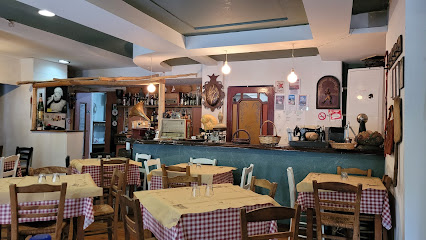
Panas
33.9 km
Discover authentic Greek cuisine at Panas in Piana - renowned for its delicious lamb chops and warm hospitality.
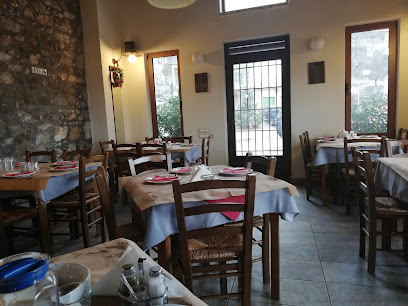
ΔΗΜΗΤΡΑ restaurant & wine
33.9 km
Discover authentic Greek flavors at ΔΗΜΗΤΡΑ restaurant & wine in Archaia Olympia—where tradition meets culinary innovation.
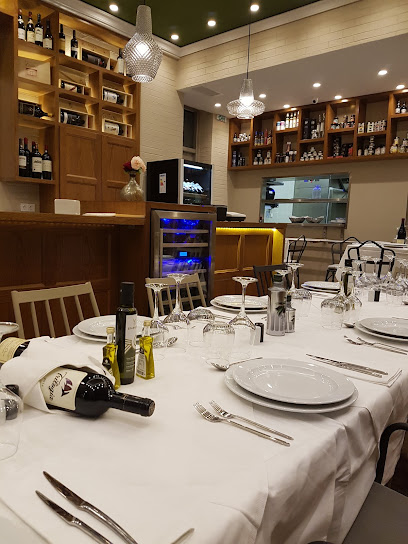
Rodo Cafe
34.0 km
Discover delightful flavors at Rodo Cafe in Ancient Olympia - where culinary tradition meets modern comfort.
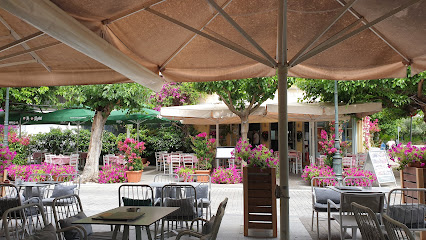
Ariston
34.0 km
Experience authentic Greek barbecue at Ariston in Archaia Olympia – where tradition meets flavor in every dish.
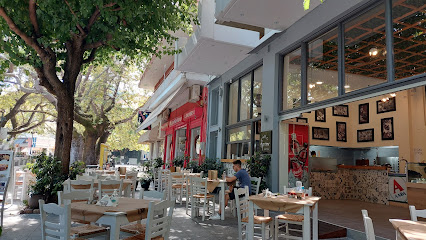
cafe top's
34.0 km
Discover authentic Greek flavors at Café Top's in Archaia Olympia – a perfect blend of tradition and hospitality.
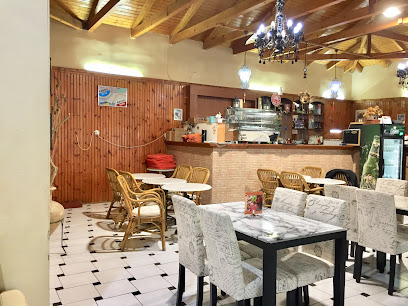
Πολύγευστον Authentic Greek Street Food
34.0 km
Experience authentic Greek street food at Πολύγευστον in Ancient Olympia—where tradition meets flavor.
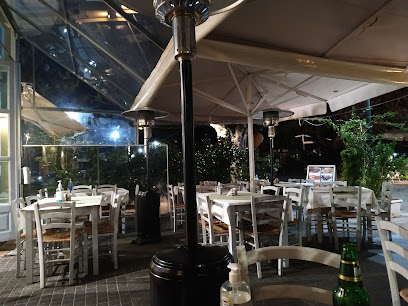
Taverna Orestis
34.0 km
Discover authentic Greek flavors at Taverna Orestis in Ancient Olympia – where culinary tradition meets warm hospitality.
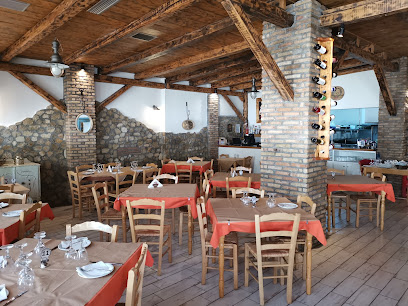
Aegean Restaurant Cafe
34.0 km
Experience authentic Greek cuisine at Aegean Restaurant Cafe in Ancient Olympia – where tradition meets flavor in a cozy setting.
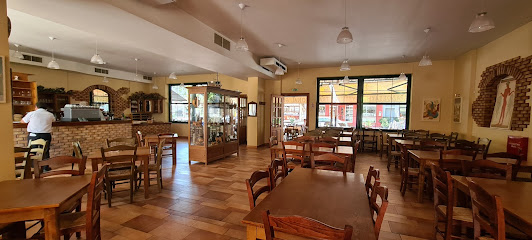
Markets, malls and hidden boutiques

ΑΣΕΑ GROUP Α.ΔΙΑΜΑΝΤΟΠΟΥΛΟΣ κ ΣΙΑ Ο.Ε
33.4 km
Discover the essential building materials store in Kato Asea, where local craftsmanship meets quality supplies for your construction needs.
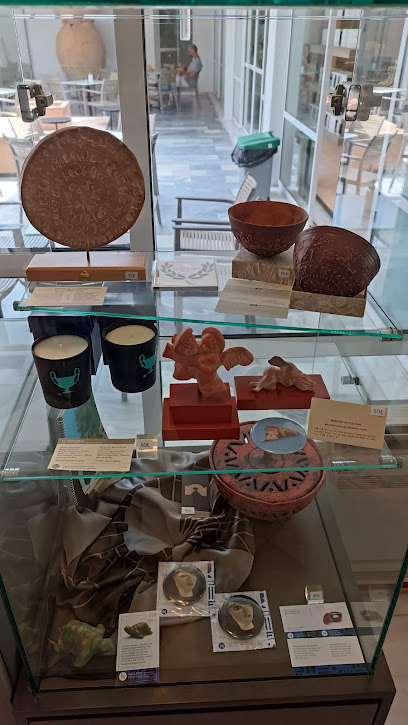
Shop of the Museum of Ancient Olympia
33.6 km
Discover unique souvenirs that celebrate the rich history of ancient Greece at the Shop of the Museum of Ancient Olympia.
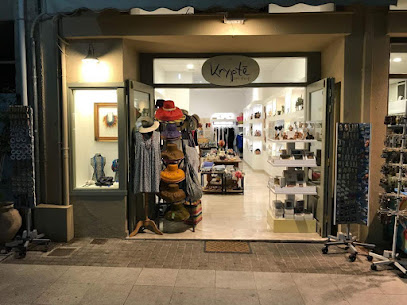
Krypte ArtShop
33.9 km
Explore Krypte ArtShop in Archaia Olympia for unique handmade jewelry and art that embodies the spirit of Greek culture and craftsmanship.
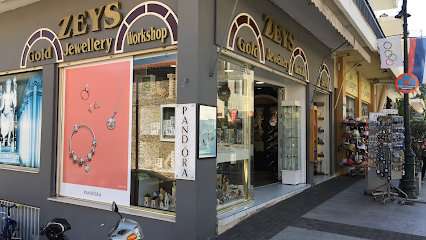
Zeus
33.9 km
Explore the exquisite craftsmanship of Zeus Jewelry Store in Archaia Olympia, where tradition meets modern elegance in stunning jewelry designs.
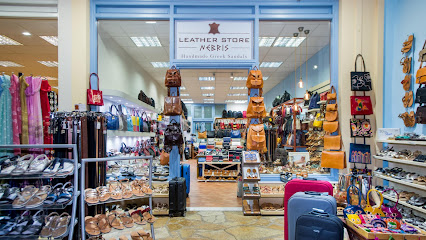
Leather Store Nebris
34.0 km
Explore the artistry of handcrafted leather goods at Leather Store Nebris in Archaia Olympia - a must-visit for unique Greek souvenirs.
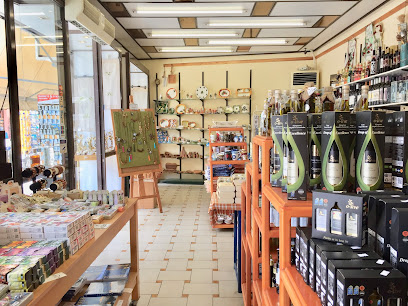
Kotinos shop, Ancient Olympia - Κατάστημα σουβενίρ Αρχαία Ολυμπία
34.0 km
Explore Kotinos Shop in Ancient Olympia for unique Greek souvenirs that celebrate culture, history, and craftsmanship, perfect for every traveler.
KHRYKEION
34.0 km
Experience the best of shopping and dining at KHRYKEION in Archaia Olympia, where modern retail meets rich Greek heritage.
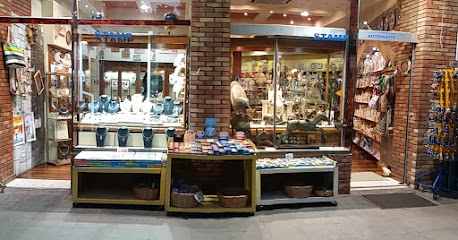
Olympic Corner
34.0 km
Explore Olympic Corner in Archaia Olympia for exquisite jewelry and a unique shopping experience in a vibrant atmosphere.
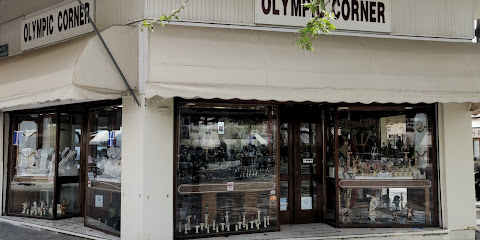
Products of Greece Olympia Nature
34.0 km
Explore the vibrant Products of Greece in Olympia, a traditional market that showcases authentic local flavors and artisanal crafts.
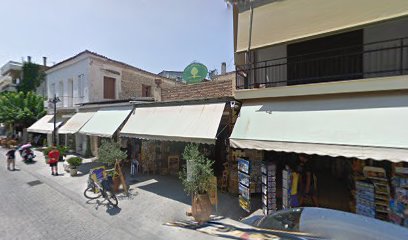
Kavvouras leather goods(since 1984)
34.0 km
Explore the artistry of handcrafted leather goods at Kavvouras in Archaia Olympia, where tradition meets style.
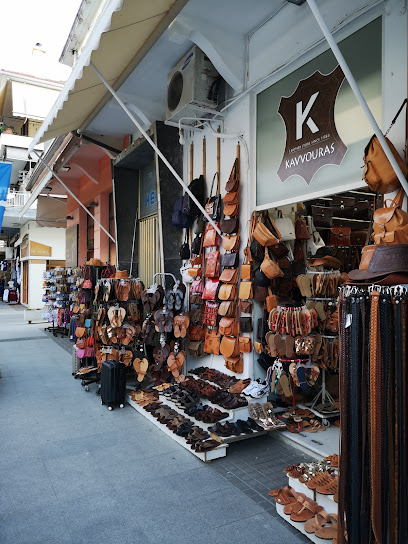
Καφέ - Παντοπωλείο
34.0 km
Experience the authentic flavors of Greece at Καφέ - Παντοπωλείο, a charming general store in Skortsinos offering local delicacies and warm hospitality.
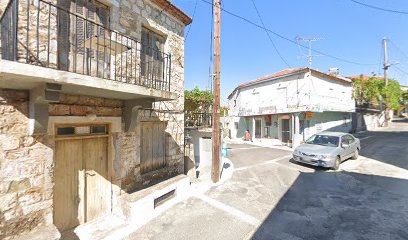
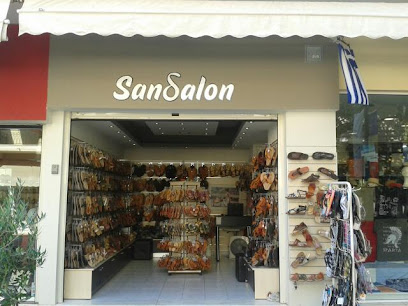
Sandalon
34.0 km
Explore Sandalon in Archaia Olympia for an exquisite selection of stylish and comfortable footwear to elevate your travel experience in Greece.
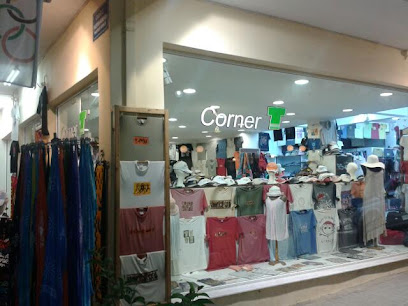
Corner T
34.0 km
Discover the charm of Archaia Olympia at Corner T, a vibrant shopping mall with unique boutiques and local culture.
Padelina Shopping Center
34.8 km
Experience the best shopping and dining at Padelina Shopping Center in Φαναράς, where local charm meets modern retail.
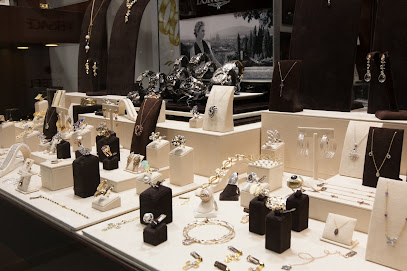
BADOUNAS jewelry
42.7 km
Explore exquisite jewelry and unique craftsmanship at BADOUNAS in Tripoli, a must-visit for discerning tourists seeking quality pieces.
Essential bars & hidden hideouts

Seagull beach bar
20.7 km
Experience the serene vibes and refreshing drinks at Seagull Beach Bar in Zaharo Municipality, the perfect coastal escape for every traveler.
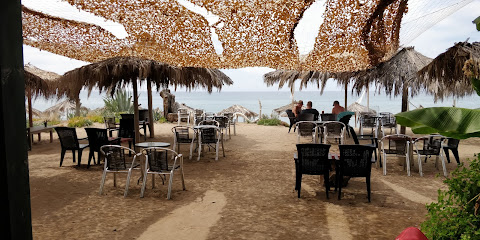
Beach Bar «Μαντώ»
21.1 km
Discover Beach Bar «Μαντώ», a tranquil beach escape in Zacharo, Greece, perfect for enjoying cocktails and beautiful ocean views.
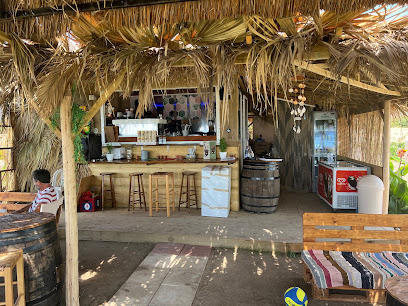
Aris Bezos Café Food & Wine
32.6 km
Experience the rich flavors of Greece at Aris Bezos Café Food & Wine, a charming grill in Κάτω Ασέα with delicious grilled dishes and exquisite wines.
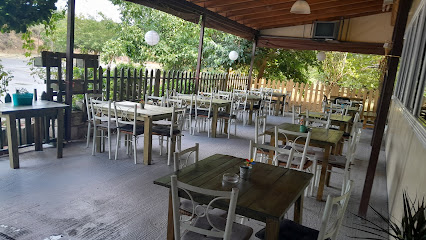
Zorbas Bar Ancient Olympia
33.8 km
Experience the vibrant atmosphere of Zorbas Bar in Ancient Olympia, where cocktails and history blend seamlessly for an unforgettable night out.
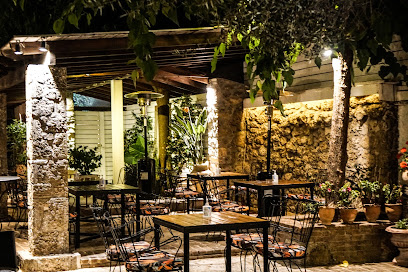
kalypso club
33.9 km
Discover the exhilarating nightlife at Kalypso Club, where music, dance, and vibrant energy unite in the heart of Archaia Olympia.
Hotel Europa Olympia
34.2 km
Discover the perfect blend of luxury and history at Hotel Europa Olympia, your gateway to the ancient wonders of Greece.
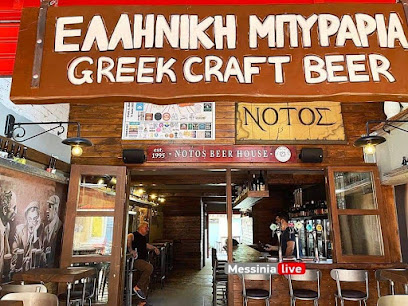
NOTOS GREEK CRAFT BEER
46.9 km
Discover the rich flavors of Greece at Notos Greek Craft Beer, Kalamata's premier destination for craft beer enthusiasts.
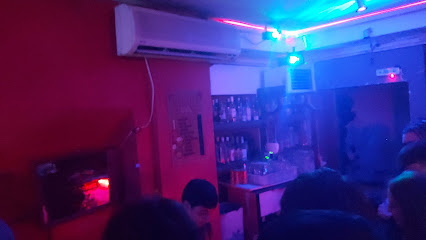
ΚΥΤΤΑΡΟ Rock Bar
46.9 km
Discover the heart of Kalamata's vibrant nightlife at ΚΥΤΤΑΡΟ Rock Bar, where live music and great drinks create unforgettable nights.
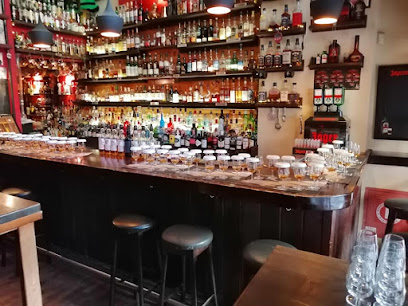
Rodanthos Rock n Roll Beer Bar
46.9 km
Discover the lively Rodanthos Rock n Roll Beer Bar in Kalamata, where delicious food meets electrifying rock music in an unforgettable nightlife experience.
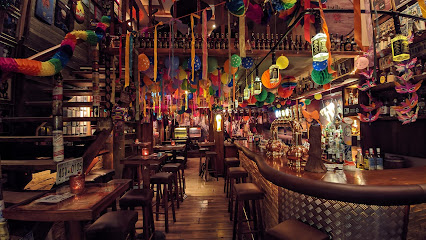
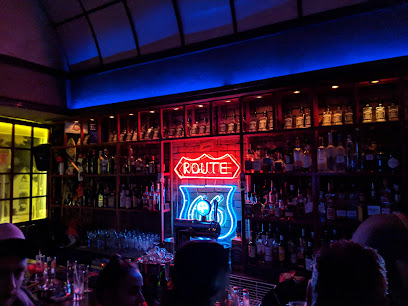
Route 66
46.9 km
Discover the lively spirit of Route 66 in Kalamata, where great drinks and vibrant nightlife create unforgettable moments.
COPA BAR
47.0 km
Discover Kalamata's nightlife at Copa Bar, where vibrant cocktails, music, and an electric atmosphere await you every night.
Mon cheri cocktail bar
47.0 km
Discover the allure of Mon Cheri Cocktail Bar in Kalamata, where exquisite cocktails meet a vibrant nightlife experience.
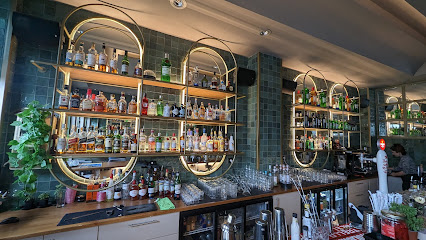
Miraval Cocktails & Eatery
47.0 km
Discover the vibrant nightlife at Miraval Cocktails & Eatery in Kalamata, where innovative cocktails meet a welcoming atmosphere.
Bitter
47.1 km
Experience the vibrant nightlife of Kalamata at Bitter, where exquisite cocktails and a lively atmosphere await.
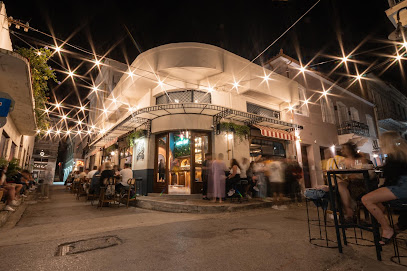
Gazoza
47.1 km
Experience the vibrant nightlife of Kalamata at Gazoza, where small plates meet live music in a cozy bar and grill setting.