Toolesboro Indian Mounds: Echoes of Iowa's Hopewell Culture
Explore ancient burial mounds built by the Hopewell people between 200 BC and 300 AD at this National Historic Landmark in Iowa.
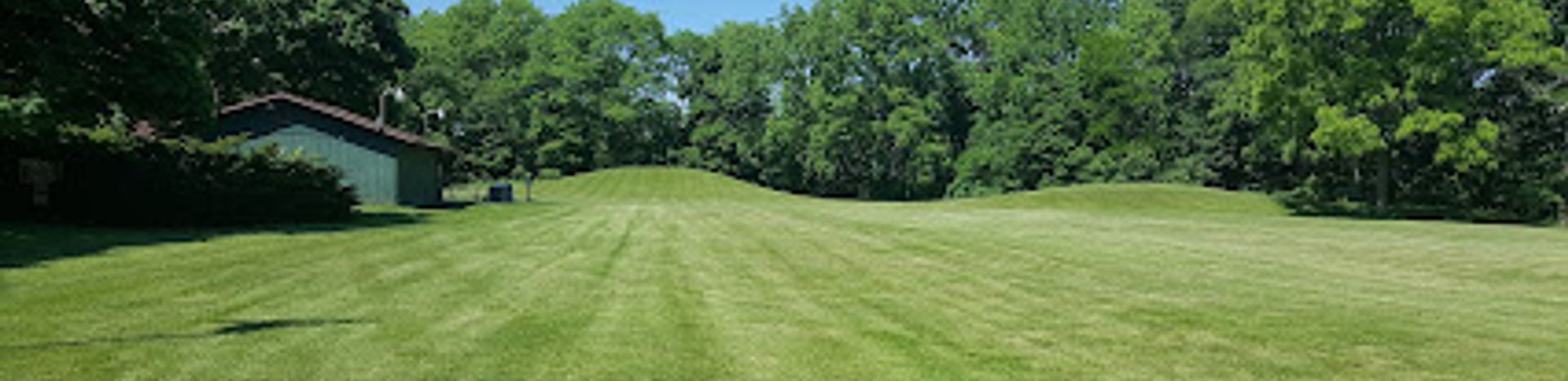
The Toolesboro Indian Mounds, a National Historic Landmark in southeast Iowa, protect seven burial mounds constructed between 100 BC and AD 200 by the Hopewell people. The site offers a glimpse into the lives and burial practices of this ancient culture, with two mounds visible near the visitor center and the remaining five located in an adjacent wooded area.
A brief summary to Toolesboro Indian Mounds
- 6568 Toolesboro Ave, Wapello, Iowa, 52653, US
- +1319-766-4018
Local tips
- Visit the Educational Center to view exhibits of artifacts found at the site and learn more about the Hopewell culture.
- Explore the prairie demonstration plot to see examples of the native plants that once thrived in the area.
- Remember that the burial mounds are protected by law and should not be walked on or disturbed.

Getting There
-
Car
From Wapello, head north on Toolesboro Road/County Road G40 for approximately 4 miles. The Toolesboro Indian Mounds will be located on your right at 6568 Toolesboro Ave. Parking is available on site. There is no fee to visit the mounds.
Discover more about Toolesboro Indian Mounds
Iconic landmarks you can’t miss

Toolesboro Indian Mounds
0.0 km
Journey through time at Toolesboro Indian Mounds, an extraordinary historical site in Iowa, revealing the rich Native American heritage.
Delabar State Park
22.3 km
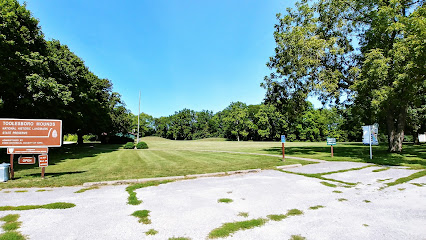
Escape to nature at Delabar State Park in Oquawka, IL, offering fishing, hiking, camping, and scenic views along the Mississippi River.
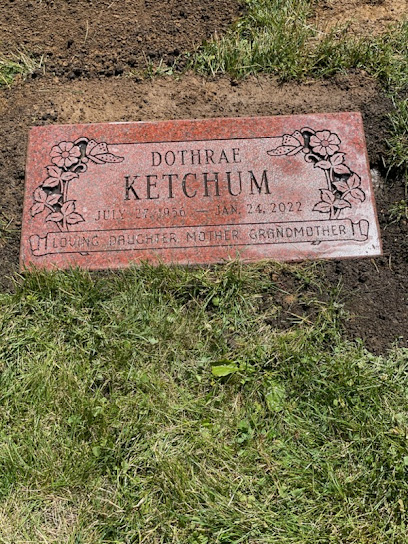
Iowa Memorial Granite Co
27.0 km
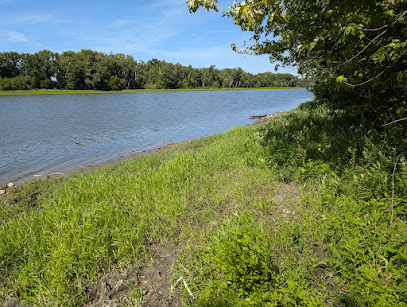
Explore the artistry of remembrance at Iowa Memorial Granite Co, where timeless granite monuments honor legacies in Muscatine, Iowa.
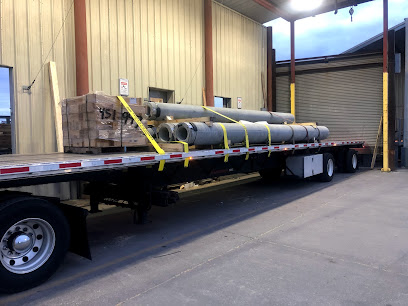
Musco Lighting
28.0 km
Discover the innovative world of Musco Lighting in Muscatine, Iowa, where cutting-edge technology meets sustainable manufacturing practices.
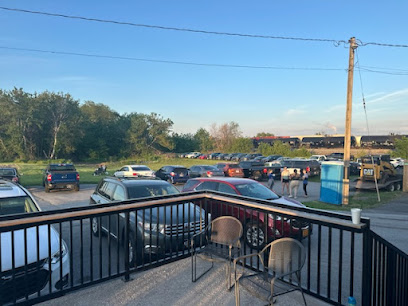
Headquarters Muscatine
28.0 km
Discover the perfect blend of mouthwatering barbecue and live entertainment at Headquarters Muscatine, a must-visit destination in Iowa.
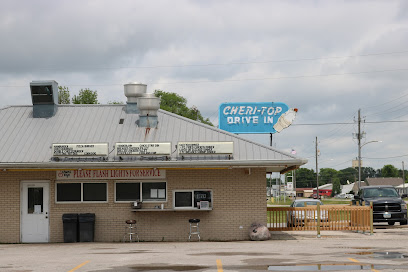
Cheri Top Drive-In
28.8 km
Cheri Top Drive-In in Muscatine, Iowa offers a nostalgic American dining experience with classic dishes in a retro drive-in setting.
El Allende
29.1 km
Experience the vibrant flavors of Mexico at El Allende in Muscatine, Iowa, where every meal is a celebration of culture and taste.
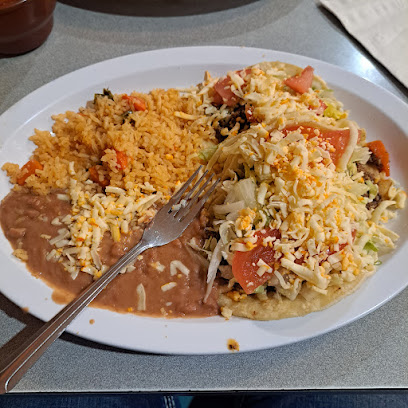
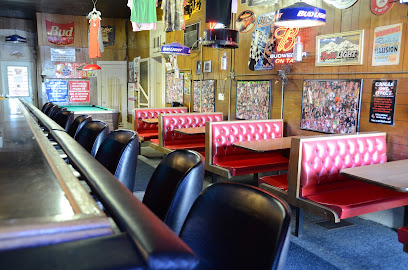
Mike's Hilltop Tap
30.7 km
Experience the vibrant nightlife of Muscatine at Mike's Hilltop Tap, where great drinks, karaoke, and good vibes await.
Greenwood Cemetery
30.7 km
Discover the tranquility and historical significance of Greenwood Cemetery, a beautiful resting place in Muscatine, Iowa, perfect for reflection and exploration.
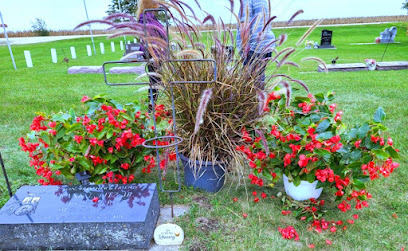
Iowa Memorial Granite Company
30.8 km
Discover the artistry of memorial craftsmanship at the Iowa Memorial Granite Company in Muscatine, Iowa—a unique tribute to life and legacy.
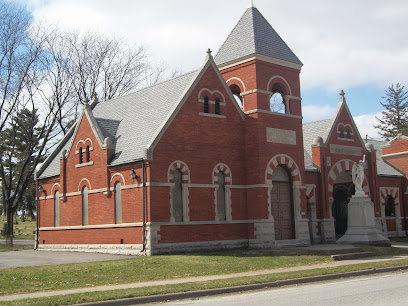
Greenwood Cemetery Chapel
30.9 km
Discover the serene beauty of Greenwood Cemetery Chapel in Muscatine, Iowa, a hidden gem rich in history and architectural elegance.
Skinny's Barbeque
30.9 km
Experience the true taste of American barbecue at Skinny's Barbeque, Muscatine's go-to spot for delicious smoked meats and savory sides.
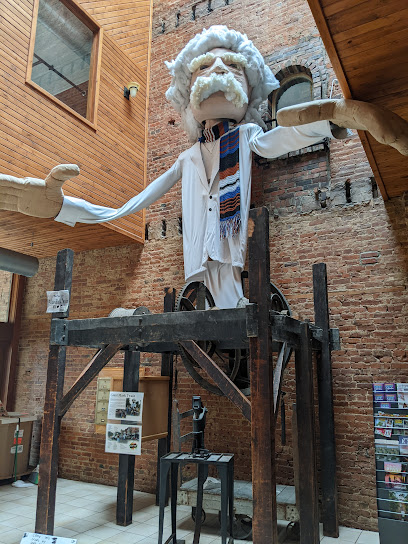
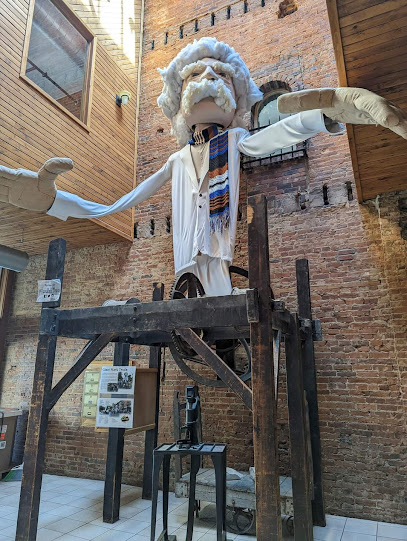
The Merrill Hotel, Muscatine, a Tribute Portfolio Hotel
30.9 km
Experience the perfect blend of luxury and comfort at The Merrill Hotel in Muscatine, Iowa, with stunning river views and exceptional service.

Port City Underground
30.9 km
Experience the cozy underground charm of Port City Underground, Muscatine's favorite spot for pizza and pasta in a family-friendly atmosphere.
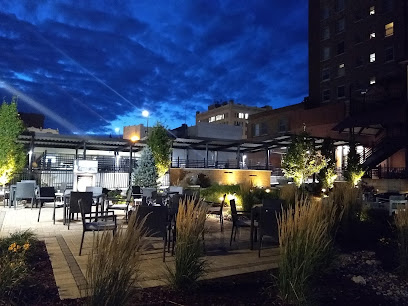
Maxwell's On The River
30.9 km
Discover the culinary charm and picturesque views at Maxwell's On The River, a top dining destination in Muscatine, Iowa.
Unmissable attractions to see

Muscatine Kent-Stein Park
29.8 km
Experience the natural beauty and recreational fun at Muscatine Kent-Stein Park, your perfect outdoor escape in Iowa.
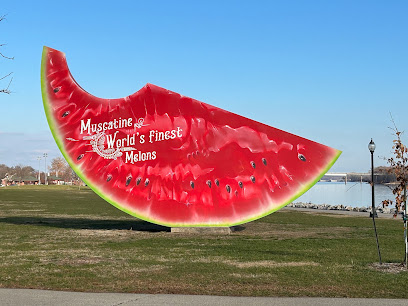
World’s Largest Watermelon Sculpture
30.5 km
Discover the vibrant charm of Muscatine, Iowa, at the World's Largest Watermelon Sculpture, a quirky roadside attraction celebrating local agricultural heritage.
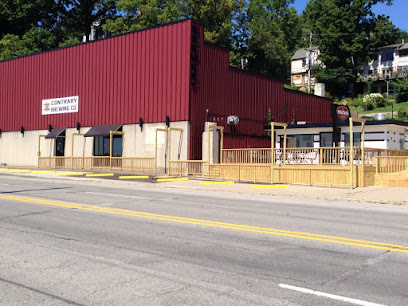
Contrary Brewing Co
30.7 km
Discover the vibrant flavors at Contrary Brewing Co in Muscatine, IA, where craft beer and delicious pizza come together for an unforgettable dining experience.
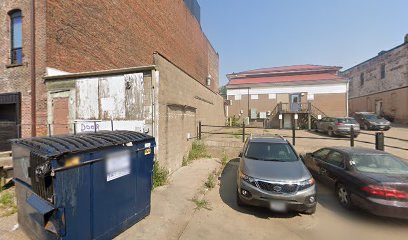
Muscatine Mural
30.8 km
Discover the Muscatine Mural, a vibrant celebration of art and local history in the heart of Iowa's charming Muscatine.
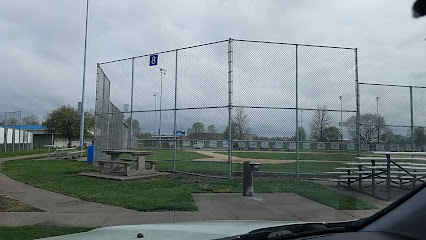
Riverside Park
30.9 km
Experience the beauty and tranquility of Riverside Park, a scenic destination in Muscatine, Iowa, perfect for relaxation and family fun.
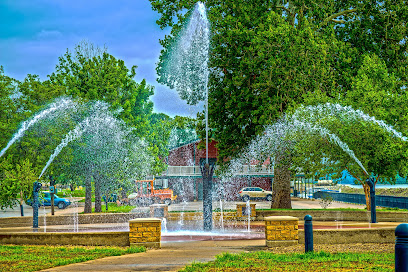
The National Pearl Button Museum @ The History and Industry Center
31.0 km
Explore the rich history of Muscatine at The National Pearl Button Museum, where the art of button making comes to life in fascinating exhibits.
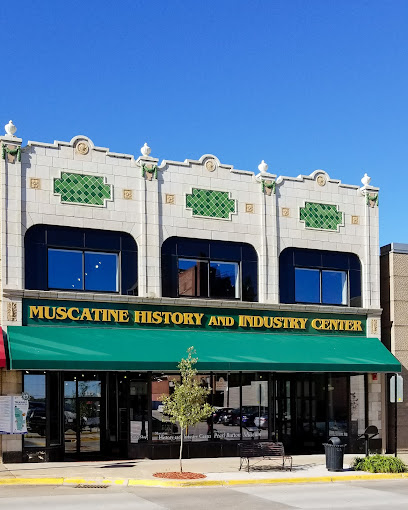
Zenith (sculpture) by Nathan Pierce
31.3 km
Explore the Zenith Sculpture by Nathan Pierce in Muscatine, Iowa, a stunning representation of modern art amidst a beautiful natural setting.

Muscatine Art Center
32.2 km
Discover the artistic heritage of Muscatine at the Muscatine Art Center, featuring exhibitions, workshops, and a unique glimpse into local culture.
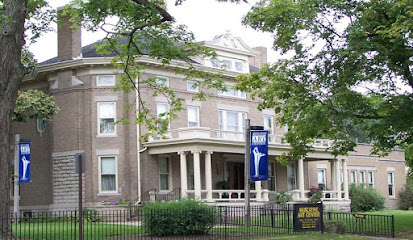
Muscatine Arboretum
32.3 km
Experience the serene beauty of Muscatine Arboretum, a tranquil escape with diverse flora and stunning landscapes in Iowa.
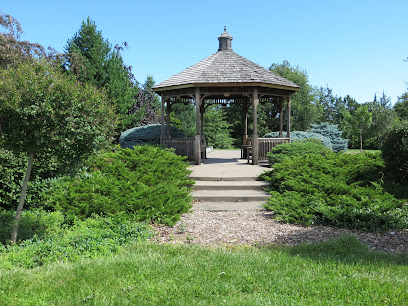
Discovery Park
32.4 km
Experience the tranquility and beauty of Discovery Park in Muscatine, Iowa, where nature and recreation come together in perfect harmony.
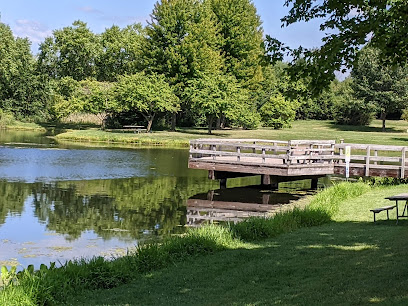
Weed Park
33.1 km
Explore the natural beauty and recreational charm of Weed Park in Muscatine, Iowa, a perfect destination for family fun and relaxation.
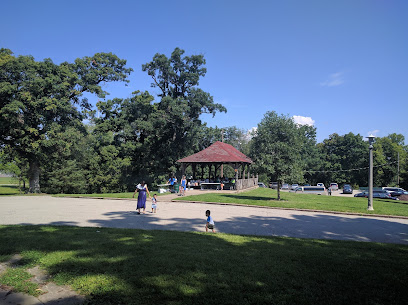
Muscatine Aquatic Center
33.1 km
Discover the Muscatine Aquatic Center - a family-friendly public swimming pool with fun attractions for all ages in the heart of Iowa.
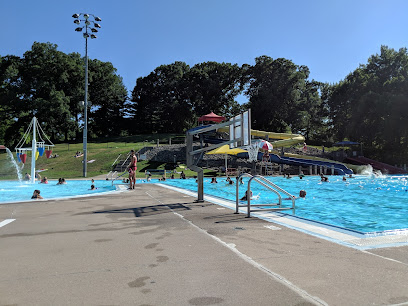
Starr's Cave Nature Center
33.2 km
Discover the beauty of Iowa's natural landscapes at Starr's Cave Nature Center – a serene paradise for nature lovers and outdoor adventurers.
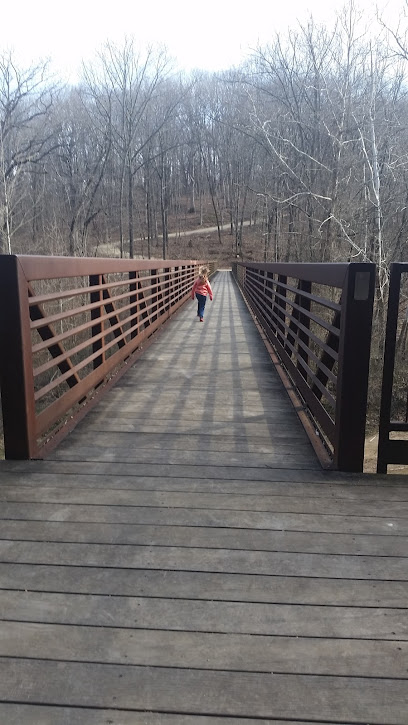
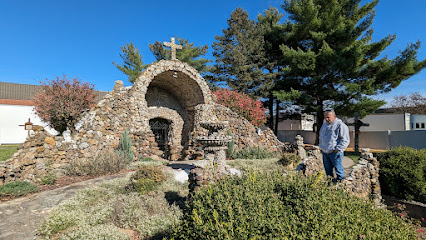
Our Lady of Grace Grotto
36.1 km
Discover tranquility at Our Lady of Grace Grotto in West Burlington, Iowa—a serene retreat for reflection and spiritual connection amidst stunning landscapes.
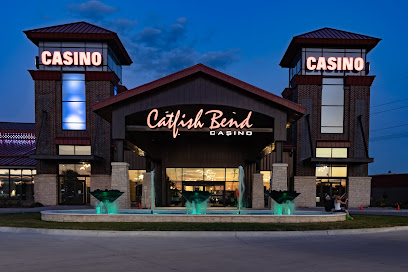
Catfish Bend Casino
36.2 km
Discover the excitement of gaming and entertainment at Catfish Bend Casino in Burlington, Iowa, a top destination for tourists seeking fun and adventure.
Essential places to dine

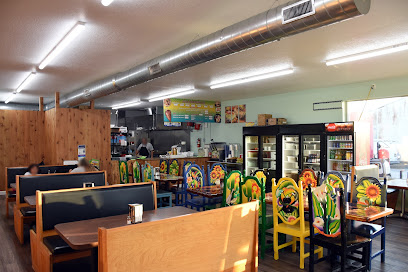
Taquisas Jalisciense
28.7 km
Discover authentic Mexican flavors at Taquisas Jalisciense in Muscatine – where every dish tells a story.
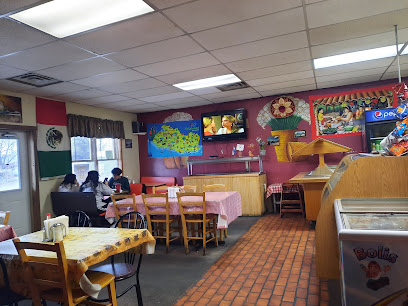
Izalco Restaurant
29.4 km
Discover the vibrant flavors of El Salvador at Izalco Restaurant in Muscatine – where every meal is a celebration of culture and tradition.
Pete's Tap
30.0 km
Discover delightful grilled dishes and refreshing drinks at Pete's Tap in Muscatine – your go-to spot for casual dining.
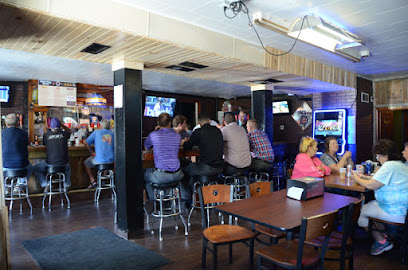
A Guy and a Grill Catering Service
30.3 km
Experience mouth-watering grilled dishes at A Guy and a Grill in Muscatine - where quality meets flavor in every bite.
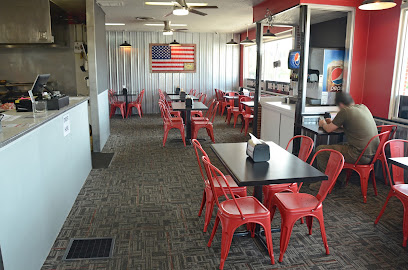
Bobby's Asian Cuisine
30.9 km
Discover authentic Asian flavors at Bobby's Asian Cuisine in Muscatine – where delicious meets delightful!
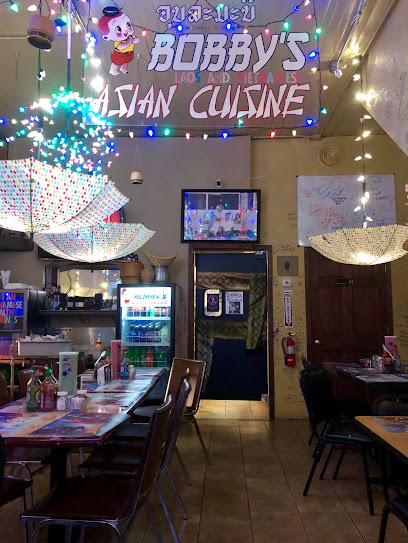
Mamma Mia Restaurante
30.9 km
Discover authentic Italian cuisine at Mamma Mia Restaurante in Muscatine - where each dish tells a delicious story.
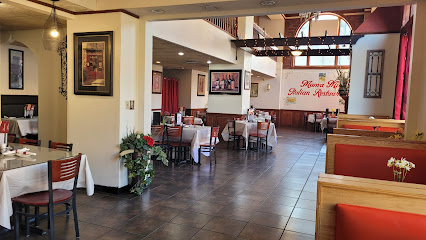
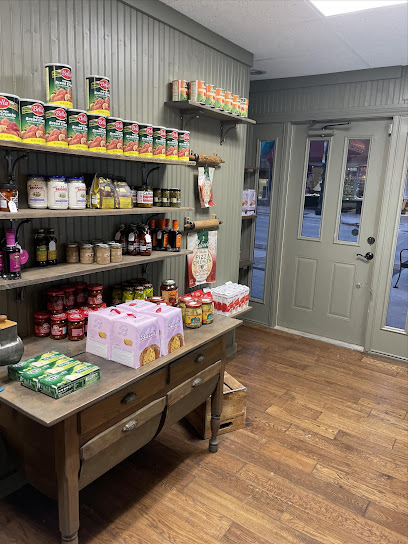
Sal Vitale’s Take & Bake
31.0 km
Experience the taste of Italy at Sal Vitale’s Take & Bake in Muscatine – delicious pizzas and authentic Italian groceries await you!
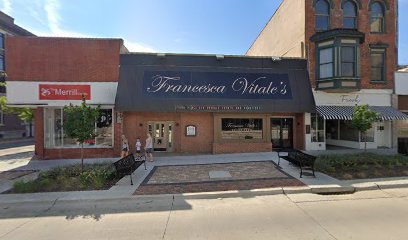
Francesca Vitale's
31.0 km
Experience authentic Italian cuisine at Francesca Vitale's in Muscatine – where every dish tells a story.
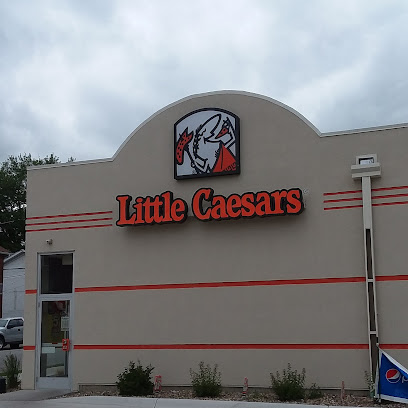
Little Caesars Pizza
31.7 km
Discover affordable deliciousness at Little Caesars Pizza in Muscatine - perfect for takeout or delivery!
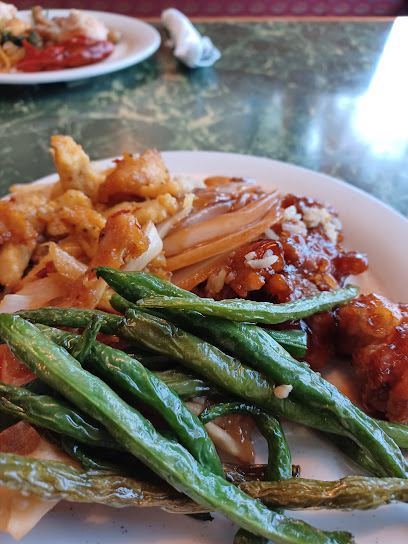
China Garden
32.4 km
Experience authentic Chinese flavors at China Garden in Muscatine - A buffet paradise for food lovers.
Godfather's Pizza
32.7 km
Discover the delightful flavors of Godfather's Pizza in Muscatine - where every slice is crafted with passion and served with care.
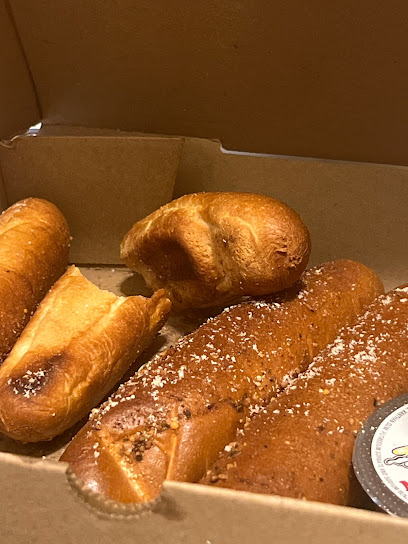
alopkip
33.6 km
Discover authentic Japanese flavors at Alopkip in Muscatine - where every dish tells a story.
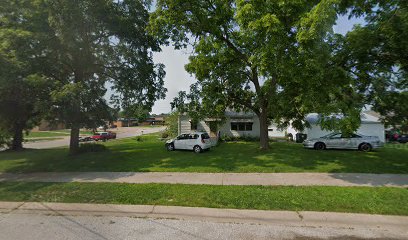
Peking Restaurant
33.7 km
Discover authentic Chinese flavors at Peking Restaurant in Muscatine - a delightful destination for Asian cuisine lovers.
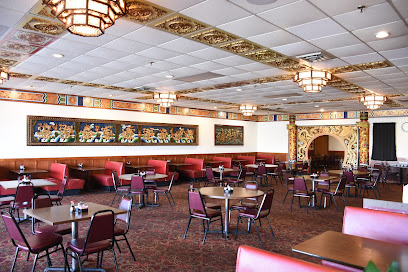
Chicharo's Mexican Express
33.8 km
Discover authentic Mexican flavors at Chicharo's Mexican Express in Muscatine - perfect for quick bites or leisurely meals.
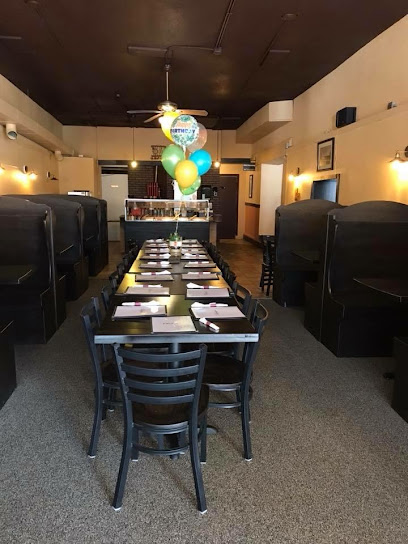
Arely's food truck
33.8 km
Discover Arely's Food Truck: A Culinary Delight Offering Tasty Meals and Homemade Ice Cream in Muscatine.
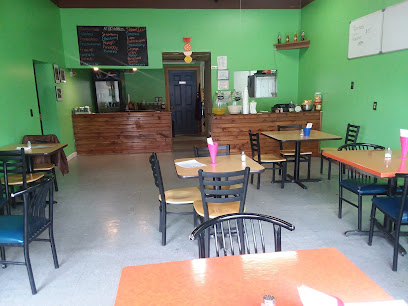
Markets, malls and hidden boutiques

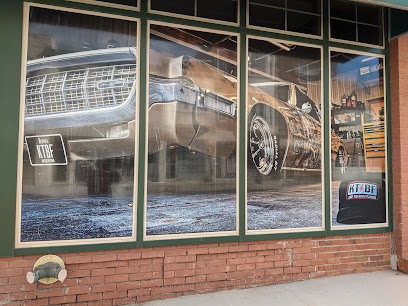
KTBF
29.4 km
Explore KTBF in Muscatine for unique clothing designs that reflect quality and creativity, perfect for fashion-forward travelers.
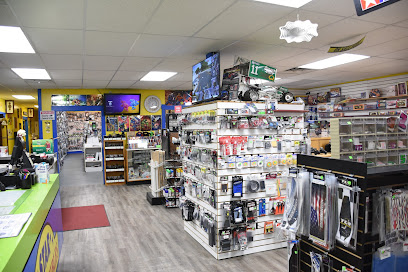
Star Collectibles Hobby Center
29.5 km
Explore Star Collectibles Hobby Center in Muscatine, Iowa, where hobbyists unite to discover model trains, collectibles, and endless creativity.
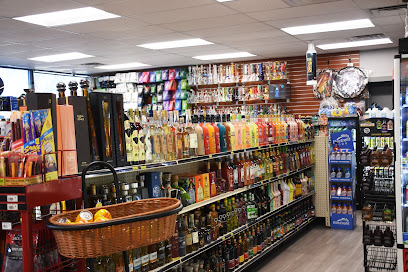
Grandview Mart
29.6 km
Explore local flavors and essentials at Grandview Mart, a charming grocery store in Muscatine, Iowa, perfect for tourists seeking unique treats.
bellasboutiqueandmore.com
30.3 km
Explore Bella's Boutique in Muscatine, Iowa for a unique shopping experience filled with local fashion, accessories, and handcrafted gifts.
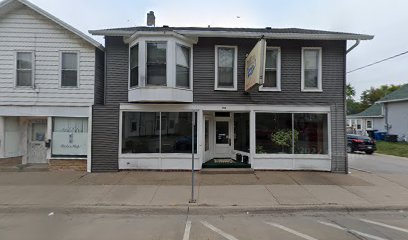
We are A Candle Company
30.4 km
Explore A Candle Company in Muscatine, Iowa, for handcrafted candles and unique candle-making workshops, perfect for all visitors.
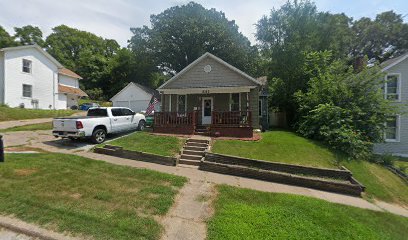
Annsarts
30.8 km
Explore Annsarts in Muscatine, Iowa - A premier art gallery featuring unique artworks and handcrafted jewelry by talented local artists.
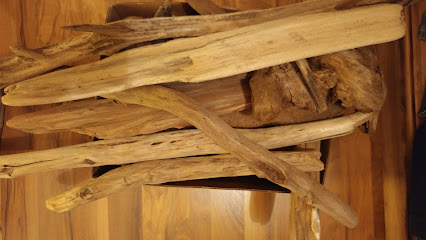
Create! DIY Craft Studio
30.9 km
Explore your creativity at Create! DIY Craft Studio in Muscatine, Iowa, with diverse supplies, engaging workshops, and unique handcrafted treasures.
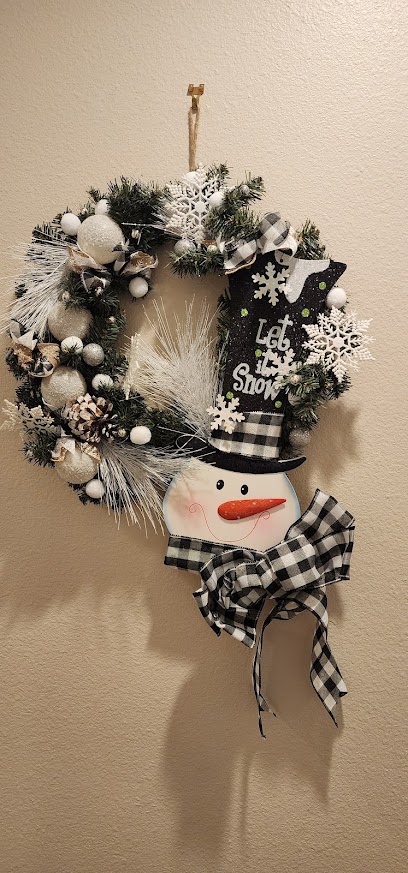
The HallTree Boutique
30.9 km
Discover unique gifts and fashionable accessories at The HallTree Boutique in Muscatine, Iowa. A must-visit for tourists seeking local treasures.
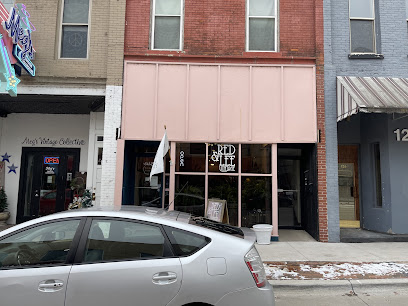
RED&LEE Vintage
30.9 km
Explore the charm of vintage fashion and eclectic home goods at RED&LEE Vintage in Muscatine, Iowa, a haven for unique finds and timeless treasures.
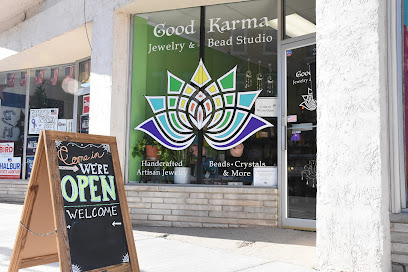
Good Karma Jewelry and Bead Studio
31.0 km
Explore Good Karma Jewelry and Bead Studio in Muscatine, IA for unique handcrafted jewelry, beads, and metaphysical supplies that inspire creativity.
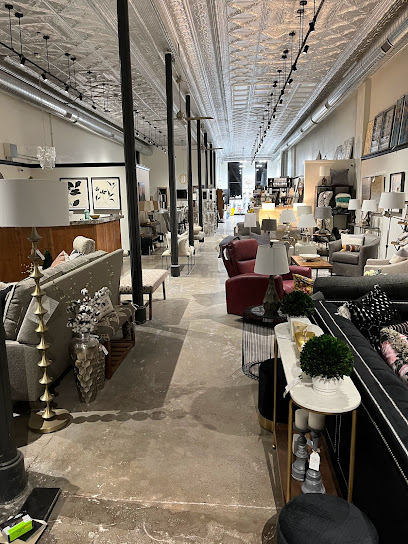
Feather Your Nest Interiors
31.0 km
Discover exquisite home decor and expert remodeling at Feather Your Nest Interiors in Muscatine, Iowa, where your dream space comes to life.
Creations by Oz
31.0 km
Explore exquisite handcrafted jewelry at Creations by Oz in Muscatine, Iowa - a treasure trove of unique designs and exceptional craftsmanship.
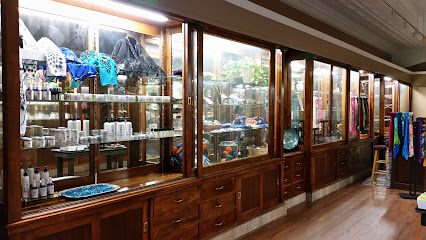
Fresh Home & Lifestyle Market
31.0 km
Explore the Fresh Home & Lifestyle Market in Muscatine for unique gifts, artisan candles, and charming home decor that reflect local craftsmanship.
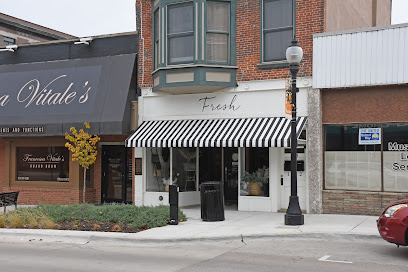
New York Dollar Store
31.0 km
Explore a world of unbeatable prices and unique finds at New York Dollar Store in Muscatine, IA - a shopper's paradise for every budget.
QT Designs
31.0 km
Discover QT Designs: A custom t-shirt and craft store in Muscatine, Iowa, where creativity and quality collide for memorable souvenirs.
Essential bars & hidden hideouts

Home Base Bar
29.1 km
Experience the vibrant atmosphere and local flavors at Home Base Bar in Muscatine, where relaxation and camaraderie await.
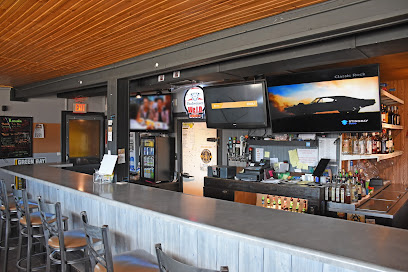
Pr%f Social
30.9 km
Discover the essence of Muscatine nightlife at Prüf Social, a cocktail bar offering creative drinks and a vibrant atmosphere for all.
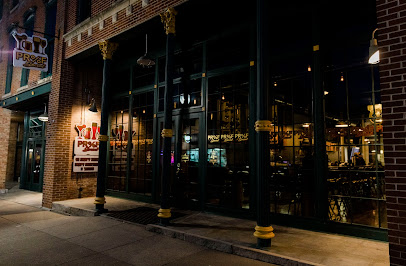
The Pearl Martini Bar & Lounge
30.9 km
Discover the vibrant nightlife at The Pearl Martini Bar & Lounge in Muscatine, where delicious cocktails and a lively atmosphere await.
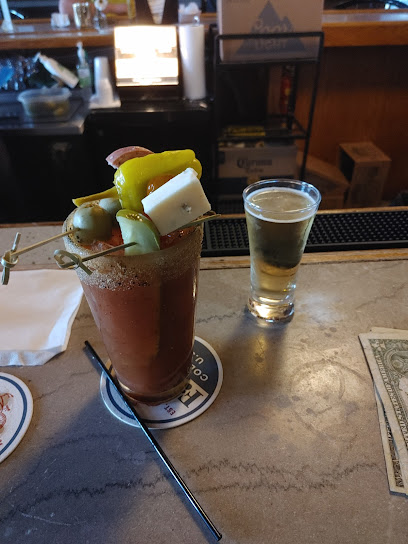
Flaming Embers
31.0 km
Experience the vibrant nightlife at Flaming Embers, a lively bar in Muscatine, IA, offering great drinks and a welcoming atmosphere.
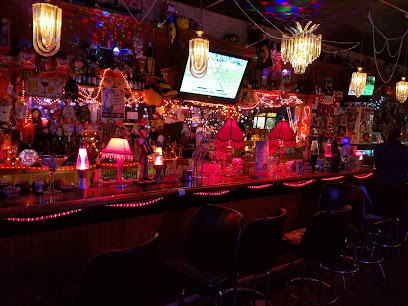
BigBear's Bar & Billiards
31.3 km
Discover the fun and flavor at BigBear's Bar & Billiards in Muscatine, where good food, drinks, and games come together for an unforgettable night.
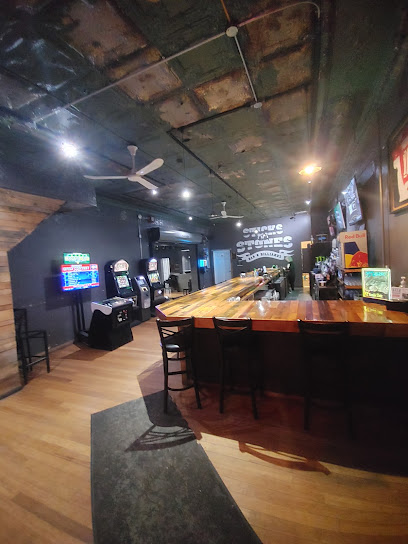
Jody's Bar
31.3 km
Discover the lively atmosphere and wide drink selection at Jody's Bar, a must-visit nightlife spot in Muscatine, Iowa, perfect for any traveler.
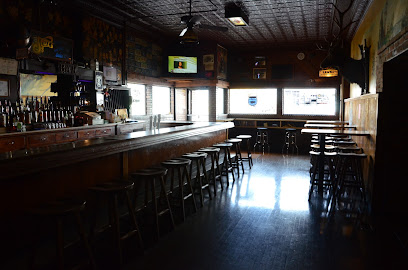
Bridgeside Links
31.7 km
Discover Bridgeside Links, Muscatine's vibrant bar offering craft drinks, sports, and virtual golf for an unforgettable experience.
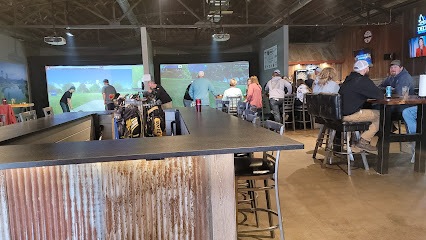
Farney's on Jefferson
37.1 km
Discover the vibrant atmosphere of Farney's on Jefferson in Burlington, Iowa – a local bar offering delicious drinks and friendly service.
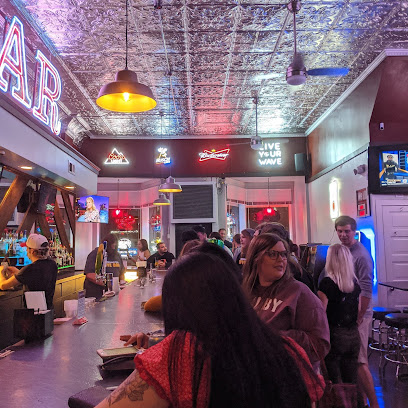
Corked 101
37.1 km
Discover the charm of Corked 101, Burlington's premier wine bar, where quality wines and cozy ambiance create unforgettable experiences.
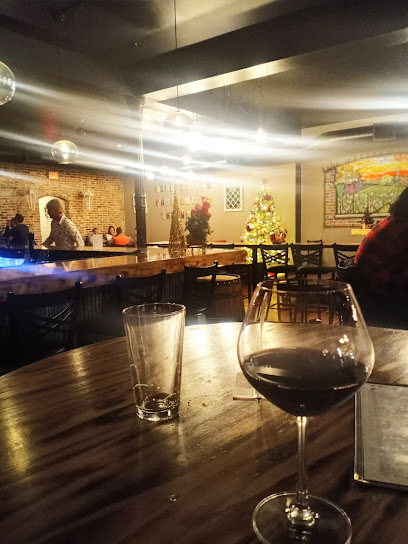
Paddlewheel Lounge
37.1 km
Discover Paddlewheel Lounge, a charming riverside bar in Burlington offering a vibrant atmosphere, refreshing drinks, and live entertainment.
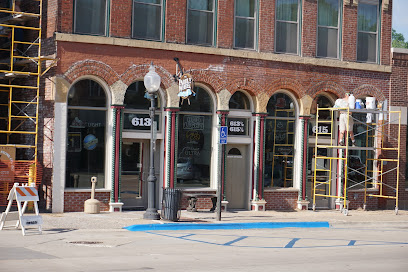
La Boheme
37.2 km
Discover La Boheme, Burlington's vibrant bar with a cozy atmosphere, great drinks, and exceptional service for an unforgettable night out.
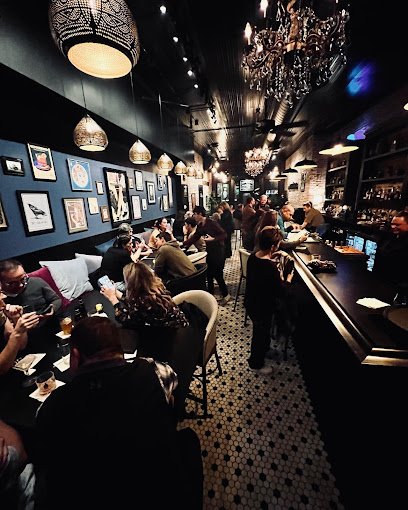
Night Cap
37.2 km
Experience the vibrant nightlife at Night Cap, Burlington's premier bar offering craft cocktails, live music, and a welcoming atmosphere.
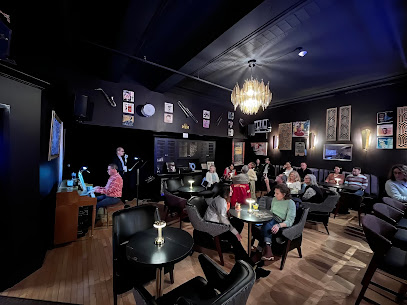
Valley Monster Pub
37.3 km
Experience the vibrant nightlife of Burlington at Valley Monster Pub, a local gem known for its extensive drink selection and inviting atmosphere.
Doc's
37.7 km
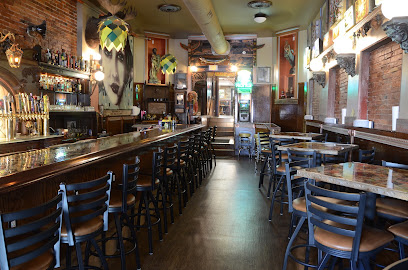
Discover the lively spirit of Burlington, Iowa at Doc's Bar, where great drinks and good times await in a welcoming atmosphere.
Summer Street Station
38.7 km
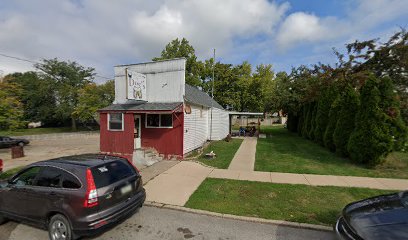
Discover the lively atmosphere of Summer Street Station, Burlington’s bar hotspot for craft drinks, friendly service, and vibrant nightlife.