Lake Biwa Canal: A Meiji Era Engineering Marvel
Discover a feat of Meiji-era engineering: a historic canal connecting Lake Biwa and Kyoto, offering scenic cruises and cultural insights.
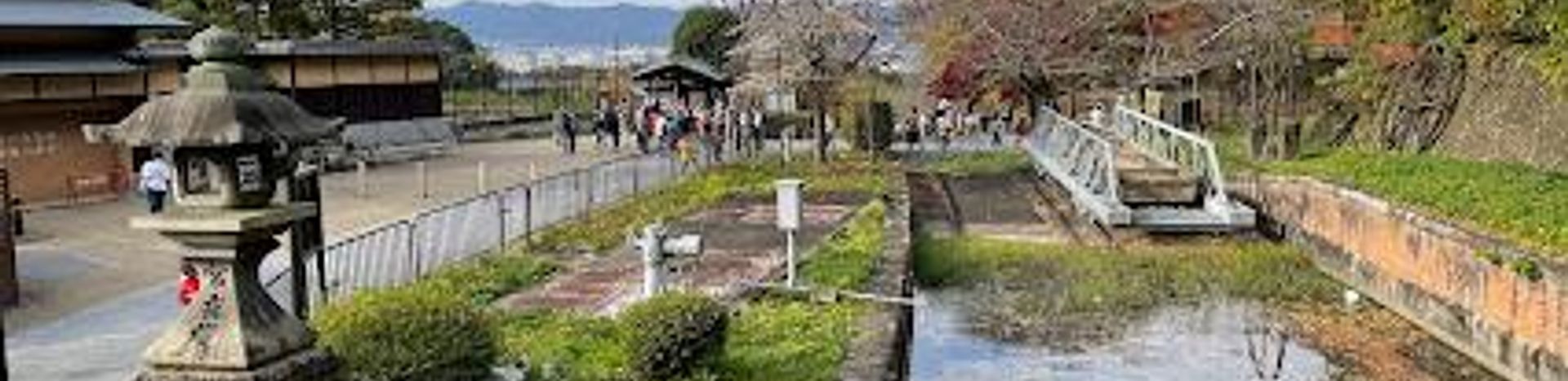
The Lake Biwa Canal is a historic waterway connecting Lake Biwa and Kyoto, constructed during the Meiji period. It provided water for drinking, irrigation, industry, and hydroelectric power, and even facilitated transportation. Today, it's a scenic spot with cherry trees lining the canal and opportunities for boat tours.
A brief summary to Lake Biwa Canal
- 7 Miideracho, Otsu, Miideracho, Shiga, 520-0034, JP
- +8177-522-3830
- Visit website
- Monday 12 am-12 am
- Tuesday 12 am-12 am
- Wednesday 12 am-12 am
- Thursday 12 am-12 am
- Friday 12 am-12 am
- Saturday 12 am-12 am
- Sunday 12 am-12 am
Local tips
- Visit during spring to witness the stunning cherry blossoms lining the canal.
- Take a boat cruise to experience the canal from a unique perspective and see historical features.
- Explore the Keage Incline, a preserved section of the canal that showcases its engineering.
- Visit the Lake Biwa Canal Museum to learn about the history and functions of the canal.

Getting There
-
Public Transport
From Kyoto Station, take the JR Kosei Line to Otsu Station. From Otsu Station, transfer to the Keihan Ishiyama Sakamoto Line and get off at Miidera Station. The Lake Biwa Canal is a short walk from the station. The train journey from Kyoto to Otsu takes approximately 20 minutes and costs ¥410. The walk from Miidera Station to the canal is about 4 minutes.
-
Walking
From Miidera Temple, walk towards the Kannon-do gate. The canal runs alongside Miidera Temple. Follow the path along the canal to explore the area. Note that there are limited parking options around the canal, so using public transport is recommended.
Discover more about Lake Biwa Canal
Iconic landmarks you can’t miss

Nanzen-ji Temple
5.7 km
Explore the tranquil beauty and rich history of Nanzen-ji Temple, a stunning Buddhist sanctuary nestled in the heart of Kyoto's natural landscape.
Eikan-dō Temple
5.7 km
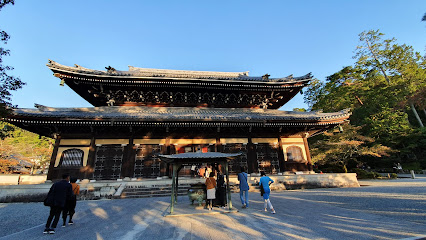
Experience the serene beauty and rich history of Eikan-dō Temple, a must-visit Buddhist sanctuary in Kyoto, Japan, surrounded by stunning gardens.
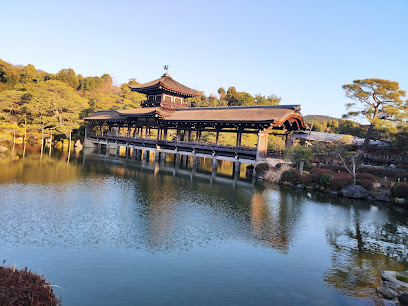
Heian Shrine
6.8 km
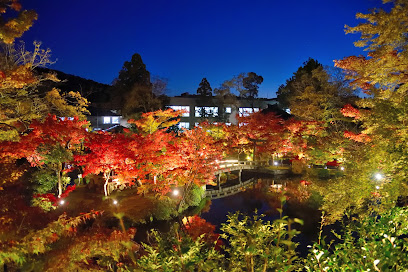
Experience the tranquil beauty and cultural richness of Heian Shrine in Kyoto, a must-visit Shinto shrine surrounded by stunning gardens.
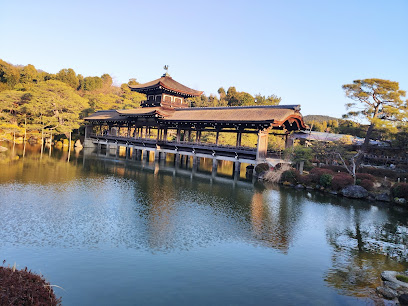
Heian-jingū Shrine
6.8 km
Discover the beauty and serenity of Heian-jingū Shrine, a stunning Shinto shrine in Kyoto renowned for its breathtaking architecture and tranquil gardens.
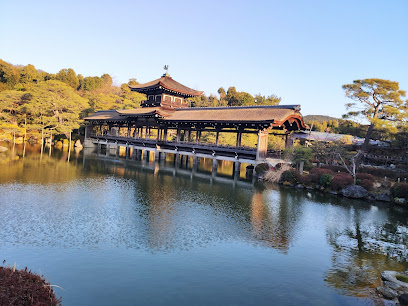
Heian Jingu
6.8 km
Step back in time at Heian Jingu Shrine, a vibrant tribute to Kyoto's imperial past and the elegance of the Heian period.
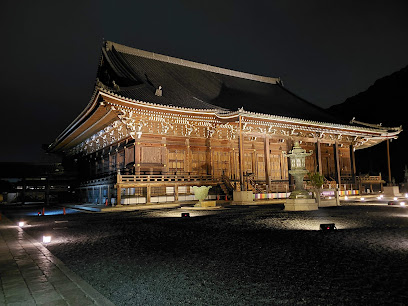
Chion-in Temple
6.9 km
Experience the tranquility of Chion-in Temple, Kyoto's iconic Buddhist sanctuary, where history and spirituality intertwine amidst stunning architecture and serene gardens.
Kiyomizu-dera
6.9 km
Experience the serene beauty and spiritual essence of Kiyomizu-dera, an iconic Buddhist temple in Kyoto, renowned for its stunning architecture and breathtaking views.
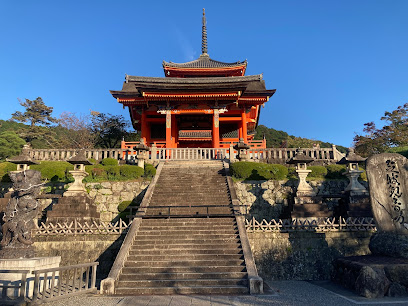
Shugakuin Imperial Villa
7.0 km
Experience the captivating beauty and rich history of Shugakuin Imperial Villa, a serene gem in Kyoto's lush landscapes.
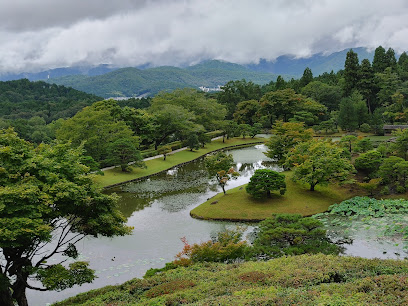
ROHM Theatre Kyoto
7.0 km
Kyoto's premier performing arts venue, blending modern design with a rich history of cultural events and community engagement.
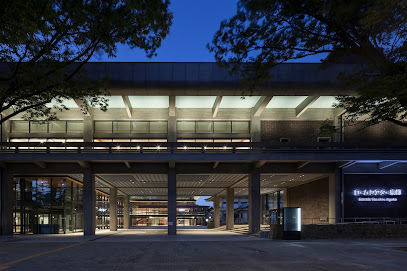
Kiyomizu-dera Niomon Gate
7.0 km
Experience the spiritual essence of Kyoto at Kiyomizu-dera Niomon Gate, an iconic Buddhist temple rich in history and breathtaking views.
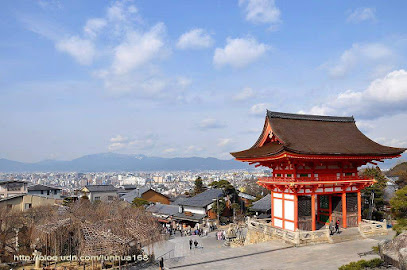
Kōdai-ji Temple
7.0 km
Explore the serene beauty of Kōdai-ji Temple in Kyoto, where history, culture, and nature converge in a tranquil Buddhist retreat.
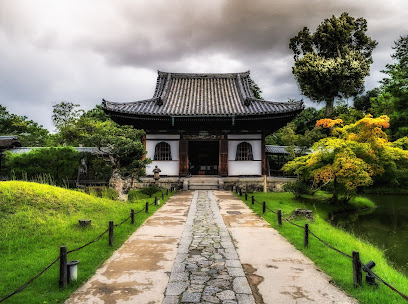
Maruyama Park
7.1 km
Discover the tranquil beauty of Maruyama Park in Kyoto, a serene escape with cherry blossoms, historical shrines, and lush landscapes.
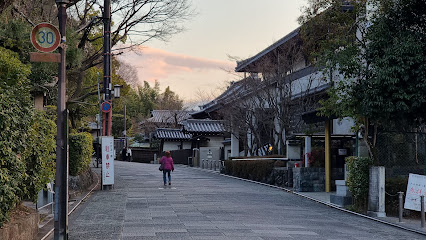
Ninenzaka
7.1 km
Discover the enchanting Ninenzaka in Kyoto, a historic street that brings the elegance of traditional Japan to life with its beautiful architecture and local delights.
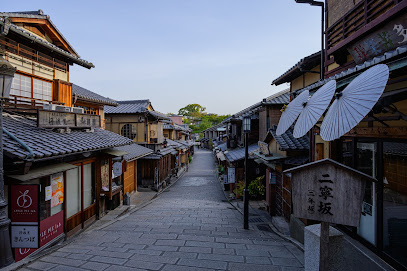
Matsubara Street
7.1 km
Explore Matsubara Street, a picturesque destination in Kyoto filled with traditional shops, tea houses, and stunning views of historic architecture.
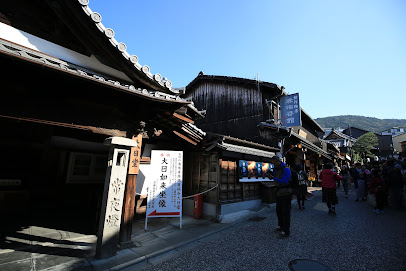
Sannenzaka
7.2 km
Explore the enchanting streets of Sannenzaka, where Kyoto's rich history and stunning scenery come together in a captivating experience.
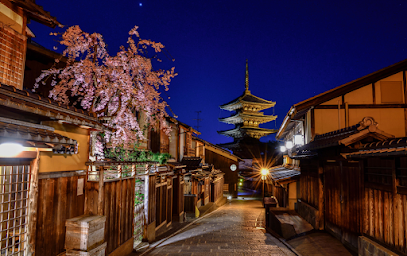
Unmissable attractions to see

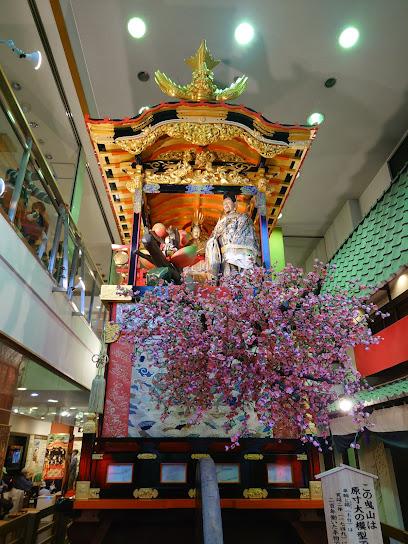
Otsu Festival Hikiyama Exhibition Hall
0.7 km
Explore the vibrant traditions of the Otsu Festival at the Hikiyama Exhibition Hall, showcasing stunning floats and rich cultural heritage in Otsu.
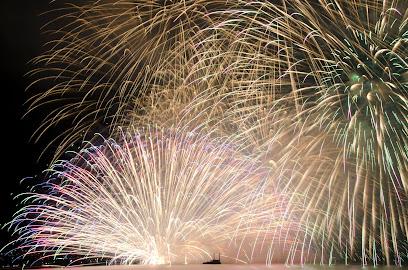
Biwako Flower Fountain
0.9 km
Experience the serene beauty of Biwako Flower Fountain in Otsu – a must-visit tourist attraction with vibrant floral displays and breathtaking lake views.
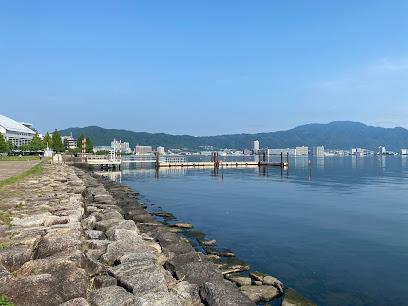
Hama-Otsu Nagisa Park
1.0 km
Experience the serene beauty of Hama-Otsu Nagisa Park, a stunning lakeside retreat surrounded by nature's splendor in Otsu, Shiga.
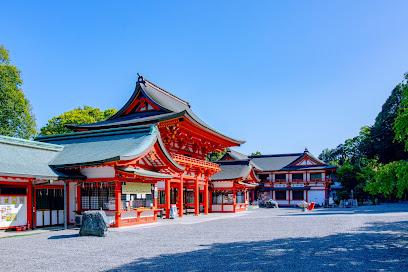
Omi Jingu
2.3 km
Discover the tranquility and cultural richness of Omi Jingu, a revered Shinto shrine in Otsu, Shiga, surrounded by serene landscapes and timeless traditions.
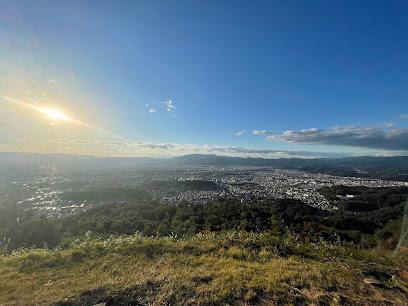
Mount Daimonji
4.2 km
Discover the breathtaking views and serene landscapes of Mount Daimonji, a must-visit hiking gem in Kyoto, perfect for nature lovers and adventure seekers.
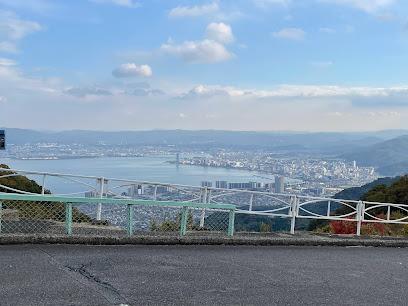
Yumemigaoka Observation Deck
4.7 km
Experience breathtaking views of Lake Biwa from Yumemigaoka Observation Deck, a serene escape in the heart of Shiga Prefecture, Japan.
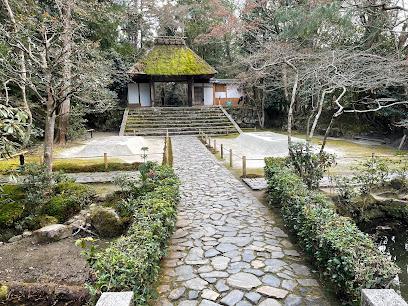
Hōnenin Temple
5.6 km
Explore the serene beauty of Hōnen-in Temple, a historic Buddhist site in Kyoto offering tranquility, stunning gardens, and rich cultural heritage.
Higashiyama Jisho-ji
5.6 km
Explore the tranquil beauty of Higashiyama Jisho-ji, a UNESCO World Heritage Site in Kyoto, known for its stunning gardens and rich cultural heritage.
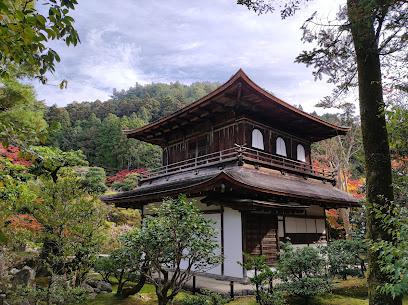
Kōun-ji Temple
5.7 km
Discover tranquility and beauty at Kōun-ji Temple, a serene sanctuary in Kyoto surrounded by stunning gardens and rich cultural history.
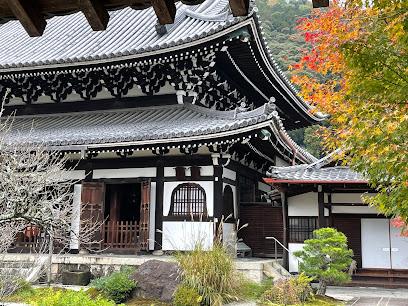
Nanzen-ji
5.7 km
Discover the tranquility and beauty of Nanzen-ji, Kyoto's historic Zen Buddhist temple, surrounded by stunning gardens and rich cultural heritage.
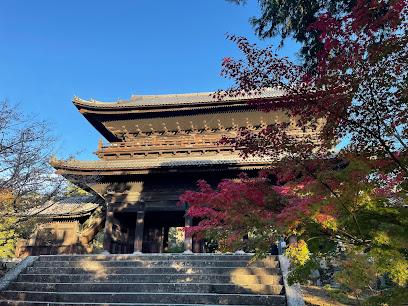
Eikandō Temple
5.7 km
Immerse yourself in the serene beauty of Eikandō Temple, a must-visit Buddhist site in Kyoto renowned for its stunning gardens and rich cultural heritage.
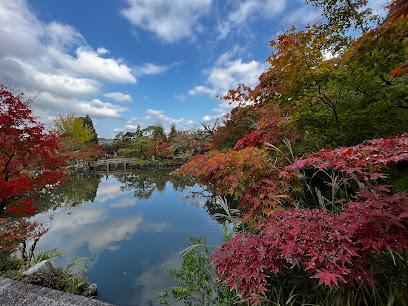
Philosopher's Path
5.9 km
Experience Kyoto's natural beauty and rich culture along the Philosopher's Path, a serene walk perfect for contemplation and exploration.
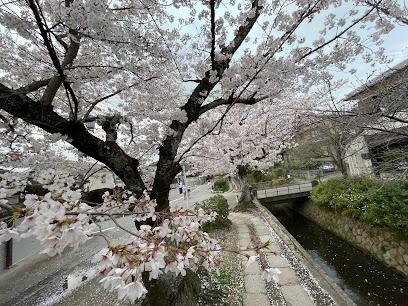
Tenjuan Temple
5.9 km
Experience the serene beauty of Tenjuan Temple in Kyoto, a hidden gem of tranquility and traditional Japanese culture.
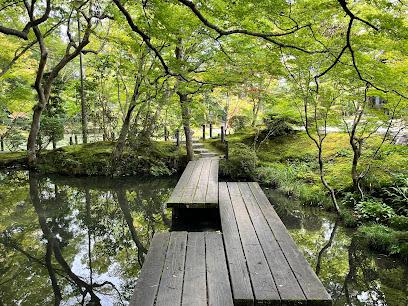
Konchi-in
6.1 km
Explore the serene beauty of Konchi-in Temple, a tranquil Buddhist haven nestled in Kyoto's historic Nanzen-ji district, perfect for spiritual exploration.
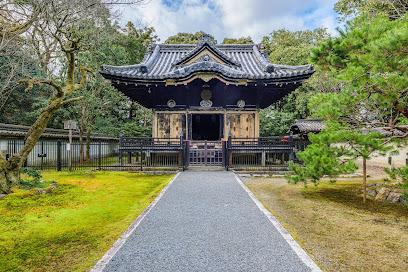
Keage Incline
6.3 km
Discover Keage Incline in Kyoto, a historic pathway adorned with cherry blossoms, perfect for leisurely walks and rich in cultural significance.
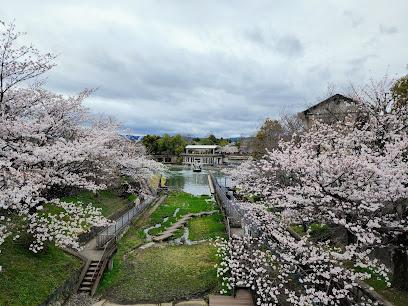
Essential places to dine

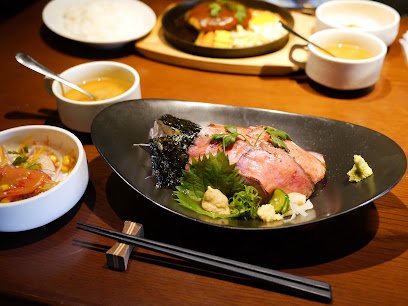
Japanese Cuisine OHMI
1.0 km
Discover the elegance of authentic Japanese dining at Japanese Cuisine OHMI - where tradition meets exquisite flavors.

近江牛ダイニングOKAKI
1.1 km
Discover the exquisite taste of premium Omi beef at 近江牛ダイニングOKAKI in Otsu—an unforgettable culinary journey awaits.
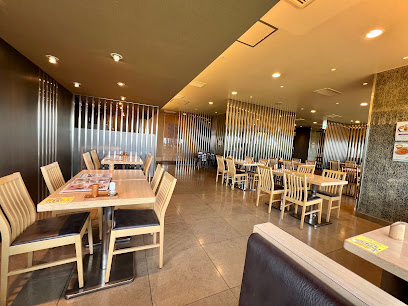
Otsu Highway Restaurant
2.0 km
Experience delightful Japanese and Western cuisine at Otsu Highway Restaurant while enjoying scenic views along Otsu Highway.
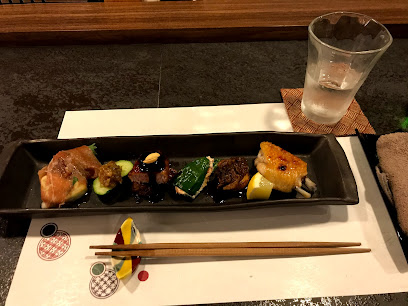
Yamasaki
5.7 km
Experience authentic Japanese cuisine at Yamasaki in Otsu - where tradition meets flavor.
Monk
5.7 km
Discover Monk: A top-rated pizza restaurant in Kyoto blending Italian tradition with local flavors for an unforgettable dining experience.
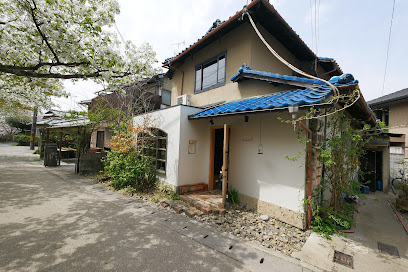
Kakyo
6.6 km
Experience the finest kaiseki cuisine at Kakyo in Kyoto - where tradition meets innovation in every exquisite dish.
Nananoichi
6.7 km
Experience exquisite French cuisine with a touch of Kyoto's finest flavors at Nananoichi.
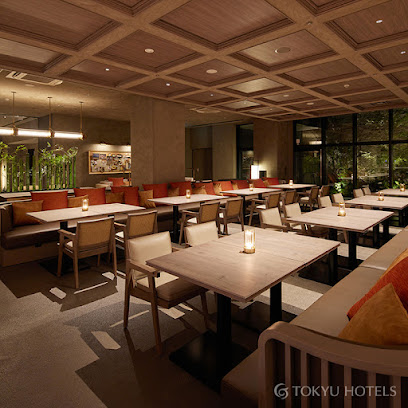
Tan
7.0 km
Discover the exquisite flavors of authentic Kaiseki dining at Tan in Kyoto, where tradition meets seasonal freshness.
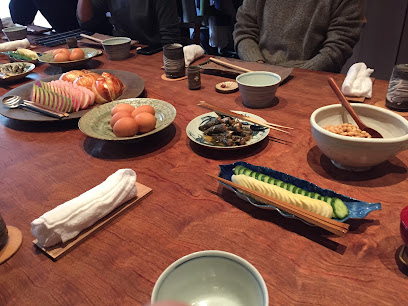
LURRA°
7.0 km
Experience exquisite fine dining at LURRA° in Kyoto, where local ingredients meet culinary artistry in an elegant setting.
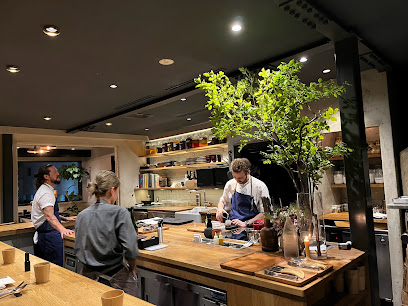
Cenci
7.1 km
Discover Cenci in Kyoto - where exquisite Italian cuisine meets Japanese culinary artistry for an unforgettable dining experience.
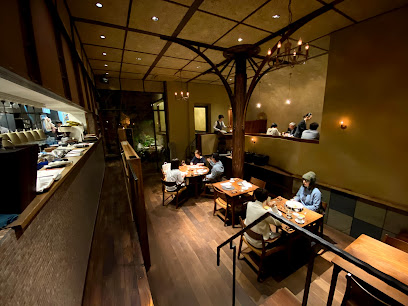
Kōdaiji Jūgyūan
7.1 km
Experience exquisite Japanese fine dining at Kōdaiji Jūgyūan in Kyoto, where tradition meets modern culinary artistry.
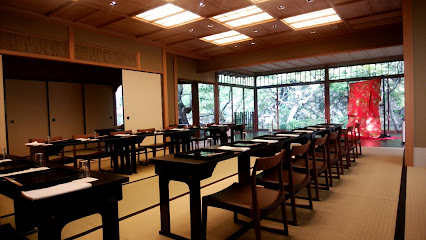
Otowa Saryo
7.1 km
Experience traditional Japanese cuisine and serene surroundings at Otowa Saryo in Kyoto's beautiful Higashiyama Ward.
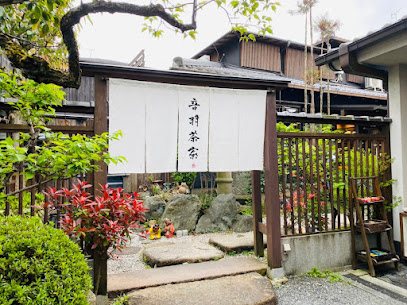
Arash's Kitchen
7.2 km
Experience authentic Asian cuisine at Arash's Kitchen in Kyoto—a culinary delight for every traveler seeking unique flavors.
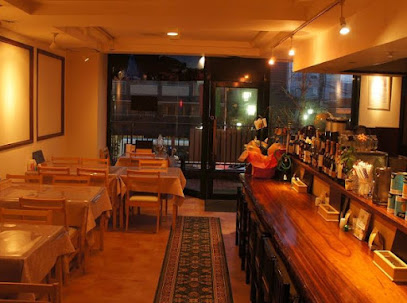
THE SODOH HIGASHIYAMA KYOTO|Restaurant
7.2 km
Experience exquisite Italian cuisine at The Sodoh Higashiyama Kyoto, where tradition meets modern elegance in every dish.
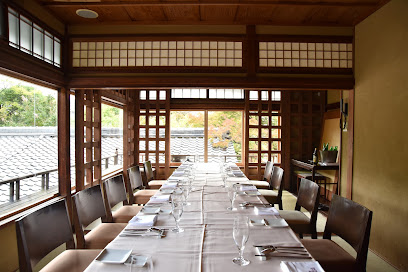
Kyoto Tsuburano
7.2 km
Experience authentic Kyoto-style dining at Tsuburano – where tradition meets modern taste in a charming setting.
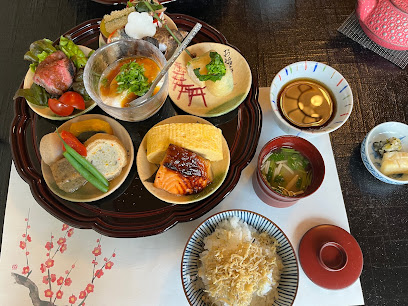
Markets, malls and hidden boutiques

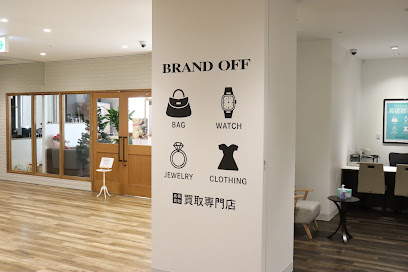
ブランド買取専門店 BRAND OFF 大津テラス店
2.2 km
Explore an extraordinary selection of designer items at BRAND OFF Otsu, where fashion meets affordability in a charming thrift store setting.
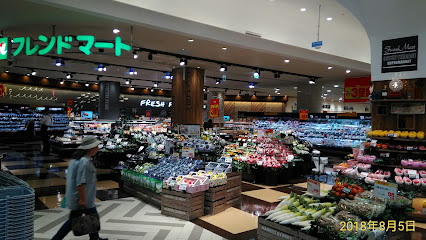
Friend Mart
2.2 km
Experience the local flavors and vibrant culture at Friend Mart, Otsu's premier supermarket for tourists seeking authentic Japanese products.
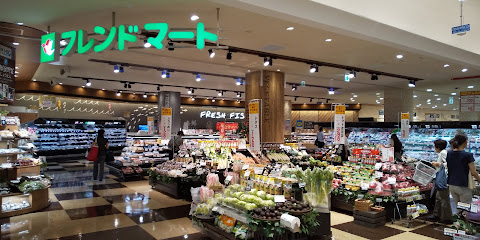
Oh! Me Ōtsu Terrace
2.2 km
Discover Oh! Me Ōtsu Terrace, a bustling shopping haven in Otsu, Japan, offering a unique blend of fashion, dining, and entertainment.
Omi beef Specialty Store Kawanishi
5.4 km
Experience the finest Omi beef at Kawanishi, a top delicatessen in Otsu, Shiga, where tradition meets flavor in every bite.
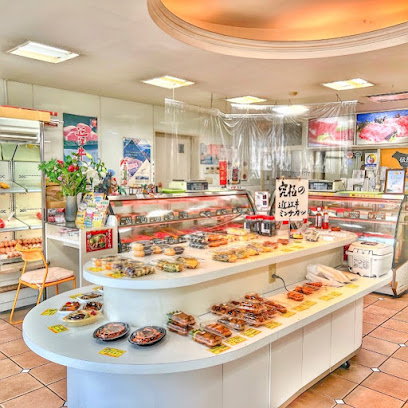
Kyoto Handicraft Center
7.1 km
Discover the essence of Japanese craftsmanship and cuisine at the Kyoto Handicraft Center, where tradition meets artistry in the heart of Kyoto.
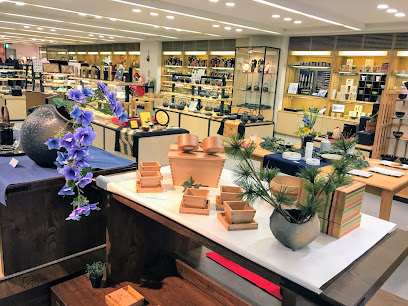
Studio Ghibli shop
7.1 km
Explore the enchanting world of Studio Ghibli at this delightful gift shop in Kyoto, filled with unique merchandise and magical memorabilia.
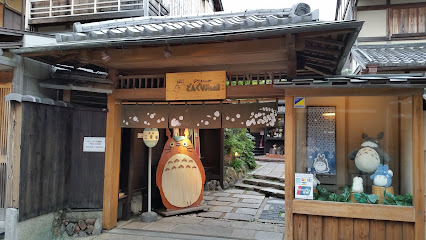
Ghibli Studios Shop Kyoto
7.2 km
Explore the enchanting world of Studio Ghibli at the Ghibli Studios Shop Kyoto, a must-visit for fans of animation and art.
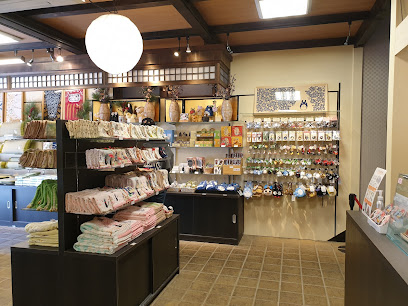
Hashiya Kaede
7.3 km
Discover the charm of Kyoto at Hashiya Kaede, a unique gift shop specializing in playful and exquisite chopstick designs that celebrate Japanese craftsmanship.
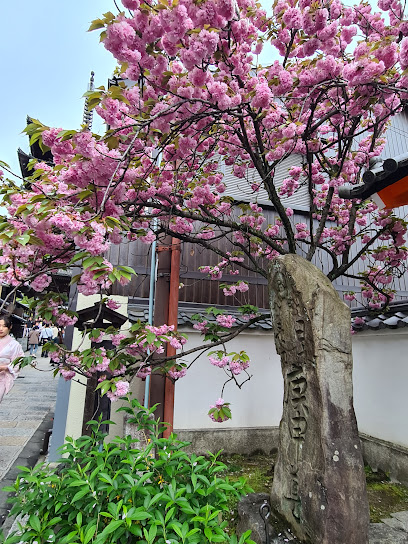
Kyo Sakura
7.3 km
Discover Kyo Sakura in Kyoto: A clothing store where tradition meets modern style, offering unique fashion pieces and authentic local craftsmanship.
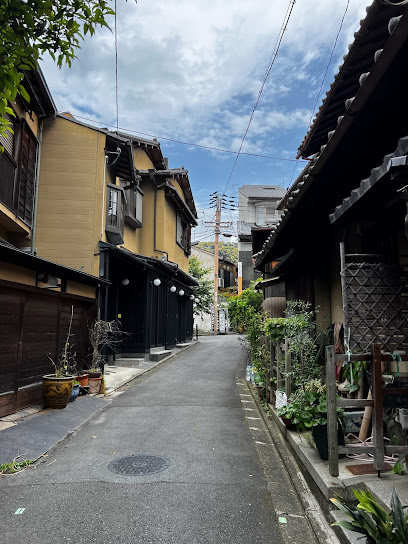
Ki-Yan Stuzio Gion Ishidan-shita Shop
7.4 km
Discover Kyoto's artistic essence at Ki-Yan Stuzio Gion Ishidan-shita Shop, where clothing meets art in a charming boutique experience.
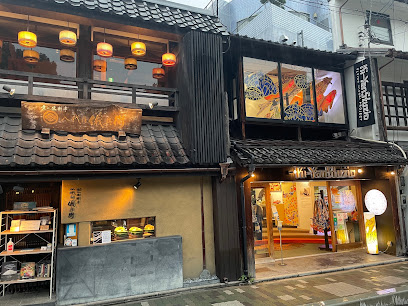
fine antique
7.4 km
Explore Fine Antique in Kyoto's Gion district for a unique glimpse into Japan's cultural heritage through exquisite antiques and collectibles.
Ayanokoji Gion
7.4 km
Discover the artistry of Japan at Ayanokoji Gion, a charming souvenir store nestled in Kyoto's historic Gion district, specializing in unique bags and gifts.
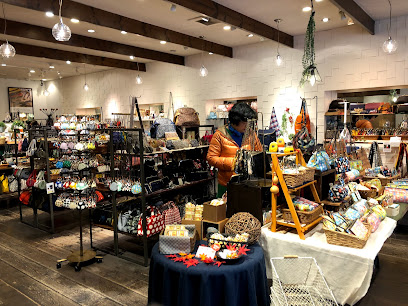
HAURA Kyoto japan
7.4 km
Explore the unique artistry of Japan at HAURA Kyoto, a charming general store in the heart of Higashiyama Ward.
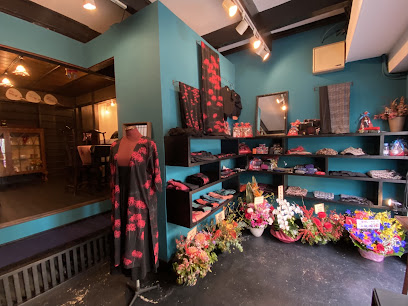
Kurochiku
7.5 km
Discover Kurochiku in Kyoto: A charming souvenir store showcasing authentic Japanese crafts and unique gifts that capture the essence of Japan.
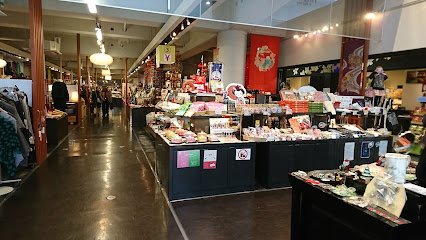
Statue kyoto
7.5 km
Discover authentic Japanese souvenirs and local delicacies at Kyoto's charming gift shop, a delightful stop for every traveler.

Essential bars & hidden hideouts

CRAFT倶楽部京都
7.4 km
Experience the vibrant nightlife at CRAFT倶楽部京都, where innovative cocktails meet traditional Japanese hospitality in the heart of Gion.
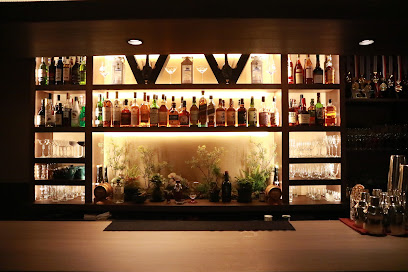
Bingo
7.4 km
Discover Bingo, a cozy bar in Kyoto's Gion district, offering exquisite drinks and a charming ambiance for an unforgettable experience.
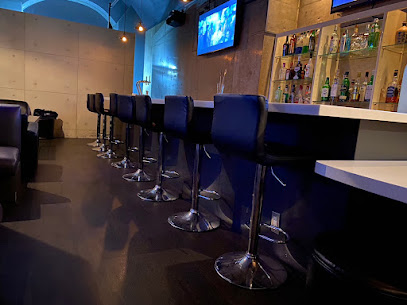
Talisker
7.4 km
Discover the charm of Talisker in Kyoto's Gion district, where modern cocktails meet traditional Japanese ambiance for an unforgettable evening.
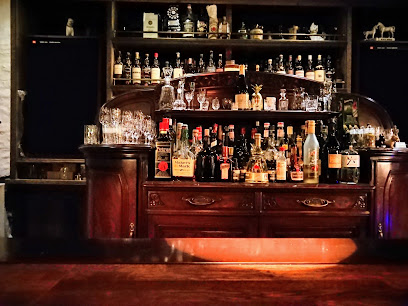
Gion SAMBOA
7.4 km
Discover Gion SAMBOA, a charming bar in Kyoto's historic Gion district, offering local drinks and a unique blend of tradition and modernity.
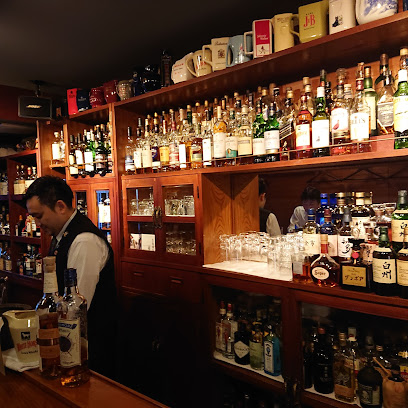
Bar鳴子
7.5 km
Discover the exquisite fusion of traditional and modern at Bar鳴子, a must-visit bar in Kyoto's enchanting Gion district.

Man in the Moon Gion
7.5 km
Discover the exquisite flavors of Japan at Man in the Moon Gion, a premier grill restaurant in Kyoto's enchanting Gion district.
bar mousse
7.5 km
Experience Kyoto's vibrant nightlife at Bar Mousse, where expertly crafted cocktails meet warm ambiance for an unforgettable evening.
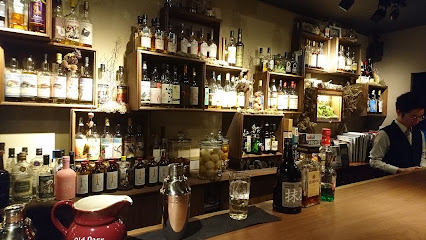
feel京good
7.6 km
Experience Kyoto's vibrant nightlife at Feel 京 Good, a chic bar offering a unique ambiance and an extensive selection of local and international drinks.
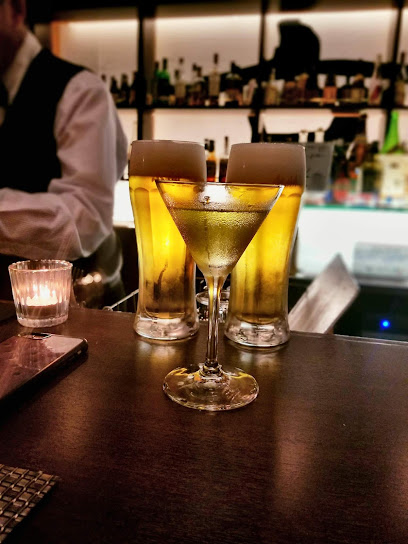
Lounge & Bar 1867 (ダーワ・悠洛 京都 by バンヤン・グループ)
7.6 km
Unwind in the elegance of Kyoto at Lounge & Bar 1867, where tradition meets modern luxury in a serene atmosphere.
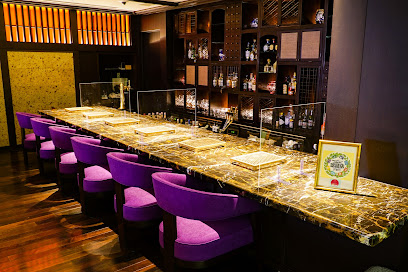
Gion Finlandia Bar
7.6 km
Experience the vibrant nightlife of Kyoto at Gion Finlandia Bar, where expertly crafted cocktails meet the enchanting atmosphere of Gion.
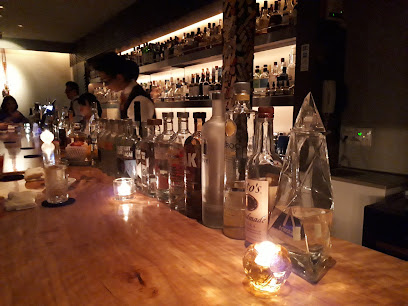
Le Peu
7.6 km
Discover the enchanting atmosphere of Le Peu, a bar in Kyoto that offers a unique blend of traditional charm and modern nightlife.
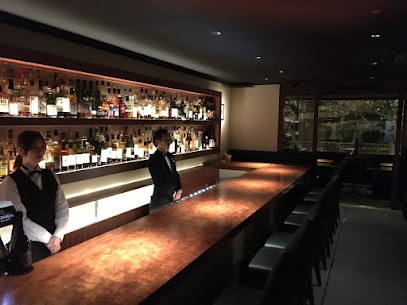
The Common One Bar Kyoto
7.7 km
Discover Kyoto's vibrant nightlife at The Common One Bar, where authentic cocktails meet a cozy atmosphere, perfect for every traveler.
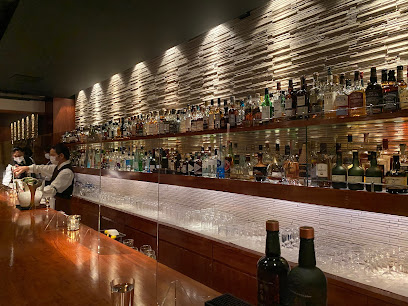
ROCK BAR CRUNCH
7.7 km
Discover the lively atmosphere of Rock Bar Crunch, Kyoto's favorite bar for cocktails and socializing amidst stunning local charm.
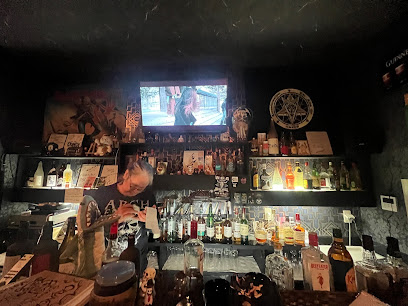
Pig & Whistle
7.7 km
Discover Pig & Whistle, a charming pub in Kyoto offering a delightful blend of local cuisine, craft beers, and a warm, inviting atmosphere.
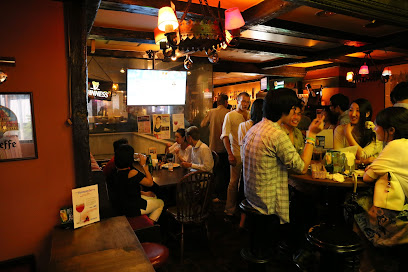
Bar Liquor Museum
7.7 km
Explore the rich history and artistry of Japanese spirits at the Bar Liquor Museum in Kyoto, a unique destination for enthusiasts and curious travelers.