

Trinity Church Square
Georgian elegance meets Roman mystery in Southwark's most architecturally unified square.
Trinity Church Square is a Grade II listed Georgian garden square in Southwark, London, built between 1824 and 1832 around Holy Trinity Church. The church, designed by architect Francis Bedford and consecrated in 1824, now serves as Henry Wood Hall, a prestigious orchestral rehearsal and recording venue. The square's centrepiece is a mysterious statue long believed to depict King Alfred the Great, though 2021 conservation work revealed its lower half comprises Roman sculpture, possibly depicting the goddess Minerva, dating to the 2nd century AD. Surrounded by elegant period terraced houses that remain architecturally unchanged since the early 1800s, the square represents a rare example of cohesive 19th-century speculative development and remains privately owned by the Corporation of Trinity House.
A brief summary to Trinity Church Square
- London, GB
- Duration: 0.5 to 2 hours
- Free
-
 Outdoor
- Mobile reception: 5 out of 5
Local tips
- The square is typically open to residents only; check with Trinity House or visit during special open days such as the annual Garden Fete held in conjunction with nearby Merrick Square, usually featuring free yoga sessions and community activities.
- The statue's Roman lower half was only confirmed in 2021; ask the gardener or information staff about the recent conservation work that revealed this extraordinary discovery, which makes it possibly London's oldest outdoor sculpture.
- Henry Wood Hall occasionally hosts public concerts and rehearsals; enquire about performance schedules if you wish to experience classical music in this acoustically exceptional converted church.
- The surrounding terraced houses are Grade II listed and architecturally unchanged since the 1820s; the square's uniform design is exceptionally rare in London and worth appreciating from multiple vantage points.
- The area sits atop a Roman necropolis; visit the nearby Museum of London to see artefacts excavated from Trinity Village, including the 2017 Roman sarcophagus discovery from Swan Street.

For the on-the-go comforts that matter to you
- Seating Areas
- Trash Bins
- Information Boards
Getting There
-
London Underground and Bus
From Borough Station (Northern Line, 5 minutes walk): Exit onto Borough High Street, head south toward Trinity Street, and turn east into Trinity Church Square. From Elephant & Castle Station (Northern, Bakerloo, or Northern Line, 10 minutes walk): Head south on Elephant Road, continue onto New Kent Road, then navigate to Trinity Street. Multiple bus routes serve the area including routes 1, 40, 35, and 45, with stops on Borough High Street and Trinity Street within 2–5 minutes walk of the square.
-
London Bridge Station
From London Bridge Station (Circle, District, Northern, and Jubilee Lines, 12 minutes walk): Exit onto Borough High Street, proceed south toward Trinity Street, and enter Trinity Church Square from the north side. This route passes through historic Borough Market and the surrounding medieval streets of Southwark.
-
Cycle Hire
A Transport for London Santander Cycles docking station is located at Harper Road, approximately 3 minutes from Trinity Church Square. The square itself is in a relatively quiet residential area with low traffic; cycling is a practical option for reaching the location from central London.
-
Walking from Southwark Cathedral
From Southwark Cathedral (15 minutes walk): Head south along Borough High Street, turn east onto Trinity Street, and enter Trinity Church Square. This walking route allows you to explore the historic Borough neighbourhood and its medieval street pattern.
Trinity Church Square location weather suitability
-
 Any Weather
Discover more about Trinity Church Square
A Georgian Masterpiece Built Around Sacred Ground
Trinity Church Square stands as one of London's most architecturally unified residential developments, built between 1824 and 1832 on land owned by the Corporation of Trinity House. The square was conceived as an elegant enclave centred on Holy Trinity Church, designed by the distinguished South London architect Francis Bedford and consecrated in 1824. The foundation stone was laid by the Archbishop of Canterbury himself, reflecting the church's significance as one of the Waterloo churches—structures funded by the government following the Battle of Waterloo in 1815. The development was undertaken by builder and stonemason William Chadwick, who applied for building leases from Trinity House in 1824 with the explicit intention of forming a select square around the newly completed church. This unified vision resulted in remarkable architectural homogeneity; the facades of the surrounding terraced houses remain virtually unchanged since the early 1800s, a rarity in London that reflects the square's continued ownership and stewardship by Trinity House.From Parish Church to World-Class Rehearsal Space
Holy Trinity Church served as the parish church from 1826 to 1968, when it was declared redundant and deconsecrated. The building's interior was gutted by fire in the early 1960s and subsequently rebuilt during the 1970s. In 1975, following extensive restoration, the church was reimagined as Henry Wood Hall, a prestigious orchestral rehearsal and recording venue named after the legendary conductor Sir Henry Wood, who championed the Promenade Concerts for nearly fifty years. The London Philharmonic and London Symphony Orchestras commissioned the conversion, seeking suitable rehearsal space in London. Today, the hall remains one of Europe's finest orchestral facilities, hosting rehearsals, recordings, and performances by leading orchestras and musicians. The church's high altar was relocated to St Agatha's in Landport, completing its transformation from sacred worship space to temple of classical music.The Enigmatic Statue: Medieval Mystery or Roman Relic?
The square's most captivating feature is the Grade II listed statue that has stood in the central garden since the 1830s, its true origins shrouded in historical mystery. For nearly two centuries, the figure was believed to represent King Alfred the Great, and it was long considered among London's oldest outdoor statues. However, groundbreaking conservation work conducted in 2021 fundamentally altered our understanding of this enigmatic sculpture. Experts discovered that the lower portion—the legs—comprises genuine Roman stone dating to the 2nd century AD and likely depicts Minerva, the Roman goddess of war. The upper torso, by contrast, is fashioned from Coade stone and was added in the early 19th century by William Chadwick's team to create the composite figure of the Anglo-Saxon king. This remarkable hybrid sculpture raises profound questions about its provenance. One theory suggests it was one of eight medieval statues originally positioned on the towers at the north end of Westminster Hall, five of which vanished when architect Sir John Soane undertook restoration work on the hall's north front between 1820 and 1825. An alternative hypothesis proposes that the statue was created for the gardens of Carlton House in 1735 by sculptor John Michael Rysbrack, and was acquired by Chadwick following Carlton House's demolition in 1827. Regardless of its true origins, the statue now stands as a tangible link to London's layered past—Roman, medieval, Georgian, and Victorian all converged in a single sculpture.Residents of Distinction and Social Contrast
Trinity Church Square attracted professional families of considerable standing during the 19th century. Notable residents included architects, ministers, an iron merchant, and publishers. The celebrated architect John Belcher lived at number 60 from 1849 to 1852 alongside his father, also named John Belcher, who was himself an architect. William Tegg, a publisher and bookseller and son of the prominent Thomas Tegg, occupied number 11 from 1848 to 1852. The Congregationalist divine Thomas Binney resided at number 40 from 1831 to 1832 and later at number 5. William Chadwick himself occupied the largest house in the square, number 29. This enclave of respectability presented a striking contrast to the wider Borough area, where contemporary poverty maps revealed stark social divisions—the middle-class residents of Trinity Church Square lived cheek by jowl with some of London's poorest neighbourhoods, creating a microcosm of Victorian London's profound inequalities.Roman Foundations and Archaeological Significance
The ground beneath Trinity Church Square holds deeper historical layers. The area occupies what was once the southern cemetery of Roman London, a necropolis of statuary, columned sepulchres, walled villas, temples, and household shrines. The first recorded Roman archaeological find in the vicinity dates to 1825–1826, when workmen excavating for the church's construction uncovered a skeleton, a vase, and the remains of a sepulchre. Since then, a wealth of Roman artefacts and structures has emerged, providing compelling evidence of the area's macabre significance in antiquity. In 2017, a Roman sarcophagus was discovered in nearby Swan Street, further confirming the neighbourhood's importance as a burial ground for Roman London's inhabitants.The Garden and Its Enduring Character
The central garden was originally laid out by William Chadwick and remains meticulously maintained by the Corporation of Trinity House. The iconic statue occupies a circular bed planted with topiary, grasses, and deciduous perennials. The broader square features a mix of established and recently redesigned planting beds, expansive lawns, and large mature trees, including London planes that link Trinity Church Square to the adjacent Merrick Square. A Memorial Garden dedicated to Her Majesty Queen Elizabeth II and His Royal Highness Prince Philip, the longest-serving Master of Trinity House, further enriches the space. The square's architectural and horticultural coherence has made it a favoured location for film and television productions, including scenes from Bridget Jones' Diary and more recently Steven Spielberg's Masters of the Air.Iconic landmarks you can’t miss

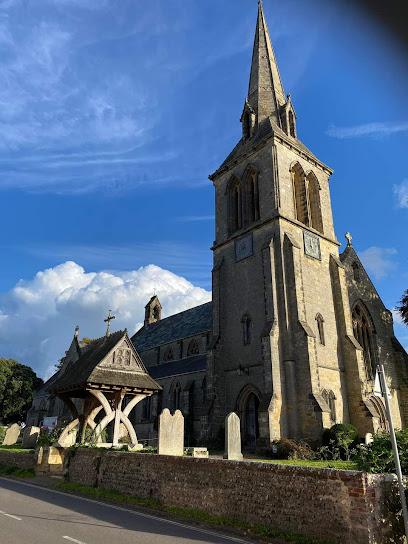
Trinity Church Square
0.0 km
Discover the serenity of Trinity Church Square in London, a historic oasis of beauty and tranquility amidst the vibrant urban landscape.
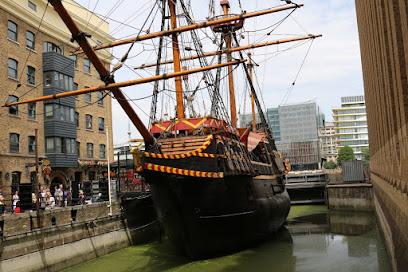
St Mary Overie's Dock
0.9 km
Historic riverside dock in London’s Southwark, home to the Golden Hinde replica and steeped in medieval maritime heritage.
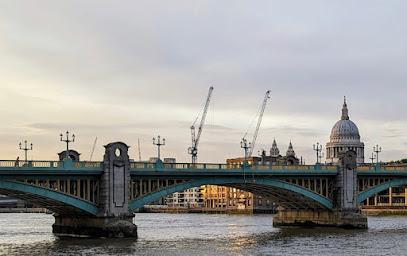
Southwark Bridge
1.1 km
Historic cast-iron Southwark Bridge links London’s City and Southwark with striking architecture and rich river heritage.
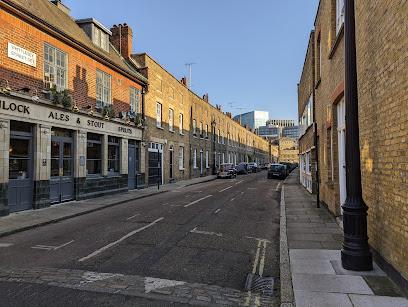
Roupell St
1.2 km
Explore Roupell Street, a picturesque Victorian lane in London offering charm, history, and perfect photo opportunities.
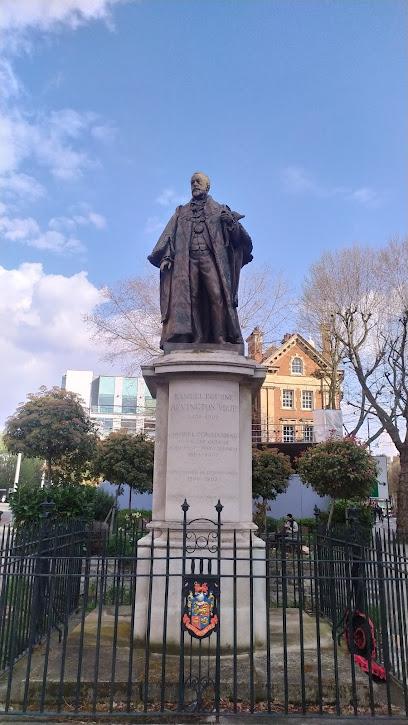
Samuel Bourne Bevington Statue
1.2 km
Discover the Samuel Bourne Bevington Statue near Tower Bridge, a captivating tribute to London's rich artistic heritage and history.
Historic England
1.3 km
Discover the rich tapestry of England's history at Historic England, a key organization dedicated to preserving the nation’s architectural treasures.
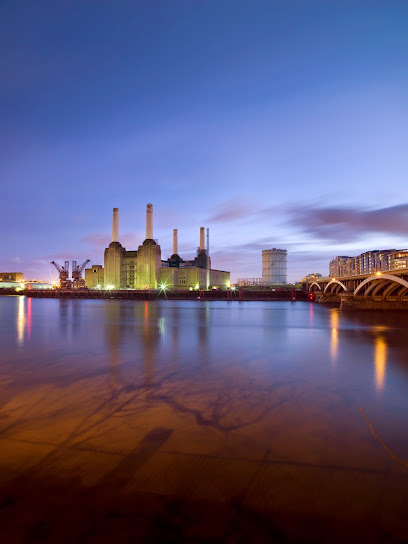
Fish St Hill
1.3 km
Discover the historic charm and vibrant culture of Fish St Hill in London, a must-visit destination for tourists exploring the capital's rich heritage.
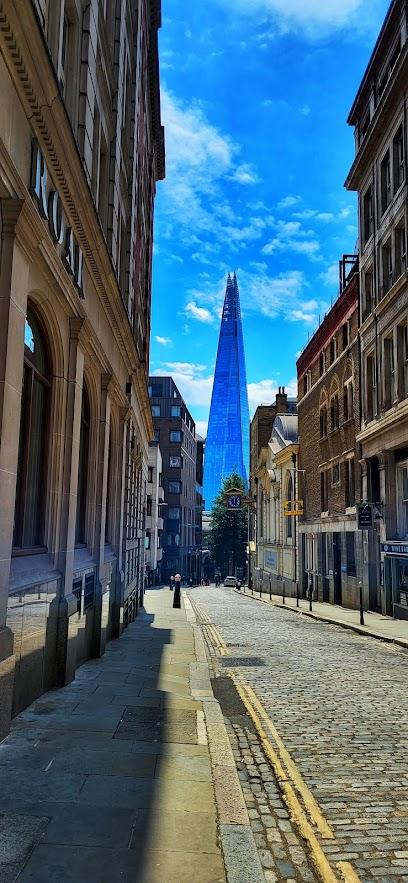
Monument to the Great Fire of London
1.4 km
Explore the Monument to the Great Fire of London, a stunning landmark that offers a glimpse into the city's resilient past and breathtaking views of the skyline.

St Michael's Church : Paternoster Royal
1.4 km
Discover the serene charm of St Michael's Church, a historic Anglican church in London, where architectural beauty meets spiritual tranquility.

Custom House
1.4 km
A historic landmark on the Thames, Custom House embodies centuries of trade, empire, and transformation, with its grand architecture and riverfront views captivating all who visit.
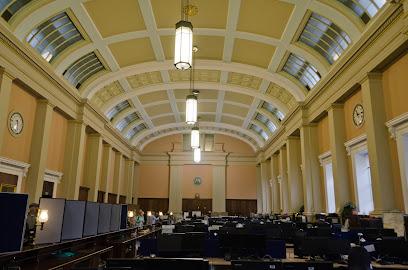
Billingsgate Roman House & Baths
1.4 km
Explore the rich Roman heritage at Billingsgate Roman House & Baths, a fascinating museum revealing ancient life in the heart of London.
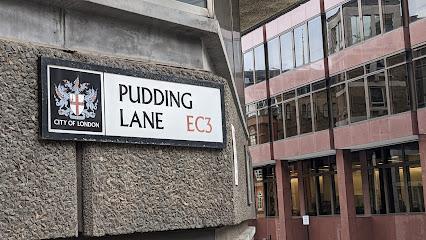
Pudding Ln
1.4 km
Discover the historical heart of London at Pudding Lane, where the Great Fire ignited and the story of resilience began.
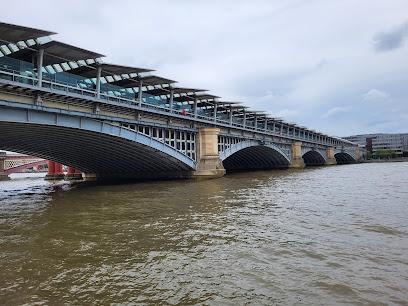
Blackfriars Bridge
1.4 km
Explore Blackfriars Bridge, an iconic architectural gem over the River Thames, offering breathtaking views and rich historical context in the heart of London.
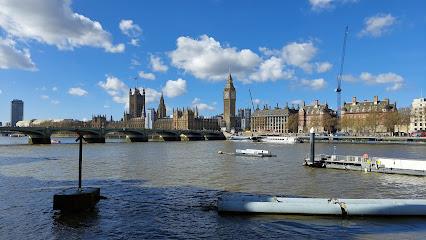
Westminster Bridge Rd
1.4 km
Explore the breathtaking views and rich history of Westminster Bridge, a must-visit landmark in the heart of London.
London Stone (remaining part)
1.4 km
Explore the captivating London Stone, a historical landmark that offers a glimpse into the rich tapestry of London's ancient past.

Unmissable attractions to see

Ministry of Sound
0.4 km
Unleash your nightlife experience at Ministry of Sound in London, where world-class DJs and vibrant parties come alive in a legendary setting.

Red Cross Garden
0.4 km
Explore the serene Red Cross Garden in London, a beautiful park and tourist attraction perfect for relaxation and enjoying nature's beauty.
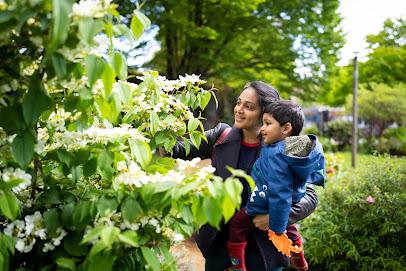
Crossbones Graveyard & Garden of Remembrance
0.5 km
Explore Crossbones Graveyard & Garden of Remembrance, a serene refuge in London that honors forgotten souls and rich history.
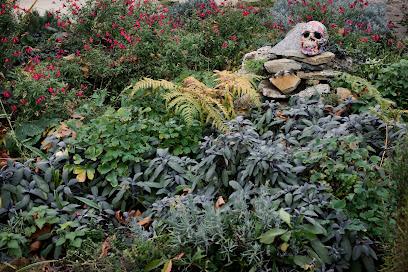
Menier Chocolate Factory
0.6 km
Discover the Menier Chocolate Factory - a historic performing arts theatre in London offering captivating shows and delightful dining experiences.
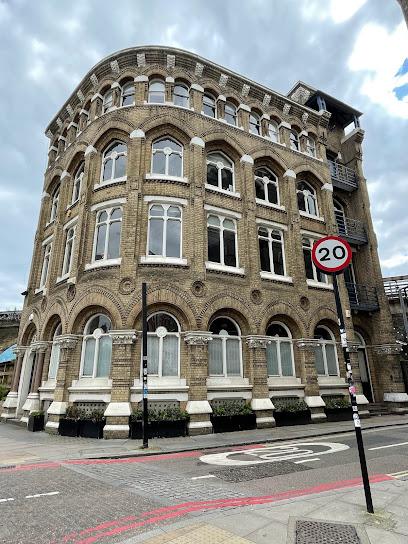
The Old Operating Theatre Museum and Herb Garret
0.8 km
Explore Europe’s oldest surviving surgical theatre and apothecary’s herb garret, a unique glimpse into Victorian medicine and surgery in historic London.
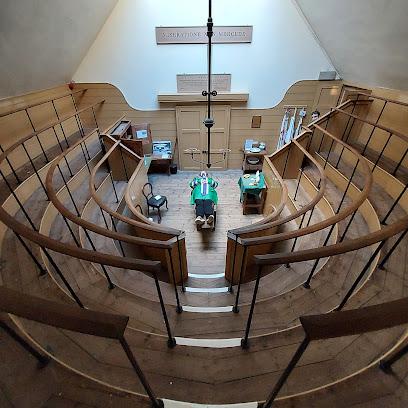
Lantern Ghost Tours
0.8 km
Experience the spine-chilling tales of London's haunted past with Lantern Ghost Tours, where history meets the supernatural on an unforgettable evening adventure.
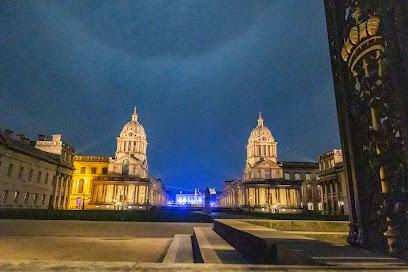
Borough Market
0.8 km
Discover the vibrant flavors of Borough Market, London’s iconic food destination offering fresh produce, artisanal goods, and a taste of global cuisine.
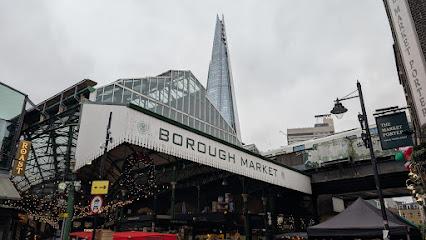
The View from The Shard
0.8 km
Discover unparalleled views of London's iconic skyline from The View from The Shard, the UK's tallest building offering a breathtaking experience.
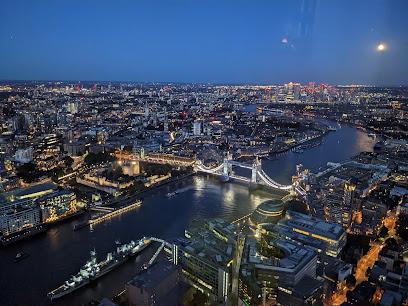
The Shard
0.8 km
Experience breathtaking views of London from The Shard, the tallest building in the UK, where modern architecture meets stunning landscapes.
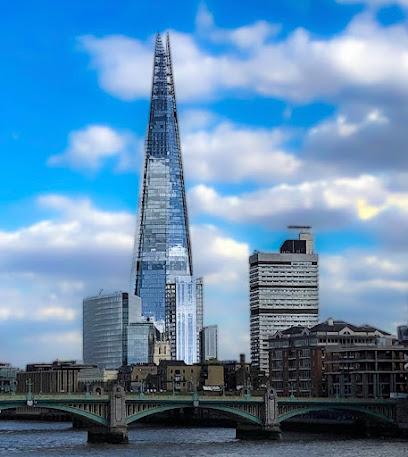
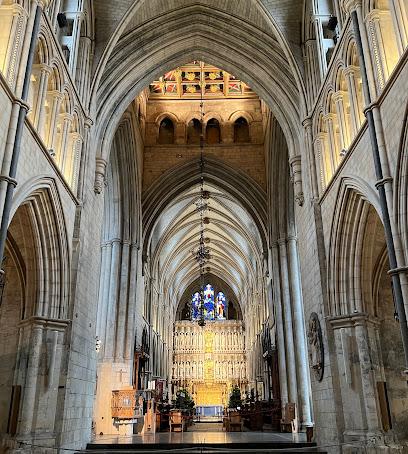
Southwark Cathedral
0.8 km
Discover the historic charm of Southwark Cathedral, an architectural masterpiece and spiritual sanctuary in the heart of London.
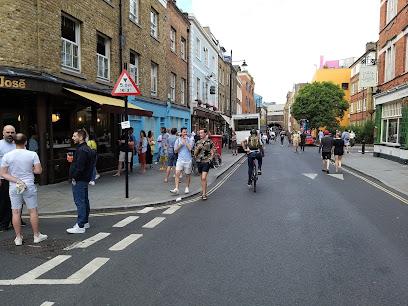
Bermondsey St
0.9 km
Explore the vibrant Bermondsey Street in London, a blend of history, culture, and culinary delights that captures the city's unique spirit.
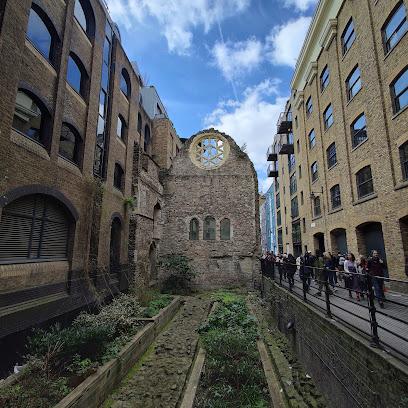
Winchester Palace
0.9 km
Explore the enchanting ruins of Winchester Palace, a historical landmark that reveals London's medieval heritage and architectural beauty.
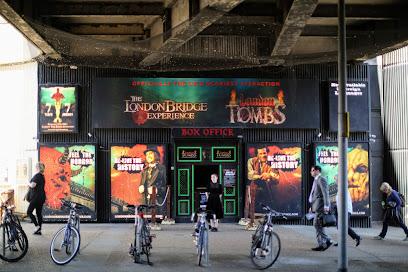
The London Bridge Experience & London Tombs
0.9 km
Discover the chilling tales and rich history of The London Bridge Experience & London Tombs, where the past comes alive with thrilling adventures.
The Clink Prison Museum
0.9 km
Discover the haunting history of The Clink Prison Museum in London, where the tales of inmates and medieval life come alive in a unique museum experience.
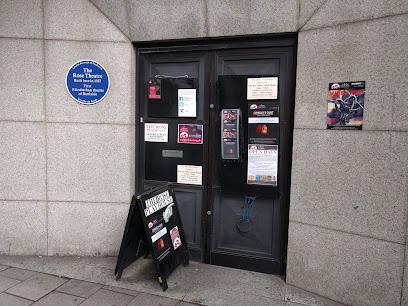
Rose Theatre Trust
0.9 km
Discover the enchanting Rose Theatre Trust in London, where captivating performances and rich history come alive in an intimate setting.
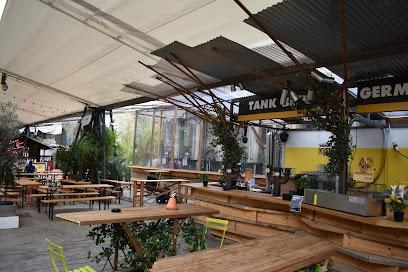
Essential places to dine

Mercato Metropolitano
0.3 km
A vibrant, sustainable community food market in Elephant & Castle offering global flavors, local sourcing, and a lively social atmosphere.
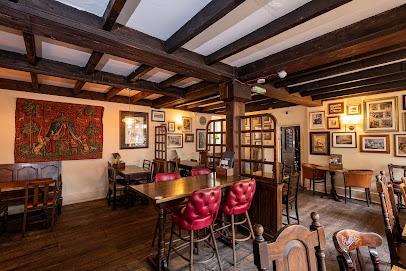
George
0.6 km
Step into centuries of history at The George, a vibrant pub and restaurant in the heart of Southwark, London.
Restaurant Story
1.2 km
Experience the pinnacle of fine dining at Restaurant Story in London, where each dish narrates a unique tale of British culinary heritage.
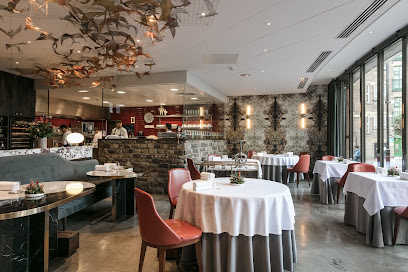
Sea Containers Restaurant
1.4 km
Discover exquisite modern British cuisine at Sea Containers Restaurant along the Thames River—an unforgettable dining experience in London.
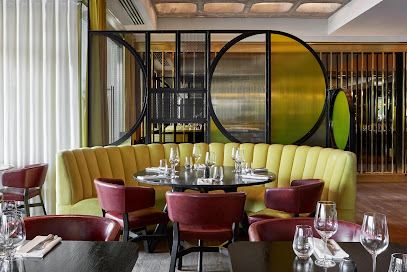
Paradiso Burger & Cocktail Bar Southbank
1.5 km
Savor gourmet burgers and crafted cocktails at Paradiso Burger & Cocktail Bar on London's vibrant Southbank.
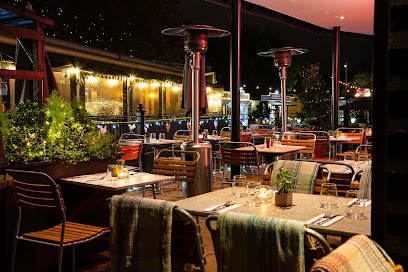
Park Plaza London Westminster Bridge
1.6 km
A stylish four-star hotel in central London, offering modern rooms, diverse dining, and easy access to major attractions.
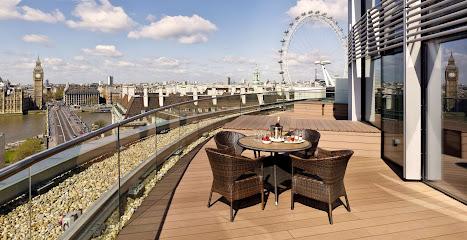
Brasserie Blanc - Southbank
1.6 km
Experience authentic French cuisine at Brasserie Blanc - Southbank, where delightful flavors meet stunning riverside views in London.
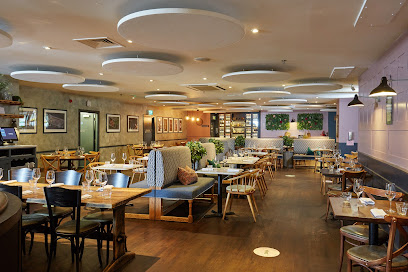
La Dame de Pic London
1.7 km
Experience Anne-Sophie Pic’s masterful French cuisine in a historic London landmark, blending tradition with modern artistry for an unforgettable fine dining journey.
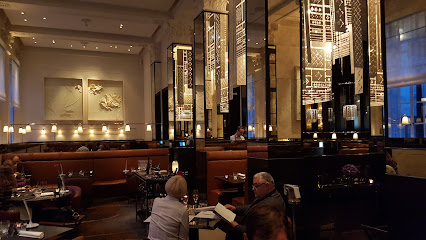
The Archduke
1.7 km
Experience premium steaks and fine wines at The Archduke, a top-notch restaurant near London's South Bank.
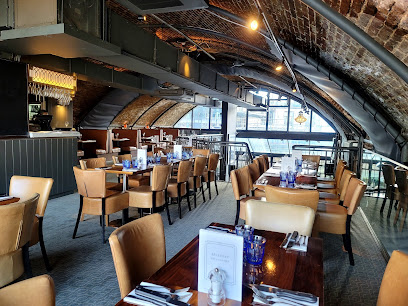
Troia Southbank
1.7 km
Experience authentic Mediterranean flavors at Troia Southbank - where Greek and Turkish cuisines come together in a vibrant London setting.
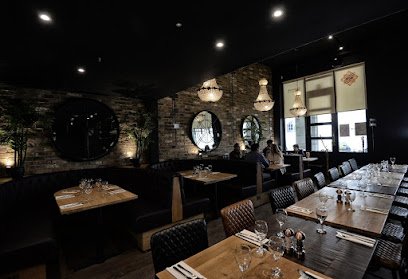
Ping Pong Southbank
1.7 km
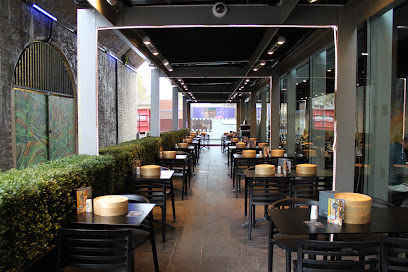
Experience vibrant Asian fusion cuisine at Ping Pong Southbank—where delightful dim sum meets stunning riverside views in London.
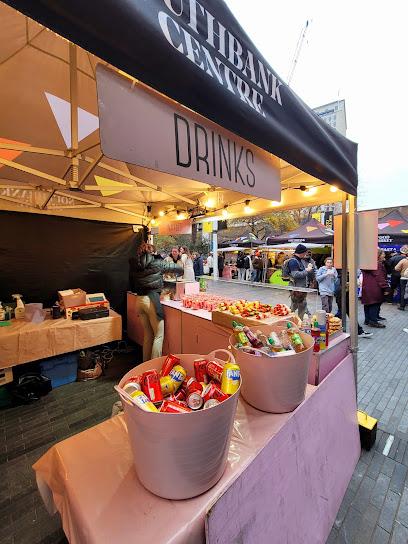
Southbank Centre Food Market
1.7 km
A lively weekend street food market on London’s South Bank offering diverse global cuisines in a vibrant riverside setting.
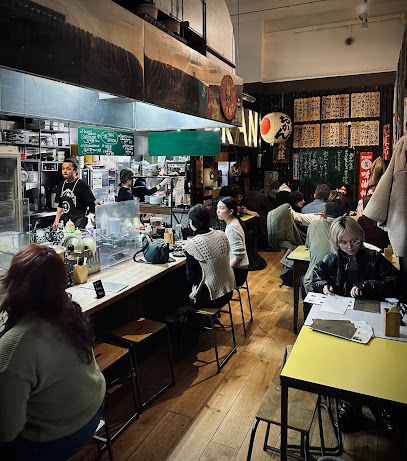
OKAN South Bank
1.7 km
Savor authentic Japanese flavors at OKAN South Bank in London – where culinary tradition meets modern dining.
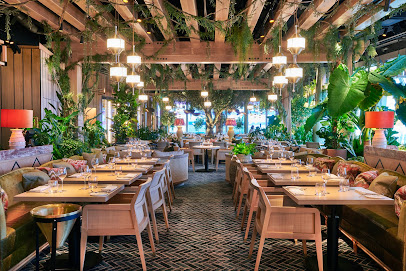
14 Hills
1.7 km
A lush, sky-high forest with panoramic views and creative cuisine in the heart of London.
Wahaca Southbank
1.8 km
Experience authentic Mexican flavors at Wahaca Southbank – where vibrant cuisine meets stunning riverside views in London.
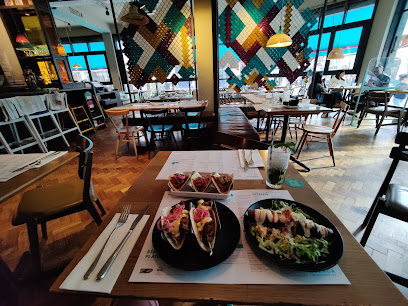
Markets, malls and hidden boutiques

Bankside Arches Boutique
1.2 km
Explore Bankside Arches Boutique for unique gifts, aromatherapy products, and handcrafted jewelry in the heart of London's Blackfriars Station.
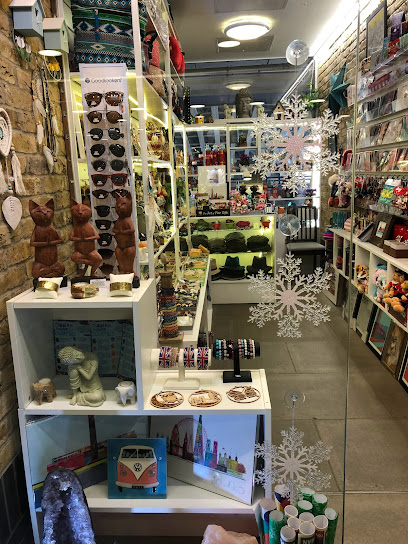
The Giftree London
1.3 km
Discover unique souvenirs, clothing, and local treasures at The Giftree London, your one-stop shop for unforgettable London memories.
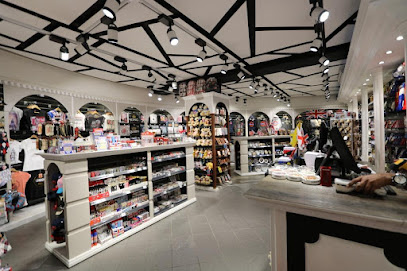
Tower Bridge - Engine Rooms and Official Gift Shop
1.4 km
Explore the fascinating history of Tower Bridge at the Engine Rooms and shop for unique gifts at the Official Gift Shop.
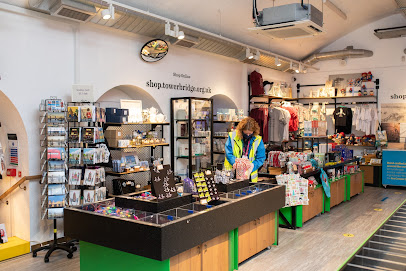
SUCK UK Alternative Gifts (OXO Tower)
1.4 km
Explore SUCK UK Alternative Gifts in the iconic Oxo Tower, a treasure trove of quirky homewares and innovative gifts perfect for every occasion.
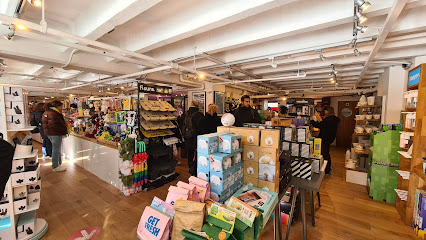
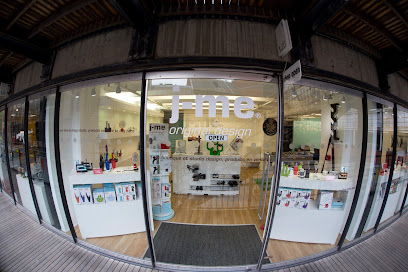
j-me original design ltd
1.4 km
Explore j-me original design ltd, a unique gift shop in London offering innovative and stylish products perfect for souvenirs and thoughtful presents.
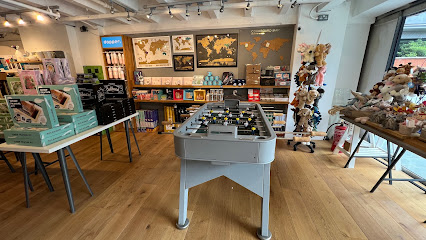
Brand Academy Independent Gift Shop
1.4 km
Explore the Brand Academy Independent Gift Shop for unique London souvenirs and local artisanal products in the iconic Oxo Tower Wharf.
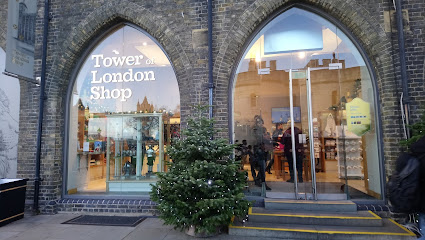
Tower of London Shop
1.5 km
Discover unique gifts and royal memorabilia at the enchanting Tower of London Shop, an essential stop for every visitor to this historic site.
Sugar And Style
1.5 km
Explore Sugar And Style, a charming fashion accessories shop in London's Gabriel's Wharf, offering unique pieces to complement your style.

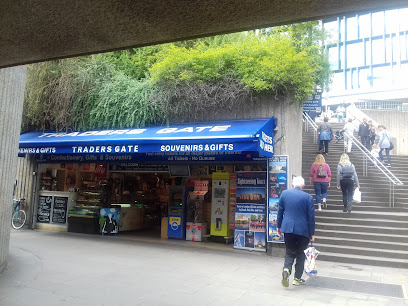
Traders Gate
1.5 km
Explore Traders Gate, a family-run gift shop in London offering unique souvenirs and local crafts, perfect for every tourist's memento.
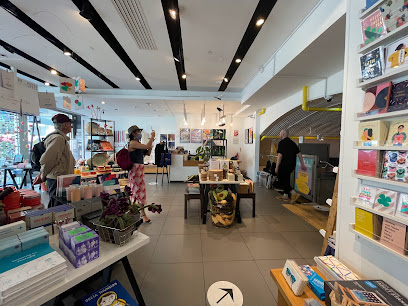
Southbank Centre Shop, Mandela Walk
1.7 km
Discover unique homewares and gifts at the Southbank Centre Shop, a cultural gem along London's vibrant Southbank.
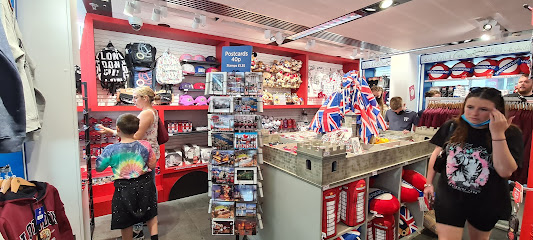
Gift Shop - London Eye Shop
1.8 km
Explore the London Eye Gift Shop for unique souvenirs and exclusive gifts that capture the spirit of London's iconic attraction.
Browns of London
1.8 km
Explore Browns of London for unique handcrafted gifts and local treasures in the heart of the city, perfect for memorable souvenirs from your travels.
Custom Gifts By Jupiter
1.8 km
Discover unique gifts and personalized treasures at Custom Gifts By Jupiter in London, perfect for souvenirs and special occasions.
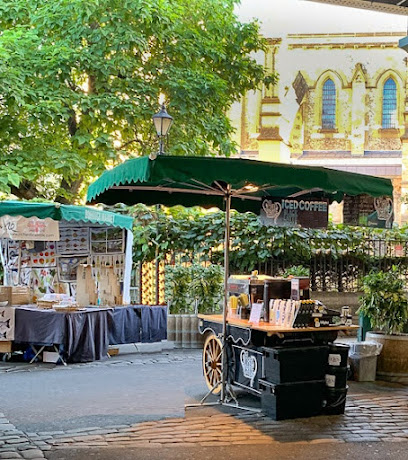
The Store X
2.1 km
Discover luxury fashion at The Store X in London, where elegance meets contemporary style in a chic shopping environment.
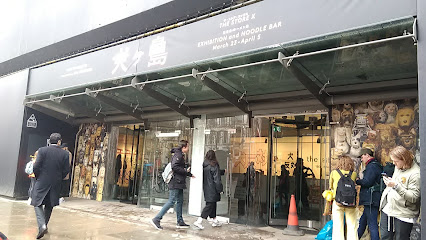
Jubilee Shop (Houses of Parliament Gift Shop)
2.2 km
Discover unique British souvenirs and gifts at the Jubilee Shop in the iconic Houses of Parliament, a true gem for tourists in London.
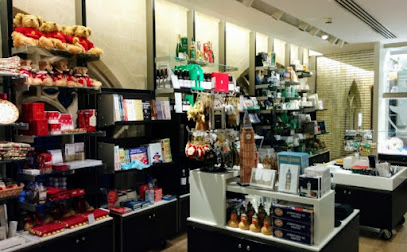
Essential bars & hidden hideouts

The Old School Yard
0.4 km
Experience the vibrant atmosphere and creative cocktails at The Old School Yard, a must-visit bar in the heart of London for tourists and locals alike.
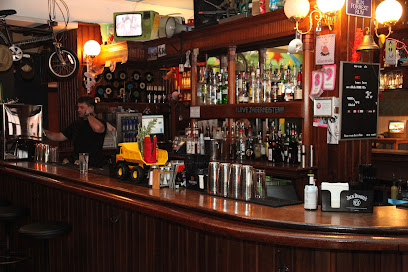
Nine Lives
1.0 km
Experience the vibrant mix of handcrafted cocktails and authentic tacos at Nine Lives near London Bridge, the perfect spot for nightlife enthusiasts.
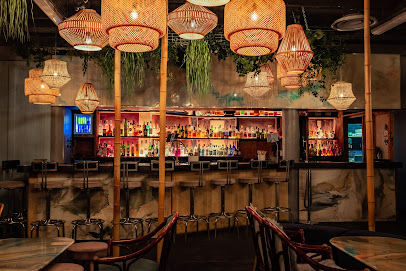
Doggett's Coat and Badge
1.3 km
Discover the charm of Doggett's Coat and Badge, a historic pub on London's South Bank offering delicious cuisine and stunning river views.
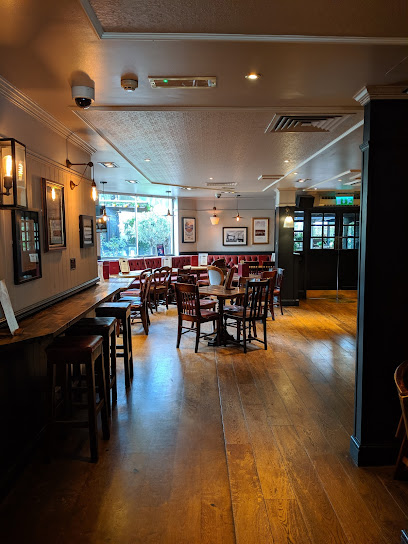
Lyaness
1.4 km
Experience innovative cocktails and a stylish atmosphere at Lyaness, a premier cocktail bar in London along the scenic Thames.
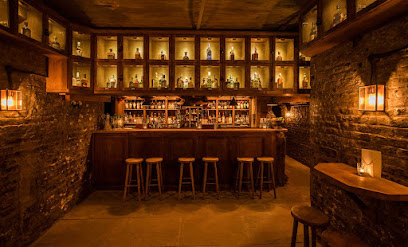
The Cocktail Club - Cocktail Bar near Monument
1.4 km
Discover a cocktail lover's paradise at The Cocktail Club near Monument, featuring innovative drinks and a lively atmosphere in the heart of London.
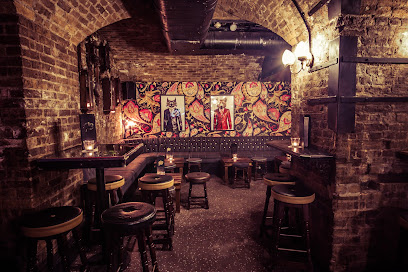
Waterloo Lost Property Office Speakeasy
1.5 km
Discover the elusive Waterloo Lost Property Office Speakeasy, where exceptional cocktails meet a unique hidden ambiance in the heart of London.
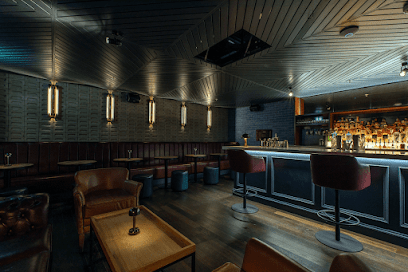
Bar @ 26 Leake Street
1.6 km
Discover the vibrant cocktail culture at Bar @ 26 Leake Street, London's premier spot for unique drinks and an unforgettable atmosphere.
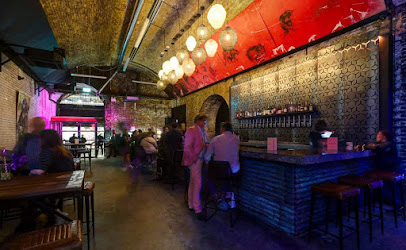
Primo Bar, London
1.6 km
Discover the stylish Primo Bar in London, a top destination for craft cocktails and a vibrant nightlife experience near iconic landmarks.
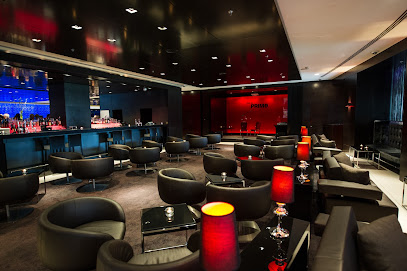
The Bootlegger
1.6 km
Experience the vibrant nightlife of London at The Bootlegger, a live music bar with exceptional cocktails and unforgettable performances.
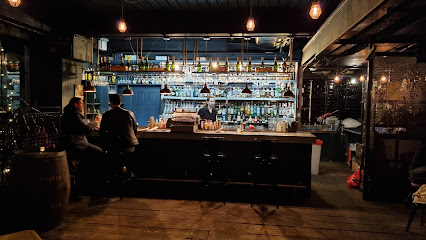
Slug & Lettuce - County Hall
1.6 km
Discover the lively Slug & Lettuce - County Hall, a cocktail bar and restaurant in London offering delicious food and handcrafted drinks in a vibrant atmosphere.
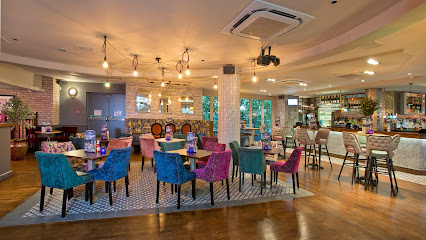
The Understudy
1.7 km
Experience the charm of The Understudy, a vibrant pub in London’s Southbank offering delicious British cuisine and a cozy atmosphere near the best theatres.
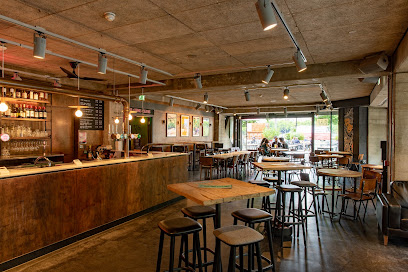
All Bar One Waterloo
1.7 km
Discover the vibrant atmosphere of All Bar One Waterloo, your go-to wine bar in London, offering an exquisite selection of wines and delicious food.
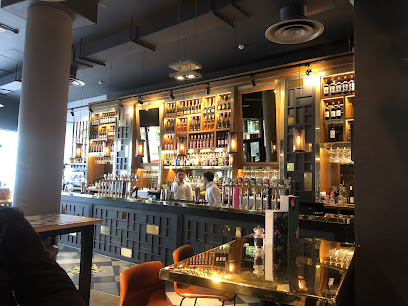
honestfolk Cocktail Bar (Southbank Centre Food Market)
1.7 km
Discover the vibrant atmosphere of Honestfolk Cocktail Bar at Southbank Centre Food Market, where expertly crafted cocktails meet the lively spirit of London.

Southbank Centre, Members Bar
1.8 km
Discover refined wine experiences at the Southbank Centre Members Bar, a stylish retreat for wine lovers in London’s vibrant cultural scene.
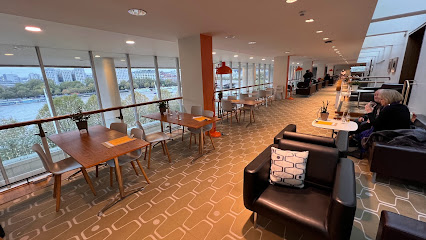
Le Champagne Bar
1.8 km
Discover the elegant ambiance and exquisite champagne selection at Le Champagne Bar, overlooking London's iconic Thames River.
For the vibe & atmosphere seeker
- Tranquil
- Scenic
- Unique
- Romantic
For the design and aesthetic lover
- Minimalist Designs
- Vintage Styles
For the architecture buff
- Historic
- Landmarks
- Heritage Neighborhoods
For the view chaser and sunset hunter
- Iconic Views
- Panoramas
For the social media creator & influencer
- Instagrammable
- Photo Spots
- Architectural Shots
For the eco-conscious traveler
- Protected Area
- Locally Managed
For the kind of experience you’re after
- Myth & Legends
- Cultural Heritage
- Photowalk
- Day Trip
For how adventurous you want the journey to be
- Easy Access
Location Audience
- Family Friendly
- Senior Friendly
- Solo Friendly
- Couple Friendly


