

Petticoat Lane Market
London's historic street market where 370 years of commerce, migration, and East End character converge.
One of London's oldest and most vibrant street markets, Petticoat Lane has traded for over 370 years in the heart of Spitalfields. Originally known for second-hand clothes and bargain goods, today it pulses with fashion stalls, textile vendors, street food traders, and independent shops. The market transforms dramatically on Sundays when over a thousand stalls sprawl across Middlesex Street and surrounding lanes, drawing locals and visitors seeking authentic East End character, vintage finds, and multicultural energy.
A brief summary to Petticoat Lane Market
- 119-121 Middlesex St, London, E1 7JF, GB
- +442073641717
- Visit website
- Duration: 1.5 to 4 hours
- Budget
-
 Outdoor
- Mobile reception: 5 out of 5
- Monday 10 am-4 pm
- Tuesday 10 am-4 pm
- Wednesday 10 am-4 pm
- Thursday 10 am-4 pm
- Friday 10 am-4 pm
- Sunday 9 am-3 pm
Local tips
- Arrive early on Sundays (9am opening) for the best selection and to experience the market before peak crowds. Stall holders begin setting up around 3am and open around 6am, with the most active trading occurring in early morning hours.
- Visit on Friday for a different experience: fewer clothes stalls than Sunday but more food vendors, and a less overwhelming crowd while still maintaining authentic market energy.
- Explore the surrounding lanes and independent shops beyond the main stalls. The market extends across multiple streets including Cobb Street, Leyden Street, and Old Castle Street, each with distinct character and traders.
- The Petticoat Lane Food Court operates Monday to Friday 11am–3pm on Wentworth Street, offering 20 street food vendors. Sunday food options are more limited but still diverse.
- Combine your visit with nearby attractions: Old Spitalfields Market (north), Brick Lane Market (east), and Columbia Road Flower Market are all within walking distance, creating a full day of East End exploration.

For the on-the-go comforts that matter to you
- Restrooms
- Drink Options
- Food Options
- Seating Areas
- Information Boards
Petticoat Lane Market location weather suitability
-
 Any Weather
Discover more about Petticoat Lane Market
Four Centuries of Commerce and Culture
Petticoat Lane Market traces its roots to the 1650s, making it one of London's oldest surviving markets and a genuine repository of the city's commercial heritage. What began as a rural lane known as Hogs Lane in Tudor times evolved into a thriving commercial district by 1608, when it became known as Peticote Lane—a reference to the second-hand clothes, fabrics, and cheap goods traded there. The market's name persisted for centuries despite an official name change to Middlesex Street around 1830, when Victorian sensibilities deemed "petticoat" too risqué for polite society. The market was not formally recognized by Parliament until 1936, yet its long history as an informal trading ground secured its place as a landmark of London's economic and social life.Waves of Migration and the Textile Tradition
The market's character has been shaped profoundly by successive waves of migration. From the mid-17th century, Huguenot weavers fleeing religious persecution in France settled in nearby Spitalfields, transforming the area into a centre for cloth manufacturing and dyeing. Cloth was pegged out on hooks in surrounding fields known as tentergrounds, establishing textiles as the district's defining trade. Beginning in the 1880s, Eastern European Jewish immigrants arrived in large numbers, many entering the garment industry and maintaining the market's textile traditions. They adapted the chapels previously used by the Huguenot community into synagogues, weaving their own cultural identity into the neighbourhood's fabric. From the 1970s onward, waves of immigration from India and East Asia brought new vitality, with traders introducing West African prints and contemporary fashion alongside traditional goods. This layered history of migration created a uniquely cosmopolitan marketplace where cultures converge and commerce thrives.The Sunday Spectacle and Weekday Rhythm
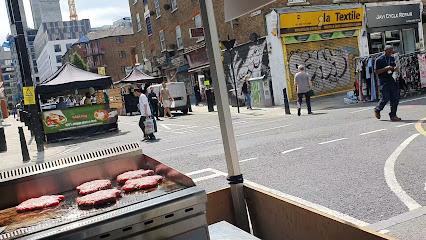
Today, Petticoat Lane operates as two distinct markets with different characters. Monday to Friday, the market concentrates on Wentworth Street, Goulston Street, and Bell Lane, offering a more intimate shopping experience with fashion stalls, textile vendors, jewellery traders, and a growing food court featuring 20 street food vendors. Sundays transform the entire precinct into a sprawling bazaar where over a thousand stalls blanket Middlesex Street and surrounding lanes—Cobb Street, Leyden Street, New Goulston Street, Old Castle Street, Strype Street, Toynbee Street, and Goulston Street. The Sunday market crackles with energy: fashion and textile stalls dominate, but street food sellers, vintage boutiques, jewellery traders, and independent shops create an eclectic mix. The market closes on Saturdays, preserving the traditional rhythm that has governed East End commerce for generations.A Living Archive of East End Identity
Beyond its commercial function, Petticoat Lane embodies the raw authenticity of East End culture. The market has long attracted characters and traders who define London's street-level economy—from the notorious Victorian fence Ikey Solomon, who operated a jeweller's shop as a front for his criminal enterprise, to the Pearly Kings and jellied-eel vendors captured in 1959 newsreel footage. The market's reputation for bargains and second-hand goods earned it a colourful mythology: one fable claimed traders would "steal your petticoat at one end of the market and sell it back to you at the other." This spirit of resourcefulness and reinvention persists today. In recent years, a formal branding initiative has revitalized the market's presence, celebrating its heritage while positioning it for contemporary relevance. Foot traffic has increased, empty stalls have been occupied, and the market has reclaimed its status as a landmark for both locals and visitors seeking authentic London culture.A Pocket of Multicultural London
Today's Petticoat Lane reflects London's evolving identity. Independent shops, restaurants, market stalls, students, and residents coexist within a landscape dominated by modern skyscrapers, creating a striking contrast between heritage and contemporary urban life. The market remains renowned for textiles and fabrics—particularly West African prints—while also offering fashion, accessories, homewares, and street food. The Petticoat Lane Food Court, which began in 2008 with just three traders, now hosts 20 vendors with a waiting list of new traders eager to join, demonstrating the market's continued vitality and appeal. Whether hunting for vintage finds, sampling international street food, or simply absorbing the energy of one of London's most historic trading spaces, visitors encounter a living archive of East End character and a genuine expression of London's multicultural present.Iconic landmarks you can’t miss

Travelodge London Central Liverpool Street
0.1 km
Stay at Travelodge London Central Liverpool Street, your gateway to explore London's iconic attractions and vibrant neighborhoods with comfort and ease.

Devonshire Square
0.2 km
A vibrant historic campus blending heritage, modern workspaces, and lively lifestyle spaces in central London’s City.
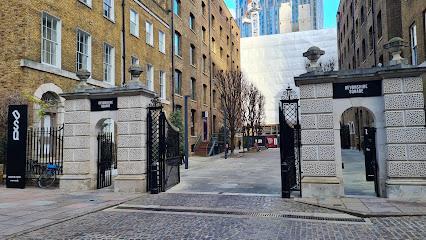
Northumbria University - London
0.2 km
Explore Northumbria University in London, where vibrant culture meets innovative education in the heart of the city.
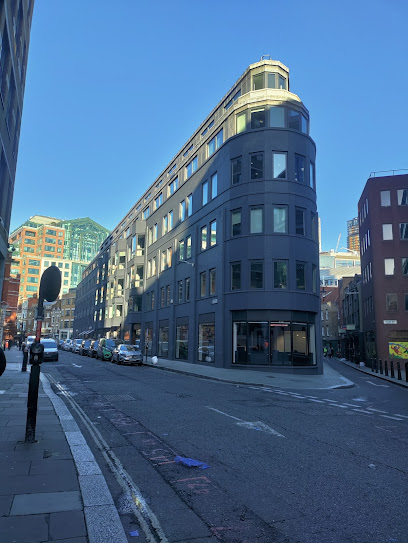
Bevis Marks Synagogue
0.3 km
Discover Bevis Marks Synagogue, the oldest synagogue in the UK, where rich history and stunning architecture meet in the heart of London.
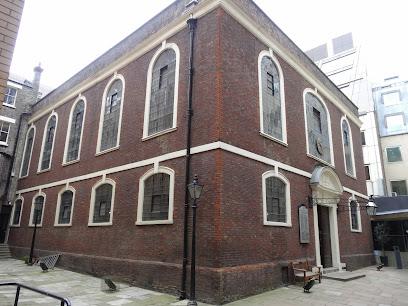
182 Bishopsgate
0.3 km
Explore 182 Bishopsgate, an architectural gem in London's financial district, where historical charm meets modern vitality in the heart of the city.
Mitre Square
0.3 km
Mitre Square: A serene retreat in London’s financial district, blending rich history with beautiful landscapes for an unforgettable city experience.
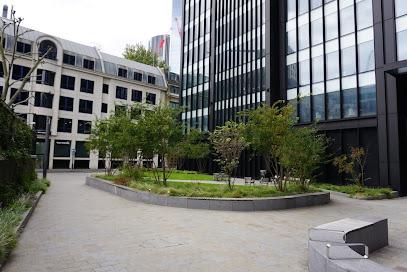
30 St Mary Axe (The Gherkin)
0.3 km
Discover the architectural marvel of The Gherkin, an iconic landmark in London that combines stunning design with breathtaking city views.
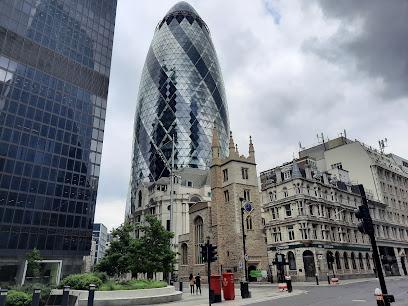
30 Saint Mary Axe - Swiss Re
0.3 km
London’s iconic sustainable skyscraper, The Gherkin, blends innovative design with rich history and panoramic city views.
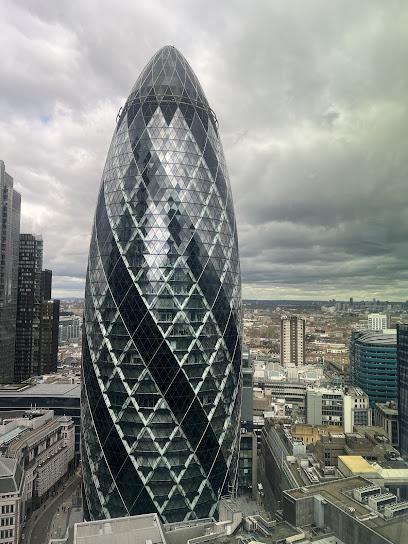
Liverpool Street
0.5 km
Explore the vibrant heart of London at Liverpool Street Station, a historic transport hub with modern amenities and access to iconic attractions.
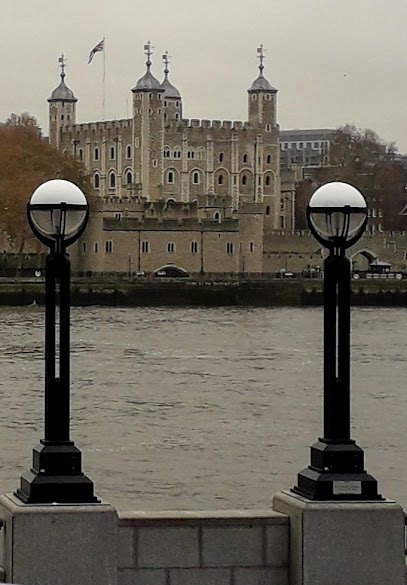
Princelet St
0.5 km
Discover the historical beauty of Princelet Street in London, a notable street rich in culture and architectural charm, perfect for every traveler.
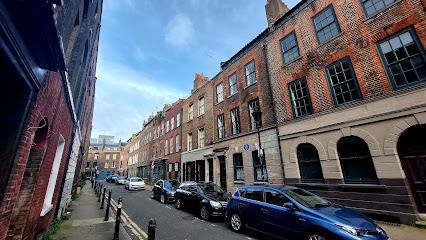
St Mary’s, Whitechapel (The White Chapel)
0.5 km
Uncover the historical charm of St Mary's, Whitechapel—a landmark that embodies the spirit and stories of London's East End.
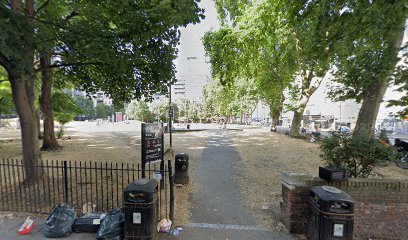
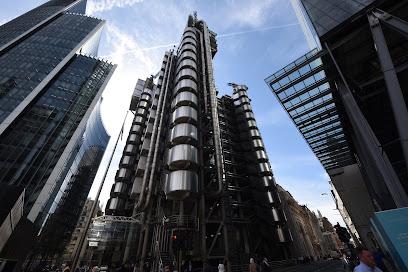
Lloyd's of London
0.6 km
A high-tech architectural icon in London’s financial district, blending innovation with heritage in a striking inside-out design.
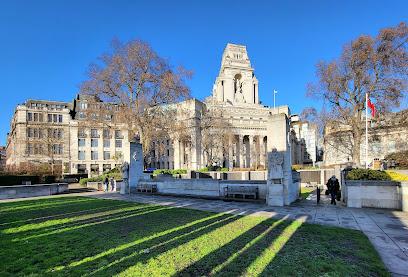
Trinity Square
0.7 km
Explore the rich history and stunning architecture of Trinity Square in London, a serene haven amidst the bustling city.
London Wall
0.7 km
Explore London Wall, an ancient Roman landmark revealing the rich history of Londinium amidst the modern cityscape of London.
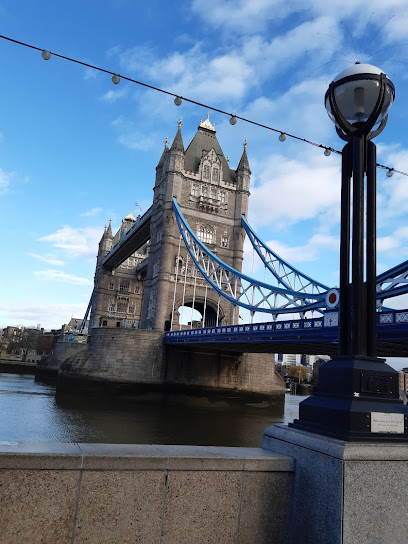
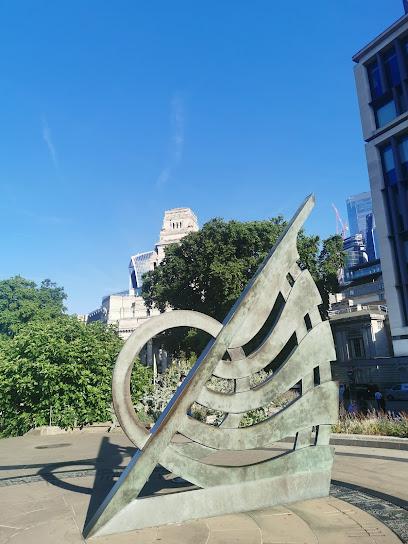
Sundial at the Tower Hill
0.7 km
Discover the Sundial at Tower Hill, a picturesque spot in London where history and beauty meet, perfect for relaxation and photography.
Unmissable attractions to see

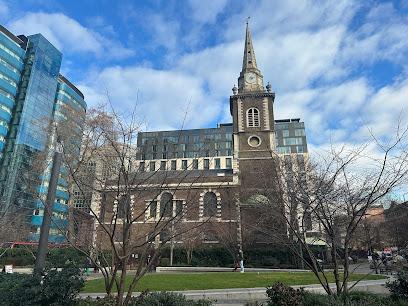
St Botolph without Aldgate
0.3 km
Discover the historical charm of St Botolph without Aldgate, an Anglican church blending medieval architecture with modern tranquility in London's bustling city.
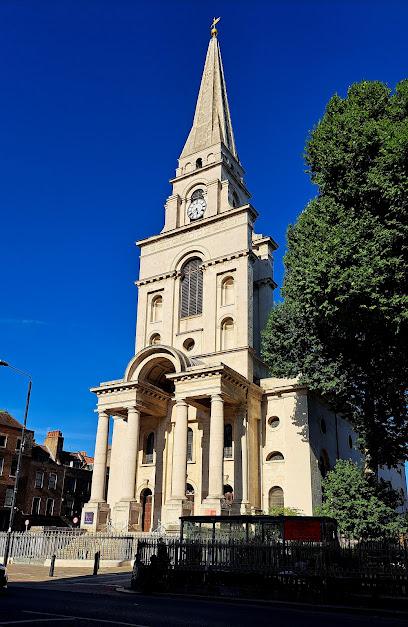
Christ Church Spitalfields
0.3 km
Discover the architectural marvel and vibrant history of Christ Church Spitalfields, a must-visit Anglican church in the heart of London.
Old Spitalfields Market
0.4 km
Discover the charm of Old Spitalfields Market, where tradition meets innovation in a lively atmosphere filled with delicious food and unique shopping experiences.
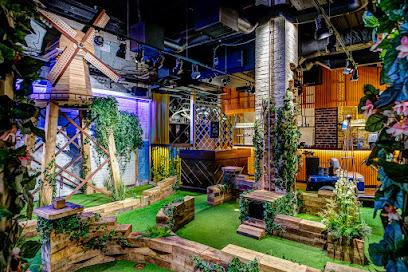
Swingers Crazy Golf - City
0.4 km
Discover Swingers Crazy Golf in London, where mini golf meets gourmet street food and crafted cocktails for an unforgettable experience.
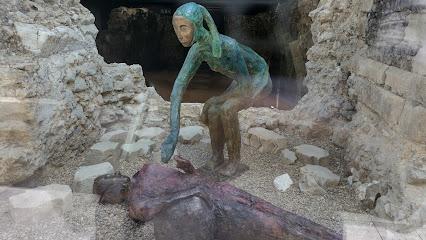
Spitalfields Charnel House
0.4 km
Discover the historical significance of Spitalfields Charnel House in London, a tranquil landmark steeped in rich stories and architectural beauty.
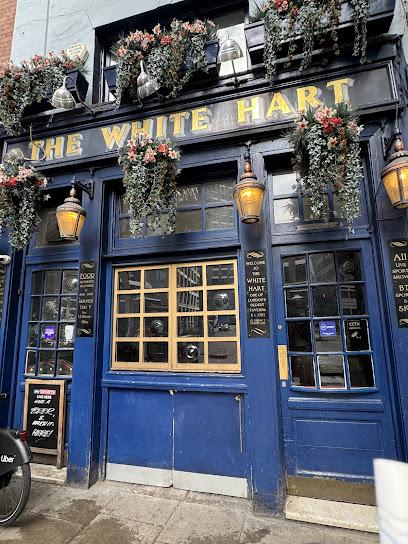
The White Hart
0.4 km
Experience the authentic taste of British pub culture at The White Hart, a lively haven for food and drink lovers in the heart of London.
The Jack the Ripper Tour
0.4 km
Explore the chilling history of London with the Jack the Ripper Tour, where intrigue and mystery await in the heart of Whitechapel.
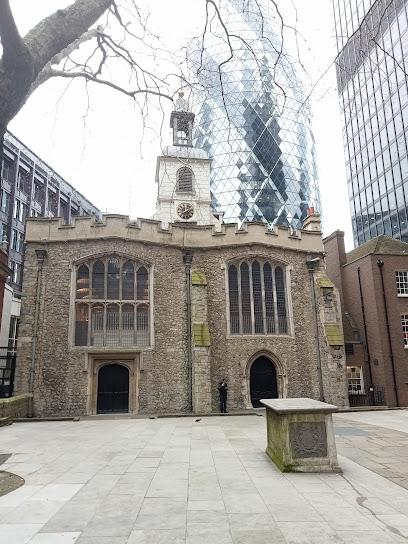
St Helen's Church, Bishopsgate
0.4 km
Experience the tranquil beauty and rich history of St Helen's Church, a captivating tourist attraction in the heart of London.
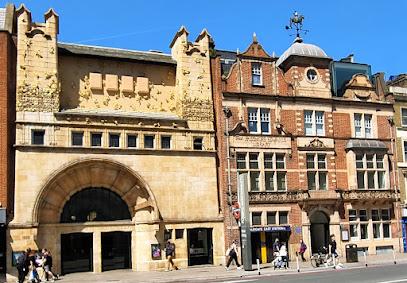
Whitechapel Gallery
0.4 km
Explore the Whitechapel Gallery, London's vibrant art hub, showcasing contemporary exhibitions and enriching community events in a historic setting.
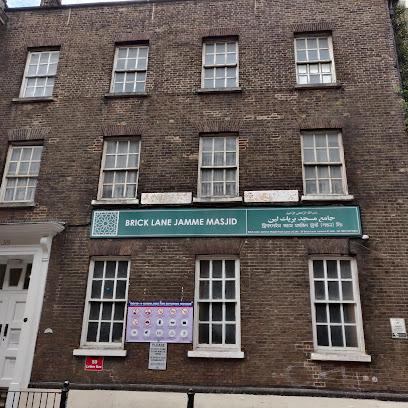
Brick Lane Mosque
0.5 km
Explore Brick Lane Mosque, a historic gem in London, showcasing stunning architecture and vibrant cultural heritage in the heart of the East End.
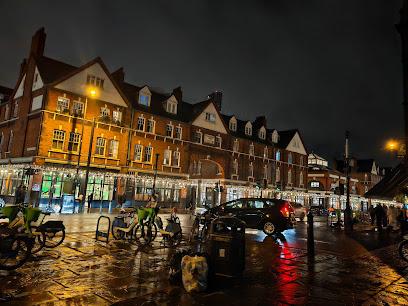
Spital Square
0.5 km
Explore the vibrant Spital Square in London, where history meets modern culture and culinary delights await every visitor.
Dennis Severs' House
0.5 km
Discover the immersive storytelling of Dennis Severs' House, a unique living museum in Spitalfields that transports you to the past.
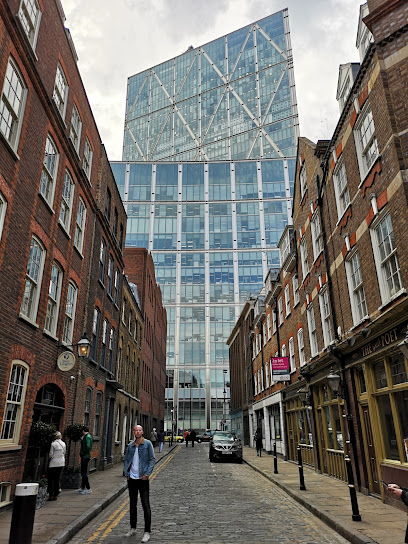
Altab Ali Park
0.5 km
A powerful memorial and community space in Whitechapel, Altab Ali Park honors a victim of racism and celebrates Bengali heritage.
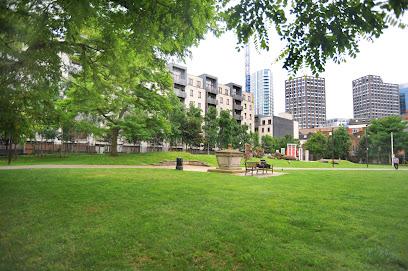
Upmarket Brick Lane Food Hall
0.5 km
Discover a world of flavors at Upmarket Brick Lane Food Hall, a vibrant market showcasing the best of London’s diverse culinary scene.
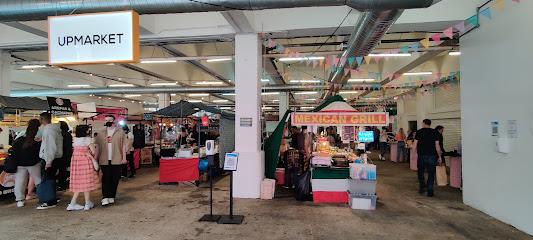
The Garden at 120
0.6 km
Discover The Garden at 120, London's serene rooftop oasis blending nature and stunning city views in the heart of the bustling metropolis.
Essential places to dine

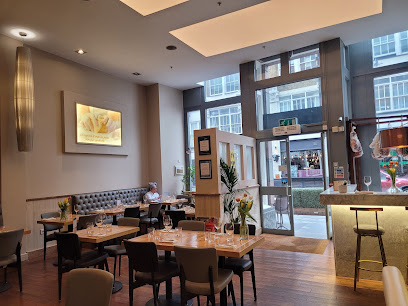
Mattarello Chiodo Bolognese Restaurant
0.1 km
Savor authentic Italian cuisine at Mattarello Chiodo Bolognese in London – where every dish tells a story.
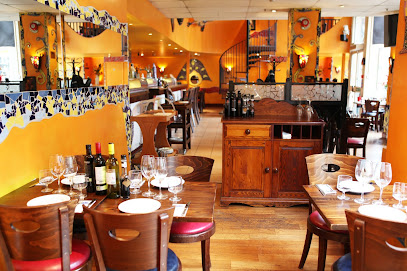
Barcelona Tapas Bar & Restaurant
0.1 km
Experience authentic Spanish cuisine at Barcelona Tapas Bar & Restaurant in London - a vibrant spot for tapas lovers!
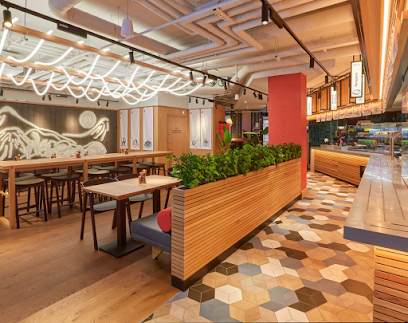
Marugame Udon Middlesex Street
0.2 km
Experience authentic Japanese udon noodles at Marugame Udon Middlesex Street – where tradition meets modern taste in London's vibrant culinary scene.
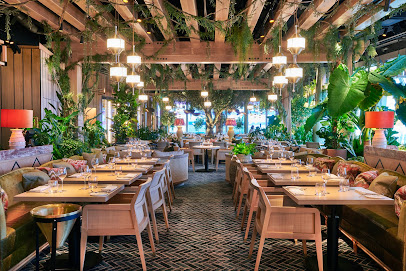
14 Hills
0.6 km
A lush, sky-high forest with panoramic views and creative cuisine in the heart of London.
La Dame de Pic London
0.7 km
Experience Anne-Sophie Pic’s masterful French cuisine in a historic London landmark, blending tradition with modern artistry for an unforgettable fine dining journey.
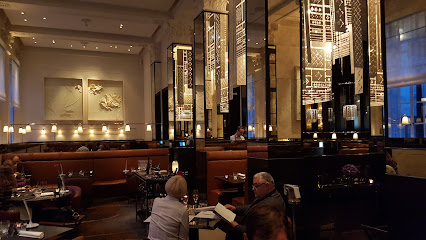
Lyle's
0.8 km
Experience contemporary British fine dining at Lyle's in Shoreditch, where seasonal ingredients meet innovative culinary artistry.
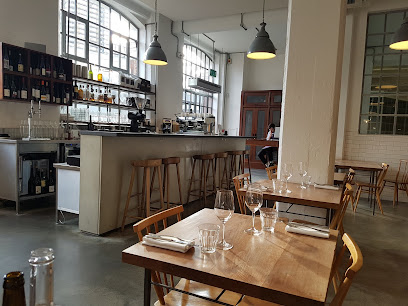
Nomadic community
0.9 km
A colorful, community-driven urban garden near Brick Lane, blending street art, creativity, and green space in East London’s vibrant cultural scene.

The Clove Club
1.2 km
Two-Michelin-starred modern British cuisine in a historic town hall, where precision meets accessibility.
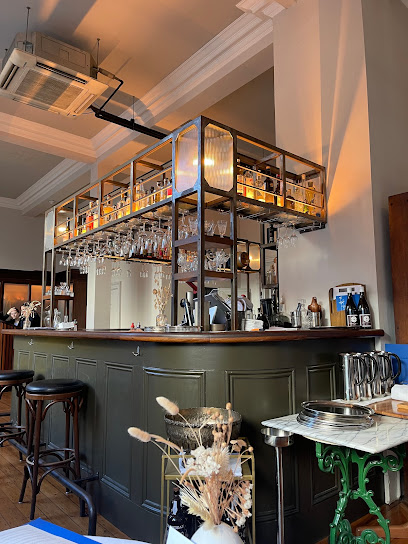
Nest Restaurant Old Street
1.2 km
Discover the exquisite blend of European flavors at Nest Restaurant in London's Old Street—where culinary creativity meets comfort.
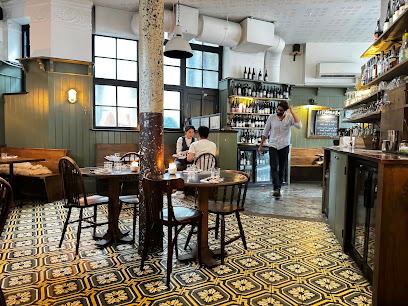
Brawn
1.5 km
Seasonal Mediterranean dining in a vibrant Shoreditch warehouse, where bold flavors and natural wines create an unforgettable experience.
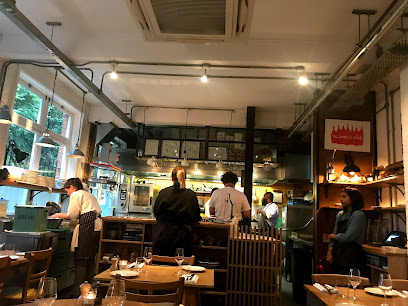
Restaurant Story
1.5 km
Experience the pinnacle of fine dining at Restaurant Story in London, where each dish narrates a unique tale of British culinary heritage.
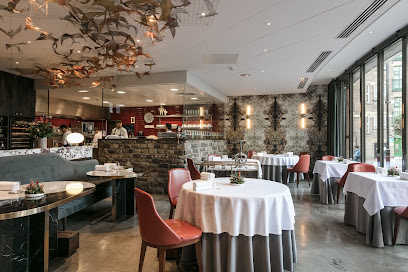
George
1.7 km
Step into centuries of history at The George, a vibrant pub and restaurant in the heart of Southwark, London.
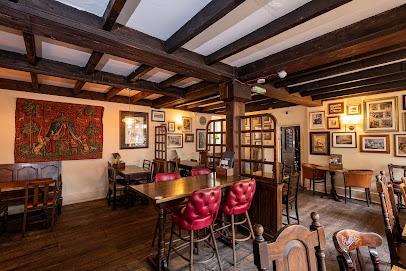
St. John
1.8 km
Discover the essence of modern British cuisine at St. John - where tradition meets innovation in every delicious bite.
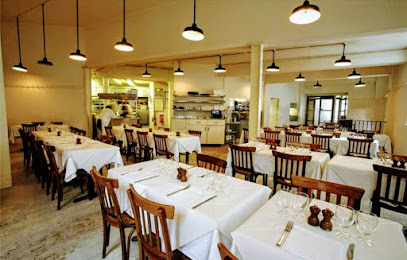
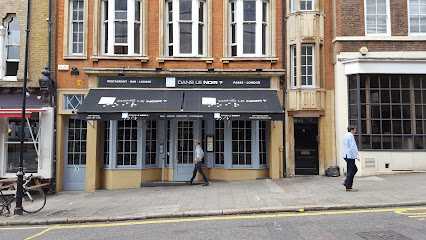
Dans le Noir ? London Restaurant
1.9 km
Experience dining like never before at Dans le Noir ? London - where taste meets adventure in complete darkness.
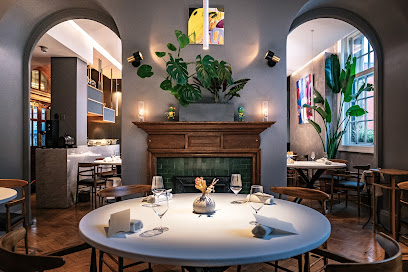
Da Terra Restaurant
2.1 km
Experience inventive fine dining with Brazilian flair in the heart of East London’s Town Hall Hotel.
Markets, malls and hidden boutiques

Petticoat Lane Market
0.0 km
London's historic street market where 370 years of commerce, migration, and East End character converge.
Middlesex Textiles
0.0 km
Explore the vibrant world of African textiles at Middlesex Textiles, London’s premier destination for unique fabrics and cultural heritage.
Spitalfields Market
0.4 km
Historic yet vibrant, Spitalfields Market blends East London’s rich heritage with a lively mix of food, art, and shopping all week long.
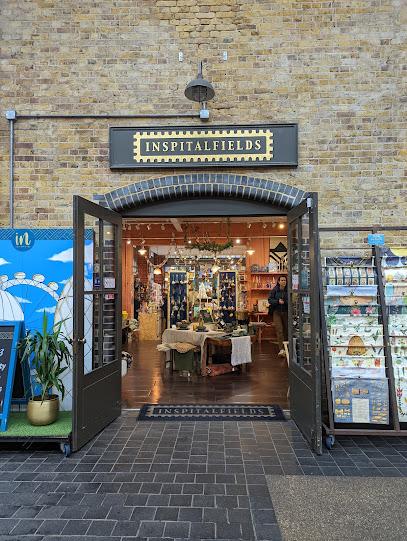
Sclater Street Market
0.5 km
Vintage treasures and eclectic finds in the heart of Shoreditch's bohemian marketplace.
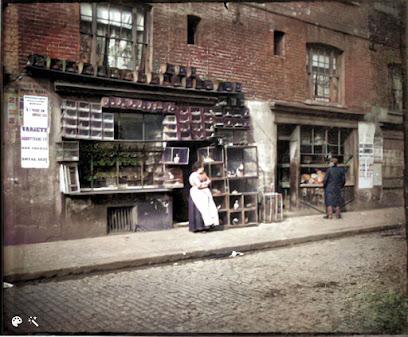
DPUS Designer Outlet
0.5 km
Explore unbeatable designer fashion deals at DPUS Designer Outlet in London, where style meets affordability for the ultimate shopping experience.
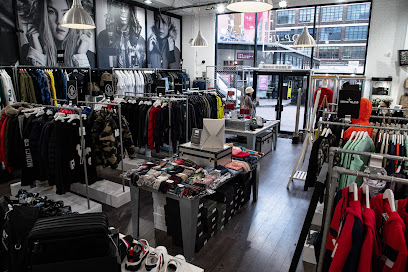
The Brick Lane Vintage Market
0.6 km
Explore the UK’s largest underground vintage market, where fashion history meets East London creativity and every visit promises a unique find.
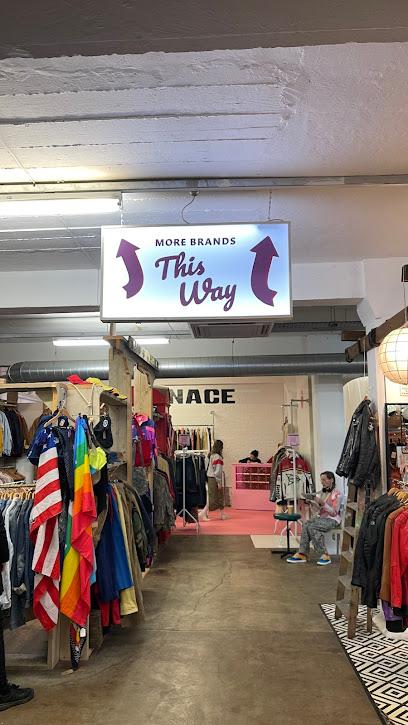
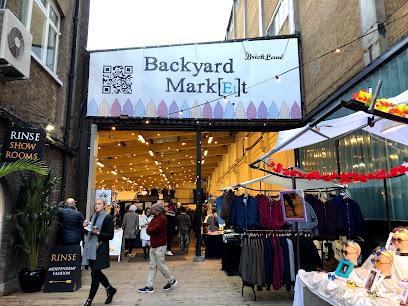
Backyard Market
0.6 km
Discover handmade treasures and vibrant street culture at Backyard Market, Brick Lane’s creative heart.
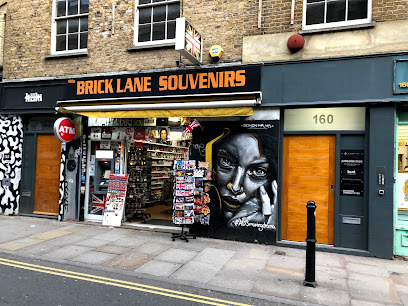
Brick Lane Souvenirs
0.7 km
Explore Brick Lane Souvenirs for unique gifts and clothing that capture the essence of London, perfect for tourists and locals alike.
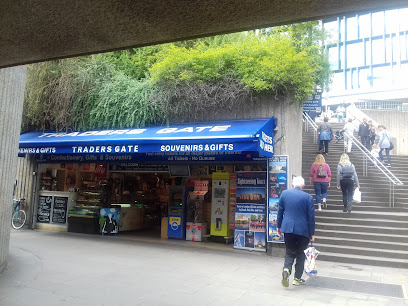
Traders Gate
0.8 km
Explore Traders Gate, a family-run gift shop in London offering unique souvenirs and local crafts, perfect for every tourist's memento.
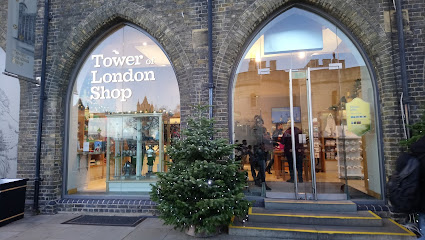
Tower of London Shop
0.9 km
Explore the Tower of London Shop for unique souvenirs that celebrate British heritage and history in the heart of London.
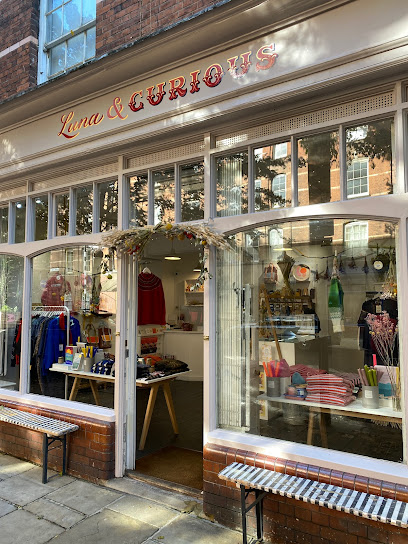
Luna & Curious
1.1 km
Discover British-made fashion, homeware, and gifts in the heart of Shoreditch.
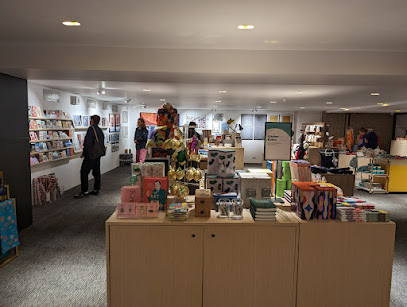
Barbican Shop
1.3 km
Explore the Barbican Shop for unique gifts, art books, and handmade treasures reflecting London's vibrant culture.
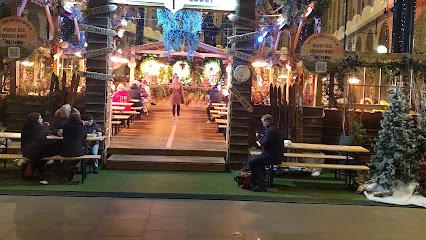
Hay's Galleria
1.3 km
Historic riverside warehouse transformed into a vibrant shopping and dining destination beneath a stunning glass roof.
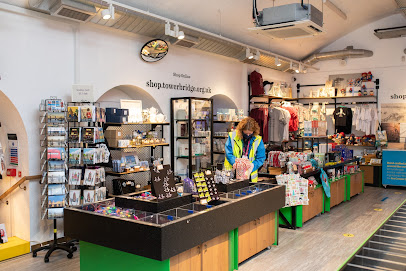
Tower Bridge - Engine Rooms and Official Gift Shop
1.3 km
Explore the fascinating history of Tower Bridge at the Engine Rooms and shop for unique gifts at the Official Gift Shop.
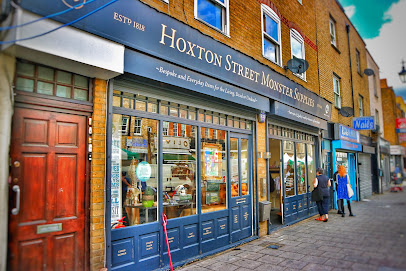
Hoxton Street Monster Supplies
1.7 km
Explore the enchanting Hoxton Street Monster Supplies, a whimsical gift shop in London filled with unique monster-themed treasures and delightful surprises.
Essential bars & hidden hideouts

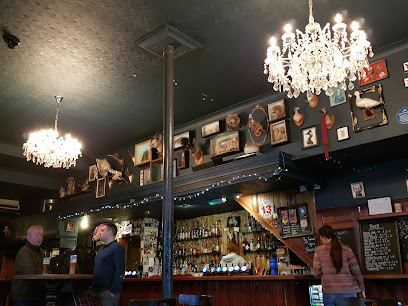
The Bell
0.1 km
Experience authentic British hospitality at The Bell, a traditional pub in the heart of London, serving delightful food and local ales.
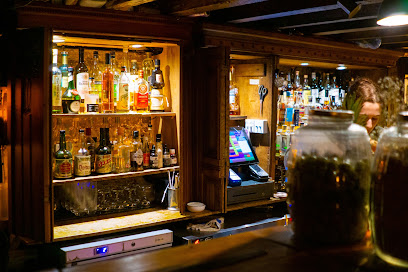
Discount Suit Company
0.1 km
Discover the hidden charm of Discount Suit Company, a unique cocktail bar in London offering exquisite drinks and an unforgettable ambiance.
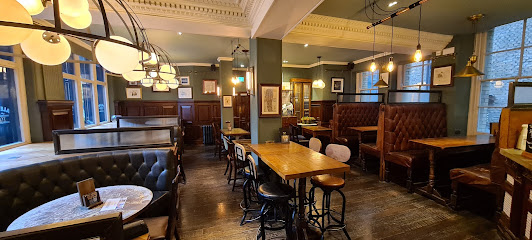
The Astronomer, EC1
0.2 km
Discover the inviting charm of The Astronomer Pub, a delightful blend of tradition and modernity in the heart of London.
The Alchemist Bevis Marks
0.3 km
Experience the magic of innovative cocktails and a vibrant atmosphere at The Alchemist Bevis Marks, London's premier cocktail bar.
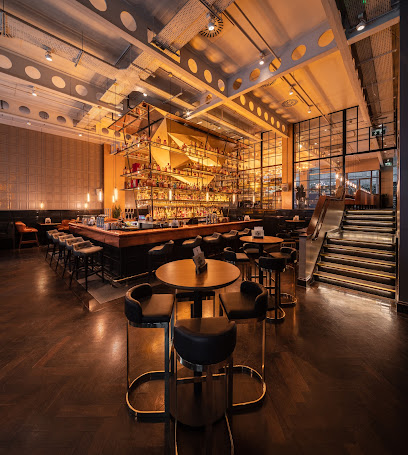
The Mayor of Scaredy Cat Town
0.3 km
Immerse yourself in the whimsical world of The Mayor of Scaredy Cat Town, a cocktail bar in London known for its quirky decor and creative drinks.
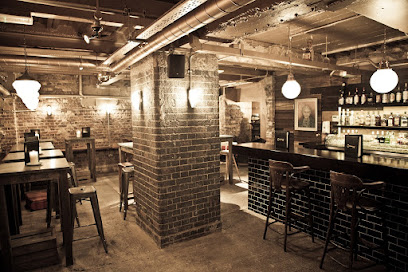
Dirty Dicks
0.3 km
Experience the vibrant ambiance of Dirty Dicks Pub in London, where classic British hospitality meets a lively atmosphere and delicious cuisine.
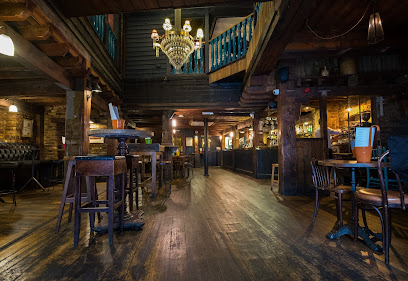
Apples & Pears Cocktail Bar
0.4 km
Experience the best of London nightlife at Apples & Pears Cocktail Bar, where innovative cocktails and a vibrant atmosphere await.
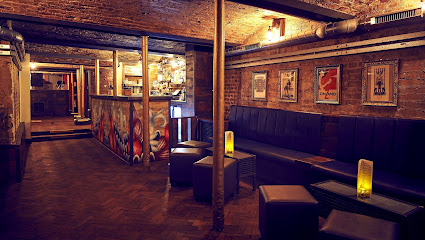
Demon, Wise & Partners
0.7 km
Experience the best of London's cocktail culture at Demon, Wise & Partners, where innovative drinks meet a vibrant atmosphere.
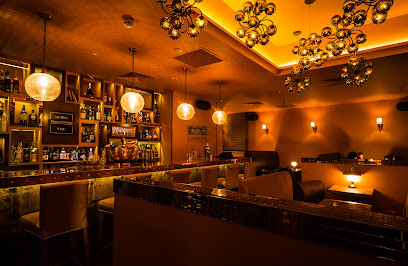
The Bootlegger
0.7 km
Experience the vibrant nightlife of London at The Bootlegger, a live music bar with exceptional cocktails and unforgettable performances.
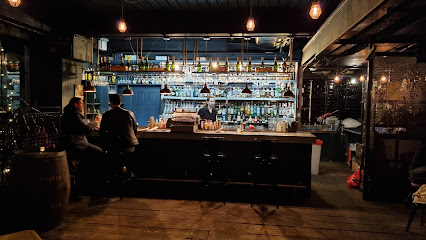
Aviary
0.9 km
Experience breathtaking views and exquisite cocktails at Aviary, London's ultimate sky-high bar.
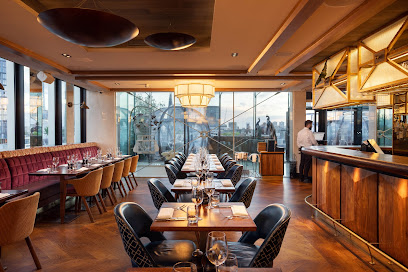
The Cocktail Club - Cocktail Bar near Monument
0.9 km
Discover a cocktail lover's paradise at The Cocktail Club near Monument, featuring innovative drinks and a lively atmosphere in the heart of London.
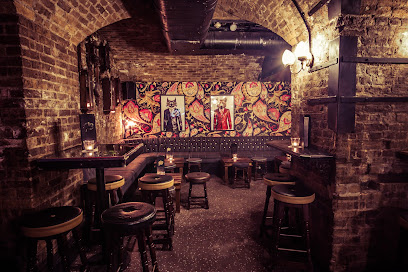
The Cocktail Trading Co. Shoreditch
0.9 km
Experience mixology at its finest at The Cocktail Trading Co. Shoreditch, where innovative cocktails and a vibrant atmosphere await.
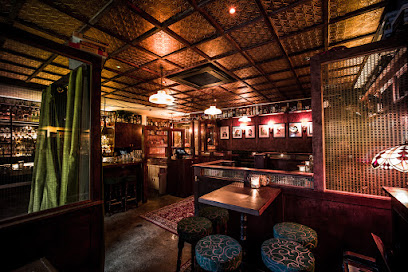
Flight Club Shoreditch
0.9 km
Discover the perfect blend of darts, cocktails, and delicious food at Flight Club Shoreditch, London's premier social gaming venue.
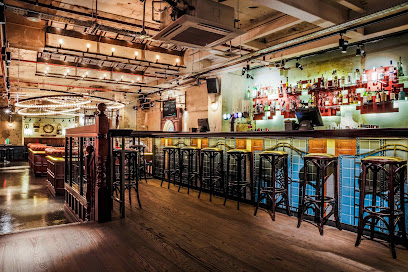
Ballie Ballerson London
1.1 km
Experience the vibrant energy and playful atmosphere of Ballie Ballerson London, where inventive cocktails and a colorful ball pit create unforgettable nights.
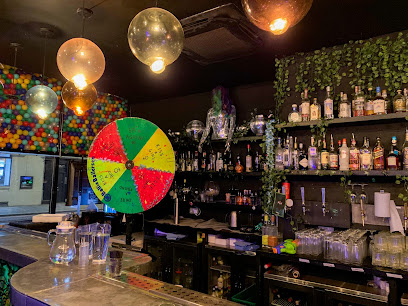
Callooh Callay
1.1 km
Discover the whimsical world of Callooh Callay, London's enchanting cocktail bar with innovative drinks and a cozy atmosphere.
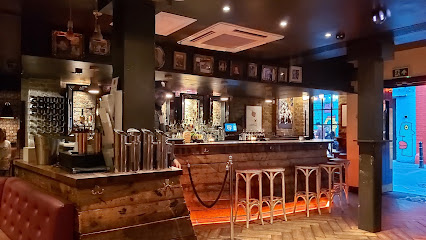
For the vibe & atmosphere seeker
- Lively
- Entertaining
- Quirky
- Unique
- Casual
- Fun-filled
For the design and aesthetic lover
- Vintage Styles
- Bohemian Styles
- Colorful Aesthetics
For the architecture buff
- Historic
- Street Art
- Heritage Neighborhoods
For the view chaser and sunset hunter
- Panoramas
For the social media creator & influencer
- Instagrammable
- Photo Spots
- Colorful Backdrops
- Architectural Shots
For the eco-conscious traveler
- Public-Transport Accessible
- Locally Managed
For the kind of experience you’re after
- Cultural Heritage
- Photowalk
- Day Trip
- Roadtrip Stop
For how adventurous you want the journey to be
- Easy Access
Location Audience
- Family Friendly
- Solo Friendly
- Couple Friendly
- Teen Friendly
- Senior Friendly


