


Destination Guide
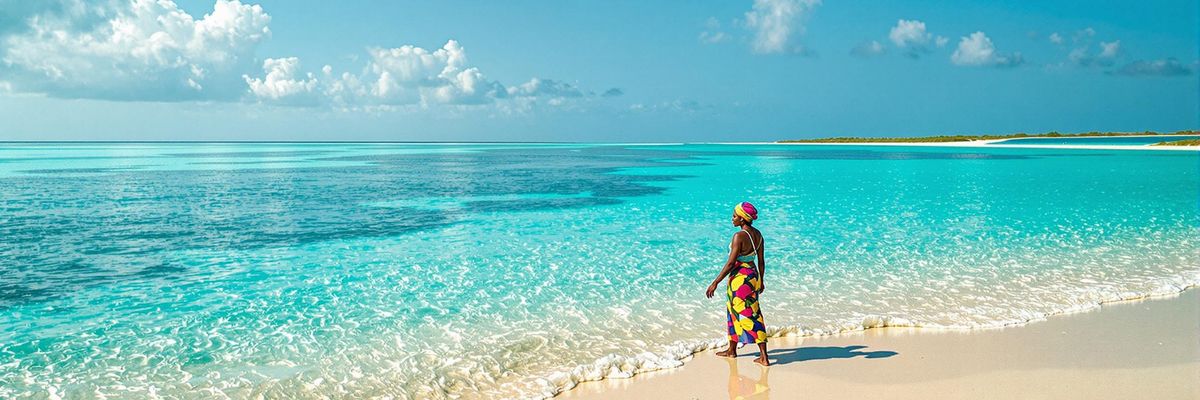
Xai-Xai: A Coastal Retreat
Relax on the beaches and explore the reefs of Xai-Xai.
View More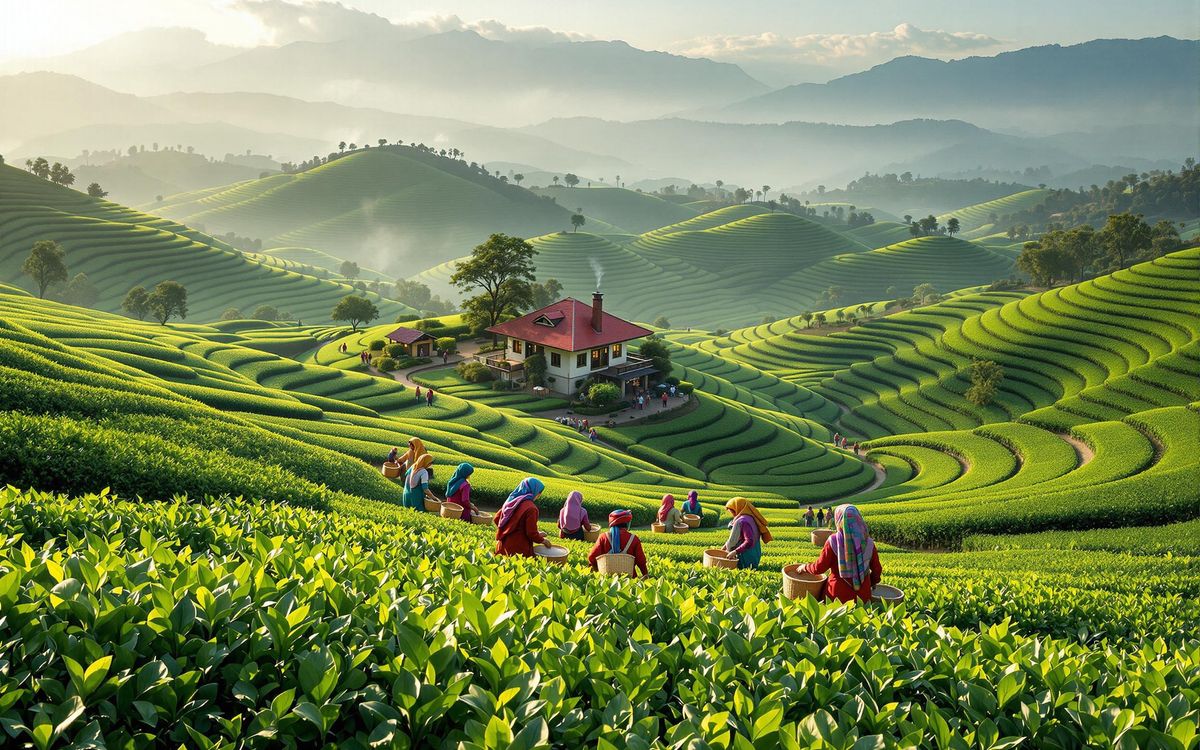

Escape to Lankaran in June for a coastal retreat where you can unwind on volcanic sand beaches, delve into ancient fortresses, and wander through lush tea plantations.
Lankaran, a city nestled along the Caspian Sea in southern Azerbaijan, offers a unique blend of relaxation, cultural exploration, and natural beauty. In June, the city comes alive with warm weather, making it an ideal time to discover its black sand beaches, historic fortress, verdant national park, and sprawling tea plantations. This coastal gem, influenced by its multicultural past and the Talysh Khanate, promises an immersive experience for every traveler.
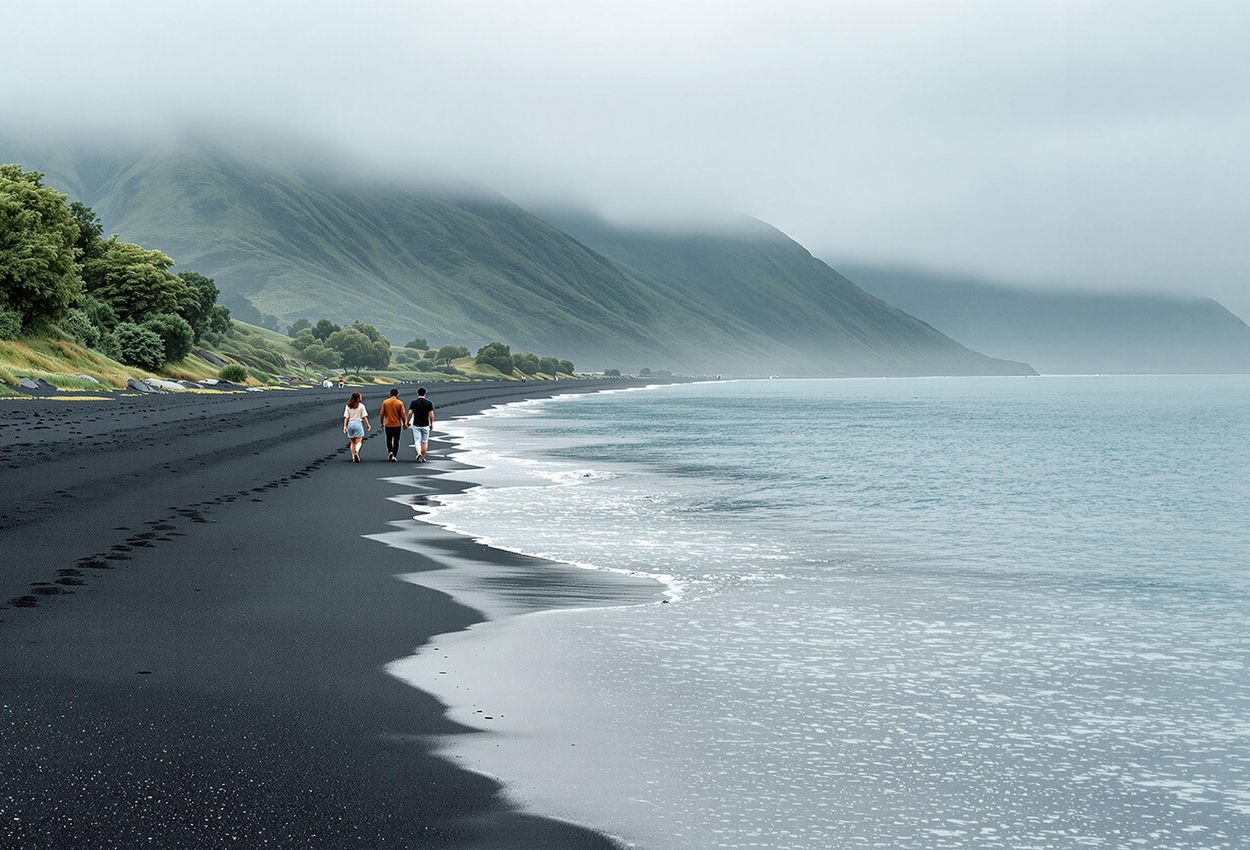
Lankaran's coastline is adorned with unique black sand beaches, a result of the region's volcanic activity. These beaches aren't just visually striking; they are also believed to possess therapeutic properties, thanks to their mineral-rich composition. The volcanic sand is said to have beneficial effects on the skin, joints, muscles, and blood circulation, making a day at the beach a rejuvenating experience.
One of the most popular beaches is Mayak Beach, where you can soak up the sun and enjoy the calm waters of the Caspian Sea. In June, the average sea temperature hovers around a comfortable 25°C (77°F), perfect for swimming and paddling. The daytime air temperature is equally inviting, averaging around 26°C (79°F), creating ideal conditions for sunbathing and beachside relaxation. Imagine yourself lounging on the dark sand, the warm sun kissing your skin, and the gentle sound of the waves providing a soothing soundtrack.
Local Tip: Many locals believe that burying themselves in the warm black sand can alleviate joint pain and improve circulation. Give it a try for a truly unique beach experience.
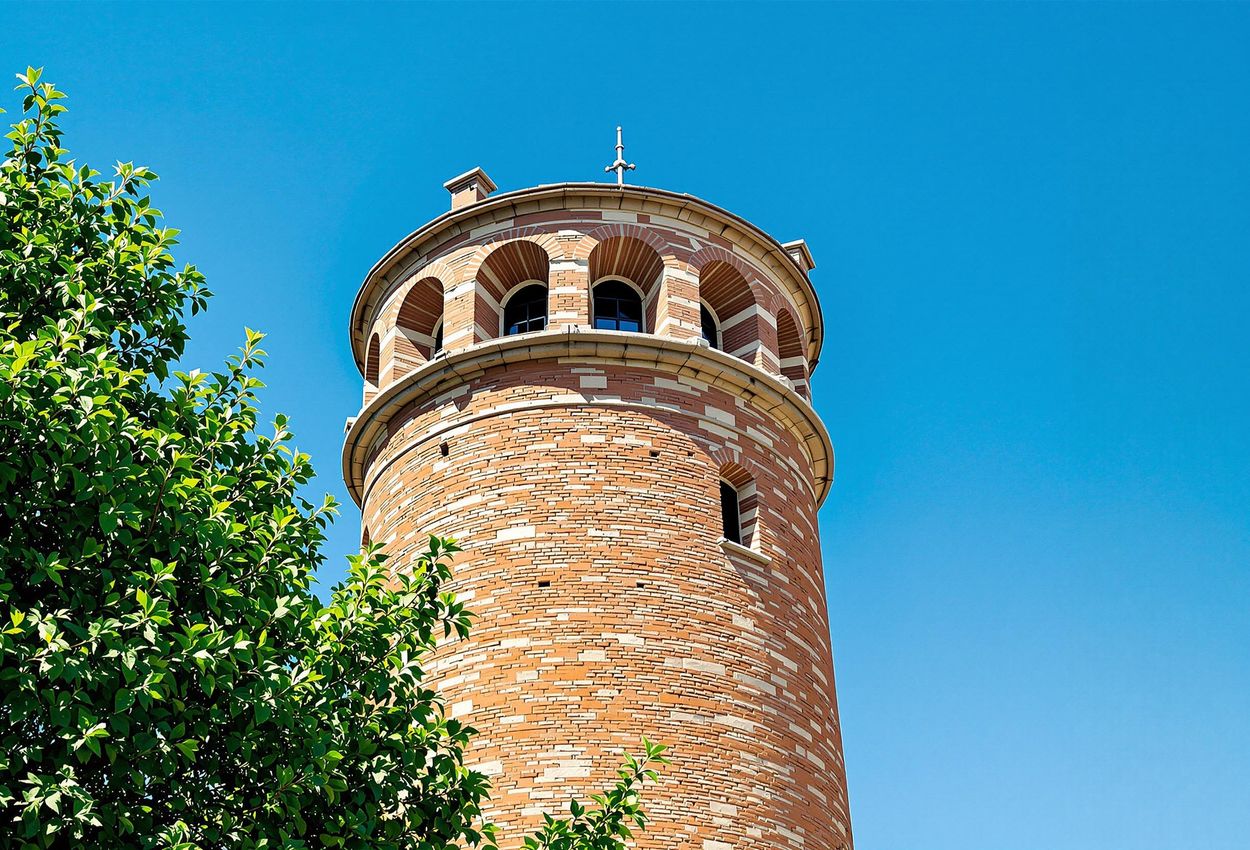
Delve into Lankaran's rich history with a visit to the ancient Lankaran Fortress, a landmark that dates back to the 18th century. Originally built by the Persians during the reign of Nader Shah, the fortress served as a strategic military base, protecting the region and controlling access to the Caspian Sea. It played a crucial role in the Talysh Khanate and witnessed numerous battles during the Russo-Persian Wars.
In its prime, the fortress boasted high stone walls, imposing towers, and deep moats filled with water, creating a formidable defense. Eyewitness accounts describe it as an awe-inspiring structure, complete with battlements and cannons. Within the fortress walls, two marketplaces, the Bigger Bazaar and the Smaller Bazaar, thrived. In the early 20th century, two mosques were erected on the grounds of these bazaars, becoming significant religious centers for the city.
Today, only two towers of the fortress remain, offering a glimpse into its storied past. Standing on the fortress grounds, you can enjoy panoramic views of the surrounding landscapes and the vast expanse of the Caspian Sea. The fortress stands as a symbol of Azerbaijan's resilience and a reminder of the region's turbulent history.
Hidden Gem: Look closely at the remaining towers and you'll notice a fusion of architectural styles, reflecting the various renovations and influences from Persian, Russian, and Caucasian cultures.

Escape the city bustle and immerse yourself in the ancient Hyrcanian forests of Hirkan National Park, a haven of biodiversity and natural beauty. This park, a UNESCO World Heritage Site, protects a unique ecosystem that has survived since the Tertiary period, over 60 million years ago.
The park's diverse landscapes range from lowland forests to the rugged Talysh Mountains, creating a tapestry of habitats for a wide array of flora and fauna. One of the park's most iconic features is its endemic iron trees (Parrotia persica), also known as Azerbaijan ironwood, a species renowned for its incredibly dense and strong wood. These trees, along with other endemic species like the Hyrcanian box tree and Lenkoran acacia, contribute to the park's unique botanical diversity.
As you explore the park's trails, keep an eye out for the diverse wildlife that calls Hirkan National Park home. While spotting the elusive Persian leopard is a rare treat, the park is also home to the jungle cat, brown bear, red fox, and numerous bird species, including the Caspian tit and Caucasus pheasant. April to June is considered the best time to visit, with mild temperatures and a vibrant display of blooming flora.
Eco-Travel Tip: Support local conservation efforts by hiring a local guide for your hike. They can provide valuable insights into the park's ecology and help you spot hidden wildlife.

No trip to Lankaran is complete without experiencing its renowned tea plantations, which have earned the city the title of Azerbaijan's 'Tea Capital'. The lush green landscapes of these plantations create a serene and picturesque setting, inviting you to immerse yourself in the art of tea cultivation.
Lankaran's subtropical climate, with its warm temperatures and abundant rainfall, provides the ideal conditions for growing high-quality tea leaves. The history of tea cultivation in the region dates back to the 19th century, with significant expansion occurring in the Soviet era. Today, Lankaran and its surrounding districts produce the vast majority of Azerbaijan's tea.
Visit the bamboo plantation in Talishli village, a unique spot that offers a glimpse into a different world. Take tours of local tea and citrus plantations to witness the tea-making process firsthand, from harvesting the leaves to drying and processing. As you enter the city, be greeted by the giant samovar monument, a testament to Lankaran's tea heritage. Don't miss the opportunity to visit Khuray Village, one of the main hubs for tea production, where you can observe skilled pickers selecting the youngest leaves.
Tea Lover's Tip: Sample different varieties of Azerbaijani tea, traditionally served in small, pear-shaped glasses called armudu, accompanied by local sweets.
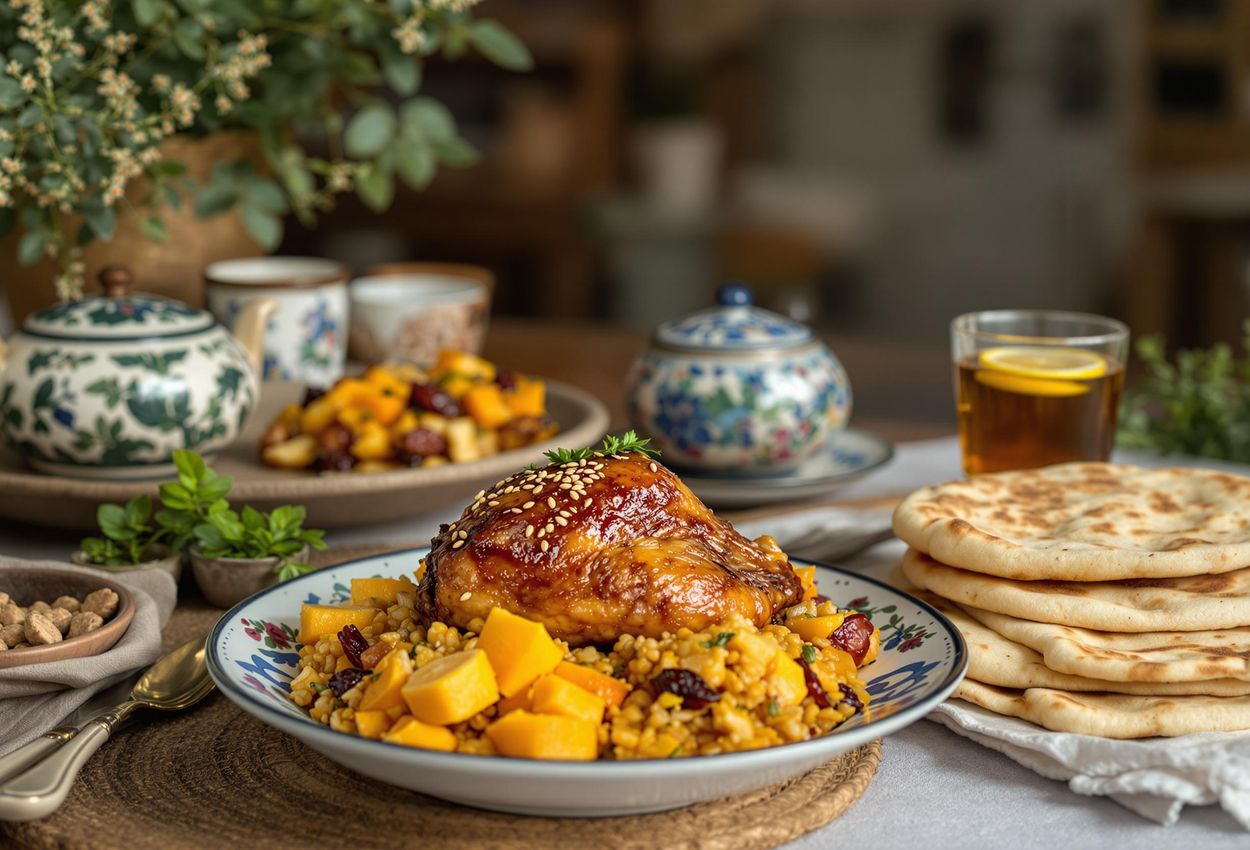
Lankaran's cuisine is a delightful reflection of its multicultural history and the influence of the Talysh Khanate. The region's culinary landscape is rich and diverse, offering a tantalizing array of flavors and aromas.
One of the signature dishes is lavangi, a flavorful creation of chicken or fish stuffed with nuts, onions, and sumakh, traditionally cooked in a cylindrical clay tandir oven. Another must-try is pumpkin plov, a sweet and savory rice dish that showcases the region's agricultural bounty. Indulge in local sweets like Lankaran kulcha, a type of flatbread, and complement your meal with refreshing lemon tea.
Given its location along the Caspian Sea, Lankaran boasts an abundance of fresh seafood. You can savor these culinary delights at various dining locations, including the Lankaran Springs Wellness Resort and restaurants along Mayak Beach. Whether you're a seasoned foodie or simply seeking authentic flavors, Lankaran's cuisine is sure to tantalize your taste buds.
Foodie Adventure: Venture beyond the restaurants and explore the local bazaar, where you can sample fresh produce, local snacks, and experience the vibrant atmosphere of Lankaran's culinary scene.
Lankaran, with its black sand beaches, ancient fortress, lush national park, tea plantations, and delectable cuisine, offers a coastal escape that is both relaxing and enriching. In June, the city's warm weather and vibrant atmosphere create the perfect setting for discovering the unique charm of this Azerbaijani gem.
Our editors` picks of the latest and greatest in travel - delivered to your inbox daily
Relax on the beaches and explore the reefs of Xai-Xai.
View More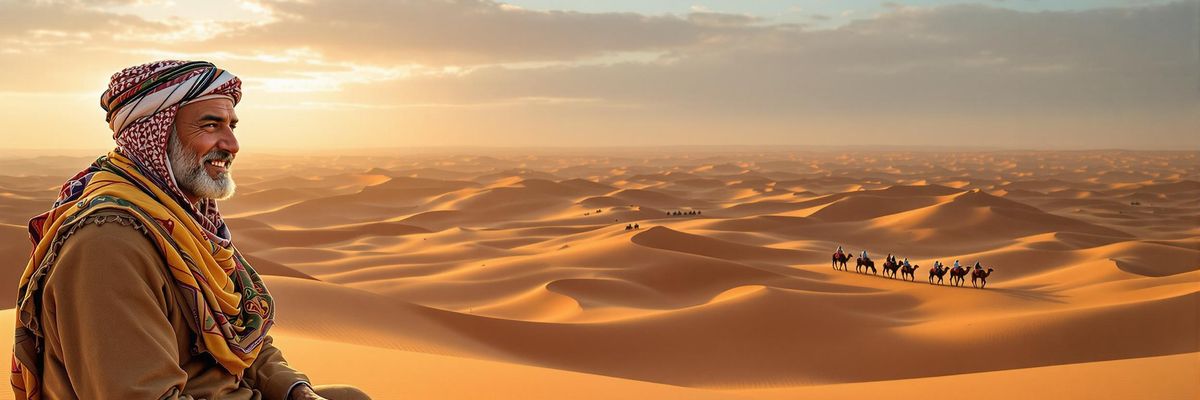
Embrace the cooler temperatures and experience the International Festival of the Sahara in Douz this December.
View More
Celebrate the year-end festivities in Accra, culminating in the vibrant Afrofuture festival.
View More Albania EDITION
 Algeria EDITION
 Argentina EDITION
 Armenia EDITION
 Australia EDITION
 Austria EDITION
 Bangladesh EDITION
 Belgium EDITION
 Belize EDITION
 Benin EDITION
 Bhutan EDITION
 Bolivia EDITION
 Bosnia and Herzegovina EDITION
 Botswana EDITION
 Brazil EDITION
 Bulgaria EDITION
 Burkina Faso EDITION
 Cambodia EDITION
 Cameroon EDITION
 Canada EDITION
 Central African Republic EDITION
 Chad EDITION
 Chile EDITION
 China EDITION
 Colombia EDITION
 Costa Rica EDITION
 Croatia EDITION
 Cyprus EDITION
 Denmark EDITION
 Djibouti EDITION
 Ecuador EDITION
 Egypt EDITION
 El Salvador EDITION
 Eritrea EDITION
 Estonia EDITION
 Ethiopia EDITION
 Finland EDITION
 France EDITION
 Gabon EDITION
 Georgia EDITION
 Germany EDITION
 Ghana EDITION
 Greece EDITION
 Guatemala EDITION
 Guinea EDITION
 Guinea-Bissau EDITION
 Honduras EDITION
 Hungary EDITION
 Iceland EDITION
 India EDITION
 Indonesia EDITION
 Ireland EDITION
 Israel EDITION
 Italy EDITION
 Jamaica EDITION
 Japan EDITION
 Jordan EDITION
 Kenya EDITION
 Kuwait EDITION
 Laos EDITION
 Latvia EDITION
 Lebanon EDITION
 Lesotho EDITION
 Liberia EDITION
 Lithuania EDITION
 Luxembourg EDITION
 Madagascar EDITION
 Malawi EDITION
 Malaysia EDITION
 Maldives EDITION
 Mali EDITION
 Malta EDITION
 Mauritania EDITION
 Mauritius EDITION
 Mexico EDITION
 Mongolia EDITION
 Montenegro EDITION
 Morocco EDITION
 Mozambique EDITION
 Namibia EDITION
 Nepal EDITION
 Netherlands EDITION
 New Zealand EDITION
 Nicaragua EDITION
 Niger EDITION
 Nigeria EDITION
 Norway EDITION
 Oman EDITION
 Pakistan EDITION
 Panama EDITION
 Papua New Guinea EDITION
 Paraguay EDITION
 Peru EDITION
 Philippines EDITION
 Poland EDITION
 Portugal EDITION
 Qatar EDITION
 Romania EDITION
 Rwanda EDITION
 Saudi Arabia EDITION
 Senegal EDITION
 Serbia EDITION
 Singapore EDITION
 Slovakia EDITION
 Slovenia EDITION
 Somalia EDITION
 South Africa EDITION
 South Korea EDITION
 Spain EDITION
 Sri Lanka EDITION
 Suriname EDITION
 Sweden EDITION
 Switzerland EDITION
 Tanzania EDITION
 Thailand EDITION
 Tunisia EDITION
 Uganda EDITION
 United Arab Emirates EDITION
 United Kingdom EDITION
 Uruguay EDITION
 Venezuela EDITION
 Vietnam EDITION
 Zambia EDITION
 Zimbabwe EDITION
Subscribe to our newsletter and get the most captivating travel stories, hidden gems, and expert insights delivered straight to your inbox. As a subscriber, you’ll be first in line for exclusive content, premium offers, and unforgettable travel experiences