


Destination Guide
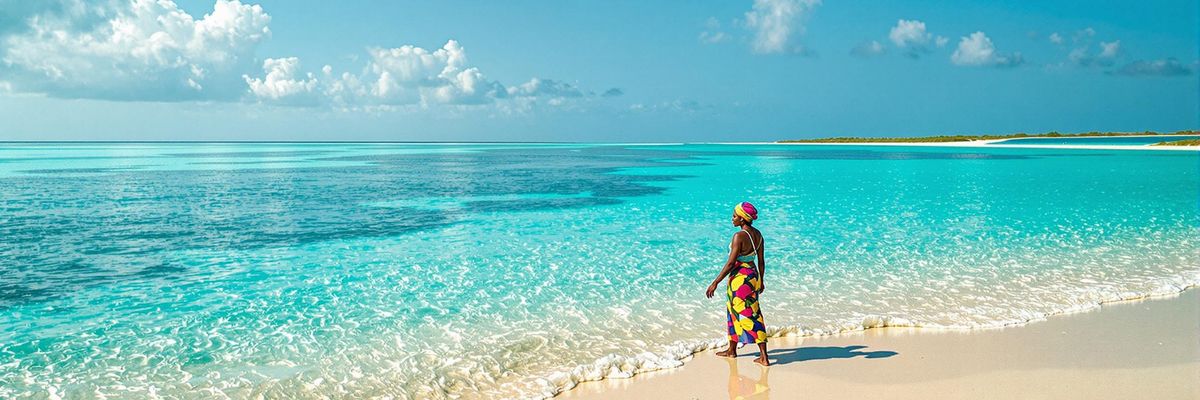
Xai-Xai: A Coastal Retreat
Relax on the beaches and explore the reefs of Xai-Xai.
View More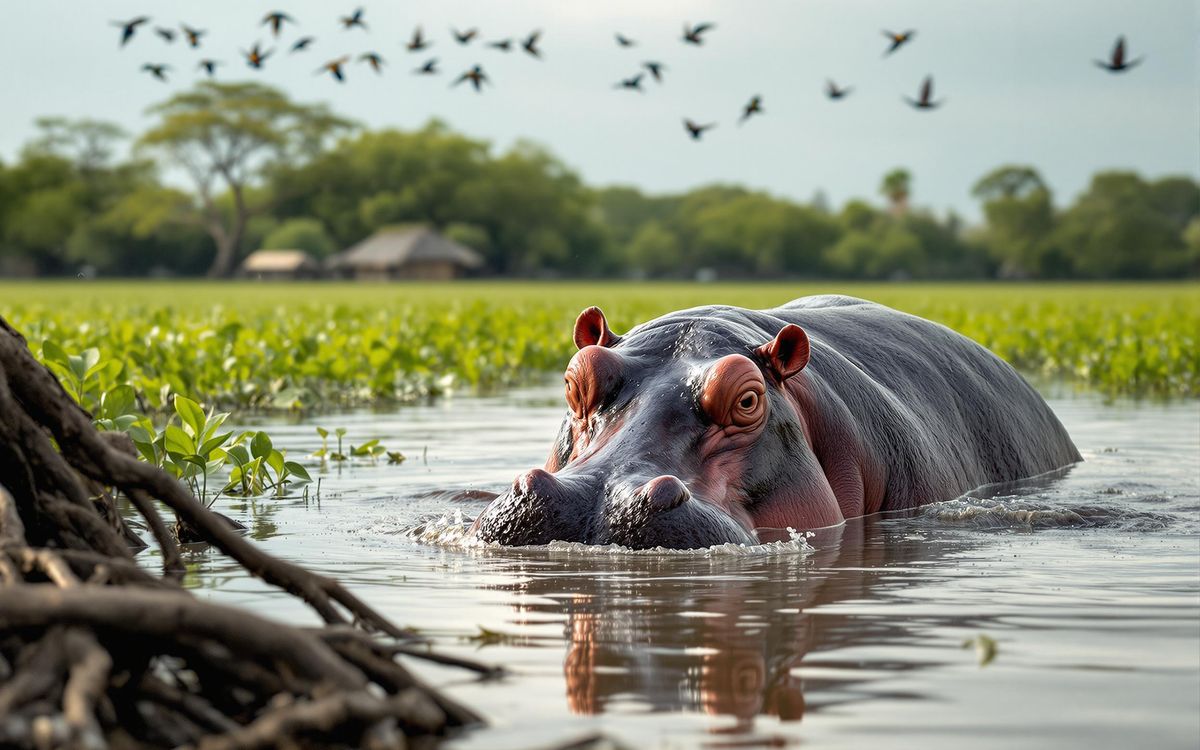

Discover a realm where hippos bathe in the ocean waves and ancient traditions thrive amidst untouched landscapes—welcome to Orango National Park.
Imagine a place where the wild whispers secrets of nature and culture in equal measure. A sanctuary where the ordinary rules of wildlife are delightfully bent. In the heart of the Bijagos Archipelago in Guinea-Bissau, lies Orango National Park, a land less trodden, a jewel of biodiversity, and home to the enchanting saltwater hippos. This is not just a journey; it's an immersion into a world where nature and culture dance in harmony, inviting the adventurous traveler to witness a spectacle unlike any other.
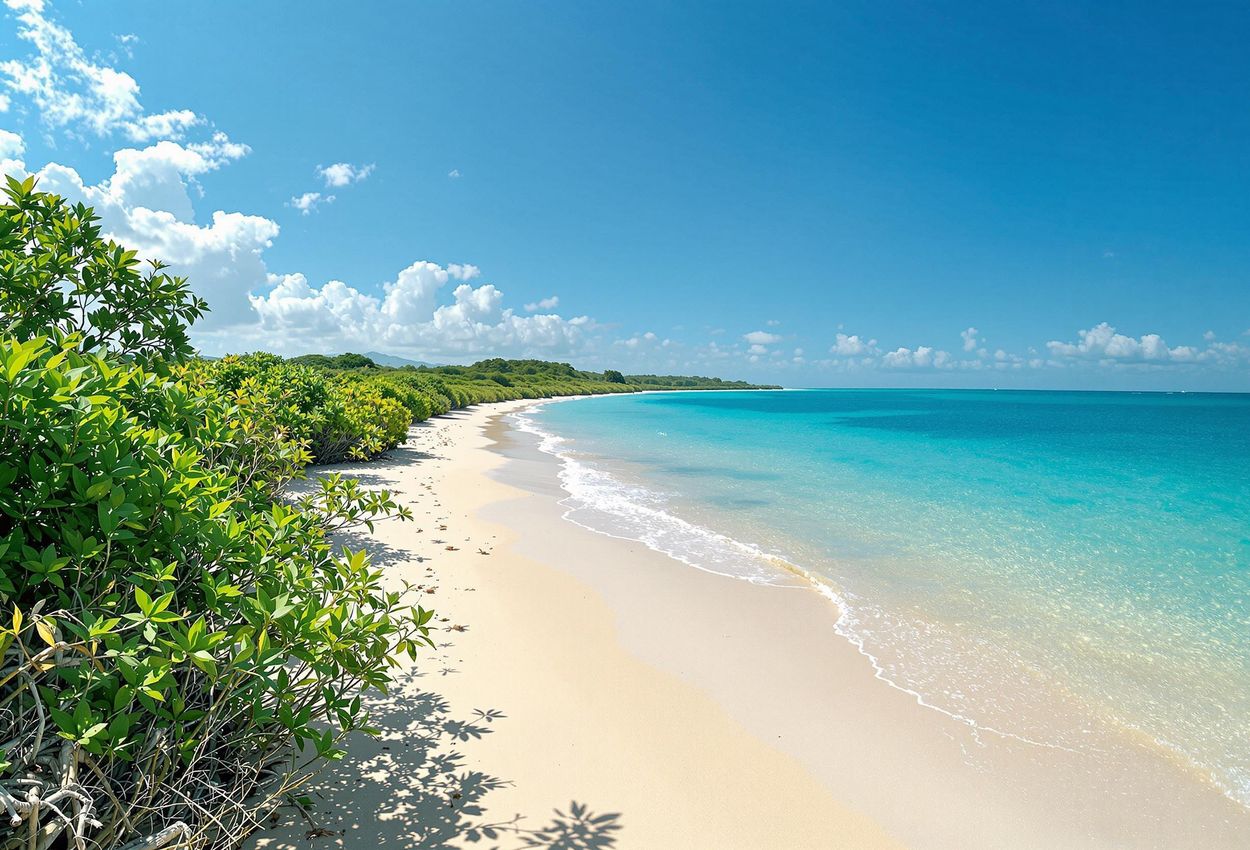
Orango National Park is nestled within the Bijagos Archipelago, a labyrinth of 88 islands, only about 20 of which are inhabited, offering a unique tapestry of life where the boundaries between land and sea blur. Established in December 2000, the park spans 1,582 square kilometers, encompassing islands like Orango, Orangozinho, Meneque, Canogo, and Imbone, along with the surrounding marine expanse. This creates a diverse ecosystem that shelters an array of species, some found nowhere else on Earth.
What sets Orango apart is its untouched nature. Far from the clamor of mass tourism, the park offers a serene escape into a world where wildlife roams freely and the local Bijagos people maintain their ancestral way of life. The remoteness of the park has preserved its ecological integrity, making it a haven for adventurous travelers seeking an authentic connection with nature and culture. Here, the saltwater hippos reign as the star attraction, but the supporting cast of diverse ecosystems and the rich cultural heritage of the Bijagos people complete this extraordinary destination.
The Bijagos Archipelago holds a sacred status for its inhabitants, who believe the islands are inhabited by spirits. This spiritual connection fosters a deep respect for nature, influencing their customs and rituals, which are intertwined with the preservation of their land and waters. The traditional religion is rooted in ancestor veneration and animism, adding layers of mystery and spirituality to the park's allure.
Local tip: Engage with local guides who can offer insights into the park's biodiversity and Bijagos culture, ensuring a richer and more respectful travel experience.
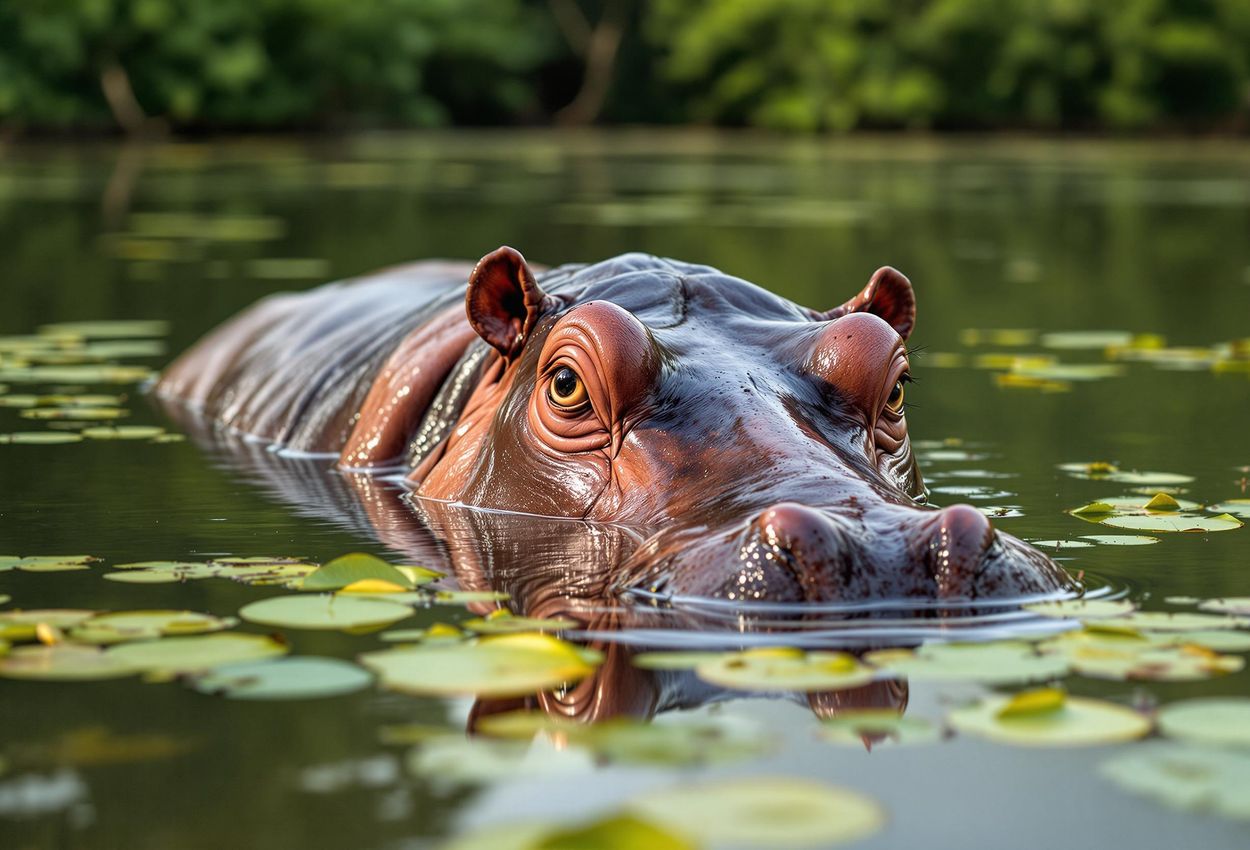
The saltwater hippos of Orango National Park are a biological marvel, adapting to a marine environment unlike their freshwater counterparts. These hippos have developed a tolerance to salinity, allowing them to thrive in the coastal mangroves and grasslands. Their diet consists of mangroves and sea grass, a testament to their adaptability.
Anor Lagoon is a prime location for observing these fascinating creatures. During the wet season, from May to November, hippos are frequently seen bathing and foraging in the lagoon's shallow waters. The sight of these massive mammals frolicking in the ocean is an unforgettable experience, offering a unique perspective on the wonders of nature.
Beyond their ecological significance, the hippos hold a special place in the beliefs of the Bijagos people. They are considered sacred animals, and local traditions dictate that harming a hippo will result in severe consequences. This spiritual connection has fostered a harmonious coexistence between humans and wildlife, contributing to the conservation of these unique creatures.
Hidden Gem: Seek out the local stories and legends surrounding the saltwater hippos. These tales offer a deeper understanding of the animal's spiritual significance and the Bijagos people's connection to the natural world.
The Bijagos people believe that these animals should not be harmed, and anyone who hurts or kills a hippo will be punished accordingly. This belief has allowed the hippos and the local population to co-exist in harmony. Electric fences are used to protect rice crops from the hippos, allowing the two worlds to co-exist serenely.
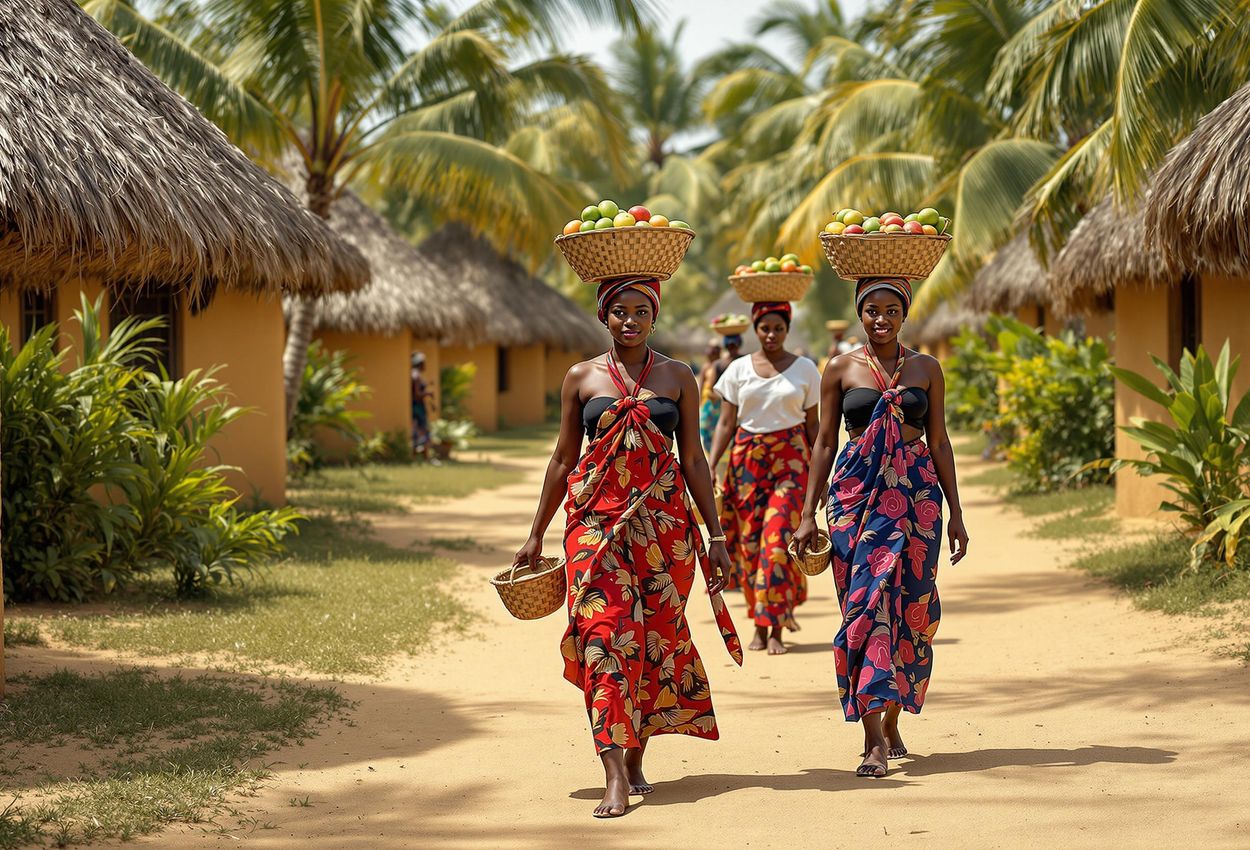
The culture of the Bijagos people is as captivating as the park's wildlife. Known for their matriarchal society, the Bijagos place women at the center of decision-making, both within the family and the community. Inheritance and property are passed down through the maternal line, and elder women are seen as the primary guardians of cultural and spiritual knowledge.
Their villages, known as *tabancas*, are a testament to their traditional way of life. Built with mud and straw, these houses reflect a deep connection to the earth and a sustainable approach to living. The Bijagos people are primarily farmers and fishermen, relying on the natural resources of the archipelago for their sustenance.
Animist beliefs permeate their daily lives, with rituals and ceremonies honoring the spirits of nature and ancestors. These beliefs dictate their interactions with the environment, promoting conservation and respect for all living things. The initiation rituals, marking the transition of young people into adulthood, are particularly significant, showcasing the community's commitment to preserving their cultural heritage.
A unique cultural detail is the *saias*, traditional skirts worn by Bijago women in rituals and daily life. These skirts, often adorned with intricate patterns and vibrant colors, symbolize the women's role as guardians of tradition and cultural identity.
Local tip: When visiting a *tabanca*, dress respectfully and ask permission before taking photographs, demonstrating an appreciation for their culture.
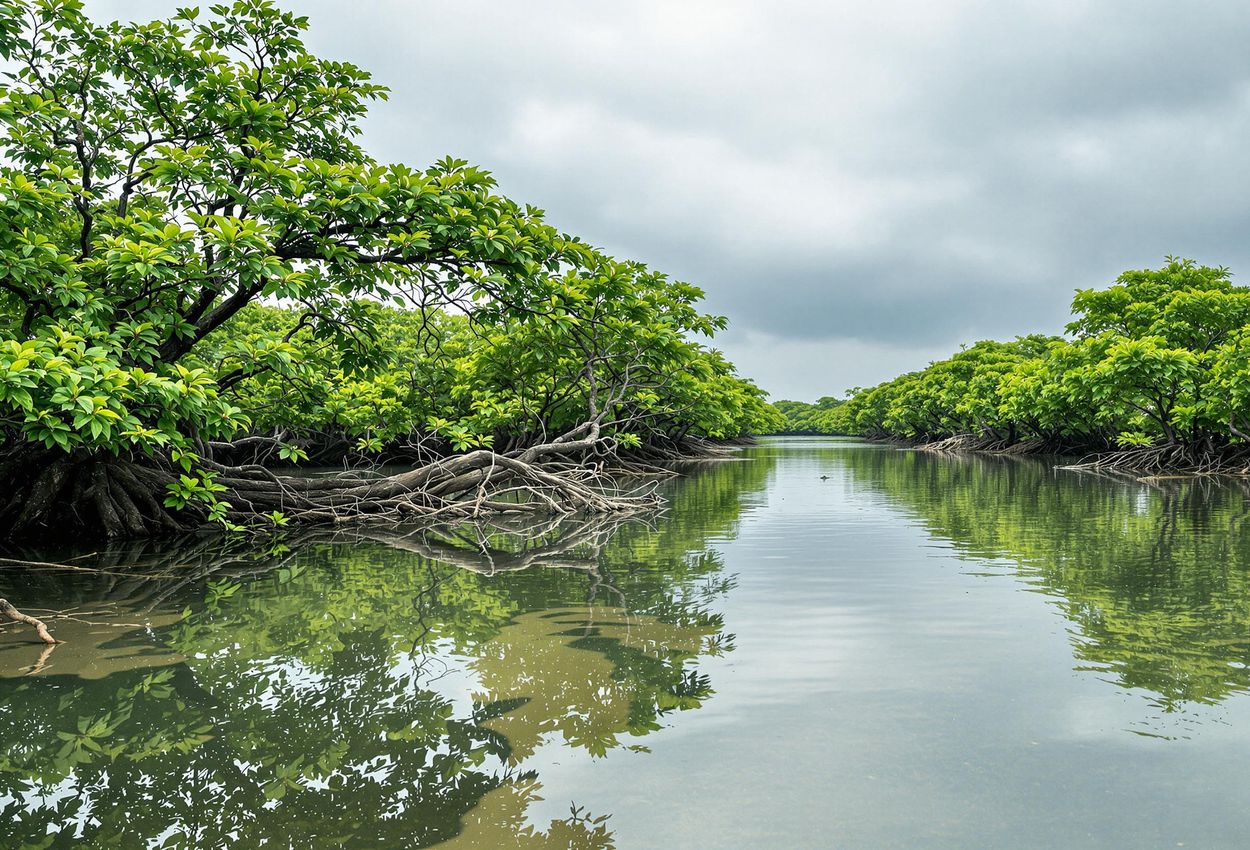
Orango National Park's diverse ecosystems extend beyond the ocean and savannah, encompassing lush mangrove forests that play a crucial role in the archipelago's ecological balance. These mangrove forests serve as nurseries for a variety of marine species, including mollusks, fish, and sea turtles.
As you journey through these mangrove cathedrals, you'll encounter a symphony of life. Monkeys swing through the branches, manatees glide through the waters, and a myriad of bird species, including the African gray parrot, fill the air with their calls. The sensory experience is complete with the sounds of the forest, the smell of the sea, and the sight of vibrant birdlife, creating an immersive encounter with nature.
The park is also a sanctuary for sea turtles, with five of the world's seven species frequenting its beaches. These ancient mariners come to lay their eggs on the sandy shores, contributing to the park's biodiversity and highlighting the importance of conservation efforts.
Hidden Gem: Take a guided kayak tour through the mangrove tunnels, allowing you to get up close and personal with this unique ecosystem while minimizing your impact on the environment.

Conservation efforts are at the heart of Orango National Park's mission, ensuring the preservation of its biodiversity and cultural heritage for future generations. Organizations like IBAP (Instituto da Biodiversidade e das Áreas Protegidas da Guiné-Bissau) and the Orango Parque Hotel are working to promote biodiversity conservation and sustainable development within the park.
These efforts include projects aimed at reducing conflicts between local communities and wildlife, such as protecting rice crops from hippos through the use of electric fences. By finding solutions that benefit both humans and animals, the park is fostering a harmonious coexistence and promoting long-term conservation.
The Orango Parque Hotel stands as a model for sustainable tourism, employing local staff and investing its profits in micro-projects that benefit the community. These projects range from building water wells to upgrading health facilities, improving the quality of life for the Bijagos people and supporting the park's conservation efforts.
Call to Action: When visiting Orango National Park, practice responsible travel by supporting local businesses, respecting cultural traditions, and minimizing your environmental impact. Your choices can make a difference in protecting this paradise.
Eticoga is a village with historical significance as the former home of Queen Okinka Pampa, a revered Bijago leader who resisted Portuguese colonization and expanded women's rights. Her legacy lives on in the village, where her mausoleum stands as a testament to her leadership and the enduring matriarchal traditions of the Bijagos people.
Queen Okinka Pampa, who died in 1930, is still honored today, and it is customary to ask for her permission before entering the *tabanca*. The mausoleum is a sacred place for the Bijagos, reflecting their animist beliefs and connection to their ancestors.
Today, Eticoga is also home to various development cooperation projects, including schools and community initiatives. These projects aim to improve the living conditions of the local population while preserving their cultural heritage. The village offers a glimpse into the past and a hopeful vision for the future, where tradition and progress coexist.
Hidden Gem: Visit the Netos Pampa children's garden, a community-run initiative that provides education and care for young children, showcasing the Bijagos people's commitment to their future.
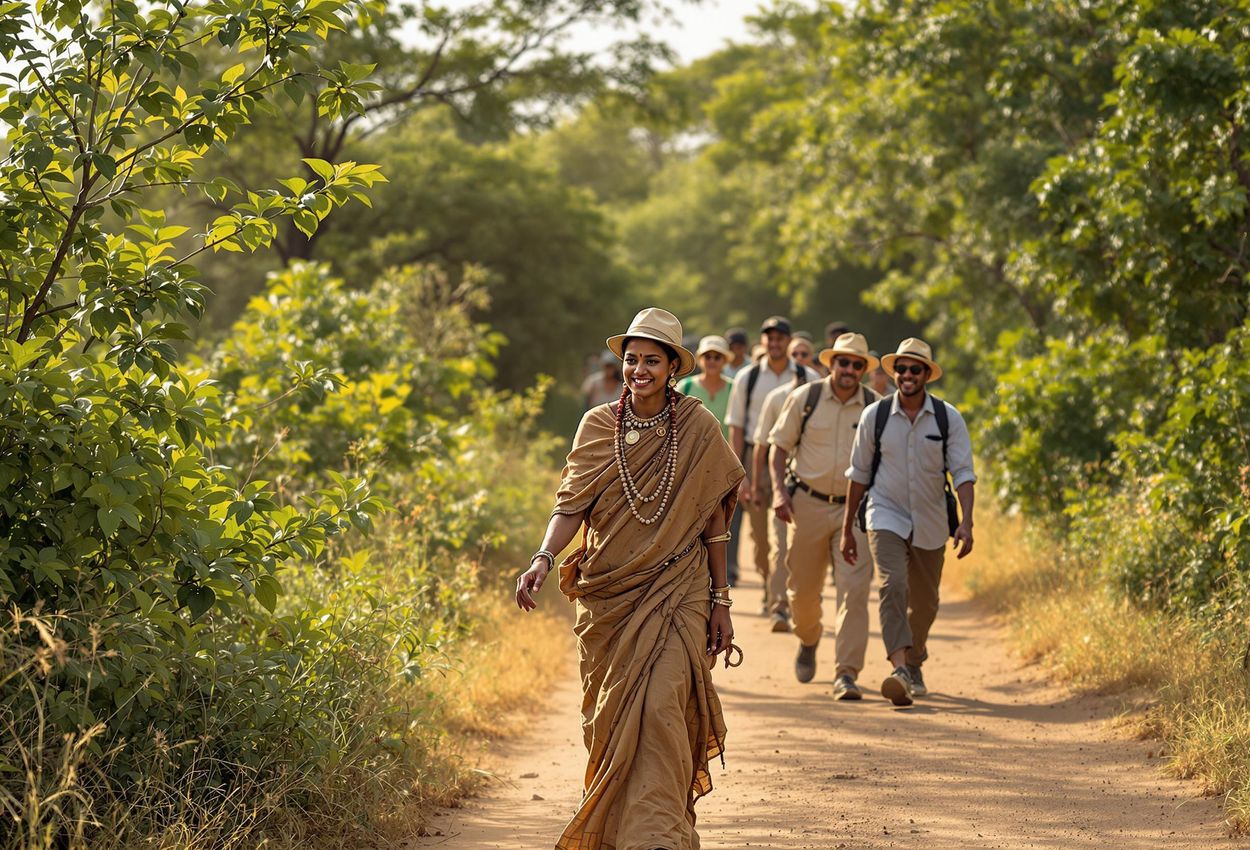
Planning a visit to Orango National Park requires some preparation, but the rewards are well worth the effort. Guided tours are available for hippo spotting and cultural experiences, providing valuable insights into the park's natural and cultural wonders. The tours are led by knowledgeable local guides who can share their expertise and ensure a safe and respectful experience.
Accommodation options include the Orango Parque Hotel, a sustainable hotel that supports the park's conservation efforts and provides comfortable lodging in traditional-style bungalows. The hotel offers various activities, including kayaking tours and visits to Eticoga village, allowing you to explore the park's diverse attractions.
To get to Orango Island, you can take a flight to Bissau, the capital of Guinea-Bissau, followed by a boat transfer to the island. The boat journey offers a scenic passage through the Bijagos Archipelago, allowing you to appreciate the beauty of the islands and the surrounding waters.
Remember to pack light, bring appropriate clothing for both warm and wet conditions, and respect the local customs and traditions. By embracing responsible and sustainable travel practices, you can contribute to the preservation of Orango National Park and its unique cultural heritage.
Local tip: The best time to visit Orango National Park is during the dry season (November to June) when the weather is more moderate and the wildlife is easier to spot.
Orango National Park is more than just a destination; it's an experience that touches the soul. It's a place where the harmony between nature and culture is palpable, where the wild whispers secrets of ancient traditions, and where the adventurous traveler can discover a world unlike any other. Venture into this land of saltwater hippos and immerse yourself in the magic of the Bijagos.
Our editors` picks of the latest and greatest in travel - delivered to your inbox daily
Relax on the beaches and explore the reefs of Xai-Xai.
View More
Embrace the cooler temperatures and experience the International Festival of the Sahara in Douz this December.
View More
Celebrate the year-end festivities in Accra, culminating in the vibrant Afrofuture festival.
View More Albania EDITION
 Algeria EDITION
 Argentina EDITION
 Armenia EDITION
 Australia EDITION
 Austria EDITION
 Bangladesh EDITION
 Belgium EDITION
 Belize EDITION
 Benin EDITION
 Bhutan EDITION
 Bolivia EDITION
 Bosnia and Herzegovina EDITION
 Botswana EDITION
 Brazil EDITION
 Bulgaria EDITION
 Burkina Faso EDITION
 Cambodia EDITION
 Cameroon EDITION
 Canada EDITION
 Central African Republic EDITION
 Chad EDITION
 Chile EDITION
 China EDITION
 Colombia EDITION
 Costa Rica EDITION
 Croatia EDITION
 Cyprus EDITION
 Denmark EDITION
 Djibouti EDITION
 Ecuador EDITION
 Egypt EDITION
 El Salvador EDITION
 Eritrea EDITION
 Estonia EDITION
 Ethiopia EDITION
 Finland EDITION
 France EDITION
 Gabon EDITION
 Georgia EDITION
 Germany EDITION
 Ghana EDITION
 Greece EDITION
 Guatemala EDITION
 Guinea EDITION
 Guinea-Bissau EDITION
 Honduras EDITION
 Hungary EDITION
 Iceland EDITION
 India EDITION
 Indonesia EDITION
 Ireland EDITION
 Israel EDITION
 Italy EDITION
 Jamaica EDITION
 Japan EDITION
 Jordan EDITION
 Kenya EDITION
 Kuwait EDITION
 Laos EDITION
 Latvia EDITION
 Lebanon EDITION
 Lesotho EDITION
 Liberia EDITION
 Lithuania EDITION
 Luxembourg EDITION
 Madagascar EDITION
 Malawi EDITION
 Malaysia EDITION
 Maldives EDITION
 Mali EDITION
 Malta EDITION
 Mauritania EDITION
 Mauritius EDITION
 Mexico EDITION
 Mongolia EDITION
 Montenegro EDITION
 Morocco EDITION
 Mozambique EDITION
 Namibia EDITION
 Nepal EDITION
 Netherlands EDITION
 New Zealand EDITION
 Nicaragua EDITION
 Niger EDITION
 Nigeria EDITION
 Norway EDITION
 Oman EDITION
 Pakistan EDITION
 Panama EDITION
 Papua New Guinea EDITION
 Paraguay EDITION
 Peru EDITION
 Philippines EDITION
 Poland EDITION
 Portugal EDITION
 Qatar EDITION
 Romania EDITION
 Rwanda EDITION
 Saudi Arabia EDITION
 Senegal EDITION
 Serbia EDITION
 Singapore EDITION
 Slovakia EDITION
 Slovenia EDITION
 Somalia EDITION
 South Africa EDITION
 South Korea EDITION
 Spain EDITION
 Sri Lanka EDITION
 Suriname EDITION
 Sweden EDITION
 Switzerland EDITION
 Tanzania EDITION
 Thailand EDITION
 Tunisia EDITION
 Uganda EDITION
 United Arab Emirates EDITION
 United Kingdom EDITION
 Uruguay EDITION
 Venezuela EDITION
 Vietnam EDITION
 Zambia EDITION
 Zimbabwe EDITION
Subscribe to our newsletter and get the most captivating travel stories, hidden gems, and expert insights delivered straight to your inbox. As a subscriber, you’ll be first in line for exclusive content, premium offers, and unforgettable travel experiences