



Destination Guide
Xai-Xai: A Coastal Retreat
Relax on the beaches and explore the reefs of Xai-Xai.
View More

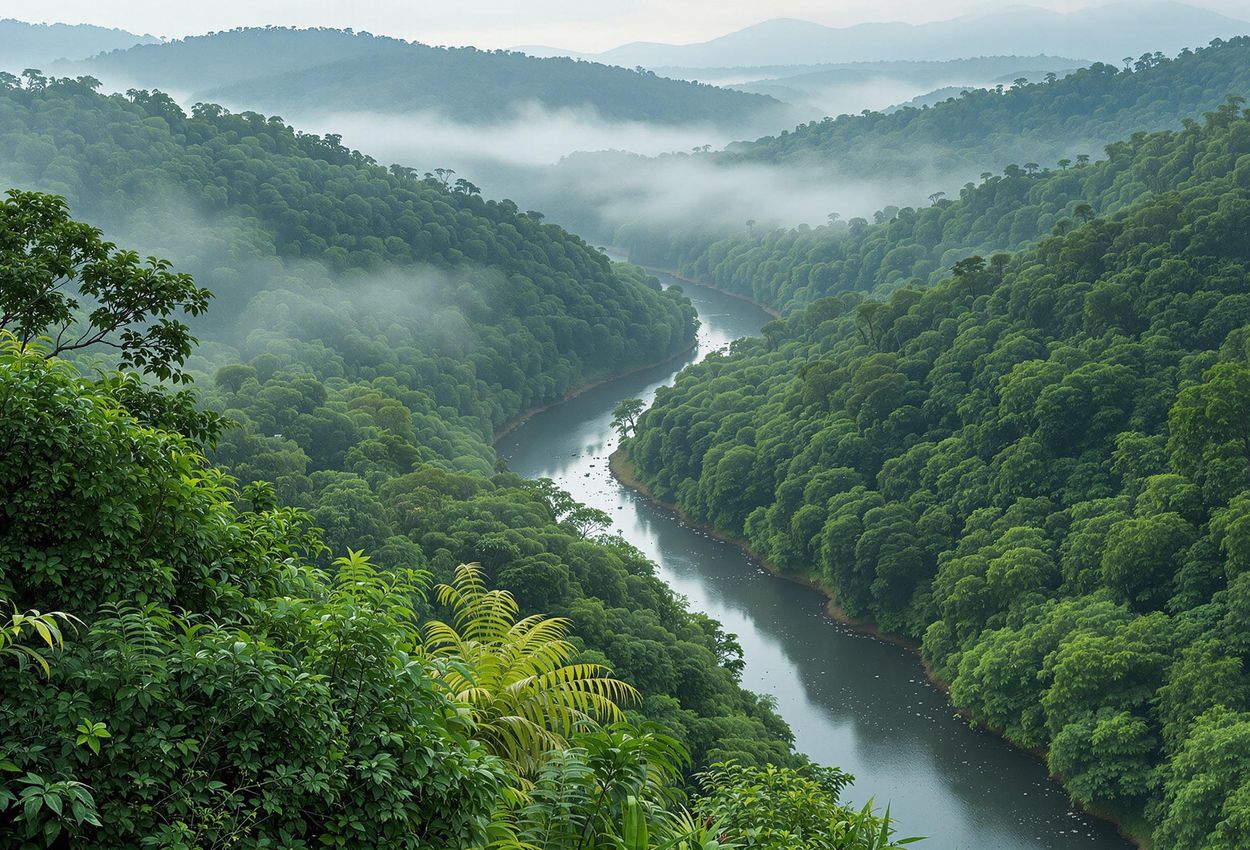
Venture into the heart of Madagascar's rainforest, where the air hangs thick with humidity and the symphony of exotic wildlife echoes through the emerald canopy.
Ranomafana National Park, a jewel of Madagascar's southeastern region, beckons with its unparalleled biodiversity and stunning landscapes. Established in 1991, the park protects over 41,600 hectares (161 square miles) of tropical rainforest, ranging in elevation from 800 to 1,200 meters (2,600 to 3,900 feet). This creates a cool, moist climate that fosters a remarkable array of plant and animal life, much of which is found nowhere else on Earth.
Located approximately 65 kilometers (40 miles) northeast of Fianarantsoa, the park's mountainous terrain is carved by numerous streams and cascading waterfalls. The name 'Ranomafana' itself, derived from the Malagasy words 'rano mafana' ('hot water'), hints at the presence of therapeutic hot springs near the town. These natural springs offer a soothing respite after a day of exploring the park's verdant trails.
The park's creation was spurred by the rediscovery of the critically endangered greater bamboo lemur and the discovery of the golden bamboo lemur in 1986 by primatologist Dr. Patricia Wright. Her dedication to protecting these unique primates led to the establishment of Ranomafana National Park as a sanctuary for biodiversity and a hub for scientific research.
Today, Ranomafana National Park stands as a testament to the importance of rainforest conservation and a captivating destination for nature enthusiasts seeking an immersive experience in Madagascar's wild heart.
Ranomafana National Park is a haven for lemurs, those charismatic primates found only on the island of Madagascar. The park boasts an impressive 12 lemur species, each with its own unique adaptations and charm.
Among the most iconic is the golden bamboo lemur (Hapalemur aureus), a species whose discovery led to the park's creation. These lemurs have a specialized diet, feeding primarily on bamboo shoots that contain cyanide levels that would be lethal to other animals.
The critically endangered greater bamboo lemur (Hapalemur simus) is another bamboo specialist found within the park. These gentle giants also consume bamboo, showcasing a remarkable adaptation to their environment.
Other notable lemur species include the red-bellied lemur (Eulemur rubriventer), easily recognized by its reddish belly and chest. The red-fronted brown lemur (Eulemur rufifrons) displays diverse coloration among individuals and plays a vital role in seed dispersal. The Milne-Edwards's sifaka (Propithecus edwardsi) is another captivating lemur species inhabiting the park.
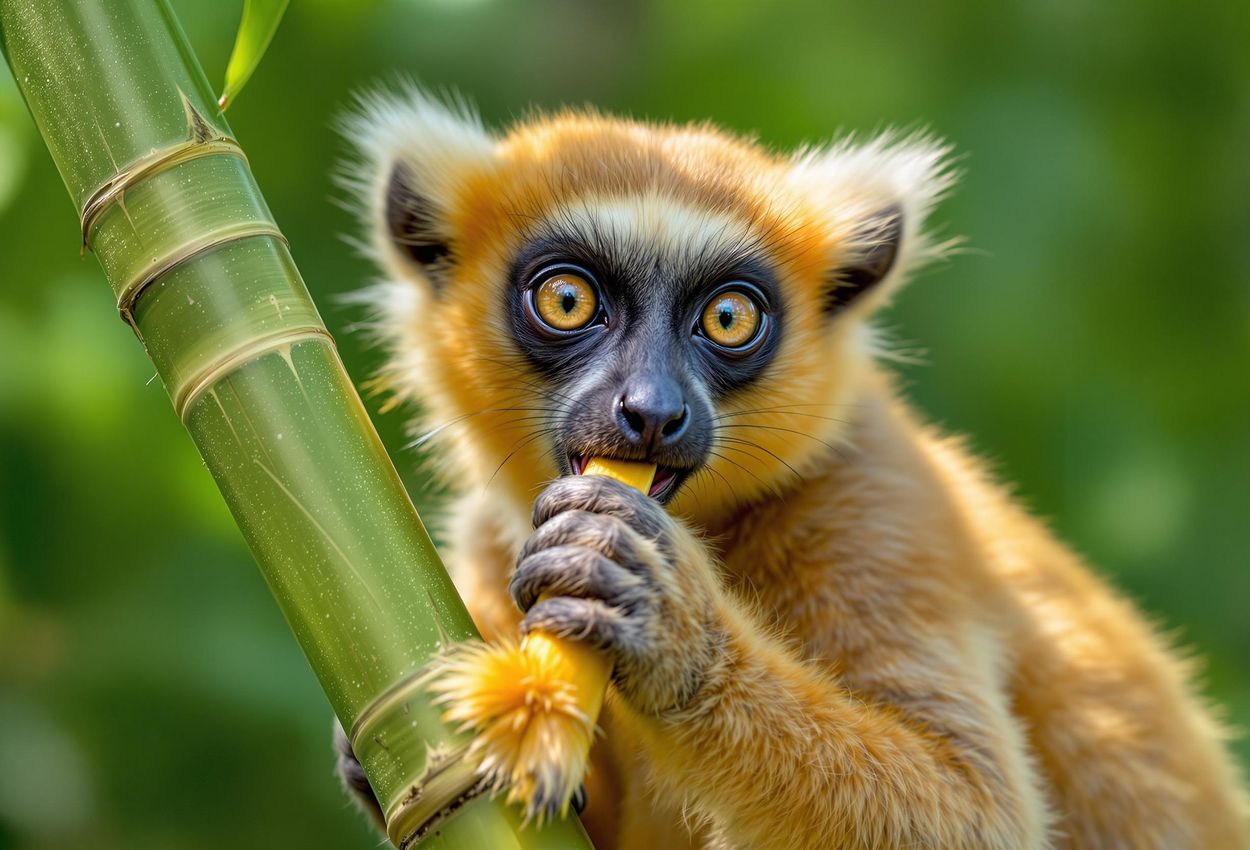
Visitors to Ranomafana National Park have the opportunity to observe these incredible creatures in their natural habitat. Guided hikes through the rainforest offer excellent chances to spot lemurs leaping through the trees, foraging for food, or simply basking in the sun.
Local Tip: Engage a local guide with experience in lemur spotting. Their expertise can significantly increase your chances of encountering these elusive primates and learning about their unique behaviors.
Ranomafana National Park is not only a lemur paradise but also a haven for birdwatchers. The park is home to over 115 bird species, with approximately 30 being endemic to the park. The diverse habitats within the park, ranging from lowland rainforest to cloud forest, support a wide variety of avian life.
Notable bird species include ground rollers, with their vibrant plumage and unique foraging behavior. The blue vanga, endemic to Madagascar, is another sought-after sighting for bird enthusiasts. Short-legged ground rollers and brown mesites are also among the park's avian treasures.
Hiking trails within the park provide ample opportunities for birdwatching. The symphony of birdsong fills the air, creating an enchanting atmosphere as you explore the rainforest.
Hidden Gem: Local guides possess an intimate knowledge of bird calls and can often imitate them to attract specific species. Ask your guide to demonstrate their skills and enhance your birdwatching experience.
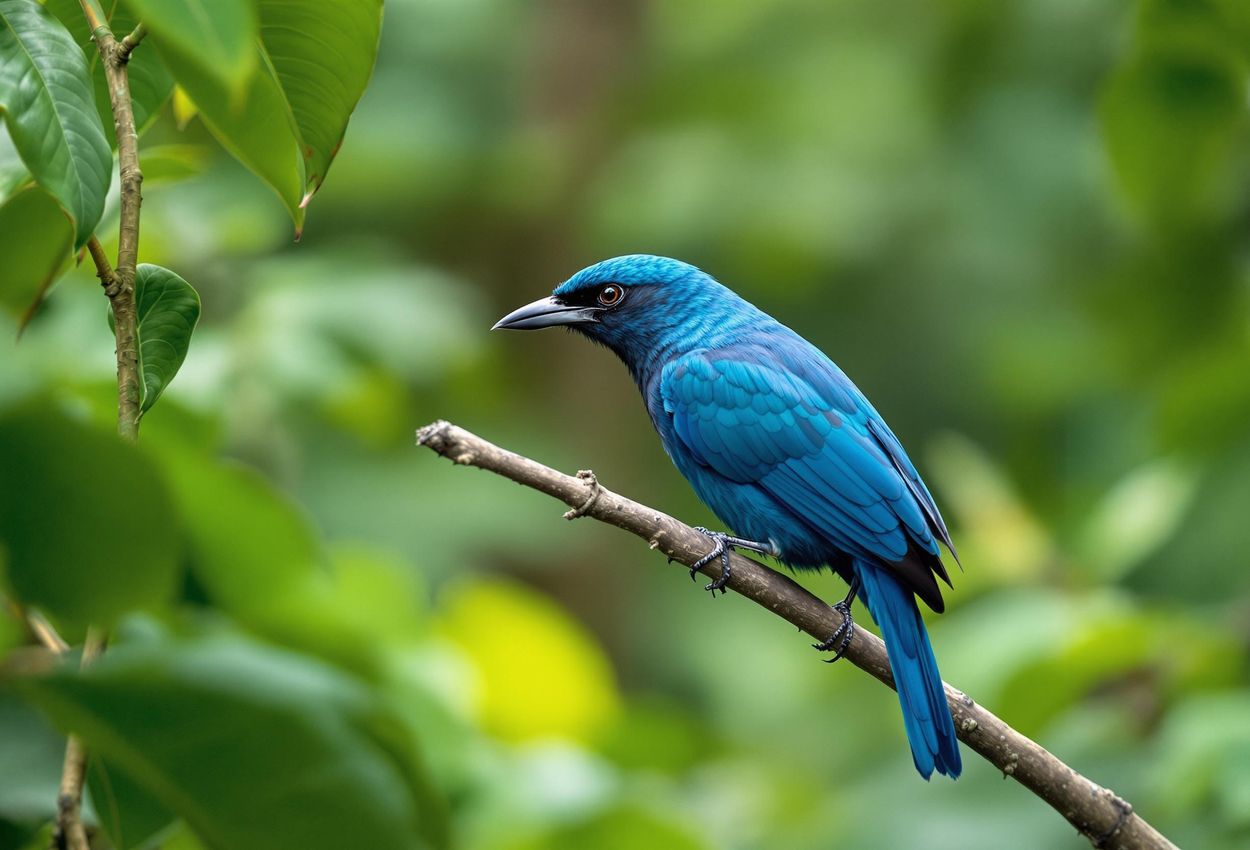
Local Tip: The best times for birdwatching are early morning and late afternoon when birds are most active. Bring binoculars and a field guide to help identify the various species you encounter.
Ranomafana National Park offers a network of seven hiking trails, ranging in length from 10 to 20 kilometers (6.2 to 12.4 miles), allowing visitors to explore the rainforest at their own pace. Each trail presents a unique perspective on the park's diverse ecosystems and wildlife.
The Varibolomena Circuit is a popular 4-hour loop that takes you past scenic waterfalls and offers a heightened chance of spotting golden bamboo lemurs. The Sahamaleotra Circuit is a 6.2-mile (10 km) hike through the forest, providing opportunities for birdwatching and lemur sightings.
For a more challenging trek, the Varijatsy Circuit is a 9.3-mile (15 km) journey through the forest to a waterfall and natural pool. The Vohiparara Circuit is a 12.4-mile (20 km) hike that takes you past a traditional Tanala village, offering a glimpse into local culture.
Local Tip: Sturdy hiking shoes are essential due to the slippery conditions on the trails, especially during the rainy season. Be sure to check the weather forecast and pack accordingly.
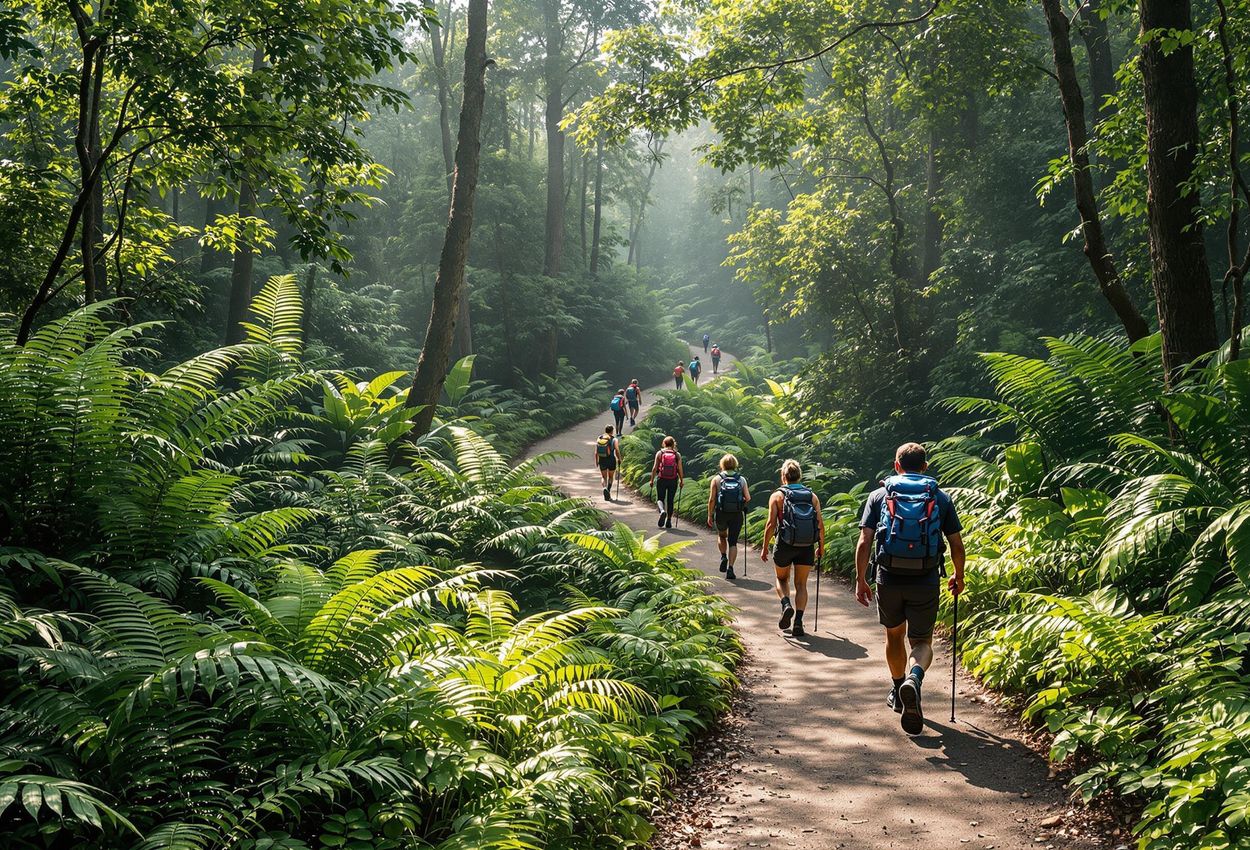
Hidden Gem: The Soarano Circuit is the longest and most demanding route in the park, taking you through wildlife-filled primary forest and past traditional Tanala villages. This trek can be accomplished over three days and will offer the most remote experience in the park.
Adjacent to Ranomafana National Park is the Centre ValBio research station, a hub for biodiversity research, community health and education, environmental arts, and reforestation. Founded in 2003 by Dr. Patricia Wright in partnership with Stony Brook University, the center attracts scientists from around the world to study the park's unique ecosystem.
Researchers at Centre ValBio conduct studies on animal behavior, rainforest ecology, and environmental anthropology. The center also collaborates with UNICEF to provide environmental education in local schools, fostering a sense of stewardship for the environment among future generations.
Hidden Gem: Arrange for a guided tour of Centre ValBio to learn about the ongoing research projects and the center's efforts to promote sustainable development in the region.
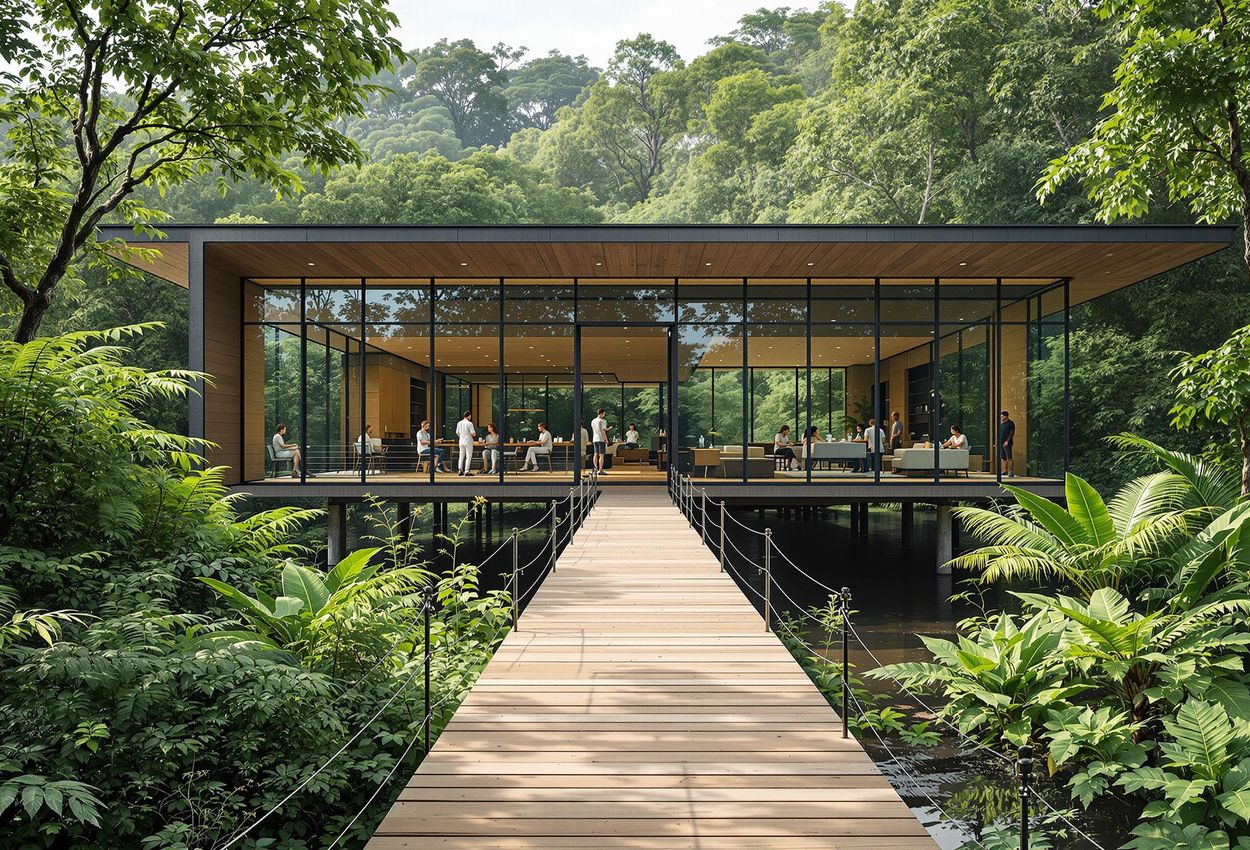
Local Tip: Check the Centre ValBio website for upcoming lectures and workshops that are open to the public. These events offer a unique opportunity to learn from leading scientists and conservationists.
Ranomafana National Park embraces sustainable tourism initiatives that benefit both conservation efforts and local communities. A key aspect of this approach is the requirement for visitors to hire local guides. These guides provide valuable insights into the park's flora, fauna, and cultural significance, while also generating income for local families.
Ecotourism revenue is reinvested in maintaining the park, protecting its wildlife, and supporting critical biodiversity research. The Local Park Committee (CLP) and the Committee for Protected Area Orientation and Support (COSAP) are actively involved in collaborative management, with local community member involvement in conservation and development activities.
The park provides income opportunities for households through guiding, handicraft sales, and local restaurants. By supporting these local businesses, visitors contribute to the economic well-being of the community and promote sustainable practices.

Local Tip: Purchase handicrafts from local artisans as souvenirs. This supports their livelihoods and helps preserve traditional crafts.
Ranomafana National Park is a botanical paradise, showcasing a lush diversity of vegetation. The park's varying altitudes and forest types, including lowland rainforest and cloud forest, support a remarkable array of flora.
Ferns, orchids, and other tropical plants thrive in the park's humid environment. The understory is carpeted with a variety of ferns, while orchids adorn the branches of trees, adding splashes of color to the verdant landscape.
Ancient trees, some towering over 30 meters tall, create a cathedral-like atmosphere in the rainforest. These giants provide habitat for countless species and play a vital role in the ecosystem.
Local Tip: Visit the park during the orchid blooming season (October to January) to witness the rainforest come alive with vibrant colors.
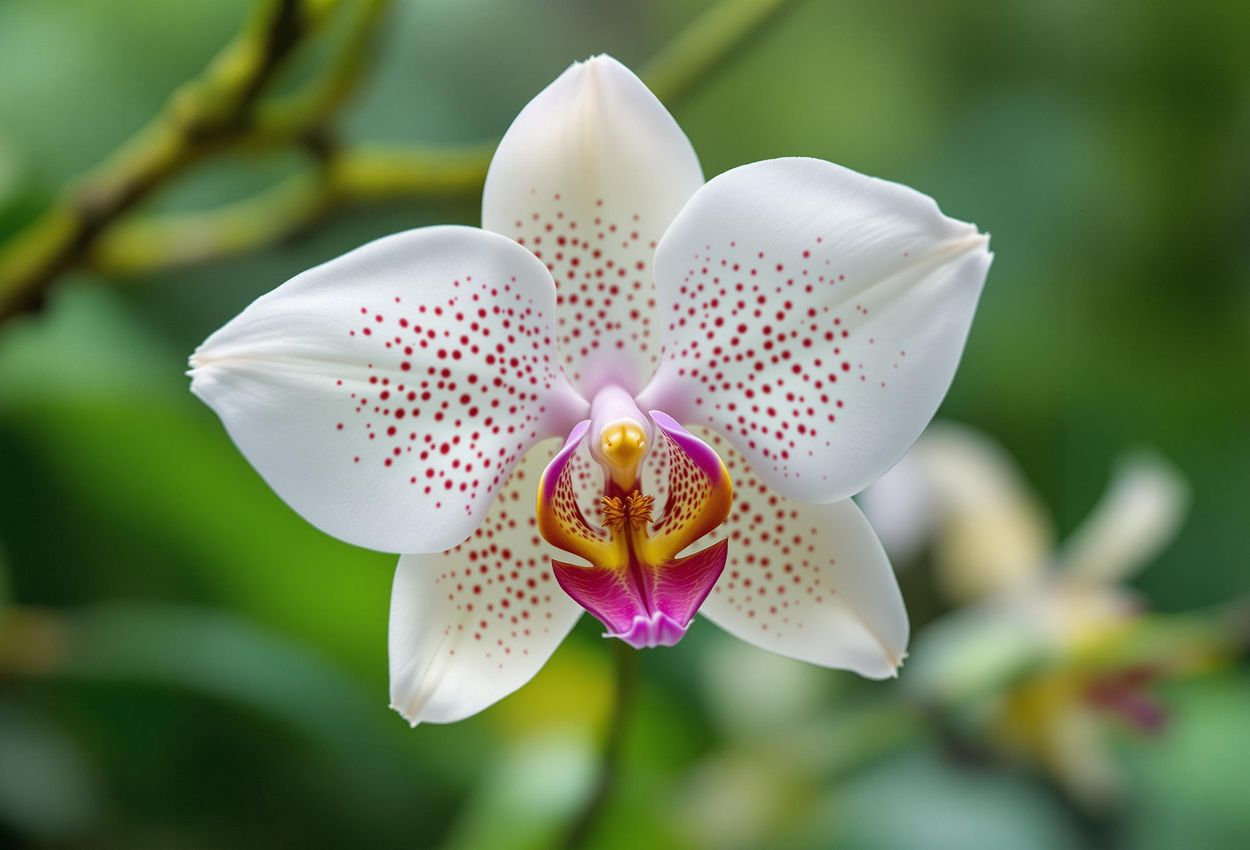
Hidden Gem: The Ranomafana Arboretum, located just a short distance from the park entrance, houses over 50 species of trees, some native to southeastern Madagascar and some introduced through international trade. It's also home to lowland-streaked tenrecs, chameleons, butterflies, frogs, and interesting insects.
Ranomafana National Park plays a crucial role in protecting endangered species and preserving Madagascar's unique biodiversity. The park faces numerous threats, including slash-and-burn agriculture, mining, and illegal logging.
Madagascar National Parks (MNP) manages the park and implements conservation efforts, including ranger patrols and infrastructure maintenance. The Foundation for Protected Areas and Biodiversity of Madagascar (FAPBM) also supports conservation initiatives within the park.
Local Tip: Support responsible tourism operators who prioritize conservation and community engagement. Your travel choices can make a positive impact on the park's future.

Hidden Gem: Learn about the park's conservation challenges and successes by visiting the Centre ValBio research station. Their exhibits and presentations provide valuable insights into the ongoing efforts to protect this precious ecosystem.
The therapeutic hot springs near Ranomafana are not only the namesake of the park but also a source of relaxation and rejuvenation. The springs are located above ancient geothermal vents, producing geothermal energy that heats fresh water near the surface. This results in mineral-rich waters without the sulfur smell often associated with hot springs.
After a day of hiking through the rainforest, soaking in the thermal baths offers a welcome respite. The warm waters soothe tired muscles and promote overall well-being.
Local Tip: Visit the public swimming pool, fed by the natural hot springs, for a more social experience. The pool is a popular spot for both locals and tourists.
Hidden Gem: Explore the spa and treatment centers in Ranomafana, offering a variety of wellness treatments, from massages to facials. Incorporating holistic practices like meditation and yoga, these centers elevate the transformative journey of relaxation.
As darkness descends, Ranomafana National Park transforms into a different world. Nocturnal wildlife emerges, offering a unique perspective on the park's biodiversity.
Guided night walks provide the opportunity to observe nocturnal lemurs, such as the aye-aye, brown mouse lemur, and Crossley's dwarf lemur. The spotted fanaloka, a genet-like carnivore, is another fascinating creature that may be encountered on night walks.
Local Tip: Book a night walk with an experienced guide who can identify the calls of nocturnal animals and point out hidden creatures.

Hidden Gem: Take time to simply listen to the sounds of the rainforest at night. The chirps, croaks, and rustling leaves create an immersive sensory experience.
Our editors` picks of the latest and greatest in travel - delivered to your inbox daily
Relax on the beaches and explore the reefs of Xai-Xai.
View More
Embrace the cooler temperatures and experience the International Festival of the Sahara in Douz this December.
View More
Celebrate the year-end festivities in Accra, culminating in the vibrant Afrofuture festival.
View More Albania EDITION
 Algeria EDITION
 Argentina EDITION
 Armenia EDITION
 Australia EDITION
 Austria EDITION
 Bangladesh EDITION
 Belgium EDITION
 Belize EDITION
 Benin EDITION
 Bhutan EDITION
 Bolivia EDITION
 Bosnia and Herzegovina EDITION
 Botswana EDITION
 Brazil EDITION
 Bulgaria EDITION
 Burkina Faso EDITION
 Cambodia EDITION
 Cameroon EDITION
 Canada EDITION
 Central African Republic EDITION
 Chad EDITION
 Chile EDITION
 China EDITION
 Colombia EDITION
 Costa Rica EDITION
 Croatia EDITION
 Cyprus EDITION
 Denmark EDITION
 Djibouti EDITION
 Ecuador EDITION
 Egypt EDITION
 El Salvador EDITION
 Eritrea EDITION
 Estonia EDITION
 Ethiopia EDITION
 Finland EDITION
 France EDITION
 Gabon EDITION
 Georgia EDITION
 Germany EDITION
 Ghana EDITION
 Greece EDITION
 Guatemala EDITION
 Guinea EDITION
 Guinea-Bissau EDITION
 Honduras EDITION
 Hungary EDITION
 Iceland EDITION
 India EDITION
 Indonesia EDITION
 Ireland EDITION
 Israel EDITION
 Italy EDITION
 Jamaica EDITION
 Japan EDITION
 Jordan EDITION
 Kenya EDITION
 Kuwait EDITION
 Laos EDITION
 Latvia EDITION
 Lebanon EDITION
 Lesotho EDITION
 Liberia EDITION
 Lithuania EDITION
 Luxembourg EDITION
 Madagascar EDITION
 Malawi EDITION
 Malaysia EDITION
 Maldives EDITION
 Mali EDITION
 Malta EDITION
 Mauritania EDITION
 Mauritius EDITION
 Mexico EDITION
 Mongolia EDITION
 Montenegro EDITION
 Morocco EDITION
 Mozambique EDITION
 Namibia EDITION
 Nepal EDITION
 Netherlands EDITION
 New Zealand EDITION
 Nicaragua EDITION
 Niger EDITION
 Nigeria EDITION
 Norway EDITION
 Oman EDITION
 Pakistan EDITION
 Panama EDITION
 Papua New Guinea EDITION
 Paraguay EDITION
 Peru EDITION
 Philippines EDITION
 Poland EDITION
 Portugal EDITION
 Qatar EDITION
 Romania EDITION
 Rwanda EDITION
 Saudi Arabia EDITION
 Senegal EDITION
 Serbia EDITION
 Singapore EDITION
 Slovakia EDITION
 Slovenia EDITION
 Somalia EDITION
 South Africa EDITION
 South Korea EDITION
 Spain EDITION
 Sri Lanka EDITION
 Suriname EDITION
 Sweden EDITION
 Switzerland EDITION
 Tanzania EDITION
 Thailand EDITION
 Tunisia EDITION
 Uganda EDITION
 United Arab Emirates EDITION
 United Kingdom EDITION
 Uruguay EDITION
 Venezuela EDITION
 Vietnam EDITION
 Zambia EDITION
 Zimbabwe EDITION
Subscribe to our newsletter and get the most captivating travel stories, hidden gems, and expert insights delivered straight to your inbox. As a subscriber, you’ll be first in line for exclusive content, premium offers, and unforgettable travel experiences