



Destination Guide
Xai-Xai: A Coastal Retreat
Relax on the beaches and explore the reefs of Xai-Xai.
View More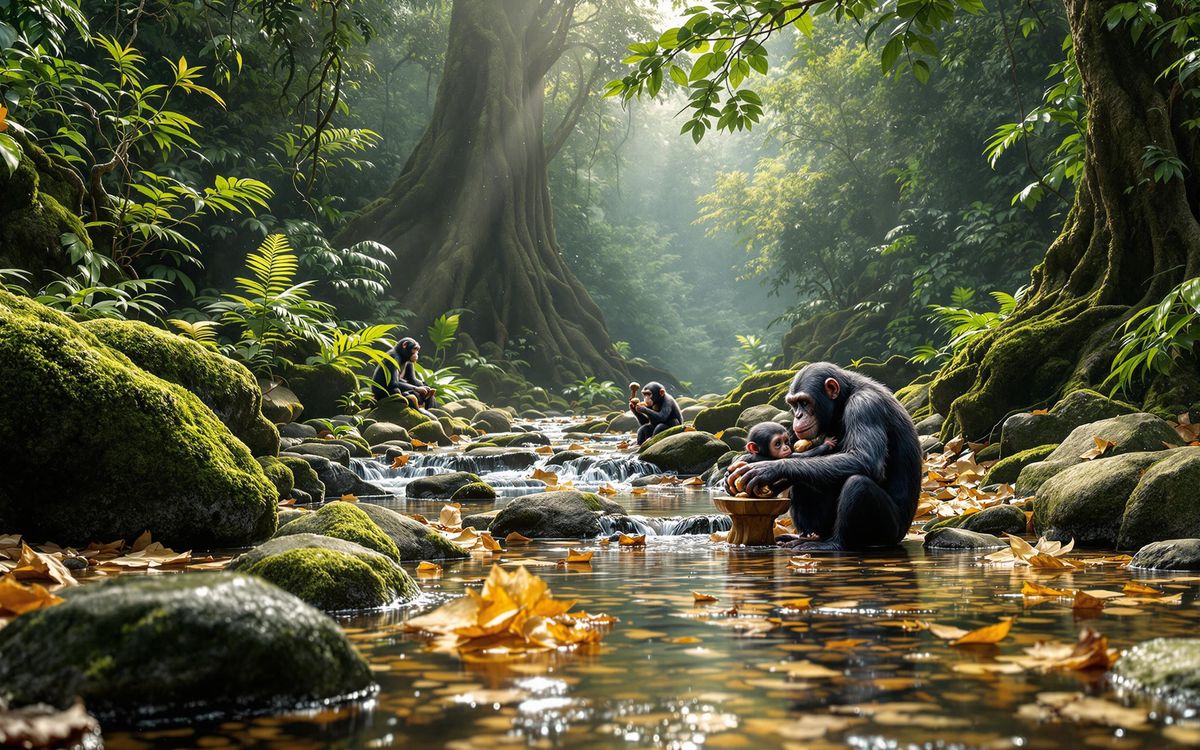

Venture into the depths of Côte d'Ivoire's Taï National Park, a sanctuary of unparalleled biodiversity and a crucial bastion for West Africa's remaining primary rainforest.
Here, the symphony of the wild unfolds, revealing a world where chimpanzees wield tools, endangered species roam freely, and the very air vibrates with the pulse of life. This UNESCO World Heritage site beckons ecotourists and conservationists alike, promising an immersive journey into nature's most precious strongholds.
Nestled between the Cavally and Sassandra rivers in southwestern Côte d'Ivoire, Taï National Park stands as a testament to nature's resilience. Since its designation as a UNESCO World Heritage Site in 1982, this park has been recognized globally for its exceptional biodiversity and its critical role in preserving the region's ecological balance. As one of the last remaining primary rainforests in West Africa, Taï offers a glimpse into a world untouched by extensive human interference, a realm where the intricate web of life thrives in harmonious complexity.
Imagine stepping into a realm where the air hangs heavy with humidity, carrying the earthy scent of damp soil and decaying leaves. Sunlight filters through the dense canopy, casting dappled shadows on the forest floor, where a vibrant tapestry of flora unfolds. Towering trees, their trunks adorned with mosses and epiphytes, reach for the sky, creating a cathedral-like atmosphere filled with the rustling of leaves and the calls of unseen creatures. The Taï National Park is not merely a forest; it is a living, breathing entity, a sanctuary where every sight, sound, and scent tells a story of ecological significance.
The park's location within the Guinean Forests of West Africa biodiversity hotspot further amplifies its importance. This region is renowned for its high concentration of endemic species, plants and animals found nowhere else on Earth. Taï serves as a refuge for these unique life forms, safeguarding their existence in an increasingly threatened world. The park's diverse ecosystems, ranging from dense rainforest to swampy wetlands, support a wide array of flora and fauna, making it a living laboratory for scientific research and a treasure trove for nature enthusiasts.
The Taï National Park is more than just a collection of trees and animals; it is a vital component of the region's ecological infrastructure. The forest acts as a carbon sink, absorbing vast quantities of carbon dioxide from the atmosphere and mitigating the effects of climate change. It also plays a crucial role in regulating water cycles, preventing soil erosion, and maintaining the fertility of the surrounding lands. By protecting this invaluable ecosystem, Côte d'Ivoire is contributing to global efforts to combat climate change and preserve the planet's natural heritage.

The preservation of Taï National Park is not without its challenges. The pressures of deforestation, poaching, and agricultural encroachment loom large, threatening the park's integrity and the survival of its inhabitants. However, through dedicated conservation efforts, collaborative partnerships, and a growing awareness of the park's importance, there is hope for a sustainable future. By supporting ecotourism initiatives, respecting park guidelines, and advocating for responsible land management practices, visitors can play a vital role in safeguarding this natural wonder for generations to come.
Among the many remarkable inhabitants of Taï National Park, the chimpanzee population stands out for their extraordinary tool-using skills. These intelligent primates have captivated scientists and nature enthusiasts alike with their ability to crack nuts using stones as hammers and anvils, a behavior that showcases their cognitive abilities and cultural transmission. The Taï chimpanzees offer a unique window into the evolution of tool use and the complex social dynamics of these fascinating creatures.
Since 1979, the Taï Chimpanzee Project has been conducting long-term research on these chimpanzees, providing invaluable insights into their behavior, ecology, and social structure. Researchers have documented the chimpanzees' intricate tool-using techniques, their cooperative hunting strategies, and their complex communication systems. This ongoing research has not only deepened our understanding of chimpanzees but has also contributed to conservation efforts aimed at protecting their habitat and ensuring their survival.
Embarking on a chimpanzee trekking experience in Taï National Park is an adventure unlike any other. As you venture into the forest with experienced eco-guides, the anticipation builds with every step. The sounds of the rainforest envelop you – the chirping of insects, the calls of birds, and the rustling of leaves – creating a symphony of nature that heightens your senses. The guides, who have spent years habituating the chimpanzees to human presence, lead you through the dense vegetation, sharing their knowledge of the forest and its inhabitants.
The moment you encounter the chimpanzees is nothing short of magical. Observing these primates in their natural habitat, engaging in their daily activities, is a privilege that few get to experience. You might witness them cracking nuts with their expertly chosen tools, grooming each other in displays of social bonding, or foraging for food in the forest canopy. The eco-guides provide valuable insights into the chimpanzees' behavior, explaining their social dynamics, their tool-using techniques, and their individual personalities.
The habituation process, a key component of the chimpanzee trekking experience, involves gradually introducing the chimpanzees to human presence over an extended period. This process allows the chimpanzees to become comfortable with observers, minimizing disturbance to their natural behavior. The eco-guides play a crucial role in this process, ensuring that interactions between humans and chimpanzees are conducted responsibly and with respect for the animals' well-being. By supporting these eco-tourism initiatives, visitors contribute directly to the conservation of the chimpanzees and their habitat.

Local Tip: For the best chance of seeing the chimpanzees, visit during the dry season (November to February) when the forest is more accessible and the chimpanzees are more likely to be foraging in open areas.
Taï National Park is not only home to chimpanzees but also a sanctuary for a remarkable array of other endangered species. The park's biodiversity extends far beyond its primate inhabitants, encompassing a wide variety of mammals, birds, reptiles, amphibians, and insects. Exploring Taï reveals a world teeming with unique and threatened wildlife, each playing a vital role in the park's delicate ecosystem.
Among the park's most iconic residents is the pygmy hippopotamus, a diminutive relative of the common hippopotamus. These elusive creatures are adapted to life in the rainforest, spending their days wallowing in swamps and streams. The pygmy hippopotamus is a highly endangered species, and Taï National Park provides a crucial refuge for their survival.
The park is also home to several species of monkeys, including the olive colobus monkey, the red colobus monkey, and the Diana monkey. These primates can be seen leaping through the trees, their vibrant colors adding to the forest's beauty. The olive colobus monkey is particularly notable for its distinctive olive-green fur, while the red colobus monkey is known for its striking red coloration. The Diana monkey, with its crescent-shaped brow, is considered one of the most commonly encountered monkeys around Camp Chimpanzee.
Birdwatchers will be delighted by the variety of birdlife in Taï National Park. The white-breasted guineafowl, with its distinctive white chest and black plumage, is a common sight in the forest. Other notable bird species include the African crowned eagle and various colorful parrots and hornbills. The park's diverse habitats support a wide range of avian species, making it a paradise for ornithologists and nature enthusiasts.
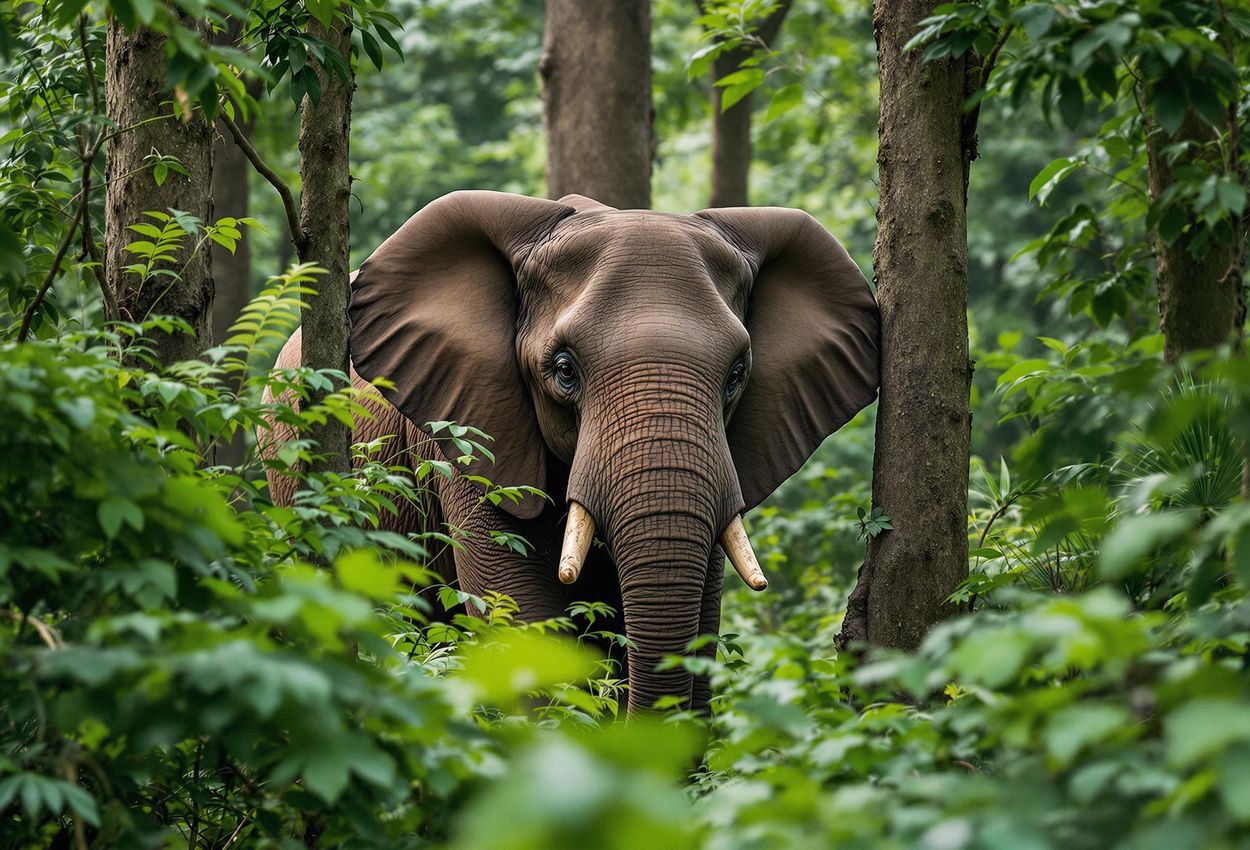
Forest elephants, smaller and more adapted to the rainforest environment than their savannah counterparts, also roam within the park. These gentle giants play a crucial role in shaping the forest ecosystem, dispersing seeds and creating pathways that benefit other species.
Hidden Gem: Explore the less-traveled areas of the park with a local guide to increase your chances of spotting some of the more elusive species, such as the Jentink's duiker, a rare and endangered antelope found only in the forests of West Africa.
Immerse yourself in the verdant embrace of Taï National Park by exploring its network of guided hiking trails. These trails offer a unique opportunity to experience the rainforest up close, to witness its beauty, and to appreciate its ecological significance. Whether you're a seasoned trekker or a casual nature lover, Taï has a trail to suit your interests and abilities.
One of the most popular hikes in the park is the trek to Mount Niénokoué, the sacred mountain of the Kroumen ethnic group. This challenging but rewarding hike takes you through diverse forest ecosystems, showcasing the park's varied flora and fauna. As you ascend, the vegetation changes, transitioning from dense rainforest to montane forest, with unique plant species adapted to the higher altitude.
Reaching the summit of Mount Niénokoué is an experience in itself. From the top, you're rewarded with panoramic views of the Taï rainforest, a seemingly endless expanse of green stretching as far as the eye can see. The view is particularly breathtaking at sunrise or sunset, when the golden light bathes the forest in a warm glow.
Other trails within the park offer varying levels of difficulty and duration. Some trails focus on specific aspects of the park's biodiversity, such as birdwatching or primate observation. Others lead to hidden waterfalls, secluded streams, or ancient rock formations. The eco-guides, with their extensive knowledge of the forest, can tailor the hiking experience to your interests and provide valuable insights into the park's ecology and cultural history.
As you hike through the emerald canopies of Taï, take the time to appreciate the subtle details of the rainforest environment. Notice the intricate patterns of the leaves, the vibrant colors of the flowers, and the diverse textures of the tree bark. Listen to the symphony of sounds – the chirping of insects, the calls of birds, and the rustling of leaves – all blending together to create a unique and immersive soundscape. Breathe in the fresh, humid air, filled with the earthy scent of the forest. This multi-sensory experience will leave you with a deep appreciation for the beauty and complexity of the Taï National Park.
Trail Tip: Wear sturdy hiking boots, long pants, and long-sleeved shirts to protect yourself from insects and thorny vegetation. Carry plenty of water and snacks, and don't forget insect repellent and sunscreen.
Taï National Park, despite its protected status, faces numerous conservation challenges that threaten its long-term survival. Poaching, logging, and agricultural encroachment are among the most pressing issues, putting immense pressure on the park's resources and its wildlife populations. Addressing these challenges requires a multi-faceted approach, involving government agencies, conservation organizations, local communities, and international partners.
Several organizations are actively involved in research and conservation initiatives within Taï National Park. The Wild Chimpanzee Foundation (WCF) works to protect chimpanzee populations and their habitat through research, education, and community engagement. The Office Ivoirien des Parcs et Réserves (OIPR), the government agency responsible for managing the park, implements anti-poaching patrols, monitors wildlife populations, and promotes sustainable tourism.
The Cocoa and Forest Initiative (CFI) is another crucial effort aimed at addressing deforestation driven by cocoa farming in the region. This initiative brings together cocoa companies, government agencies, and civil society organizations to promote sustainable cocoa production practices, protect forests, and improve the livelihoods of cocoa farmers. By working with communities to promote biodiversity conservation and sustainable agriculture, the CFI is helping to reduce the pressure on Taï National Park and its surrounding areas.
The OIPR engages with communities in the periphery of the park to encourage the preservation of protected areas. They reward villages that are committed to protecting the forest and provide them with resources to develop infrastructure.
These various initiatives are aligned with national forest protection plans and policies to harmonize public and private sector activities.
Despite these efforts, the challenges remain significant. Illegal logging continues to degrade the forest, poaching threatens wildlife populations, and agricultural encroachment reduces the park's size and connectivity. Strengthening law enforcement, promoting sustainable livelihoods for local communities, and raising awareness of the park's importance are crucial steps in ensuring its long-term survival.

Take Action: Support organizations working to protect Taï National Park by donating, volunteering, or simply spreading awareness about the park's importance and the threats it faces.
Planning a visit to Taï National Park requires careful consideration of logistics, accommodation, and responsible tourism practices. The park is located in a remote region of Côte d'Ivoire, and getting there requires some planning and preparation. However, the rewards of experiencing this natural wonder firsthand are well worth the effort.
The most common way to reach Taï National Park is by flying to Abidjan, the economic capital of Côte d'Ivoire, and then traveling overland to the park. From Abidjan, you can take a domestic flight to San-Pédro. From there, a five- to eight-hour drive will take you to Ecotel Touraco near the village of Djouroutou. Another option is to travel through Guiglo, north of the park, and then take the track that runs along the park to the town of Taï.
Entry points to the park are located in the villages of Taï and Niebe. From there, you can arrange guided tours and trekking expeditions with local eco-guides.
Accommodation options near Taï National Park include the Ecotel Touraco, a complex of bungalows located on the edge of the park, and Camp Chimpanzé, a more rustic option offering tented accommodation. Both options provide a comfortable base for exploring the park and immersing yourself in the rainforest environment.
Permits and fees are required to enter Taï National Park and participate in guided tours. These fees contribute to the park's conservation efforts and support local communities. It's essential to book your tours and accommodation in advance, especially during the peak season, to ensure availability.
Responsible tourism is paramount when visiting Taï National Park. Respect the park's guidelines, minimize your impact on the environment, and support local communities by purchasing their products and services. Avoid littering, stay on designated trails, and refrain from disturbing wildlife. By practicing responsible tourism, you can help ensure that Taï National Park remains a pristine and sustainable destination for generations to come.
Essential Info: Check the latest travel advisories and health recommendations before traveling to Côte d'Ivoire. Pack light, bring appropriate clothing and gear, and be prepared for hot and humid conditions.
As you plan your journey to Taï National Park, remember that you're not just visiting a destination; you're embarking on an adventure that supports conservation, empowers local communities, and deepens your connection with the natural world. By embracing responsible tourism practices and respecting the park's fragile ecosystem, you can help protect this biodiversity hotspot for future generations.
Our editors` picks of the latest and greatest in travel - delivered to your inbox daily
Relax on the beaches and explore the reefs of Xai-Xai.
View More
Embrace the cooler temperatures and experience the International Festival of the Sahara in Douz this December.
View More
Celebrate the year-end festivities in Accra, culminating in the vibrant Afrofuture festival.
View More Albania EDITION
 Algeria EDITION
 Argentina EDITION
 Armenia EDITION
 Australia EDITION
 Austria EDITION
 Bangladesh EDITION
 Belgium EDITION
 Belize EDITION
 Benin EDITION
 Bhutan EDITION
 Bolivia EDITION
 Bosnia and Herzegovina EDITION
 Botswana EDITION
 Brazil EDITION
 Bulgaria EDITION
 Burkina Faso EDITION
 Cambodia EDITION
 Cameroon EDITION
 Canada EDITION
 Central African Republic EDITION
 Chad EDITION
 Chile EDITION
 China EDITION
 Colombia EDITION
 Costa Rica EDITION
 Croatia EDITION
 Cyprus EDITION
 Denmark EDITION
 Djibouti EDITION
 Ecuador EDITION
 Egypt EDITION
 El Salvador EDITION
 Eritrea EDITION
 Estonia EDITION
 Ethiopia EDITION
 Finland EDITION
 France EDITION
 Gabon EDITION
 Georgia EDITION
 Germany EDITION
 Ghana EDITION
 Greece EDITION
 Guatemala EDITION
 Guinea EDITION
 Guinea-Bissau EDITION
 Honduras EDITION
 Hungary EDITION
 Iceland EDITION
 India EDITION
 Indonesia EDITION
 Ireland EDITION
 Israel EDITION
 Italy EDITION
 Jamaica EDITION
 Japan EDITION
 Jordan EDITION
 Kenya EDITION
 Kuwait EDITION
 Laos EDITION
 Latvia EDITION
 Lebanon EDITION
 Lesotho EDITION
 Liberia EDITION
 Lithuania EDITION
 Luxembourg EDITION
 Madagascar EDITION
 Malawi EDITION
 Malaysia EDITION
 Maldives EDITION
 Mali EDITION
 Malta EDITION
 Mauritania EDITION
 Mauritius EDITION
 Mexico EDITION
 Mongolia EDITION
 Montenegro EDITION
 Morocco EDITION
 Mozambique EDITION
 Namibia EDITION
 Nepal EDITION
 Netherlands EDITION
 New Zealand EDITION
 Nicaragua EDITION
 Niger EDITION
 Nigeria EDITION
 Norway EDITION
 Oman EDITION
 Pakistan EDITION
 Panama EDITION
 Papua New Guinea EDITION
 Paraguay EDITION
 Peru EDITION
 Philippines EDITION
 Poland EDITION
 Portugal EDITION
 Qatar EDITION
 Romania EDITION
 Rwanda EDITION
 Saudi Arabia EDITION
 Senegal EDITION
 Serbia EDITION
 Singapore EDITION
 Slovakia EDITION
 Slovenia EDITION
 Somalia EDITION
 South Africa EDITION
 South Korea EDITION
 Spain EDITION
 Sri Lanka EDITION
 Suriname EDITION
 Sweden EDITION
 Switzerland EDITION
 Tanzania EDITION
 Thailand EDITION
 Tunisia EDITION
 Uganda EDITION
 United Arab Emirates EDITION
 United Kingdom EDITION
 Uruguay EDITION
 Venezuela EDITION
 Vietnam EDITION
 Zambia EDITION
 Zimbabwe EDITION
Subscribe to our newsletter and get the most captivating travel stories, hidden gems, and expert insights delivered straight to your inbox. As a subscriber, you’ll be first in line for exclusive content, premium offers, and unforgettable travel experiences