Embark on a sensory journey through time, exploring the ancient bathing rituals of diverse cultures. From the fragrant oils of Egypt to the geothermal springs of Japan, discover how these traditions offer rejuvenation for both body and soul.
For millennia, cultures across the globe have recognized the profound benefits of bathing, transforming a simple act of cleansing into a sacred ritual. These ancient practices, steeped in history and tradition, offer a unique path to wellness, connecting us to the wisdom of our ancestors. Join us as we explore some of the most captivating bathing rituals, uncovering their secrets and revealing the luxurious spa experiences that keep these traditions alive today.
Egypt's Nile: Aromatic Oils and Royal Cleansing
The ancient Egyptians held cleanliness in the highest regard, with bathing serving as both a daily practice and a sacred rite. The Nile River, the lifeblood of Egypt, was central to these rituals, providing not only water for cleansing but also a spiritual connection to the deities. Egyptians believed that bathing pleased the gods and ensured a favorable afterlife.
Wealthy Egyptians enjoyed elaborate bathing facilities in their homes, often incorporating fragrant oils, milk, and honey into the water. Historical depictions reveal attendants pouring water over bathers, highlighting the communal aspect of the ritual. Priests were required to bath four times a day. Cleopatra, the last pharaoh of Egypt, famously indulged in milk baths to maintain her radiant skin, a practice that epitomized the luxurious nature of Egyptian bathing.
Imagine yourself transported to a modern Egyptian resort, where you can experience a spa treatment inspired by Cleopatra's legendary bathing practices. The air is thick with the scent of myrrh and frankincense, as you sink into a warm bath infused with silky milk and honey. Gentle hands massage your skin with aromatic oils, leaving you feeling refreshed and renewed. This is more than just a spa day; it's a journey back in time, a chance to connect with the ancient secrets of Egyptian beauty and wellness.
Hidden Gem: Seek out pure Moringa or Black Seed oil, prized in Egypt for their rejuvenating properties. These oils can be found in local markets and apothecaries, offering a tangible connection to ancient Egyptian beauty rituals.

Greece: Gymnasium Baths and Divine Purification
In ancient Greece, bathing was closely linked to physical fitness and spiritual purity. Gymnasiums were not merely places for exercise; they were also centers for social interaction and intellectual discourse, with bathing facilities as an integral component. Before athletic competitions, athletes would cleanse themselves to honor the gods, underscoring the sacred dimension of bathing.
The Greeks initially bathed in rivers, springs and other natural water sources. They believed that bathing could purify the soul and body. Bathing practices evolved into more structured and communal experiences, eventually leading to bath houses. Public baths were important centers for social interaction and cultural exchange. The architecture of public baths varied, but most included a series of rooms with different temperatures.
Envision a modern Greek wellness center nestled near a natural spring, where you can immerse yourself in mineral-rich waters. The experience is a symphony of sensations: the warmth of the water enveloping your body, the gentle sound of the spring, and the invigorating scent of herbs carried on the breeze. As you soak, feel the tension melt away, replaced by a sense of tranquility and connection to the ancient Greek ideals of health and harmony.
Hidden Gem: Discover the healing properties of dittany of Crete, an ancient Greek herb used in baths for its anti-inflammatory and antioxidant benefits. This rare herb can be found in specialty shops and is a testament to the enduring wisdom of ancient Greek herbal medicine.

Rome: Thermae as Social and Intellectual Hubs
The Roman thermae were more than just bathhouses; they were grand social and intellectual centers, integral to daily life for citizens of all classes. These expansive complexes featured gymnasiums, libraries, gardens, and of course, a series of bathing rooms with varying temperatures. Romans would progress through the thermae, starting with a gymnasium workout, followed by oil anointment, a cold plunge, and then moving to the tepidarium (warm room) and caldarium (hot room) for a hot soak.
Bathing in ancient Rome was a communal activity. The baths were designed along the short axis with the caldarium, tepidarium, frigidarium, and natatio. The Roman technique of bathing followed a somewhat standardized pattern. The bather would enter the apodyterium, then be anointed with oil before exercising. After exercising, they would proceed to the caldarium and sudatorium before having their body scraped with a strigil.
Imagine stepping into a luxury spa in Italy that recreates the Roman bathing experience. The architecture is breathtaking, with soaring arches, intricate mosaics, and marble columns. As you move through the different chambers, you feel the gradual increase in temperature, each stage preparing your body for the next. The experience culminates in a soothing massage with aromatic oils, leaving you feeling utterly relaxed and rejuvenated.
Hidden Gem: Experience the ancient Roman technique of 'strigil' scraping, a method of exfoliation that removes dead skin cells and stimulates circulation. Some spas offer modern interpretations of this practice, providing a unique glimpse into Roman bathing customs.

Japan's Onsen: Geothermal Waters and Spiritual Harmony
The Japanese onsen, or hot spring, is a deeply ingrained part of Japanese culture, revered for its spiritual and therapeutic properties. These geothermal hot springs are found throughout Japan, each with its unique mineral composition and purported health benefits. Onsen bathing is governed by strict etiquette, including pre-cleansing rituals and a customary state of nudity.
Onsen are communal baths served with water from natural hot springs. Bathing in an onsen is believed to be good for the skin and metabolism. The baths are considered spiritual places with rules of etiquette. Before entering the onsen, it is customary to wash the body thoroughly.
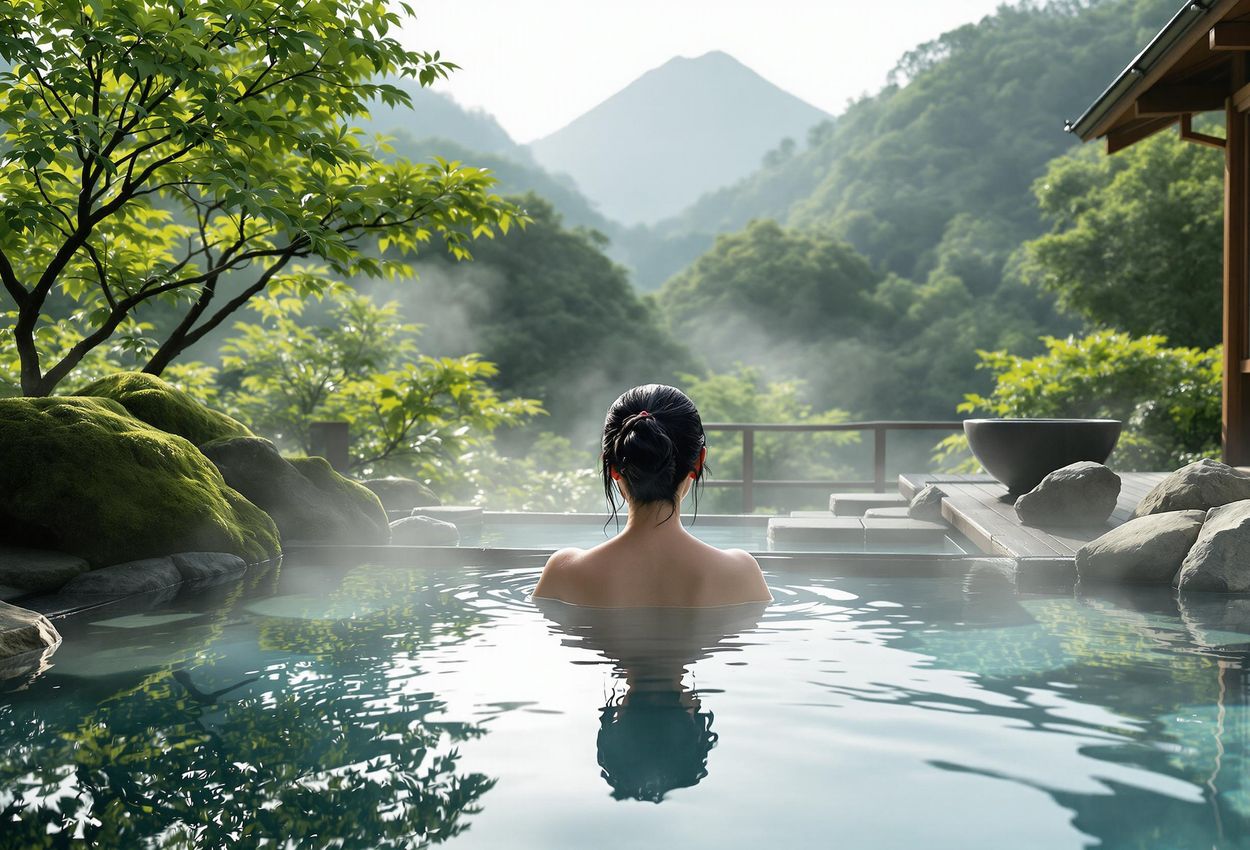
Picture yourself at a luxury Ryokan, a traditional Japanese Inn, with a private Onsen. Surrounded by lush greenery and the soothing sounds of nature, you soak in the mineral-rich water, feeling your muscles relax and your mind quiet. The experience is a harmonious blend of nature, tradition, and personal well-being, a true escape from the stresses of modern life.
Hidden Gem: Venture to the 'Beppu' hot springs region, known for its iron-rich waters and unique mud baths. The iron-rich waters are thought to help with circulation. These lesser-known Onsen offer a truly authentic and therapeutic bathing experience.
Turkish Hammam: Steam, Exfoliation, and Sensory Awakening
The Turkish Hammam is a cultural institution with roots in ancient Roman and Byzantine bathing traditions. More than just a bath, the Hammam is a social and spiritual experience, a place for cleansing, relaxation, and community bonding. The Hammam ritual involves a series of steps: relaxation in a warm room, exfoliation with a kese mitt, soaping, and a massage.
The Turkish hammam has played an important role in the social life of the community. In Turkish culture, hammams were traditionally used for more than just bathing. They were seen as a ritual of renewal physically and spiritually. The hammam is more than just a bath; it is a symbol of Turkish hospitality, tradition, and wellness.
Imagine yourself in a luxurious Hammam in Istanbul, surrounded by exquisite architecture and the gentle warmth of the steam. As you lie on a heated marble slab, a skilled attendant performs a traditional kese scrub, removing dead skin cells and leaving your skin feeling incredibly soft. The experience is a sensory awakening, a journey into the heart of Turkish culture and well-being.
Hidden Gem: Discover the benefits of traditional Turkish olive oil soap, used in Hammams for centuries. This gentle soap nourishes the skin and leaves it feeling clean and moisturized, a perfect souvenir of your Hammam experience.

These ancient bathing rituals offer more than just physical cleansing; they provide a pathway to rejuvenation, cultural immersion, and a deeper connection to ourselves and the world around us. Whether you're seeking a luxurious spa experience or an authentic cultural encounter, these traditions offer a unique and transformative journey for body and soul.