As the sun rises over the fertile lands of Tamil Nadu, a wave of joyous celeations erupts, marking the arrival of Thai Pongal. This viant harvest festival is more than just a religious observance; it's a heartfelt expression of gratitude to the Sun God, nature, and the farm animals that contribute to a bountiful harvest.
Thai Pongal, typically observed from January 14th to 17th, heralds the Tamil month of Thai, an auspicious period symbolizing new beginnings and fresh opportunities. The festival's essence lies in its deep connection to the agricultural cycle, celeating the culmination of farmers' hard work and the promise of prosperity. From the preparation of the traditional Pongal dish to the viant Kolam art and the honoring of cattle, every aspect of this festival reflects the rich cultural heritage of Tamil Nadu.
The Awakening of Thai: Welcoming the Harvest Season
The Tamil month of Thai holds immense significance, representing a period of new beginnings and the dawn of the harvest season. Thai Pongal, falling on the first day of this auspicious month, marks the end of the winter solstice and the sun's journey northwards, known as Uttarayana. This transition is not merely a change in seasons but a symbol of hope and renewal, as the days grow longer and the promise of a plentiful harvest looms large.
The popular Tamil saying, 'Thai Pirandhal Vazhi Pirakkum,' meaning 'the birth of Thai will pave the way for new opportunities,' encapsulates the spirit of the festival. It signifies that with the arrival of Thai, new avenues will open, inging prosperity and happiness. This belief permeates the celeations, infusing them with a sense of optimism and anticipation for the year ahead.
As families prepare to welcome Thai, homes are cleaned and adorned with viant decorations. The atmosphere is charged with excitement as people look forward to the festivities, symbolizing a fresh start and a renewed sense of hope. The awakening of Thai is a time to emace new beginnings and embark on a journey towards a ighter future.
Bhogi Celeations: Cleansing the Old, Emacing the New
Bhogi, the first day of Pongal, is a day of transformation and renewal, dedicated to cleansing the old and welcoming the new. Families rise early, clean their homes meticulously, and discard old, unwanted belongings, symbolizing the shedding of negativity and the emace of positive change. This ritual isn't just about cleanliness; it's about letting go of the past to make way for a ighter future.
The bonfire tradition is a central part of Bhogi celeations. People gather to light bonfires, burning unwanted items and symbolizing the destruction of the old and the welcoming of the new. This act of burning is a powerful representation of purification, signifying the release of negative energy and the creation of space for positive influences.
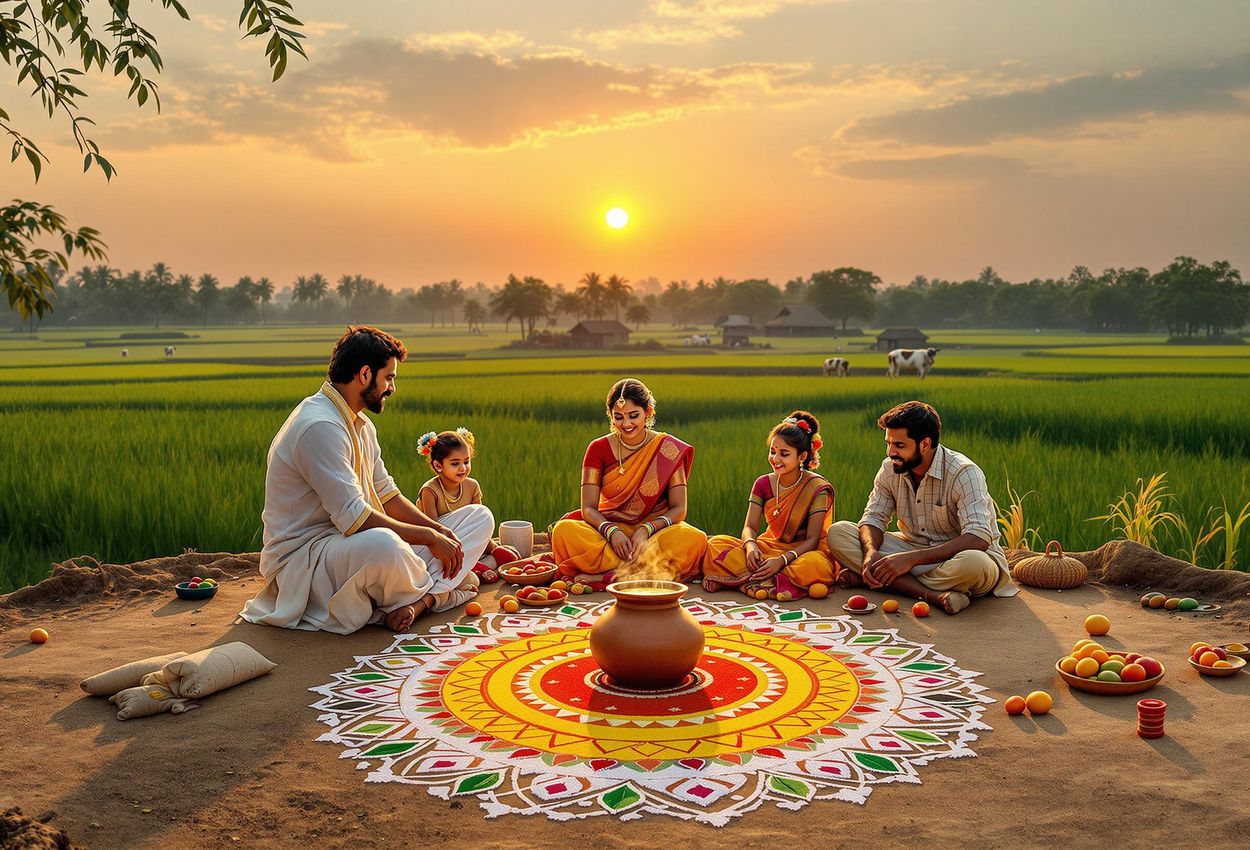
Houses are thoroughly cleaned, painted, and decorated with fresh flowers and intricate Kolams (rangoli), made with rice flour, which invite prosperity and good fortune. These decorations add a festive touch to the homes and symbolize the welcoming of positive energy and abundance. The spirit of renewal permeates the air as families prepare for the days of Pongal celeations ahead.
While the core rituals remain the same, regional variations add unique flavors to the Bhogi celeations. In some regions, special prayers are offered to Lord Indra, the God of rain, seeking blessings for a bountiful harvest. These variations reflect the diverse cultural tapestry of Tamil Nadu and add to the richness of the festival.
Surya Pongal: A Homage to the Sun God
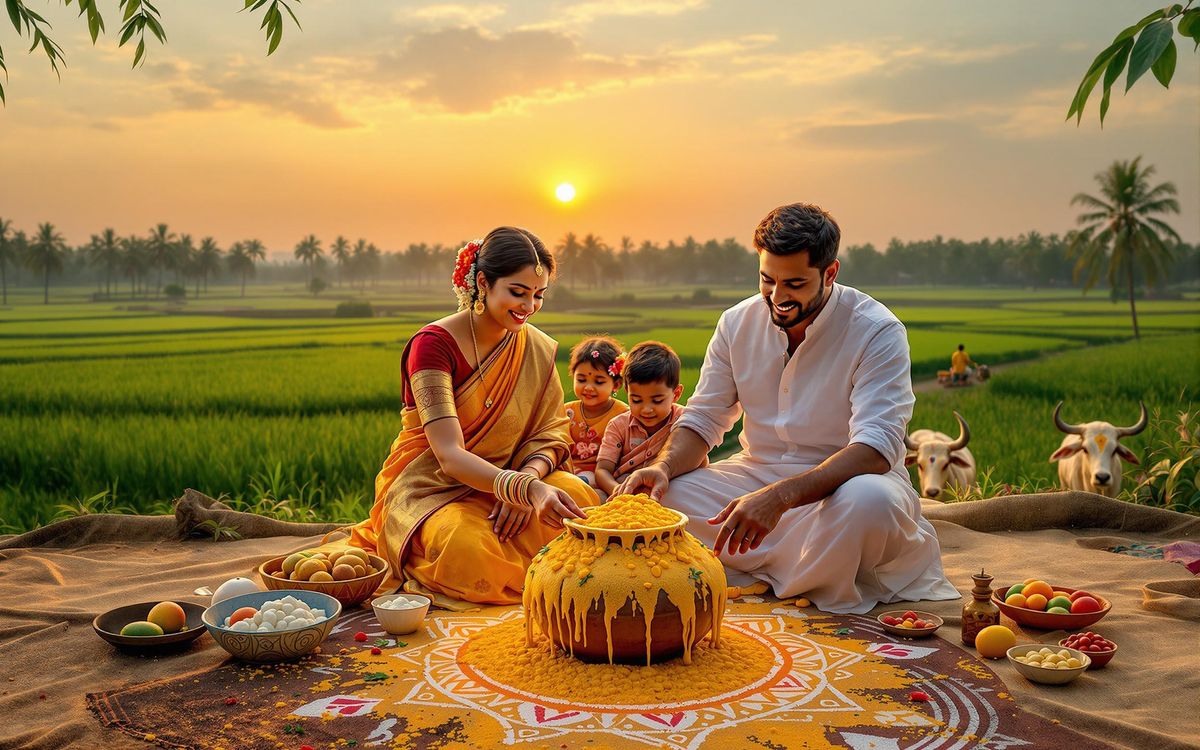
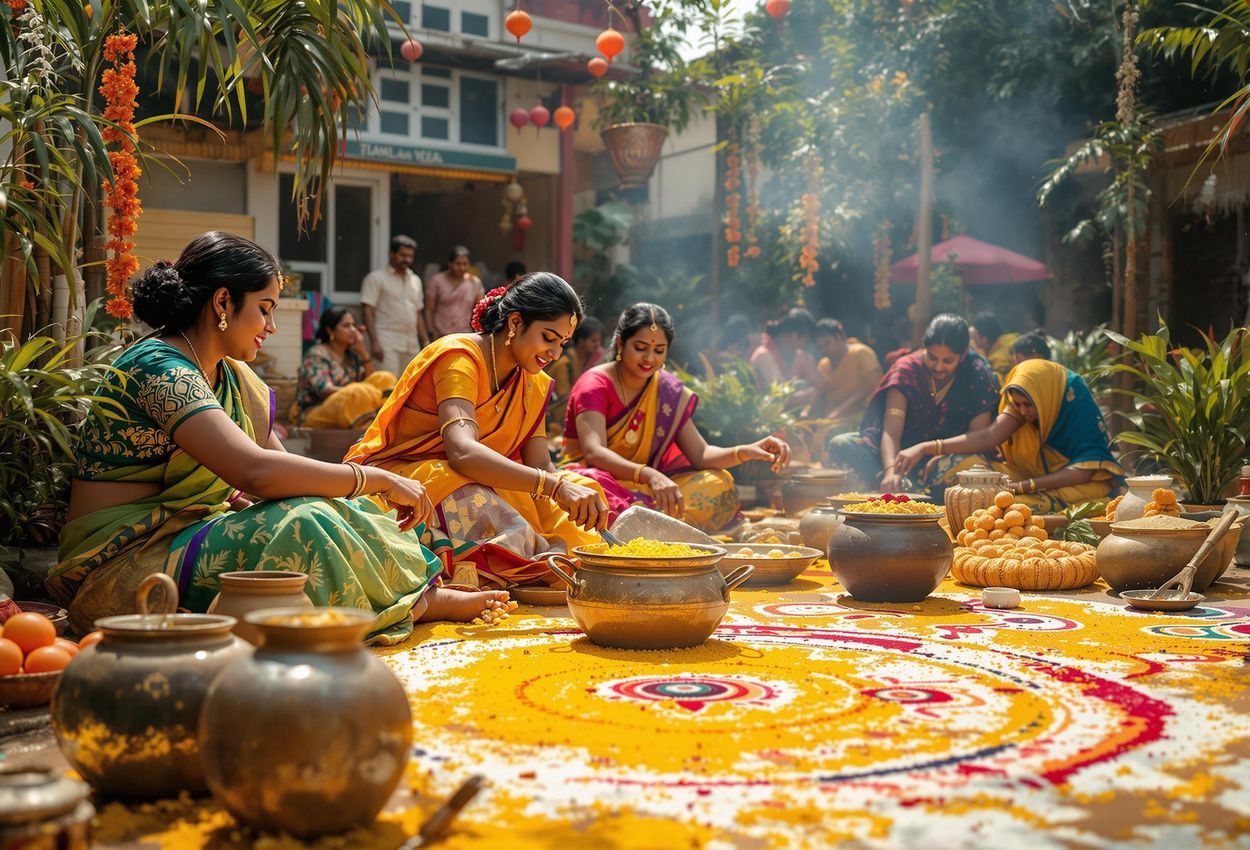
The heart of Thai Pongal lies in Surya Pongal, the main event dedicated to honoring Surya, the Sun God. Families gather outdoors to cook the traditional Pongal dish – a delightful concoction of freshly harvested rice, milk, and jaggery – in a new clay pot. This act of cooking is not merely a culinary endeavor; it's a sacred ritual, symbolizing gratitude to the Sun God for his life-sustaining energy.
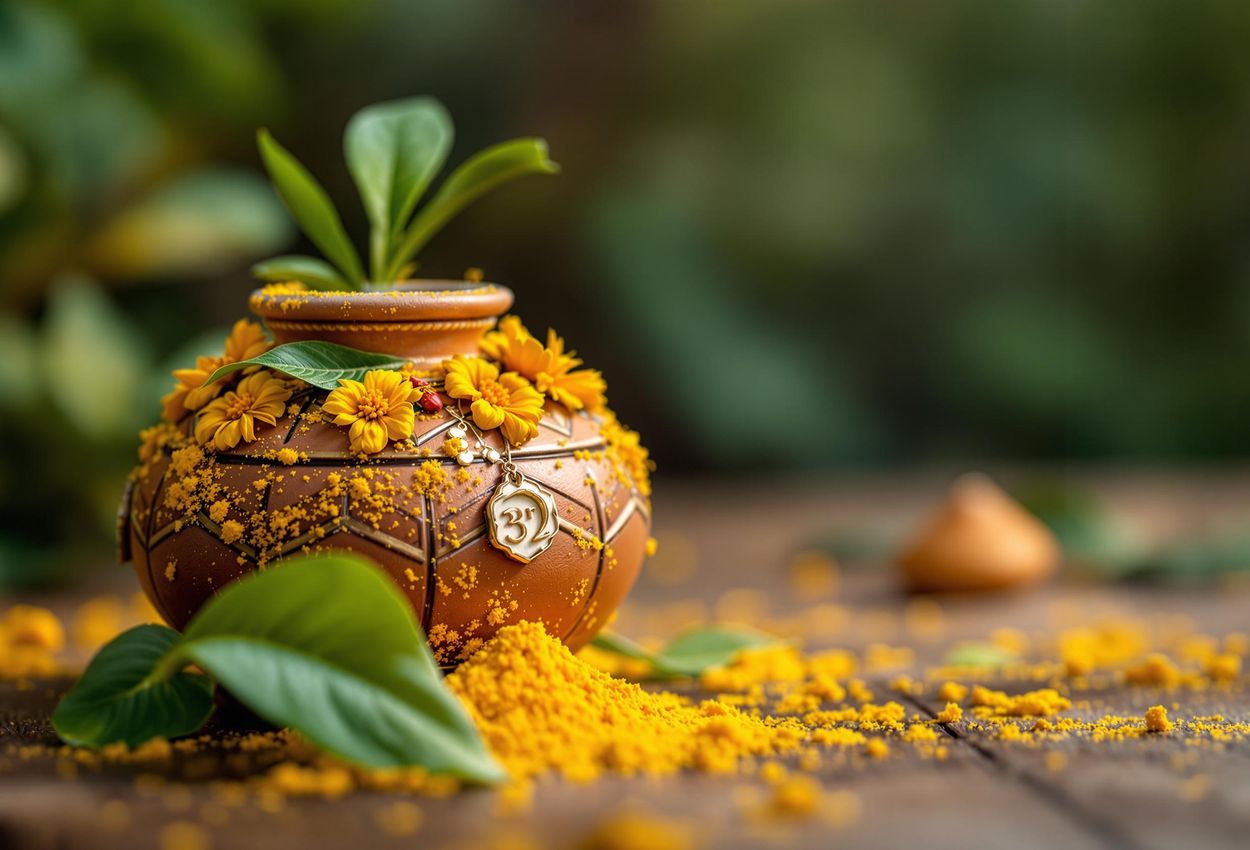
The Pongal pot, adorned with turmeric and placed in the sun, holds deep symbolism. The turmeric is considered auspicious and represents prosperity, while the clay pot signifies the connection to the earth and the agricultural roots of the festival. As the Pongal dish simmers, families offer prayers to Surya, expressing their thanks for a bountiful harvest and seeking blessings for continued prosperity.
As the Pongal dish boils and overflows from the pot, a joyous cry of 'Pongalo Pongal!' erupts, signifying abundance and prosperity. This moment is the culmination of the ritual, symbolizing the overflowing of blessings and the promise of a prosperous year ahead. The sweet aroma of Pongal fills the air, creating a festive ambiance that unites families in celeation.
Kolams, intricate rice flour designs, are drawn outside homes as a symbol of welcome and prosperity. These elaborate designs, often created by women, add a touch of artistry to the festivities and represent the welcoming of positive energy and abundance into the home. The viant colors and intricate patterns of the Kolams enhance the festive atmosphere and reflect the artistic talent of the community.
Mattu Pongal: Honoring the Cattle, Guardians of Agriculture
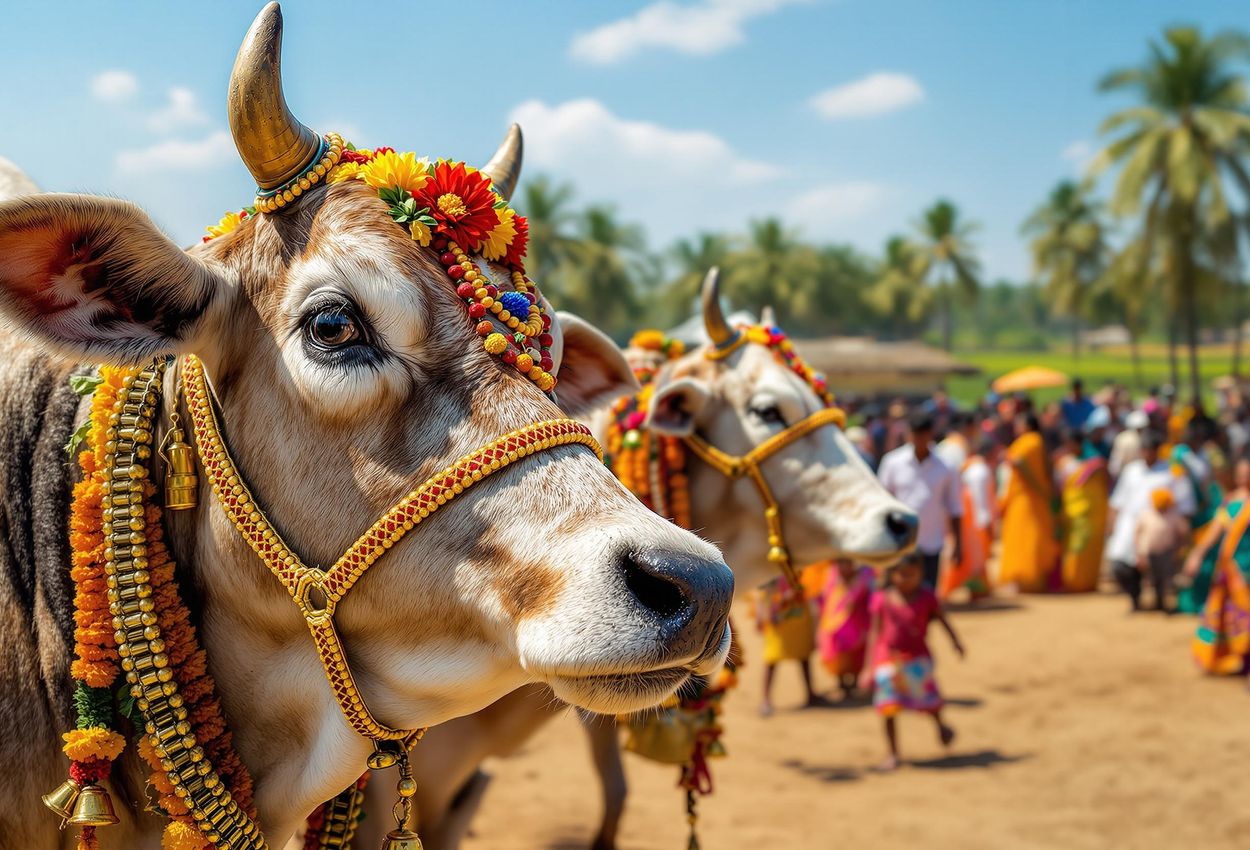
Mattu Pongal, the day dedicated to celeating and honoring cattle, recognizes the vital role these animals play in agricultural life. Cattle are bathed, their horns polished and painted in viant colors, and adorned with garlands of flowers, showcasing the deep respect and appreciation for their contribution to the harvest.
Cattle are revered as sources of wealth and prosperity, their milk nourishing families and their strength assisting in plowing the fields. Mattu Pongal is a day to express gratitude for their tireless service and to acknowledge their indispensable role in the agricultural cycle. The sight of decorated cattle parading through villages is a testament to the enduring bond between humans and animals in Tamil Nadu.
Special sweets and treats are prepared and given to the cattle on this day, a gesture of love and appreciation for their contribution to the community. These treats, often made from jaggery and rice, are a symbol of nourishment and care, reflecting the deep connection between farmers and their animals.
In some villages, cattle races and other traditional games are organized, adding a touch of excitement and entertainment to the celeations. These events showcase the strength and agility of the cattle and provide a platform for communities to come together and celeate their agricultural heritage.
Kaanum Pongal: Reunions, Gifts, and Community Bonds
Kaanum Pongal, the final day of the festival, is a time for family reunions and social gatherings, strengthening community bonds and fostering a sense of togetherness. Families come together to share meals, exchange gifts, and participate in traditional games, creating lasting memories and reinforcing their relationships.
A unique tradition of Kaanum Pongal is the visiting of others to their married sisters, where they exchange gifts and express their love and support. This custom reinforces familial ties and ensures that sisters are cared for and cherished, even after marriage. The exchange of gifts is a symbol of affection and a reminder of the enduring bond between siblings.
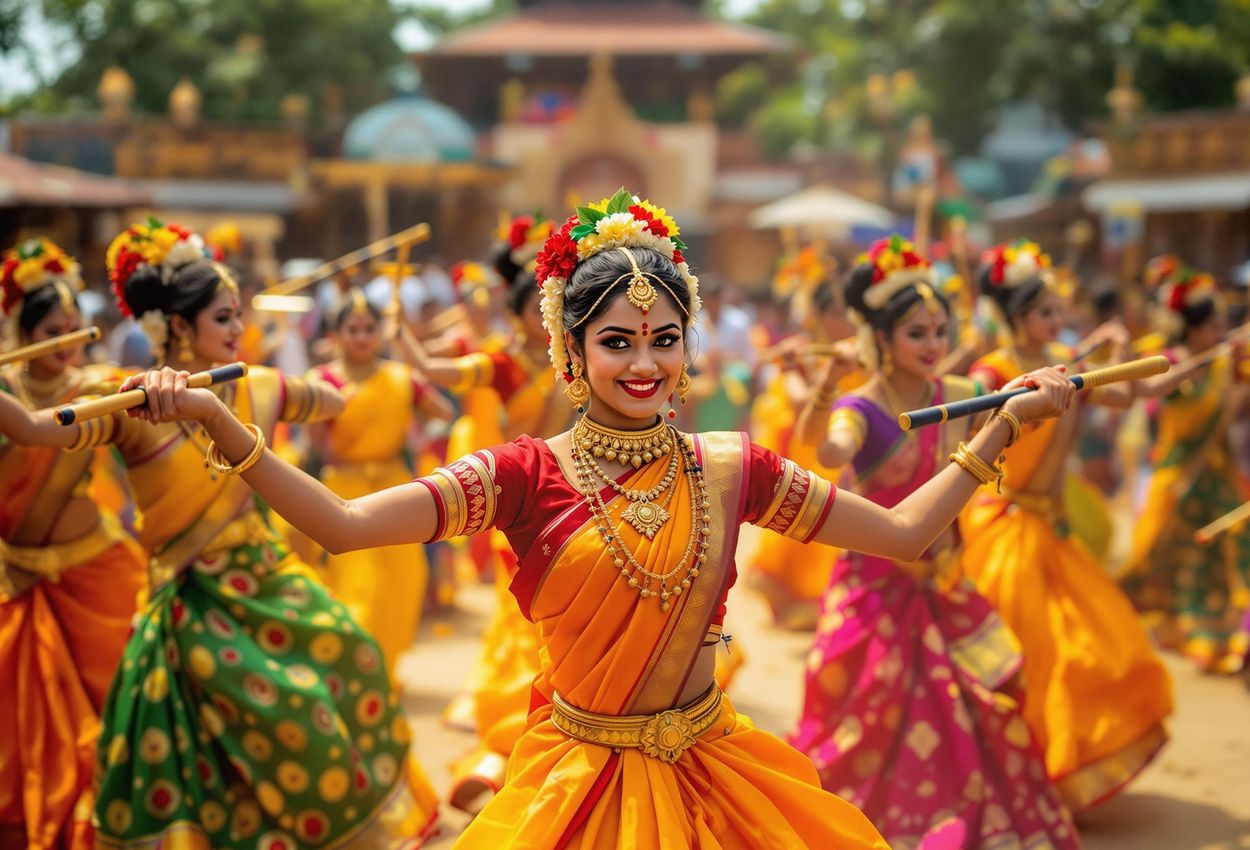
Traditional games, music, and dance performances add to the festive atmosphere of Kaanum Pongal. These cultural activities provide entertainment and celeate the rich heritage of Tamil Nadu. Folk music, Kuthu, and Kolattam are popular forms of entertainment, showcasing the artistic talent of the community.
Many people use this day as an opportunity to visit local temples and enjoy the outdoors, further enhancing the sense of community and celeation. Parks, beaches, and other public spaces are filled with families enjoying picnics, playing games, and creating lasting memories together.

Traditional Attire: A Colorful Tapestry of Heritage
The traditional clothing worn during Pongal celeations adds a viant splash of color to the festivities, reflecting the rich cultural heritage of Tamil Nadu. For men, the Veshti (dhoti) and Angavastram (shawl) symbolize simplicity and humility, representing the values of the agricultural community.
The Veshti, a long unstitched cloth draped around the waist, is typically white or cream-colored, representing purity and simplicity. The Angavastram, a shawl worn over the shoulders, adds a touch of elegance to the attire. Together, these garments create a traditional and dignified look, reflecting the values of the community.
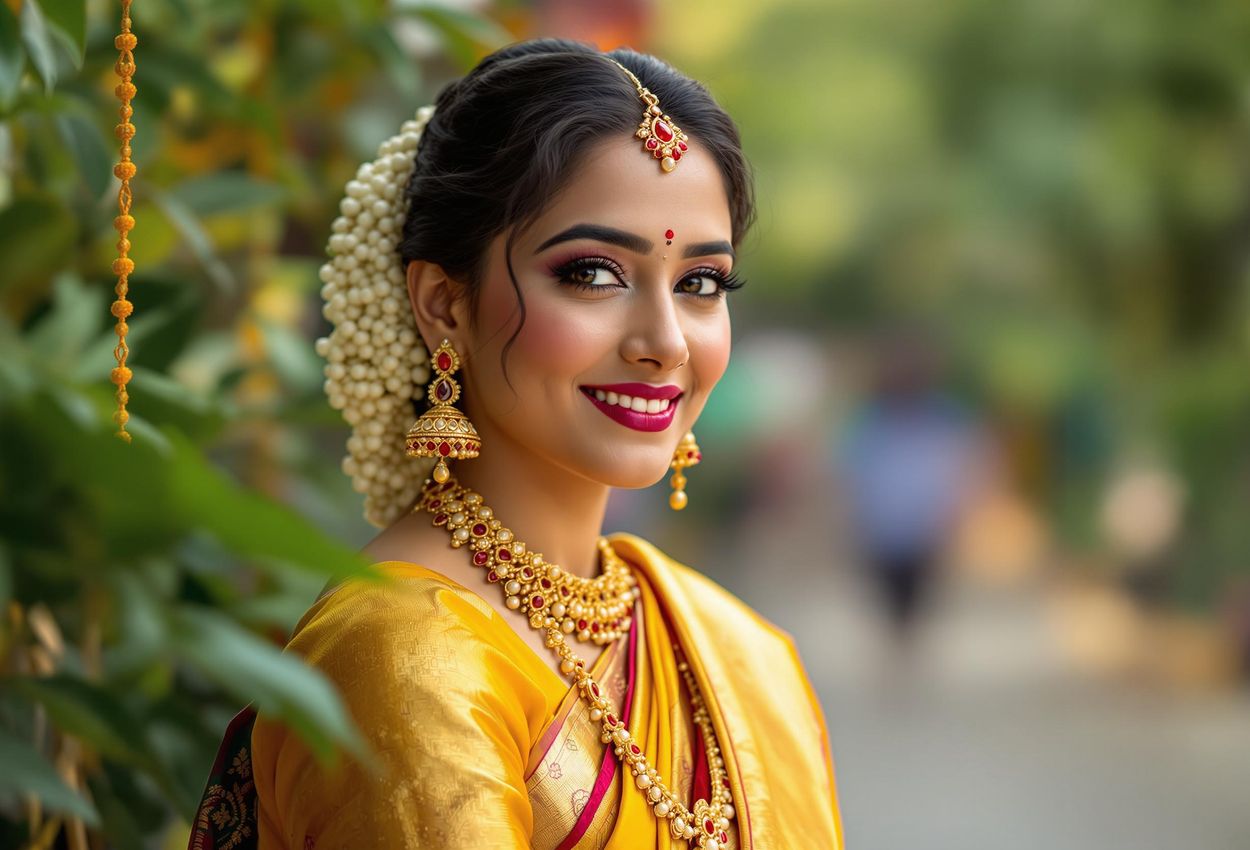
For women, silk sarees, especially Kanjivaram sarees, in viant hues like gold, green, and maroon, are the preferred choice. These sarees, known for their intricate designs and rich silk faic, symbolize prosperity and auspiciousness. The Madisar style of draping sarees, a traditional method unique to Tamil Nadu, adds a touch of elegance and grace to the attire.
The viant colors and intricate designs of the sarees reflect the festive spirit of Pongal and showcase the artistic talent of the weavers. The traditional attire worn during Pongal is a visual representation of the cultural heritage of Tamil Nadu, adding to the viancy and splendor of the celeations.
Melodies of Pongal: Music and Dance in the Celeations
Traditional music and dance forms are an integral part of Pongal celeations, creating a viant and festive atmosphere. Folk music, Kuthu, and Kolattam are popular forms of entertainment, showcasing the artistic talent of the community and adding to the joyous spirit of the festival.
Folk music, often accompanied by traditional instruments like the Thavil and Nadaswaram, sets the tone for the celeations, filling the air with melodies that celeate the harvest and the spirit of Pongal. Kuthu, a high-energy dance form, is performed by both men and women, adding a touch of excitement and exuberance to the festivities.
Kolattam, a dance form performed with sticks, is a visual spectacle, showcasing the coordination and rhythm of the dancers. The clacking of the sticks creates a unique and captivating sound, adding to the festive ambiance.
Specific Pongal songs, passed down through generations, are sung during the celeations, narrating stories of the harvest and the significance of the festival. These songs, often sung in Tamil, connect the community to its cultural roots and reinforce the values of gratitude and togetherness.
The Pongal Pot: Symbol of Overflowing Prosperity
The Pongal pot is a central symbol of the festival, representing overflowing prosperity and abundance. The act of boiling rice with milk and jaggery until it overflows signifies the overflowing of blessings and the promise of a prosperous year ahead. The materials used for the pot, typically clay, further emphasize the connection to the earth and the agricultural roots of the festival.
The pot is often decorated with turmeric, mango leaves and other auspicious symbols, adding to its significance. The turmeric is considered a symbol of prosperity, while the mango leaves are believed to ward off evil spirits. These decorations enhance the visual appeal of the pot and reinforce its symbolic meaning.
As the Pongal dish boils and overflows, families shout 'Pongalo Pongal!', a joyous exclamation that signifies the overflowing of blessings and the arrival of prosperity. This moment is a highlight of the celeations, uniting families in a shared expression of gratitude and hope.
The Pongal pot serves as a powerful reminder of the importance of gratitude, abundance, and the connection to the earth. It is a symbol that resonates deeply with the community, representing the values and traditions that are at the heart of the festival.
Kolam Art: Intricate Designs Welcoming Prosperity
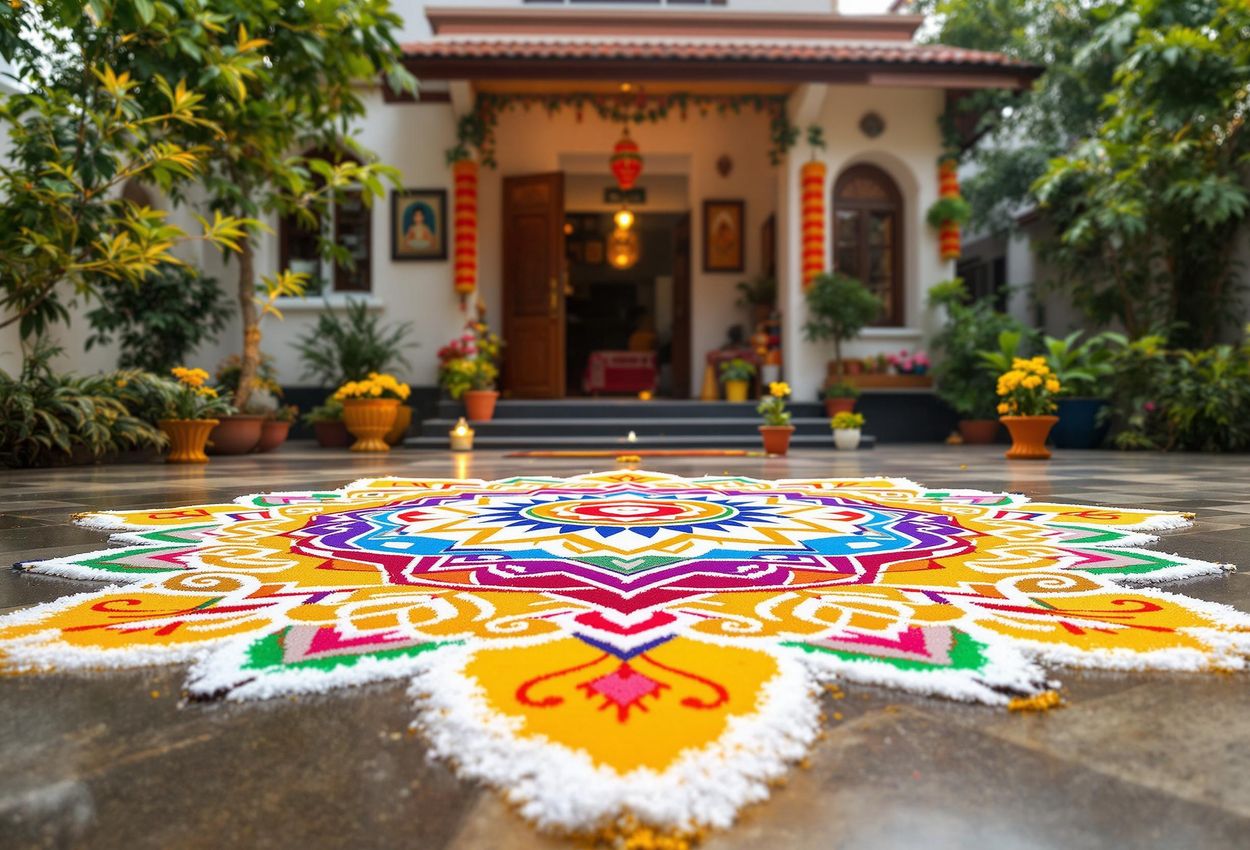
Kolam art, intricate designs created with rice flour, adorns homes during Pongal, serving as symbols of welcome and prosperity. These elaborate and symmetrical designs, often created by women, add a touch of artistry to the festivities and represent the welcoming of positive energy and abundance into the home.
The use of viant colors and traditional motifs in Kolam art enhances its visual appeal and symbolic meaning. Geometric patterns, floral designs, and depictions of deities are common motifs, reflecting the cultural and religious beliefs of the community. The act of creating Kolams is considered a sacred ritual, requiring skill, patience, and attention to detail.
Kolams are not merely decorative; they are believed to ing good fortune and ward off evil spirits. The intricate patterns and viant colors are thought to attract positive energy and create a harmonious environment. The presence of Kolams outside homes is a sign of welcome and a symbol of the festive spirit of Pongal.
The tradition of creating Kolams is passed down through generations, ensuring the continuity of this art form and its cultural significance. Kolam art is a testament to the artistic talent and cultural heritage of Tamil Nadu, adding to the viancy and splendor of the Pongal celeations.
A Culinary Journey: The Flavors of Pongal
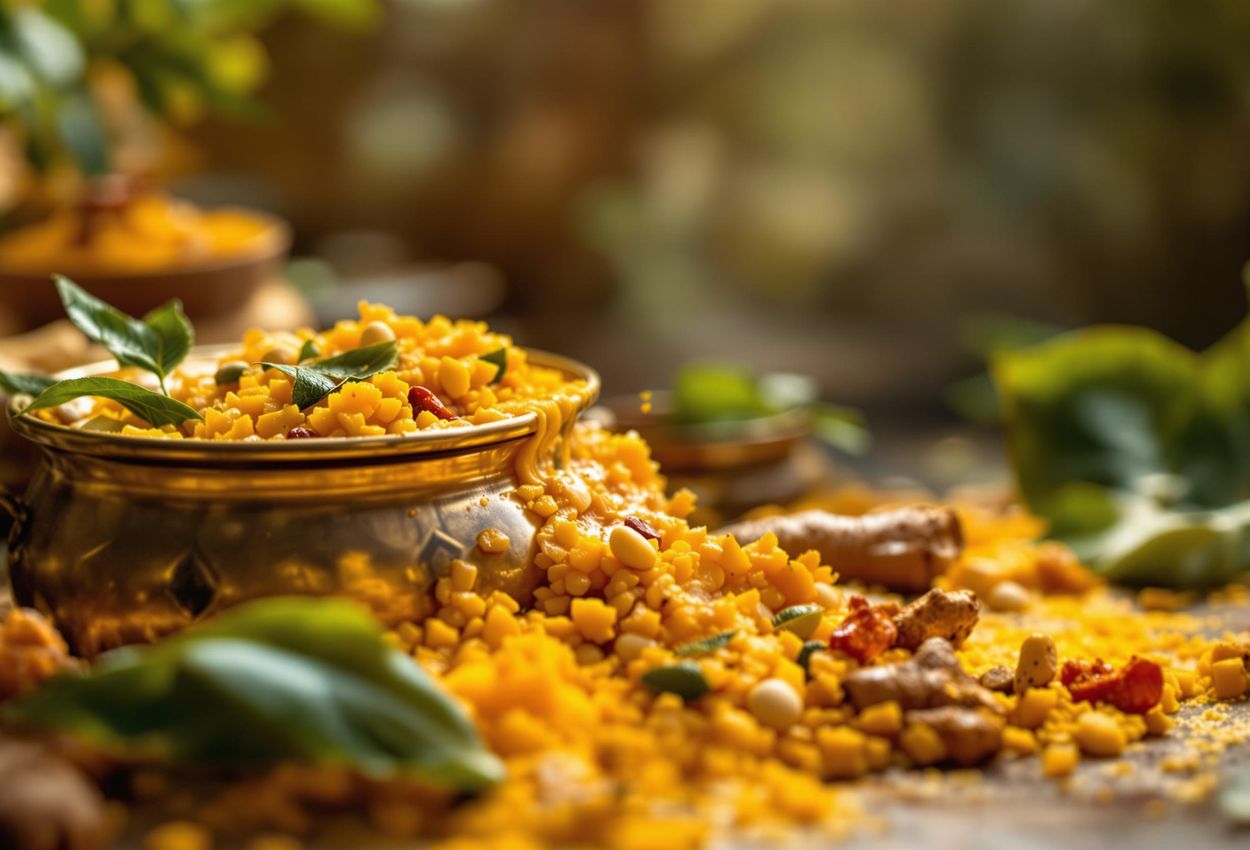
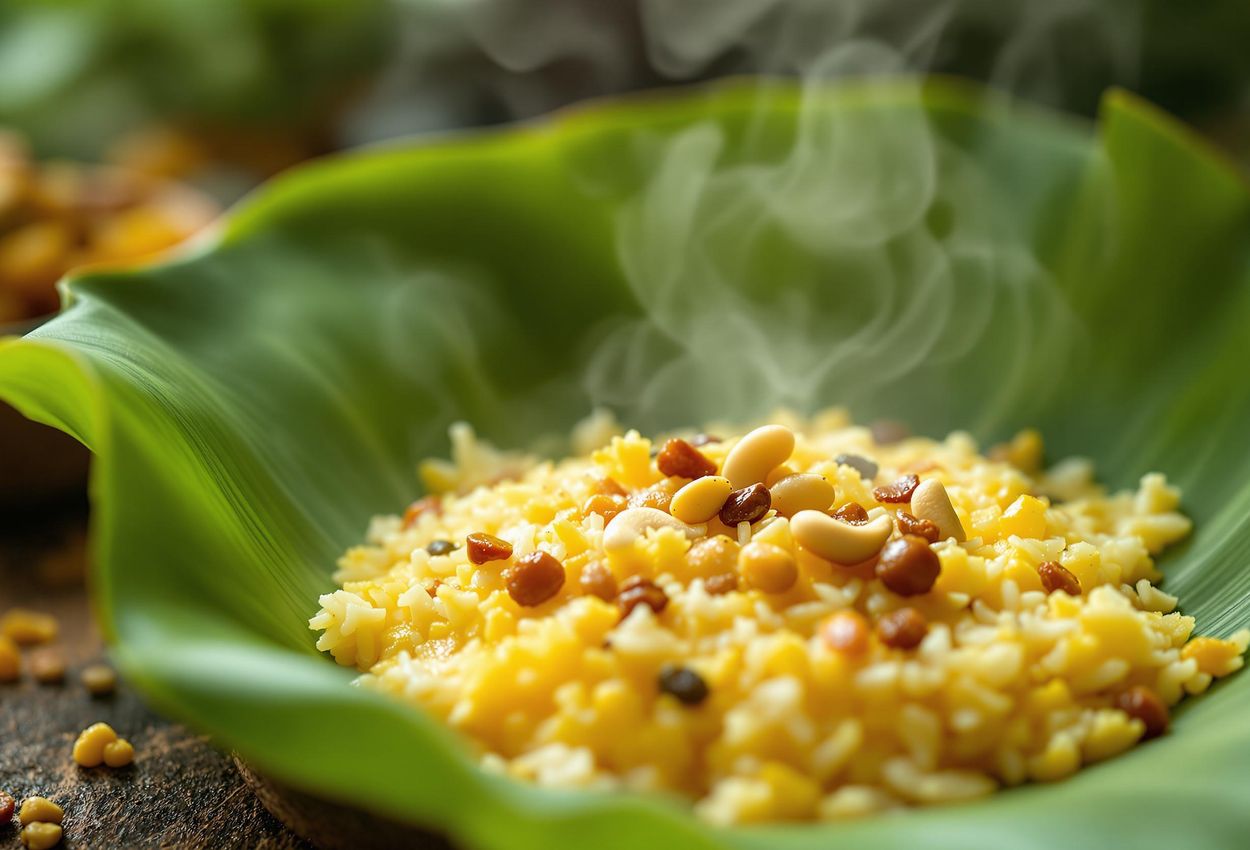
Pongal is a culinary delight, with a variety of traditional dishes prepared during the festival. The Pongal dish itself, a harmonious blend of rice, milk, jaggery, nuts, and spices, takes center stage, representing the abundance and prosperity of the harvest. Both sweet and savory versions of Pongal are prepared, catering to diverse palates and adding to the culinary richness of the festival.
The sweet version, Sakkarai Pongal, is a delectable treat made with jaggery, ghee, cashews, and raisins, offering a burst of sweetness and richness. The savory version, Ven Pongal, is a comforting dish made with lentils, ghee, and spices, providing a balanced and flavorful experience.
Other offerings, such as coconut, sugarcane, and fruits, complement the Pongal dish, adding to the variety and abundance of the festive meal. These offerings are symbolic of the bounty of nature and the gratitude for a plentiful harvest.
Sharing the Pongal dish with family and friends is an essential part of the celeations, fostering a sense of community and togetherness. The act of sharing food symbolizes love, affection, and the strengthening of relationships. The culinary journey of Pongal is a celeation of flavors, traditions, and the joy of sharing with loved ones.
Jallikattu: A Display of Courage and Tradition
Jallikattu, a controversial yet traditional sport, is often associated with Pongal celeations in some parts of Tamil Nadu. This ancient sport involves participants attempting to grab the hump of a bull, showcasing their courage and strength. While Jallikattu has faced legal challenges and ethical concerns, it remains a significant part of the cultural identity of certain communities.
Proponents of Jallikattu view it as a display of avery and a way to honor the cattle, which are an integral part of agricultural life. Opponents, however, raise concerns about animal welfare and the safety of participants. The debate surrounding Jallikattu highlights the complex relationship between tradition, culture, and ethical considerations.
Despite the controversies, Jallikattu continues to be a part of Pongal celeations in some regions, attracting large crowds and generating intense excitement. The sport serves as a reminder of the rural traditions and the cultural heritage of Tamil Nadu.

Pongal Beyond Tamil Nadu: A Global Celeation
Pongal is not confined to the borders of Tamil Nadu; it is celeated by the Tamil diaspora in other parts of India, Sri Lanka, Malaysia, Singapore, the United States, the United Kingdom, Canada, and across the globe. Tamil communities around the world come together to celeate their cultural heritage and express gratitude for a bountiful harvest.
While the core traditions remain the same, regional variations and unique customs add to the richness of the global Pongal celeations. In some countries, Pongal is celeated with cultural performances, community events, and traditional feasts, showcasing the diversity and viancy of Tamil culture.
Pongal serves as a unifying force, inging together Tamil people from various religions and backgrounds in a shared celeation of their cultural identity. The festival reinforces the sense of community and strengthens the bonds between Tamil people across the world.
The global celeation of Pongal is a testament to the enduring cultural heritage of the Tamil people and their commitment to preserving their traditions, no matter where they may reside.
Pongal and New Beginnings
Beyond being a harvest festival, Pongal represents new beginnings, both personally and socially. It is considered an ideal time to start fresh, set goals for the year, and make new resolutions, just as farmers sow seeds for the new harvest. The spirit of renewal and optimism permeates the celeations, inspiring individuals to embark on new journeys and strive for a better future.
The cleaning of homes, the discarding of old belongings, and the lighting of bonfires symbolize the shedding of negativity and the emace of positive change. This act of purification creates space for new opportunities and allows individuals to move forward with a renewed sense of purpose.
Pongal is a time to reflect on the past year, learn from experiences, and set intentions for the year ahead. It is a time to emace new challenges, pursue dreams, and strive for personal growth. The festival serves as a reminder that every day is a new beginning, and that with hard work, determination, and a positive attitude, anything is possible.

As the sun sets on the final day of Pongal, the echoes of joyous celeations linger in the air, leaving behind a sense of gratitude, hope, and renewed community spirit. Thai Pongal is a testament to the enduring cultural heritage of Tamil Nadu, a celeation of the agricultural cycle, and a reminder of the importance of gratitude, abundance, and new beginnings. From the traditional Pongal dish to the viant Kolam art and the honoring of cattle, every aspect of this festival reflects the rich traditions and values of the Tamil people, a legacy that continues to thrive across the globe.