Kyoto, the heart of Japan's cultural heritage, invites travelers to immerse themselves in a world of ancient traditions, serene Zen gardens, and captivating artistic expressions. From the enchanting geisha district to the tranquil rock gardens and exquisite cuisine, Kyoto offers a journey through time and a celebration of Japanese artistry.
Step into a realm where every corner whispers tales of emperors, geishas, and Zen masters, and prepare to be mesmerized by the timeless beauty of this captivating city.
Gion, Kyoto's geisha district, is a captivating journey back in time [i]. As you wander through its preserved wooden machiya houses and cobblestone streets, you'll feel transported to a bygone era [i]. The district is particularly known for its well-preserved architecture and atmosphere reminiscent of old Kyoto [i].
The allure of Gion lies in the chance to spot geiko (Kyoto geisha) and maiko (apprentice geisha) gracefully making their way to appointments [i]. Their traditional attire, with elaborate kimonos, meticulously styled hair, and distinctive makeup, is a sight to behold, representing centuries of refined artistry and cultural significance [i].
For a comprehensive introduction to Kyoto's performing arts, visit Gion Corner in Yasaka Hall. This cultural center offers a condensed program of seven traditional arts, including Kyomai dance performed by maiko, tea ceremonies, flower arrangements, koto music, Gagaku court music, Kyogen comic theater, and Bunraku puppet theater. It is located next to the Gion Kobu Kaburenjo Theatre. The performances provide a glimpse into the rich tapestry of Japanese culture. Performances are at 6 PM and 7 PM every day.
Hidden Gem: For an exclusive and immersive experience, seek out a small, family-run tea house offering private tea ceremonies with a local geisha. This intimate encounter allows you to delve deeper into the world of geisha culture, learning about their traditions, artistry, and the intricate rituals of the tea ceremony.

Image Description: A geisha in Gion, walking on a cobblestone street lined with traditional wooden machiya houses. The geisha is wearing an elaborate kimono with intricate embroidery and her hair is styled in a traditional updo, adorned with ornate hairpins. The scene is lit by the warm glow of lanterns, creating a nostalgic and enchanting atmosphere. Focus on the geisha's serene expression and graceful movements.
Style Instructions: Candid, Street. The photo should be taken with a shallow depth of field to blur the background and emphasize the geisha. Use a warm color palette to enhance the nostalgic feel. The photo was taken on July 4, 2025, in the evening.
Kinkaku-ji (Golden Pavilion) stands as a testament to Kyoto's serene beauty and historical significance. Covered in shimmering gold leaf, the pavilion reflects majestically on the surrounding pond, creating a breathtaking sight. Originally built as a retirement villa for Shogun Ashikaga Yoshimitsu in 1397 , it was later converted into a Zen temple, embodying the fusion of aristocratic elegance and spiritual contemplation.
Each floor of Kinkaku-ji showcases a different architectural style, representing various aspects of Japanese culture. The first floor, built in the Shinden style of the Heian period, evokes the elegance of the imperial court. The second floor, designed in the samurai style, reflects the power and authority of the warrior class. The third floor, constructed in the style of a Zen Buddhist hall, embodies spiritual tranquility and enlightenment.
A stroll through the gardens surrounding Kinkaku-ji reveals further enchanting details. Anmintaku Pond, said to never dry up, adds to the serene atmosphere. Visitors can also try their luck by throwing coins at the statues, hoping for good fortune.
Hidden Gem: To fully appreciate the temple's serenity, visit early on a weekday morning. Arriving before the crowds allows you to immerse yourself in the tranquil atmosphere and witness the golden pavilion shimmering in the soft morning light. The temple opens at 9:00 AM and arriving between 9:00 and 10:00 AM provides a peaceful experience.
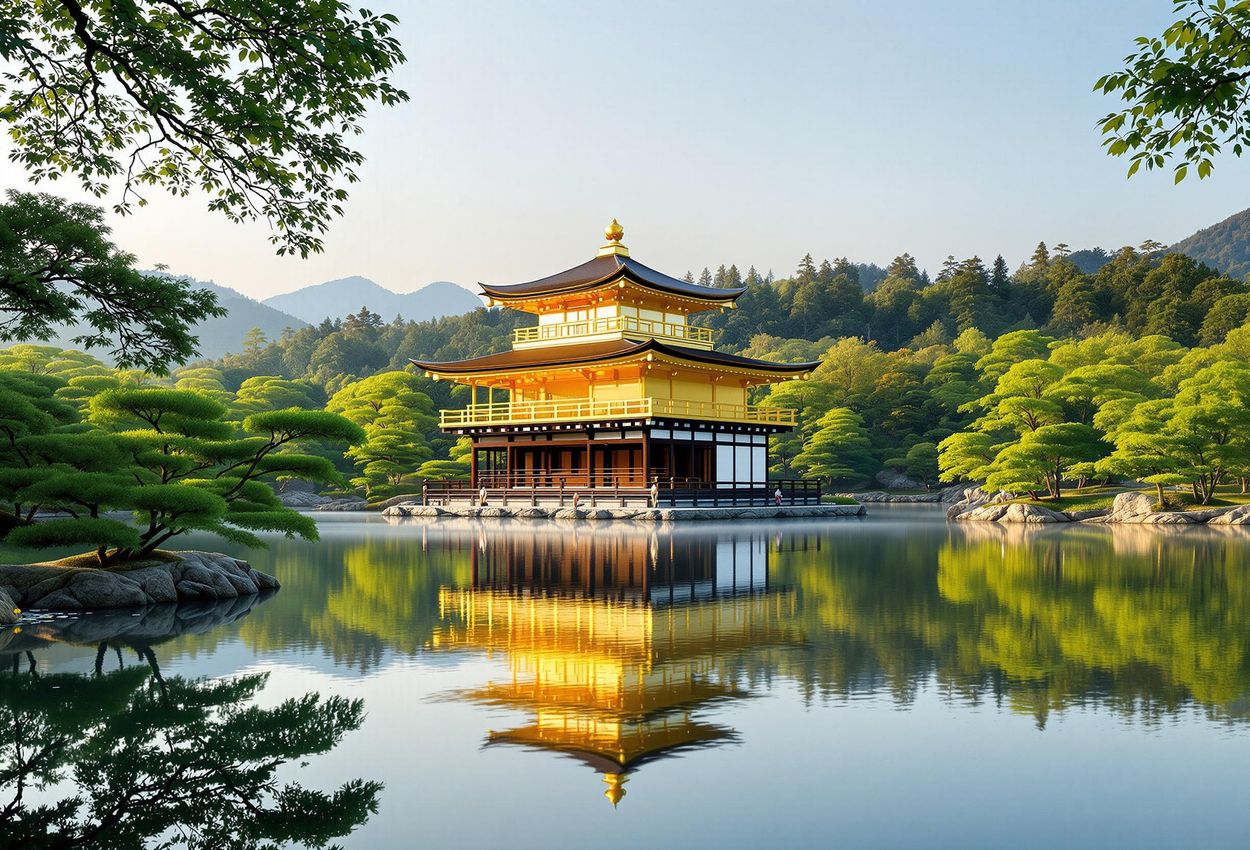
Image Description: A serene view of Kinkaku-ji (Golden Pavilion) in the early morning light. The golden pavilion is reflected in the still waters of the pond, creating a mirror-like effect. The surrounding trees are lush green, and the sky is clear blue. Focus on the symmetry and balance of the scene, capturing the tranquility and beauty of the temple.
Style Instructions: Serene, Landscape. Use a wide-angle lens to capture the entire scene. Adjust the exposure to highlight the golden color of the pavilion and the reflections in the pond. The photo was taken on July 3, 2025, in the early morning.
Kiyomizu-dera Temple, perched on a hillside overlooking Kyoto, offers breathtaking panoramic views and a glimpse into the city's rich history. The temple's iconic wooden stage, constructed without the use of nails, provides a stunning vantage point to admire the cityscape and surrounding natural beauty.
The approach to Kiyomizu-dera via Ninenzaka and Sannenzaka streets is an experience in itself. These charming, narrow lanes are lined with traditional shops selling souvenirs, local crafts, and delectable snacks, offering a delightful sensory experience.
Within the temple grounds, you'll find Jishu Shrine, dedicated to love and matchmaking. Visitors can test their luck by attempting to walk between two stones with their eyes closed, believing that success will bring them true love. The Otowa Waterfall, where visitors can drink from three separate streams, each said to grant different blessings (longevity, success, and a good match), adds to the temple's mystique.
Hidden Gem: For a truly magical experience, visit Kiyomizu-dera during the special night illuminations in spring and autumn. The temple's structures and surrounding foliage are bathed in soft light, creating an ethereal atmosphere that enhances its beauty and charm. During the autumn illumination, which is scheduled to run from November 18 to November 30 in 2024, the temple extends its hours until 9:30 PM. A blue beam of light also shines into the night sky to symbolize the compassion of Kannon, the goddess of mercy.
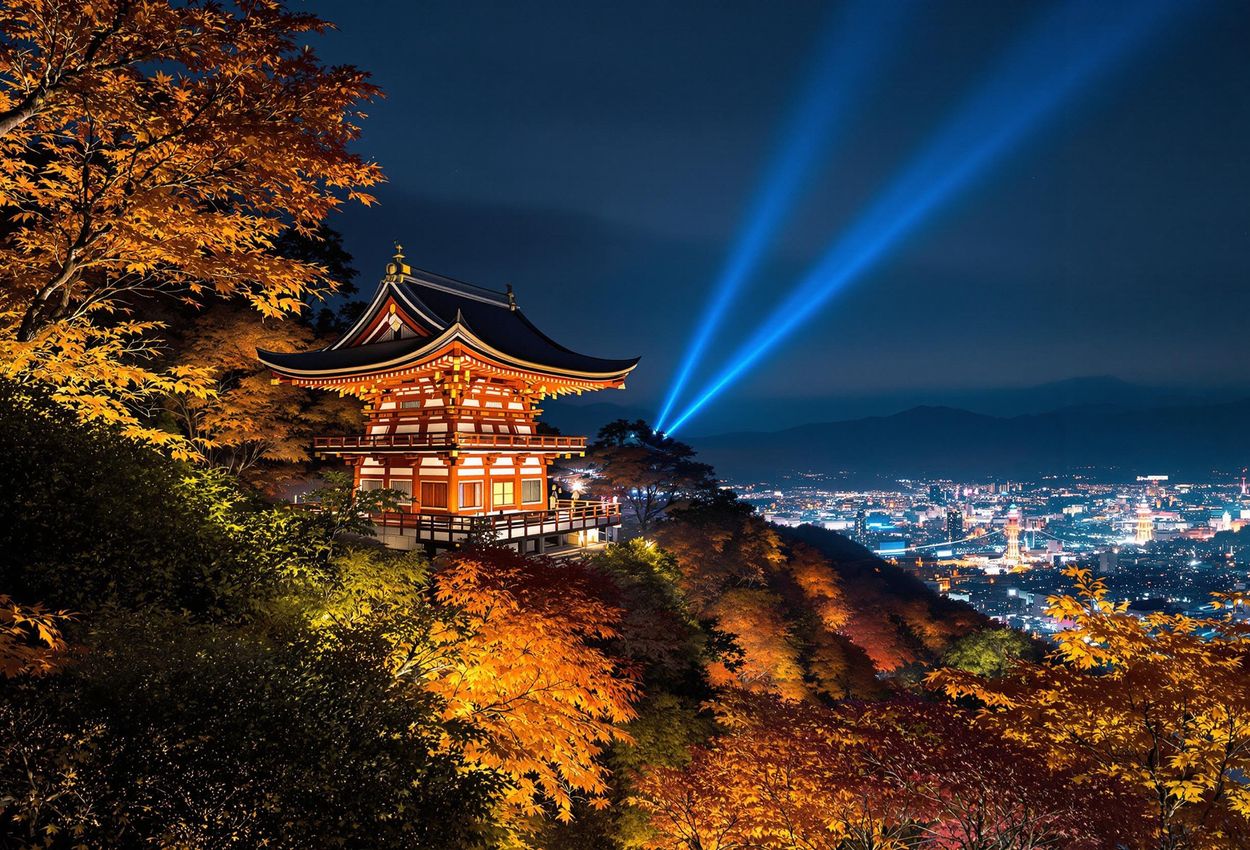
Image Description: Kiyomizu-dera Temple illuminated at night during the autumn illumination. The temple's wooden stage is bathed in warm light, and the surrounding maple trees are ablaze with vibrant red and orange colors. A blue beam of light shines into the night sky, symbolizing the compassion of Kannon. Focus on the contrast between the illuminated temple and the dark sky, capturing the magical and ethereal atmosphere.
Style Instructions: Mystical, Cityscape. Use a long exposure to capture the light trails and enhance the colors. Adjust the white balance to create a warm and inviting tone. The photo was taken on November 20, 2025, in the evening.
The Ryoan-ji rock garden invites contemplation and introspection. This minimalist masterpiece features fifteen rocks arranged in a sea of raked gravel, challenging viewers to interpret its meaning. The garden's enigmatic design has sparked countless theories, with some suggesting it represents islands in a sea, mountain peaks, or an abstract concept like infinity.
The arrangement of the fifteen rocks is particularly intriguing, as it's impossible to see all of them at once from any vantage point. This design element is believed to symbolize the imperfection of human perception and the elusive nature of truth.
As you gaze upon the Ryoan-ji rock garden, allow your mind to wander and embrace the ambiguity of its meaning. The garden's simplicity encourages personal reflection and a deeper connection with your inner self.
Hidden Gem: To fully appreciate the garden's tranquility, visit early in the morning or late in the afternoon. These quieter times allow you to escape the crowds and immerse yourself in the garden's serene atmosphere, fostering a more profound contemplative experience. The temple is open from 8:00 to 17:00 from March to November and 8:30 to 16:30 from December to February.

Image Description: The Ryoan-ji rock garden in the soft light of the late afternoon. The fifteen rocks are arranged in small groups on patches of moss, surrounded by raked gravel. The earthen walls enclose the garden, creating a sense of serenity and seclusion. Focus on the textures of the rocks and gravel, capturing the minimalist beauty of the scene.
Style Instructions: Serene, Landscape. Use a narrow aperture to achieve a sharp focus throughout the scene. Adjust the white balance to create a cool and calming tone. The photo was taken on July 5, 2025, in the late afternoon.
Kyoto's artistic spirit extends beyond its gardens and temples, with numerous art galleries showcasing traditional Japanese art forms. The Gallery of Kyoto Traditional Arts & Crafts offers a fascinating glimpse into the skills of local artisans.
The gallery features works by students and teachers from the Traditional Arts Super College of Kyoto (TASK), highlighting the dedication to preserving and passing on traditional techniques. Visitors can witness demonstrations by young craft workers, gaining insight into the meticulous processes involved in creating these exquisite works of art. The demonstrations change monthly.
Hidden Gems: For pottery enthusiasts, the Robert Yellin Yakimono Gallery offers a curated collection of Japanese ceramics. Serious collectors of Japanese art and antiques will find treasures at the Robert Mangold Gallery.

Image Description: A young craft worker demonstrating the art of Kyo-yuzen dyeing at the Gallery of Kyoto Traditional Arts & Crafts. The artisan is wearing traditional Japanese clothing and is meticulously applying dyes to a silk fabric. The scene is filled with colorful fabrics, brushes, and other tools of the trade. Focus on the artisan's skillful hands and the intricate details of the dyeing process.
Style Instructions: Candid, Action. Use a shallow depth of field to blur the background and emphasize the artisan. Adjust the exposure to capture the vibrant colors of the fabrics and dyes. The photo was taken on July 4, 2025, during a weekday afternoon.
Kaiseki cuisine represents the pinnacle of Japanese haute cuisine, a multi-course culinary journey that embodies artistry, seasonality, and meticulous preparation. Each dish is a miniature work of art, carefully crafted to showcase the flavors and textures of the freshest local ingredients.
For an unforgettable Kaiseki experience, indulge in a luxurious meal at Uosaburo, a restaurant with a rich history dating back over 250 years. This Michelin one-star restaurant is located in Fushimi. The restaurant was founded in 1764. The multi-course meal unfolds like a symphony of flavors, with each dish complementing the previous one. The chef's dedication to using local produce ensures an authentic and unforgettable culinary experience. The menu is frequently updated with seasonal dishes.
Hidden Gem: Enhance your Kaiseki experience with a private dining experience in a traditional tatami room, offering serene views of a meticulously maintained Japanese garden.
{image6}
Image Description: A beautifully presented Kaiseki dish at Uosaburo restaurant. The dish features a variety of seasonal ingredients, arranged with meticulous attention to detail. The colors are vibrant and the textures are diverse, showcasing the artistry of Japanese haute cuisine. Focus on the composition of the dish and the delicate balance of flavors.
Style Instructions: Food, Macro. Use a shallow depth of field to blur the background and emphasize the dish. Adjust the lighting to highlight the colors and textures of the ingredients. The photo was taken on July 6, 2025, during lunchtime.
The Japanese tea ceremony (chanoyu) is a refined art form that embodies harmony, respect, purity, and tranquility. Every movement, from the preparation of the matcha to the etiquette of drinking it, is imbued with meaning and intention.
For an authentic tea ceremony experience, visit a traditional tea house in Kiyomizu. Many tea houses are located in the Sannenzaka area of Kiyomizu. Seek out a tea house with a garden created by Ogawa Jihei VII, a renowned landscape architect.
As you participate in the tea ceremony, you'll gain a deeper appreciation for Japanese aesthetics and the importance of mindfulness in everyday life. The tea master will guide you through each step, explaining the symbolism and significance of every gesture.
Hidden Gem: For a truly unique cultural experience, consider a private tea ceremony that includes a Noh performance. This combination of traditional arts offers a profound insight into Japanese culture and a lasting memory of your time in Kyoto.

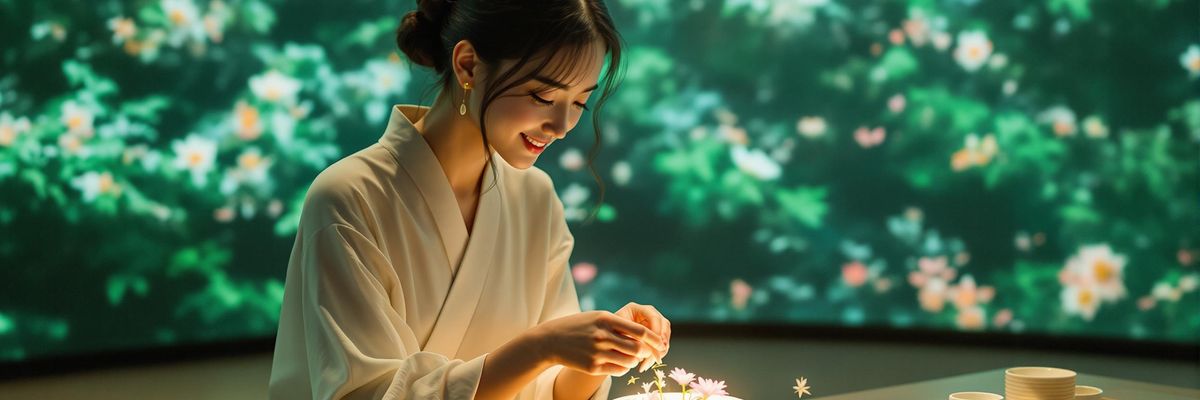
Image Description: A tea master preparing matcha during a traditional tea ceremony. The tea master is wearing a kimono and is meticulously whisking the matcha in a tea bowl. The scene is set in a serene tea room with tatami mats and shoji screens. Focus on the tea master's graceful movements and the vibrant green color of the matcha.
Style Instructions: Serene, Lifestyle. Use a shallow depth of field to blur the background and emphasize the tea master. Adjust the lighting to create a warm and inviting tone. The photo was taken on July 2, 2025, during a weekday afternoon.
Nishijin weaving represents the epitome of Kyoto's textile artistry, with a history spanning over a thousand years. This intricate weaving technique involves meticulously interlacing silk threads to create elaborate patterns and luxurious fabrics.
At the Nishijin Textile Center, visitors can witness the artistry of Nishijin weaving firsthand. The center showcases the history and techniques of Nishijin weaving, with exhibits ranging from historical textiles to modern creations. Visitors can also try their hand at traditional weaving methods, gaining a deeper appreciation for the skill and dedication required to create these exquisite textiles. The center is located in the Nishijin district.
Hidden Gem: For a more intimate experience, seek out a smaller, family-run workshop. Here, you can witness the artistry up close and learn about the techniques from the artisans themselves.

Image Description: An artisan working on a traditional Nishijin loom, weaving silk threads into an intricate pattern. The artisan is wearing traditional Japanese clothing and is focused on the meticulous process. The scene is filled with colorful threads, bobbins, and other tools of the trade. Focus on the artisan's skillful hands and the intricate details of the weaving process.
Style Instructions: Candid, Action. Use a shallow depth of field to blur the background and emphasize the artisan. Adjust the exposure to capture the vibrant colors of the threads and fabrics. The photo was taken on July 3, 2025, during a weekday morning.
Kyoto's allure lies in its ability to transport visitors to a world of ancient traditions, serene beauty, and captivating artistic expressions. From the enchanting geisha district to the tranquil Zen gardens and exquisite cuisine, Kyoto offers a journey through time and a celebration of Japanese artistry. As you explore this captivating city, allow yourself to be immersed in its rich cultural heritage and discover the timeless beauty that makes Kyoto a truly unforgettable destination.