


Beirut, Beiteddine Palace & Deir el Qamar Small-Group Tour
 Beirut, LB
 100% of travellers recommend this
Highlights
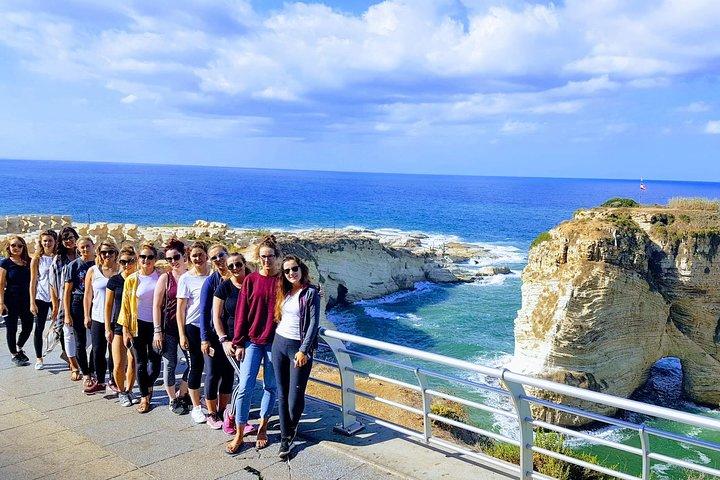
- Stunning rock formations at Pigeon Rocks in Raouche
- Beautiful sea views at Corniche Beirut
- Enjoy waterfront promenade at Zaitunay Bay
- Explore the iconic Mohammad Al-Amin Mosque
- Visit the oldest church in Beirut, Greek Orthodox Cathedral of Saint George
-
Duration 8 hours
-
Hotel pickup and drop-off
-
Lunch at local restaurant
-
Professional guide included
-
Entry to historical sites
Join our guided small-group tour and embark on an unforgettable journey through the captivating city of Beirut. Immerse yourself in the rich culture and history as you explore iconic landmarks including the Pigeon rocks, Martyr's Square, Mosques, Cathedrals, and many other attractions. But the adventure doesn't end there! Step into the world of the Mount-Lebanon Emirs as you make your way from the picturesque village of Deir el Qamar to Beiteddine Palace, a stunning example of early 19th-century Lebanese architecture. With insider tips and advice, our knowledgeable guides will ensure you have a personalized and unforgettable experience. Don't miss this opportunity to discover the hidden gems of Beirut and experience the true essence of Lebanon. Book your tour now and embark on the adventure of a lifetime!
At a Glance
-
 Free cancellation
-
 8 hours
-
 Instant Confirmation
-
 Available in Arabic, English
-
 Mobile voucher
-
 Small Group tour
-
 Guided
-
 Family friendly

Featured Reviews

Discover Beirut's rich history on this small-group tour, including visits to Deir el Qamar and the stunning Beiteddine Palace.
Included
-
 OtherComfortable transportation
-
OtherHotel pick up and drop off
-
LunchTaste real Lebanon with a fresh, authentic lunch included.
-
OtherSmall group sizes
-
In-vehicle air conditioningAir-conditioned vehicle
-
OtherProfessional, knowledgeable guides
Excluded
-
 OtherGratuities
Pickup
Check if pick-up is available from your location, you will select during checkout (providers may allow other pickup locations)

What to expect
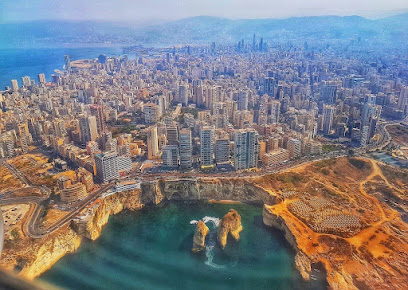
The pigeon rock is a stunning set of rocks and a Popular tourist destination known for its iconic rock formations in picturesque seaside surrounds, welcome you to the city of Beirut. Pigeons’ Rock (also known as the Rock of Raouché) is located at Beirut’s western-most tip, the two huge rock formations stand like gigantic sentinels to the city.
10 minutes
Corniche Beirut
Stretching from the Ramlet al Bayda area to the Saint George marina, Al Manara Corniche is the most renowned seaside promenade in Beirut. Lined with palm trees, it offers a great view of the Mediterranean Sea, as well as some of the country's best assets, namely the famous Pigeon Rock, and the summits of Mount Lebanon on the eastern side.
Zaituna Bay
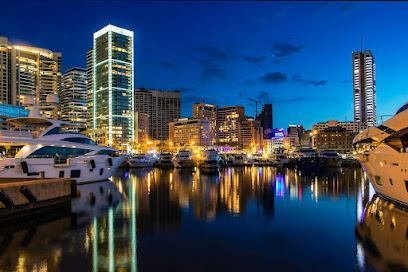
“Beirut's finest leisure destination” as described in its official website, Zaitunay Bay is a new waterfront promenade with shops and restaurants.
10 minutes
Holiday Inn Hotel
This abandoned Holiday Inn Hotel is one of Beirut’s war landmarks. It was basically built Between 1971 and 1974 when Beirut’s economy was booming and when Beirut was one of the most visited touristic city of the Middle East. The Holiday Inn was functioning until the Lebanese civil war begun in 1975. The hotel soon became considered a “war zone” in a lengthy time of conflict known as “the Battle of the Hotels” where more than 25,000 combatants were fighting for control over different luxury hotels, including the Holiday Inn as well as the famous Phoenicia hotel. This hotel remains untouched, abandoned, empty, decades after the war, and remains a reminder to the Lebanese population about the horrors of war.
Mohammad Al-Amin Mosque
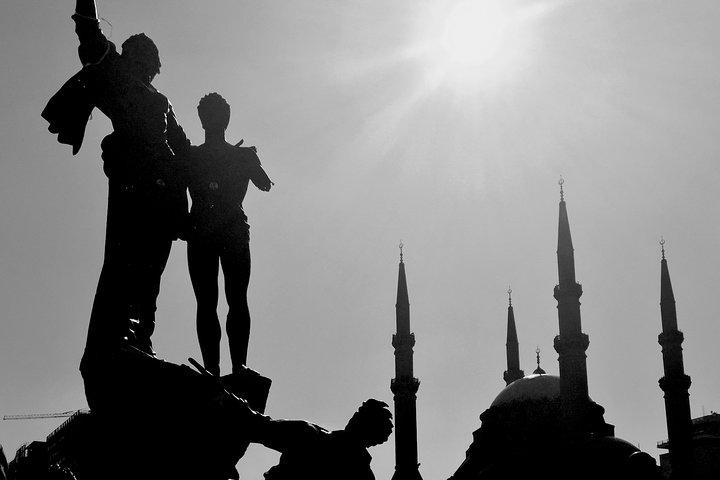
The Mohammad Al-Amin Mosque, also referred to as the Blue Mosque, is is the biggest mosque in Lebanon located in downtown Beirut. This huge amber colored mosque near Martyrs square was opened in 2008 and has four minarets standing 65m high. The Mohammad Al-Amin Mosque contains multiple domes. All of the domes of the mosque are made from light blue tiles. The mosque also has multiple arches, which are couple stories high.
10 minutes
Al-Omari Mosque
The Al-Omari Grand Mosque was built in the age of Omar Bin El Khattab in 635 AD and then converted to Church of Saint John by the crusaders in the 12th century, it was retransformed into the city's Grand Mosque by the Mamluks in 1291. Damaged during the Civil War, the mosque's refurbishment was completed in 2004.
10 minutes
Greek Orthodox Cathedral of Saint George
The Greek Orthodox Cathedral of Saint George is the seat of the Greek Orthodox Metropolitan bishop of the Greek Orthodox Archdiocese of Beirut and its dependencies. It is the oldest church in the city of Beirut and one of the oldest in the region and It is located in the heart of Beirut’s city center. The first Christian temple ever built in the very location goes back to the mid sixth century AD and it’s closely associated with Beirut’s famous Law School.
10 minutes
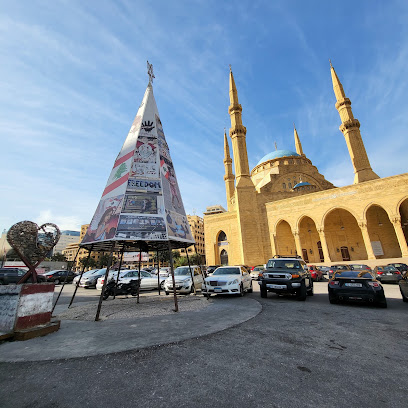
Martyrs' Square is a square in the heart of downtown Beirut historically known as "Al Burj" or "Place des Cannons". It is named after the 6 May 1916 executions by the Ottomans of some Lebanese nationalists ordered by Jamal Pasha during World War I.
10 minutes
Place de l'Etoile
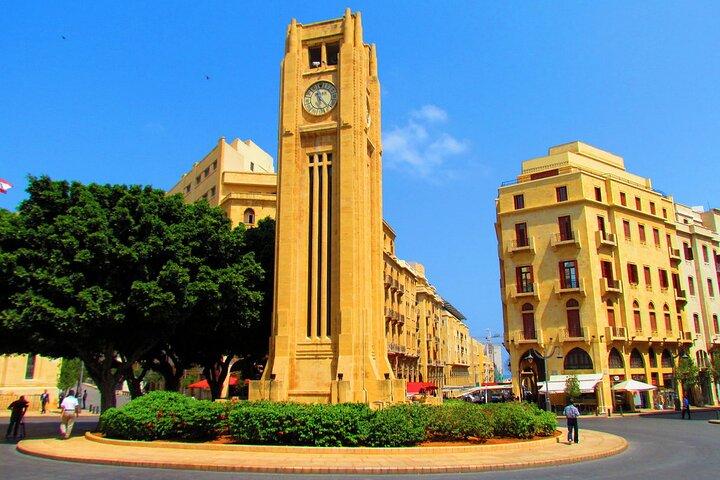
Nejme Square, or Place de l'Étoile, is the central square in the Downtown area. It is home to the Lebanese Parliament and its complementary buildings, two cathedrals, a museum, and several cafes and restaurants. Most notable for it’s 1930 four four-faced Rolex clock and for its architecture, the square has become a recognizable icon of Beirut City worldwide.
10 minutes
Beirut Souks
Beirut Souks is a commercial district in Beirut City Center. With over 200 shops, 25 restaurants and cafes, an entertainment center, and a cinema complex. Beirut Souks is the largest and most diverse shopping and leisure area in Beirut.
10 minutes
Roman Baths
The Roman Berytus baths are The largest outdoor sight located in downtown Beirut. They were discovered in 1968-1969 and underwent a major renovation in the mid 1990. Roman Berytus had four major bath complexes and the first was created in the early first century under Augustus. The terrible Berytus earthquake that happed in 551 AD destroyed all the baths. Today, the Roman Berytus Baths reflects the ancient traditions of the site. One of the Baths is used as an artistic performance and concert space.
10 minutes
Deir Al Kamar Municipality
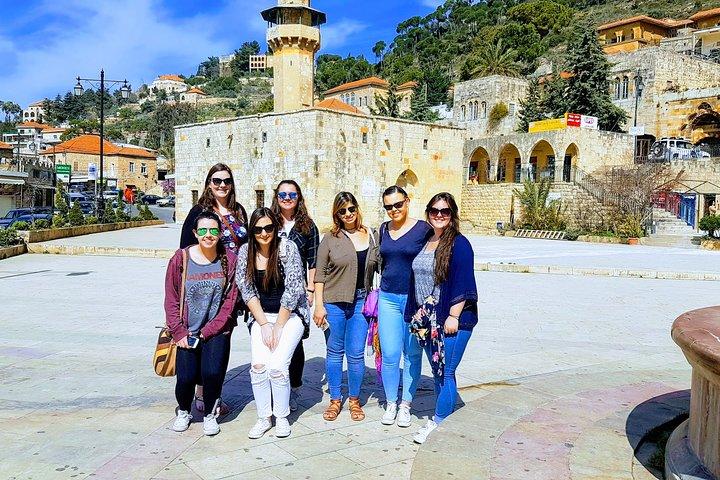
Deir al-Qamar, meaning "Monastery of the Moon" is a village located south-east of Beirut and five kilometres outside of Beiteddine palace in the Chouf District of the Mount Lebanon. Deir El Qamar was the first village in Lebanon to have a municipality in 1864, and it is the birthplace of many well known personalities, such as artists, writers, and politicians. People from all religious backgrounds lived there and the town had a mosque, synagogue and Christian churches. In the year 1860, Deir al-Qamar was destroyed during the civil war between Druze and Christians during which the town was set ablaze. Napoleon III sent a French contingent to rebuild it, recalling France ancient role as protector of the Christians in the Ottoman Empire as established by a treaty in 1523. In 1864, Deir el-Qamar elected the first municipality in the Arab provinces of the Ottoman Empire. The village retains a remarkable picturesque appearance with typical stone houses with red tile roofs.
30 minutes
Fakhreddine's Mosque
Fakhreddine Mosque with its octagonal minaret is a mosque in Deir el Qamar, Lebanon. Built in 1493 and restored in the sixteenth century by Fakhreddine 1st, it is the oldest mosque in Mount Lebanon.
15 minutes
Saydet El Talle Church
The Church of Saidet et Tallé and translated as Our Lady of the Hill is one of the most important historical and religious sites in Deir el Qamar and dates to the 15th century. Monk Nicolas Smisaati built a church on the site over the ruins of an old Phoenician temple dedicated to the goddess Astarte that was later destroyed by an earthquake in 859. According to the Maronite Heritage web site, "the legend says that there was a Druze Emir in Baakline looking at the hill of Dar El Kamar. He saw a light coming out of the hill so he gathered his soldiers and ordered them to go in the morning and dig in the land. He said to them: 'If you find an Islamic symbol, build a mosque. If you find a Christian symbol, build a church." In the morning, the soldiers went and found a rock with a cross on it and under the cross there was the moon and venus. That was the sign that in the distant past there was a temple dedicated to the moon and venus and later it became a church.
15 minutes
Beiteddine Palace
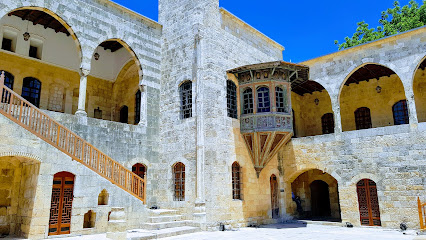
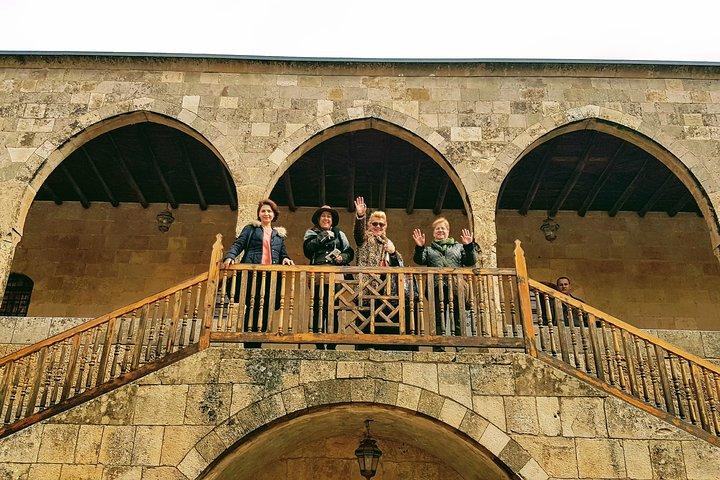
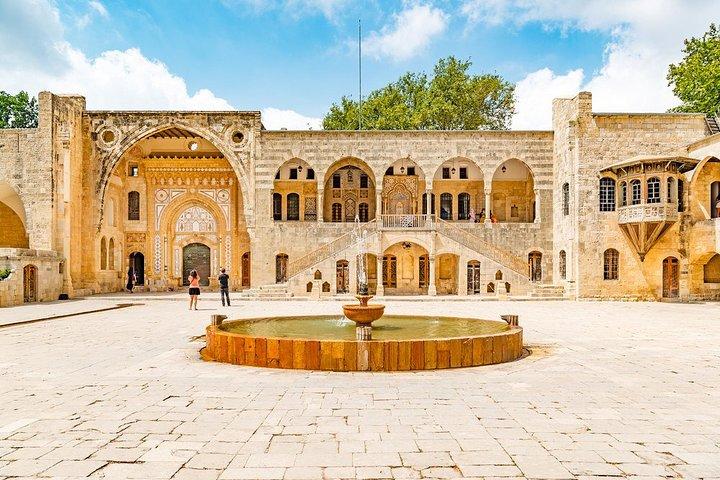
Beiteddine Palace or ‘House of Faith’ is a 19th-century palace in Beiteddine, Lebanon. It hosts the annual Beiteddine Festival and the Beiteddine Palace Museum. Emir Bashir Chehab II, who later became the ruler of the Mount Lebanon Emirate, built the palace between 1788 and 1818. After 1840, the palace was used by the Ottomans as a government building. During the French Mandate it served as a local administrative office. In 1943, the palace was declared the president's official summer residence. During the Lebanese Civil War it was heavily damaged. Parts of the palace are today open to the public while the rest is still the president's summer residence.
90 minutes
 Admission Not Included
The experience can be subject to change due to bad weather or unforseen circumstances. We always endeavour to give you the best possible experience.
Additional Information
-
 Infants are required to sit on an adult’s lap
-
Suitable for all physical fitness levels
What our experts say
-
 Try the local dish, Kibbeh, for lunch.
-
Visit the nearby Beirut Souks for shopping.
-
Bring a camera for stunning views at Pigeon Rocks.
-
Explore Deir el Qamar's charming streets.
-
Ask your guide for local history insights.

More About this Experience
Introduction
Experience the vibrant city of Beirut and immerse yourself in its rich cultural highlights on this guided small-group tour. Begin your journey by exploring iconic landmarks such as Pigeon Rocks, Martyr's Square, mosques, cathedrals, and more. Then, venture into the captivating world of Mount-Lebanon Emirs as you make your way from Deir el Qamar village to Beiteddine palace. This tour offers a unique opportunity to discover the fascinating history and architecture of Lebanon, all while enjoying the personal experience of a small-group setting.What to expect?
During this tour, you can expect to witness the beauty and diversity of Beirut's cultural heritage. Marvel at the stunning natural formations of Pigeon Rocks and soak in the vibrant atmosphere of Martyr's Square. Explore the city's mosques and cathedrals, discovering the harmonious coexistence of different religious communities. As you journey to Deir el Qamar village, be prepared to be enchanted by its picturesque sceneries. Finally, visit Beiteddine palace, a magnificent example of 19th-century Lebanese architecture, and delve into the history of the Mount Lebanon Emirate.Who is this for?
This tour is perfect for anyone seeking to explore the cultural wonders of Beirut and delve into Lebanon's fascinating history. Whether you're a history enthusiast, architecture lover, or simply someone who appreciates immersive travel experiences, this tour will captivate your senses. The small-group setting ensures a more personalized and intimate experience, allowing you to connect with fellow travelers and create lasting memories. This tour is suitable for individuals, couples, and even families who want to broaden their understanding of Lebanon's rich heritage.Why book this?
By booking this guided small-group tour, you gain access to a wealth of knowledge and insights from experienced local guides. They will provide you with insider tips and recommendations, ensuring you make the most out of your time in Beirut, Deir el Qamar, and Beiteddine. Additionally, the convenience of hotel pick-up and drop-off, along with the inclusion of all site admissions and lunch at a local Lebanese restaurant, guarantees a hassle-free and enjoyable experience. Embark on this tour to uncover the hidden gems of Lebanon and create unforgettable memories.Good to know
During the tour, an air-conditioned vehicle will transport you comfortably between destinations. It's important to note that gratuities are not included, so it's customary to tip your guide and driver for their exceptional service. The itinerary includes a visit to Beiteddine Palace, a historic gem that showcases Lebanon's architectural heritage. Built between 1788 and 1818, the palace served various purposes throughout history and continues to be an important cultural site. Make sure to bring your camera to capture the beauty of the palace and its surroundings.Reviews
Travelers who have experienced this guided small-group tour to Beirut, Beiteddine, and Deir el Qamar have praised its excellent organization and knowledgeable guides. They were impressed by the diverse attractions visited, from the iconic landmarks of Beirut to the historic Beiteddine Palace. Many reviewers mentioned that the small-group setting allowed for a more personalized experience and the opportunity to ask questions. Overall, travelers expressed their satisfaction with the tour, highlighting the captivating cultural insights gained and the enjoyable lunch at a local Lebanese restaurant. Embarking on this tour promises an enriching and memorable experience for all.
Your all‑in‑one travel companion app
Explore expert travel guides, compare and book tours, experiences, hotels, and more—all from the palm of your hand. Download now for seamless trip planning wherever your wanderlust takes you.


This is a popular product and the date you are looking for just sold out. Next available date is
