Tirana National Archaeological Museum: A Window to Albania's Past
Explore Albania's ancient past at the National Archaeological Museum in Tirana, showcasing artifacts from the Stone Age to the Ottoman era.
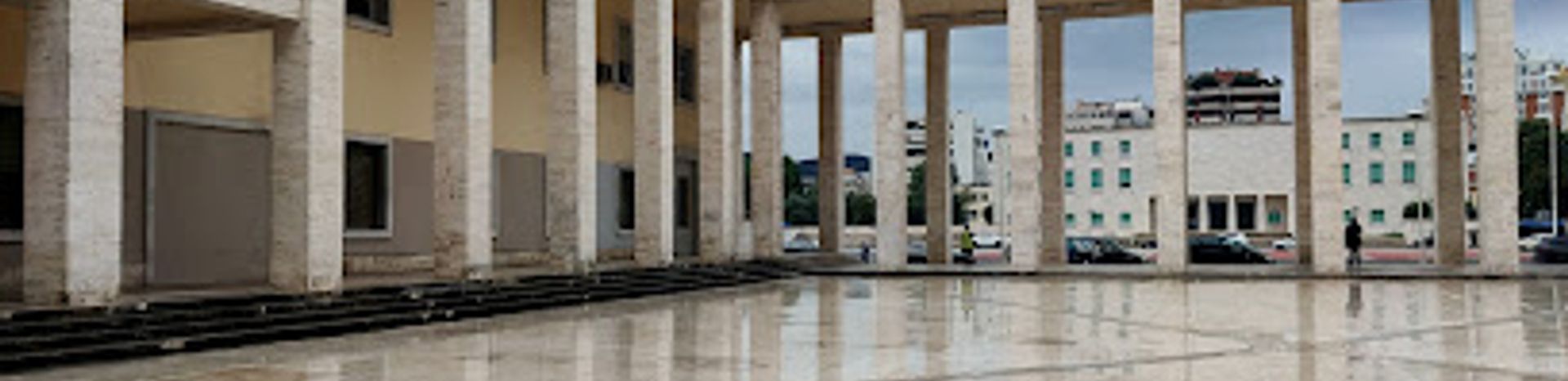
The National Archaeological Museum in Tirana, established in 1948, showcases Albania's rich history from prehistoric times to the Middle Ages. Located on Mother Teresa Square, the museum displays artifacts unearthed from archaeological sites across the country, offering insights into the region's cultural evolution.
A brief summary to Tirana National Archaeological Museum
- Sheshi Nënë Tereza 3, Tirana, 1010, AL
- +35542240711
- Visit website
Local tips
- Visit during the morning hours to avoid crowds and have a more relaxed experience.
- Combine your visit with a walk around Mother Teresa Square and explore other nearby attractions.
- Check for temporary exhibitions or special events that may be taking place during your visit.

Getting There
-
Walking
From the center of Tirana (e.g., Skanderbeg Square), walk south along Dëshmorët e Kombit Boulevard. Mother Teresa Square, where the museum is located, is approximately 1.5 km away and about a 20-minute walk. No costs involved.
-
Public Transport
Take a bus from the main bus terminal towards the city center. Alight near Mother Teresa Square. The museum is a short walk from the bus stop. Bus fare is around 40-50 Lek.
-
Taxi
Hail a taxi from anywhere in Tirana. Ask to be taken to the National Archaeological Museum on Mother Teresa Square. A short taxi ride within the city center will typically cost around 300-500 Lek.
Discover more about Tirana National Archaeological Museum
Iconic landmarks you can’t miss

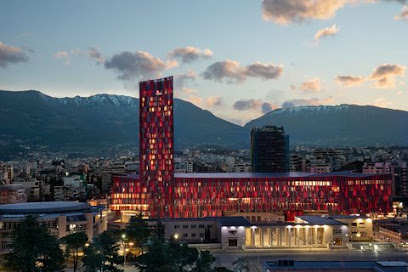
Tirana Marriott
0.1 km
Experience modern luxury in the heart of Tirana, with panoramic views and world-class amenities at the Tirana Marriott Hotel.
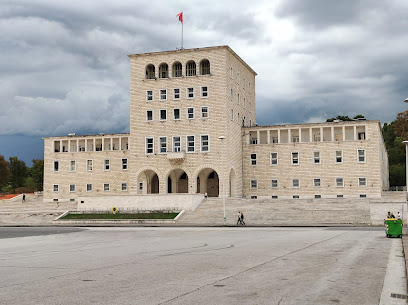
Polytechnic University of Tirana
0.2 km
Albania's premier engineering university, boasting impressive architecture and a rich history since 1951.
Rogner Hotel Tirana
0.3 km
A luxurious hotel in the heart of Tirana, offering a blend of Austrian hospitality and Mediterranean charm, with lush gardens and modern amenities.

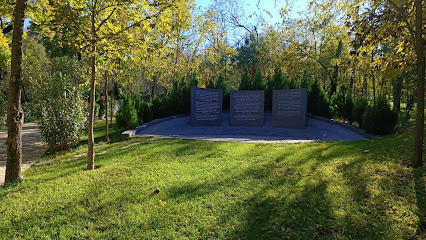
Holocaust Memorial
0.3 km
Honoring the memory of Holocaust victims and the Albanian heroes who protected Jewish refugees during WWII in the heart of Tirana's Grand Park.
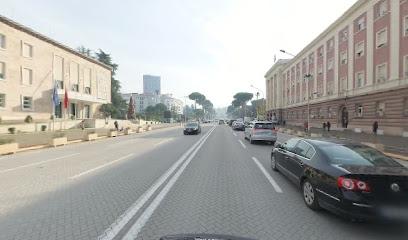
Bulevardi Dëshmorët e Kombit 0
0.4 km
Experience the heart of Tirana on Bulevardi Dëshmorët e Kombit, a vibrant boulevard blending history, culture, and modern Albanian life.
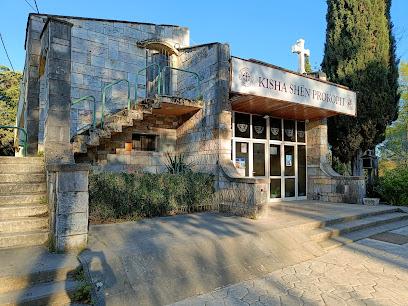
St. Procopius Church, Tirana
0.5 km
Explore the architectural beauty and spiritual serenity of St. Procopius Church, a must-visit Orthodox landmark in Tirana's vibrant landscape.
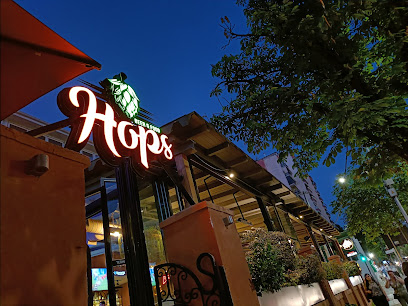
Hops Bar Tirana
0.5 km
Discover Hops Bar in Tirana: a vibrant spot with craft beers, tasty food, and a lively atmosphere perfect for locals and tourists!
Rruga " Abdyl Frashëri "
0.5 km
Explore Tirana's Rruga Abdyl Frashëri: A vibrant street blending historical architecture with modern Albanian culture and lively cafes.
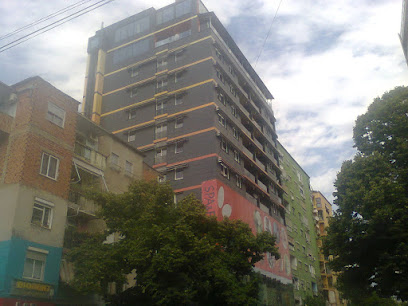
Sky Hotel Tirana
0.6 km
Experience Tirana from Above: Modern Comfort and Panoramic Views in the Heart of the City.
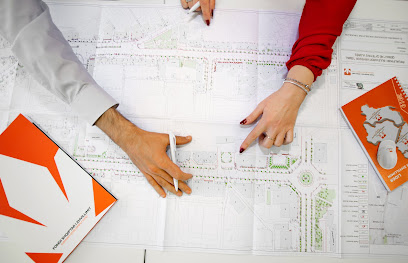
Albanian Development Fund / Fondi Shqiptar i Zhvillimit
0.6 km
Explore the Albanian Development Fund, a non-profit organization driving community empowerment and sustainable growth in Tirana, Albania.
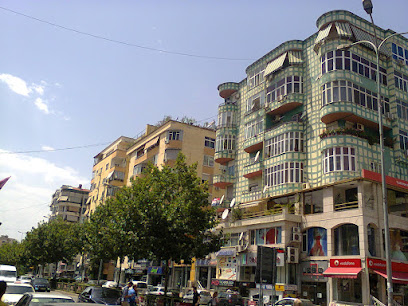
Tirana e Re, Sheshi Wilson
0.6 km
Discover Sheshi Wilson in Tirana: A vibrant square honoring Albanian-American friendship and offering a taste of local culture and history.
Unmissable attractions to see

Mother Teresa Square
0.1 km
Explore the vibrant Mother Teresa Square, a cultural hub in Tirana, Albania, blending history, architecture, and lively community events.
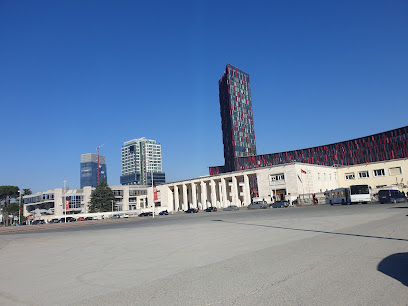
Air arena tirana
0.1 km
Explore the thrill of sports and entertainment at Air Arena Tirana, Albania's premier stadium, blending modernity with local culture.
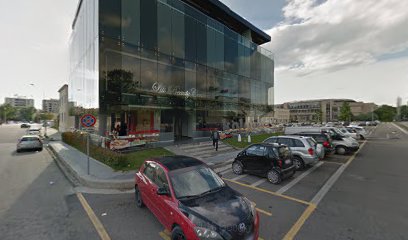
Deshmoret e kombit Boulevard
0.2 km
Discover the vibrant charm of Deshmoret e Kombit Boulevard in Tirana, where nature, art, and culture unite for an unforgettable experience.
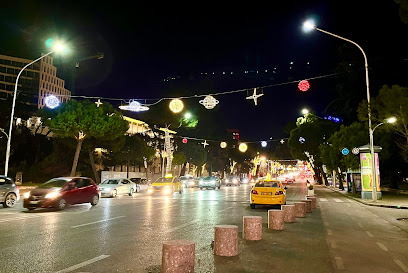
Air Albania Stadium
0.2 km
Experience the vibrant atmosphere of Air Albania Stadium, a premier destination for sports and cultural events in Tirana, Albania.
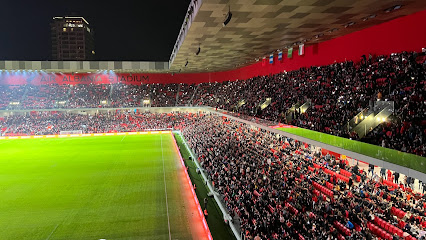
House of Life
0.2 km
Explore the House of Life in Tirana, a stunning statuary that embodies the rich cultural heritage and artistic spirit of Albania.
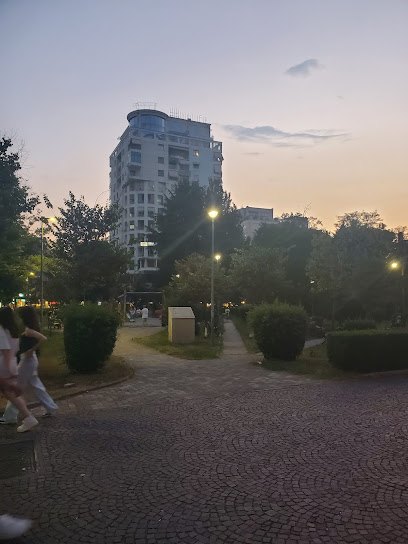
fab Art Gallery
0.2 km
Discover the vibrant contemporary art scene at fab Art Gallery in Tirana, showcasing local and international talent in a unique cultural setting.
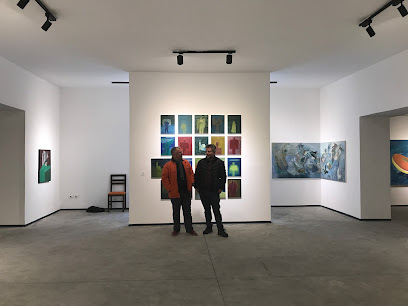
GALERIA KALO
0.3 km
Explore the captivating world of contemporary art at GALERIA KALO in Tirana, showcasing local talent and diverse artistic expressions.
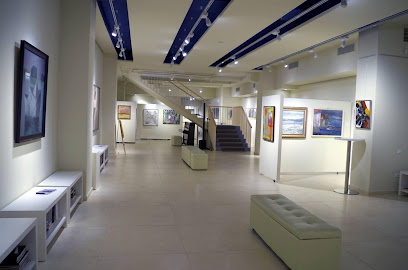
Lulishte Ismail Qemali
0.3 km
Discover tranquility in the heart of Tirana at Lulishte Ismail Qemali, a green oasis offering a peaceful escape with historical echoes.
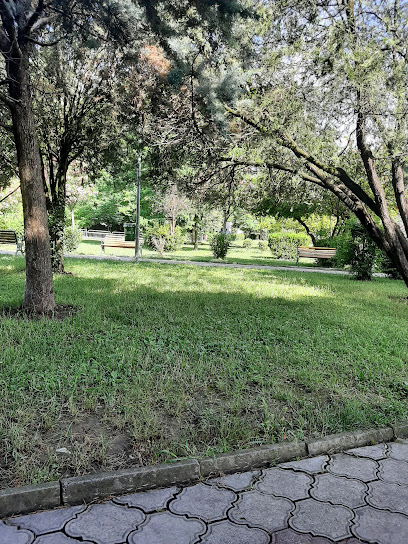
Rruga Lidhja e Prizrenit
0.3 km
Experience the vibrant heart of Tirana on Rruga Lidhja e Prizrenit, where modern life meets traditional Albanian culture.
Postbllok Memorial
0.3 km
Explore the Postbllok Memorial in Tirana, Albania - a poignant tribute to history, resilience, and the stories of those who stood against oppression.
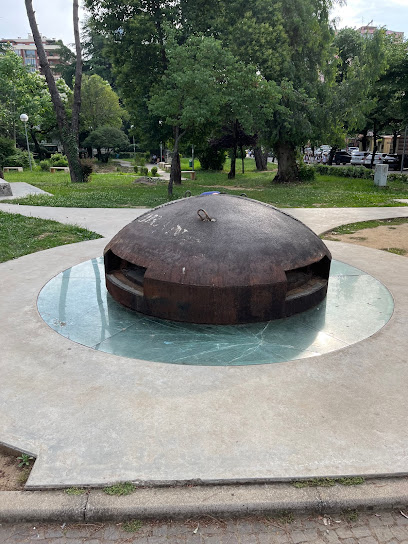
Checkpoint
0.3 km
A powerful memorial in Tirana, Albania, commemorating the country's communist past with a bunker, labor camp pillars, and a piece of the Berlin Wall.
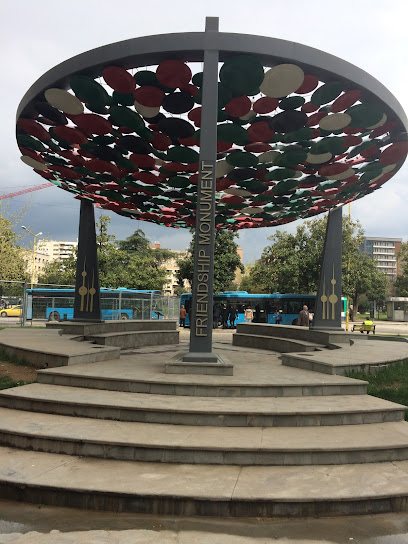
Berliner Mauer Teilstück
0.3 km
A piece of the Berlin Wall in Tirana: Reflecting on division, unity, and the enduring spirit of freedom in Albania.
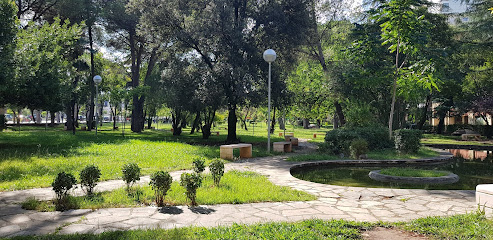
ZETA Contemporary Art Center
0.4 km
Discover the vibrant world of contemporary art at ZETA Contemporary Art Center in Tirana, a hub for creativity and cultural exchange.
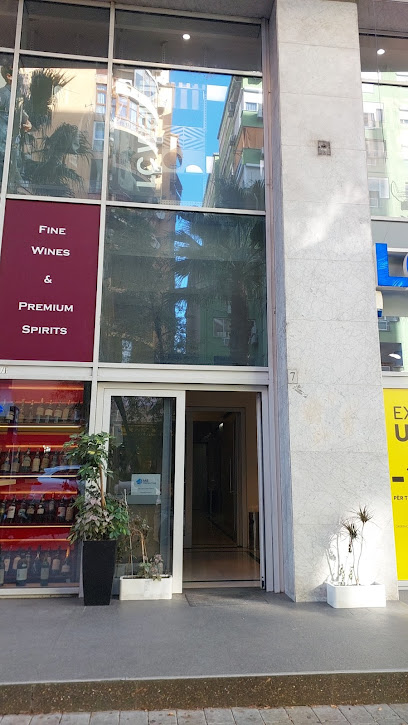
Blloku
0.4 km
Experience the vibrant culture of Tiranë in Blloku, where trendy cafes, boutiques, and a lively atmosphere await every traveler.
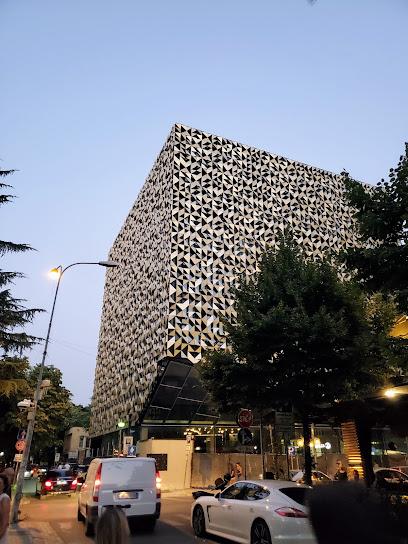
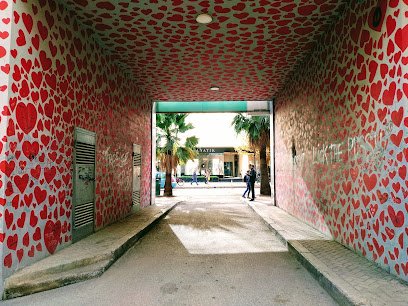
Heart Tunnel
0.4 km
Discover the Heart Tunnel in Tirana, a captivating blend of art and culture that reflects the vibrant spirit of Albania's history and creativity.
Essential places to dine

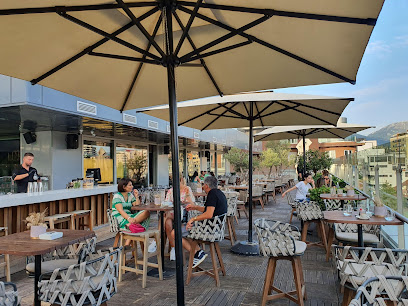
LIFT Steak & Rooftop Bar
0.2 km
Experience exquisite dining with stunning skyline views at LIFT Steak & Rooftop Bar in Tirana, Albania - where gourmet cuisine meets vibrant nightlife.
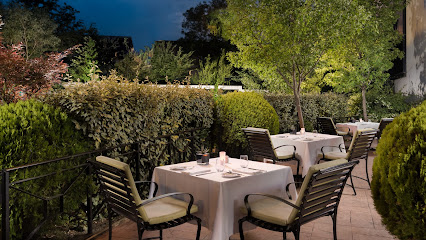
Metropolitan Restaurant
0.2 km
Experience authentic Albanian cuisine in an elegant setting at the Metropolitan Restaurant in Tirana.
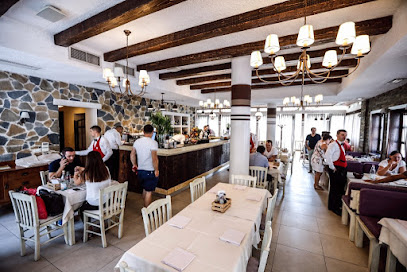
Era Vila
0.2 km
Experience authentic Albanian cuisine at Era Vila in Tirana – where tradition meets flavor in every dish.
Pagus
0.3 km
Experience authentic Italian flavors at Pagus in Tirana – where every dish tells a story.
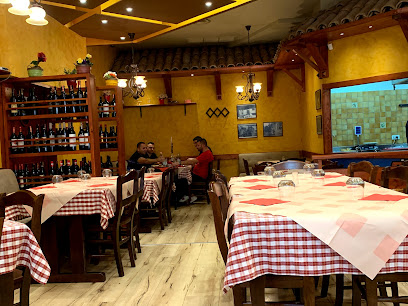
King House Restorant
0.3 km
Experience authentic Albanian cuisine at King House Restaurant near Tirana's Presidential Palace—an unforgettable culinary journey awaits.
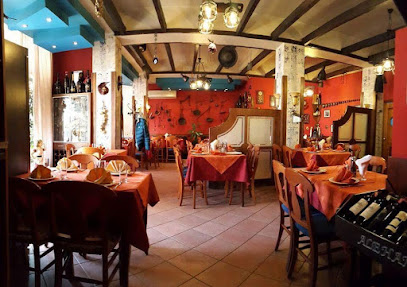
Artigiano
0.3 km
Discover Artigiano in Tirana: where Italian flavors meet Mediterranean delights in a cozy setting perfect for every traveler.
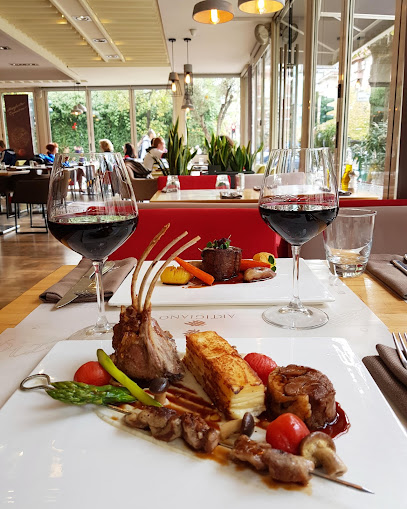
Taverna e Kasapbeut
0.3 km
Experience authentic Albanian cuisine at Taverna e Kasapbeut in Tirana - where tradition meets flavor in every dish.
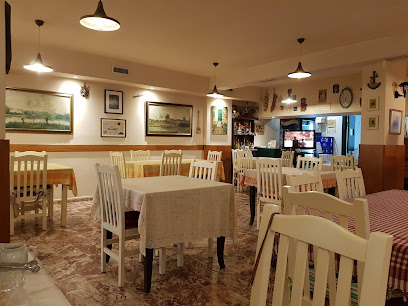
Fiore Restaurant
0.3 km
Discover the taste of the sea at Fiore Restaurant in Tirana—where Italian flavors meet fresh seafood in an inviting atmosphere.
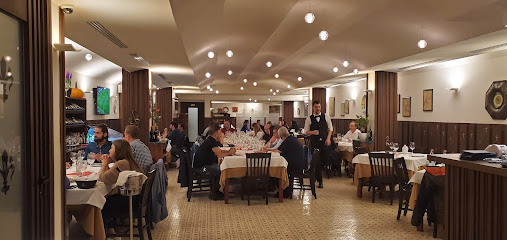
Fiore Restorant
0.3 km
Experience the best of seafood and Italian cuisine at Fiore Restaurant in Tirana—where every dish tells a story.
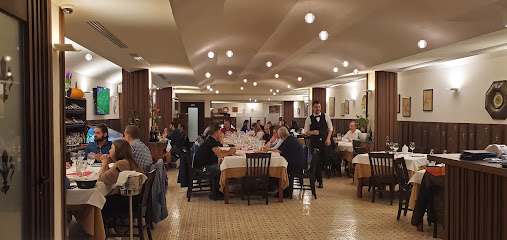
Begati Restaurant
0.3 km
Experience exquisite seafood and authentic Italian cuisine at Begati Restaurant in Tirana – a true culinary gem in Albania.
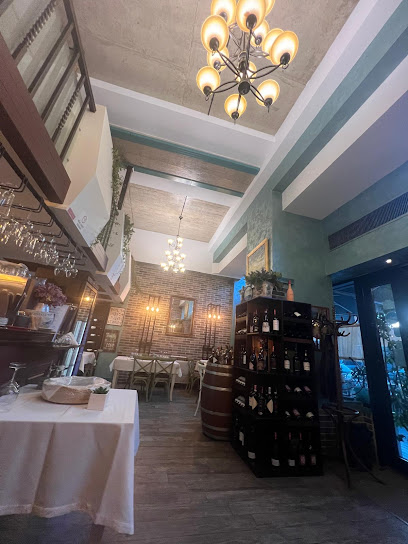
Taverneta By Whisky
0.3 km
Experience exquisite Italian and Mediterranean cuisine at Taverneta By Whisky in the heart of Tirana—where every dish tells a story.
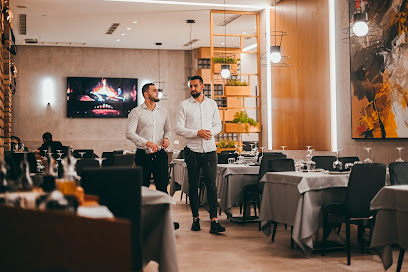
Rossini Restaurant
0.4 km
Experience the flavors of Albania at Rossini Restaurant in Tirana—where tradition meets innovation in every dish.
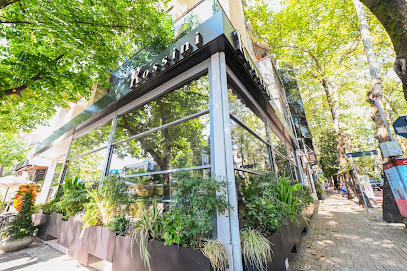
Fresco Fish Restaurant
0.4 km
Experience exquisite seafood at Fresco Fish Restaurant in Tirana—where fresh flavors meet authentic Albanian hospitality.
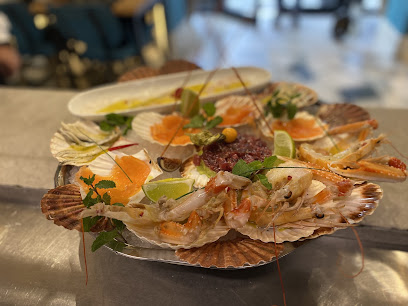
Artigiano at Vila
0.5 km
Experience the flavors of Mediterranean cuisine at Artigiano at Vila in Tirana - where Italian dishes meet Albanian hospitality.
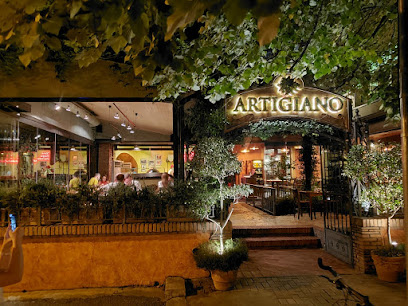
MORSI Tirana
0.5 km
Experience authentic Italian cuisine at MORSI Tirana, where delicious flavors meet warm Albanian hospitality.
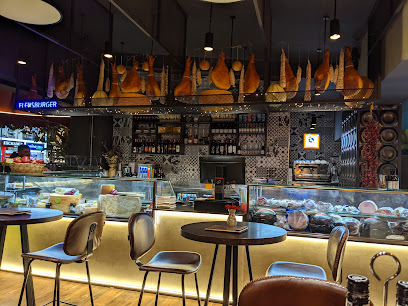
Markets, malls and hidden boutiques

Arena Center
0.1 km
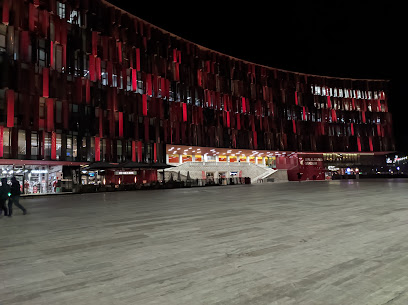
Explore Tirana's dynamic Arena Center, a shopping paradise featuring top brands, diverse dining, and entertainment for all ages.
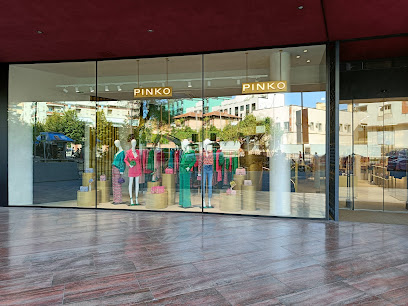
Pinko Albania
0.2 km
Explore Pinko Albania, a vibrant shopping mall in Tirana, where local culture meets international shopping and dining experiences.
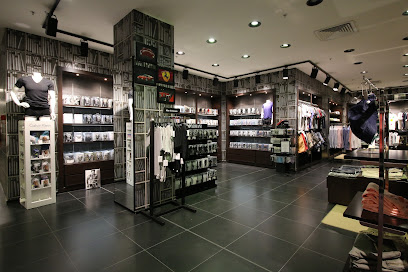
COIN Tirana
0.2 km
Explore the vibrant shopping experience at COIN Tirana, where local charm meets modern retail in the heart of Albania's capital.
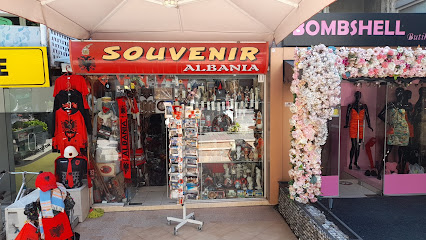
Souvenir Albania
0.3 km
Discover unique souvenirs, handcrafted treasures, and local art at Souvenir Albania in Tirana, capturing the essence of Albanian culture.
CHIC SHOP TIRANA
0.3 km
Discover the latest trends at Chic Shop Tirana, where local craftsmanship meets contemporary fashion in the heart of Albania.

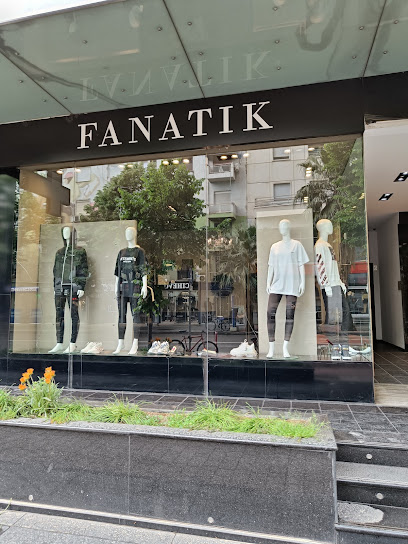
FANATIK Shop
0.4 km
Explore the best of Tirana's fashion at FANATIK Shop, a trendy clothing store offering unique styles and exceptional quality.
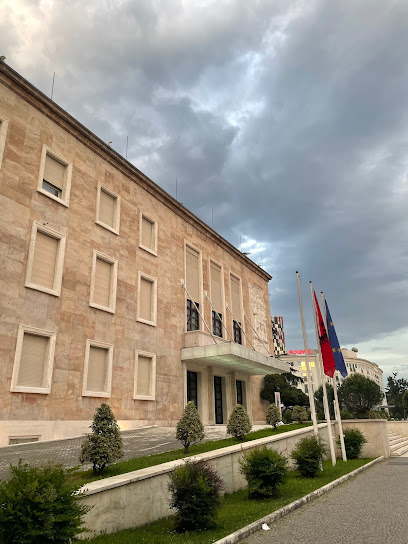
COD - Center for Openness and Dialogue
0.4 km
Discover the vibrant cultural scene at COD - Center for Openness and Dialogue, a hub for youth, art, and community engagement in Tirana.
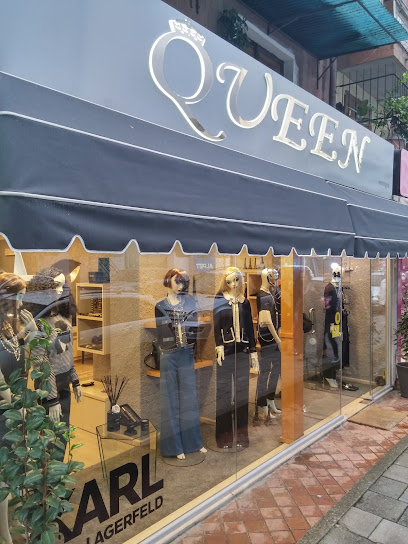
Queen Boutique
0.4 km
Explore the latest trends in fashion at Queen Boutique, Tirana's stylish clothing store offering unique apparel and personalized service.
Luna Shop
0.4 km
Explore trendy clothing at Luna Shop in Tirana, a must-visit destination for fashion lovers seeking unique styles and local craftsmanship.
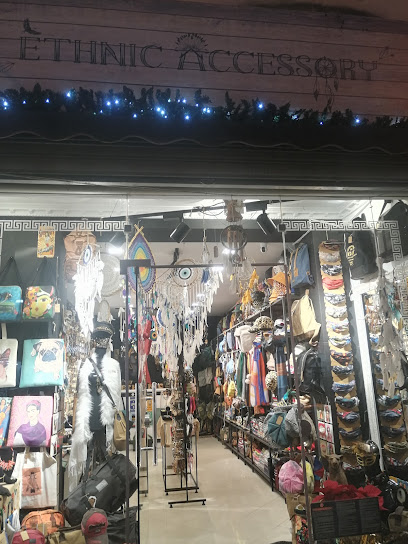
ETHNIC ACCESSORY - ACCESSORIES - PIERCING
0.4 km
Immerse yourself in the vibrant culture of Tirana with unique ethnic accessories that blend tradition and modern fashion.
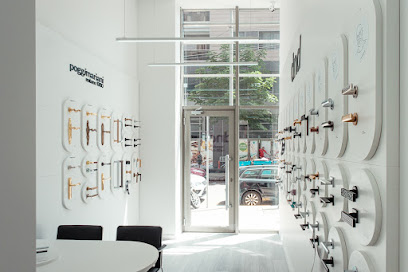
dnd handles Albania
0.4 km
Explore the unique charm of DND Handles in Tirana, where handcrafted artistry meets Albanian culture, creating unforgettable souvenirs.
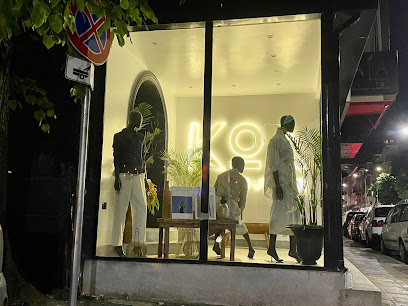
KOA Boutique
0.5 km
Explore KOA Boutique in Tirana for a unique blend of local and contemporary fashion that embodies the spirit of Albanian culture.
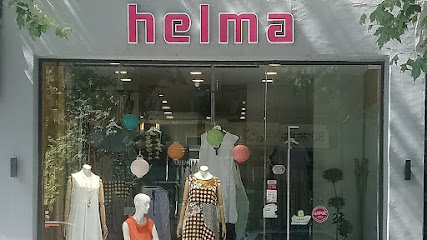
Helma Boutique
0.5 km
Explore Helma Boutique in Tirana for unique clothing and accessories that showcase the essence of Albanian fashion.
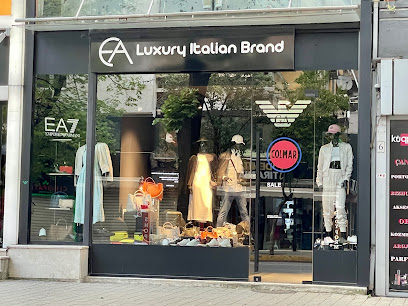
Armani Store Tirana
0.5 km
Discover the elegance of fashion at the Armani Store in Tirana, where luxury meets style in the heart of Albania.
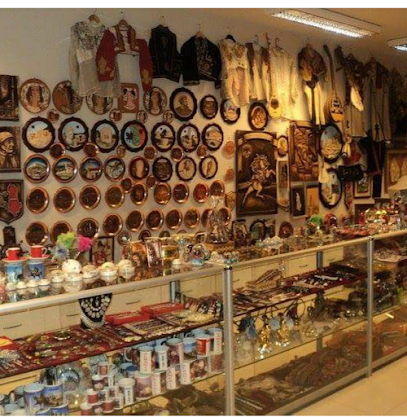
Souvenire KRUJA
0.6 km
Explore the rich heritage of Albania through unique antiques and handcrafted treasures at Souvenire KRUJA, a must-visit in Tirana.
Essential bars & hidden hideouts

Arena Cocktail & Restaurant
0.1 km
Discover the lively Arena Cocktail & Restaurant in Tirana, where exceptional cocktails and delicious cuisine meet vibrant nightlife.
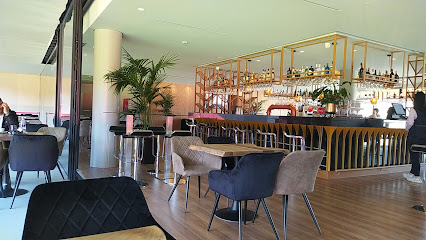
Grand Lounge & More
0.1 km
Experience sophistication and culinary excellence at Grand Lounge & More in Tirana, a perfect blend of relaxation and vibrant social life.
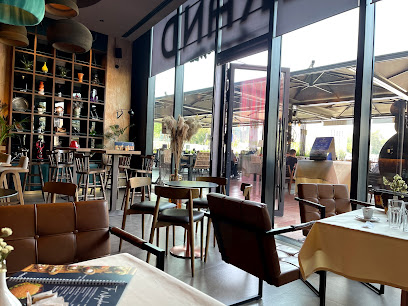
Illyrian Saloon
0.3 km
Discover the vibrant nightlife of Tirana at Illyrian Saloon, where friendly service and a lively atmosphere await every visitor.
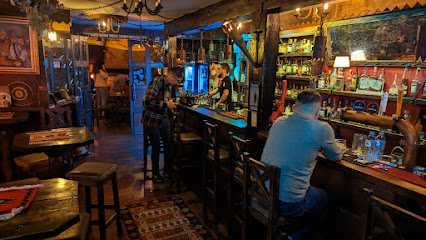
Whisky Bar Tirana
0.3 km
Experience the vibrant nightlife of Tirana at Whisky Bar, where exceptional whiskies and a lively atmosphere come together.
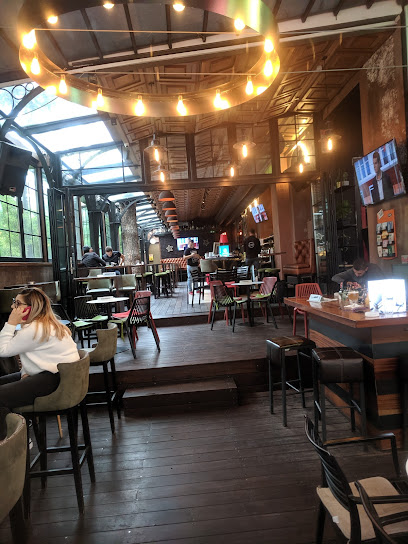
Shisha Room Food & Cocktail Bar
0.4 km
Discover the perfect blend of cocktails, shisha, and vibrant nightlife at Shisha Room Food & Cocktail Bar in Tirana.
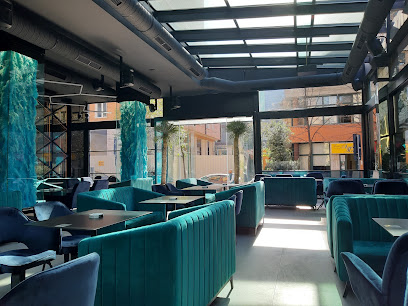
BONAPARTE Wine Bar
0.4 km
Experience the best of Tirana at BONAPARTE Wine Bar, where exceptional wines meet a cozy atmosphere for an unforgettable evening.
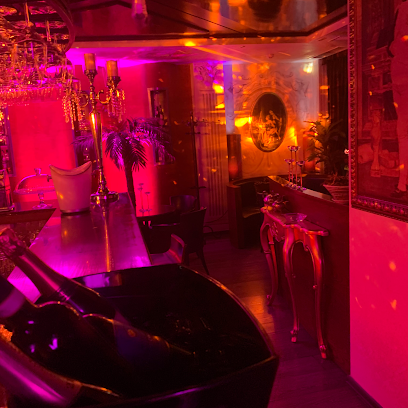
Tiki Bar
0.4 km
Experience the vibrant nightlife of Tirana at Tiki Bar, where tropical vibes meet exotic cocktails in a lively atmosphere.
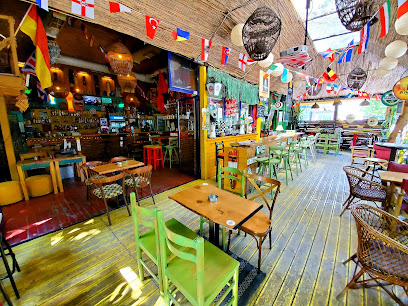
Secret Garden FC Bayern Munchen Fanclub Albania
0.4 km
Experience the vibrant atmosphere of the Secret Garden FC Bayern Munchen Fanclub in Tirana, a haven for football fans and cultural explorers alike.
City Art
0.5 km
Discover the vibrant flavors of Mediterranean cuisine at City Art, a lively tapas bar in the heart of Tirana, perfect for food lovers and social gatherings.
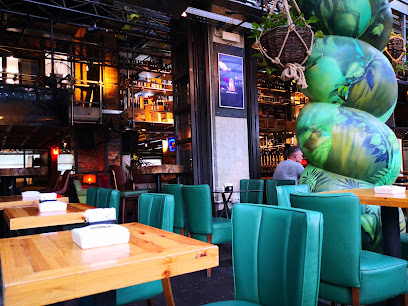
BLACK MONKEY
0.5 km
Discover the lively charm of BLACK MONKEY, Tirana's favorite bar, offering great drinks, live music, and an unforgettable atmosphere.
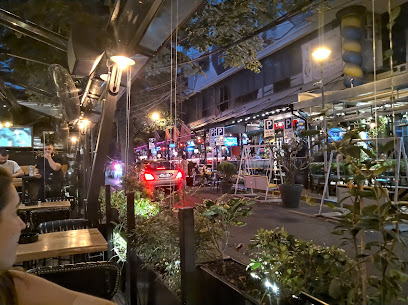
Alcora Cocktail kitchen & wine
0.5 km
Discover the elegant Alcora Cocktail Kitchen & Wine in Tirana, where exquisite cocktails and a vibrant atmosphere await every visitor.
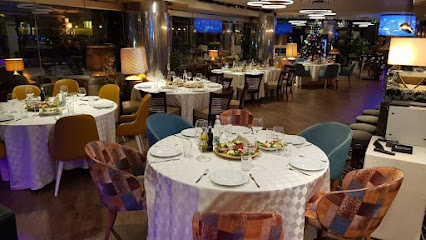
Vila 31 Coffee, Cocktails & Food Bar
0.5 km
Discover the vibrant Vila 31 Coffee, Cocktails & Food Bar in Tirana, where delicious drinks and a lively atmosphere await every visitor.
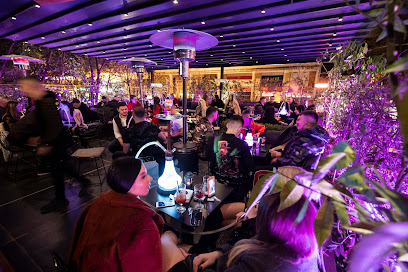
Sense Resto Lounge
0.5 km
Discover the vibrant atmosphere and exceptional cuisine at Sense Resto Lounge, a must-visit culinary destination in Tirana, Albania.
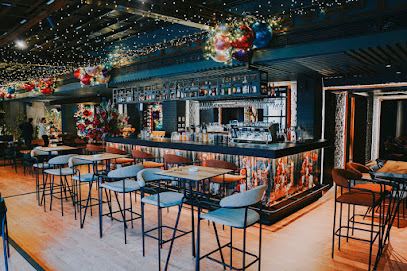
Meduza Irish Pub & Restaurant
0.5 km
Discover Meduza Irish Pub & Restaurant in Tirana - a lively spot for authentic Irish cuisine, vibrant atmosphere, and a wide selection of beverages.
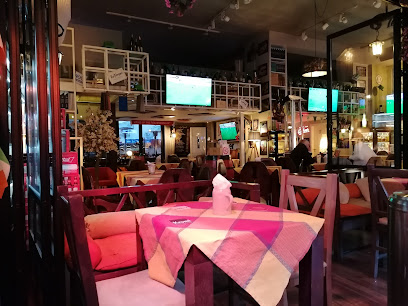
Meduza Irish Pub
0.5 km
Discover the spirit of Ireland in Tirana at Meduza Irish Pub, where great food, drinks, and live music create unforgettable memories.