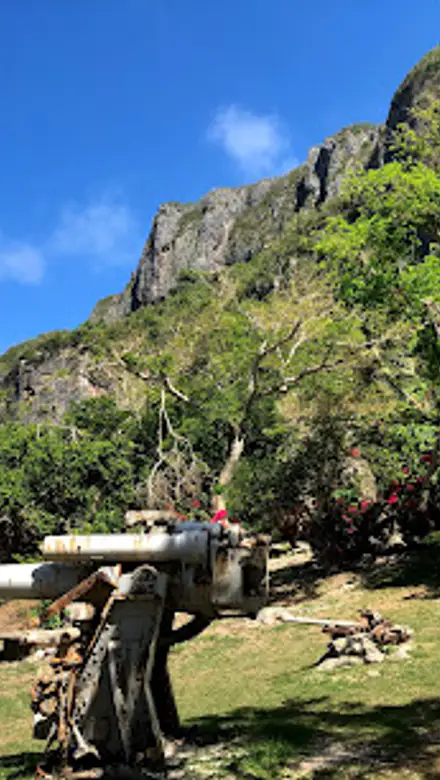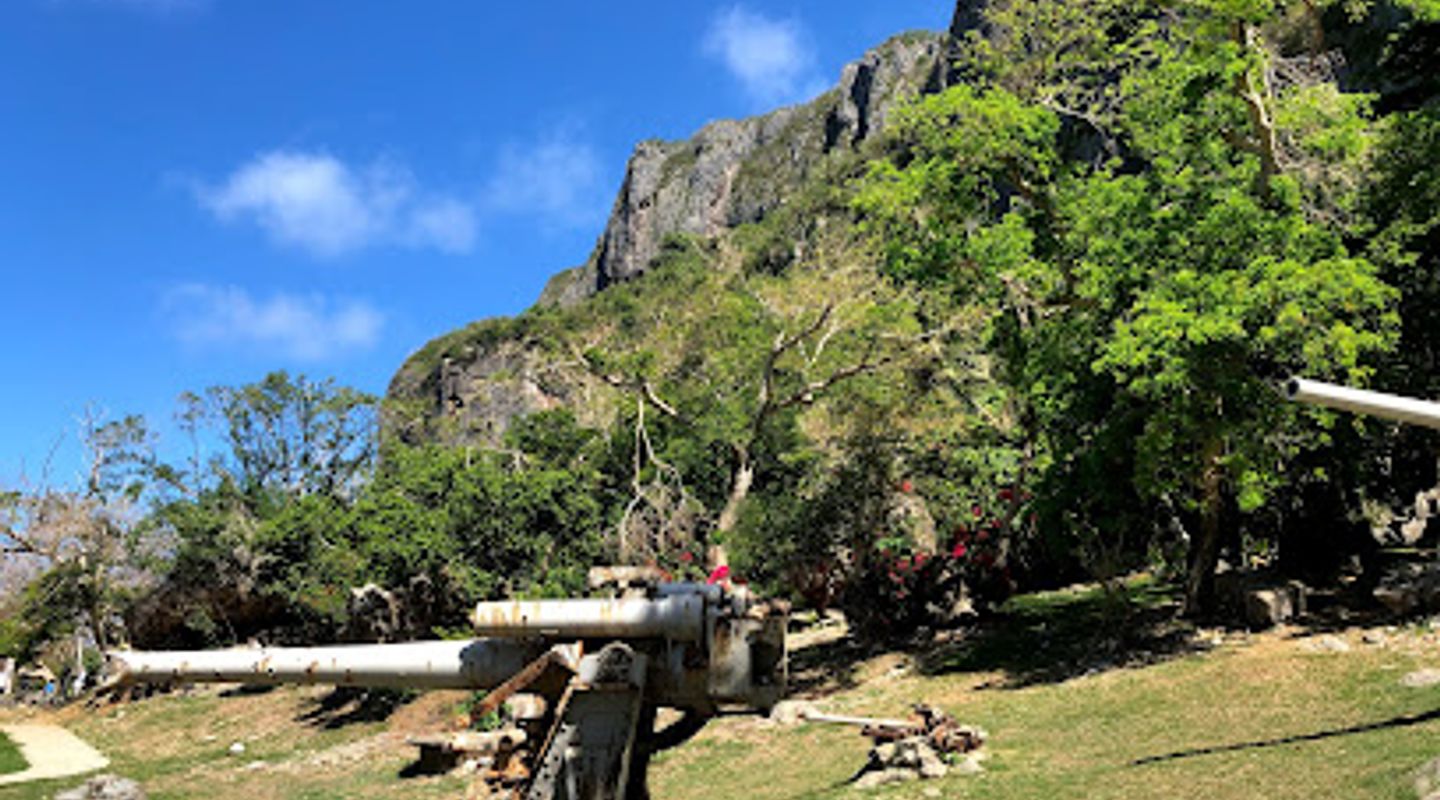
Last Japanese Command Post, San Roque Travel Guide
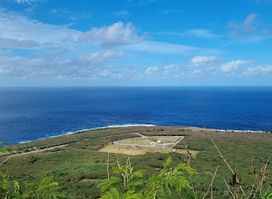
Explore the Last Japanese Command Post, a poignant historical landmark in Saipan that offers insights into World War II with stunning island views.
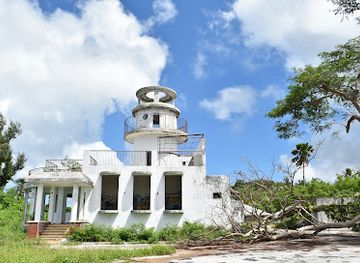
The Last Japanese Command Post in Saipan is a must-see for history enthusiasts and curious travelers alike. This historical landmark offers a glimpse into the past, showcasing the remnants of World War II with its intriguing structures and artifacts. As you explore, you’ll be captivated by the stories that unfolded here, making it a rich educational experience nestled in the beautiful Northern Mariana Islands.
A brief summary to Last Japanese Command Post
- 7RJ4+7H3, Pidos Kahalo, Saipan, 96950, MP

Know before you go
Hi, I'm Eve. Here are a few practical things to know before exploring Last Japanese Command Post.
- Visit early in the morning for cooler temperatures and fewer crowds.
- Bring a camera to capture the stunning views and historical structures.
- Consider joining a guided tour for a more in-depth understanding of the site.
- Wear comfortable shoes, as the terrain can be uneven in certain areas.
- Take time to reflect at the observation points where significant battles took place.
Do you manage this location?
Take control to get all the benefits, like improved information, better appearance, and stronger visibility across AI-powered discovery. Learn more about listing your business on Evendo
Activate your presenceOther nearby places you may find interesting
The closest places of the same kind, if this one is not quite what you had in mind.
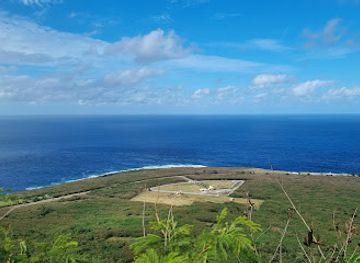
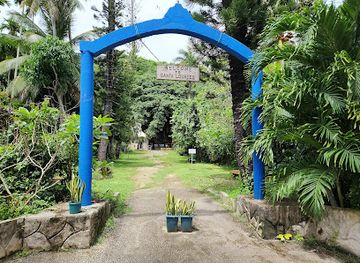
Explore Last Japanese Command Post on the Map
A handpicked selection of must-see spots near Last Japanese Command Post, mapped for you.
Getting There
-
Walking
Start your journey in the center of San Roque. Head northeast on the main road, following the signs towards Pidos Kahalo. Continue walking for approximately 1.5 kilometers until you reach a fork in the road. Take the left path, which will lead you towards the coastal area. You will pass by several local shops and eateries along the way. Keep walking for another 1 kilometer until you see a small park on your right. The Last Japanese Command Post is located just past this park, at the coordinates 15.280648, 145.8064183. Look for a small trail leading up the hill, which will take you directly to the site.
-
Biking
If you have access to a bicycle, begin your ride from the center of San Roque. Head northeast on the main road towards Pidos Kahalo, maintaining a steady pace. After about 1.5 kilometers, you will encounter a fork in the road. Take the left path, which leads towards the coast. Continue biking for another 1 kilometer, passing local shops and attractions until you reach a small park on your right. The Last Japanese Command Post is just beyond this park. You can park your bike at the entrance to the trail that leads up the hill to the command post.
-
Guided Tour
Consider joining a guided walking tour that includes the Last Japanese Command Post in its itinerary. Many local tour operators offer such tours, which typically start in the center of San Roque. The guide will lead you along the appropriate pathways and provide historical context about the site along the way. This is a great way to ensure you don’t miss any important details and to learn more about the significance of the Last Japanese Command Post.
Discover more about Last Japanese Command Post
More to explore near Last Japanese Command Post













Your all‑in‑one travel companion app
Explore expert travel guides, compare and book tours, experiences, hotels, and more—all from the palm of your hand. Download now for seamless trip planning wherever your wanderlust takes you.


Explore More of San Roque
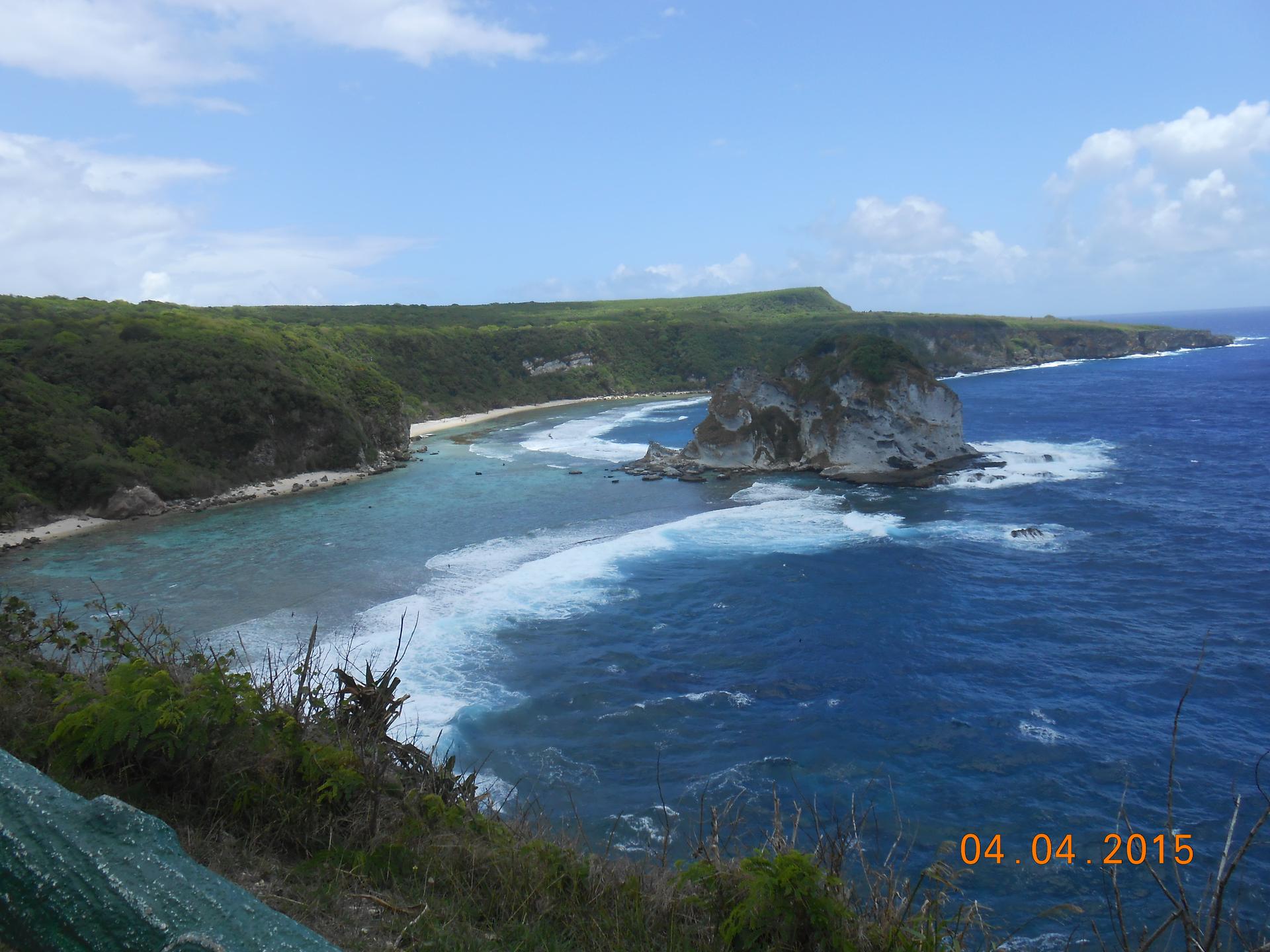
Looking beyond Last Japanese Command Post? Discover San Roque for broader travel guides, local hot-spots, and regional highlights.
Explore San Roque
Discover the Old Japanese Jail in Saipan, a historical landmark offering insights into the island's colonial past and rich cultural heritage.
Explore the Korean Peace Memorial in Saipan, a serene memorial park paying tribute to the sacrifices of Korean laborers during World War II, surrounded by natural beauty.