

Katara Cultural Village (Doha) Travel Guide - Free
Explore Katara Cultural Village in Doha with Evendo's free guide. Find the best shops, historic streets, restaurants, and gems on web or mobile.


Katara Cultural Village in Doha blends Qatari heritage, galleries, beaches, theatres, mosques, dining and waterfront walks into one distinctive cultural district.
A Cultural Village by the Gulf
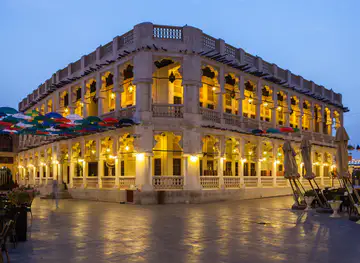
Katara Cultural Village occupies a broad stretch of Doha’s eastern waterfront between West Bay and The Pearl-Qatar. Conceived as a cultural district rather than a conventional historic quarter, it brings together performance spaces, exhibition halls, restaurants, mosques, a beach and open-air public areas in an environment designed to evoke elements of Qatari and wider regional architecture. Its name, Katara, refers to an ancient form of the name Qatar found in historical geographical references, linking the modern complex to a much older national identity.Read more about Katara Cultural Village
Architecture and Public Life
Galleries, Food and the Waterfront
Best attractions in Katara Cultural Village
Katara’s attractions are concentrated across its purpose-built cultural campus and waterfront. The Katara Amphitheatre is the most recognisable focal point, combining an open-air performance setting with views towards the Gulf, while the Opera House and Drama Theatre support music, theatre and other programmed events. Visitors can explore exhibition galleries and cultural foundations, including venues associated with photography, Arabic art and public education, although programmes change throughout the year. The Katara Mosque and Golden Mosque add distinctive architectural stops, and the Katara Beach offers a more leisurely contrast to the formal cultural buildings. Al Thuraya Planetarium provides an astronomy-focused experience when programmes are running. Restaurants, courtyards, pedestrian lanes and the waterfront promenade complete the visit, making Katara suitable for browsing and photography as well as scheduled performances and exhibitions.
-
Cultural association
Katara Cultural Village
Immerse yourself in the vibrant culture of Qatar at Katara Cultural Village, where art, history, and culinary delights await every visitor.
9 min walk · 0.7 km from neighbourhood centre
-
Beach
Katara Beach
Experience the tranquil beauty of Katara Beach, Doha's premier destination for relaxation, water sports, and cultural experiences.
6 min walk · 0.4 km from neighbourhood centre
-
Tourist attraction
Katara Multi-Purpose Hall
Discover the artistic heart of Doha at Katara Multi-Purpose Hall, a stunning venue hosting cultural events, concerts, and more against a breathtaking beach backdrop.
7 min walk · 0.6 km from neighbourhood centre
-
Tourist attraction
Katara Mosque
Discover the enchanting Katara Mosque in Doha, a stunning example of Islamic architecture that invites visitors to explore Qatar's rich cultural heritage.
9 min walk · 0.7 km from neighbourhood centre


Best landmarks in Katara Cultural Village
Katara’s landmarks express the cultural village’s carefully planned architectural identity. The Katara Amphitheatre is the signature structure, using monumental classical forms for performances and public gatherings while opening towards the sea. Nearby, the Katara Mosque is distinguished by blue-and-gold tilework and intricate decoration, and the Golden Mosque provides another prominent religious building within the complex. The Opera House and Drama Theatre represent Katara’s contemporary cultural infrastructure, linking the district to music, theatre and international performance. Decorative towers, arcades and passages refer broadly to regional building traditions, while the beach and waterfront edge remind visitors that the village is also a coastal public space. These places matter less as remnants of an old settlement than as symbols of Doha’s modern effort to give heritage, religion, performance and civic life a shared architectural setting.
-
Cultural association
Katara Cultural Village
Katara Cultural Village in Doha offers a vibrant mix of art, culture, and cuisine, showcasing the rich heritage of Qatar along a stunning waterfront.
9 min walk · 0.7 km from neighbourhood centre
-
Amphitheater
Katara Multi-Purpose Hall
Explore the architectural grandeur and dynamic cultural events at Katara Multi-Purpose Hall in Doha, a must-visit tourist attraction.
7 min walk · 0.6 km from neighbourhood centre
-
Mosque
Katara Mosque
Discover the Katara Mosque, a breathtaking architectural masterpiece in Doha that embodies the rich Islamic heritage and cultural vibrancy of Qatar.
9 min walk · 0.7 km from neighbourhood centre
-
Park
Katara Hills
Explore Katara Hills, a picturesque park in Doha, featuring lush landscapes and stunning views perfect for relaxation and family outings.
11 min walk · 0.9 km from neighbourhood centre


Explore Katara Cultural Village on the map
A handpicked selection of must-see spots in Katara Cultural Village, mapped for you.
Best hotels in Katara Cultural Village
Best restaurants in Katara Cultural Village
Katara’s dining scene reflects the district’s role as a cultural and leisure destination, with restaurants and cafés spread around its pedestrian streets, beach approaches and prominent 21 High Street area. Visitors can find Qatari and Gulf-influenced flavours alongside Lebanese, Turkish, Persian, Indian and international cooking, with options ranging from casual karak tea and snacks to more formal dining. Chapati & Karak is associated with informal local-style refreshments, while venues such as Mamig, L’wzaar Seafood Market, Sukar Pasha Ottoman Lounge and Boho Social represent the broader range of cuisines and settings found in the complex; individual operations and availability can change. The atmosphere is often particularly social after sunset, when outdoor seating and illuminated façades make the restaurant areas an extension of Katara’s public life rather than a separate dining enclave.
-
Restaurant
Bayt El Talleh Restaurant
Discover exquisite flavors and stunning views at Bayt El Talleh Restaurant in Doha's Katara Cultural Village.
10 min walk · 0.8 km from neighbourhood centre
-
Armenian
Mamig Armenian & Lebanese Restaurant
Discover authentic Armenian and Lebanese flavors at Mamig Restaurant in Doha's vibrant Katara Cultural Village.
5 min walk · 0.4 km from neighbourhood centre
-
Restaurant
Feeh Al'Aafia - فيه العافية
Discover culinary excellence at Feeh Al'Aafia in Doha – where tradition meets luxury in every bite.
5 min walk · 0.4 km from neighbourhood centre
-
Restaurant
Chac'Late
Indulge in exquisite chocolate creations and delightful dishes at Chac'Late in Doha's Katara Cultural Village.
8 min walk · 0.6 km from neighbourhood centre


Best bars in Katara Cultural Village
Katara is not Doha’s main nightclub district, and its evening character is shaped more by cultural programming, restaurants, cafés and waterfront walks than by late-night clubbing. Concerts, theatre performances and festivals at the amphitheatre, Opera House and Drama Theatre can bring a strong after-dark audience, while dining venues provide the principal social setting between events. Alcohol service in Qatar is regulated and is generally associated with licensed hotels and venues rather than ordinary public spaces, so visitors should not expect a conventional bar crawl within Katara. The district’s illuminated mosques, galleries and pedestrian routes make evening exploration appealing, but event timings and access arrangements vary. For dedicated nightlife, visitors usually need to look towards licensed venues elsewhere in Doha, including those in major hotels.
-
Restaurant
Bayt El Talleh Restaurant
Experience the rich flavors of Qatari cuisine at Bayt El Talleh Restaurant, an exquisite dining destination in Katara Cultural Village, Doha.
10 min walk · 0.8 km from neighbourhood centre
-
Restaurant
Feeh Al'Aafia - فيه العافية
Discover the exquisite flavors of Feeh Al'Aafia, a premier dining destination in Doha's Katara Cultural Village, offering a blend of tradition and innovation.
5 min walk · 0.4 km from neighbourhood centre
-
Restaurant
Chac'Late
Discover Chac'Late in Doha: A haven for chocolate lovers and café enthusiasts, offering delightful treats and a cozy atmosphere.
8 min walk · 0.6 km from neighbourhood centre
-
Restaurant
Boho Social
Discover the culinary delights at Boho Social in Doha, where exquisite flavors meet a vibrant atmosphere for an unforgettable dining experience.
3 min walk · 0.3 km from neighbourhood centre


Best shops in Katara Cultural Village
Shopping in Katara is smaller in scale than the dedicated retail districts of central Doha, but the cultural setting gives it a distinct emphasis on design, art and specialist goods. The 21 High Street area brings luxury retail and contemporary brands into the neighbourhood, while galleries and cultural venues provide opportunities to encounter art, photography, books, crafts and exhibition-related merchandise. Temporary stalls and event markets may introduce handmade objects, food products or locally themed gifts during festivals, although their presence depends on the programme. Visitors should not expect a traditional souq: Katara’s retail experience is dispersed among theatres, restaurants and public spaces rather than concentrated in an old market street. For a larger selection of traditional textiles, spices and souvenir goods, Souq Waqif is elsewhere in Doha and should be treated as a separate destination.
-
Department store
Galeries Lafayette
Experience luxury shopping at Galeries Lafayette in Doha, where elegance meets a diverse selection of high-end brands and gourmet delights.
11 min walk · 0.9 km from neighbourhood centre
-
Shopping mall
21 High Street
Discover luxury shopping and diverse dining at 21 High Street, Doha's premier shopping destination for an unforgettable retail experience.
12 min walk · 1.0 km from neighbourhood centre
-
Gift shop
Cartier 21 High Street Katara
Discover luxury at Cartier 21 High Street Katara, home to exquisite jewelry, diamonds, and fashion accessories in the heart of Doha.
12 min walk · 1.0 km from neighbourhood centre
-
Toy store
Rondvill
Explore the enchanting world of toys at Rondvill in Doha, where imagination comes to life in every corner of this delightful store.
10 min walk · 0.8 km from neighbourhood centre


Katara Cultural Village essentials
Getting There
Getting Around
Safety
Emergency Situations
Do's and Don'ts
Local Tips

From Eve
Local phrases worth knowing
You don't need to get them perfect. A few words go a long way, and locals appreciate the effort.
Basics
| English | Local | Say it |
|---|---|---|
| Hello | مرحبا | [marhaba] |
| Goodbye | وداعا | [wadaea] |
| Yes | نعم | [naam] |
| No | لا | [laa] |
| Please/You're welcome | من فضلك | [min fadlik] |
| Thank you | شكرا | [shukran] |
| Excuse me/Sorry | عذرا | [athar] |
| How are you? | كيف حالك؟ | [kaifa halak?] |
| Fine. And you? | بخير. وأنت؟ | [bikhair. wa ant?] |
| Do you speak English? | هل تتحدث الإنجليزية؟ | [hal tatahadath al ingilizia?] |
| I don't understand | أنا لا أفهم | [ana la afham] |
Eating & Drinking
| English | Local | Say it |
|---|---|---|
| I'd like to see the menu, please | أريد أن أرى القائمة، من فضلك | [urid an ara alqaimah, min fadlik] |
| I don't eat meat | أنا لا آكل اللحم | [ana la akl al lahme] |
| Cheers! | في صحتك! | [fi sahtak!] |
| I would like to pay, please | أود أن أدفع، من فضلك | [awad an adfae, min fadlik] |
Emergencies
| English | Local | Say it |
|---|---|---|
| Help! | النجدة! | [alnajdah!] |
| Go away! | انصرف! | [ansarif!] |
| Call the Police! | اتصل بالشرطة! | [atassal bialshurta!] |
| Call a doctor! | اتصل بطبيب! | [atassal bitabib!] |
| I'm lost | أنا ضائع | [ana dayi] |
| I'm ill | أنا مريض | [ana mareed] |
Shopping
| English | Local | Say it |
|---|---|---|
| I'd like to buy... | أريد أن أشتري... | [urid an ashtari...] |
| I'm just looking | أنا فقط أتفرج | [ana faqat atafaraj] |
| How much is it? | كم هذا الثمن؟ | [kam hatha althaman?] |
| That's too expensive | هذا غالي جدا | [hatha ghali jiddan] |
| Can you lower the price? | هل يمكنك خفض السعر؟ | [hal yumkinuk khafe alsiar?] |
Time & Numbers
| English | Local | Say it |
|---|---|---|
| What time is it? | كم الوقت؟ | [kam alwaqt?] |
| It's one o'clock | الساعة الواحدة | [alssaaat alwaahidah] |
| Half past (10) | النصف بعد (10) | [alnusf baad (10)] |
| Morning | الصباح | [alssabah] |
| Afternoon | الظهر | [althuhr] |
| Evening | المساء | [almasa] |
| Yesterday | أمس | [ams] |
| Today | اليوم | [alyawm] |
| Tomorrow | غدا | [ghadan] |
| 1 | واحد | [wahid] |
| 2 | اثنان | [ithnan] |
| 3 | ثلاثة | [thalatha] |
| 4 | أربعة | [arbaa] |
| 5 | خمسة | [khamsa] |
| 6 | ستة | [sitta] |
| 7 | سبعة | [saba'a] |
| 8 | ثمانية | [thamaneya] |
| 9 | تسعة | [tisa'a] |
| 10 | عشرة | [ashara] |
Transport & Directions
| English | Local | Say it |
|---|---|---|
| Where's a/the...? | أين...؟ | [ayn...?] |
| What's the address? | ما هو العنوان؟ | [ma hu al'anaan?] |
| Can you show me (on the map)? | هل يمكنك أن تريني (على الخريطة)؟ | [hal yumkinuk an tureeni (ala alkhareeta)?] |
| When's the next (bus)? | متى الحافلة القادمة؟ | [mata alhafilat alqadimah?] |
| A ticket (to ....) | تذكرة إلى... | [tazkirah ila...] |
History of Katara Cultural Village
A Name Before the Village
The name Katara is associated with early geographical references to Qatar, including historical maps and writings in which forms of the word appear before the modern state adopted its present name. Katara Cultural Village does not occupy an ancient town preserved beneath contemporary development; its connection to the past is interpretive and national in character. The name gives the project a historical frame, allowing a purpose-built arts district on Doha’s coast to present Qatari identity through architecture, performance, craft and public ceremony.
The Cultural Village Takes Shape
Katara Cultural Village was developed during Doha’s rapid expansion as a dedicated setting for arts, heritage and public events. It opened to visitors in 2010, at a period when Qatar was investing heavily in cultural institutions and international programming. Rather than following the dense street pattern of older Doha, the project arranged theatres, galleries, religious buildings, restaurants and open spaces across a planned waterfront site. Its architectural language draws on regional forms without claiming to be a surviving historic neighbourhood.
A Festival and Performance District
From its opening years, Katara became an important venue for Doha’s cultural calendar, accommodating concerts, theatre, exhibitions, lectures, film events and public festivals. The Katara Amphitheatre, Opera House and Drama Theatre gave the district a performance infrastructure that complemented the city’s museums and national cultural institutions elsewhere. This role also shaped the neighbourhood’s daily identity: its courtyards and walkways function as event spaces, while its galleries and foundations provide a continuing programme rather than a single museum experience.
The Waterfront in Contemporary Doha
As West Bay and The Pearl-Qatar developed around it, Katara became part of Doha’s modern coastal urban landscape, linking high-rise districts and reclaimed waterfront environments with a more deliberately traditional architectural vocabulary. Its beach, restaurants, mosques and public squares broadened its appeal beyond formal arts audiences, while new cultural and leisure projects across Doha placed it within a larger national effort to make the city an international centre for culture. Katara’s identity consequently remains contemporary: heritage is presented through a planned civic setting, seasonal programming and public access.
Katara Cultural Village in Photos
Browse through our photo collection highlighting the charm and character of the destination.
Neighbourhoods near Katara Cultural Village
The closest neighbourhoods to Katara Cultural Village, if you have time for more than one stop.
-

-

-


Swipe for more neighbourhoods
Explore more

Explore more of Doha
Doha blends Gulf heritage, bold architecture and world-class museums with souqs, waterfront walks and desert experiences across Qatar for cultural travellers.
Explore Doha