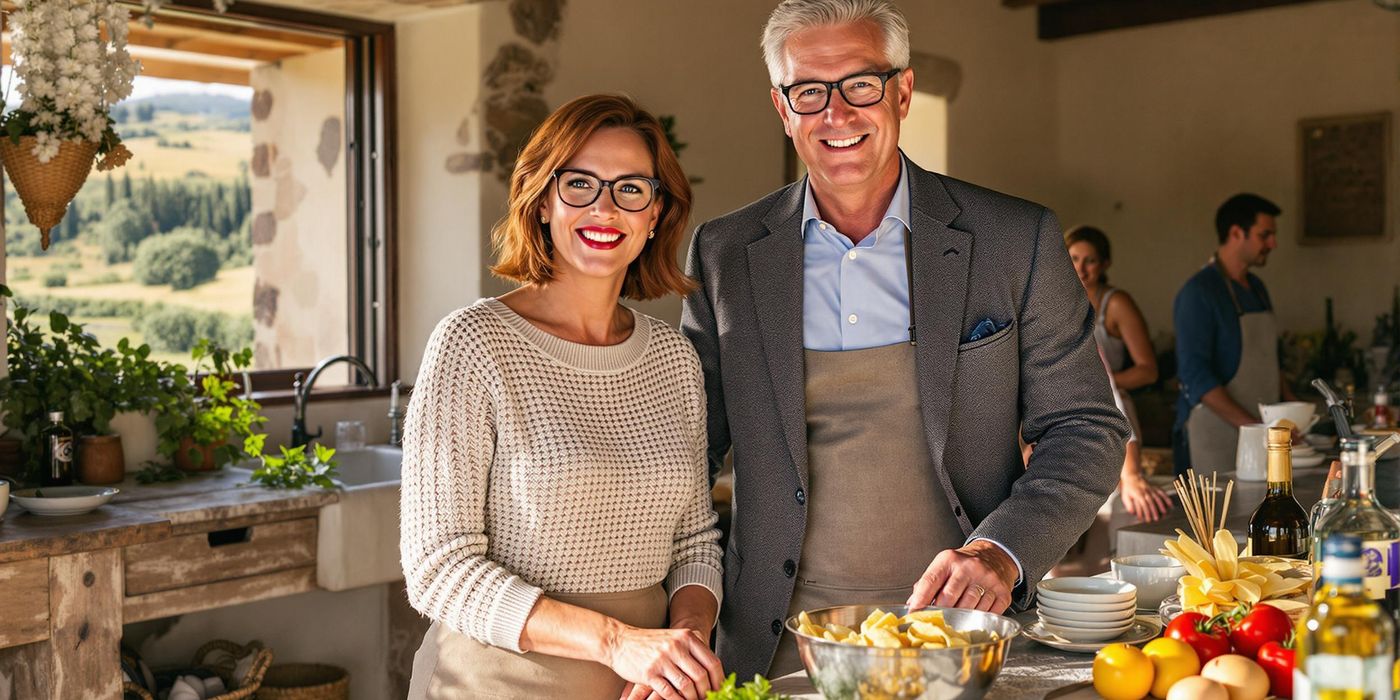
Hello fellow travelers! Claire here, ready to share some insights on a topic near and dear to my heart: slow travel and cultural immersion. After years of globetrotting with my husband, Hans-Peter, I've come to realize that the true magic of travel lies not in ticking off destinations, but in truly experiencing them. So, let's dive into how we can all make our travels more meaningful and enriching.
Embracing the Essence of Slow Travel
What exactly is slow travel? It's a philosophy that prioritizes depth over breadth, connection over checklist tourism. It's about savoring each moment, engaging with local communities, and allowing yourself to be transformed by the experience. Think of it as the antidote to the whirlwind tours where you barely scratch the surface of a place.
Conventional tourism often rushes you from one landmark to another, leaving you with a collection of photos but little understanding of the local culture. Slow travel, on the other hand, encourages you to linger, to explore at your own pace, and to truly connect with the people and places you encounter. The benefits are immense – a richer understanding of the world, a deeper connection to yourself, and memories that will last a lifetime.
I remember a trip Hans-Peter and I took to Tuscany a few years ago. Initially, we had planned to visit all the major cities – Florence, Siena, Pisa – in a week. But after a couple of days, we felt exhausted and disconnected. So, we made a spontaneous decision to rent a small farmhouse in the countryside and spend the rest of our vacation exploring the surrounding villages. We spent our days wandering through olive groves, learning to cook traditional Tuscan dishes from our host, and chatting with locals at the village café. It was a completely different experience – slower, more authentic, and infinitely more rewarding.
Planning for Immersive Experiences
Not every destination is equally suited for slow travel, but with a bit of planning, you can find immersive experiences almost anywhere. Look for places with a strong sense of local culture, a rich history, and a vibrant community life. Consider smaller towns and rural areas, where you're more likely to encounter authentic traditions and genuine interactions.
Before you even pack your bags, take the time to research local customs, traditions, and etiquette. Understanding the cultural norms will help you avoid misunderstandings and show respect for the local way of life. Websites like Culture Crossing and Kwintessential offer valuable insights into cultural differences.
While it's good to have a general idea of what you want to see and do, resist the urge to create a rigid itinerary. Leave room for spontaneity and unexpected discoveries. Some of the most memorable moments happen when you least expect them. I always make sure to have a list of potential activities, but I'm always open to changing my plans based on recommendations from locals or simply following my curiosity.
To find unique cultural experiences, explore resources like local tourism boards, community centers, and online event calendars. Look for festivals, workshops, and community events that offer a glimpse into local life. Don't be afraid to step outside your comfort zone and try something new.
Connecting with Locals
For me, the heart of slow travel is connecting with the locals. These interactions offer a deeper understanding of the culture than any guidebook ever could. Don't be afraid to strike up conversations, even if there's a language barrier. A smile and a genuine interest can go a long way.
Practical advice? Start with simple greetings and questions. Learn a few basic phrases in the local language. Ask for recommendations on local restaurants or attractions. Be curious and respectful, and show a genuine interest in their lives and experiences. Even a brief conversation can offer valuable insights and create a lasting connection.
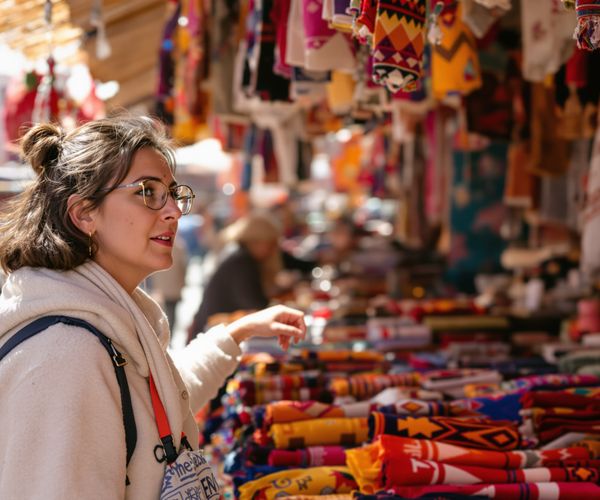
Supporting local businesses is another great way to connect with the community. Shop at local markets, eat at family-owned restaurants, and buy handmade crafts from local artisans. Not only will you be supporting the local economy, but you'll also be getting a taste of authentic culture.
I recall visiting a small village in the Scottish Highlands a few years ago. I struck up a conversation with a local fisherman at the harbor, and he ended up inviting me to his home for tea. We spent hours chatting about his life, his family, and the history of the village. It was a truly special experience that I'll never forget.
Savoring Local Culture Through Food
Food is an incredible gateway to understanding a culture. It tells a story about the land, the people, and their traditions. Don't be afraid to try local dishes, even those that may seem unfamiliar or intimidating. You might discover your new favorite food!
Taking cooking classes or food tours is a fantastic way to learn about local ingredients and culinary traditions. You'll not only learn how to prepare traditional dishes, but you'll also gain a deeper appreciation for the culture behind them.
One of my most memorable food experiences was in Marrakech, Morocco. I took a cooking class where I learned to make tagine, a traditional Moroccan stew. The instructor shared stories about the history of the dish and the significance of each ingredient. It was a truly immersive experience that gave me a deeper understanding of Moroccan culture.
Exploring Beyond Tourist Hotspots
Venture off the beaten path to discover hidden gems and authentic experiences. Tourist hotspots can be crowded and impersonal, while local neighborhoods, parks, and community centers offer a glimpse into daily life. Get lost in a new city, exploring its streets and alleys without a specific destination in mind. You never know what you might discover.
During a trip to Kyoto, Japan, Hans-Peter and I decided to explore a residential neighborhood away from the famous temples and gardens. We stumbled upon a small tea house where we were the only tourists. We enjoyed a traditional tea ceremony with the owner, who shared stories about her family and the history of the tea house. It was a truly authentic experience that we wouldn't have found in a guidebook.
Engaging with History and Traditions
Learning about the history and traditions of a place is essential for understanding its culture. Visit local museums, historical sites, and cultural centers. Attend local festivals, ceremonies, and performances to witness traditions firsthand. These experiences will give you a deeper appreciation for the richness and complexity of the local culture.
Witnessing a local tradition can be incredibly insightful. I remember attending a traditional music performance in Andalusia, Spain. The music and dance were passionate and expressive, reflecting the region's rich history and cultural heritage. It was a powerful experience that gave me a deeper understanding of Spanish culture.
Reflecting on the Journey
Take time to reflect on your experiences and the lessons you have learned. Keep a travel journal to document your thoughts, observations, and reflections. Slow travel has the potential to be transformative, leading to personal growth and a deeper understanding of the world.
Slow travel has changed my perspective on travel and on life. It has taught me to appreciate the small things, to connect with people from different backgrounds, and to be more present in the moment. I hope that these tips will inspire you to embrace slow travel and create your own meaningful and enriching travel experiences.
Discover how to make the most of your travel experiences by slowing down and immersing yourself in local cultures. Learn practical tips and personal anecdotes to inspire your travels.