The Universal Language of Gestures: More Than Just Waving
Non-verbal communication is an absolute lifesaver when words fail you. Body language, facial expressions, and gestures can convey so much, often more than we realize. Think about it: a smile, a nod, a pointed finger – these are understood across cultures, right? Well, mostly. It's crucial to be aware that some gestures have different meanings in different parts of the world.
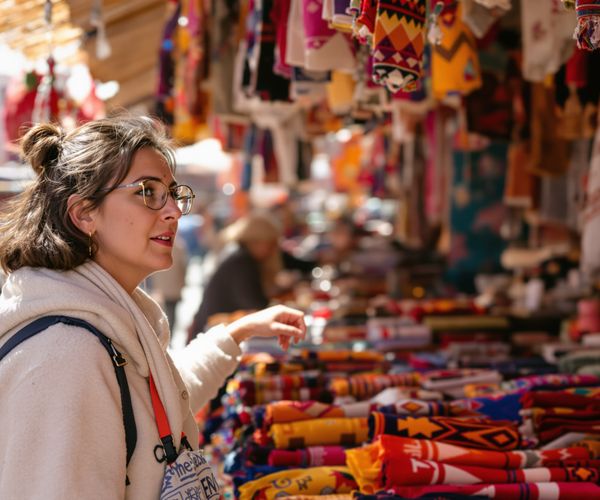
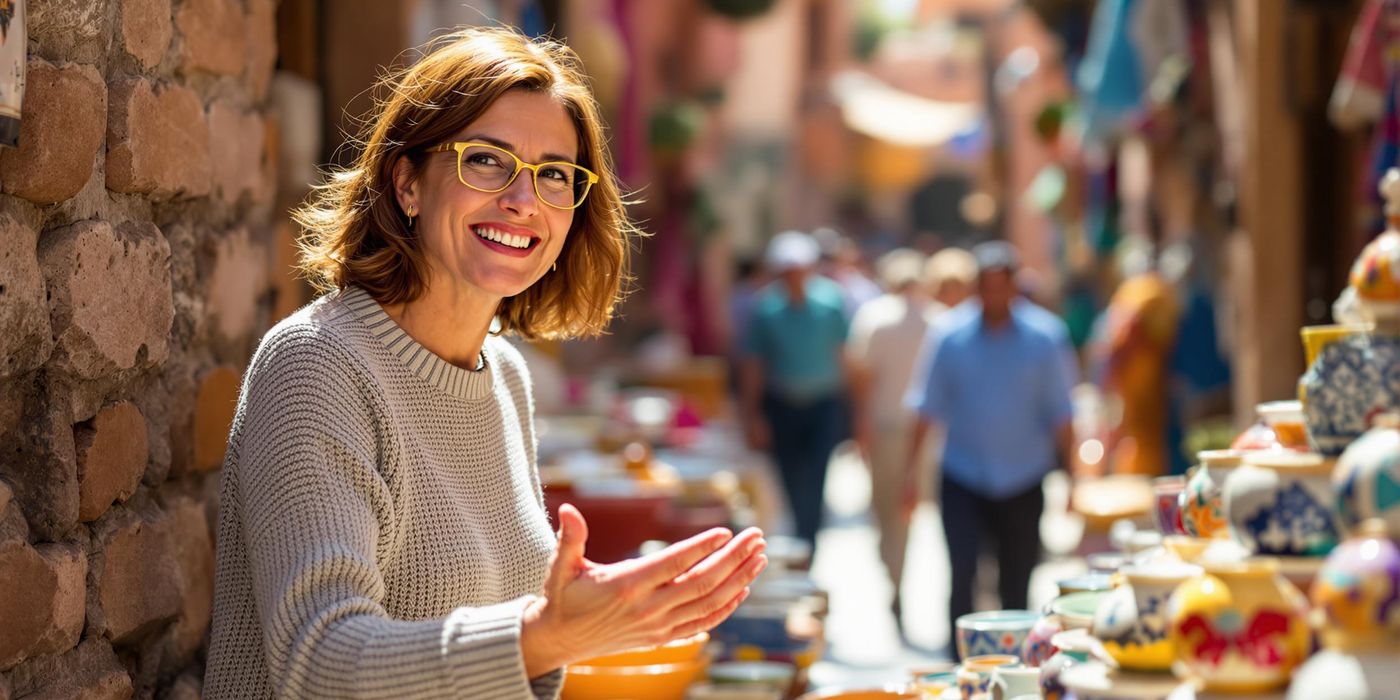
For example, the 'thumbs up' is generally positive in many Western countries, but in some parts of the Middle East and South America, it can be considered offensive. Similarly, the 'OK' sign (forming a circle with your thumb and forefinger) is positive in the US but can be offensive in Brazil. One time, while visiting a bustling market in Marrakech, I tried to bargain for a beautiful ceramic bowl. My attempts at French were failing miserably, so I resorted to exaggerated hand gestures to indicate that I thought the price was too high. To my surprise, the vendor chuckled, understood perfectly, and offered me a discount! It was a vivid reminder that sometimes, a well-timed gesture can speak volumes.
Essential Phrases: Your Pocket-Sized Survival Kit
Before embarking on any trip, I always make it a point to learn a few basic phrases in the local language. It shows respect and willingness to engage with the culture. Plus, it can make your life so much easier! Imagine trying to order coffee without knowing how to say 'please' or 'thank you.' It's just not the same, is it?
Here are some essential phrases to learn:
- Hello
- Thank you
- Please
- Excuse me
- Where is the restroom?
- How much does it cost?
- I don't understand
- Do you speak English?
Don't worry too much about perfect pronunciation. Locals usually appreciate the effort, even if you stumble a bit. There are plenty of online resources, like YouTube tutorials and language learning websites, to help you nail the basics. I find that writing the phrases down in a small notebook and practicing them aloud helps immensely.
Tech to the Rescue: Language Learning Apps and Translation Tools
Ah, technology – our trusty companion in the 21st century! When it comes to language barriers, we're fortunate to have a plethora of apps and tools at our fingertips. Language learning apps like Duolingo and Babbel are fantastic for building a foundation in a new language. I personally use Duolingo to brush up on my rusty French before visiting France. Even a few weeks of practice can make a noticeable difference.
For real-time translation, Google Translate is a game-changer. It allows you to translate text, speech, and even images instantly. While it's not always perfect, it's incredibly useful for deciphering menus, reading signs, or having basic conversations. Just be mindful of its limitations. Relying solely on technology can sometimes hinder genuine interaction and cultural immersion. It's best to use these tools as aids, not replacements, for human connection.
The Art of Asking for Help: Finding Your Linguistic Allies
Sometimes, despite our best efforts, we find ourselves completely lost in translation. That's when it's time to seek help from those who might speak your language. Tourist information centers are a great place to start. The staff are usually multilingual and can provide valuable assistance. Hotels, especially those catering to international travelers, often have English-speaking staff as well.
When asking for help, always be polite and respectful. Start with a friendly greeting and explain your situation clearly. A simple 'Excuse me, do you speak English? I'm a bit lost and could use some help' can go a long way. And, of course, always remember to express your gratitude. A sincere 'thank you' can make someone's day and foster positive interactions.
Embracing the Unknown: When Misunderstandings Lead to Unexpected Adventures
Here's a little secret: sometimes, misunderstandings can lead to the most memorable travel experiences. Instead of fearing them, try to embrace the possibility of things going awry. View them as opportunities for learning, growth, and unexpected adventures.
I remember one time in Rome, I was trying to order a simple plate of pasta. However, due to my terrible Italian and the waiter's limited English, I ended up with a dish of tripe – something I would never have ordered intentionally! While I wasn't thrilled at first, I decided to try it. And you know what? It wasn't half bad! It was a culinary adventure I never expected, and it taught me to be more open to new experiences. So, the next time you find yourself in a communication pickle, take a deep breath, laugh it off, and see where the adventure takes you. You might be surprised at what you discover!
Overcome language barriers while traveling! Learn practical communication strategies, non-verbal cues, language apps, and tips for unexpected adventures.