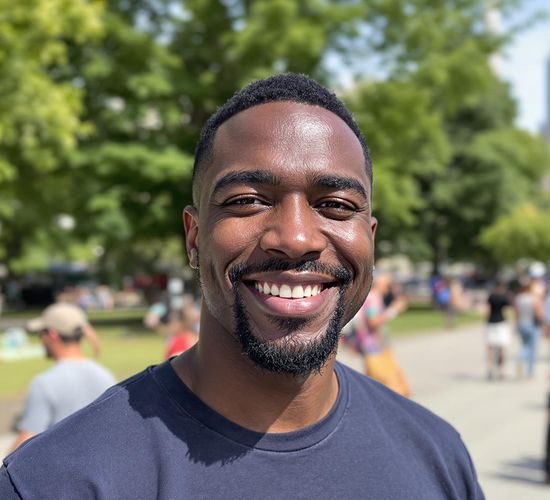
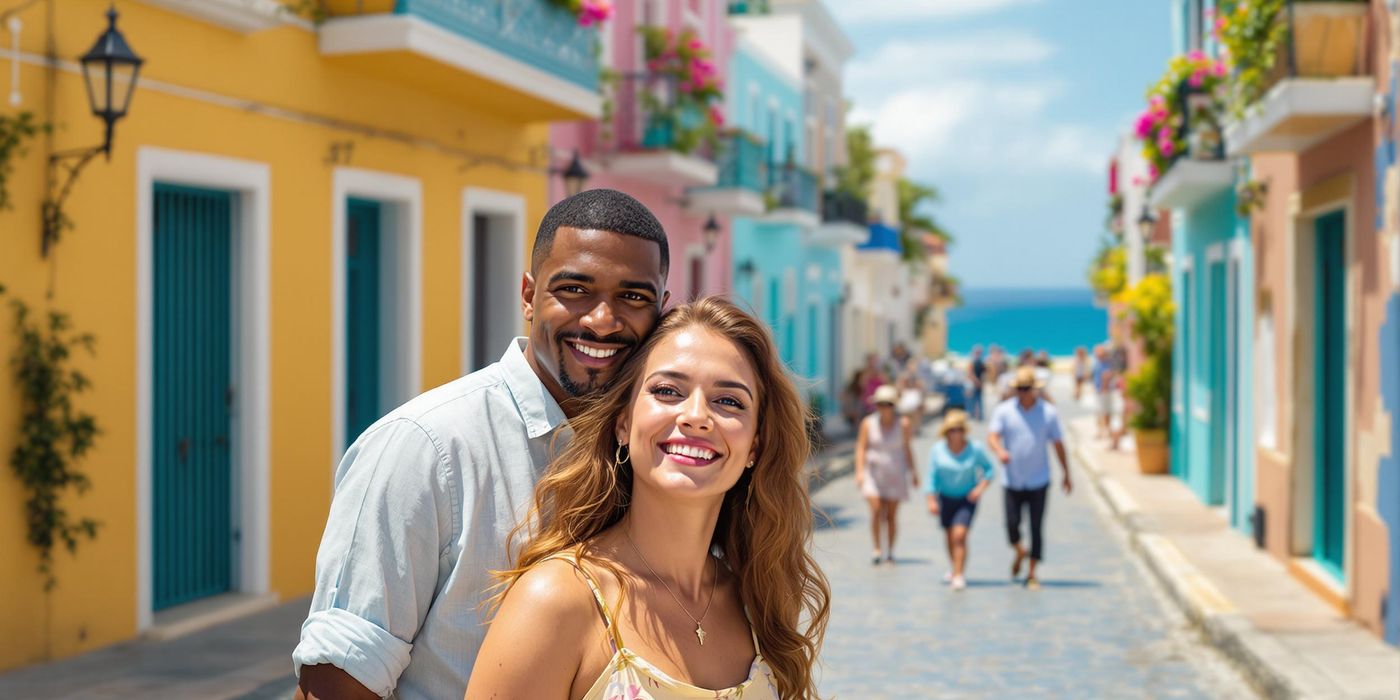
As an urban planner with Caribbean roots and a passion for photography, I've always been drawn to capturing the essence of a place through my lens. It's more than just taking pretty pictures; it's about telling stories, preserving memories, and sharing the unique spirit of the cultures I encounter. My wife, Olivia, and I have made it a point to seek out authentic experiences that allow us to connect with local communities and document their way of life. Here are some tips I've learned along the way to help you capture culture through travel photography.
The Art of Visual Storytelling
Visual storytelling is the heart of travel photography. It's about conveying the feeling of a place, not just its appearance. Before you even pick up your camera, consider the narrative you want to create. What story do you want to tell? What aspects of the culture resonate with you?
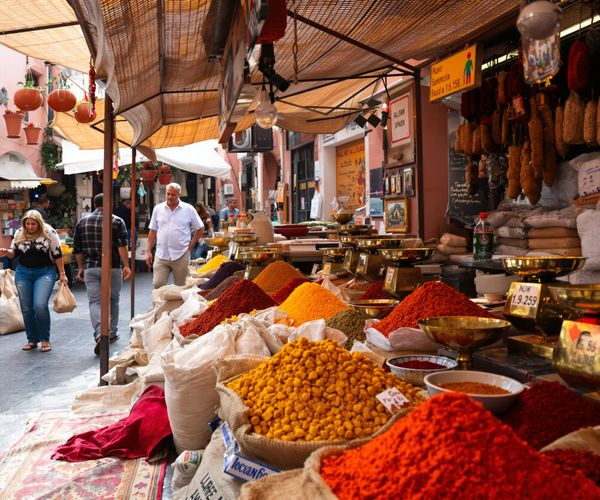
Planning and research are key. Learn about the history, customs, and traditions of the place you're visiting. Understanding the local context will help you identify meaningful moments and avoid cultural insensitivity. Think about how you can use your images to convey a sense of place and culture. Is it through the vibrant colors of a local market, the intricate details of traditional architecture, or the expressions on people's faces?
Composition Techniques for Cultural Immersion
Composition is crucial for drawing the viewer into your images. Use leading lines to guide the eye through the scene, creating a sense of depth and immersion. In the Caribbean, for example, the vibrant streets of Old San Juan, Puerto Rico, offer endless opportunities to use colorful buildings and cobblestone roads as leading lines.
Framing your subjects within their environment provides context and tells a more complete story. Instead of just taking a portrait of someone, show them in their home, workplace, or community. The rule of thirds is another valuable tool. Imagine dividing your frame into nine equal parts with two horizontal and two vertical lines. Place key elements of your composition along these lines or at their intersections to create a balanced and visually appealing image.
Mastering Light in Diverse Environments
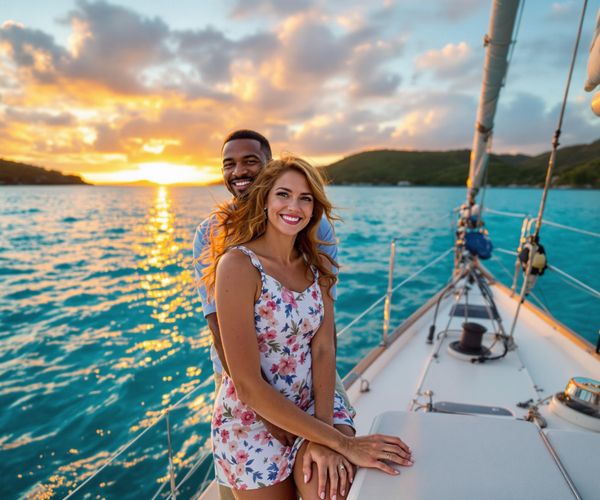
Light is your best friend (or worst enemy) in photography. Utilizing natural light is essential for capturing the mood and atmosphere of a place. The golden hour – the hour after sunrise and the hour before sunset – provides warm, inviting tones that can enhance the beauty of any scene. I remember one evening in Barbados, the golden light bathed the entire coastline, transforming the ordinary into something magical.
Dealing with harsh midday light can be tricky, especially in tropical climates. Look for shade or use a diffuser to soften the light. Shadows can also be used creatively to add depth and drama to your photos. Experiment with different angles and perspectives to see how the light interacts with your subject.
Engaging with Local Communities: Ethical Considerations
Respect is paramount when photographing people and cultures. Always seek permission before photographing individuals, especially in sensitive situations. Be mindful of cultural norms and traditions. What might be acceptable in one culture could be offensive in another.
Avoid stereotypes and clichés. Look beyond the surface and try to capture the authentic spirit of the people you're photographing. Building rapport and connection with your subjects can make all the difference. Take the time to talk to them, learn about their lives, and share your own story. A genuine connection will shine through in your images.
Capturing Authentic Moments: Beyond the Tourist Gaze
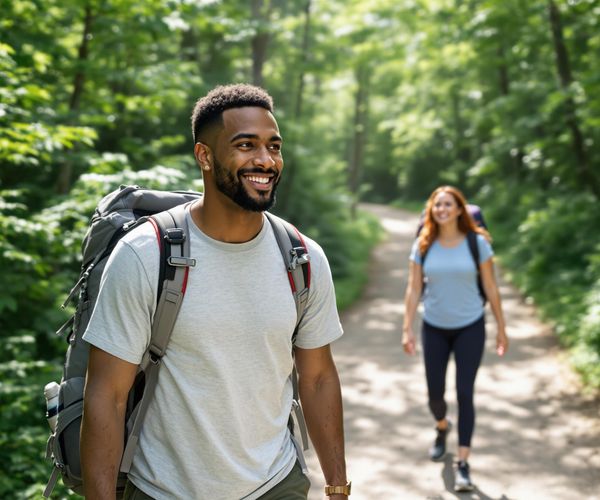
To truly capture culture, you need to go beyond the typical tourist attractions and find unique perspectives and angles. Focus on everyday life and candid interactions. What are people doing? How are they interacting with each other? These are the moments that tell the real story of a place.
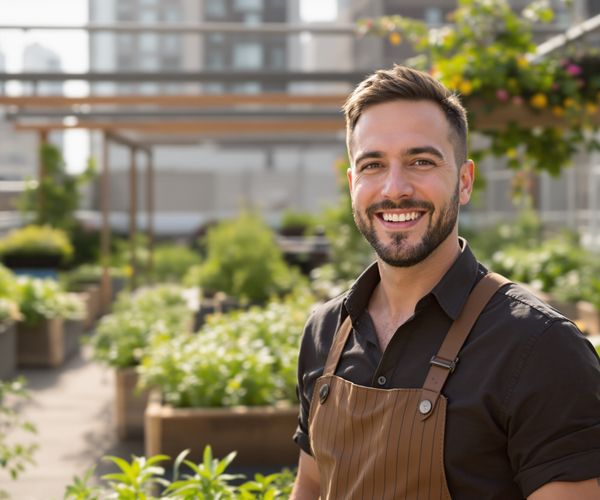
Document local crafts, cuisine, and traditions. Visit local markets, attend cultural festivals, and try traditional foods. These experiences will not only enrich your own understanding of the culture but also provide you with valuable photo opportunities. During our travels, Olivia and I always seek out sustainable and culturally immersive experiences. We once spent a week volunteering on a sustainable farm in Jamaica, learning about organic farming practices and documenting the lives of the local farmers. It was an incredibly rewarding experience that gave us a deeper appreciation for the culture and the environment.
Gear and Settings: Optimizing Your Camera for Travel
Choosing the right camera and lenses for travel photography is essential. A lightweight and versatile camera is ideal for travel. Consider a mirrorless camera or a DSLR with a zoom lens that covers a wide range of focal lengths. Understanding aperture, shutter speed, and ISO settings is crucial for getting the best results in different lighting conditions.
Use filters to enhance colors and reduce glare, especially in bright sunlight. A polarizing filter can help to reduce reflections and make colors more vibrant. Protecting your equipment in challenging environments is also important. Invest in a good camera bag and consider using a waterproof case or rain cover to protect your camera from the elements.
Post-Processing: Enhancing Your Images Without Losing Authenticity
Post-processing can be a valuable tool for enhancing your images, but it's important to maintain a natural look and feel. Basic editing techniques like color correction and sharpening can help to bring out the best in your photos. However, avoid over-editing and artificial enhancements. The goal is to enhance the image, not to change it completely.
Use software to remove distractions and improve composition. Cropping can be used to improve the composition of your photos and remove unwanted elements. Cloning and healing tools can be used to remove distractions like power lines or blemishes. Remember, the key is to use these tools sparingly and to maintain the authenticity of your images.
Learn how to capture the true essence of a place through travel photography, focusing on cultural storytelling, ethical engagement, and authentic moments.