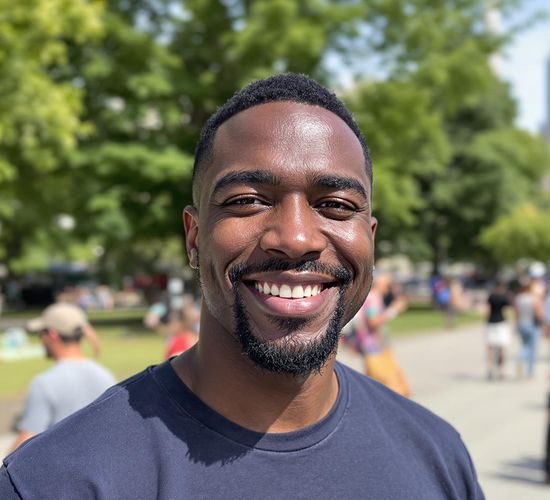

Hey everyone, David here! For me, travel isn't just about seeing new places; it's about capturing them, preserving moments in time through the lens of my camera. Whether it's the vibrant hues of a Caribbean sunset or the bustling streets of a new city, photography allows me to tell a story, to share my perspective with the world. Over the years, I've honed my skills and curated a toolkit that I rely on to capture those perfect shots. So, whether you're a seasoned photographer or just starting out, I'm excited to share my essential tips and equipment recommendations for capturing stunning travel photographs.
The Essential Camera Gear for Travel Photography in 2026
The world of travel photography gear is constantly evolving, and in 2026, the trend is all about lightweight and versatile options. Gone are the days of lugging around heavy equipment; now, it's about maximizing portability without compromising on quality.
When it comes to camera bodies, there are some fantastic options available. For those looking for top-of-the-line performance, the Canon EOS R6 Mark II and Sony Alpha 7C II are excellent choices. Both offer exceptional image quality, impressive autofocus capabilities, and robust features, making them ideal for a variety of travel scenarios.
As for lenses, a versatile zoom lens is a must-have for any travel photographer. The Sony 24-70 GM2 F2.8 and Canon RF 24-70mm f/2.8 are both outstanding choices, offering a wide range of focal lengths and excellent image quality. These lenses are perfect for capturing everything from sweeping landscapes to intimate portraits.
Of course, not everyone needs the most expensive gear, and there are plenty of budget-friendly options available. The Canon EOS R50 and Sony A6700 are both excellent entry-level cameras that offer great value for money.
Finally, it's important to acknowledge the increasing role of smartphones in travel photography. While they may not be able to match the image quality of a dedicated camera, smartphones have come a long way in recent years, and they're now capable of producing some truly impressive results.
Must-Have Accessories for the Traveling Photographer
While a good camera and lens are essential, there are also a number of accessories that can make a big difference in your travel photography.
First and foremost, a reliable travel tripod is a must-have for capturing sharp images in low-light conditions or when shooting long exposures. The Peak Design Travel Tripod is a popular choice, known for its lightweight design and sturdy construction.
It's also essential to bring along extra batteries and SD cards. There's nothing worse than running out of power or storage space in the middle of a shoot, so it's always better to be prepared.
A lens cleaning kit is another essential accessory for keeping your lenses clean and free of dust and smudges. And don't forget about filters, which can be used to protect your lenses and enhance your images in a variety of ways.
Finally, it's worth mentioning the increasing popularity of pocket-sized drones like the DJI Mini 3 Pro. These drones are incredibly portable and easy to fly, making them perfect for capturing aerial perspectives of your travel destinations.
Mastering Light and Composition: Techniques for Stunning Travel Photos
Having the right gear is only half the battle; you also need to know how to use it effectively. That's where light and composition come in.
Understanding light is crucial for capturing great travel photos. The golden hour (the hour after sunrise and the hour before sunset) and the blue hour (the hour after sunset and the hour before sunrise) are particularly magical times for photography, offering soft, warm light that can transform any scene.
Composition is another key element of travel photography. The 'Rule of Thirds' is a classic composition technique that involves dividing your frame into nine equal parts and placing your subject along one of the lines or at one of the intersections. This can help create a more balanced and visually appealing image.
Beyond the technical aspects, it's important to remember that travel photography is about capturing the story and culture of a place, not just the landmarks.
Adding a human element to your photos can also help create scale and emotion. Whether it's a local resident going about their daily life or a fellow traveler exploring a new destination, including people in your photos can add a sense of context and connection.
Finally, patience is key. Sometimes, the best photos are the ones that you have to wait for. So take your time, observe your surroundings, and be ready to capture that perfect moment when it arrives.
Editing and Workflow Tips for Travel Photographers
Once you've captured your photos, the next step is to edit them. Editing can be a powerful tool for enhancing your images, but it's important to use it judiciously.
My advice is to keep your edits minimal and consistent, focusing on natural tones and soft contrast. Over-editing can make your photos look artificial and unnatural, so it's best to err on the side of subtlety.
There are a number of excellent editing apps available for both desktop and mobile devices. Lightroom and Snapseed are two popular choices, offering a wide range of features and intuitive interfaces.
It's also important to back up your photos daily to prevent data loss. Whether you're using a cloud-based service or an external hard drive, make sure you have a reliable backup system in place.
Finally, I recommend organizing your photos and creating a consistent editing style for a cohesive look. This will make it easier to find and share your photos, and it will also help you develop your own unique visual identity.
David's Personal Travel Photography Experiences
Now, let's get a little personal. As someone who grew up surrounded by the beauty of the Caribbean, my photography is deeply influenced by my background. The vibrant colors, the stunning landscapes, and the rich culture of the islands have all shaped my perspective and informed my artistic choices.
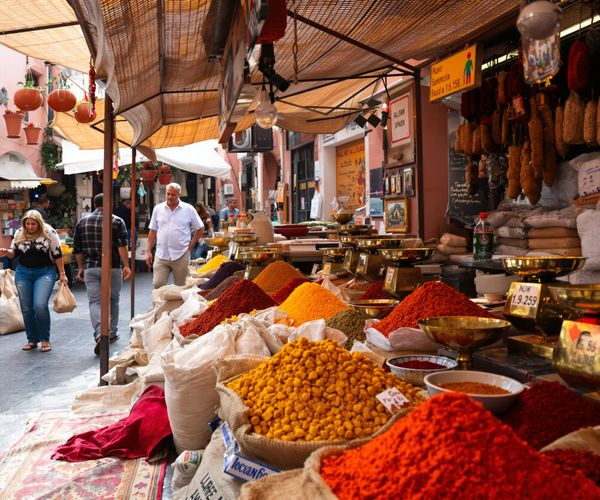
One of my favorite travel memories is from a trip to Jamaica a few years ago. I captured {image1} a stunning sunset over Negril's famous Seven Mile Beach. The colors were simply incredible, and the atmosphere was electric. It's a photo that I'll always cherish.
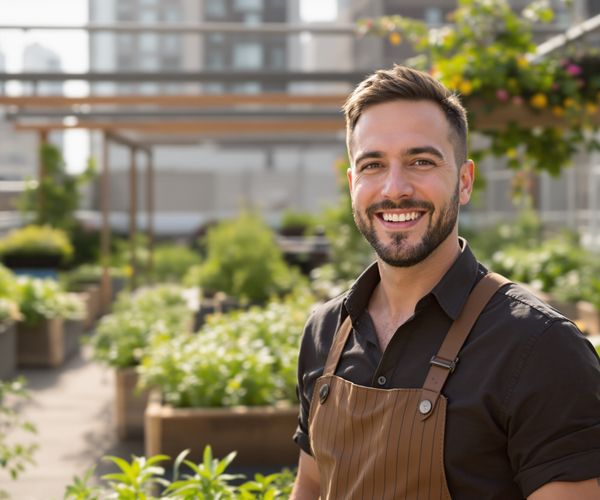
My Caribbean background also influences my preference for sustainable and culturally immersive travel experiences. I believe that it's important to travel responsibly and to support local communities whenever possible. This is reflected in my photos, which often focus on the people, traditions, and natural beauty of the places I visit. {image2}
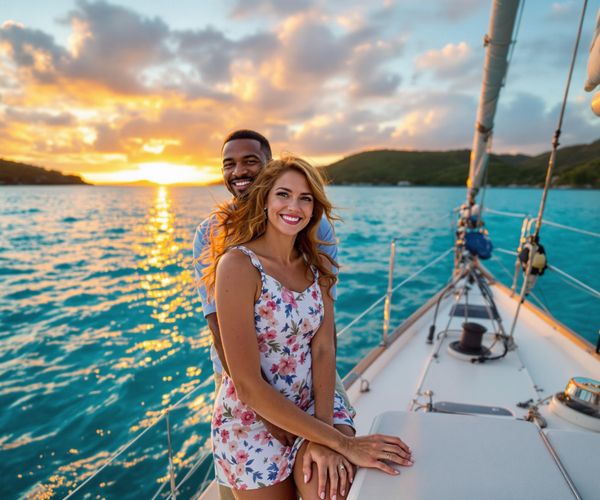
Of course, I don't travel alone. My wife, Olivia, is my constant companion and fellow adventurer. We love exploring new places together, and we always make sure to capture our shared experiences through photography. {image3} Olivia has an amazing eye for detail, and she often spots things that I miss. Her perspective adds a whole new dimension to our travel photos.
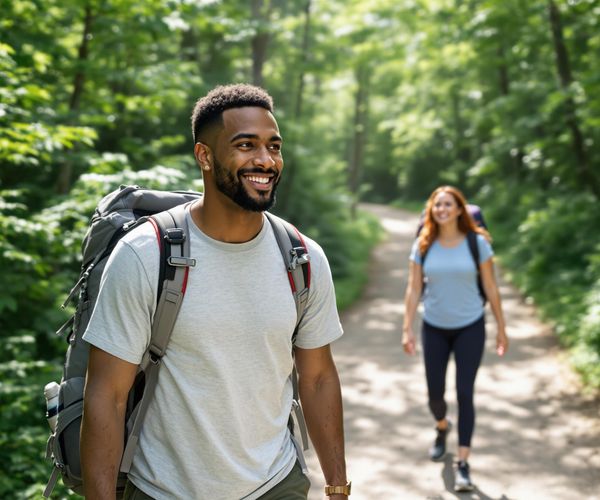
Finally, my work as an urban planner also informs my perspective when photographing cities and communities. I'm fascinated by the way people interact with their environment, and I'm always looking for ways to capture the unique character of a place through my photos. Whether it's the bustling streets of Toronto or the quiet alleyways of a small Caribbean village, I try to tell a story about the people who live there and the spaces they inhabit. {image4}
Explore essential travel photography tips and gear recommendations from Canon EOS to editing techniques. Discover how to capture stunning travel photographs with insights from a pro.