As an urban planner with Caribbean roots and a passion for sustainable living, I've always believed that travel is more than just ticking off destinations on a list. It's about connecting with people, understanding their stories, and respecting their cultures. Join me as we explore how to immerse ourselves in local communities respectfully, creating meaningful experiences that benefit both travelers and hosts.
Understanding Cultural Immersion
Cultural immersion goes beyond simply visiting a place; it's about actively engaging with the local way of life. It means stepping outside your comfort zone, opening your mind, and embracing the unfamiliar. It involves interacting with locals, learning about their traditions, and participating in their daily routines. Cultural exchange benefits both travelers and local communities by fostering mutual understanding and appreciation. Travelers gain a deeper understanding of the world, while local communities have the opportunity to share their culture and traditions. It's a two-way street built on respect, understanding, and genuine curiosity.
Research and Preparation Before You Go
Before embarking on your journey, take the time to research your destination's culture, customs, and traditions. Understanding local etiquette is crucial for showing respect and avoiding unintentional offense. Guidebooks, travel websites, and cultural organizations are valuable resources for learning about local customs and social norms. Learning basic phrases in the local language can greatly enhance your interactions with locals and demonstrate your willingness to connect with them on a deeper level. Even a simple hello or thank you can go a long way in building rapport and showing respect.
Engaging with Local Communities
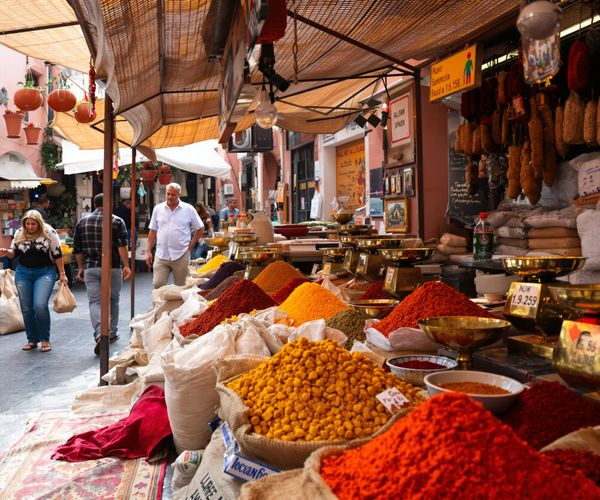
One of the best ways to immerse yourself in a culture is by connecting with locals authentically. Attend community events and festivals to experience local traditions firsthand. Support local businesses, artisans, and restaurants by purchasing their products and services. Choosing locally-owned accommodations like guesthouses or homestays provides opportunities to interact with local families and learn about their way of life. These interactions can lead to meaningful connections and unforgettable experiences.
Respecting Traditions and Customs
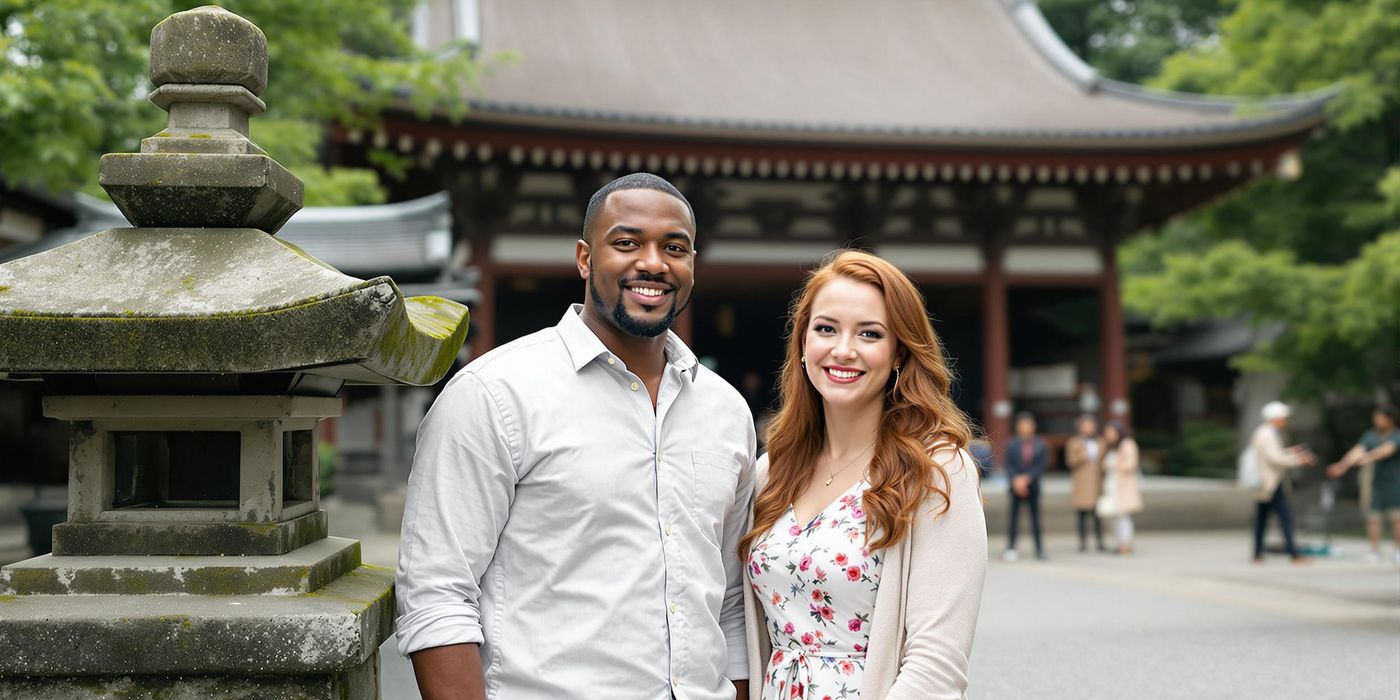
Respecting local traditions, social norms, and cultural sensitivities is paramount when engaging with local communities. Be mindful of appropriate behavior in public spaces, including dress codes and etiquette. Research local customs regarding greetings, dining, and gift-giving to avoid unintentional offense. When visiting sacred sites and religious places, dress modestly and follow any guidelines or restrictions in place. Remember that you are a guest in their community, and it's essential to show respect for their beliefs and practices.
Practicing Responsible Tourism
Responsible tourism is about minimizing your environmental impact and supporting local communities. Choose eco-friendly accommodations and transportation options whenever possible. Be mindful of your consumption habits, such as reducing waste and conserving resources. Support local conservation efforts by participating in activities like tree planting or beach cleanups. Practice ethical photography by seeking permission before taking photos of people and respecting their privacy. Remember that your actions can have a significant impact on the environment and the local community.
Handling Cultural Differences and Misunderstandings
Cultural differences are inevitable when traveling, but they can also be opportunities for learning and growth. Approach cultural differences with an open mind and a willingness to learn. If you encounter a cultural misunderstanding or faux pas, apologize sincerely and seek clarification. Avoid stereotypes and preconceived notions about other cultures, and be open to challenging your own assumptions. Remember that communication is key to resolving misunderstandings and building bridges between cultures.
The Role of Cultural Exchange in Sustainable Development
Cultural exchange can play a vital role in the economic and social development of local communities. Sustainable tourism can empower local communities by providing economic opportunities and preserving cultural heritage. Support community-based tourism initiatives that promote cultural preservation and economic empowerment. By choosing to travel responsibly and engage with local communities respectfully, you can contribute to a more sustainable and equitable world.
Explore how to connect with local communities authentically, emphasizing respect and mutual understanding for enriching travel experiences.