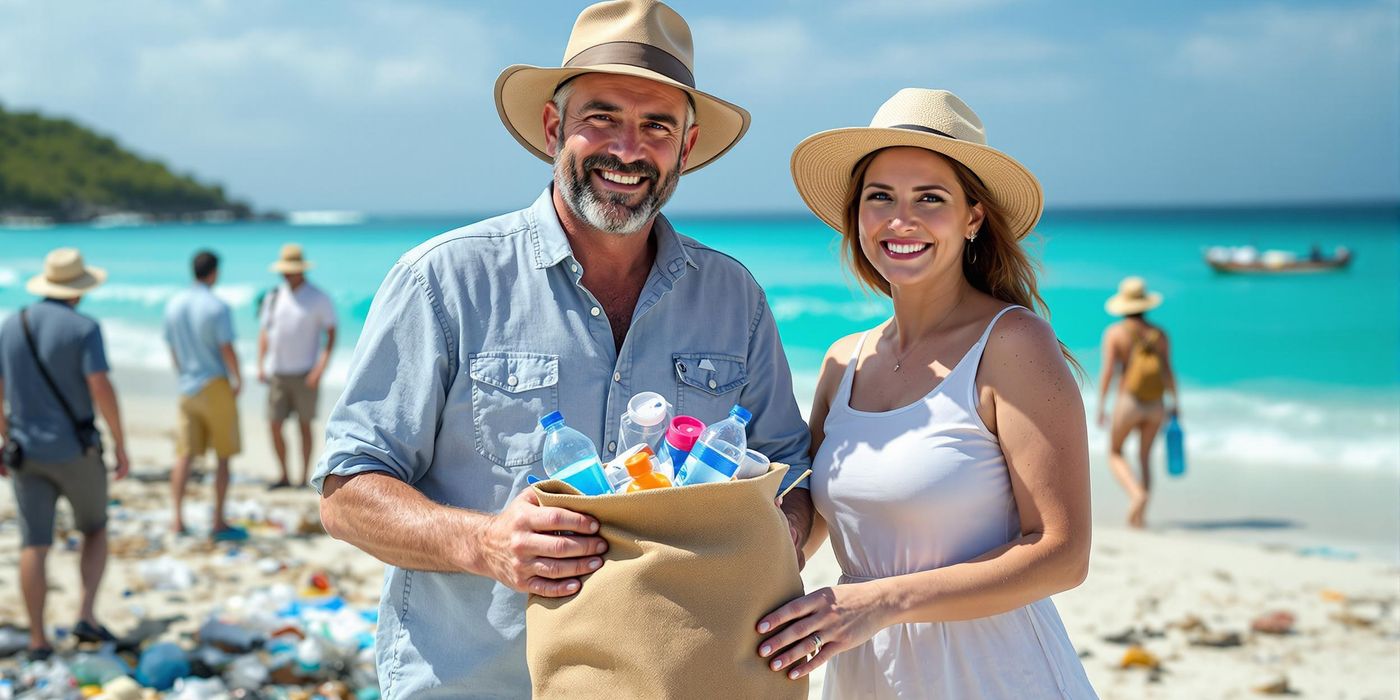
G'day, travel enthusiasts! David Smith here, your friendly marine biologist and avid explorer. Today, let's dive into the captivating world of coastal ecosystems. These unique environments, where land meets sea, are not only teeming with life but also play a crucial role in our planet's health. Join me as we explore their wonders and learn how to explore them responsibly.
Understanding Coastal Ecosystems: A Marine Biologist's Perspective
Coastal ecosystems are dynamic interfaces where terrestrial and marine environments intertwine. They are vital for supporting a vast array of life, from microscopic plankton to majestic marine mammals. Think of them as the bustling cities of the natural world, each with its unique character and inhabitants.
We're not just talking about sandy beaches here. Coastal ecosystems encompass a wide variety of habitats:
- Coral reefs, the rainforests of the sea, bursting with color and biodiversity.
- Mangrove forests, the guardians of the coast, protecting shorelines from erosion and providing nurseries for countless species.
- Salt marshes, the tidal wetlands, acting as natural filters and havens for migratory birds.
- Seagrass meadows, the underwater prairies, providing food and shelter for marine life.
- Estuaries, where rivers meet the sea, creating a unique mix of fresh and saltwater.
- Sandy beaches and rocky shores, each supporting unique communities of organisms adapted to the harsh conditions.
- Lagoon floors, islands, open water, freshwater wetlands, forested floodplains, heath and shrublands, grass and sedgelands, woodlands, forests and rainforests all contribute to the rich tapestry of coastal life.
These ecosystems perform a multitude of ecological functions:
- Water distribution, ensuring the availability of freshwater resources.
- Providing food and habitat for a diverse range of species.
- Nutrient and chemical cycling, maintaining the delicate balance of the marine environment.
The biodiversity within coastal ecosystems is truly remarkable. From colorful fish darting among coral reefs to shorebirds foraging along the shoreline, these habitats support an incredible web of life. They play a crucial role in supporting marine life, acting as breeding grounds, nurseries, and feeding areas for many species. They also provide essential ecosystem services, such as carbon sequestration, prevention of erosion, moderation of extreme weather events, fisheries, and cultural significance. In fact, coastal wetlands can store up to 50 times more carbon than terrestrial forests!
Threats to Coastal Ecosystems: A Call for Responsible Exploration
Unfortunately, these vital ecosystems face numerous threats, many of which are exacerbated by human activities. Understanding these threats is the first step towards responsible exploration.
Major threats include:
- Climate change, with its rising sea levels, ocean acidification, and increasing temperatures, is altering coastal habitats at an alarming rate.
- Pollution, including plastic waste, agricultural runoff, and wastewater, contaminates coastal waters and harms marine life.
- Overfishing depletes fish stocks and disrupts the delicate balance of marine food webs.
- Coastal development destroys habitats and alters natural processes.
These threats have a devastating impact on the health and resilience of coastal habitats. Coral reefs are bleaching and dying, mangrove forests are being cleared for development, and fish populations are declining. Tourism, while often beneficial, can exacerbate these threats if not managed responsibly. Habitat destruction, disturbance of wildlife, and increased pollution are just some of the potential negative impacts.
Responsible Travel Practices: Minimizing Our Footprint
As travelers, we have a responsibility to minimize our impact on coastal ecosystems. Here are some practical tips to help you explore these environments responsibly:
- Choose eco-friendly accommodations. Look for certifications like LEED, Green Key, or EarthCheck, and prioritize locally-owned businesses that support the community.
- Reduce plastic use. Bring reusable water bottles, shopping bags, and utensils, and avoid single-use plastics whenever possible. Choose reef-safe sunscreen to protect coral reefs from harmful chemicals. Many sunscreens contain chemicals like oxybenzone and octinoxate that are toxic to coral.
- Respect wildlife and habitats. Maintain a safe distance from animals, avoid disturbing their natural behavior, and never stand on coral reefs.
- Support local businesses and communities. Buy locally sourced products, eat at local restaurants, and engage with the local culture.
- Participate in beach cleanups and conservation initiatives. Many organizations offer opportunities to volunteer your time and help protect coastal environments.
- Choose sustainable transportation options. Walk, bike, or use public transport whenever possible. If you need to drive, consider renting an electric or hybrid vehicle.
- Opt for responsible tour operators. Look for companies that prioritize eco-friendly practices, limit visitor numbers, and provide marine conservation education.
Engaging with Conservation: Opportunities for Eco-Conscious Travelers
Want to take your commitment to the next level? There are many opportunities for travelers to actively engage in coastal conservation efforts.
- Volunteer for conservation programs. Participate in marine life monitoring, coral reef restoration, or community education projects.
- Participate in citizen science projects. Collect data, identify species, and contribute to scientific research.
- Support marine protected areas and conservation organizations. Donate to organizations working to protect coastal ecosystems.
- Contribute to mangrove reforestation projects. Help restore these vital habitats by planting mangrove seedlings.
- Join marine debris clean-up dives. Remove plastic and other debris from the ocean floor.
Consider supporting initiatives like WWF's Coastal Communities Initiative, which works to empower local communities to protect coastal resources, and the Blue Carbon Initiative, which focuses on the role of coastal ecosystems in carbon sequestration. There are also many community-led conservation efforts around the world, such as the work being done by local communities in Fiji to protect their coral reefs.
Experiencing Coastal Ecosystems: Destinations and Activities
Now for the fun part: exploring these incredible ecosystems! Here are a few destinations that offer opportunities to experience diverse coastal environments responsibly:
- The Great Barrier Reef (Australia). Explore the world's largest coral reef system with responsible tour operators who prioritize reef conservation.
- The Azores (Portugal). Discover volcanic islands with unique marine biodiversity and opportunities for whale watching.
- Belize. Snorkel or dive in the Belize Barrier Reef, a UNESCO World Heritage Site, and support local conservation efforts.
- Costa Rica. Explore mangrove forests, sea turtle nesting sites, and pristine beaches while supporting eco-tourism initiatives.
- Gili Islands (Indonesia). Dive or snorkel among vibrant coral reefs and participate in beach cleanups.
When engaging in activities like snorkeling, diving, kayaking, or whale watching, always choose responsible tour operators who follow eco-friendly practices. Remember to respect local guidelines and regulations to protect marine environments.
I recall a trip to the Gili Islands a few years back. The vibrant coral reefs were breathtaking, but I also witnessed firsthand the impact of plastic pollution on the beaches. It was a stark reminder of the importance of responsible travel. On that trip, Emily and I made a point of joining a local beach cleanup and supporting businesses that were committed to sustainability.
So, pack your bags, grab your reusable water bottle, and get ready to explore the wonders of coastal ecosystems. Let's all do our part to protect these vital environments for future generations!
Explore coastal ecosystems responsibly! Marine biologist David Smith shares tips on eco-friendly travel, conservation, and destinations like the Great Barrier Reef.