There's nothing quite like the thrill of exploring a new place, and for me, that thrill is amplified tenfold when it comes to discovering the local cuisine. It's more than just eating; it's about immersing yourself in the culture, understanding the history, and connecting with the people who call that place home. So, grab your fork and your sense of adventure, because we're about to dive headfirst into the delicious world of navigating local cuisine.
Embracing the Unknown: Why Local Cuisine Matters
As a marine biologist, I've always been fascinated by ecosystems – how everything is interconnected and plays a vital role. Food is much the same; it's a reflection of the local environment, the history of the people, and their traditions. Trying local cuisine isn't just about ticking off a box on a list; it's about truly understanding a place. Think about it: a simple bowl of pho in Vietnam tells a story of French colonial influence, local ingredients, and centuries of culinary evolution.
I remember once in a small coastal town in Portugal, Emily and I stumbled upon a tiny, family-run restaurant. We didn't recognize half the items on the menu, but we decided to be adventurous and ordered something called “Cataplana.” What arrived was a stunning copper pot filled with a seafood stew bursting with flavors of the Atlantic. It was an explosion of taste that we still reminisce about. These are the moments that truly enrich a travel experience, offering a deeper connection than any postcard ever could.
Decoding the Menu: Your Culinary Compass
Let's face it, deciphering a foreign menu can be daunting. You're staring at a list of words you've never seen before, wondering if you're about to accidentally order something… unexpected. Fear not! The first step is to embrace the unknown. Don't be afraid to ask questions. Locals are usually proud of their cuisine and happy to explain dishes to curious travelers.
Translation apps and phrasebooks are your best friends here. Whip out your phone and use Google Translate (or similar) to get a general idea of what things are. Keep an eye out for common ingredients. For example, if you're in Italy, you'll likely see a lot of dishes featuring tomatoes, basil, and olive oil. If you're in Southeast Asia, expect to encounter fish sauce, lemongrass, and chili peppers. Understanding these regional staples can help you narrow down your choices.
Don't hesitate to ask for recommendations! A simple “What's good here?” can go a long way. And if you're feeling particularly brave, ask them to surprise you! You might just discover your new favorite dish.
Dining Etiquette: Respecting Local Customs
Understanding local dining etiquette is crucial for a respectful and enjoyable culinary experience. What's considered polite in one culture might be offensive in another. For example, in some Asian countries, it's customary to eat with chopsticks, and there are specific rules about how to use them. Sticking your chopsticks upright in a bowl of rice, for instance, is a big no-no, as it resembles a funeral ritual.
Tipping practices also vary widely. In North America, tipping is expected, while in Japan, it's often seen as rude. Dress codes can also differ. While a casual outfit might be acceptable at a street food stall, a more formal attire might be required at a high-end restaurant. A little research beforehand can save you from committing a cultural faux pas. I always try to observe what the locals are doing and follow their lead. It's a simple way to show respect and avoid unintentional offense.
Venturing Beyond the Tourist Traps: Finding Authentic Flavors
The best culinary experiences often lie hidden away from the well-trodden tourist paths. While those restaurants near major attractions might be convenient, they often cater to a more generic palate and lack the authenticity of local eateries.
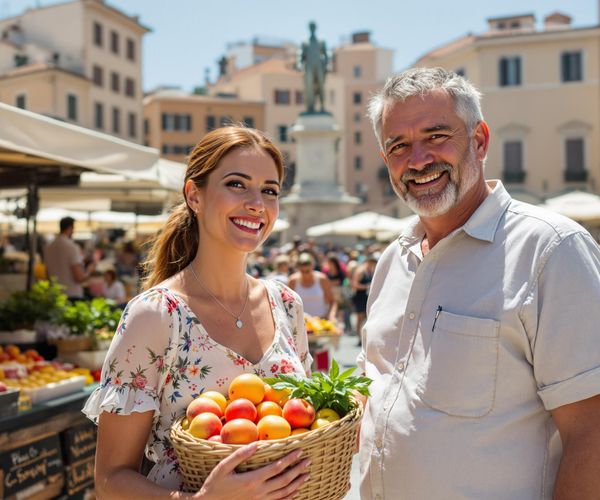
Seek out local markets. They’re vibrant hubs of activity, filled with fresh produce, local delicacies, and the sounds of daily life. Street food vendors are another fantastic option. They often serve up some of the most delicious and affordable food you'll find. Look for places where locals are eating – that's usually a good sign of quality and authenticity. Don't be afraid to wander down side streets and explore neighborhoods away from the main tourist areas. These are often where you'll find the hidden culinary gems. I recall finding a tiny family-run noodle shop in Kyoto, Japan, tucked away in a quiet alley. The noodles were handmade, the broth was rich and flavorful, and the experience was unforgettable.
Must-Try Dishes: A Biologist's Perspective
As a marine biologist, I'm particularly fascinated by how local ingredients reflect the region's ecosystem. Take, for example, the prevalence of seafood in coastal regions. In Newfoundland, Canada, cod has been a staple for centuries, shaping the local economy and culture. The preparation methods, from salt cod to fish and chips, reflect the region's history and resourcefulness.
Sustainable seafood choices are also important. When traveling, I try to seek out restaurants that prioritize locally sourced and sustainably caught seafood. One dish that always intrigues me is ceviche, popular in Latin American countries. The process of “cooking” the fish with citrus juice is a fascinating example of how chemistry can transform ingredients. The specific types of fish used, the addition of local herbs and spices, and the overall presentation can vary greatly from region to region, showcasing the diversity of local ecosystems and culinary traditions. I had some amazing Ceviche in Ecuador when visiting the Galapagos Islands to study Marine Iguanas.
Handling the Unexpected: Food Allergies and Dietary Restrictions
Traveling with food allergies or dietary restrictions can be challenging, but it doesn't have to be a barrier to enjoying local cuisine. The key is to be prepared and proactive. Before you travel, research common ingredients and potential allergens in the region you're visiting. Carry allergy cards or translations of your dietary restrictions in the local language. There are numerous apps available that can help with this.
When dining out, communicate your needs clearly to the staff. Don't be afraid to ask questions about ingredients and preparation methods. If you're unsure about something, it's always better to err on the side of caution. In some cases, you might need to be flexible and adapt your choices. Look for dishes that naturally align with your dietary needs or ask if substitutions are possible. With a little planning and communication, you can navigate dietary restrictions and still enjoy the culinary delights of your destination.
Discover tips for exploring local cuisines while traveling. Learn how to navigate menus, respect dining etiquette, and handle dietary restrictions for a fulfilling culinary adventure.