As a marine biologist, I've spent my life exploring the world's oceans and coastlines. My travels, often with my wife Emily, have taken me to some truly remarkable places. But over the years, I've come to realize that the most rewarding travel experiences aren't just about ticking off famous landmarks. They're about connecting with the people who call these places home, understanding their culture, and contributing positively to their lives. In this article, I want to share some thoughts on how you can travel with a purpose and engage meaningfully with local communities.
Beyond the Tourist Trail: Why Engage Locally?
Let's be honest, the typical tourist experience can sometimes feel a bit… superficial. We rush from one attraction to another, snapping photos and buying souvenirs, but often missing the heart and soul of a place. Engaging with local communities offers a far richer and more authentic experience. It allows you to see a destination through the eyes of its people, to learn about their traditions, and to understand their challenges and triumphs.
Moreover, engaging locally has a direct, positive impact on the communities you visit. By supporting local businesses and initiatives, you're helping to boost their economies and preserve their cultural heritage. You're contributing to a more sustainable and equitable form of tourism, one that benefits both travelers and hosts.
Respect and Reciprocity: The Foundation of Meaningful Engagement
Before you even set foot in a new place, it's crucial to do your homework. Learn about the local customs, traditions, and values. What is considered polite? What is taboo? Understanding these nuances will help you avoid unintentional offense and show respect for the local culture. For example, Emily and I always try to learn a few basic phrases in the local language. Even a simple hello or thank you can go a long way.
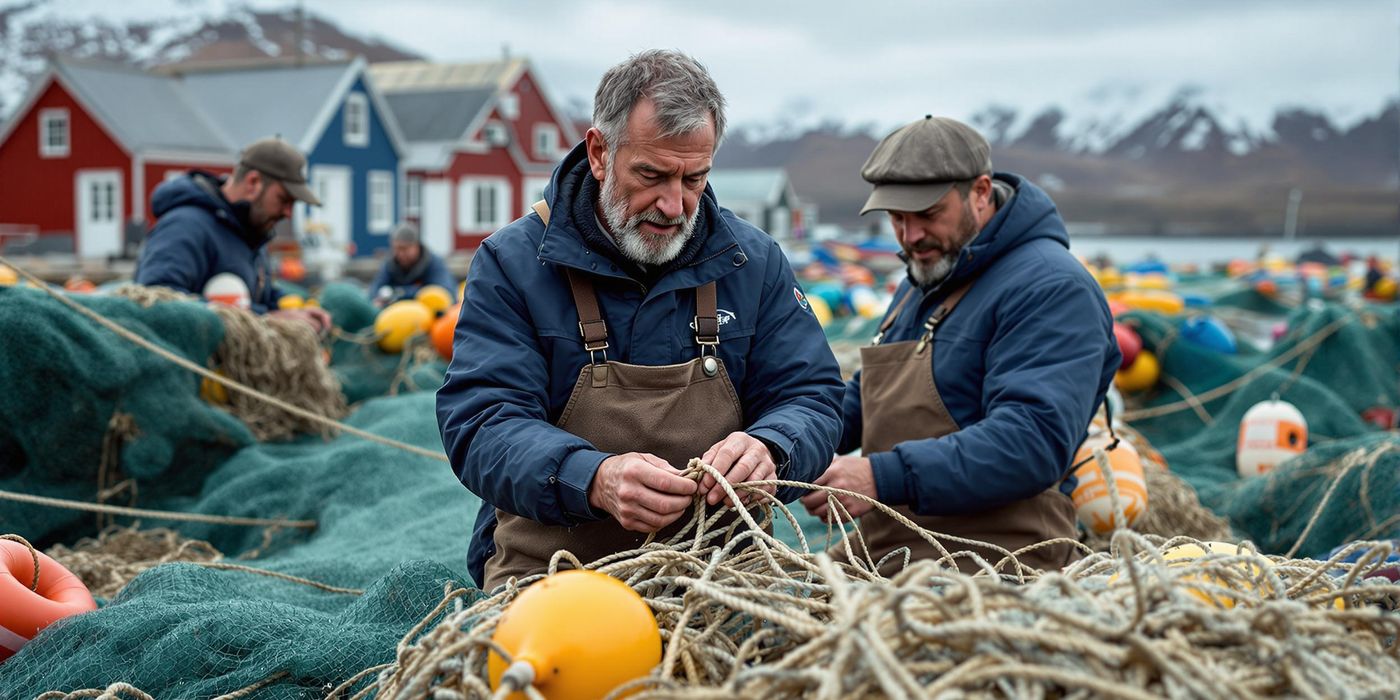
Equally important is the concept of reciprocity. Travel shouldn't be a one-way street. Think about what you can give back to the communities you visit. This could be as simple as volunteering your time, donating to a local charity, or even just sharing your skills and knowledge. When we visited a small fishing village in Iceland, I offered to help some of the fishermen repair their nets, drawing on some knot-tying skills I'd picked up during my marine biology research.
Supporting Local Economies: Where Your Money Goes Matters
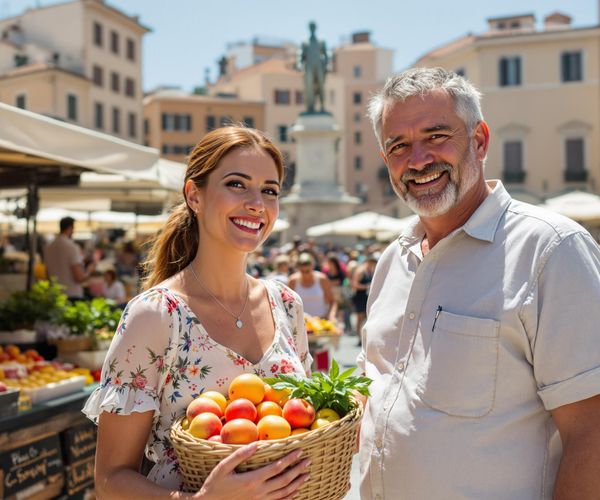
One of the most direct ways to engage with local communities is to support their economies. This means choosing local businesses over international chains whenever possible. Eat at family-run restaurants, buy handicrafts from local artisans, and stay in locally owned guesthouses. Not only will you be supporting the local economy, but you'll also have a more authentic and memorable experience. For instance, instead of staying at a large hotel chain in Costa Rica, Emily and I opted for a small eco-lodge run by a local family. We learned so much about the local flora and fauna from them, and we knew that our money was directly benefiting the community.
Look for fair trade products, which ensure that producers receive a fair price for their goods. Seek out community-based tourism initiatives, where the revenue directly benefits the community. These initiatives can range from guided tours led by local residents to cultural centers that showcase traditional arts and crafts.
Immersive Experiences: Connecting Through Culture
To truly connect with a local culture, you need to immerse yourself in it. Take a cooking class and learn to prepare traditional dishes. Attend a language lesson and try to communicate with locals in their own tongue. Participate in a traditional craft workshop and learn a new skill. These activities not only provide you with a unique experience, but also allow you to interact with locals on a deeper level.
Don't be afraid to strike up conversations with locals and ask them about their lives. Share your own stories and experiences. You might be surprised at how much you have in common. When Emily and I were in Morocco, we spent an afternoon chatting with a local carpet weaver. We learned about the history of carpet weaving in his family and the challenges he faced in preserving this traditional art. It was a truly unforgettable experience.
Responsible Tourism: Minimizing Your Impact
As travelers, we have a responsibility to minimize our environmental and social impact. This means respecting natural resources, conserving energy, reducing waste, and supporting sustainable practices. When visiting fragile ecosystems, such as coral reefs or rainforests, be extra careful not to disturb the environment. Choose eco-friendly tour operators and accommodations that prioritize sustainability.
Be culturally sensitive and avoid actions that could harm local communities. Dress modestly, respect local customs, and be mindful of your behavior. Avoid taking photos of people without their permission and be respectful of sacred sites. In some cultures, bargaining is expected, while in others it is considered rude. Do your research and be prepared to adapt to local norms.
Examples of Community-Based Tourism: Inspiration from Around the Globe
There are countless examples of successful community-based tourism initiatives around the world. In the Peruvian Amazon, indigenous communities offer eco-tours that showcase their traditional way of life and help protect the rainforest. In Nepal, village homestays provide travelers with an authentic cultural experience while generating income for local families. In South Africa, township tours offer a glimpse into the lives of residents and support local businesses.
These initiatives demonstrate the power of tourism to transform lives and communities. By supporting them, you can make a real difference in the world. Before planning your next trip, take some time to research community-based tourism options in your chosen destination. Look for initiatives that are locally owned and managed, and that have a clear positive impact on the community and the environment.
Learn how to connect with local communities during your travels and contribute positively to their culture and economy.