As a travel enthusiast and photography lover, I've learned that capturing the essence of a place goes beyond just snapping a picture. It's about telling a story, preserving a memory, and sharing a unique perspective. Over the years, I've experimented with different techniques and learned a few tricks along the way. Whether you're a seasoned photographer or just starting out with your smartphone, these tips will help you elevate your travel photography and capture unforgettable moments.
Packing the Right Gear: More Than Just a Camera
Choosing the right photography equipment can feel overwhelming, but it doesn't have to be! The best camera is the one you have with you, whether it's a high-end DSLR, a compact mirrorless camera, or your trusty smartphone. Each has its own strengths and weaknesses. DSLRs and mirrorless cameras offer incredible image quality and versatility with interchangeable lenses, perfect for those serious about their photography. Smartphones, on the other hand, are incredibly convenient and have come a long way in terms of image quality. I've captured some of my favorite travel photos with just my phone!
Beyond the camera itself, consider investing in a few essential accessories. A versatile zoom lens can be a great option for capturing a variety of scenes, from landscapes to portraits. A sturdy tripod is invaluable for low-light situations and capturing sharp landscape shots. Filters, such as polarizing filters and neutral density filters, can help you control light and reduce glare. Don't forget extra batteries and memory cards – you don't want to run out of power or storage space at a crucial moment!
When packing your gear, prioritize protection. Use padded camera bags or inserts to keep your equipment safe from bumps and scratches. Consider investing in waterproof bags or covers to protect your gear from rain or splashes. I once learned this the hard way during a sudden downpour in Iceland – thankfully, my camera survived!
Understanding Light: The Key to Stunning Travel Photos
Light is the most fundamental element of photography. It shapes the mood, reveals textures, and brings your subjects to life. Learning to understand and work with different types of light is essential for capturing stunning travel photos.
The golden hour, the period shortly after sunrise and before sunset, is a photographer's best friend. During this time, the light is soft, warm, and diffused, creating a magical atmosphere. The blue hour, the period just before sunrise and after sunset, offers a cool, ethereal light that's perfect for capturing cityscapes and landscapes with a sense of tranquility. Midday sun, on the other hand, can be harsh and create strong shadows. If you have to shoot during midday, try to find shade or use a polarizing filter to reduce glare.
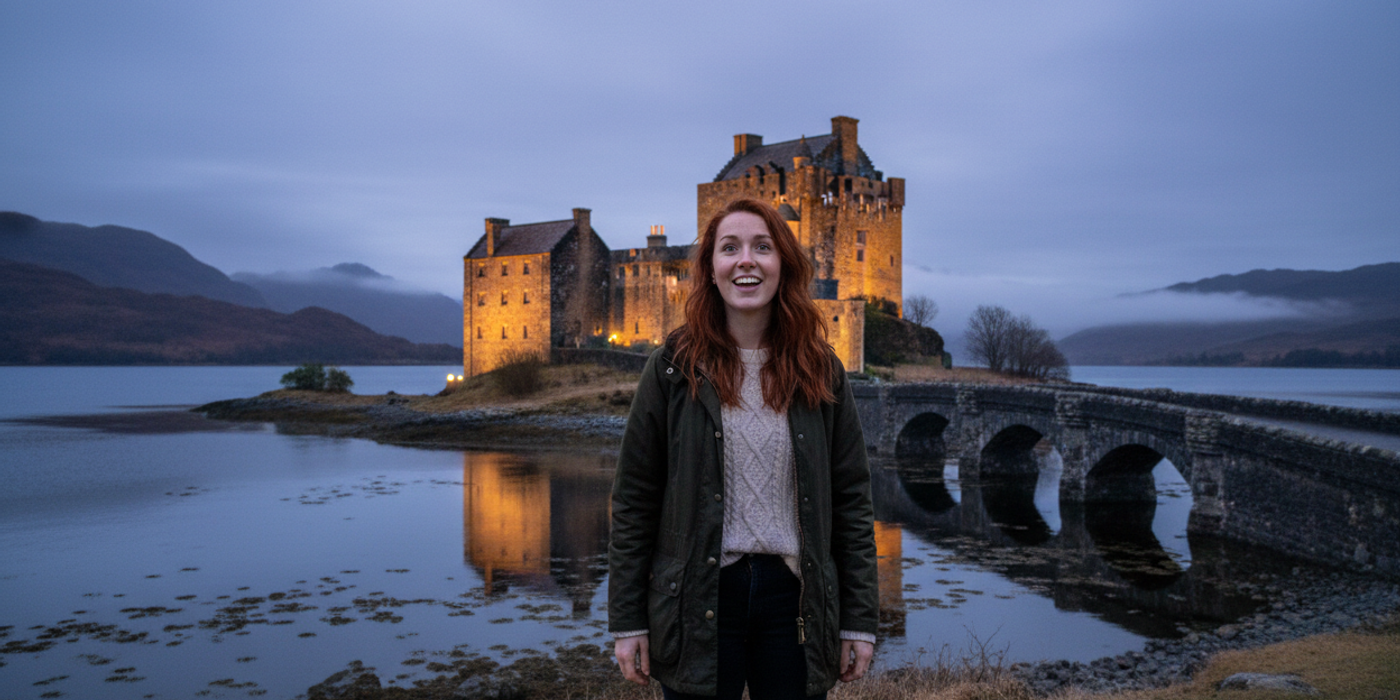
Shooting in low light can be challenging, but it can also produce stunning results. Use a tripod to keep your camera steady and experiment with longer exposures to capture more light. Increase your camera's ISO setting, but be mindful of noise. When I was in Scotland, I used a longer exposure to capture the movement of the water around Eilean Donan Castle at dusk, and it made for a dramatic photo!
Composition Techniques: Framing Your Travel Stories
Composition is the art of arranging elements within your frame to create a visually appealing and engaging image. There are several basic composition rules that can help you improve your travel photos.
The rule of thirds suggests dividing your frame into nine equal parts with two horizontal and two vertical lines. Place your key subjects along these lines or at the points where they intersect to create a more balanced and dynamic composition. Leading lines are lines that draw the viewer's eye into the image, creating a sense of depth and perspective. Roads, rivers, and fences can all serve as leading lines. Symmetry can create a sense of order and balance, while perspective can add depth and interest to your photos.
When photographing landscapes, look for interesting foreground elements to add depth and scale. When photographing cityscapes, try to find a unique vantage point or perspective. When photographing portraits, pay attention to the background and make sure it doesn't distract from your subject. I was in Paris a few years ago, and when photographing the Eiffel Tower, I made sure to kneel down in order to capture the foreground flowerbed which added depth to the shot.
Capturing Authentic Moments: Photographing People and Culture
Photographing people and culture can be one of the most rewarding aspects of travel photography. However, it's important to approach this with sensitivity and respect.
Always ask for permission before photographing someone, especially in cultures where it may be considered impolite or intrusive. Be mindful of cultural norms and customs. Learn a few basic phrases in the local language to show your respect and make it easier to communicate. Engage with locals and show genuine interest in their lives and stories. Sometimes, the best photos are the ones that capture genuine interactions and emotions. When I was in Morocco, I spent an afternoon chatting with a local artisan and learned about his craft. I asked if I could take his photo, and he happily obliged. That photo is now one of my most treasured travel memories.
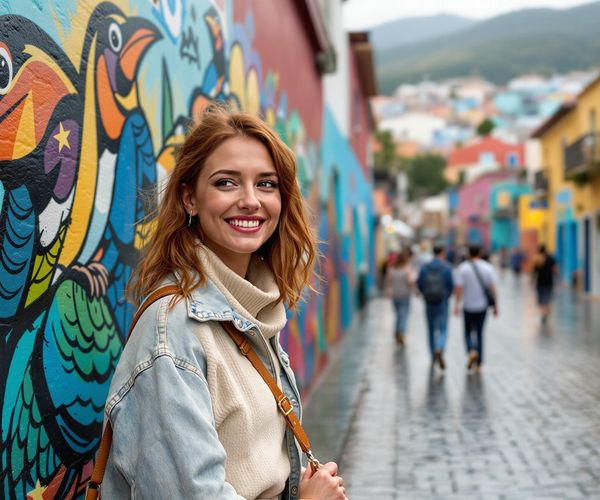
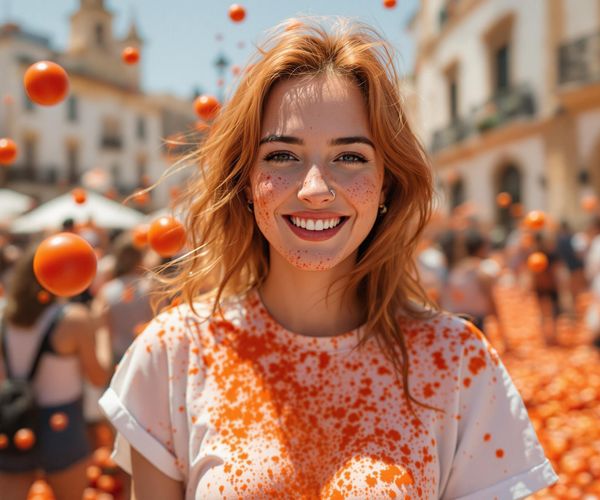
Tell stories through your photos by focusing on emotions, expressions, and cultural details. Capture the everyday moments that reveal the essence of a place and its people. Photographing cultural events and festivals can be a great way to capture the vibrancy and energy of a culture.
Editing on the Go: Enhancing Your Photos with Mobile Apps
Photo editing apps have revolutionized the way we enhance our photos. With a few taps on your smartphone, you can transform a good photo into a great one. There are many excellent mobile photo editing apps available, such as VSCO, Snapseed, and Lightroom Mobile.
These apps offer a range of features, from basic adjustments like exposure, contrast, and saturation to more advanced tools like curves, selective adjustments, and healing brushes. Use these tools to enhance your photos, but avoid over-editing. The goal is to make your photos look their best while still maintaining a natural and authentic look. I generally start with adjusting the exposure and contrast, then tweak the colors and sharpness to bring out the details. I also like to use the selective adjustment tool to brighten specific areas of the photo.
Develop a consistent editing style to create a cohesive look across your travel photos. This will help you create a strong visual narrative and make your photos instantly recognizable. Most importantly, back up your photos regularly while traveling. Use cloud storage services like Google Photos or Dropbox to ensure that your photos are safe and secure. I learned this lesson the hard way when my phone was stolen during a trip to Italy. Luckily, I had backed up my photos to the cloud, so I didn't lose any precious memories!
Expert photography tips to enhance your travel experiences and capture unforgettable moments. Learn about lighting, composition, and equipment to take stunning photos.