
Bonjour, fellow travelers! Emily here, ready to whisk you away on a culinary journey around the globe. As a translator and avid explorer, I’ve found that one of the most rewarding parts of traveling is diving headfirst into the local cuisine. It’s not just about eating; it’s about experiencing a culture, understanding its history, and connecting with its people. So, grab your forks (and maybe some antacids!), and let’s explore the delicious world of culinary adventures.
The Joy of Culinary Exploration
For me, food is more than just sustenance; it’s a passport to another world. I remember the first time I tried escargots in Lyon. I was hesitant, but Jean-Pierre, my ever-encouraging husband, convinced me to take a bite. The rich, garlicky flavor was a revelation! It opened my eyes to a whole new appreciation for French cuisine. And it’s not just about fancy dishes. Simple street food, like the crispy banh mi I devoured in Vietnam, or the perfectly seasoned tacos I savored in Mexico, can be just as transformative. These experiences aren’t just about taste; they’re about understanding the stories behind the food, the traditions that have shaped it, and the people who create it with such passion.
Food is a universal language. Sharing a meal can break down barriers and create connections that transcend words. When you’re sitting at a table with locals, sharing their food, you’re showing them respect and demonstrating a willingness to learn. This simple act can lead to incredible conversations and lasting friendships.
Finding Authentic Dining Experiences
So, how do you find these authentic culinary gems? The key is research! Before I even book a flight, I start digging into the local cuisine. I scour food blogs, read travel guides, and watch documentaries. Websites like Eater and local tourism boards are fantastic resources. For example, before our trip to Italy last year, I spent hours researching regional specialties and hidden trattorias.
But the best advice often comes from the locals themselves. Don’t be afraid to ask your hotel staff, taxi drivers, or shopkeepers for recommendations. They know the best spots that are off the beaten path. During our stay in Marrakech, a friendly shop owner directed us to a tiny, family-run restaurant in the medina where we had the most incredible tagine of our lives. It was an experience we never would have found in a guidebook.
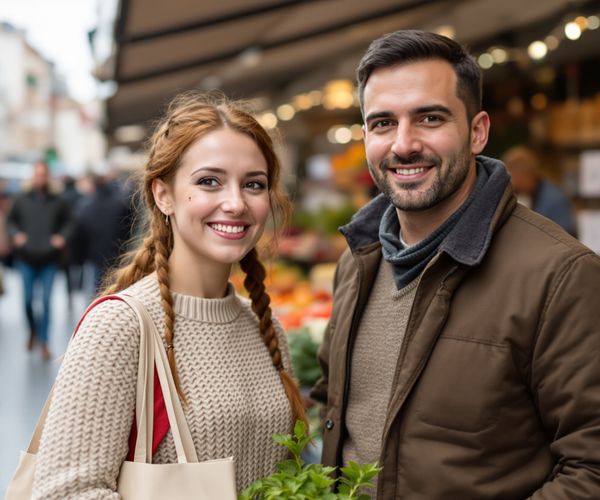
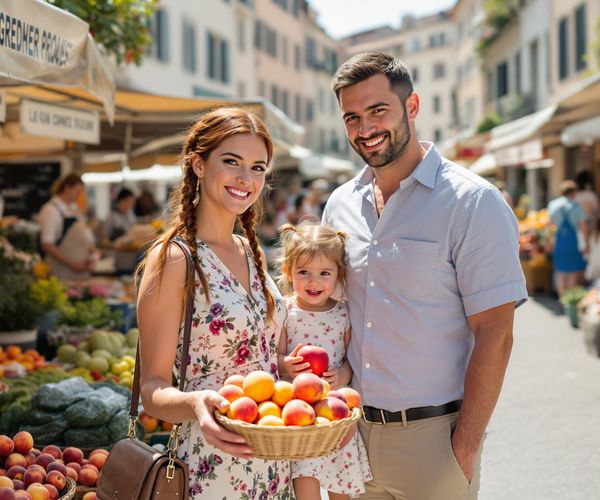
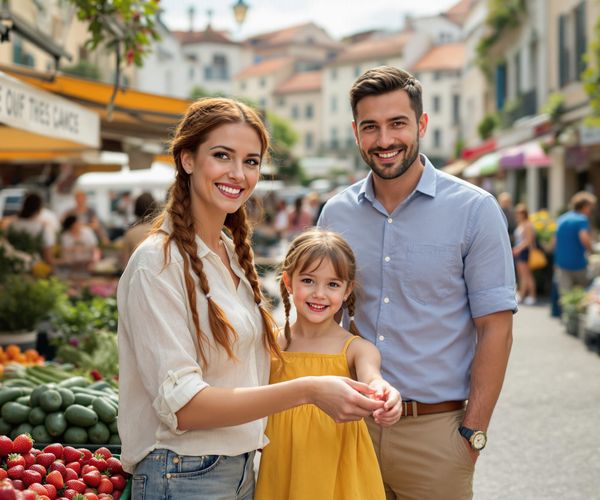
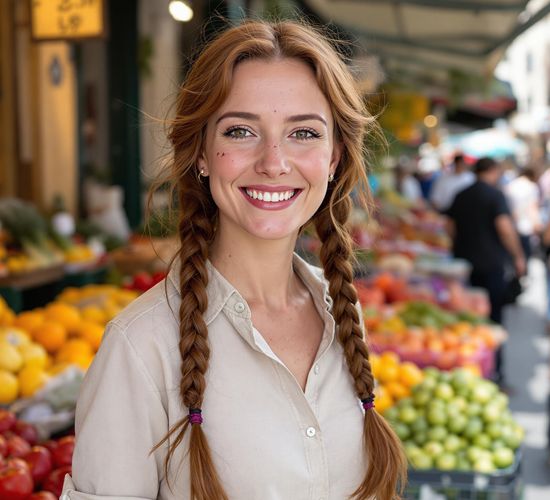
Another tip? Visit local markets. They're a feast for the senses! You'll discover unique ingredients, sample local produce, and interact with vendors who are passionate about their products. Plus, it's a great way to get a feel for the local culture. In Lyon, I love wandering through the Marché de la Croix-Rousse, sampling cheeses, and chatting with the farmers.
Consider culinary tours and cooking classes. These are fantastic ways to immerse yourself in the local food scene. You’ll learn about the history of the cuisine, master new techniques, and, of course, enjoy some delicious food. I took a pasta-making class in Bologna, Italy, and it was one of the highlights of our trip. I now make fresh pasta at home, and it always brings back fond memories of our Italian adventure.
Navigating Dietary Restrictions and Preferences
Now, let’s talk about dietary restrictions. Traveling with allergies or specific dietary needs can be challenging, but it doesn't have to hold you back from exploring new cuisines. The key is to plan ahead. Before you go, research the available options at your destination. Are there gluten-free restaurants? Vegan cafes? Knowing what to expect will ease your anxiety and help you make informed decisions.
Communication is key. Learn a few essential phrases in the local language to explain your dietary restrictions. Allergy translation cards can also be incredibly helpful. You can find these online or create your own. I always carry a card that explains my daughter Sophie’s nut allergy in French, just in case.
Pack some snacks and meal replacements, especially if you’re traveling to a place where options might be limited. Protein bars, nuts, and dried fruit can be lifesavers when you’re on the go. And if you have the option, book accommodations with kitchen access. This will allow you to prepare some of your own meals, ensuring that you always have something safe and satisfying to eat.
There are also some great apps and websites that can help you find restaurants with dietary accommodations. Find Me Gluten Free and HappyCow are excellent resources for gluten-free and vegetarian/vegan options, respectively.
Embracing the Unexpected
Okay, let’s be honest: trying new foods can be scary. We all have our comfort zones, and stepping outside of them can be daunting. But I promise you, it’s worth it! Embrace the unexpected, be open to new flavors, and don’t be afraid to try something you’ve never heard of before.
If you’re feeling anxious, start small. Sample a tiny portion of something before committing to a whole plate. Share dishes with friends or family so you can try a variety of things without feeling overwhelmed. And remember, it’s okay if you don’t like everything you try. Not every dish is going to be a winner, and that’s perfectly fine. The important thing is that you’re willing to try.
Keep an open mind and be patient. Sometimes it takes a few tries to develop a taste for a new food. I remember the first time I tried natto in Japan. I absolutely hated it! But I kept trying it, and eventually, I started to appreciate its unique flavor and texture. Now, I actually enjoy it!
Sustainable and Ethical Eating While Traveling
Finally, let’s talk about sustainable and ethical eating. As travelers, we have a responsibility to be mindful of our impact on the environment and the local communities we visit. One of the best ways to do this is to support local businesses and farmers. Choose restaurants that prioritize local and seasonal ingredients. Visit farmers' markets and buy directly from the producers. This not only supports the local economy but also ensures that you’re eating fresh, high-quality food.
Be mindful of food waste. Order only what you can eat, and don’t be afraid to ask for a doggy bag. Inquire about the ethical practices of food production in different regions. Are the farmers being paid fair wages? Are the animals being treated humanely? By making informed choices, you can support businesses that are committed to sustainability and ethical practices.
So, there you have it! My guide to embracing new cuisines while traveling. Remember, food is more than just fuel; it’s an adventure. So, go out there, explore, and eat your heart out! Bon appétit!
Emily shares her experiences with trying new cuisines abroad, offering tips on finding authentic dining experiences, navigating dietary restrictions, and embracing the unexpected.