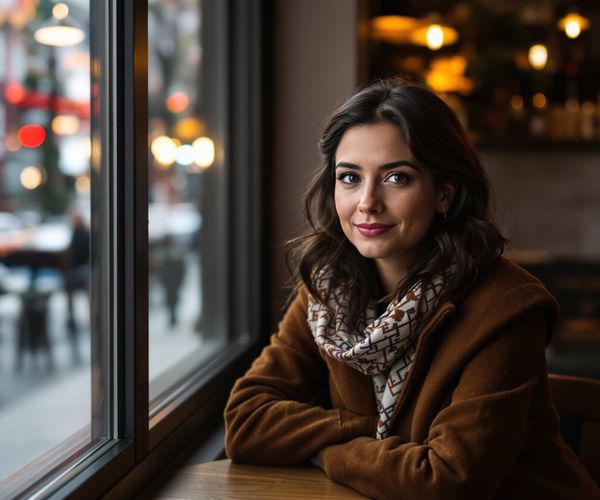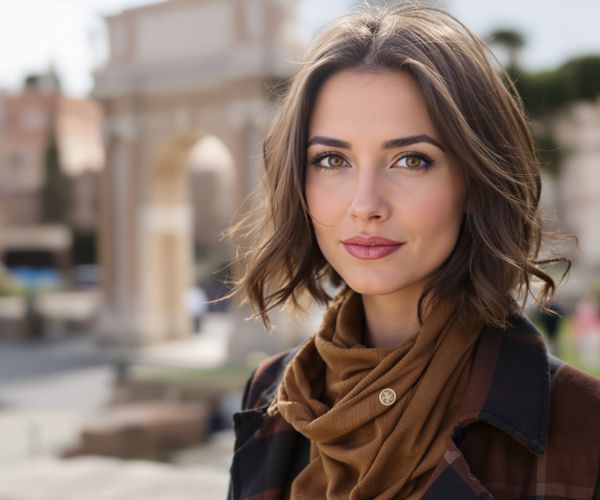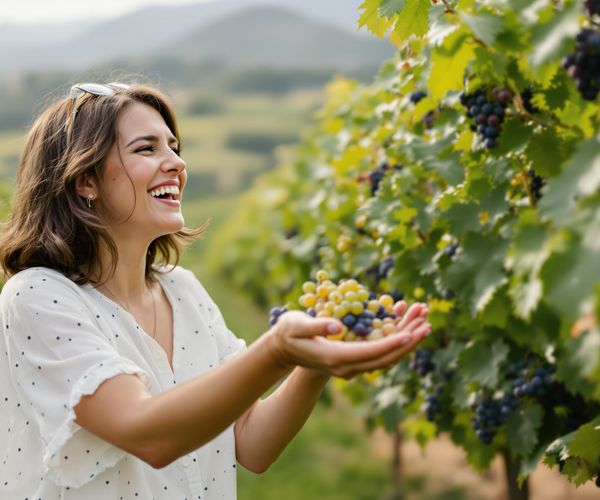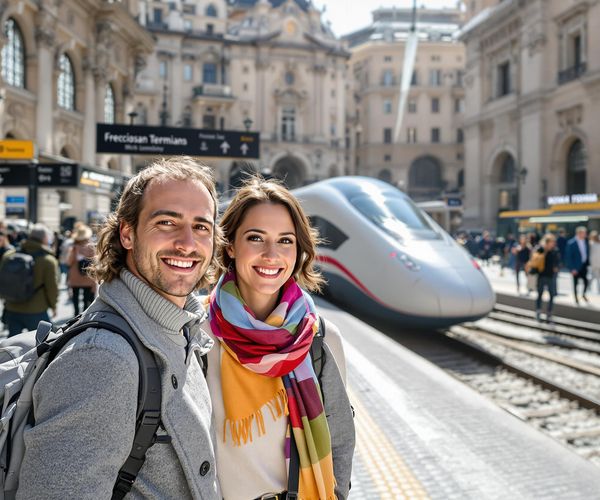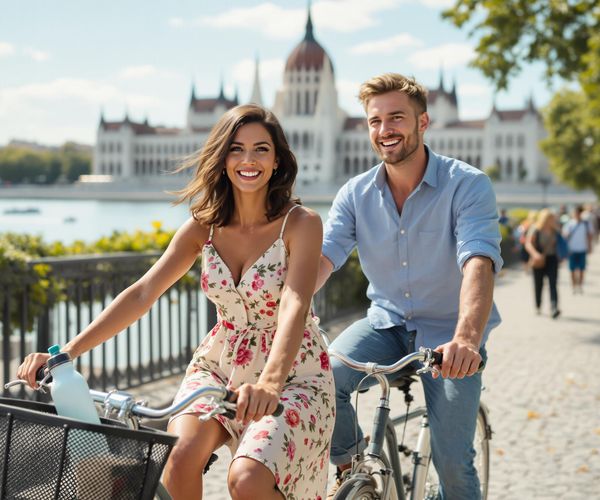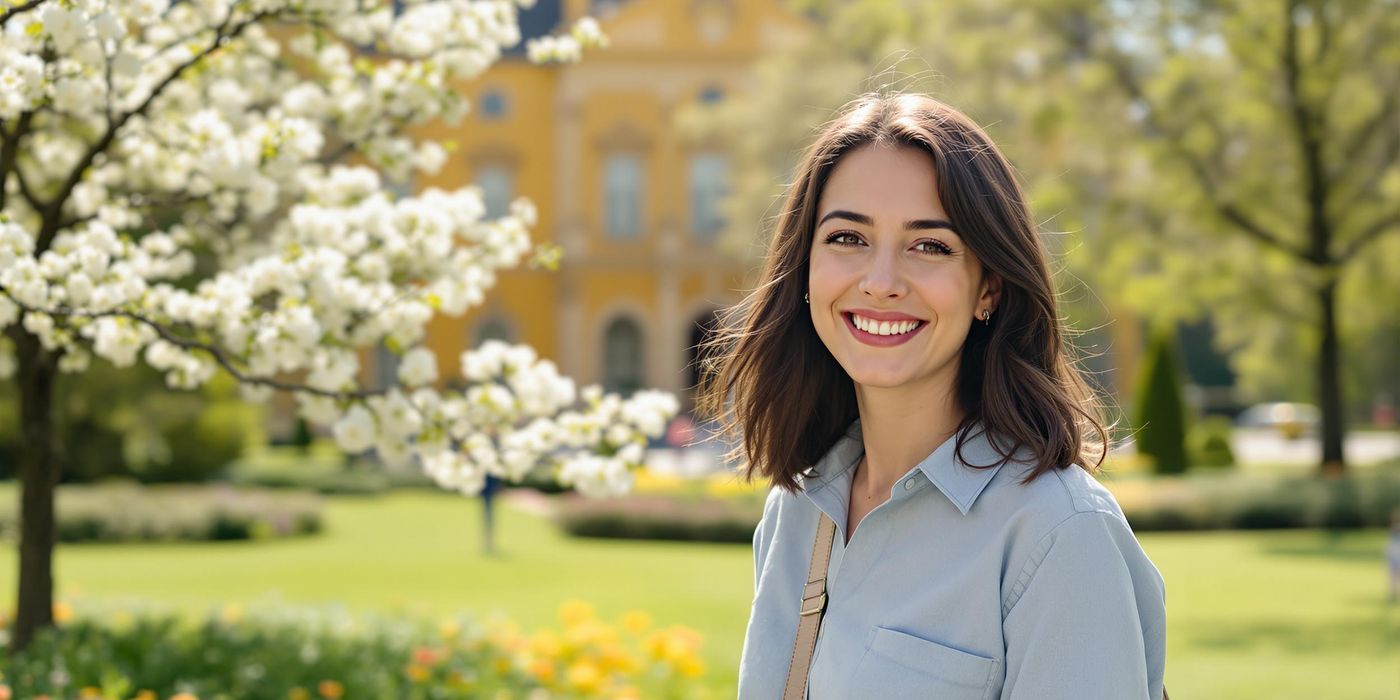
As a software developer by day and a travel blogger by hobby, I've always found that photography is the perfect way to capture the essence of my adventures. Whether I'm exploring the charming streets of Bonn, Germany, or revisiting my homeland of Hungary, a camera is my constant companion. Over the years, I've picked up a few tricks and tips that I'm excited to share with you, to help you elevate your travel photography game.
Choosing the Right Equipment: Erzsébet's Essentials
Selecting the right equipment is the first step towards capturing stunning travel photos. It's about finding the sweet spot between portability and performance. You don't want to be lugging around heavy gear, but you also need equipment that can handle various shooting scenarios.
For camera bodies, I recommend considering a mirrorless camera or a lightweight DSLR. Mirrorless cameras are generally more compact and offer excellent image quality. Lightweight DSLRs are also a good option if you prefer the feel of a traditional camera.
When it comes to lenses, versatility is key. A zoom lens, like a 24-70mm or 24-105mm, is great for capturing a wide range of subjects, from landscapes to portraits. A wide-angle lens, such as a 16-35mm, is perfect for capturing expansive scenes and architectural shots. Personally, I often bring my Sony α7 III paired with a Tamron 28-75mm f/2.8 – it’s a fantastic combination of quality and convenience.
Don't forget essential accessories like extra batteries, memory cards, a travel tripod, and a comfortable camera bag. I always carry at least two extra batteries because you never know when you'll be far from an outlet. A sturdy yet lightweight travel tripod is invaluable for low-light photography and capturing sharp images.
Understanding Light: The Golden Hours and Beyond
Light is everything in photography. Understanding how to use light to your advantage can dramatically improve your photos. The golden hours, which are the hour after sunrise and the hour before sunset, are particularly magical. During these times, the light is soft, warm, and flattering, perfect for capturing vibrant colors and textures.
Natural light is your best friend. Whenever possible, use it to your advantage. Position yourself so that the light is hitting your subject from the side or from behind to create interesting shadows and highlights. Avoid shooting in direct sunlight, which can create harsh shadows and wash out colors.
Handling harsh midday sun can be tricky. If you have to shoot during this time, try to find some shade or use a diffuser to soften the light. Overcast days can also be great for photography because the clouds act as a natural diffuser, creating soft, even lighting.
Don't forget about the blue hour, which is the hour after sunset and the hour before sunrise. During this time, the light is soft, cool, and ethereal, perfect for capturing cityscapes and landscapes with a dreamy feel. Experiment with shadows and contrast to add depth and dimension to your photos.
Composition Techniques: Framing the Story
Composition is the art of arranging elements within your frame to create a visually appealing image. There are several key composition techniques that can help you create balanced and engaging photos.
The rule of thirds is a fundamental composition technique that involves dividing your frame into nine equal parts using two horizontal lines and two vertical lines. Place your subject along these lines or at the points where they intersect to create a more dynamic composition. Leading lines, such as roads, rivers, or fences, can draw the viewer's eye into the scene and create a sense of depth. Symmetry can create a sense of balance and harmony in your photos. Look for symmetrical scenes, such as reflections in water or buildings with identical facades.
Framing involves using elements within the scene to frame your subject. This can add depth and context to your photos. For example, you could frame a mountain view with trees or a cityscape with an archway. When I was in Bonn, I loved framing shots of the Poppelsdorf Palace through the trees in the botanical garden.
Always consider your point of interest, which is the main subject of your photo. Make sure it is clear and well-defined. Creating layers in your photos can add depth and interest. Include foreground, middle ground, and background elements to create a sense of dimension. Adding foreground elements, such as flowers, rocks, or people, can add context and scale to your photos.
Capturing Unique Moments: Perspective and Storytelling
Photography is more than just capturing pretty pictures; it's about telling stories. The best travel photos capture the essence of a place and the emotions of the people who live there.
Experiment with different angles and perspectives to make your shots stand out. Get down low to the ground, climb to a high vantage point, or shoot from an unusual angle. The key is to find a perspective that is different from what everyone else is seeing. Adding a human touch to your travel photos can create a sense of scale and connection. Include people in your shots, whether they are locals going about their daily lives or fellow travelers exploring the same places as you.
During a trip to Hungary, I made it a point to capture the everyday moments – the elderly men playing chess in the park, the children laughing as they chased pigeons, the street vendors selling their wares. These are the moments that truly capture the spirit of a place.
Don't be afraid to talk to people and ask them if you can take their picture. Most people are happy to oblige, and you might even make a new friend in the process. Be respectful of local customs and traditions. Ask for permission before taking photos of people or places that might be considered sensitive.
Essential Camera Settings and Techniques
Understanding your camera's settings is crucial for capturing the perfect moment. Aperture, shutter speed, and ISO are the three main settings that control the exposure of your photos.
Aperture controls the size of the lens opening, which affects the depth of field. A wide aperture (e.g., f/2.8) creates a shallow depth of field, blurring the background and isolating your subject. A narrow aperture (e.g., f/16) creates a large depth of field, keeping everything in focus. Shutter speed controls the amount of time the camera's shutter is open, which affects the motion blur in your photos. A fast shutter speed (e.g., 1/1000 second) freezes motion, while a slow shutter speed (e.g., 1 second) blurs motion. ISO controls the sensitivity of the camera's sensor to light. A low ISO (e.g., 100) produces clean images with minimal noise, while a high ISO (e.g., 3200) allows you to shoot in low light but can introduce noise into your photos.
Use a tripod for low-light photography and achieving sharp images. A tripod allows you to use slow shutter speeds without introducing camera shake. Familiarize yourself with your camera's settings. The more you practice, the more comfortable you'll become with adjusting the settings on the fly.
Post-Processing Tips: Enhancing Your Images
Post-processing is the final step in the photography process. It involves using editing software to enhance your photos and bring out their full potential.
Adjusting exposure, contrast, and colors can make a big difference in the overall look and feel of your photos. Subtle editing is key. The goal is to enhance your images, not to completely transform them. Maintain the natural look and feel of your photos.
I generally use Adobe Lightroom for my post-processing. It’s a powerful tool that allows me to make precise adjustments to my photos. However, there are many other great editing software options available, such as Capture One and Luminar AI.
Remember, the most important thing is to have fun and experiment. The more you practice, the better you'll become at capturing stunning travel photos.
Learn how to capture stunning travel photos with these essential tips. From choosing the right equipment to finding the best lighting, become a master at documenting your adventures.