In today's fast-paced world, travel often feels like a race against the clock. We rush from one landmark to another, ticking off sights on a list, and barely scratching the surface of the places we visit. But what if there was a different way? A way to truly savor each moment, connect deeply with destinations, and create lasting memories? That's the essence of slow travel, and it's an approach that has transformed my own journeys and enriched my life in countless ways.
What is Slow Travel?
Slow travel is about embracing quality over quantity. It's about immersing yourself in the local culture, connecting with the people, and understanding the history and traditions of a place. It's a conscious decision to slow down, to be present in the moment, and to appreciate the journey as much as the destination.
Unlike fast travel, which often involves whirlwind tours and packed itineraries, slow travel encourages a more deliberate pace. Instead of trying to see everything, you focus on experiencing a few things deeply. You might spend a week exploring a single city, or a month discovering a particular region. The goal is to truly understand and appreciate the place you're visiting, rather than just ticking off tourist attractions.
The slow travel movement has its roots in the slow food movement, which began in Italy in the 1980s as a response to the rise of fast food. Just as slow food emphasizes locally sourced ingredients and traditional cooking methods, slow travel encourages travelers to connect with local communities and support sustainable tourism practices.
For me, slow travel is about choosing local experiences over the typical tourist traps. Instead of rushing to see the Eiffel Tower in Paris, I prefer to wander through the Marais district, sample artisanal cheeses at a local market, and strike up a conversation with a Parisian artist. It's these authentic moments of connection that truly make a trip memorable.
The Benefits of Slowing Down
The benefits of slow travel are numerous and far-reaching. One of the most significant advantages is the opportunity for deeper cultural immersion. When you spend more time in one place, you have the chance to connect with locals, learn about their way of life, and understand their perspectives. You might take a cooking class, attend a local festival, or simply strike up a conversation with a shopkeeper.
Slow travel is also a great way to reduce stress. By adopting a more relaxed pace and avoiding rigid schedules, you can minimize the pressures of travel and create a more enjoyable experience. Instead of rushing from one activity to the next, you can take your time, savor each moment, and allow for spontaneity.
Moreover, slow travel can enhance your overall well-being. By taking the time to relax, reflect, and connect with yourself, you can promote personal growth and cultivate a sense of mindfulness. You might practice yoga in a park, meditate by the sea, or simply take a quiet walk in nature.
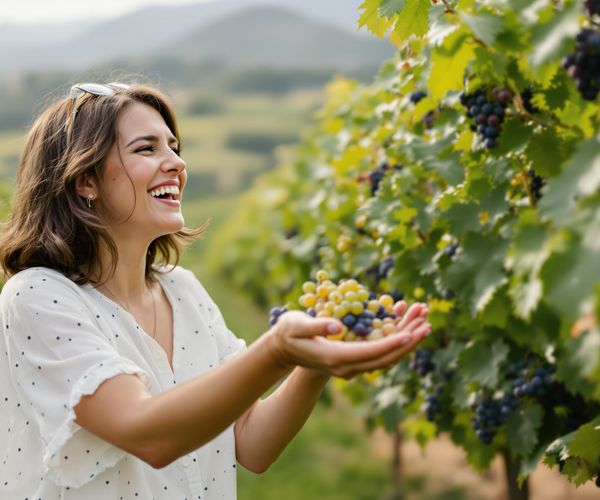
One of the most rewarding aspects of slow travel is the opportunity to discover hidden gems and off-the-beaten-path destinations. By venturing beyond the tourist hotspots, you can uncover unique cultural experiences and create memories that will last a lifetime. During a recent trip to Tuscany, Maximilian and I stumbled upon a small family-run winery nestled in the hills. We spent an afternoon learning about the winemaking process, sampling delicious wines, and enjoying a traditional Tuscan lunch with the owners. It was an experience we never would have had if we'd been rushing to see the Leaning Tower of Pisa.
Finally, slow travel can have a lower environmental impact. By choosing sustainable transportation options, such as walking, cycling, or using public transport, and by supporting local economies, you can minimize your carbon footprint and contribute to responsible tourism.
Planning Your Slow Travel Experience
Planning a slow travel experience requires a different approach than planning a traditional vacation. Instead of trying to cram as much as possible into your itinerary, you'll want to focus on quality over quantity.
Start by choosing a destination that appeals to you and that offers opportunities for cultural immersion. Consider opting for a single location or region to explore in depth. For example, instead of trying to see all of Italy in two weeks, you might choose to spend your entire vacation in Tuscany or Umbria.
Next, prioritize experiences that will foster connection and understanding. Look for activities that will allow you to interact with locals, learn about their culture, and support their economy. You might take a cooking class, visit a local market, or volunteer at a community project.
One of the most important aspects of planning a slow travel experience is allowing for spontaneity. Leave room in your itinerary for unexpected adventures and be open to changing your plans as you go. You never know what hidden gems you might discover along the way.
When selecting accommodations, consider staying in locally-owned guesthouses or apartments. This will give you a more authentic experience and allow you to connect with local hosts. Maximilian and I once stayed in a charming bed and breakfast in the Cotswolds, England. The owners were incredibly welcoming and shared insider tips on the best hiking trails and local pubs.
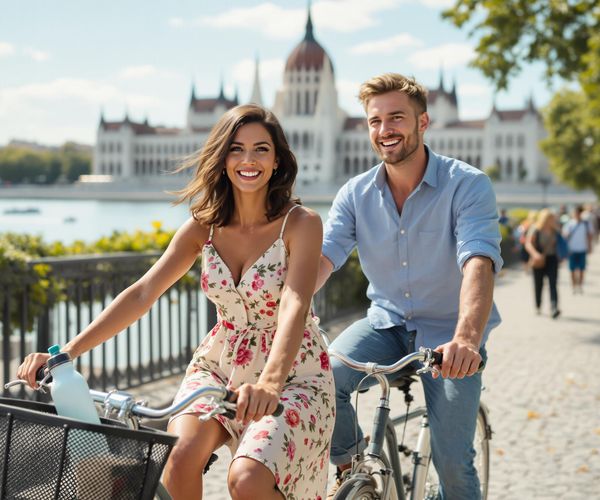
Finally, utilize local transportation whenever possible. Walking, cycling, or using public transport will allow you to experience the destination in a more immersive way and reduce your environmental impact. In Amsterdam, Maximilian and I rented bikes and explored the city's canals and parks at our own pace.
When researching destinations, I always look for unique cultural experiences that go beyond the typical tourist attractions. Websites like Culture Trip and local tourism boards can be great resources. Don't be afraid to ask locals for recommendations – they often know the best hidden gems.
The Slow Travel Mindset
Perhaps the most important aspect of slow travel is cultivating the right mindset. It's about embracing the unknown, living in the moment, and connecting with locals. It's about being open to new experiences and perspectives, and accepting that things may not always go as planned.
When you travel slowly, you learn to savor each experience and appreciate the small details. You notice the way the light filters through the trees, the sound of the birds singing, and the smell of freshly baked bread. You develop a deeper connection with your surroundings and with the people you meet.
Connecting with locals is an essential part of the slow travel experience. Engaging in conversations, learning from their stories, and sharing your own experiences can be incredibly enriching. During a trip to Kyoto, Japan, Maximilian and I spent an afternoon chatting with a local tea ceremony master. He shared his knowledge of tea culture and taught us the proper way to prepare and enjoy matcha. It was a truly unforgettable experience.
Ultimately, slow travel is about letting go of expectations and embracing the unexpected. Things may not always go according to plan, but that's part of the adventure. Be prepared to adapt, be flexible, and be open to new possibilities.
Slow travel has profoundly changed my perspective on life and travel. It has taught me to appreciate the journey, to connect with people on a deeper level, and to find joy in the simple things. It's an approach that I believe can enrich anyone's life, and I encourage you to give it a try on your next adventure.
Discover the benefits of slow travel and how it can enrich your journeys. Learn to savor each moment, connect deeply with destinations, and make lasting memories.