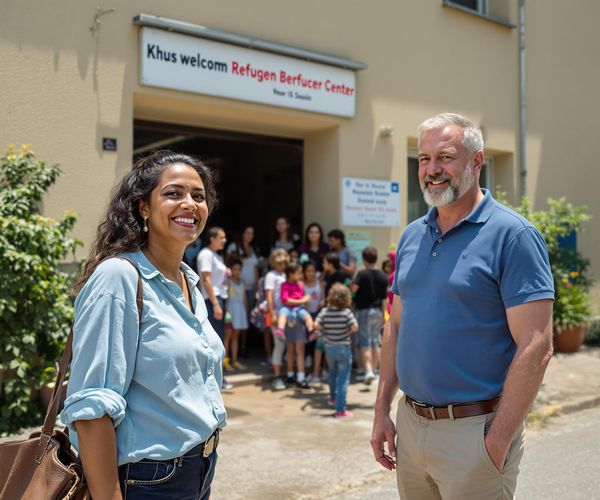
Moving to a new country, whether for a long-term adventure or a permanent relocation, is an incredibly exciting experience. However, it also comes with its own set of challenges. As someone who moved from Syria to Germany, I've learned firsthand the importance of adapting to a new culture. It’s not always easy, but with the right strategies, you can thrive in your new environment. I'm Fatima Darwish, and I’m excited to share some tips that have helped me and many others navigate the complexities of cultural integration.
Understanding the Cultural Landscape
Before you even pack your bags, take the time to research your host country's culture. Understanding the social norms, values, and behaviors is crucial to avoid misunderstandings and make a positive impression. Every culture has its own unique set of expectations regarding communication, behavior, and manners. For instance, in Germany, punctuality is highly valued, while in other cultures, a more relaxed approach to time is common. {image1}
Being aware of these cultural nuances can significantly impact your daily life and work environment. Read books, watch documentaries, and explore online resources to familiarize yourself with the customs and traditions of your new home. This preparation will not only help you navigate social situations more effectively but also demonstrate respect for the local culture.
Learning the Local Language: A Bridge to Integration
In my experience, learning the local language is one of the most crucial steps you can take to integrate into a new culture. While it might seem daunting at first, even a basic understanding of the language can make a huge difference in your daily life. It allows you to communicate more effectively, build relationships with locals, and navigate everyday situations with greater ease. {image2}
There are many practical ways to learn a new language. Language apps like Duolingo and Babbel offer convenient and interactive lessons. Consider enrolling in a language class to get structured instruction and practice speaking with others. Immersion techniques, such as watching local TV shows and listening to local music, can also be incredibly helpful. Don't be afraid to make mistakes – it's a natural part of the learning process. Embrace the opportunity to practice with native speakers, and you'll be surprised at how quickly you improve.
Building a Supportive Community
Moving to a new country can be isolating, especially in the beginning. That's why it's so important to establish a support network. Connecting with other expatriates, locals, and like-minded individuals can provide you with a sense of belonging and help you navigate the challenges of cultural adjustment. {image3}
There are many ways to build a supportive community. Joining local clubs, organizations, and community events is a great way to meet new people who share your interests. Utilize technology and social media to connect with others online. Platforms like Facebook and Meetup have groups specifically for expatriates and newcomers in various cities. Volunteering is another fantastic way to integrate into the community and meet new people while giving back. Remember, building relationships takes time, so be patient and persistent in your efforts.
Embracing Differences and Practicing Cultural Sensitivity
Cultural sensitivity and respect are paramount when adapting to a new environment. It's important to approach new customs, traditions, and perspectives with an open mind and a willingness to learn. Avoid making comparisons to your home country, and instead, focus on the positive aspects of the new culture. Every culture has its own unique strengths and values, and embracing these differences can enrich your own life. {image4}
Be mindful of local customs and traditions, and make an effort to show respect for them. This might involve dressing modestly when visiting religious sites, removing your shoes before entering someone's home, or avoiding certain topics of conversation that are considered taboo. By demonstrating cultural sensitivity, you'll build trust and foster positive relationships with the local community.
Maintaining Well-being and Managing Culture Shock
Adapting to a new culture can be emotionally challenging. Culture shock, homesickness, and feelings of isolation are common experiences for expatriates and long-term travelers. It's important to acknowledge these feelings and develop strategies for managing them. {image5}
Self-care is essential during this time. Maintain a healthy lifestyle by eating nutritious foods, exercising regularly, and getting enough sleep. Find activities that you enjoy and that help you relax and de-stress. It's also important to balance your connections with home and your new experiences. Stay in touch with family and friends back home, but also make an effort to embrace your new surroundings and build new relationships. If you're struggling to cope, don't hesitate to seek support from a therapist or counselor who specializes in cross-cultural adjustment. Remember, it's okay to ask for help, and taking care of your mental health is just as important as taking care of your physical health.
Moving to a new country can be exciting and challenging. Learn tips for adapting to new cultures, learning the language, building community, and managing culture shock.