As someone who has navigated the complexities of cultural integration firsthand, I understand the importance of approaching new cultures with respect and empathy. Traveling is not just about seeing new places; it's about connecting with people, understanding their traditions, and broadening our own perspectives. This guide will offer insights into how to travel more respectfully, ensuring positive experiences for both you and the communities you visit.
Understanding Cultural Sensitivity
Cultural sensitivity, in the context of travel, is the ability to understand and respect the values, beliefs, and customs of the people in the places you visit. It's about being aware that your own cultural norms are not universal and that other cultures may have different ways of doing things. It goes beyond simply being polite; it's about genuinely trying to understand and appreciate the richness and diversity of human experience.
Why is this so crucial? Because culturally sensitive travel leads to more authentic and enriching experiences. It allows you to connect with locals on a deeper level, fostering mutual understanding and respect. It also helps to avoid misunderstandings and unintentional offenses, ensuring smoother and more enjoyable interactions.
The benefits extend beyond the individual traveler. When we travel with cultural sensitivity, we contribute to the well-being of local communities. We support their traditions, respect their values, and help to preserve their cultural heritage for future generations. It's a win-win situation for everyone involved.
Researching Your Destination: A Key to Respect
Before you even pack your bags, the journey towards cultural sensitivity begins. Pre-trip research is paramount. Understanding the local customs and traditions of your destination is the cornerstone of respectful travel. It demonstrates that you value their culture and are making an effort to understand their way of life.
Where can you find reliable information? Start with reputable travel guides and websites that provide insights into cultural norms. Look for resources that are written by or in collaboration with locals. Academic articles, documentaries, and cultural organizations can also offer valuable information. For example, UNESCO's website offers information on various cultures and heritage sites around the world.
Learning basic phrases in the local language is an invaluable tool. Even a simple “hello,” “thank you,” or “excuse me” can go a long way in showing respect and building rapport. It demonstrates that you are making an effort to connect with people on their terms. Many language learning apps and online resources can help you get started.
Common Cultural Misunderstandings and How to Avoid Them
Despite our best efforts, misunderstandings can still occur. Being aware of common pitfalls can help you navigate potentially awkward situations with grace. Here are a few areas where cultural differences often arise:
- Greetings: In some cultures, a handshake is customary, while in others, a bow or a kiss on the cheek is more appropriate. Research the proper greeting etiquette before you arrive.
- Dining Etiquette: Table manners vary greatly around the world. In some cultures, it's considered rude to eat with your left hand, while in others, it's impolite to finish all the food on your plate.
- Dress Codes: Dress codes can be particularly important when visiting religious sites or conservative communities. Be sure to dress modestly and respectfully, covering your shoulders and knees when appropriate.
- Gift-Giving: The act of giving and receiving gifts can also be culturally nuanced. In some cultures, it's customary to refuse a gift several times before accepting it, while in others, it's important to open a gift immediately upon receiving it.
For example, in many parts of Asia, pointing your feet at someone is considered disrespectful. In the Middle East, it's important to avoid public displays of affection. In some European countries, punctuality is highly valued, while in others, a more relaxed approach to time is the norm.
If you unintentionally offend someone, the best thing to do is to apologize sincerely and explain that you didn't mean to cause any harm. Acknowledge your mistake and be willing to learn from it. Most people will appreciate your honesty and willingness to understand.
The Role of Empathy and Adaptability
Empathy is the cornerstone of cultural sensitivity. It's the ability to understand and share the feelings of others. When we approach new cultures with empathy, we are better able to see the world from their perspective and appreciate their unique experiences.
Adaptability is equally important. It's the willingness to adjust your behavior to show respect for local customs. This might mean learning a few basic phrases in the local language, dressing more modestly, or being more mindful of your body language.
In my work as a cultural integration mediator, I often witness the transformative power of empathy and adaptability. I've seen how small acts of kindness and understanding can bridge cultural divides and create meaningful connections. It's about being open to new experiences, embracing differences, and finding common ground.
Respecting Sacred Spaces and Religious Practices
When visiting religious sites, it's essential to behave with reverence and respect. These places hold deep spiritual significance for many people, and it's important to be mindful of their beliefs and practices.
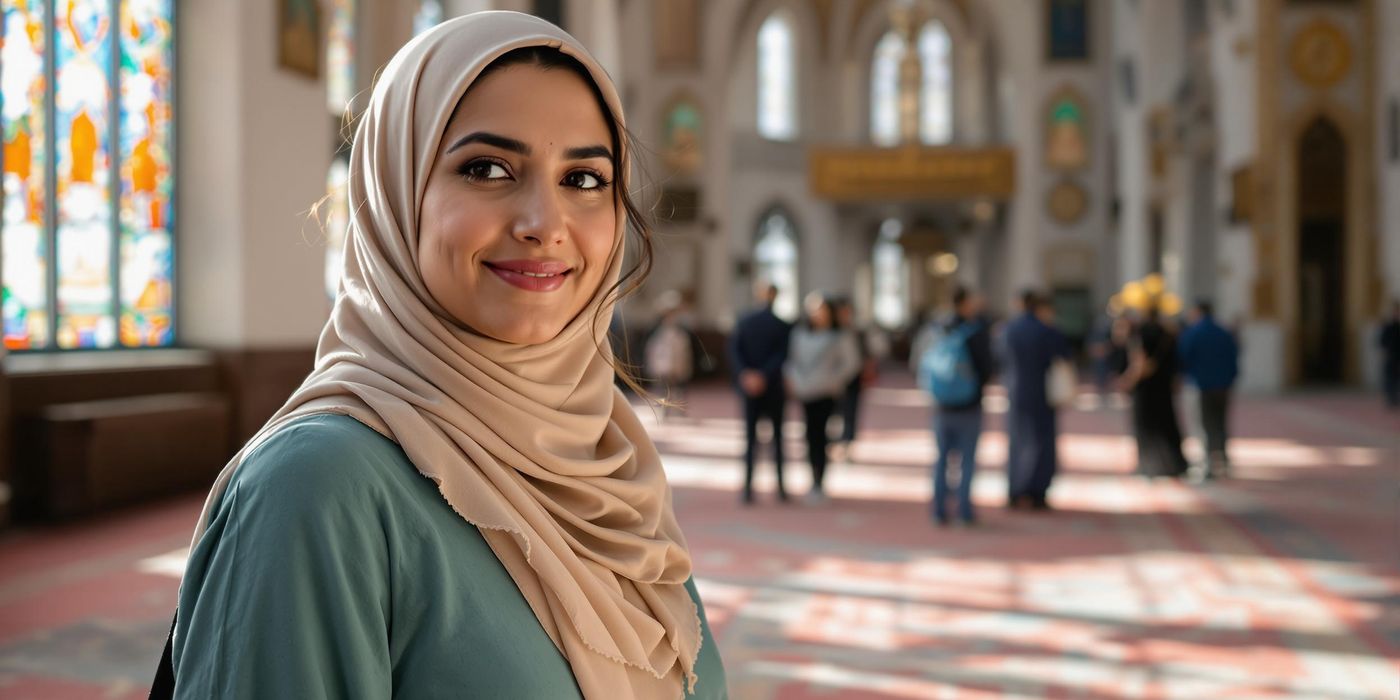
Dress code expectations often vary depending on the religion and the specific site. In general, it's advisable to dress modestly, covering your shoulders and knees. Women may be required to cover their heads in some religious sites. Remove your shoes before entering a mosque or temple, and avoid making loud noises or engaging in disruptive behavior.
Be particularly mindful during religious holidays and festivals. These are often times of great significance for local communities, and it's important to be respectful of their traditions and customs. Avoid taking photos during religious ceremonies unless you have been given permission to do so.
Researching religious customs and traditions before your visit can help you avoid unintentional offenses and show your respect for the local culture. Understanding the significance of religious symbols and rituals can also enhance your appreciation of the site.
Supporting Local Communities and Businesses
One of the most meaningful ways to travel respectfully is to support local communities and businesses. By contributing to the local economy, you are helping to sustain their livelihoods and preserve their cultural heritage.
Instead of staying in large, international hotel chains, consider staying in locally owned guesthouses or homestays. Eat at local restaurants and cafes, and shop at local markets and artisan shops. This not only provides you with a more authentic experience but also ensures that your money is going directly to the people who need it most.
Engaging in meaningful cultural exchanges with local people can also be a rewarding experience. Take a cooking class, learn a traditional craft, or volunteer at a local organization. These interactions can provide you with a deeper understanding of the local culture and create lasting memories.
Ethical Photography: Capturing Memories Respectfully
Photography can be a wonderful way to capture memories of your travels, but it's important to do so ethically and respectfully. Always ask for permission before taking photos of people, especially in more conservative cultures. Explain why you want to take their photo and be respectful of their wishes if they decline.
Avoid intrusive photography, such as taking photos of people without their knowledge or consent. Be mindful of people's privacy and avoid taking photos in situations where they might feel vulnerable or uncomfortable.
Pay attention to signage regarding photography use, especially in religious sites and museums. Some places may prohibit photography altogether, while others may have restrictions on the use of flash or tripods. Respect these rules and regulations to avoid causing offense or damaging sensitive artifacts.
Learn how to approach new cultures with respect and understanding to enhance your travel experiences and build positive connections.